Friday's economy & business stories

Vocal Tesla shareholder Ross Gerber plans board run
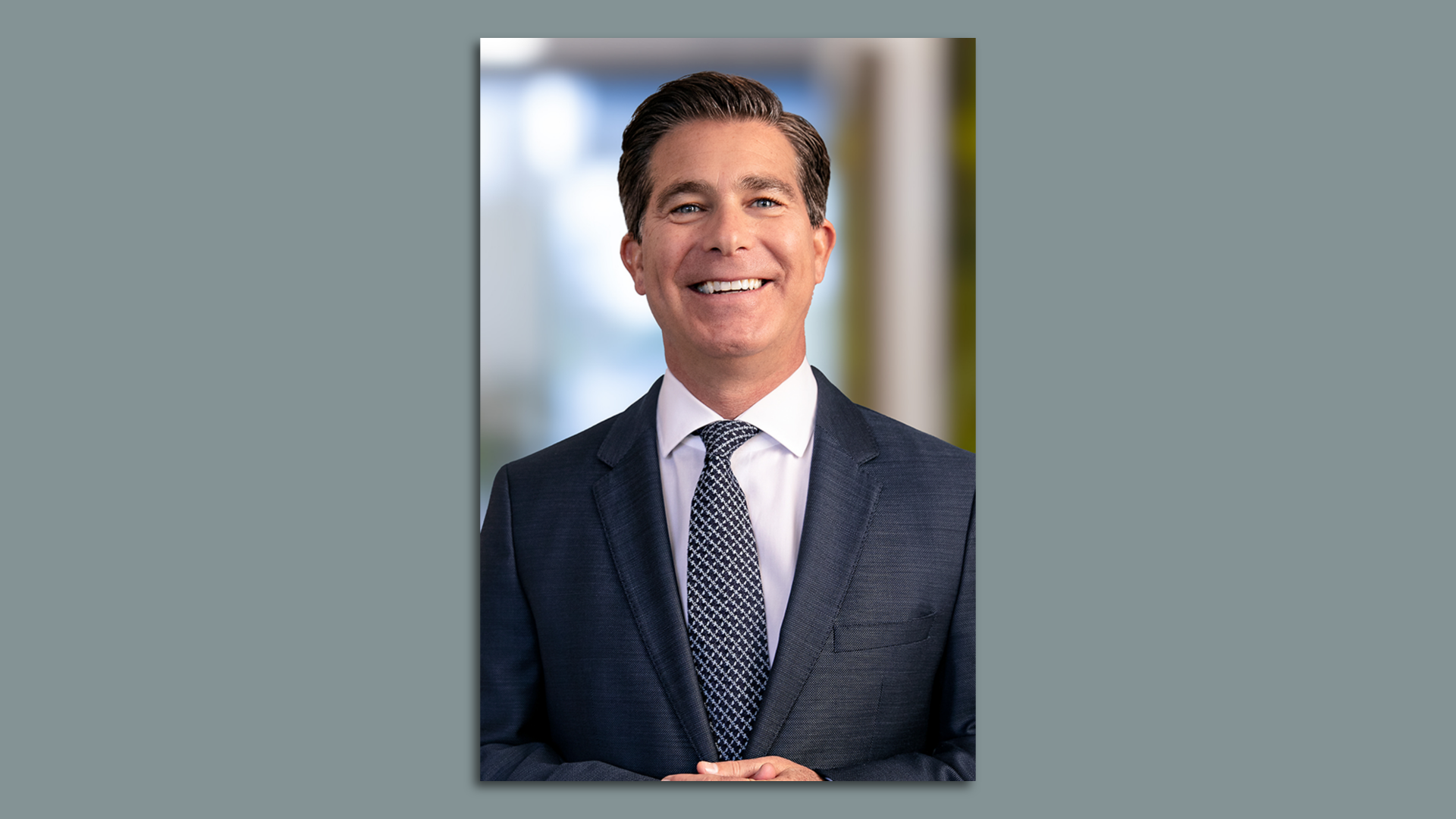
Ross Gerber — an investment adviser, outspoken longtime Tesla shareholder and prolific Twitter user — tells Axios that he will file a letter to Tesla's board next week stating his intentions to run for a seat, confirming comments he'd made earlier in the day on a Bloomberg Twitter Spaces conversation.
Why it matters: Gerber is running under new SEC "universal proxy" rules that enable all shareholders to vote for their preferred combination of board candidates.

UnitedHealthcare incentivizes healthy patient behavior
UnitedHealthcare, the largest health insurer in the U.S., is expanding an initiative designed to reward plan members for embracing healthy behavior, which will be monitored by activity trackers.
- The upside is that patients can reap financial incentives — but watchdogs are concerned that a downside could eventually include penalties for an unhealthy lifestyle.
Why it matters: Health care costs totaled nearly $13,000 per person in 2021, accounting for more than 18% of GDP. According to experts, unhealthy lifestyle choices are a contributing factor to ever-ballooning health care costs.
Driving the news: UnitedHealthcare Rewards will provide up to $1,000 annually to members who use wearable devices to prove they're being healthy, and take other steps to monitor their health.
- The program will be available first to the 3 million patients in UnitedHealthcare's fully insured plans, then rolled out to self-insured plan members in 2024.
- It replaces an initiative called UnitedHealthcare Motion, which focused on encouraging members to track their daily steps.
How it works: Rewards, which come in the form of a cash gift card or health savings account funds, stem from a variety of behaviors:
- Taking at least 5,000 steps, and completing at least 15 minutes or more of activity per day.
- Tracking sleep for at least two weeks, getting a biometric screening and completing a health survey.
Samantha Baker, chief consumer officer for the company's commercial business, tells Axios that "the goal of the program is really to motivate our members to take charge of their health and stay engaged in these activities and ultimately improve their quality of life and help improve health care overall."
Between the lines: Emerging evidence suggests "that wearables with incentives tied to them can promote and encourage people to walk more and get more physically fit," Marianne Udow-Phillips, a senior adviser to the University of Michigan's Center for Health & Research Transformation, tells Axios.
Yes, but: Watchdogs are concerned that companies like United could eventually use such programs to pass costs along to people who spurn healthy behavior.
- "There could be higher deductibles, higher premiums," Udow-Phillips said.
- "There are no regulations stopping them from" using data such as calorie intake, blood pressure and weight to penalize patients, the American Medical Association reported.
What they're saying: Still, Baker said the company has no plans to charge people more for unhealthy living.
- "There is no penalty for not engaging," she said. UnitedHealthcare will provide users with the option of selecting which data they do or do not share, she added.
Worth noting: If you can't afford or don't own a device that works with the UnitedHealthcare app (FitBit, Apple Watch or Garmin), you can't participate in the activity tracker aspects of the program.
- "The expense involved in procuring a wearable device could keep some patients with lower incomes from participating in incentive programs, so they lose out on a potential financial reward as well as the potential health benefits," the AMA reported.
The big question: Whether such programs can lower health care costs, or at least slow the pace of rate increases.
- "It seems like there's some potential here," Udow-Phillips said, but noted that cost savings for healthy behavior today might not translate into savings until years later.

AI expert Fei-Fei Li joins Radical Ventures as partner
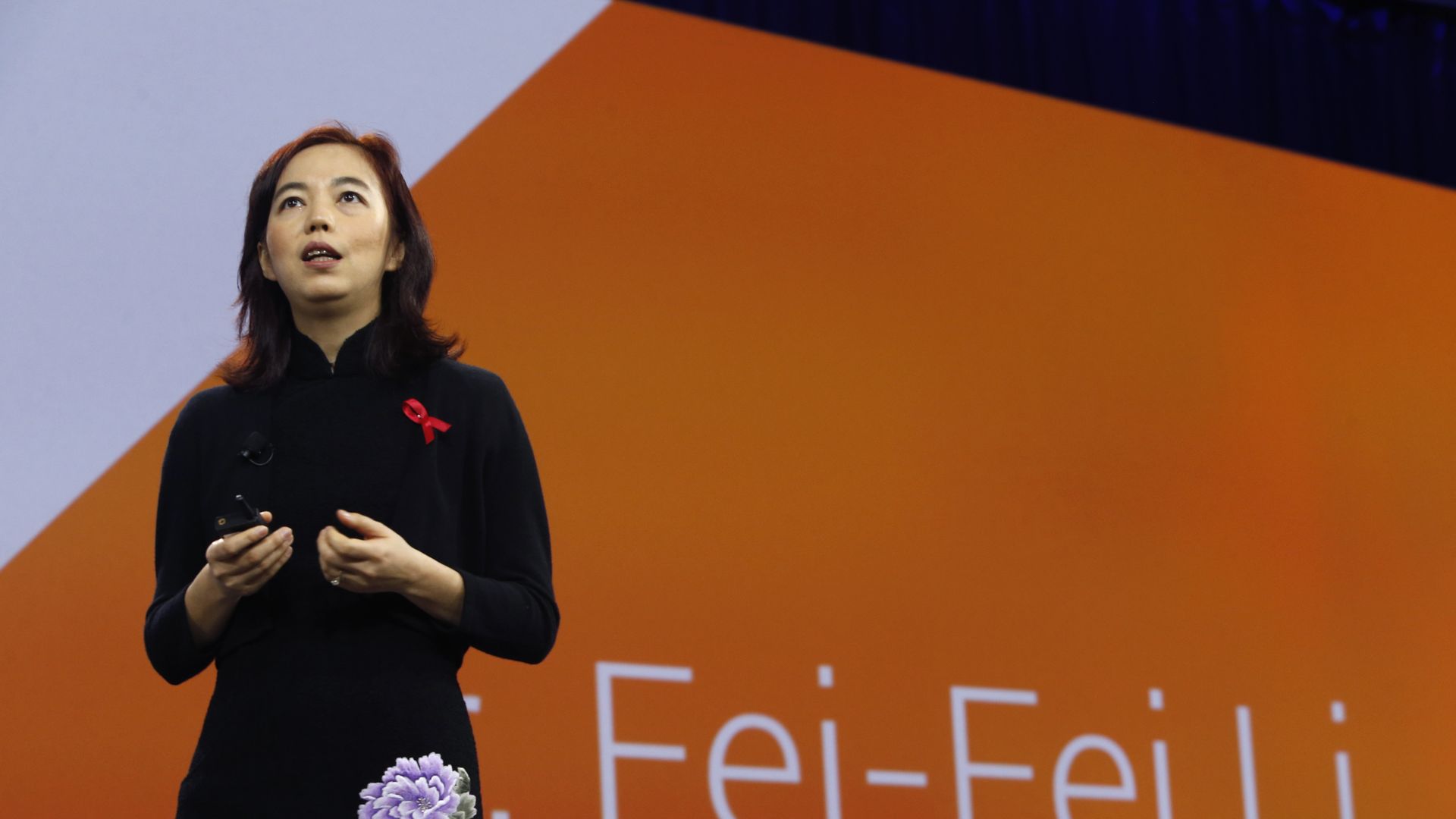
Fei-Fei Li, the artificial intelligence expert and Stanford University professor, is joining Canadian venture firm Radical Ventures as a partner.
Why it matters: "There’s no better time to do AI than today," Li, who has worked in the field for more than two decades, tells Axios.

Construction help wanted
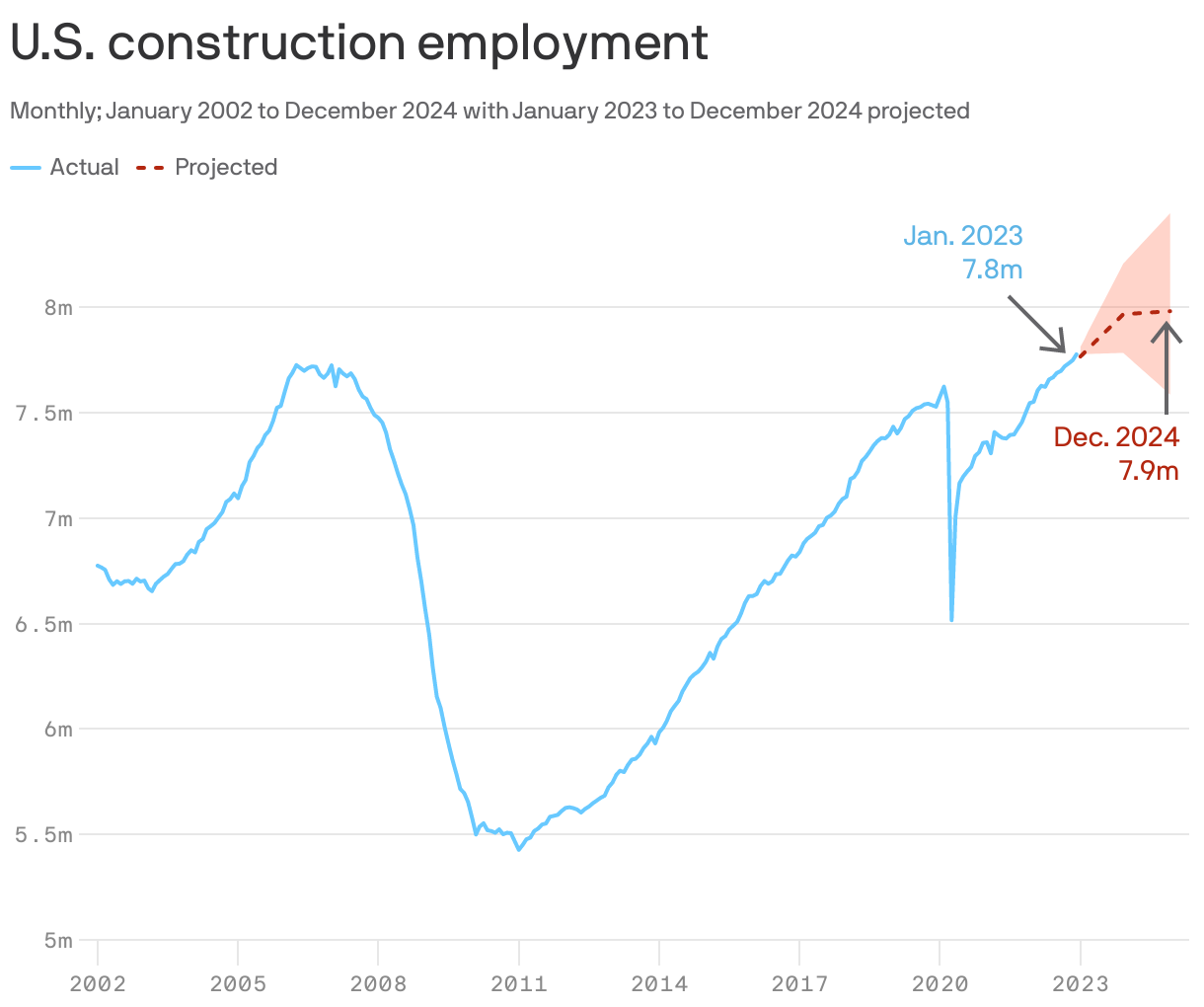
The construction industry is still in hiring mode and likely will be for the next few years, according to an industry group's projection.
Why it matters: It's not supposed to be like this. Typically, when interest rates rise — or when the economy slows down — construction hiring contracts.

The yield curve may be wrong when it comes to predicting recession
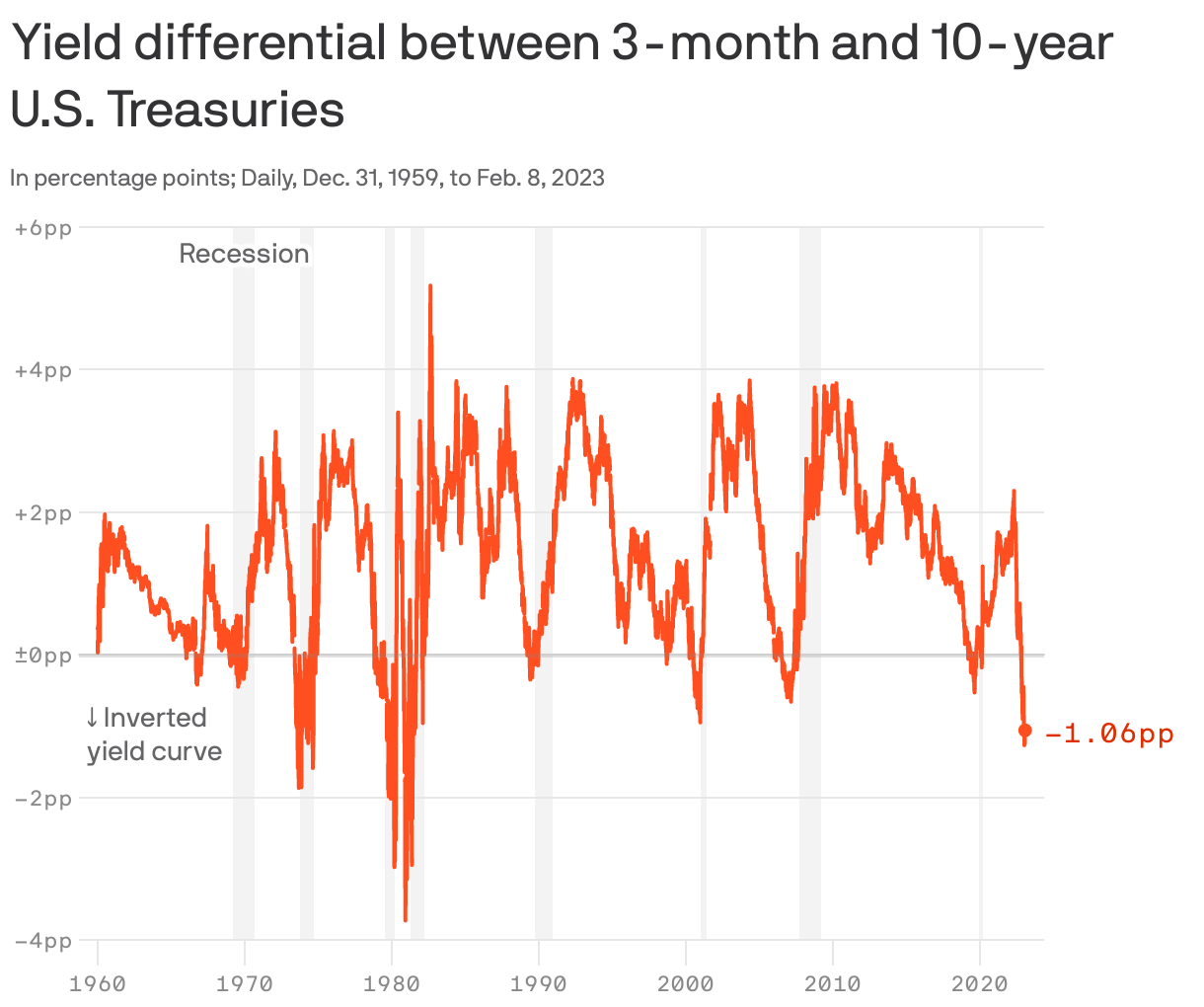
Analysts and economists on Wall Street are starting to question the predictive power of the inverted yield curve.
Why it matters: It means they're rethinking assumptions that helped drive many to cut forecasts for U.S. economic growth, amplifying the wave of recession talk.

NewsNation reporter faces charges after arrest at Ohio governor's press conference
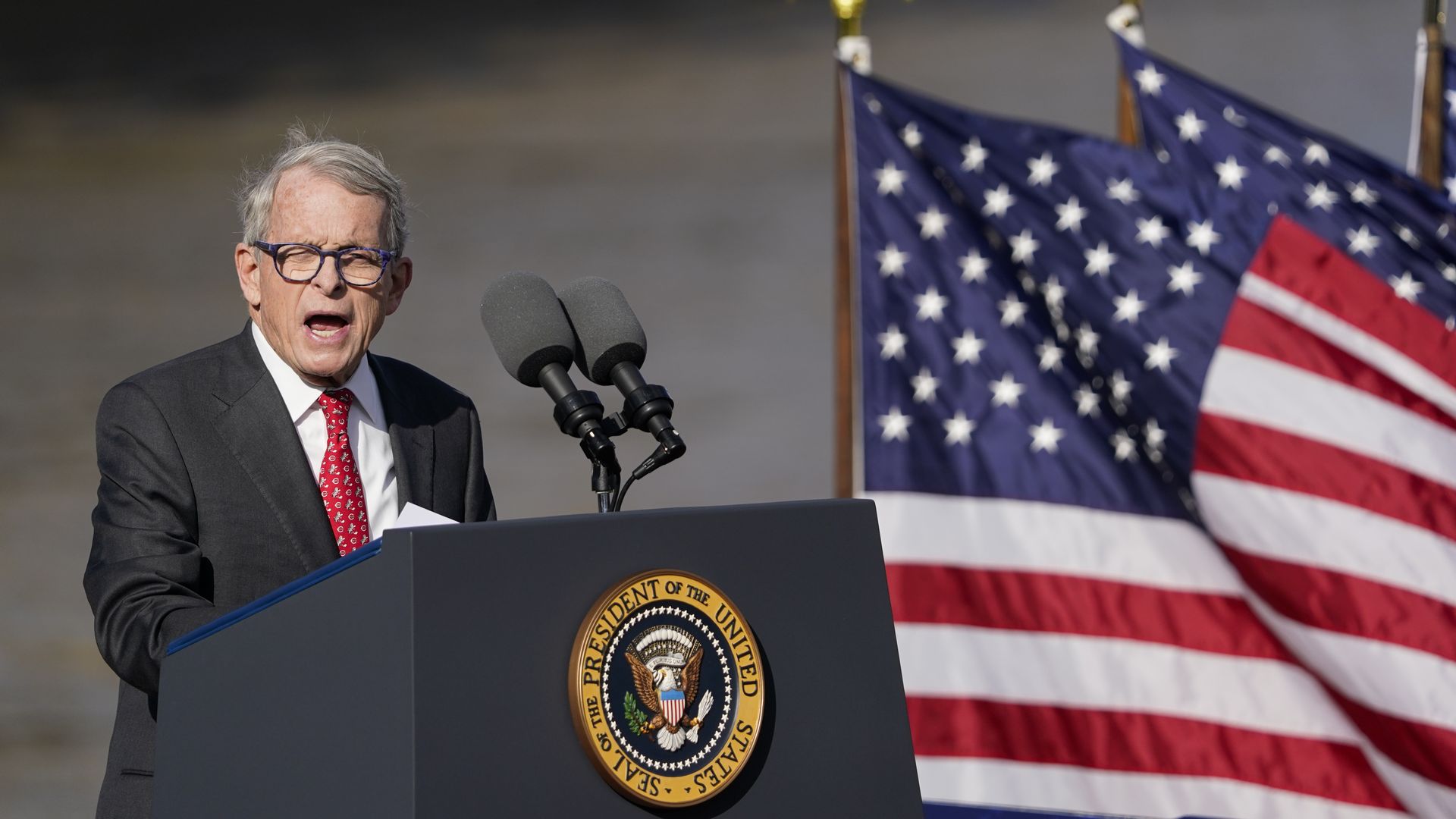
Police in Ohio arrested a NewsNation journalist on Wednesday as state Gov. Mike DeWine (R) was speaking at a news conference announcing that an evacuation order over last week's train derailment in East Palestine had been lifted.
The latest: NewsNation published video Thursday of its reporter Evan Lambert being pushed to the ground before being handcuffed during his arrest.

Finish line: Fighting unwinnable wars

Warning: This column contains profane language capturing actual events.
Roger Ailes — then the godfather of Fox News, and one of the most powerful people in media — hated Politico, the company I co-created in 2006, from the get-go, Jim VandeHei writes.
- Ailes, who died in 2017, blacklisted Politico journalists from Fox News after Fred Ryan, our publisher, leveraged his role as head of the Ronald Reagan Presidential Library to land two presidential debates for Politico.
The library picked CNN and MSNBC as partners over Fox. Ailes was livid.
- Plus Ben Smith, then a Politico blogger, wrote a story Ailes hated. So Fox News would routinely (and inaccurately) refer to Politico as "left-wing."
Why it matters: When we launched Politico, we recognized Ailes' deliberate effort to stoke an us-vs.-everyone culture to do the impossible — create a new dominant cable-news empire.
- In the end, Ailes taught me: Some wars are unwinnable. Some people are unchangeable.
The blacklisting hurt us. We were a new publication hellbent on appealing to conservatives and liberals alike. Fox was, and remains, dominant in its space.
- We had countless meetings and episodic back-channeling — even a lunch in the Fox executive dining room — to try to defuse things. Nothing worked.
In 2013, Ailes wanted to talk and was furious again — this time over an item by our media reporter, Dylan Byers.
- Peace offerings weren't working. I decided on the fly that aggressors only respond to blunt force. So I let it fly.
- Knowing this would be a hoot, two colleagues — Danielle Jones and Kim Kingsley — popped into my office to witness the showdown.
When Ailes came on the line, he was fuming about Byers' writeup of a book about President Obama by Jonathan Alter that portrayed Ailes as paranoid.
- Ailes yelled at me about Alter "writing in his underwear," and how he would "not take any shit from Dylan," based on detailed notes I took for a diary of my time at Politico.
- Ailes screamed: "I did not think he was an intellectual because that's what all you left-wing nuts think."
- My response, again thinking blunt force might work: "Roger, go f--- yourself."
Roger: "Wait! What? You just told Roger Ailes to go f--- himself."
- "Stick it in your damn ear!" he shouted. "You just said that so you could tell people you told Roger Ailes to go f--- himself."
No, I replied. I wanted him to stop calling us liberal.
- Ailes got creepy, warning of a coming war against us. Dylan, he warned, "will either fall off the limb or have the limb sawed off." I said that was a threat. He said it was not.
- He screamed something about me thinking he was a wimp, and dared us to come to Fox and call him a wimp.
- He hung up.
The big picture: For 24 hours I thought I was right. A top Ailes adviser called and suggested a truce would be possible now — maybe via an in-person lunch.
- Then ... crickets. We never talked again, and remained blacklisted until Ailes was forced out of Fox years later.
The moral of the story: Some fights simply can't be won — but make for fun stories later.
- Share this story.
White House pushing railroad companies to provide paid sick leave
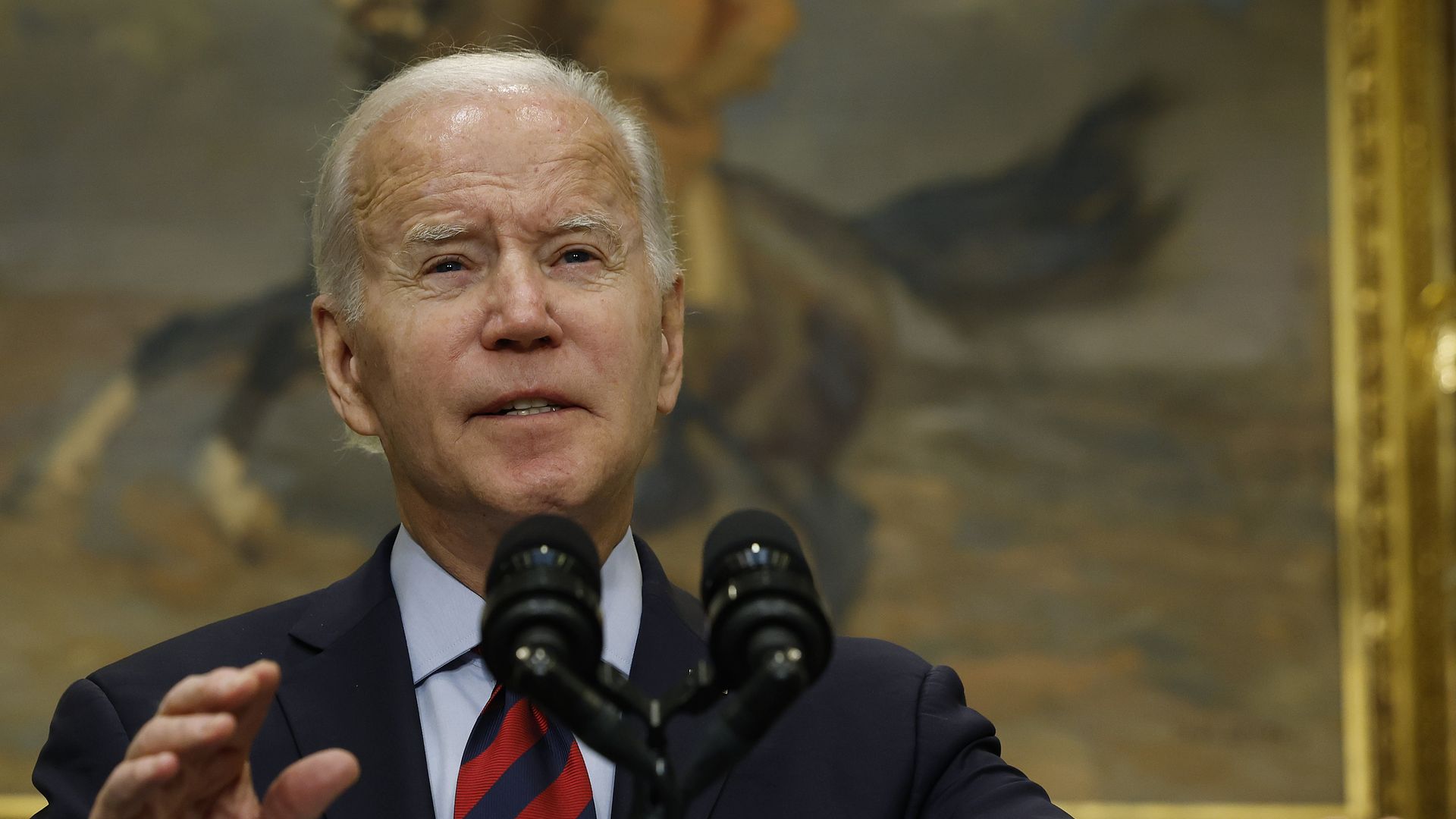
The White House is once again pushing the nation's largest railroads to provide paid sick leave to their more than 100,000 workers.
The big picture: The administration faced criticism last year after President Biden signed legislation to avert a nationwide rail strike, forcing a labor contract that didn't include the benefit.
Entertainment has become increasingly hard to monetize
The business model of streaming media has chopped off the long tail of content monetization.
Why it matters: The future of media and entertainment is tied, inextricably, to streaming — posing existential questions to creators and tightening the bind of costs to artistic decisions.

Kraken, under SEC pressure, ends U.S. ether staking
Crypto exchange Kraken on Thursday agreed to shutter its staking services for U.S. customers, and pay $30 million to the Securities and Exchange Commission as part of a settlement.
Why it matters: The top U.S. financial regulator has now spoken on staking, a process that compensates retail crypto investors for holding certain digital coins. The service offered on other major crypto exchanges like Coinbase.
What they're saying: "As part of the settlement, Kraken has neither admitted nor denied the SEC's allegations," a Kraken spokesperson said in a statement emailed to Axios.
- "Starting today, with the exception of staked ether (ETH), assets enrolled in the on-chain staking program by U.S. clients will automatically be un-staked and will no longer earn staking rewards," the statement added.
The big picture: Ethereum staking validates transactions on the Ethereum blockchain. To do this, a user would lock up their tokens, or "stake" the native coin, in this case ether. They earn rewards in that token, in return for helping secure the network.
- You can do this for any proof-of-stake protocols.
- Kraken is among the top staking service providers, representing 7.6% of all staked ether, behind Lido's 29% and Coinbase's 13%. Though, Kraken can't unstake ether right now, because no one can.
Between the lines: The SEC's complaint specifically takes issue with pooled staking, rather than staking at large.
Zoom in: In order to offer staking services, an exchange like Kraken would pool customer assets transferred by them and stake them on their behalf, the SEC's complaint reads.
- In doing so, there would be a contract between Kraken and their customers, that both transfers the customer's asset, and a promise on return.
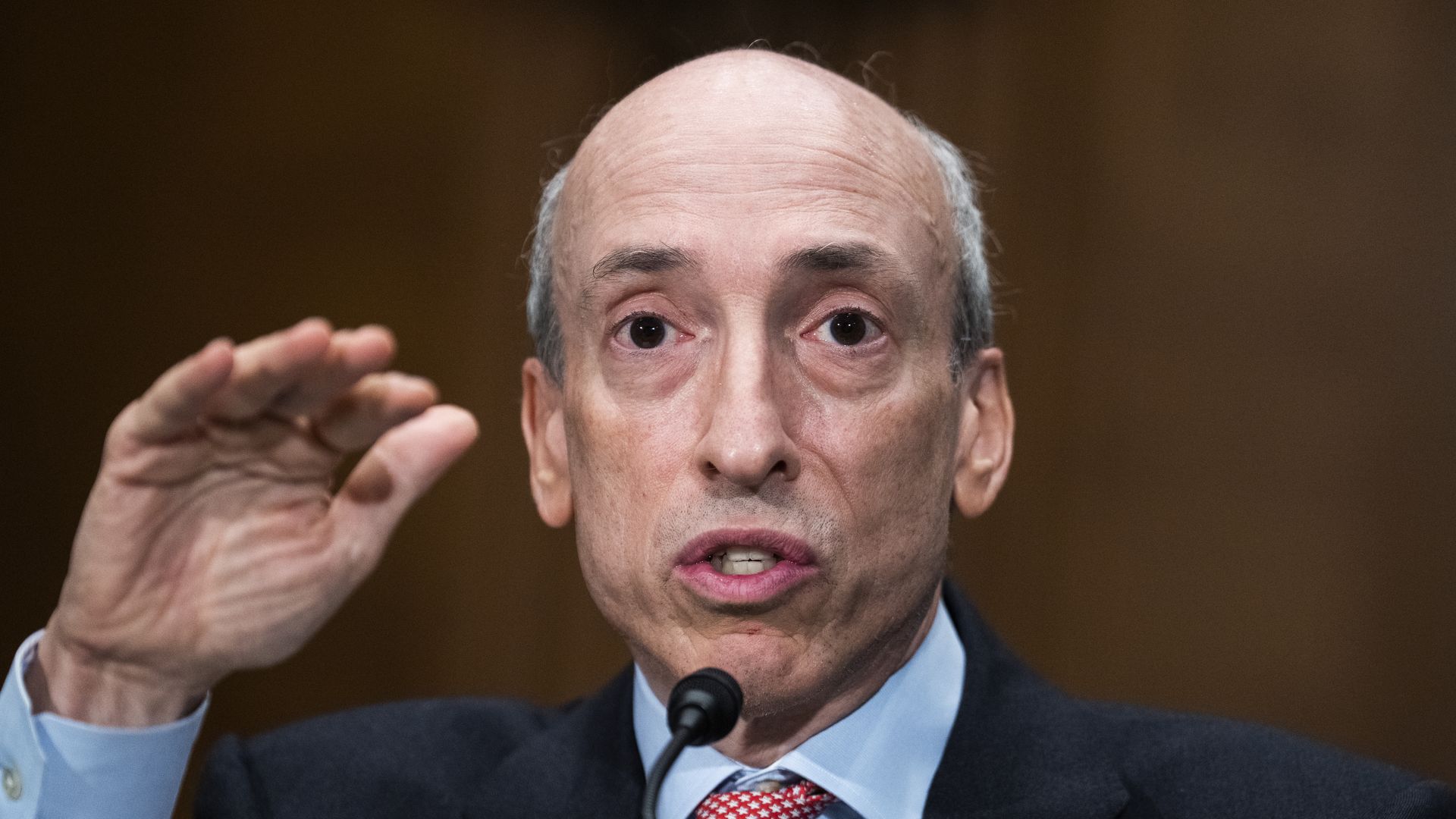
- “Whether it’s through staking-as-a-service, lending, or other means, crypto intermediaries, when offering investment contracts in exchange for investors’ tokens, need to provide the proper disclosures and safeguards required by our securities laws,” SEC Chair Gary Gensler said in the statement.
Bottom line: It would appear the SEC appears intent on proving it can keep the troubled crypto industry in line, by whatever means necessary.
PayPal CEO Dan Schulman to step down at end of 2023
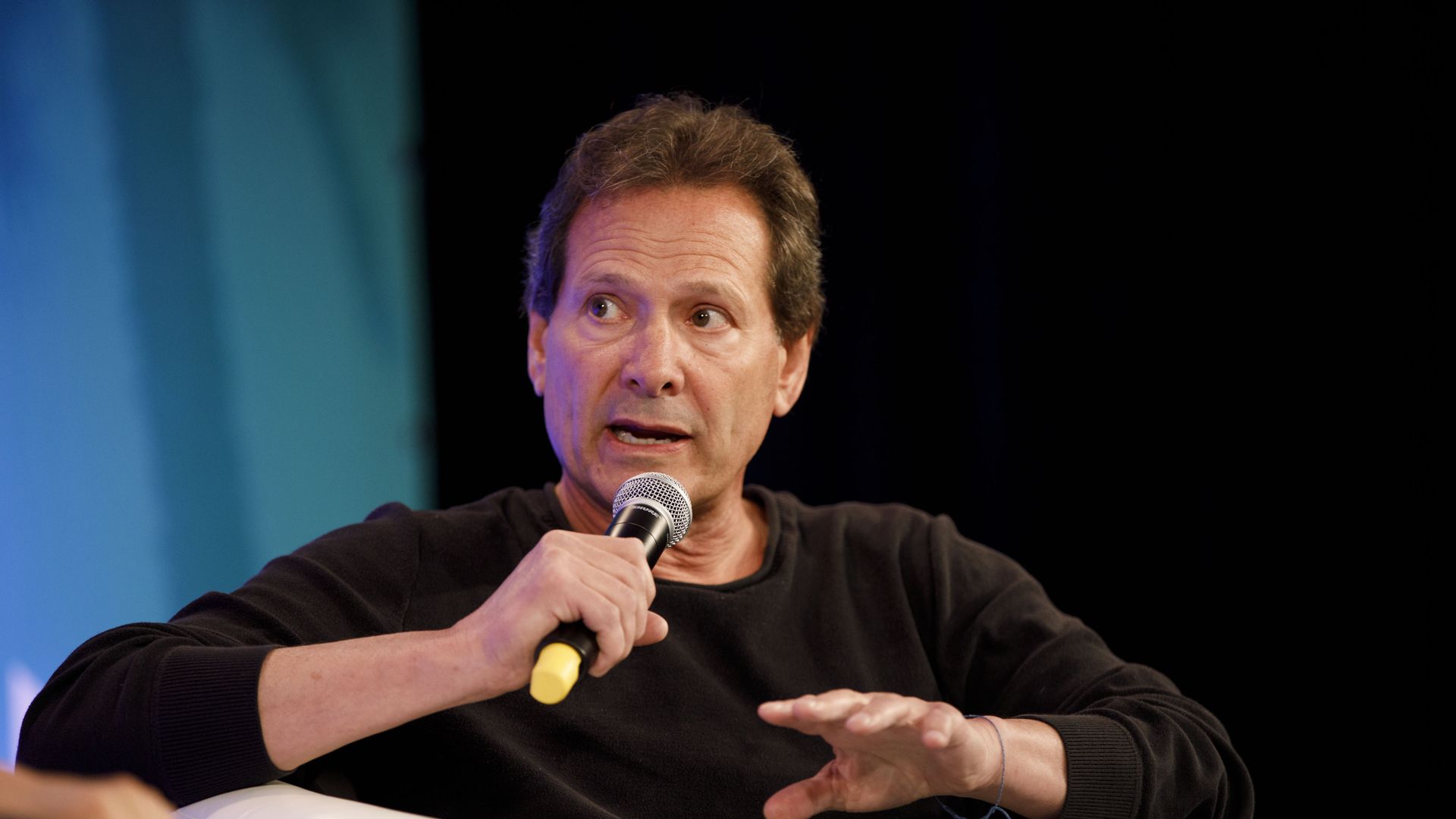
PayPal CEO Dan Schulman will step down from his role at the end of the year and remain on its board of directors, the company said on Thursday, as part of its quarterly earnings announcement.
Why it matters: Activist investor Elliott Management began building up a stake in the Silicon Valley payments company last summer.
- PayPal was once viewed as one of the pandemic's biggest winners, but its stock has since plummeted as business has slowed, along with other formerly high-flying tech giants.

Exclusive: Yahoo to lay off more than 20% of staff as it shrinks ad biz
Yahoo plans to lay off more than 20% of its total workforce as part of a major restructuring of its ad tech unit, executives told Axios. The cuts will impact more than 50% of Yahoo's ad tech employees — more than 1,600 people.
Why it matters: The changes will end Yahoo’s years-long effort to compete directly with Google and Meta for digital advertising dominance.


Weighting to exhale
This coming Tuesday, the Bureau of Labor Statistics will release January Consumer Price Index, offering the first major read on inflation in 2023.
- In a notable wrinkle, it will also tweak how it weights different goods and services, based on Americans' recent buying patterns.
State of play: Previously, the agency has updated those weights every other year, adjusting price swings in anything from bananas to used cars, and how those ought to affect the overall inflation index.
- For example, gasoline had a 3.431% weight in 2017-2018, which fell to 2.977% in 2019 and 2020.
- Now, the BLS is shifting to re-weighting CPI every year.
The re-weighting shouldn't radically shift the inflation numbers, but it could make analysts' forecasts a little less accurate, given uncertainty about how the numbers will look.
- The new weights "introduce additional uncertainty to our forecasts," said BofA economists in a note this morning.
- "While we do not expect the new weights to change the outcome materially, it could add or subtract" a few basis points from their forecast.
Go deeper: BLS explained the process in a blog post here.
Narrower profit margins could mean lower inflation

For much of the past two years, corporate America has been able to raise prices, with much of the higher prices juicing profits.
- Now the opposite looks to be true: margins are compressing, which could help the inflation cooldown that appears to be underway.

Startups race for communications support

Engineering talent has flooded the market due to big tech layoffs, and startup founders plan to snatch it up.
Why it matters: These new companies will need smart communicators to help them build their brand, explain their purpose, recruit top talent and bring in business.

Redwood Materials gets $2B U.S. loan to make electric car battery parts
Redwood Materials has received a $2 billion U.S. Department of Energy loan to begin domestic production of critical battery components for electric vehicles (EVs).
Why it matters: The loan is another lever, in addition to lucrative tax credits for battery manufacturers, that the Biden administration is pulling to jump-start a U.S. supply chain for EVs.
Communicator Spotlight: Shannon Brayton, Bessemer Venture Partners' CMO
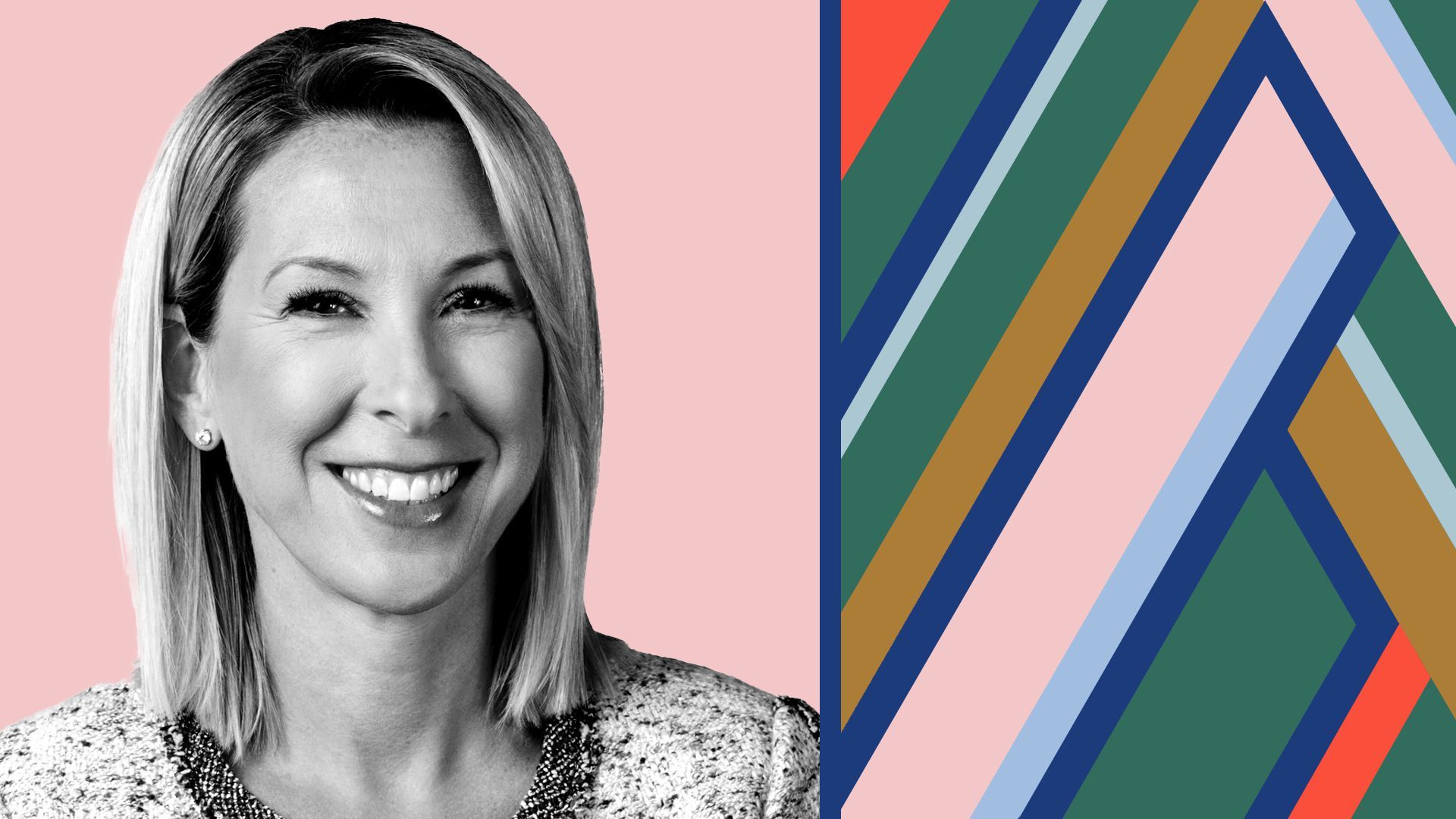
Shannon Brayton has introduced the world to such iconic tech brands as Yahoo, eBay, Open Table and LinkedIn.
Why it matters: Now she's building, promoting and protecting brands at scale as chief marketing officer of Bessemer Venture Partners, a venture capital firm supporting tech, enterprise, consumer and health care startups.
What communication recruiters want
The U.S. unemployment rate is the lowest it's been in half a century, but there's still an undercurrent of unease among communications and marketing professionals.
By the numbers: According to Indeed data shared with Axios, job postings for marketing and communication roles are down 31% since last year.
Crypto winter comes for bitcoin ATM operator
The ATM is among the more ubiquitous gateways to crypto, found at truck stops and bars around the world, but that status hasn't saved them from the broader system's maladies, Crystal writes.
Driving the news: Top-5 bitcoin ATM operator Coin Cloud filed for Chapter 11 bankruptcy in Nevada on Tuesday, just steps behind its lender, Genesis Global.

Dealmakers are operating in a new normal for antitrust scrutiny
President Biden's antitrust regulators haven't notched too many wins, but they've nonetheless forced a new normal for dealmakers.
The big picture: Buyers and sellers now expect antitrust investigations, even if they don't believe their transactions fall afoul of competition law.
Nextracker raises $638 million in year's largest IPO

Nextracker, a Fremont, Calif.-based developer of solar tracker systems, raised $638 million in its IPO.
Why it matters: This is the largest U.S. IPO since Mobileye went public last October, and the largest solar energy IPO in more than two years. It also comes on the same week that three other companies are planning to raise at least $150 million in IPOs of their own, suggesting something of a market thaw.
Half of Americans have the financial blues
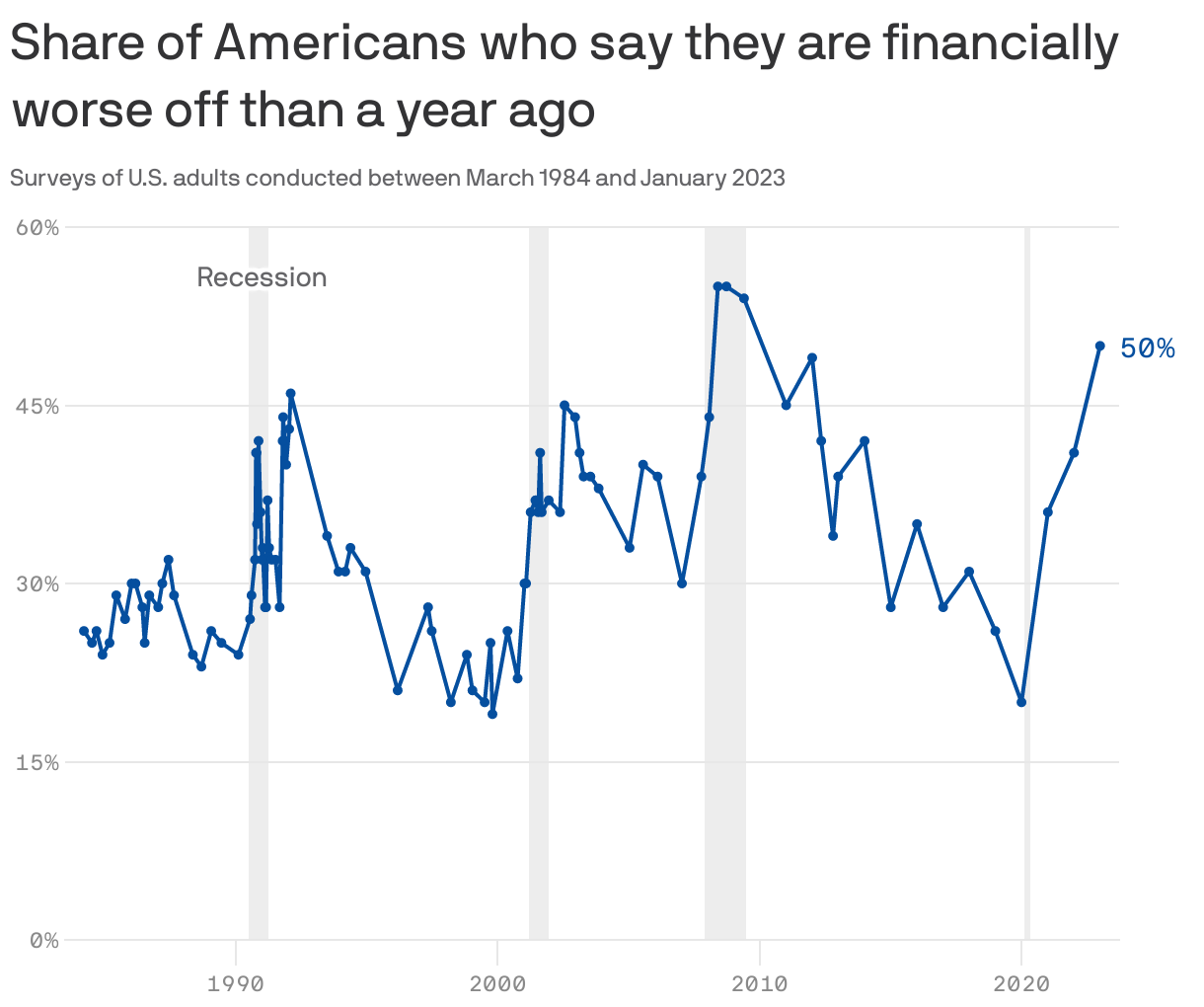
In a new survey, 50% of Americans told Gallup they're financially worse off now than last year. That's the highest percentage since the Great Recession.
Why it matters: We're not in a recession, but people have the financial blues for a bunch of reasons. And, though the president touted his economic record this week in the State of the Union, it's a tough sell — especially across the aisle.

Southwest Airlines exec to Senate: "We messed up"
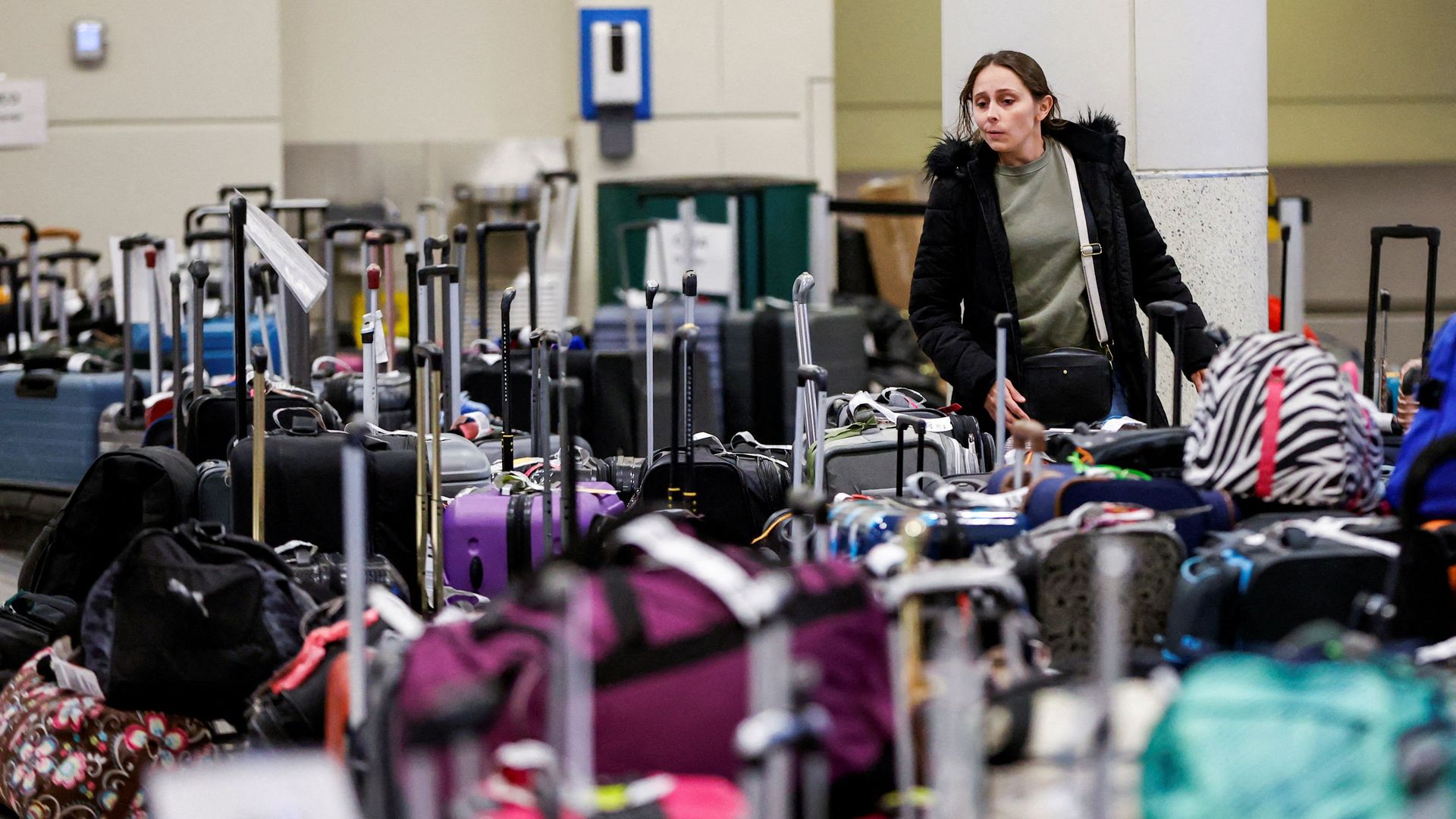
A top Southwest Airlines executive, appearing at a Senate hearing on Thursday, plans to deliver another apology for the company's disastrous holiday meltdown.
Driving the news: "Let me be clear: we messed up," Southwest Airlines COO Andrew Watterson will tell the Commerce Committee before being grilled. "In hindsight, we did not have enough winter operational resilience."

Podcasts lose their edge

Podcasting has emerged out of years of rapid growth and a pandemic boom to face an identity crisis as its ecosystem contracts, advertisement slows and the medium eases into maturity.
Why it matters: Podcasts changed the listening habits of millions of people over the last decade, but the once-groundbreaking format has settled into a more precarious middle age.


Super Bowl parties are getting more expensive
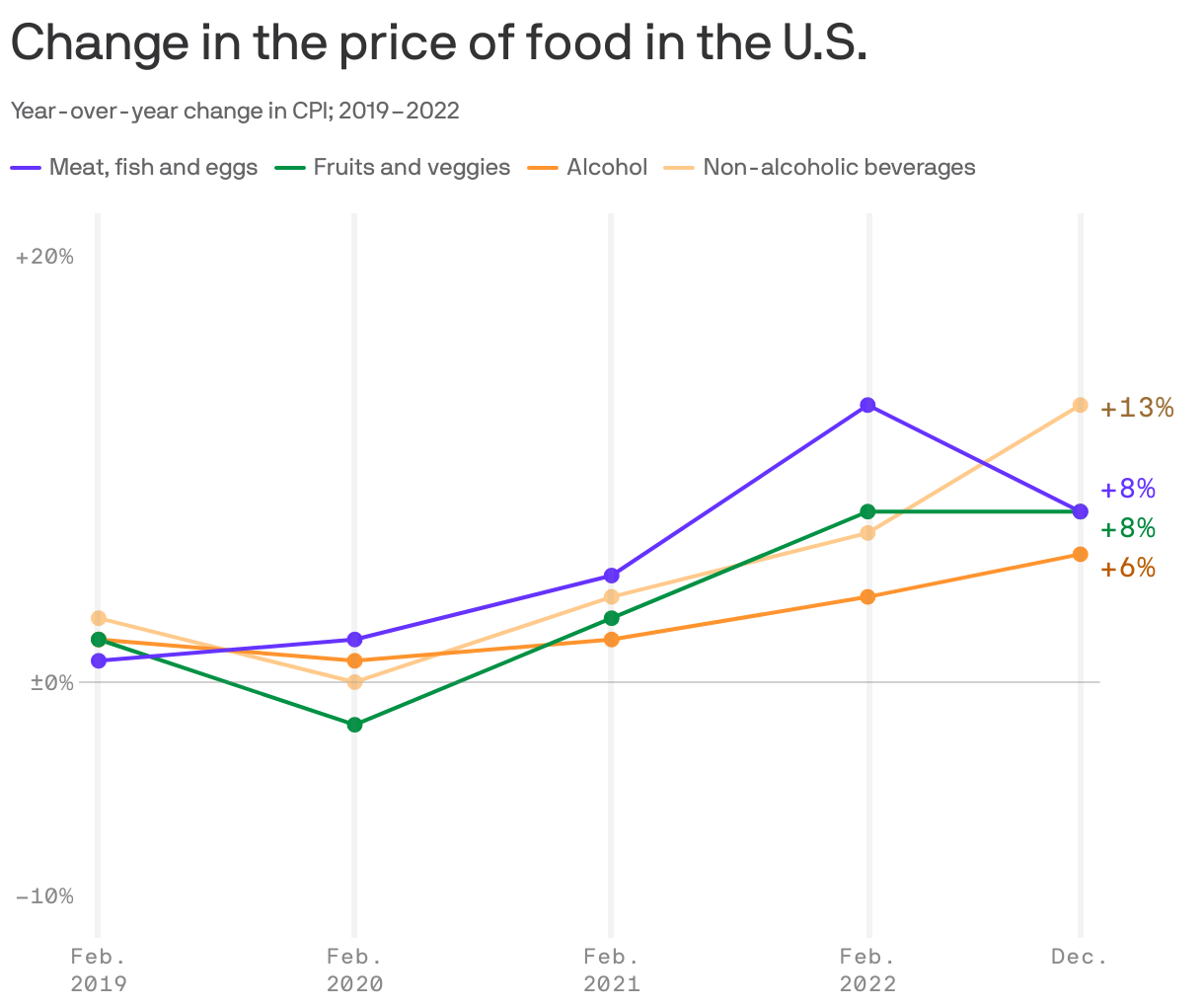
The cost of many Super Bowl party staples has been steadily rising over the last few years, per the latest Consumer Price Index (CPI) data.
Why it matters: As Americans gear up for Sunday's matchup between the Kansas City Chiefs and the Philadelphia Eagles, their bank accounts are about to get sacked.

Disney to lay off 7,000 employees amid major restructuring

Walt Disney Company announced Wednesday on a call with investors that it expects to cut 7,000 jobs this year — or about 3.6% of its global workforce — as part of a broader restructuring plan and a bigger effort to save $5.5 billion in costs.
The big picture: In light of financial pressure from Wall Street, CEO Bob Iger reiterated his plan to make Disney more efficient while also bolstering the company's streaming business.