Buy-now, pay-later giant Affirm announced on Wednesday afternoon that it is cutting 19% of its workforce — about 500 people — alongside earnings results that missed analyst expectations.
Context: The reduction will reset the company to the size it was "between 6 and 12 months ago," CEO Max Levchin wrote in a note to employees.
Robinhood announced Wednesday it plans to buy back shares from Sam Bankman-Fried's Emergent Fidelity Technologies, the stock trading company announced Wednesday.
Why it matters: That particular Robinhood stake is currently in legal hell after FTX's implosion.
Netflix is going to start cracking down on password-sharing in four countries, the video-streaming giant announced Wednesday.
Why it matters: The rules, which are being rolled out in Canada, New Zealand, Portugal and Spain, are meant to help Netflix grow its number of paid subscribers.
The state of the consumer is strong, according to Uber CEO Dara Khosrowshahi.
What they're saying: "We have looked and looked ... we're not seeing any signs of consumer weakness at this point," he told CNBC Wednesday morning following the company's latest earnings report which reflected its "strongest quarter ever."
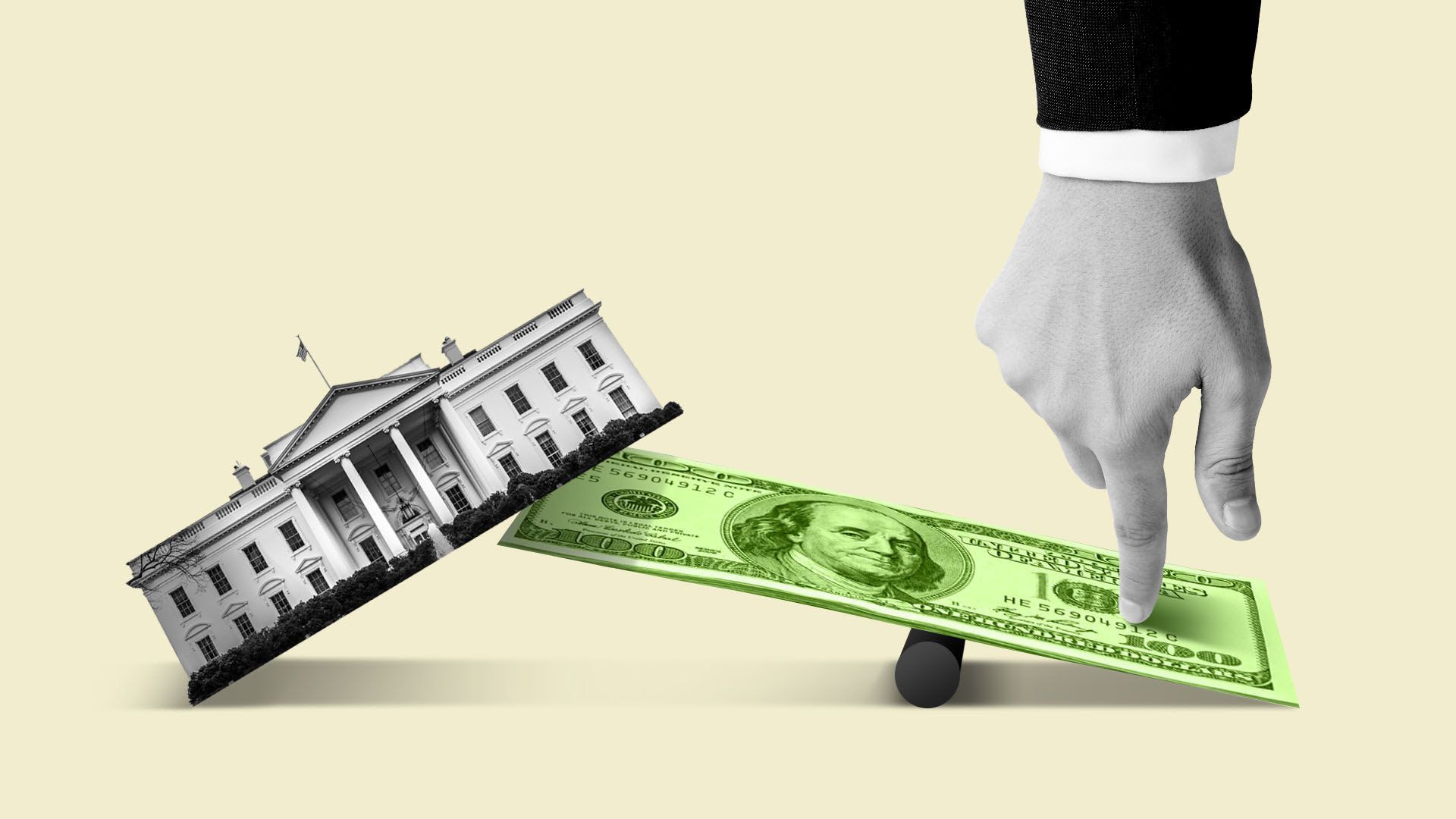
The Fed is closely watching upward wage pressure in core services, excluding the housing market. Apparently, so is the White House.
Today, President Biden's economic advisers released data that shows a notable slowdown in wage gains across those sectors.
Why it matters: It's rare to see the White House tout slowing wage growth, but developments there could set the path for how inflation evolves.
Driving the news: In a blog post, the White House Council of Economic Advisors outline a time series they constructed, which they argue better measures wage growth in industries within the core non-housing services (or NHS, as they deem it).
Their data shows average hourly earnings rose at a peak 8% annual rate for production, non-supervisory workers in those industries early last year. For all private-sector workers in these industries, it was 7%.
But as of December, both of these measures of average hourly earnings growth had slowed down — rising at a roughly 5% annual rate.
Zoom out: As long as the labor market remains tight, Powell has said, these industries — which span barber shops to education and restaurants — are the ones most likely to pass higher costs to consumers. That could cause inflation to spiral upward.
The bottom line: The current rate is likely still too hot for the Fed's liking. But, at least by this measure, it suggests wage pressures are cooling.
In the communications we've received from Fed leadership this year, and especially over the last week, there has been a tonal shift from last year.
Chair Jerome Powell and his colleagues seem less intent on trying to steer financial markets with their rhetoric.
Why it matters: Markets can rise or fall, but the Fed may prove less reactive to those shifts than it was last year and more reactive to data — particularly the kind that sheds light on price pressures.
It reflects greater confidence that Wall Street has gotten the Fed's message about its resolve in bringing inflation down; policymakers will react appropriately to economic data, even without explicit jawboning.
State of play: The Fed spent much of last year using a combination of words and policy actions to create higher borrowing costs for companies and consumers, in the hopes of slowing spending and bringing demand more in line with supply.
For example, Powell's speech in Jackson Hole, Wyoming, last August was light on new analysis of the economic situation, but rather acted as a cudgel to convey that the Fed was determined to achieve tighter financial conditions.
Yes, but: Financial conditions have loosened since the fall, including a 16% rise in the S&P 500 since mid-October, and a drop in longer-term interest rates.
Now, financial markets are pricing in fewer Fed hikes than officials themselves expect in 2023, while curbing expectations of rate cuts later this year that Powell and his colleagues do not envision at all.
In last week's news conference, Powell addressed this mismatch with the verbal equivalent of a shrugging emoji. "There's a difference in perspective by some market measures on how fast inflation will come down," Powell said. "We're just going to have to see."
"I'm not going to try to persuade people to have a different forecast, but our forecast is that it will take some time and some patience and that we'll need to keep rates higher for longer," he said. "But we'll see."
What they're saying: "Late last year Powell and other Fed speakers seemed intent on managing market expectations," JPMorgan chief U.S. economist Michael Feroli wrote in a note yesterday.
"More recently, they appear content conveying that they will respond to the data and letting the market take that as fair warning."
"Last year the Fed guided the market for many steps of the way, which was easier when the goal line was far away. This year, the market shouldn’t expect the same degree of hand holding."
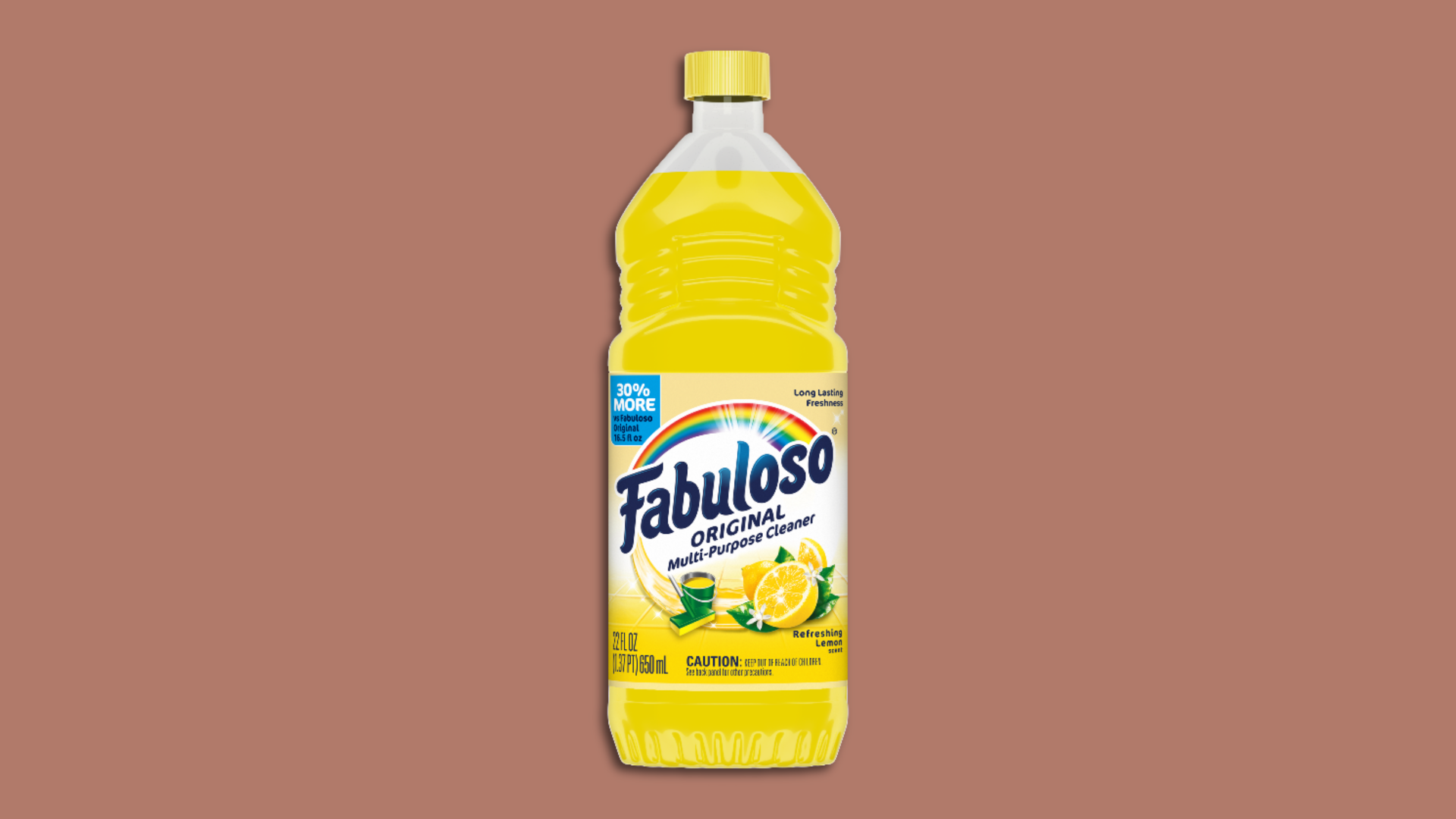
Colgate-Palmolive is voluntarily recalling approximately 4.9 million bottles of select Fabuloso Multi-Purpose Cleaners “due to risk of exposure to bacteria,” the company announced Wednesday.
Driving the news: The recalled products may contain “Pseudomonas species bacteria,” which are environmental organisms found widely in soil and water, the recall notice said.
The bacteria can enter the body if inhaled, through the eyes, or through a break in the skin.
Office occupancy fell by nearly five points after ice storms in Texas kept workers at home, per Kastle swipe data for the week ending Feb. 1.
Why it matters: The drop comes just one week after office occupancy hit a post-pandemic high — crossing the 50% threshold — and underscores how sensitive the workplace has become to weather events.
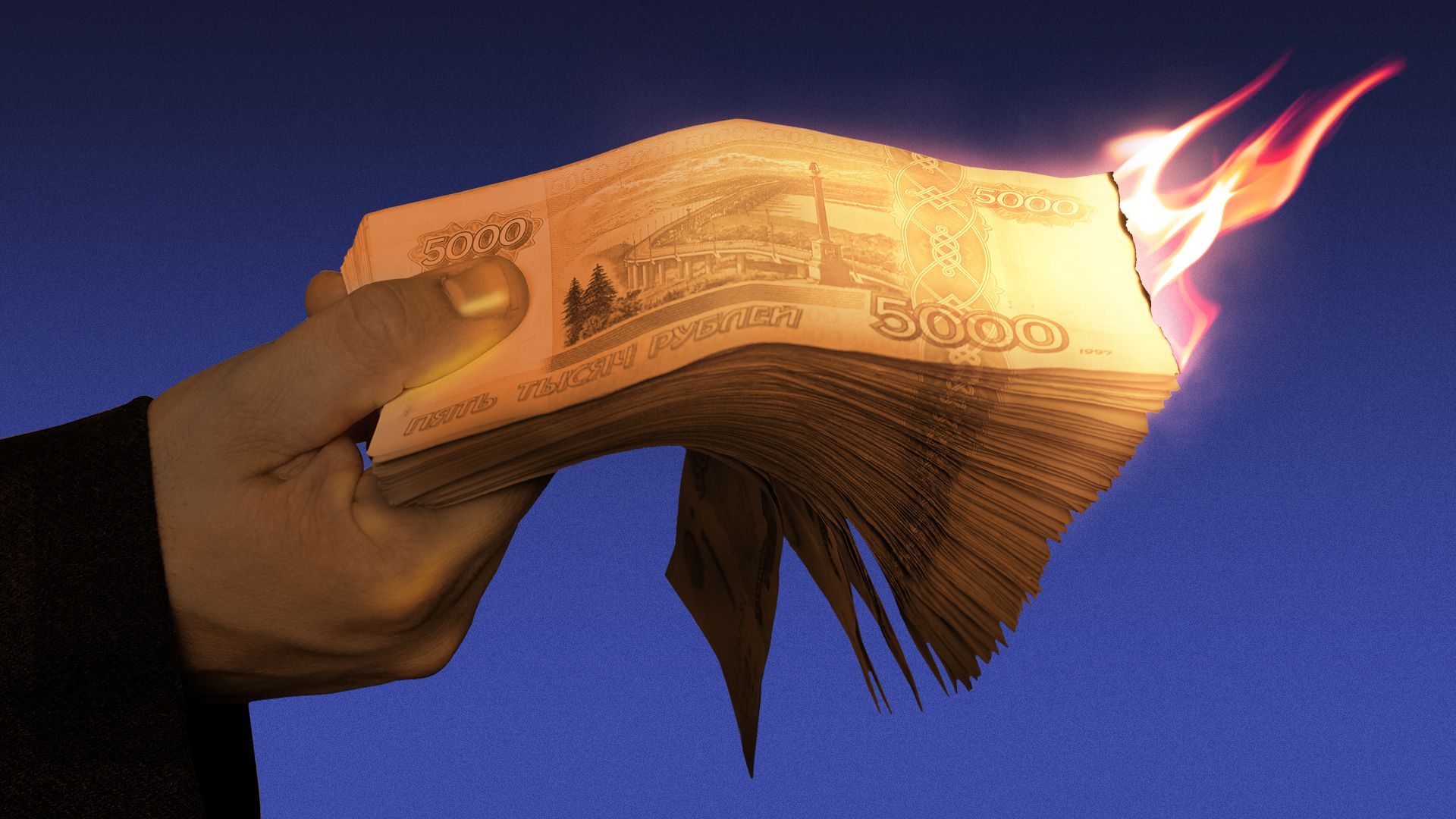
Russia's budget deficit widened sharply in January, as the latest sanctions on Russia's energy exports — and the mounting expense of its brutal war on Ukraine — may be starting to erode the Kremlin's heavily fortified finances.
Why it matters: Since Russia's invasion nearly a year ago, Western officials warned that it would take time for the full impact of sanctions to be felt in Moscow. That moment could be drawing closer.
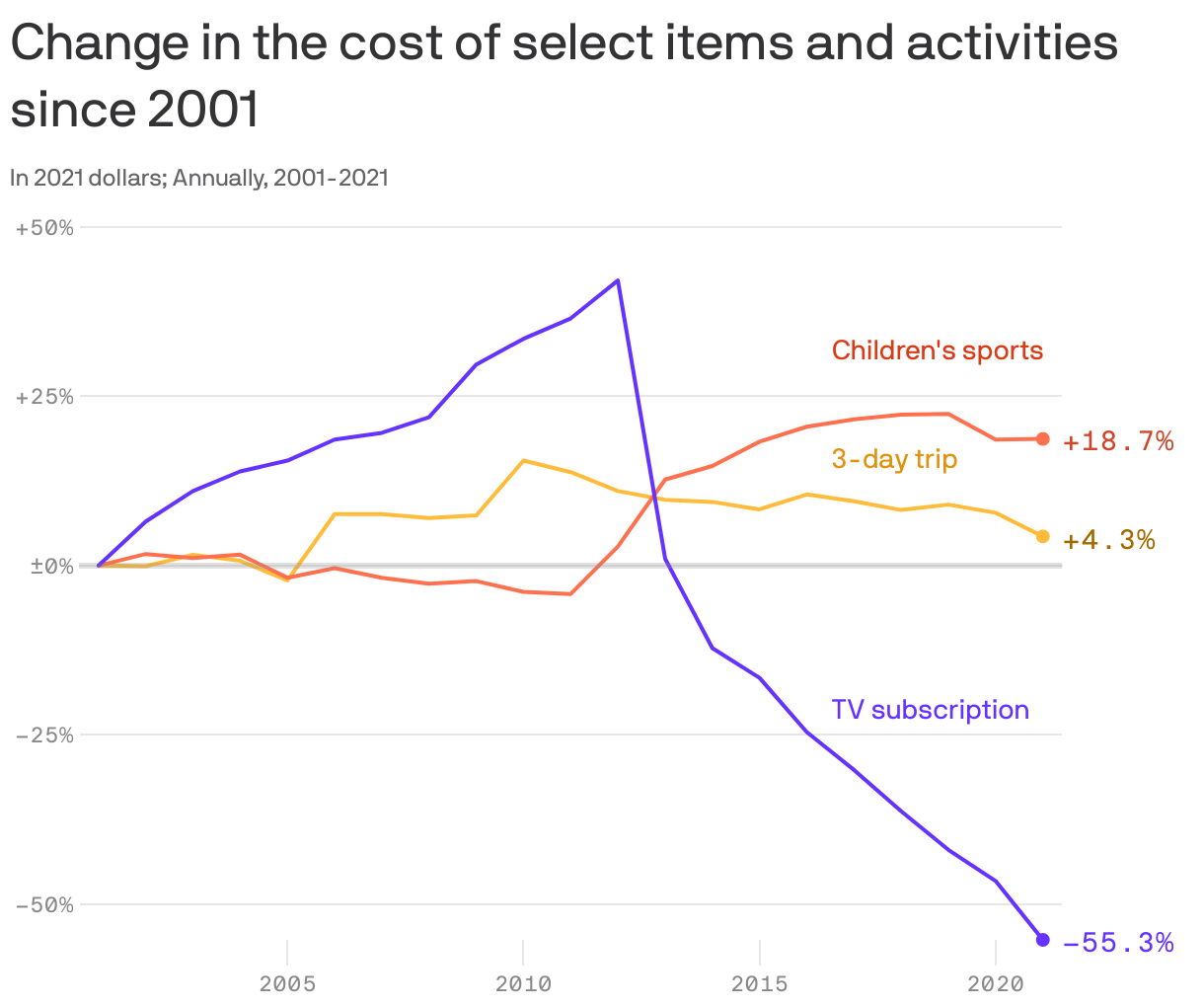
Data: Ludwig Institute; Chart: Erin Davis/Axios Visuals
While the cost of living is up overall, the cost of living well has been falling, according to an innovative index that measures the cost of bare recreational necessities, like short vacations and money for gifts and holidays.
Why it matters: Just because an activity is recreational doesn't mean it's unnecessary. Household budgets across the country have to find space for some such activities, lest their absence cause real problems with physical and mental health.
There's been a steady drumbeat of announcements from mayors about their plans to blanket their cities with electric vehicle (EV) charging stations — and to keep equity considerations front and center when choosing sites.
The big picture: Obstacles are plentiful — from the price of urban real estate to outdated zoning rules — but momentum is high.
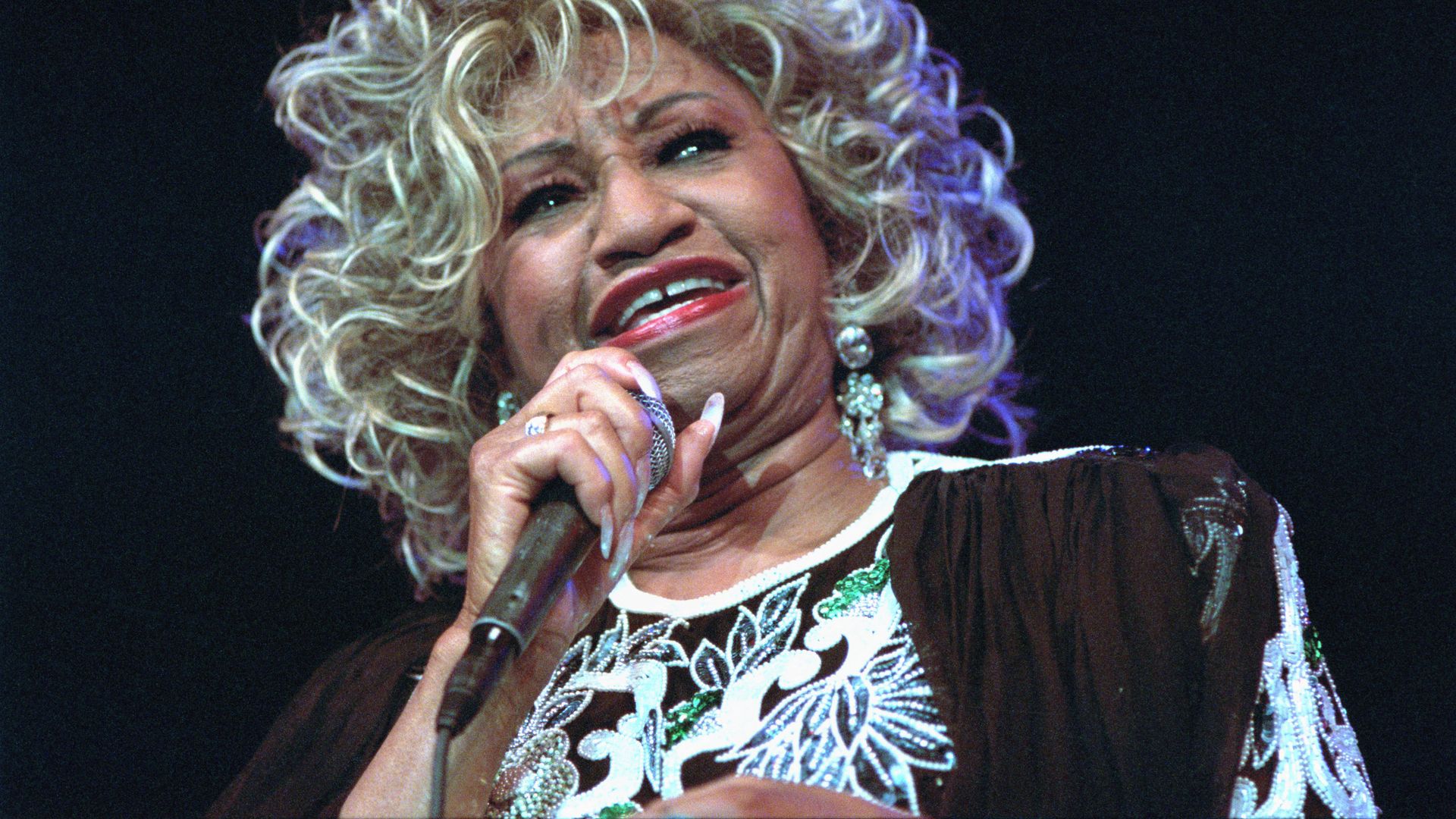
The late Cuban American singer Celia Cruz will soon feature on the U.S. quarter in honor of her "significant impact" on the country, the United States Mint announced.
Why it matters: Cruz, widely known as the "Queen of Salsa," will be the first Afro-Latina woman to appear on the U.S. quarter.