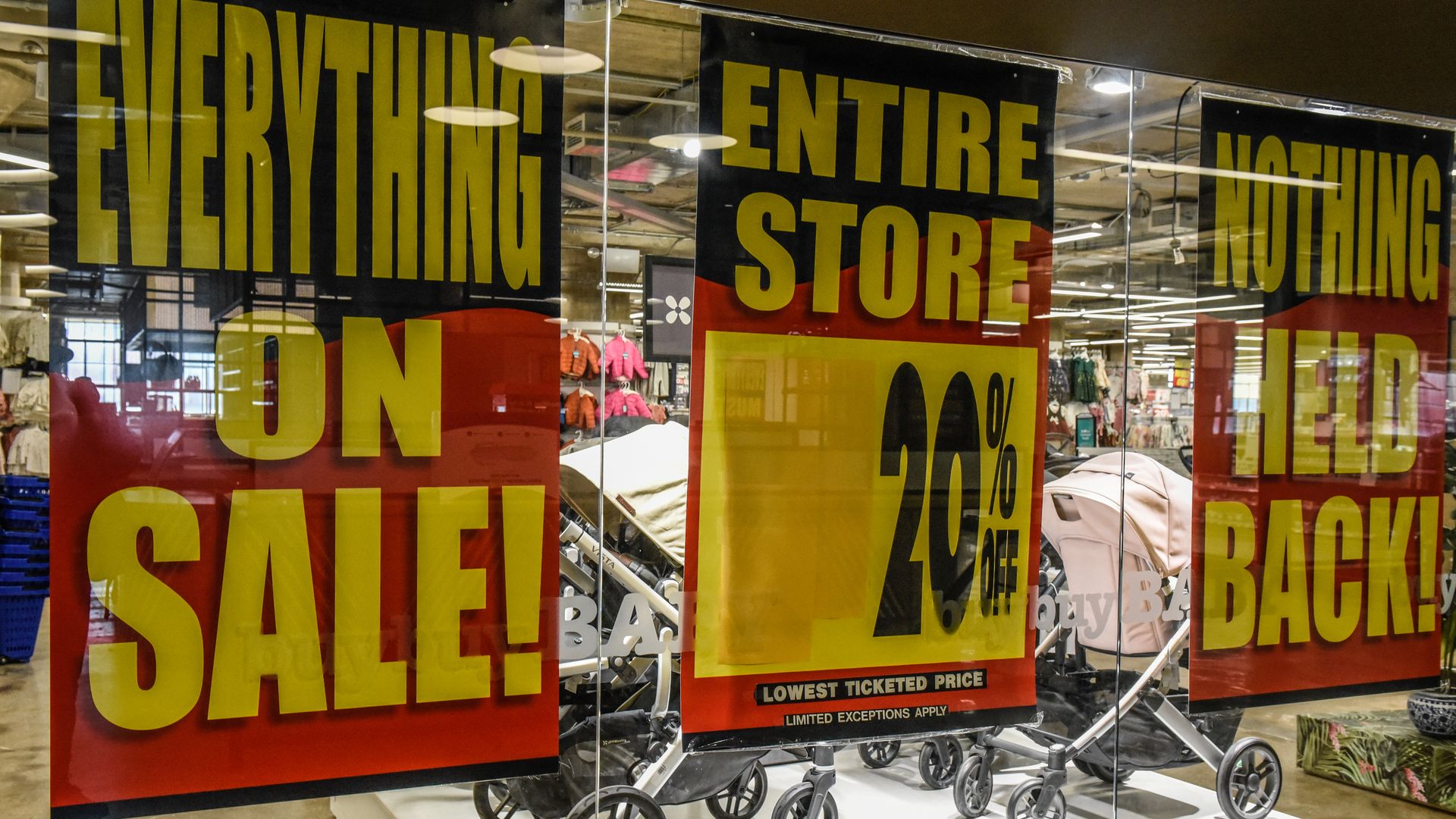
Bed Bath & Beyond is trying to take advantage of an unexpected surge in its share price Monday by announcing the sale of a new set of securities that could raise more than $1 billion.
Black small-business owners feel more optimistic about this year than their peers, Goldman Sachs' latest 10,000 Small Businesses Voices survey shows.
Why it matters: Despite higher operating costs and systemically greater financing obstacles, some Black small-business owners surveyed in late January say they’ve emerged from the last few years more confident in their ability to manage through challenges and that they see more growth opportunities than they have in the past.
Vox Media, the digital media holding company whose titles include New York Magazine, Eater and The Verge, has raised $100 million from Penske Media Corp., according to two sources familiar with the situation.
Why it matters: The money will help Vox Media weather a brutal ad market while remaining independent, and makes Penske the company's largest outside shareholder.
Oil giants for years have said that they'll pave the path toward energy transition, investing in everything from renewable projects to climate tech startups.
Now, some of them are sounding more like speed bumps.
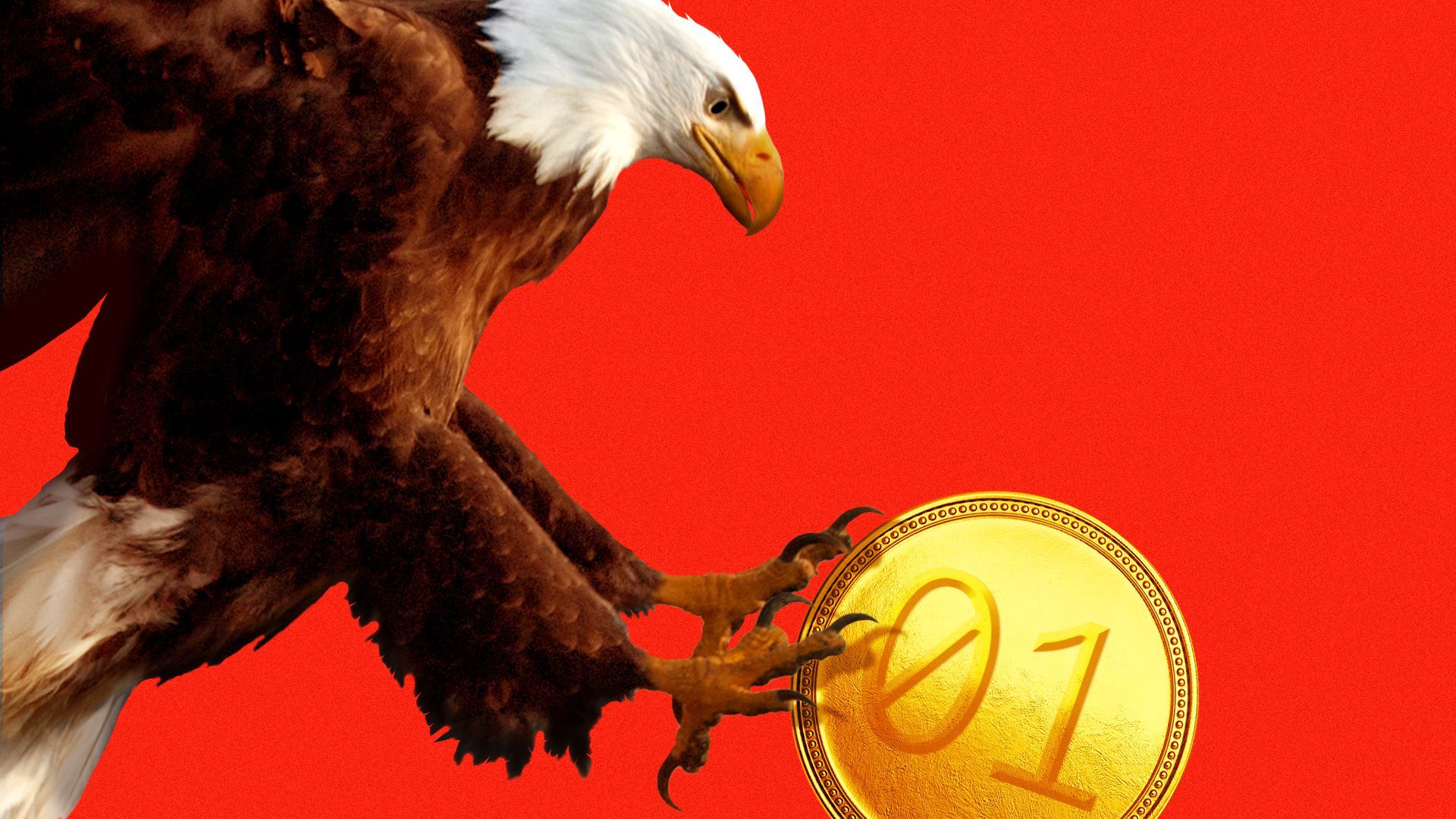
The largest crypto exchange in the world is temporarily suspending U.S. dollar withdrawals and deposits starting on Feb. 8, the company confirmed to Axios.
Why it matters: Dollars are the global reserve currency.
In an appearance on CBS's "60 Minutes" last night, IMF managing director Kristalina Georgieva mostly focused on the global economic outlook, inflation, and emerging market debt problems.
But she also shared some personal stories of how growing up Soviet-era Bulgaria (and the aftermath of the Cold War) shaped her understanding of the importance of good policy.
What they're saying: As a girl, she worked in a food market in Sofia. "My very first duty was cabbage, to clean it and put it on display to be attractive," Georgieva told Lesley Stahl.
As the Soviet Union crumbled, she recalled, the situation was bleak: "Nothing in the stores. Nothing. I would get up at 4:00 in the morning to queue to buy milk for my daughter. And in the mid '90s, inflation became so bad that ultimately, it went to 2,000% a year."
"I learnt the cost of bad policies and how devastating they are to ordinary people, and how you can change a course of economy with good policies. This is what I apply today in my job," she said.
Of note: The Russian invasion of Ukraine was personal for Georgieva, she told Stahl, because her brother was living in Khariv. "I would be calling him and I can hear that bombs are falling. I can hear it on the phone," she said.
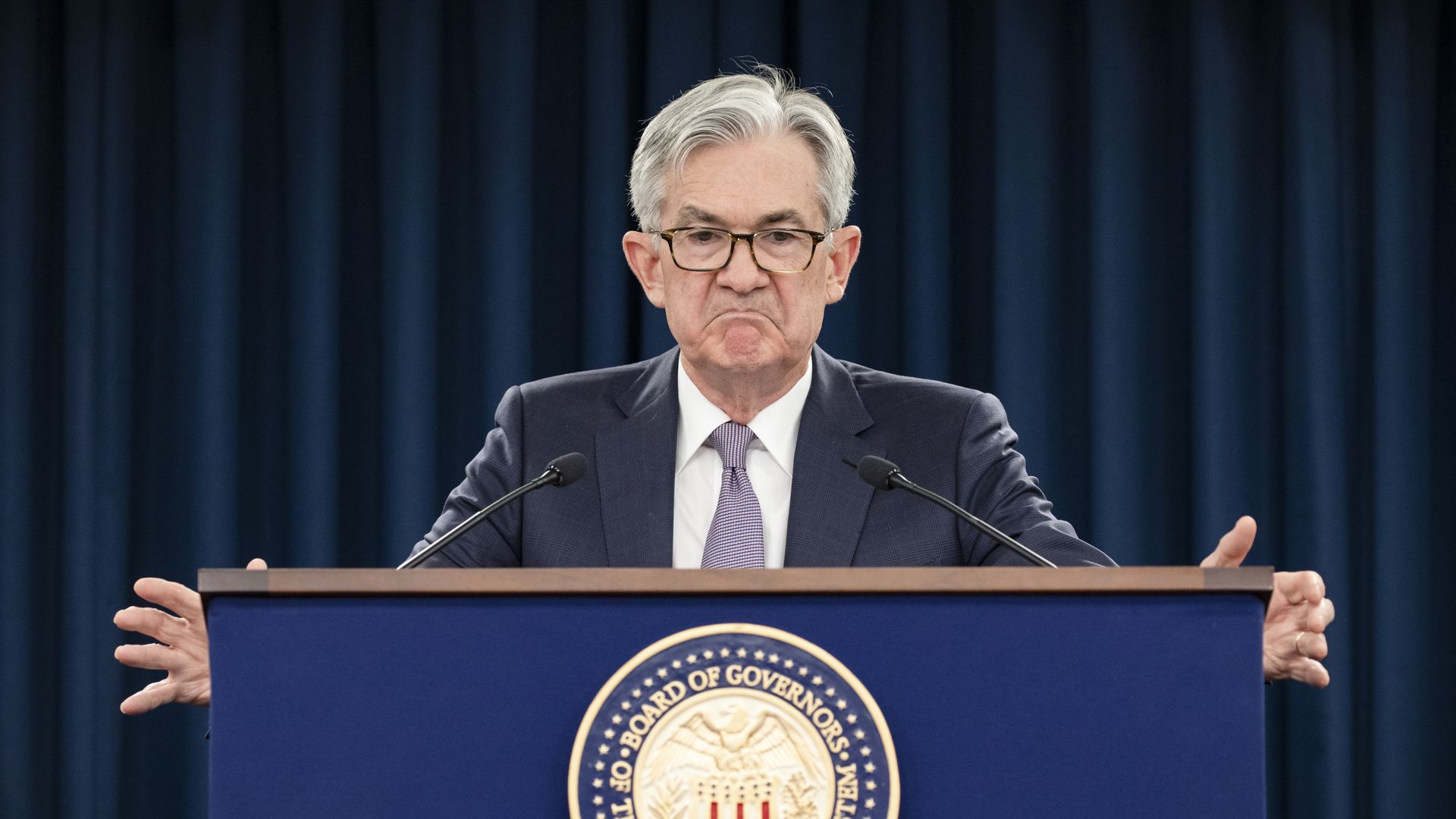
The Federal Reserve is in risk management mode and is more worried about the possibility it will do too little to quash inflation rather than too much. Meanwhile the economy, and especially the job market, is proving surprisingly resilient.
That tension looks likely to shape markets and the economy in 2023.
Why it matters: It creates a meaningful risk of new disruptions to financial markets — and the possibility of a hard economic landing — as the Fed tries to wrestle inflation to a place where it's persistently low.
Fed officials have envisioned raising rates above 5% this year, in contrast to markets that have priced in rate cuts later in 2023.
But another possibility is that they're both wrong, and the "terminal rate" will be even higher than the Fed or markets project. That would mean a repeat of the kind of market repricing, rise in recession fears and economic ripple effects seen over the past year.
Flashback: When Fed chair Jerome Powell took questions from the media at his news conference last Wednesday, markets seized on his acknowledgment that a "disinflationary process" is underway.
Traders took that as affirmation that the Fed will back off rate increases and could cut rates later this year. That drove a bond market rally and a sharp drop in interest rates.
But if you focus on a different aspect of Powell's remarks, it becomes clear that this path is by no means assured.
Powell's full comments emphasize a risk management approach. He and his colleagues see the risks of overdoing rate hikes and as less worrying than the risk that higher inflation gets baked into the economic outlook.
"I continue to think that it's very difficult to manage the risk of doing too little and finding out in six or 12 months that we actually were close but didn't get the job done, inflation springs back, and we have to go back in," Powell said.
"I think it would be premature, it would be very premature to declare victory or to think that we've really got this," he added.
If you're Powell, a world where there are a few bumpy quarters for growth, or a mild recession in the second half of 2023, is tolerable. Inflation staying high is not.
State of play: Those were Wednesday's thoughts. On Friday morning, the jobs numbers surely intensified the sense of those risks, with the unemployment rate hitting a new five-decade low, combined with more than half a million net new jobs.
Those developments have now more than reversed the slump in bond yields that took place after the Fed meeting. Two-year Treasuries were yielding 4.41% this morning, up from 4.10% just before the Friday jobs report.
Some analysts think that robust growth and continued price pressures will necessitate an even more aggressive path of rate hikes than now implied in Treasury yields.
What they're saying: "I think the data overran the Fed last week, and Powell and his colleagues are falling behind the curve again," said Tim Duy, chief U.S. economist at SGH Macro Advisors, in a note.
"It's time to start looking for a higher terminal rate," he added. "I think we are just waiting for the Fed to get there."
What's next: Powell speaks tomorrow at the Economic Club of Washington, followed by colleagues including New York Fed President John Williams and Governor Christopher Waller on Wednesday. We'll be watching for any change in tone.
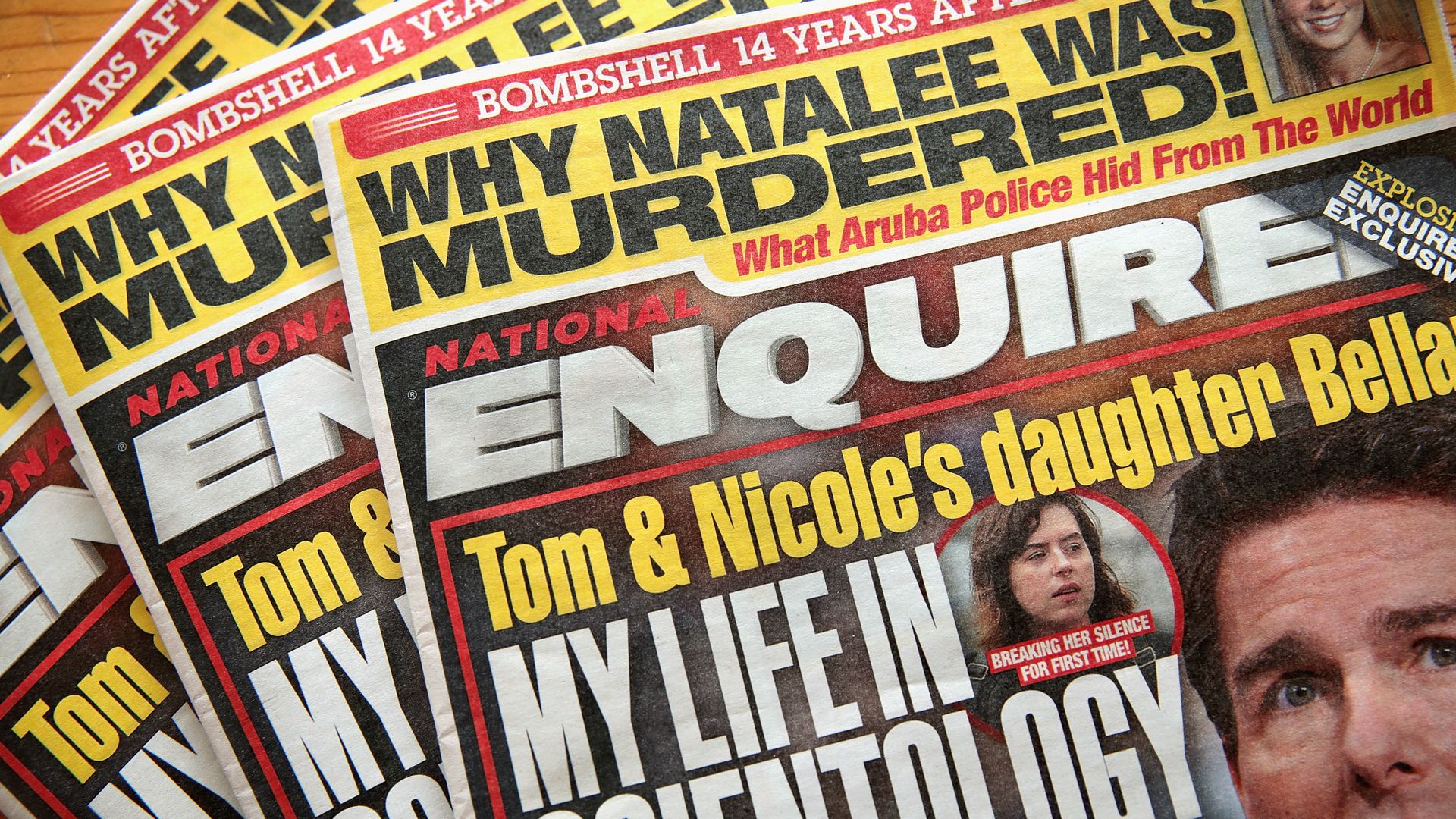
The National Enquirer, the gossip tabloid that became engulfed in a 2018 "catch and kill" scandal for burying news about the Trump campaign, is being sold by its owners to a digital publishing joint venture.
Why it matters: The sale marks the second time the publication has undergone ownership changes since its former publisher admitted to paying $150,000 in hush money to a Playboy model in an effort to bury a story about Trump's alleged affair with her.
AMC Theatres plans to charge moviegoers different prices depending on the seats they select, mimicking a strategy already deployed by concerts, plays and games.
Why it matters: After the pandemic cratered movie ticket sales, the theater industry is looking for ways to boost revenue.
Latent Technology, a U.K.-based startup that’s building AI-based tech for developing video games, has raised $2.1 million in pre-seed funding led by Root Ventures and Spark Capital, with Bitkraft also participating.
Why it matters: So-called "generative AI" technology is taking the tech world by storm with the promise of change how everything from the written word to art is created.
About 51% of women in marginalized racial and ethnic groups in the U.S. and four other countries said they'd experienced racism or discrimination at their current workplace, according to a new survey released last week.
The big picture: The survey's stark results come at a time when some companies are pulling back on certain efforts around diversity and inclusion.
Home equity lines of credit are the belle of the ball in the high mortgage rate world. Originations soared in the third quarter of last year, per TransUnion data released last week.
What's happening: Homeowners are "suffering" from what the Urban Institute calls the "I hate my house, but I love my mortgage" syndrome.
Friday's blockbuster jobs report left investors struggling to fit the idea of sizzling job growth into the soothing story of a steady decline in growth and inflation that many investors had started to believe.
Why it matters: Fresh data showing unemployment at the lowest level since 1969 reignited questions about how much more the Fed will raise interest rates.
A year ago, crypto successfully scraped and scrapped to get a foot in the door in Washington. But in the wake of crypto's winter, and FTX's spectacular collapse, that door has now slammed shut.
Why it matters: Gaining legitimacy in Washington has been an essential part of the industry's push into the mainstream. But a series of recent announcements from the Biden administration suggest there's a crackdown ahead.
Beyoncé on Sunday broke the record for the most-awarded Grammy artist of all time with 32 wins.
Why it matters: With her fourth trophy of the 2023 awards, the singer surpassed classical music conductor Georg Solti's record of 31 Grammys that had stood since 1998.
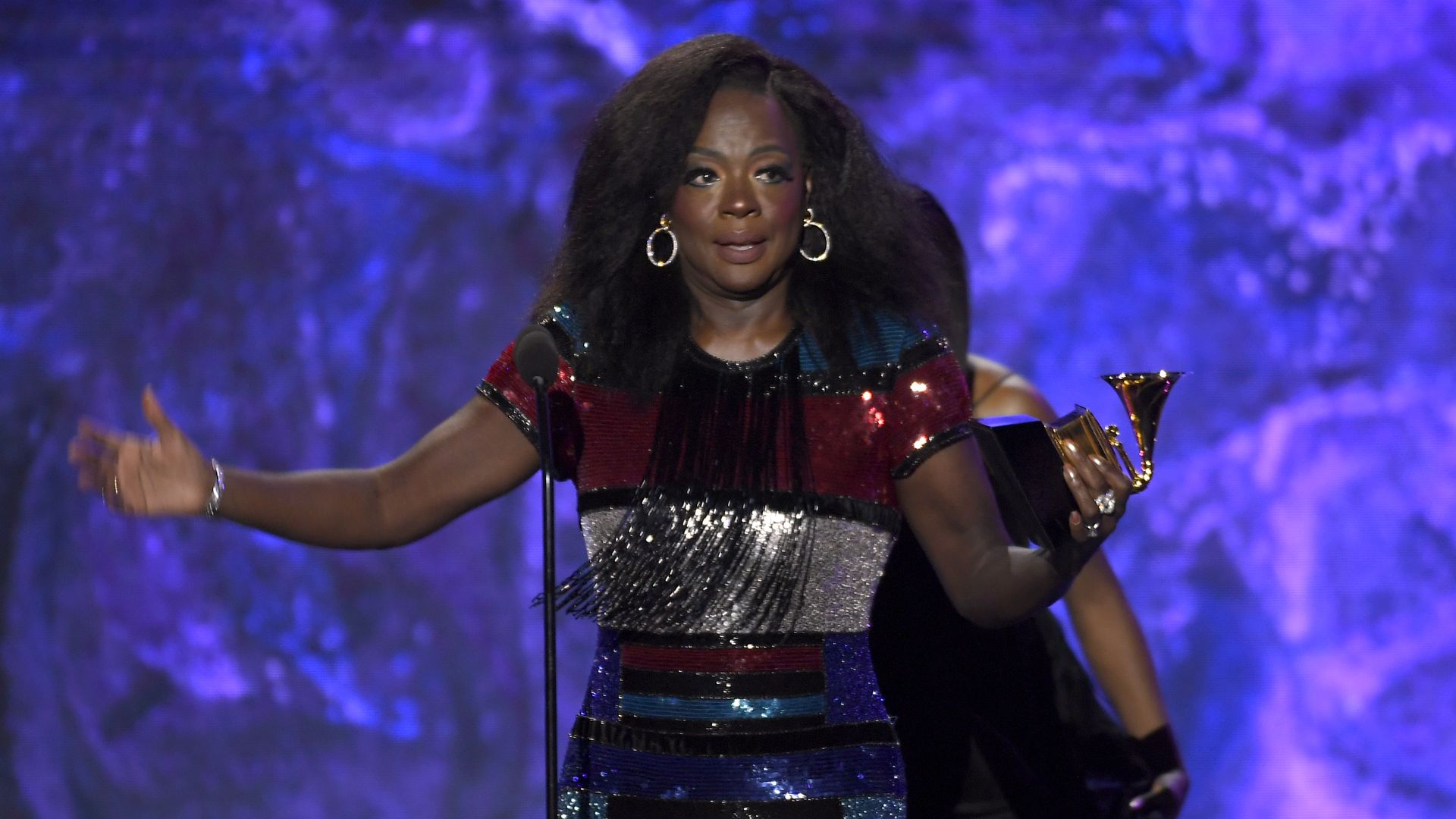
Viola Davis made history with her Grammy Award win Sunday for her audiobook "Finding Me: A Memoir" on Sunday.
The big picture: The win made her the 18th person to achieve EGOT status — a recipient of an Emmy, a Grammy, an Oscar and a Tony award, per Entertainment Weekly. "It has just been such a journey," Davis said as she picked up her award for best audiobook, narration and storytelling recording. "I just EGOT!"