Sunday's economy & business stories

FTX asks for its political donations back
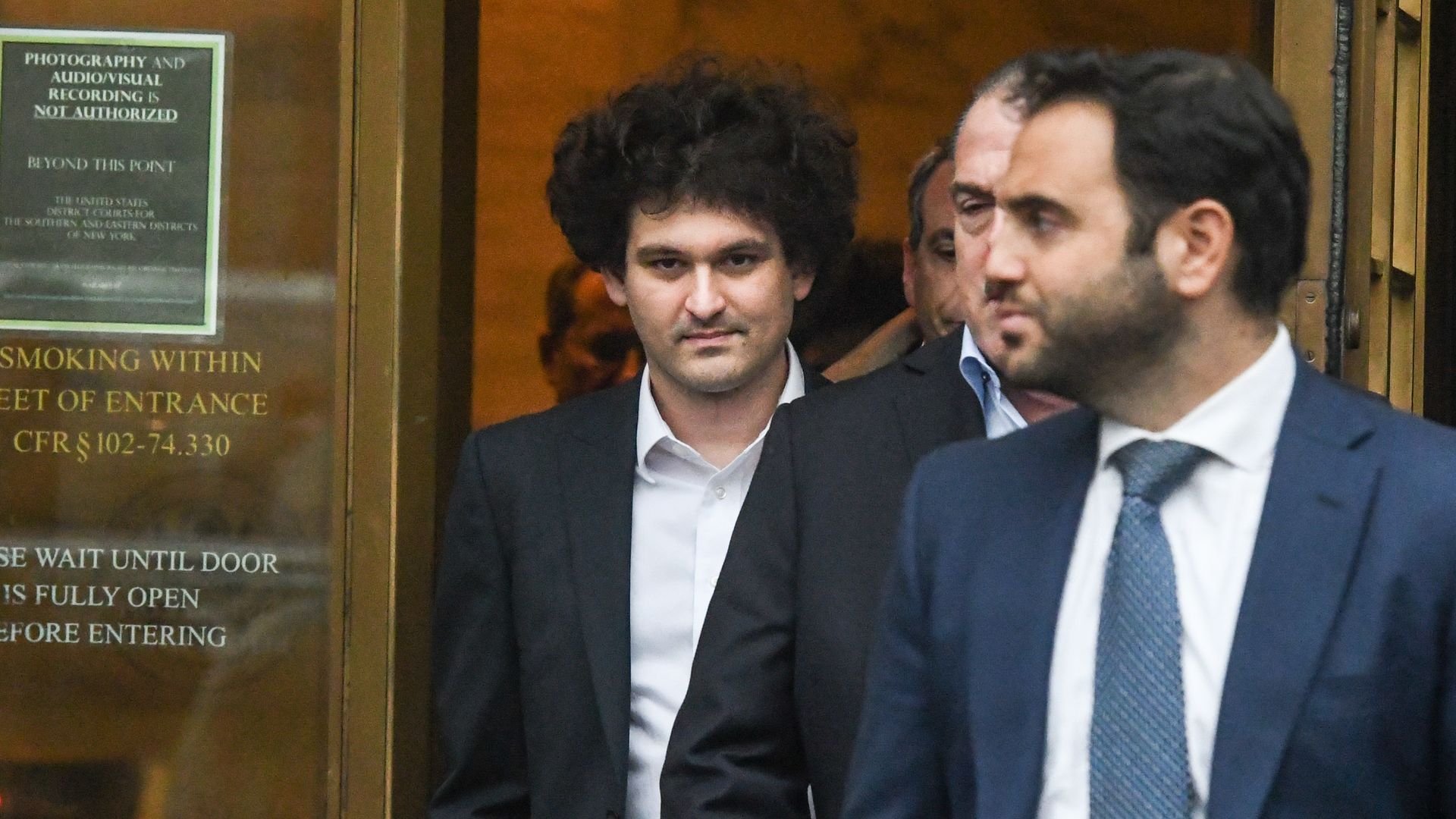
Bankrupt crypto exchange FTX is sending notices to former donor recipients asking for the donated funds to be returned, the company said in a press release Sunday.
Why it matters: Former FTX CEO Sam Bankman-Fried and FTX Digital Markets Co-CEO Ryan Salame were two of the largest political donors during the last election cycle. Now the company’s debtors want the money back.

Black entrepreneurship booms
In 2020, Black-owned small businesses were closing twice as fast as other businesses. But now they've bounced back harder.
The big picture: The last couple of years have ushered in a Black entrepreneurship boom.

Delaware ruling may create SPAC havoc
A Dec. 27 opinion by a Delaware Chancery Court judge may cause trouble for some companies that went public by merging a special purpose acquisition company (SPAC) with a dual-class share structure.
Driving the news: Over the last couple of weeks, a number of such companies filed requests in court, essentially asking for a defect in their corporate structure to be blessed so that it doesn't cause further issues.
The investor facing off against Slack at SCOTUS
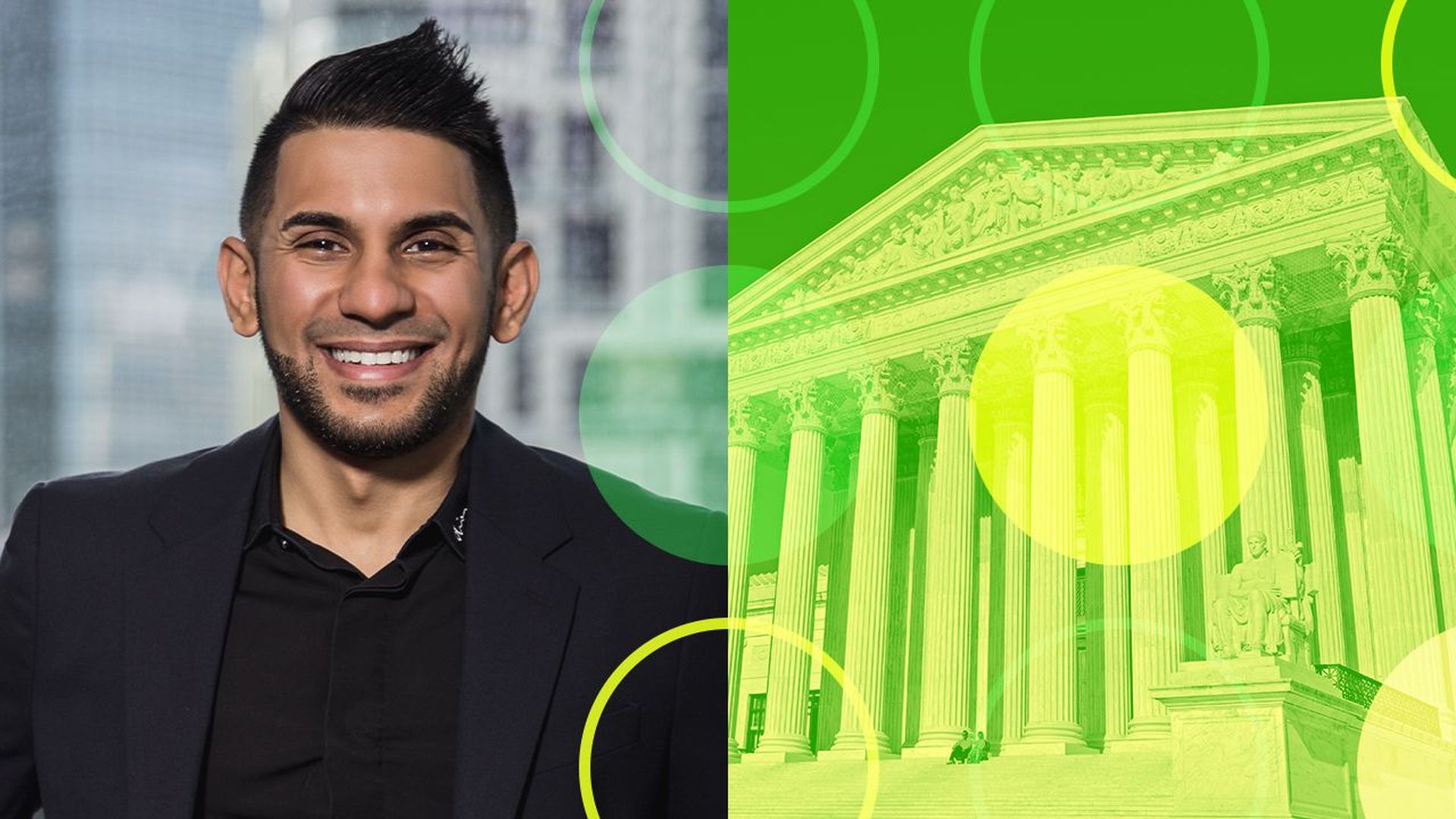
"I'm an American and I feel like if there's some level of civic duty here, why not?" Fiyyaz Pirani tells Axios.
- He is the lead plaintiff in a lawsuit against Slack that will be heard in April by the Supreme Court, and he explained his motive for participating in the case.
Why it matters: The lawsuit, filed in relation to the workplace chat company's 2019 direct listing, could have implications for other public listings.
Elon Musk wins securities fraud case over 2018 tweet
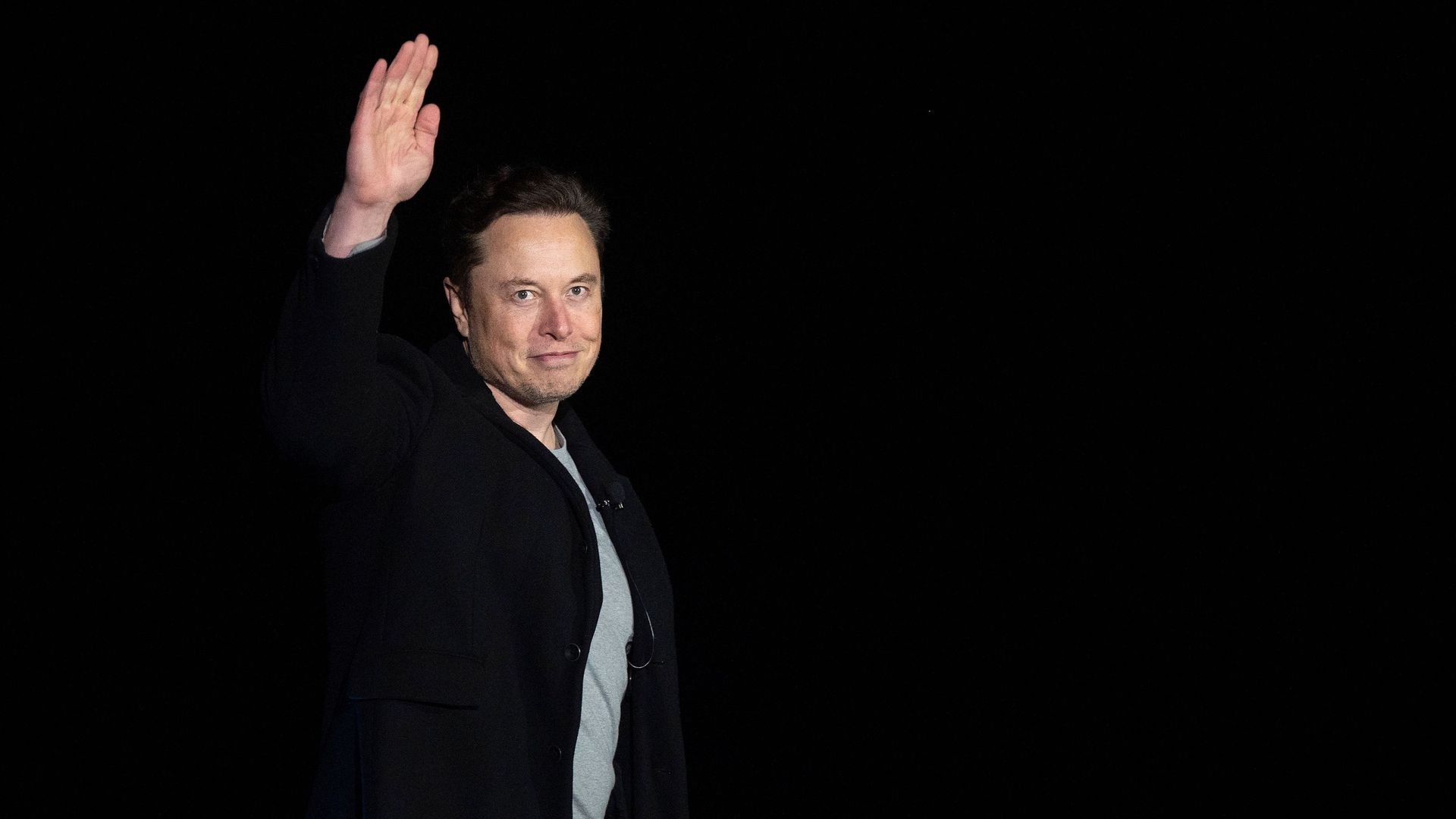
A San Francisco jury on Friday found Elon Musk and Tesla not liable in a trial over a 2018 tweet in which Musk wrote that he had “funding secured” to take the electric carmaker private..
Why it matters: This is a victory for Musk, who has openly pushed back on the U.S. Securities and Exchange Commission's argument that he broke the law (and imposed a number of sanctions on him).

Who gets audited the most
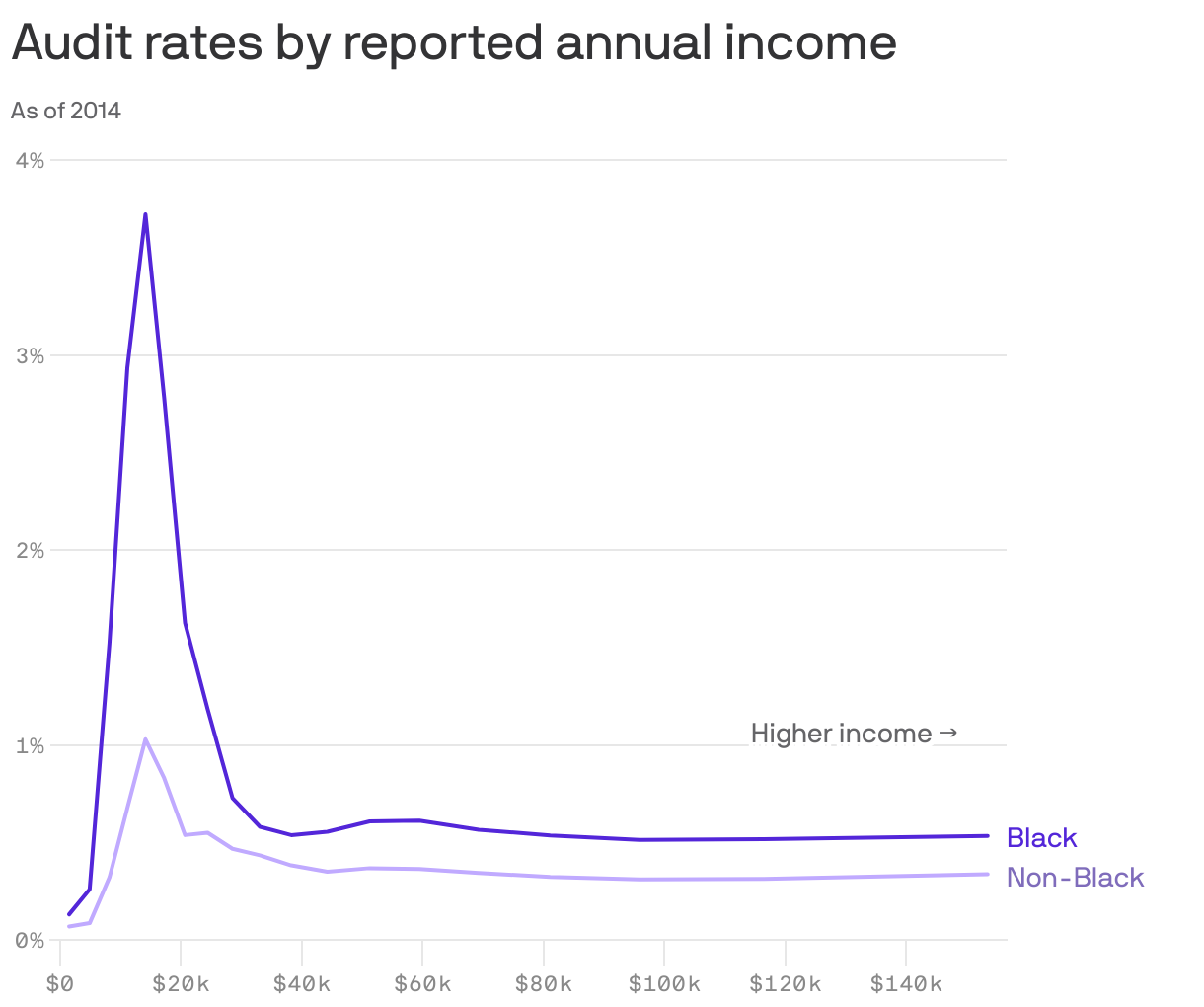
If you're a single Black man with dependents who claims the Earned Income Tax Credit (EITC), you have a 7.73% chance of being audited by the IRS in any given year. For Americans as a whole, the equivalent figure is just 0.54%.
- Why it matters: Single men with dependents claiming the EITC are also audited at a very high rate if they're not Black — 3.46% of them get the dreaded letter in the mail — but that number is still small when compared to their Black counterparts.
The stock market is broken
At 9:30am on January 24, the world saw, briefly, just how fragile the stock market is. When it's left to its own devices — which is, essentially, exactly what happened — prices in more than 25o stocks oscillated wildly, causing unacceptable and chaotic trades, many of which had to be torn up after the fact.
Why it matters: Stock auctions, like the ones held at 9:30am and 4:00pm every day, are a transparent and reliable form of price transparency. The continuous trading that happens between those hours, by contrast, is rife with illiquidity, flash crashes, and market manipulation.
TikTok’s not as fun as it used to be
/2023/01/31/1675202961415.gif?w=3840)
Consumer-facing companies grow by delighting consumers and providing them with what they want. That's not how they make money, though. They make money by getting a critical mass of customers, locking them in, and then exploiting them. The delight goes away, but the profits roll in.
Why it matters: This cycle — as explicated by Cory Doctorow in Wired — has been seen at every social network, including TikTok, and at a huge number of other companies, too. They start out great, grow to a point at which their sheer size alone becomes self-fulfilling, and then pivot to extracting dividends from their corporate customers.
Where it stands: Doctorow makes the case that TikTok has now reached that point. The days when it was referred to as "the only good social network" are long gone — the novelty has worn thin, to be replaced by formulaic thirst traps and professional influencers.
- What they're saying: "TikTok is only going to funnel free attention to the people it wants to entrap until they are entrapped," writes Doctorow.
Between the lines: The model here is Amazon, a company that used to put customers front and center but has now become, as John Herrman writes, simultaneously junkier and vastly more profitable.
Driving the news: Amazon's decision last month to abolish its hugely popular Amazon Smile program is instructive.
- Smile was a way that Amazon's customers could give money to charity instead of giving it to Amazon's network of affiliate marketers. If you went directly to the site rather than following a link from a site like Wirecutter, you could effectively pay some of that commission to a good cause of your choice.
- The official announcement says that "as a company, we will continue supporting a wide range of other programs." Which is to say, it's a pivot from customers directing a part of their own purchases, to Amazon directing a part of its own corporate profits.
- The message: We're stuck in Amazon's world, and Jeff Bezos is very thankful.
The bottom line: TikTok may not be a Chinese superweapon that is going to entertain an entire continent into submission. More realistically, its uncannily good algorithm is already being subsumed to capitalist imperatives. It might not be as fun as it used to be, but there's no sign anyone is leaving.