Saturday's economy & business stories

Delaware ruling may create SPAC havoc
A Dec. 27 opinion by a Delaware Chancery Court judge may cause trouble for some companies that went public by merging a special purpose acquisition company (SPAC) with a dual-class share structure.
Driving the news: Over the last couple of weeks, a number of such companies filed requests in court, essentially asking for a defect in their corporate structure to be blessed so that it doesn't cause further issues.
The investor facing off against Slack at SCOTUS
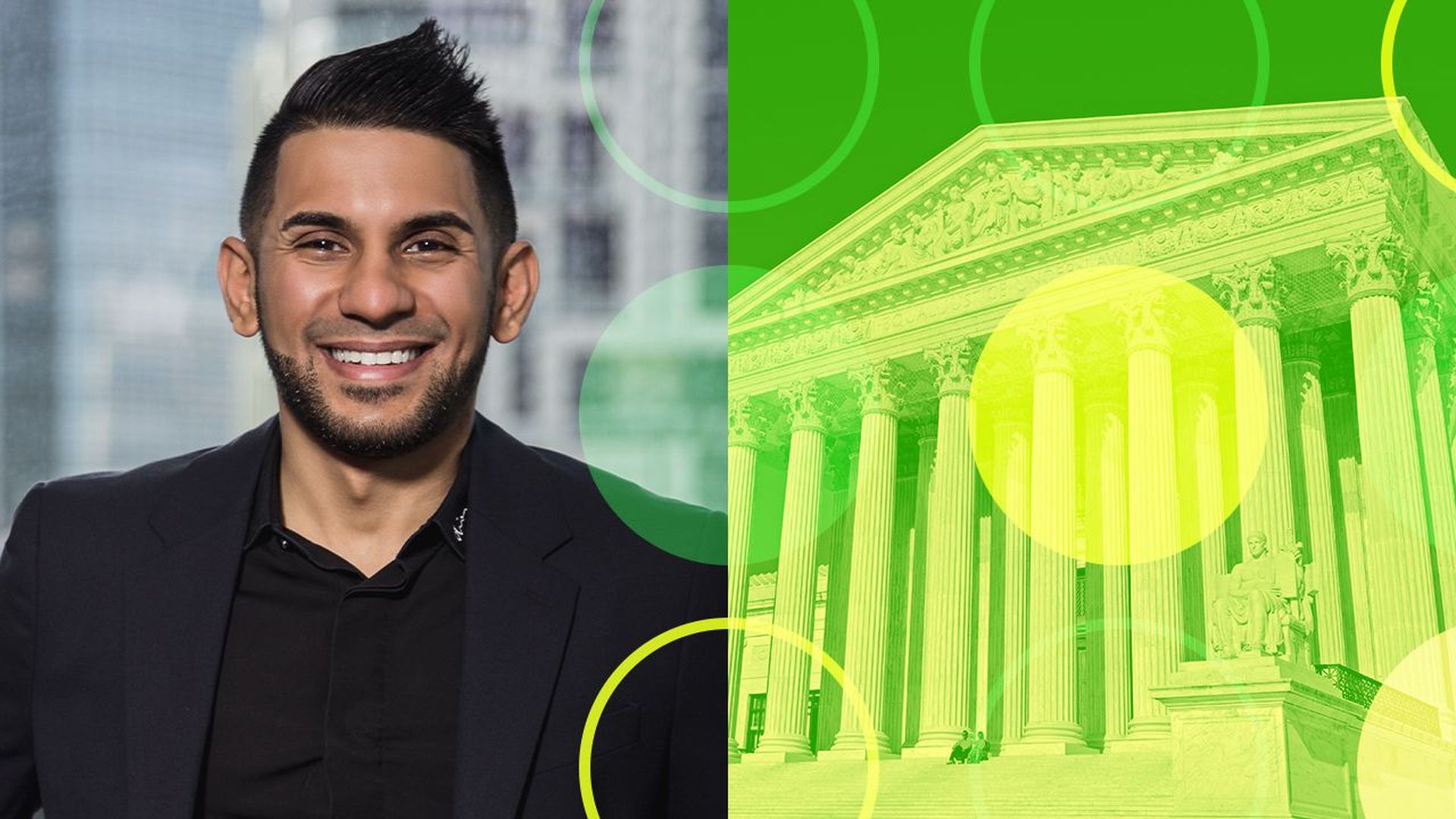
"I'm an American and I feel like if there's some level of civic duty here, why not?" Fiyyaz Pirani tells Axios.
- He is the lead plaintiff in a lawsuit against Slack that will be heard in April by the Supreme Court, and he explained his motive for participating in the case.
Why it matters: The lawsuit, filed in relation to the workplace chat company's 2019 direct listing, could have implications for other public listings.
Elon Musk wins securities fraud case over 2018 tweet
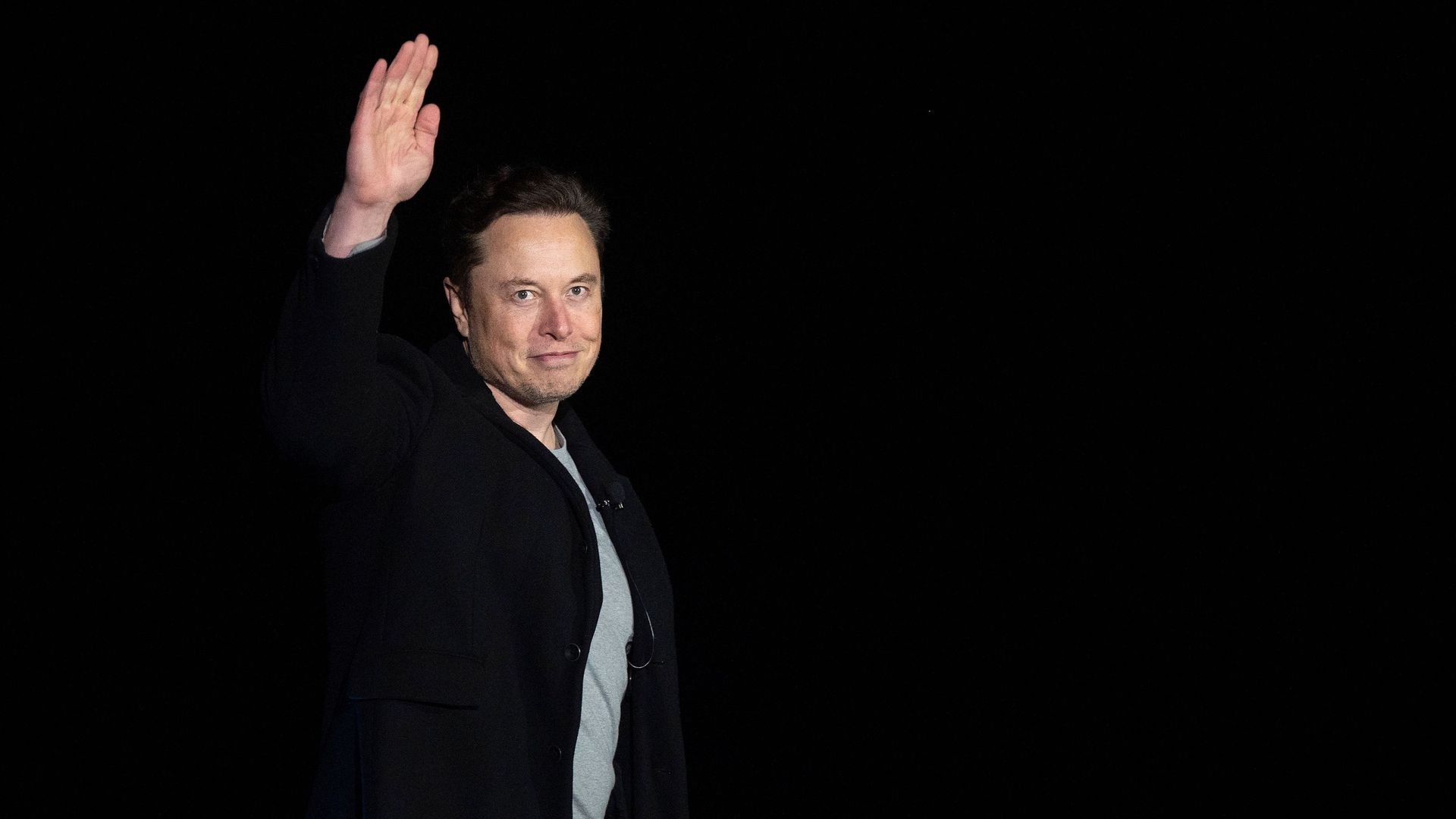
A San Francisco jury on Friday found Elon Musk and Tesla not liable in a trial over a 2018 tweet in which Musk wrote that he had “funding secured” to take the electric carmaker private..
Why it matters: This is a victory for Musk, who has openly pushed back on the U.S. Securities and Exchange Commission's argument that he broke the law (and imposed a number of sanctions on him).

Who gets audited the most
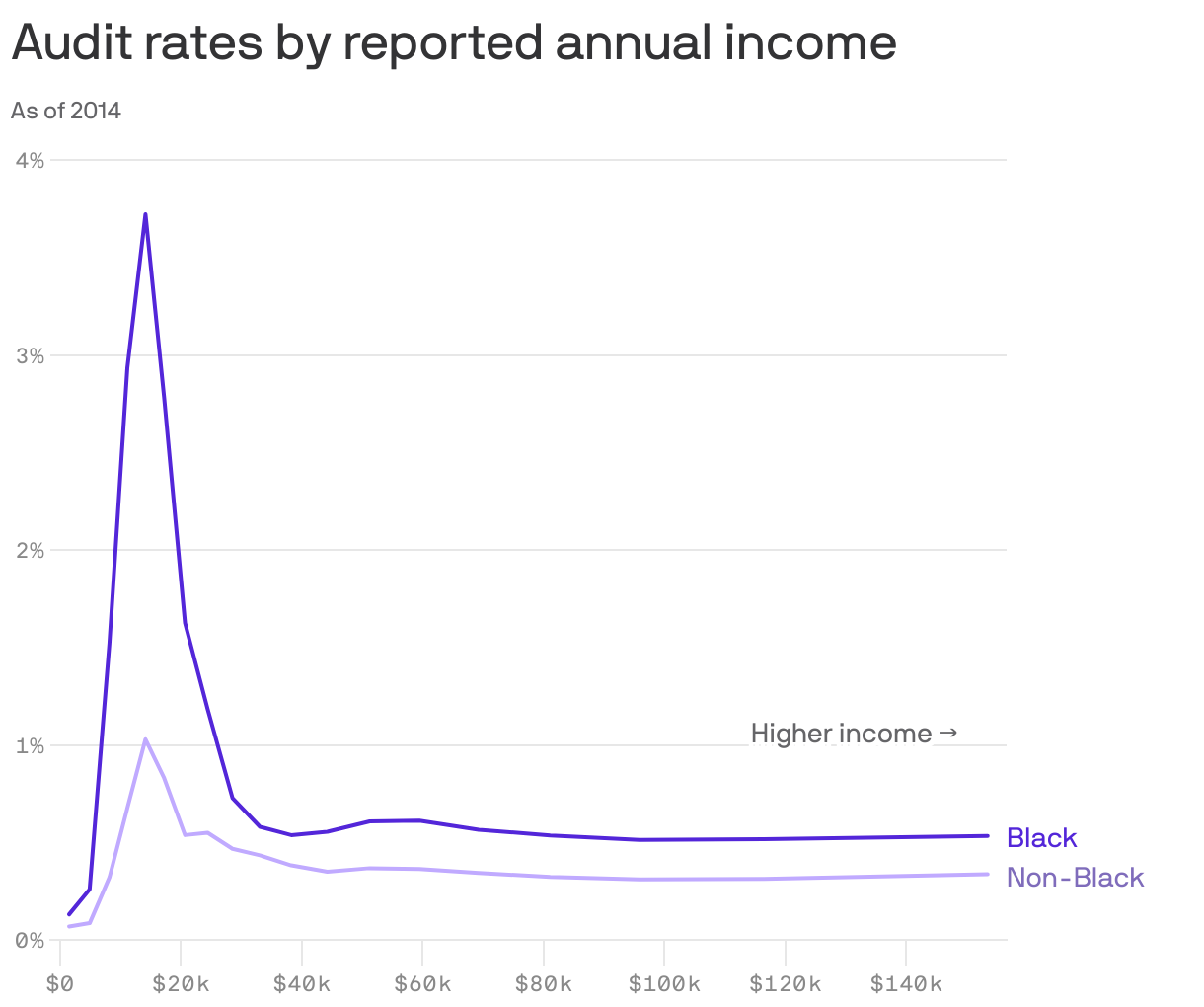
If you're a single Black man with dependents who claims the Earned Income Tax Credit (EITC), you have a 7.73% chance of being audited by the IRS in any given year. For Americans as a whole, the equivalent figure is just 0.54%.
- Why it matters: Single men with dependents claiming the EITC are also audited at a very high rate if they're not Black — 3.46% of them get the dreaded letter in the mail — but that number is still small when compared to their Black counterparts.
The stock market is broken

At 9:30am on January 24, the world saw, briefly, just how fragile the stock market is. When it's left to its own devices — which is, essentially, exactly what happened — prices in more than 25o stocks oscillated wildly, causing unacceptable and chaotic trades, many of which had to be torn up after the fact.
Why it matters: Stock auctions, like the ones held at 9:30am and 4:00pm every day, are a transparent and reliable form of price transparency. The continuous trading that happens between those hours, by contrast, is rife with illiquidity, flash crashes, and market manipulation.
TikTok’s not as fun as it used to be
/2023/01/31/1675202961415.gif?w=3840)
Consumer-facing companies grow by delighting consumers and providing them with what they want. That's not how they make money, though. They make money by getting a critical mass of customers, locking them in, and then exploiting them. The delight goes away, but the profits roll in.
Why it matters: This cycle — as explicated by Cory Doctorow in Wired — has been seen at every social network, including TikTok, and at a huge number of other companies, too. They start out great, grow to a point at which their sheer size alone becomes self-fulfilling, and then pivot to extracting dividends from their corporate customers.
Where it stands: Doctorow makes the case that TikTok has now reached that point. The days when it was referred to as "the only good social network" are long gone — the novelty has worn thin, to be replaced by formulaic thirst traps and professional influencers.
- What they're saying: "TikTok is only going to funnel free attention to the people it wants to entrap until they are entrapped," writes Doctorow.
Between the lines: The model here is Amazon, a company that used to put customers front and center but has now become, as John Herrman writes, simultaneously junkier and vastly more profitable.
Driving the news: Amazon's decision last month to abolish its hugely popular Amazon Smile program is instructive.
- Smile was a way that Amazon's customers could give money to charity instead of giving it to Amazon's network of affiliate marketers. If you went directly to the site rather than following a link from a site like Wirecutter, you could effectively pay some of that commission to a good cause of your choice.
- The official announcement says that "as a company, we will continue supporting a wide range of other programs." Which is to say, it's a pivot from customers directing a part of their own purchases, to Amazon directing a part of its own corporate profits.
- The message: We're stuck in Amazon's world, and Jeff Bezos is very thankful.
The bottom line: TikTok may not be a Chinese superweapon that is going to entertain an entire continent into submission. More realistically, its uncannily good algorithm is already being subsumed to capitalist imperatives. It might not be as fun as it used to be, but there's no sign anyone is leaving.

"Pandemic paranoia" clouds economic reality

The echo of "pandemic paranoia" is one factor preventing many of us from seeing what’s strong about the U.S. economy right now.
Why it matters: By many measures, it's booming. But business leaders have issued serious warnings and thrown up yellow flags, while consumers repeatedly signal growing pessimism.

Protocol Labs laying off 21% of staff

Protocol Labs is laying off 21% of its staff, or 89 people, the company announced today in a blog post.
Why it matters: Protocol Labs launched Filecoin, one of the biggest projects funded in the 2017 initial coin offering boom, raising approximately $257 million in cryptocurrency at the time (its own materials put the number at $206 million).


What's next for the Fed
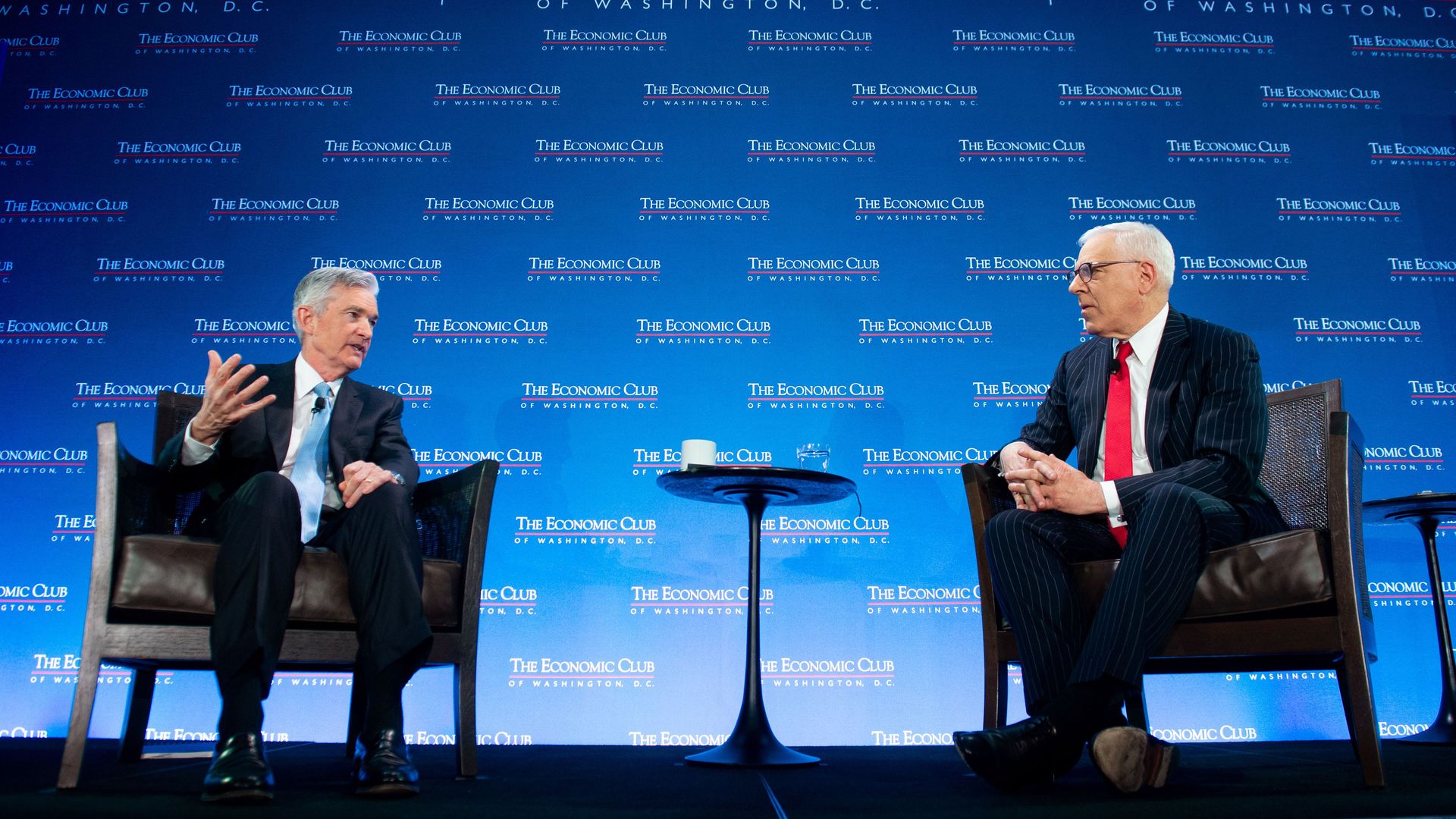
Just two days ago, Fed Chair Jerome Powell acknowledged that a "disinflationary process" was underway, which markets seized on as reason to believe rates won't get hiked by as much as some previously thought.
- The jobs numbers reversed that perception, as traders and analysts assigned higher odds to continued rate hikes.
By the numbers: The yield on two-year Treasury securities was up a whopping 0.17 percentage points this morning, reflecting expectations that the central bank will push rates higher for longer than seemed likely before the jobs numbers.
- The odds the Fed will raise rates at its May policy meeting rose from 30% yesterday to 55%, according to calculations based on futures prices from the CME Group.
What to watch: On Tuesday, Powell will appear at the Economic Club of Washington, where he can tweak his messaging, and convey whether the jobs numbers shifted the policy outlook as much as markets imply.
- He is not scheduled to deliver prepared remarks at the event, but rather will be interviewed on stage. Powell is no stranger to using the Q&A format to signal a shifting policy stance, as Neil has seen firsthand.
The bottom line: The Fed often emphasizes the importance of not placing too much weight on any single data release. But this was a hard one to not take notice of.
America's mind-blowing labor market

Jobs reports simply don't get any better than the one we received Friday morning.
No caveats needed: This is a rip-roaring labor market, in stark defiance of months of recession chatter — and the Federal Reserve's efforts to slow things down.
U.S. economy adds whopping 517,000 jobs in January
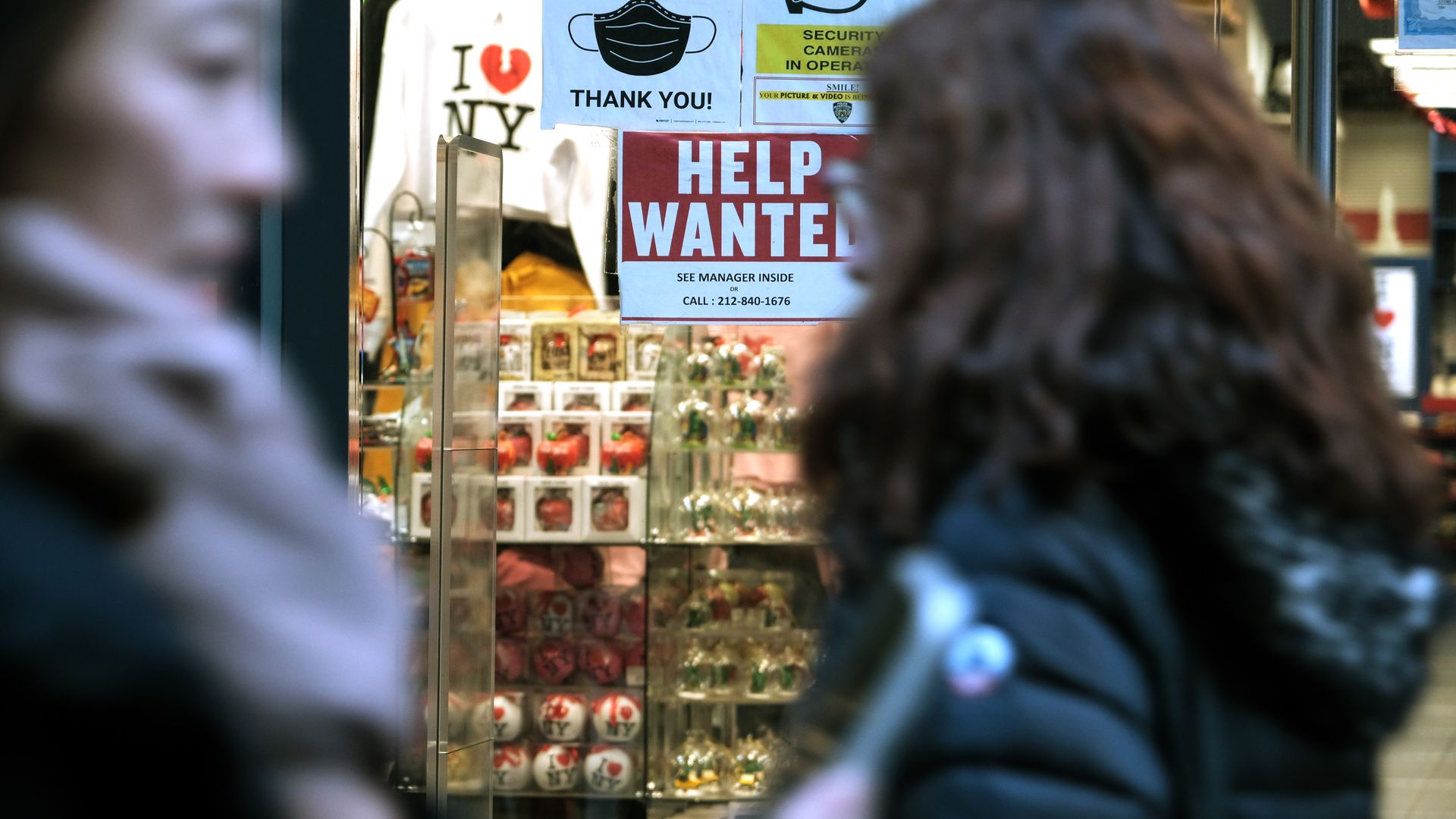
The U.S. economy added 517,000 jobs in January, and the unemployment rate fell to 3.4% — the lowest level in over a half-century, the government said on Friday.
Why it matters: Employers added jobs at an unexpectedly rapid pace, the latest sign of a hot labor market despite aggressive moves by the Federal Reserve to cool it down.

Here's what's driving the 2023 stock market rally


Markets have turned downright frisky, as the fear of endless Federal Reserve rate hikes fades.
Driving the news: The S&P 500 posted its third-straight gain of more than 1% on Thursday. The Nasdaq continued its recent romp too, rising 3.3%.

Office occupancy hits post-pandemic high


Office occupancy hit a new post-pandemic record this week, at 50.4%, according to swipe data from Kastle Systems.
Why it matters: Are the offices half-full or half-empty? Some executives might see crossing the 50% milestone as a sign of a comeback. But the figure has largely plateaued since September, hinting at a new reality where people work from home a lot more.
It’s not the COVID economy, it’s just the economy now

The Federal Reserve doesn't see the pandemic posing a risk to the economy anymore — an important milestone.
Driving the news: "COVID is no longer playing an important role in our economy," chair Jerome Powell told reporters at a press conference Wednesday.

Axios Finish Line: David Rogers exemplifies the "quiet greatness" formula

David Rogers — a gruff, exacting, idiosyncratic former congressional reporter for The Wall Street Journal — is the best journalist I've come across.
- David, now retired, was my mentor — and sometimes tormentor — in the 2000s, when I was a rising congressional and White House reporter.
Why it matters: David taught me a master class, by actions more than words, about what it takes to be the very best at your craft.
- Not good. Not content. But better than anyone else who does what you do. To me, this is what every person should aspire to. Why settle for fine? There's no market for mediocrity.
First, the backstory: To this day, I'm convinced I got my big break in journalism because of David, unwittingly so. I was a congressional reporter in my late '20s, and The Journal rarely hired young reporters for their Hill gigs back then.
- But Alan Murray, the Washington bureau chief, was intrigued by a string of scoops I landed at Roll Call, a small Capitol Hill newspaper.
- Murray and Rogers rubbed each other the wrong way. So when Murray heard Rogers was pushing another candidate, I'm certain that put me over the top.
David redefined for me what it takes to be truly great:
- Uncommon work ethic. Every great athlete, writer, teacher or leader works harder than others. There are no shortcuts or part-time paths to extreme betterment. David was notorious for being the person to open the reporters' gallery in the Capitol early each morning — and last to leave. I made it my mission to be waiting there when he arrived, and leave after he left. He eventually wore me down. Work ethic is a powerful weapon.
- Diligence. David's special gift is understanding the arcane congressional budgeting and appropriations process better than lawmakers and many staff. Top leaders would routinely call him when arcane rules or historical precedent popped up. He spent decades reading, studying, asking questions. Digging deeply is a powerful weapon.
- Domain expertise. Most lawmakers feared David and ducked his questions because they knew he could run circles around them. He wasn't cocky about it — just calm and certain that he saw and knew with total precision the full field. Domain expertise is a powerful weapon.
- Love of the game. David's hard exterior masks a poet's soul. His writing is lyrical. He would labor over every sentence, summon obscure historical figures or scenes, and fight editors down to the word, as if they were chipping at his being by trimming a preposition. But he poured so much reporting and thought into every sentence that every word did matter — to him. Caring profoundly is a powerful weapon.
- Honor. David was a combat infantry medic in Vietnam, which shaped his character, beliefs and journalism. It was the seminal experience of his life. David felt he owed it to those he served with to scrutinize government and how it operates. He also knew that people are policy. He spent an enormous amount of time trying to understand the people — lawmakers and staff — and what they were really like. Service and honor are powerful weapons.
The big picture: You never saw David on TV or lighting up Twitter with hot takes. He was too busy doing the hard work in the trenches that it takes to be great — and setting a standard every reporter, every professional, should aspire to even if we will never attain it.
This article originally appeared in Axios Finish Line, our nightly newsletter on life, leadership and wellness. Sign up here.
Amazon CEO: We're working "really hard" to cut costs
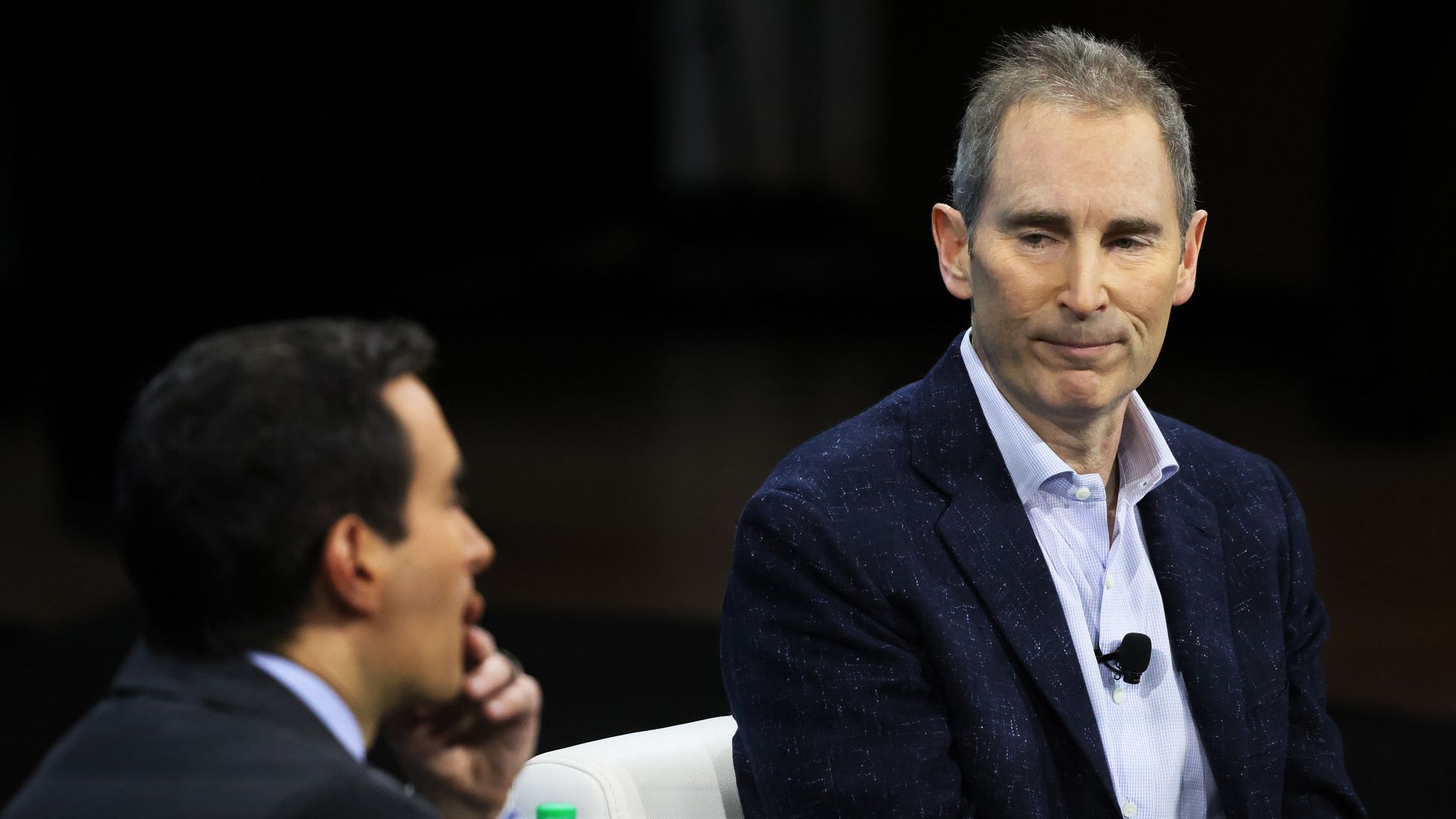
Amazon's reset isn't over.
State of play: The tech and logistics giant will stay on the cost-cutting course it started last year as the anomalous and massively beneficial economic conditions for its business created by the pandemic dissipate.

Ticketmaster: "Many interested fans" may not get tickets to Beyoncé's tour

Beyoncé's new “Renaissance” world tour added seven new shows on Thursday as the demand for seats has already exceeded the number of tickets available in some cities, according to Ticketmaster.
Driving the news: “It is expected that many interested fans may not be able to get tickets because demand drastically exceeds supply,” Ticketmaster said in a statement Thursday.

Stripe CFO Dhivya Suryadevara to step down

Stripe CFO Dhivya Suryadevara will step down due to family matters, she announced on LinkedIn Thursday.
Why it matters: The news comes as the payments giant is said to be in talks to raise money at a lower valuation to its last funding round.
Driving the news: "I have made the difficult decision to step away from my role at Stripe, as I will be taking some time off to attend to family matters," she wrote in the post.
- Suryadevara says she will be working with Stripe's team through April.
- A source with knowledge of the matter confirmed Bloomberg's reporting that Stripe co-founder and president John Collison will lead the company's finance operations until a replacement is found.
Background: Suryadevara joined Stripe in 2020 after leaving her CFO job at General Motors.