Saturday's economy & business stories

TikTok drama underscores growing U.S.-China divide
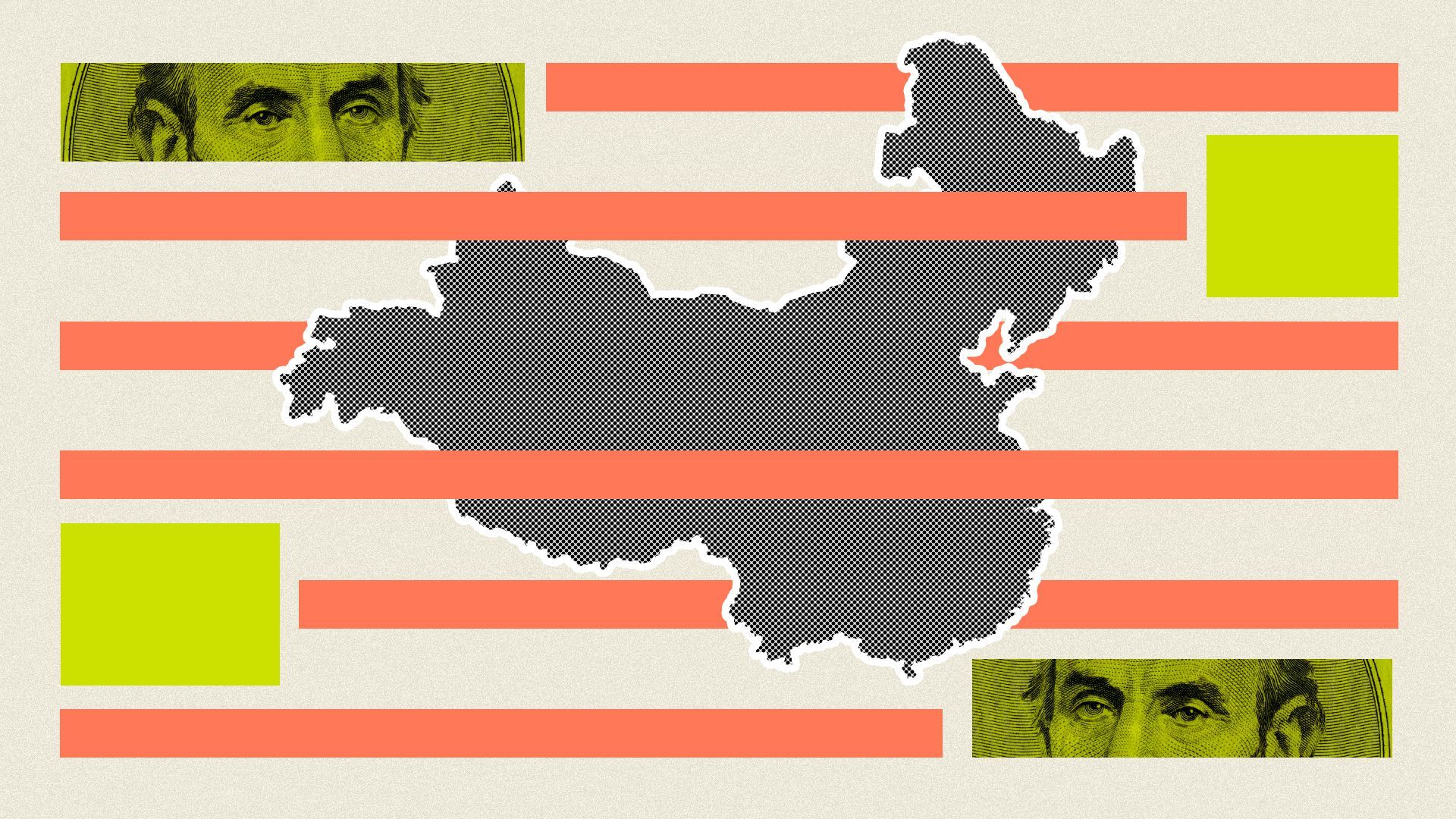
TikTok, the popular social media app that’s taken the world by storm, is increasingly living a double life in the U.S.
- The platform faces growing bans and open disdain from lawmakers, while also representing potentially huge financial returns for its American investors.
Why it matters: After decades of a united pro-China stance, the U.S. political and business consensus is fracturing in ways that are creating blowback for investors and companies.

Why the debt ceiling drama is so hard to gauge
A lot of politicians are going to be talking about the debt ceiling this spring. Ignore them. Their words — a small part of negotiations that are mostly private — should almost never be taken at face value.
Why it matters: At stake is the full faith and credit of the United States of America.
The trillion-dollar greenwashing market


More than $1 trillion of green bonds have been issued in the past two years, but at this point maybe they should be called celadon — still green, probably, but barely so, and largely indistinguishable in price or documentation from their non-green counterparts.
Why it matters: Green bonds mean new money going into projects that will help save the planet. In that sense, they should be far more effective than ESG funds that simply buy pre-existing stocks from other investors.

Betting, beer, big names dominate 2023 Super Bowl ads
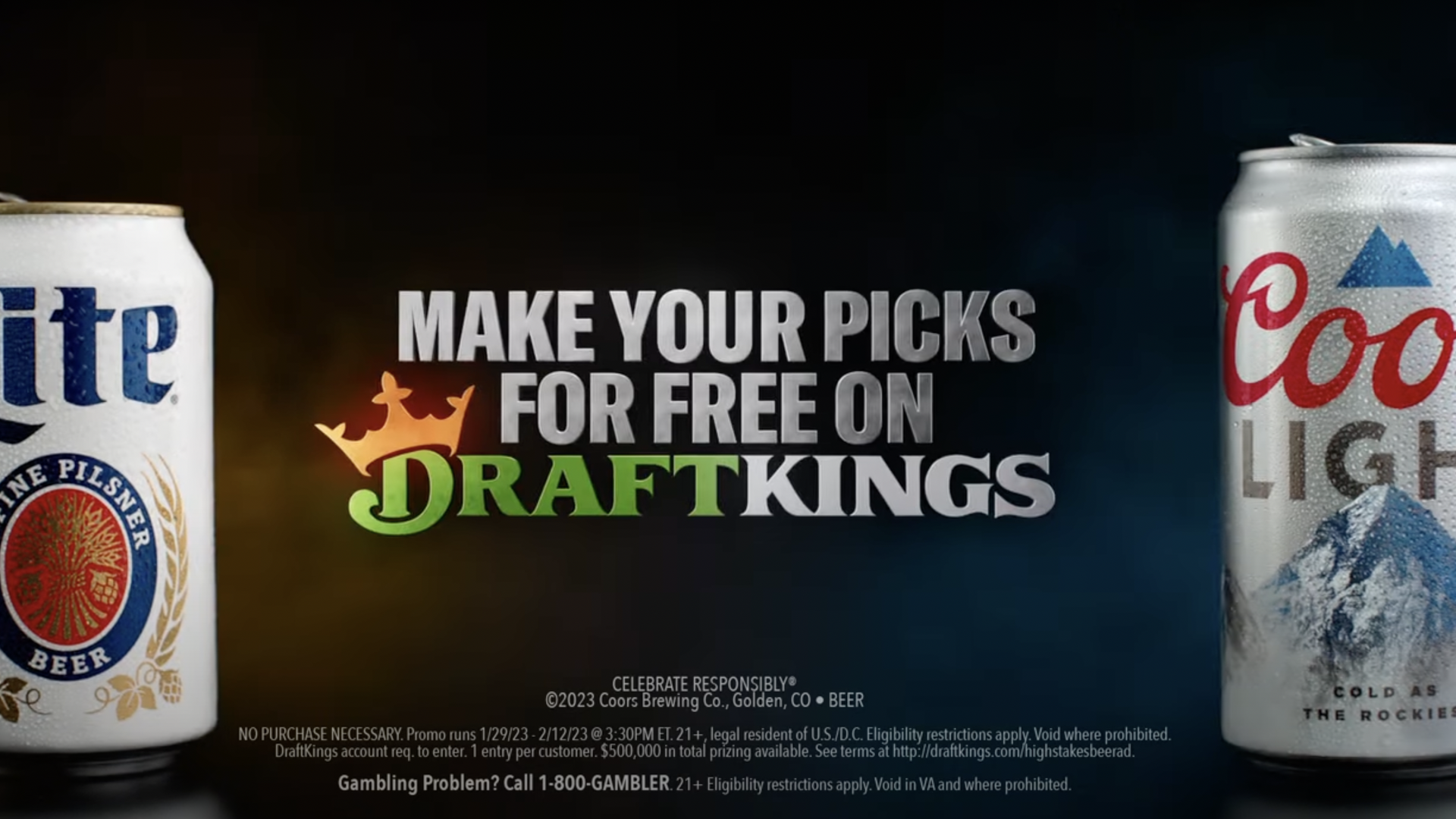
Following a year of economic chaos and post-pandemic recovery, advertisers are leaning into lighter spots featuring A-list talent to win attention during Sunday's Super Bowl event on Fox.
Why it matters: Super Bowl ads "definitely focus on the mood of the country," Tim Curtis, a senior partner in WME’s celebrity endorsement division, told Axios at an Endeavor/USA Today Super Bowl advertising event Thursday in Scottsdale, Arizona.

Vocal Tesla shareholder Ross Gerber plans board run
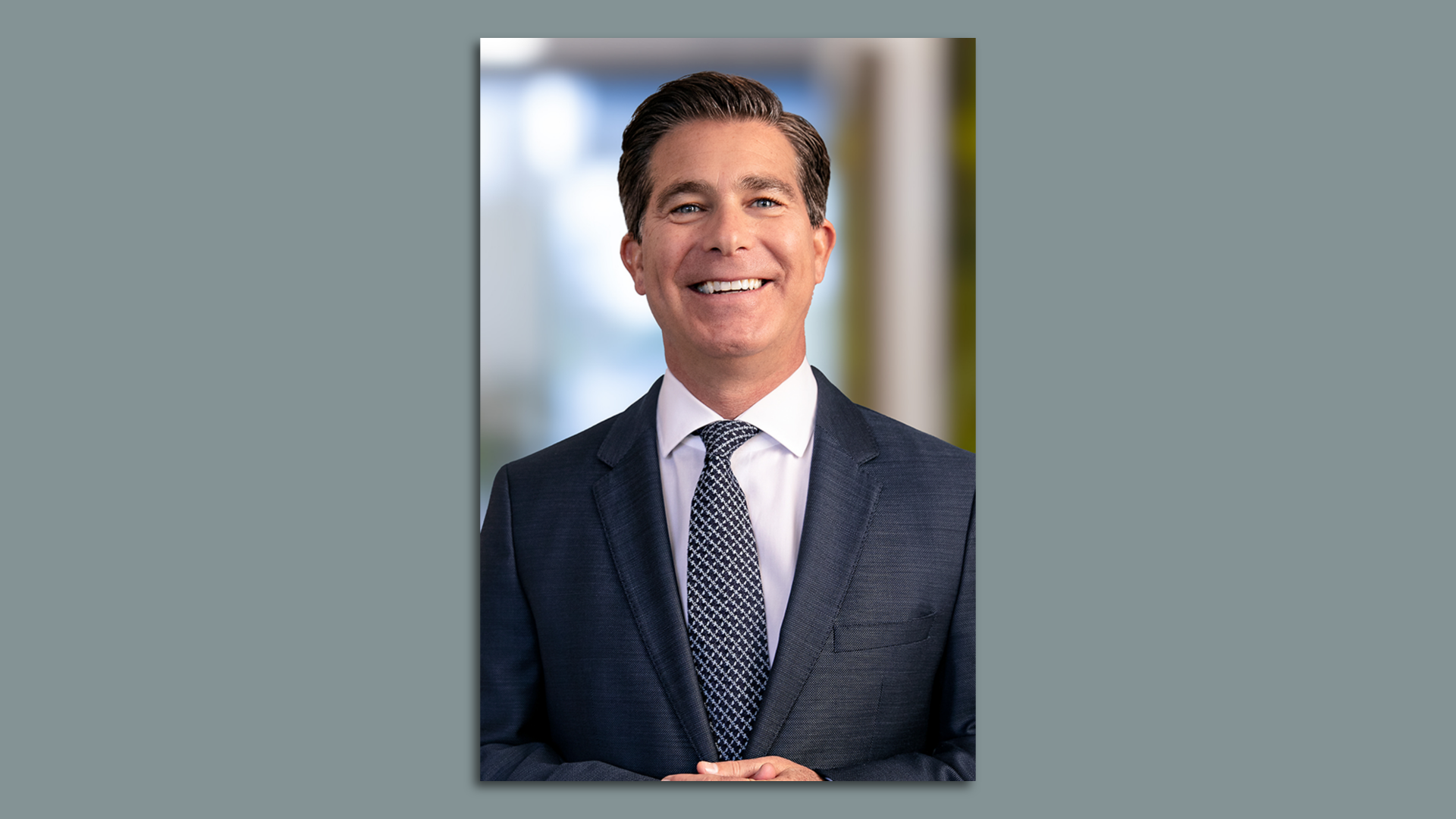
Ross Gerber — an investment adviser, outspoken longtime Tesla shareholder and prolific Twitter user — tells Axios that he will file a letter to Tesla's board next week stating his intentions to run for a seat, confirming comments he'd made earlier in the day on a Bloomberg Twitter Spaces conversation.
Why it matters: Gerber is running under new SEC "universal proxy" rules that enable all shareholders to vote for their preferred combination of board candidates.

UnitedHealthcare incentivizes healthy patient behavior
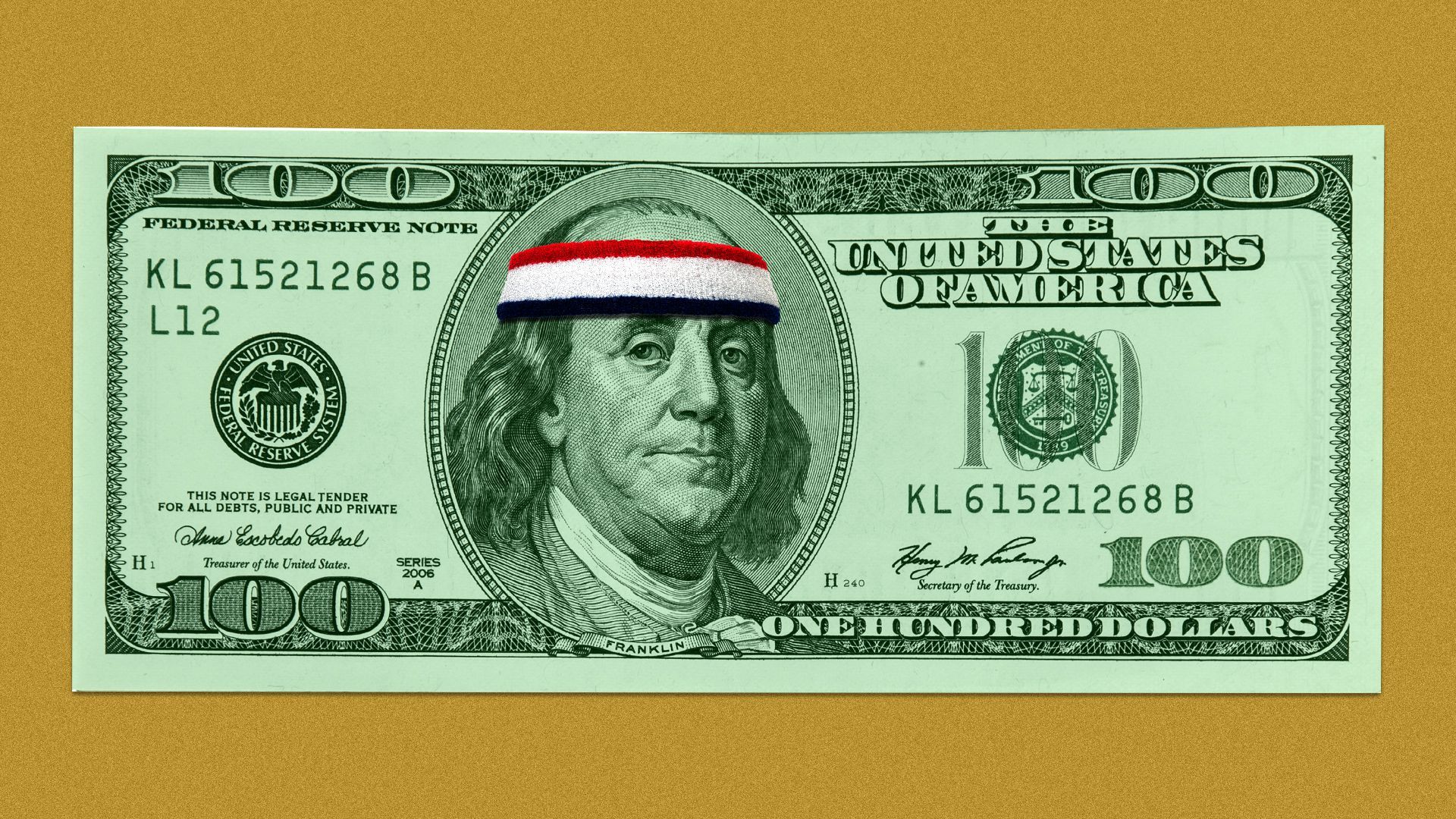
UnitedHealthcare, the largest health insurer in the U.S., is expanding an initiative designed to reward plan members for embracing healthy behavior, which will be monitored by activity trackers.
- The upside is that patients can reap financial incentives — but watchdogs are concerned that a downside could eventually include penalties for an unhealthy lifestyle.
Why it matters: Health care costs totaled nearly $13,000 per person in 2021, accounting for more than 18% of GDP. According to experts, unhealthy lifestyle choices are a contributing factor to ever-ballooning health care costs.
Driving the news: UnitedHealthcare Rewards will provide up to $1,000 annually to members who use wearable devices to prove they're being healthy, and take other steps to monitor their health.
- The program will be available first to the 3 million patients in UnitedHealthcare's fully insured plans, then rolled out to self-insured plan members in 2024.
- It replaces an initiative called UnitedHealthcare Motion, which focused on encouraging members to track their daily steps.
How it works: Rewards, which come in the form of a cash gift card or health savings account funds, stem from a variety of behaviors:
- Taking at least 5,000 steps, and completing at least 15 minutes or more of activity per day.
- Tracking sleep for at least two weeks, getting a biometric screening and completing a health survey.
Samantha Baker, chief consumer officer for the company's commercial business, tells Axios that "the goal of the program is really to motivate our members to take charge of their health and stay engaged in these activities and ultimately improve their quality of life and help improve health care overall."
Between the lines: Emerging evidence suggests "that wearables with incentives tied to them can promote and encourage people to walk more and get more physically fit," Marianne Udow-Phillips, a senior adviser to the University of Michigan's Center for Health & Research Transformation, tells Axios.
Yes, but: Watchdogs are concerned that companies like United could eventually use such programs to pass costs along to people who spurn healthy behavior.
- "There could be higher deductibles, higher premiums," Udow-Phillips said.
- "There are no regulations stopping them from" using data such as calorie intake, blood pressure and weight to penalize patients, the American Medical Association reported.
What they're saying: Still, Baker said the company has no plans to charge people more for unhealthy living.
- "There is no penalty for not engaging," she said. UnitedHealthcare will provide users with the option of selecting which data they do or do not share, she added.
Worth noting: If you can't afford or don't own a device that works with the UnitedHealthcare app (FitBit, Apple Watch or Garmin), you can't participate in the activity tracker aspects of the program.
- "The expense involved in procuring a wearable device could keep some patients with lower incomes from participating in incentive programs, so they lose out on a potential financial reward as well as the potential health benefits," the AMA reported.
The big question: Whether such programs can lower health care costs, or at least slow the pace of rate increases.
- "It seems like there's some potential here," Udow-Phillips said, but noted that cost savings for healthy behavior today might not translate into savings until years later.
AI expert Fei-Fei Li joins Radical Ventures as partner
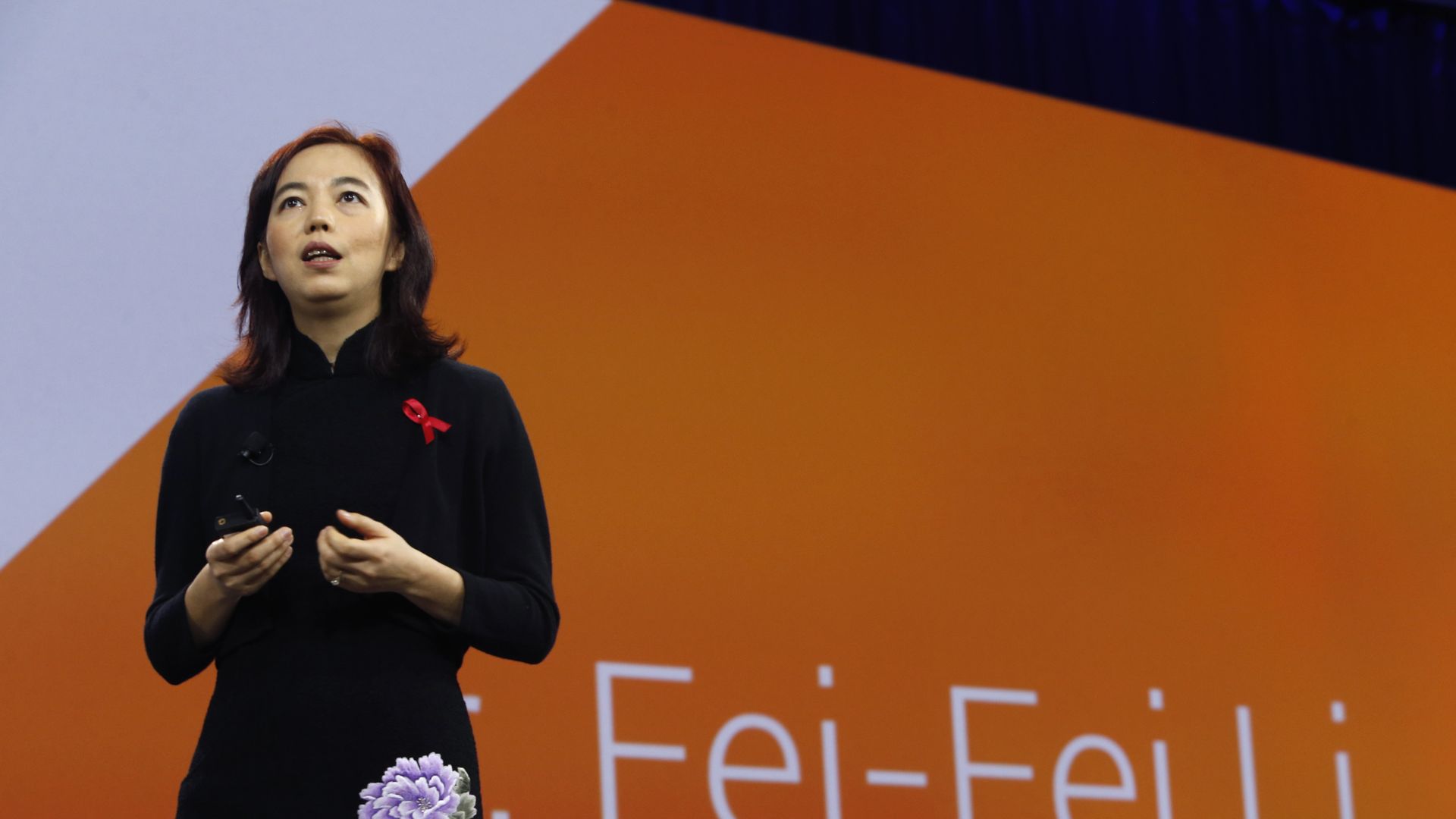
Fei-Fei Li, the artificial intelligence expert and Stanford University professor, is joining Canadian venture firm Radical Ventures as a partner.
Why it matters: "There’s no better time to do AI than today," Li, who has worked in the field for more than two decades, tells Axios.

Construction help wanted
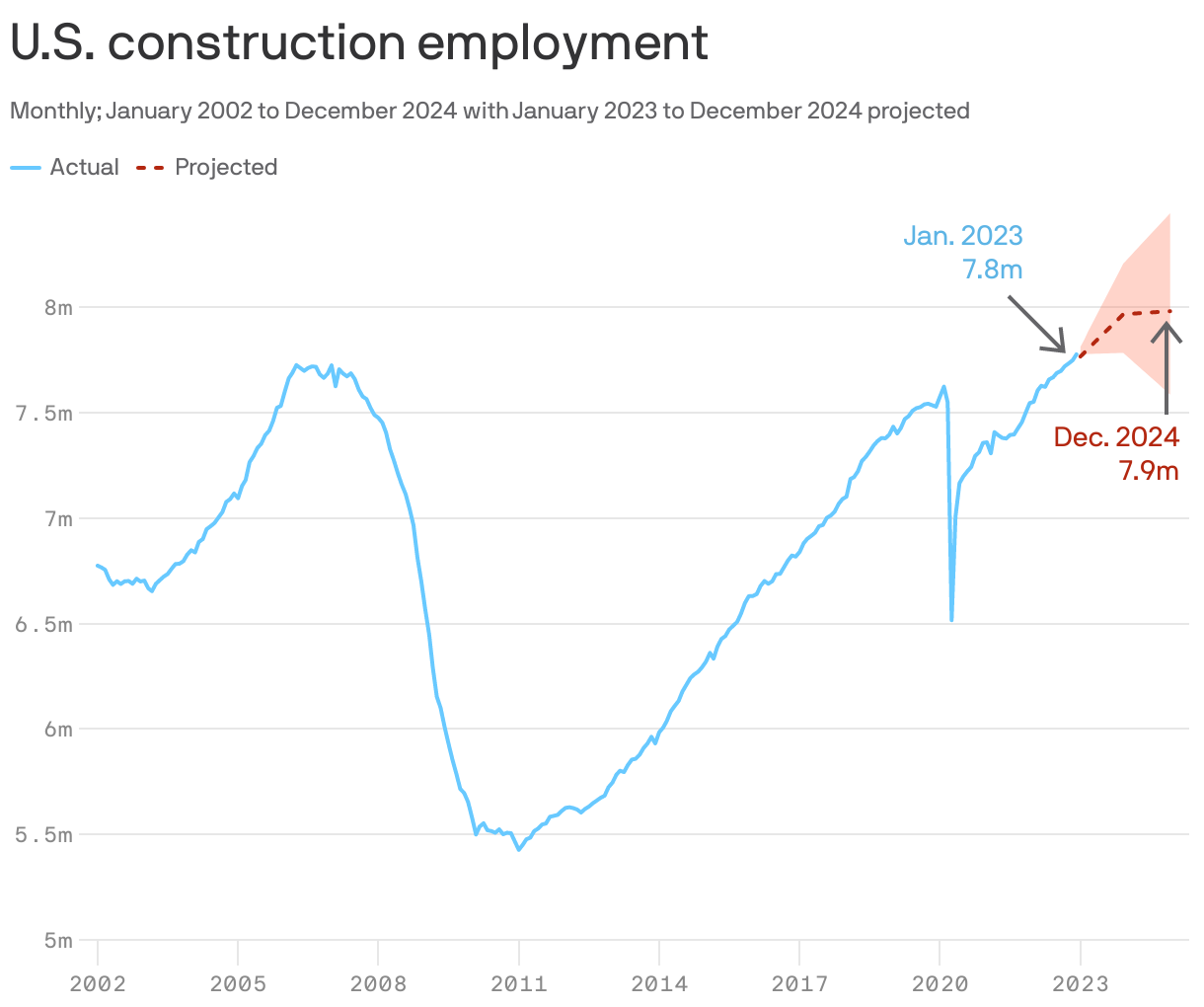
The construction industry is still in hiring mode and likely will be for the next few years, according to an industry group's projection.
Why it matters: It's not supposed to be like this. Typically, when interest rates rise — or when the economy slows down — construction hiring contracts.

The yield curve may be wrong when it comes to predicting recession
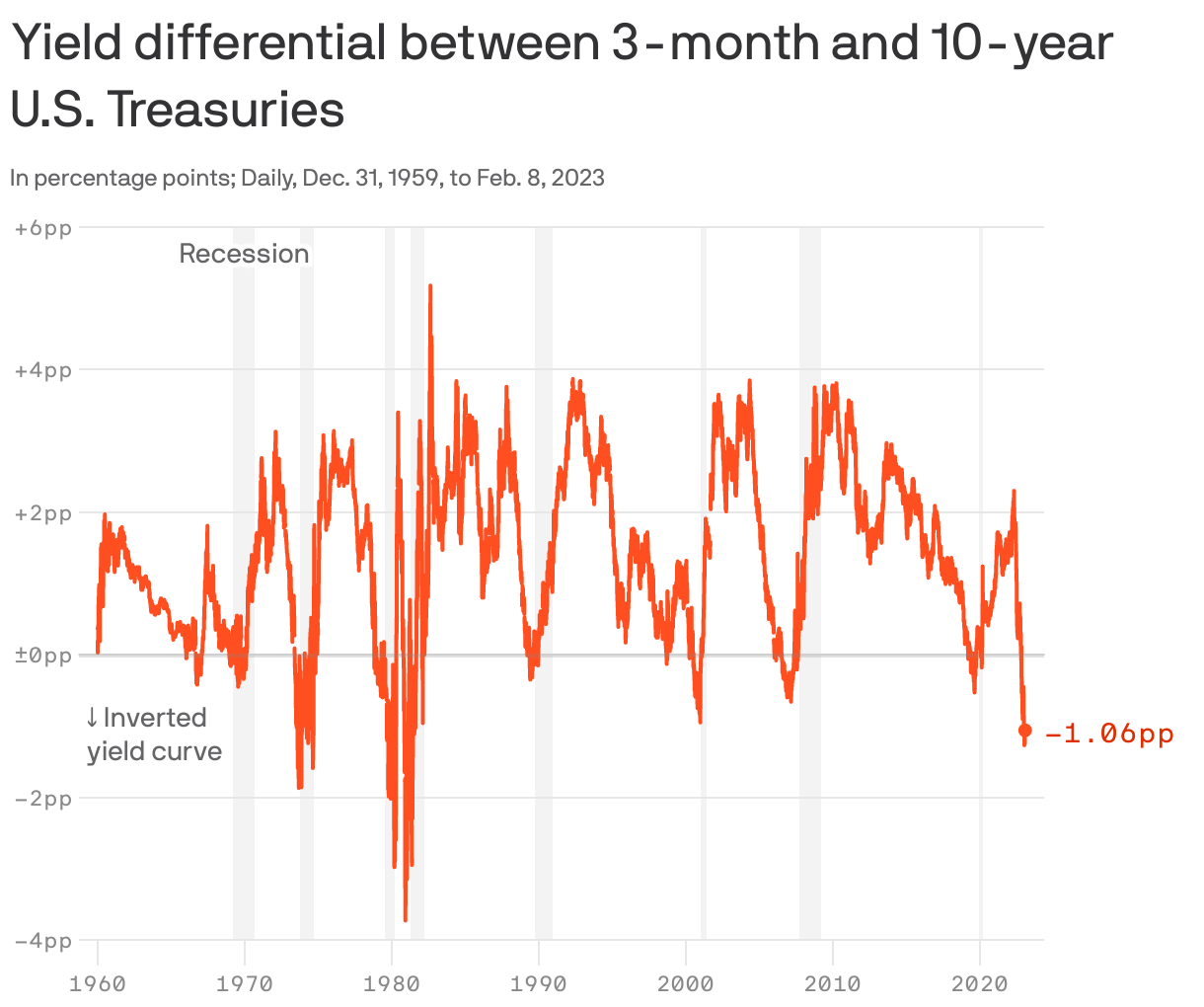
Analysts and economists on Wall Street are starting to question the predictive power of the inverted yield curve.
Why it matters: It means they're rethinking assumptions that helped drive many to cut forecasts for U.S. economic growth, amplifying the wave of recession talk.

NewsNation reporter faces charges after arrest at Ohio governor's press conference
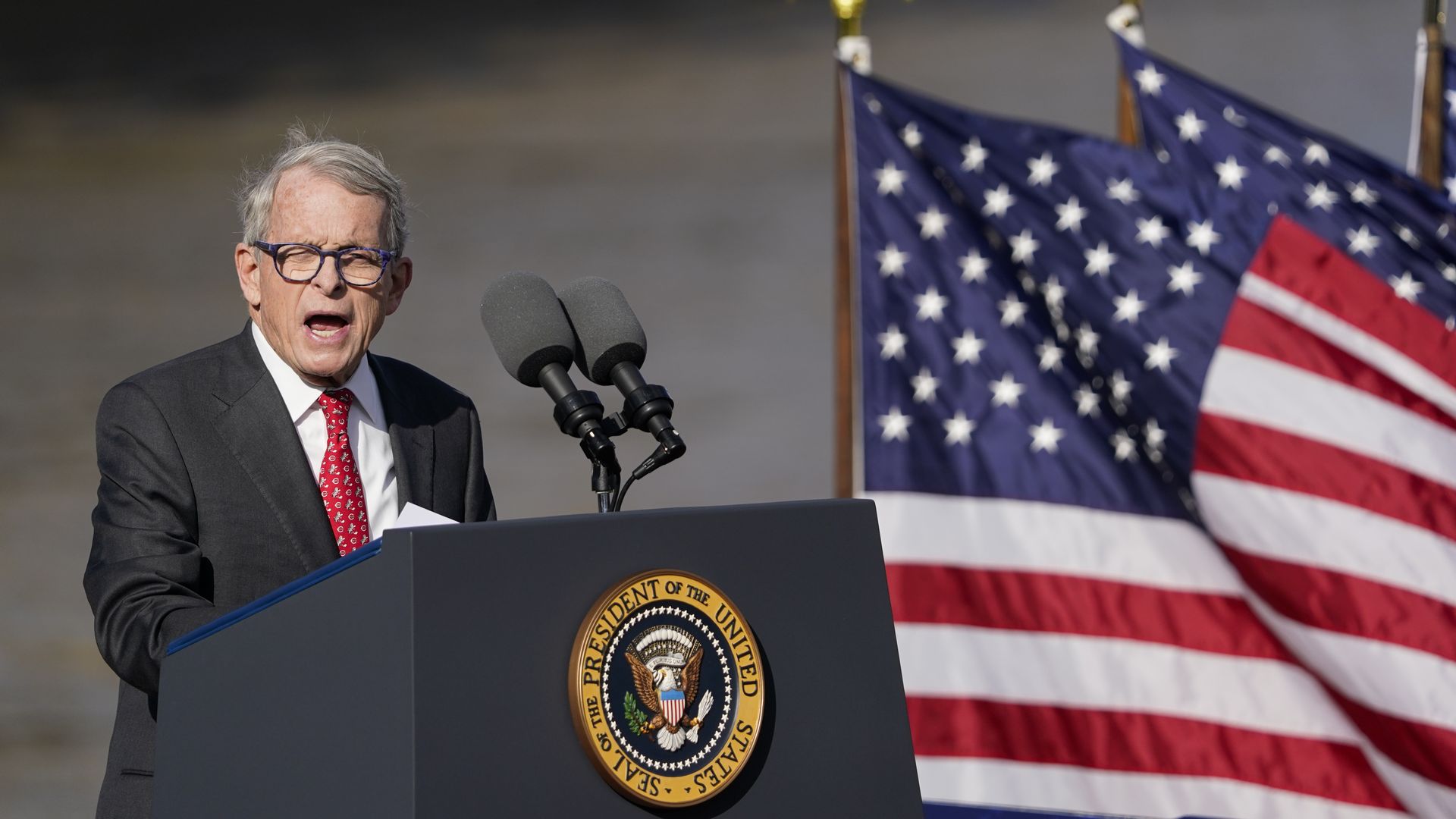
Police in Ohio arrested a NewsNation journalist on Wednesday as state Gov. Mike DeWine (R) was speaking at a news conference announcing that an evacuation order over last week's train derailment in East Palestine had been lifted.
The latest: NewsNation published video Thursday of its reporter Evan Lambert being pushed to the ground before being handcuffed during his arrest.

Finish line: Fighting unwinnable wars
Warning: This column contains profane language capturing actual events.
Roger Ailes — then the godfather of Fox News, and one of the most powerful people in media — hated Politico, the company I co-created in 2006, from the get-go, Jim VandeHei writes.
- Ailes, who died in 2017, blacklisted Politico journalists from Fox News after Fred Ryan, our publisher, leveraged his role as head of the Ronald Reagan Presidential Library to land two presidential debates for Politico.
The library picked CNN and MSNBC as partners over Fox. Ailes was livid.
- Plus Ben Smith, then a Politico blogger, wrote a story Ailes hated. So Fox News would routinely (and inaccurately) refer to Politico as "left-wing."
Why it matters: When we launched Politico, we recognized Ailes' deliberate effort to stoke an us-vs.-everyone culture to do the impossible — create a new dominant cable-news empire.
- In the end, Ailes taught me: Some wars are unwinnable. Some people are unchangeable.
The blacklisting hurt us. We were a new publication hellbent on appealing to conservatives and liberals alike. Fox was, and remains, dominant in its space.
- We had countless meetings and episodic back-channeling — even a lunch in the Fox executive dining room — to try to defuse things. Nothing worked.
In 2013, Ailes wanted to talk and was furious again — this time over an item by our media reporter, Dylan Byers.
- Peace offerings weren't working. I decided on the fly that aggressors only respond to blunt force. So I let it fly.
- Knowing this would be a hoot, two colleagues — Danielle Jones and Kim Kingsley — popped into my office to witness the showdown.
When Ailes came on the line, he was fuming about Byers' writeup of a book about President Obama by Jonathan Alter that portrayed Ailes as paranoid.
- Ailes yelled at me about Alter "writing in his underwear," and how he would "not take any shit from Dylan," based on detailed notes I took for a diary of my time at Politico.
- Ailes screamed: "I did not think he was an intellectual because that's what all you left-wing nuts think."
- My response, again thinking blunt force might work: "Roger, go f--- yourself."
Roger: "Wait! What? You just told Roger Ailes to go f--- himself."
- "Stick it in your damn ear!" he shouted. "You just said that so you could tell people you told Roger Ailes to go f--- himself."
No, I replied. I wanted him to stop calling us liberal.
- Ailes got creepy, warning of a coming war against us. Dylan, he warned, "will either fall off the limb or have the limb sawed off." I said that was a threat. He said it was not.
- He screamed something about me thinking he was a wimp, and dared us to come to Fox and call him a wimp.
- He hung up.
The big picture: For 24 hours I thought I was right. A top Ailes adviser called and suggested a truce would be possible now — maybe via an in-person lunch.
- Then ... crickets. We never talked again, and remained blacklisted until Ailes was forced out of Fox years later.
The moral of the story: Some fights simply can't be won — but make for fun stories later.
- Share this story.