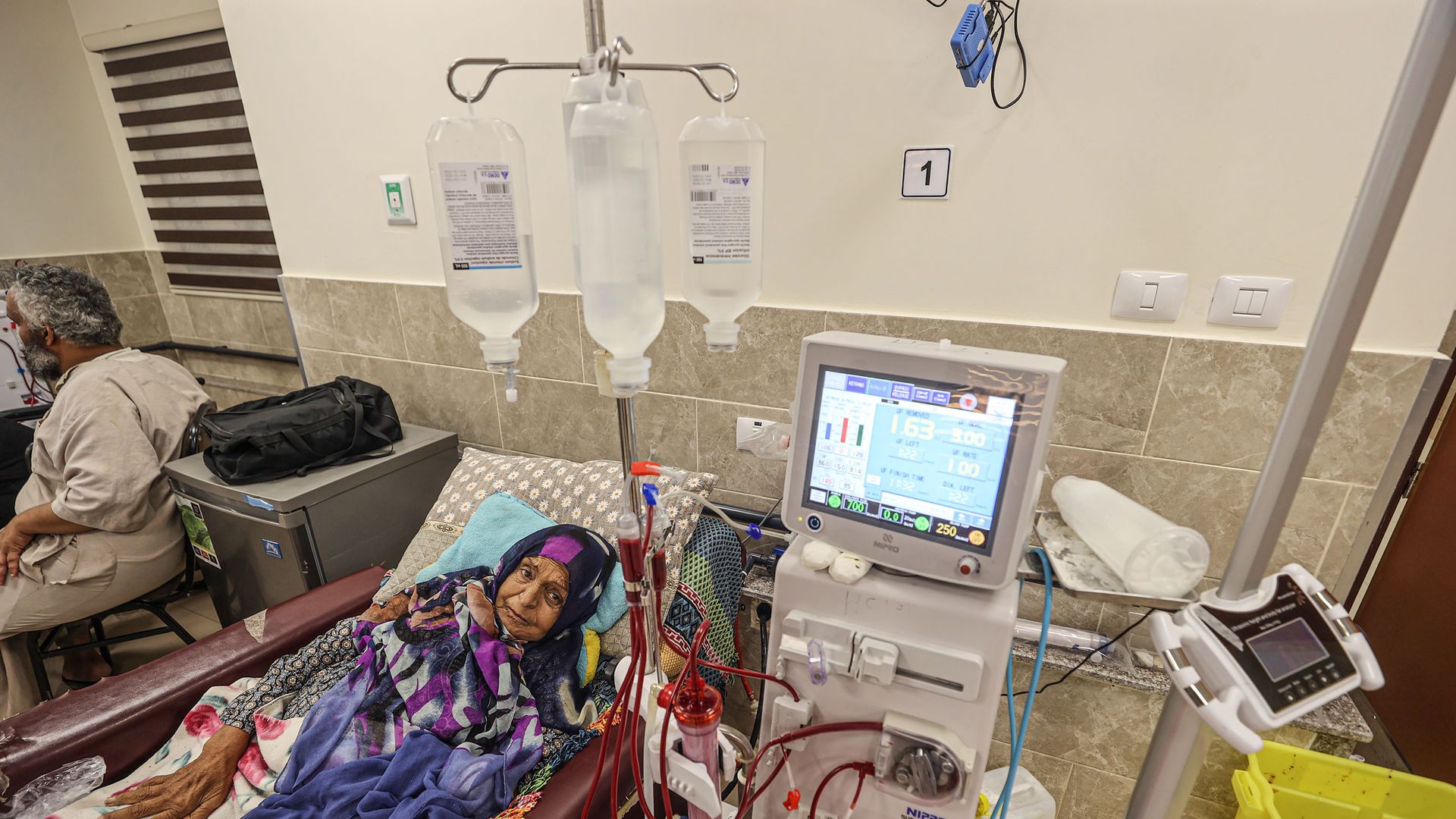
Israel told the U.S. about a contingency plan for getting fuel into southern Gaza under international monitoring if more hospitals run out, two Israeli officials told Axios.
Why it matters: Humanitarian organizations have been calling for weeks for fuel to be allowed into the Strip, pointing to hospitals that have shut down or are at risk due to dire shortages.
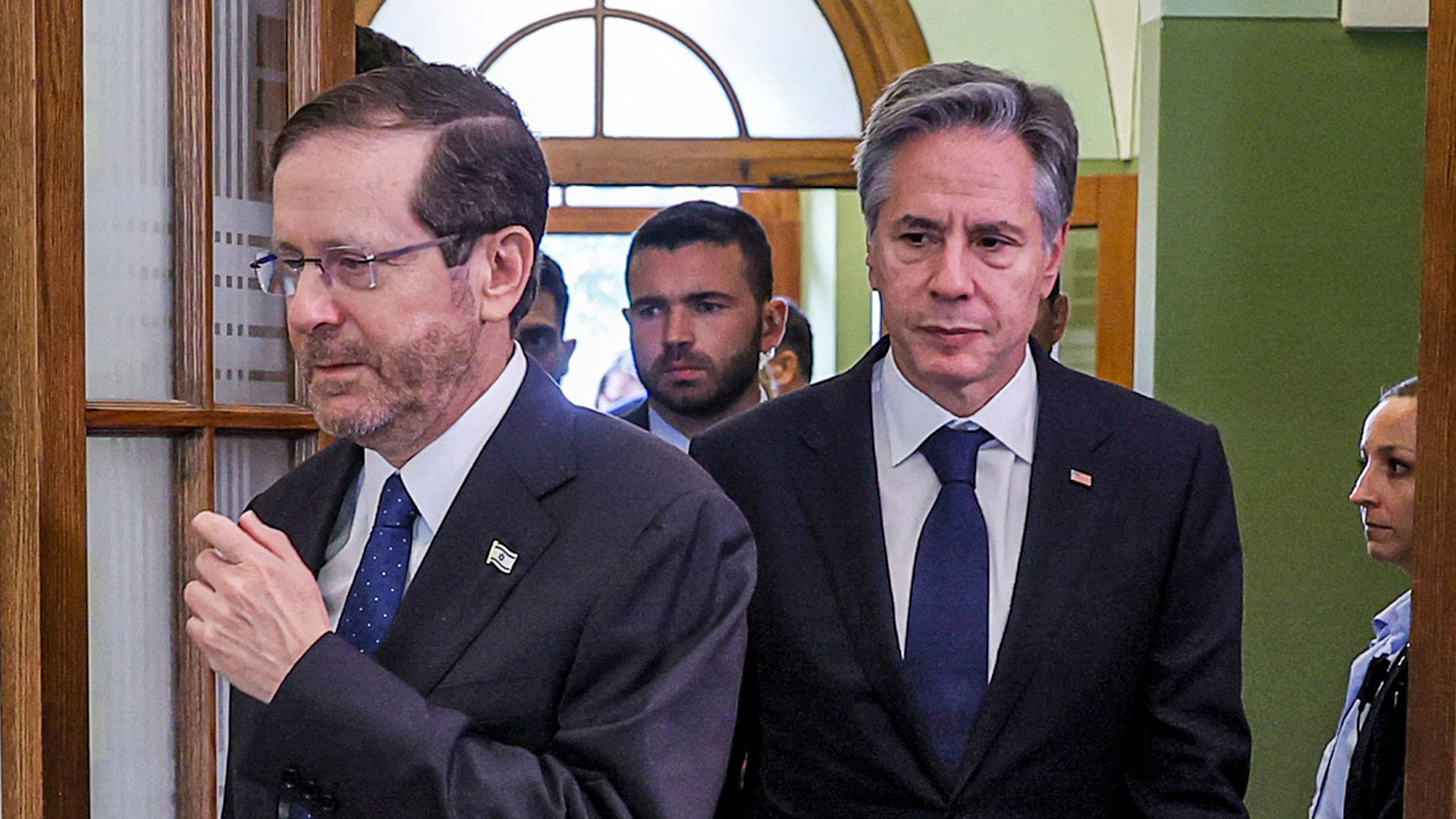
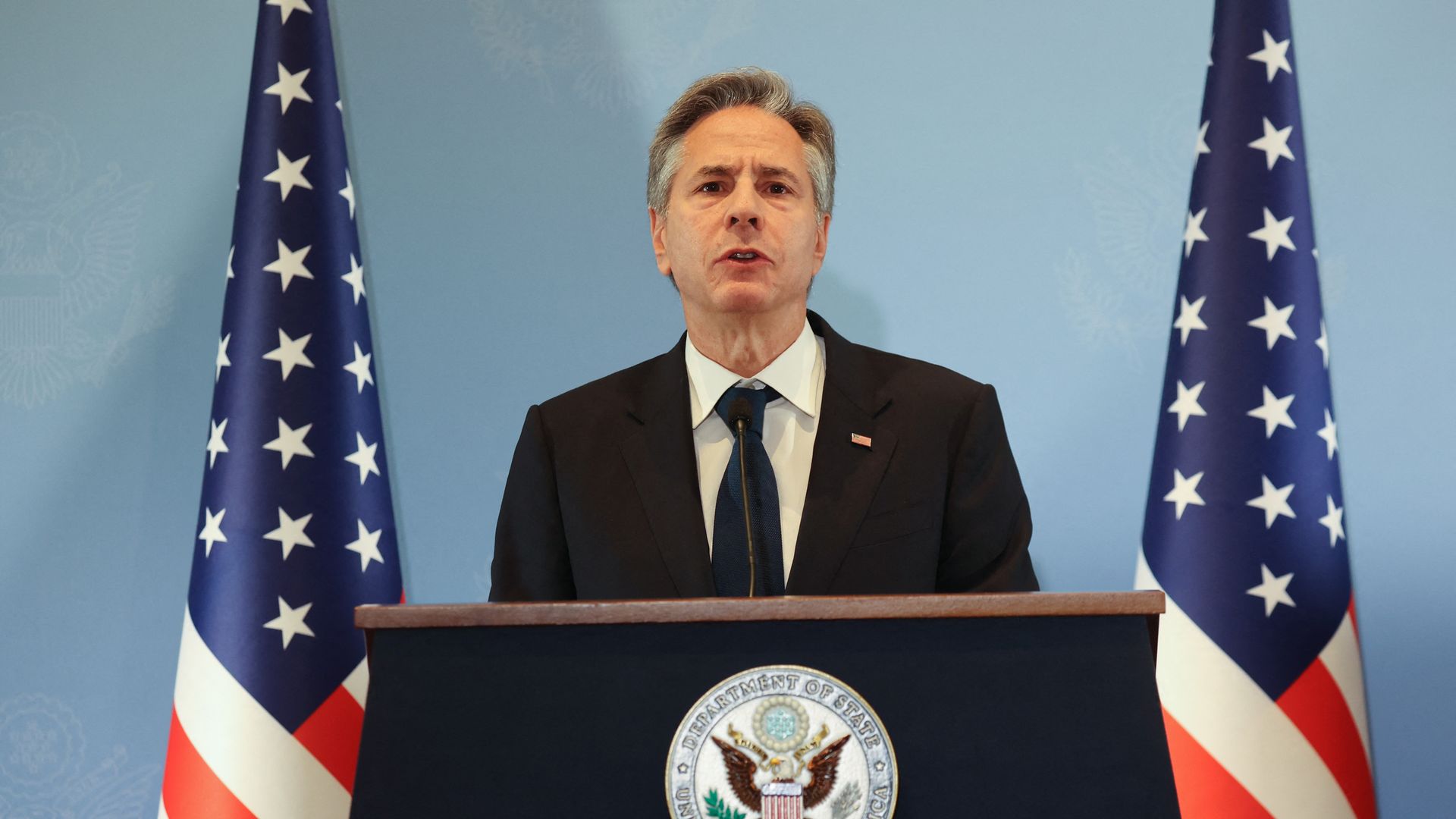
Secretary of State Tony Blinken during his meetings in Tel Aviv on Friday expressed concern over the Israeli cabinet decision to withhold part of the tax revenues Israel collects for the Palestinian Authority, according to two U.S. officials.
Why it matters: The revenues — collected under an agreement between Israel and the PA — are a major source of income for the PA, which is already in a financial crisis.
Many Arab American votersfeel betrayed by President Biden's unequivocal support for Israel, and community leaders in Metro Detroit say there's nothing he can do to win them back.
Why it matters: Michigan is a central piece of the Midwestern "Blue Wall" that flipped in Biden's favor in 2020. The state's large Arab American population could be crucial to the outcome in what will be a pivotal swing state again in 2024.
The big picture: Biden is leaning on a tight circle of trusted aides and officials. Here's a look at who's in the room when major decisions are being made.
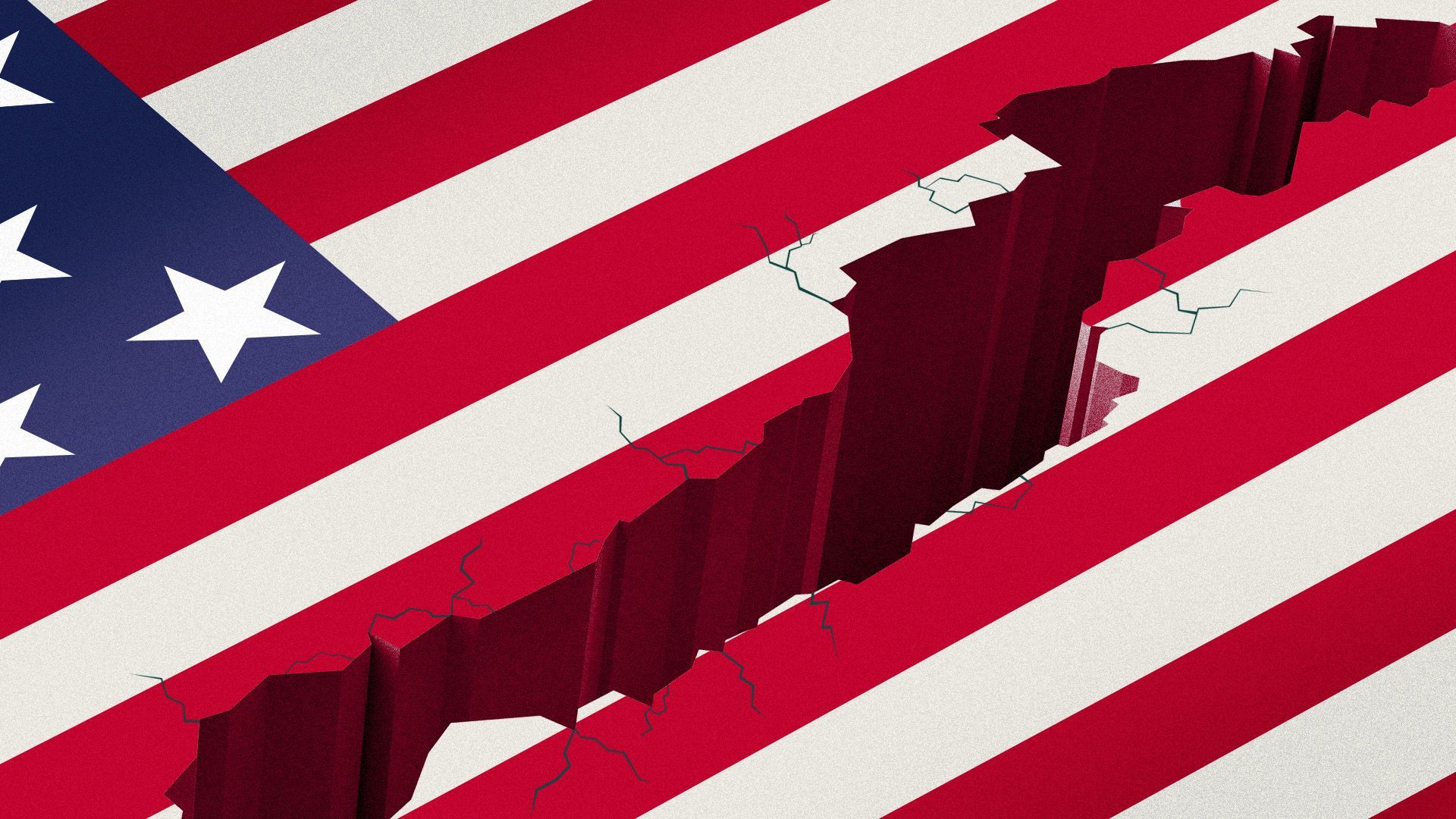
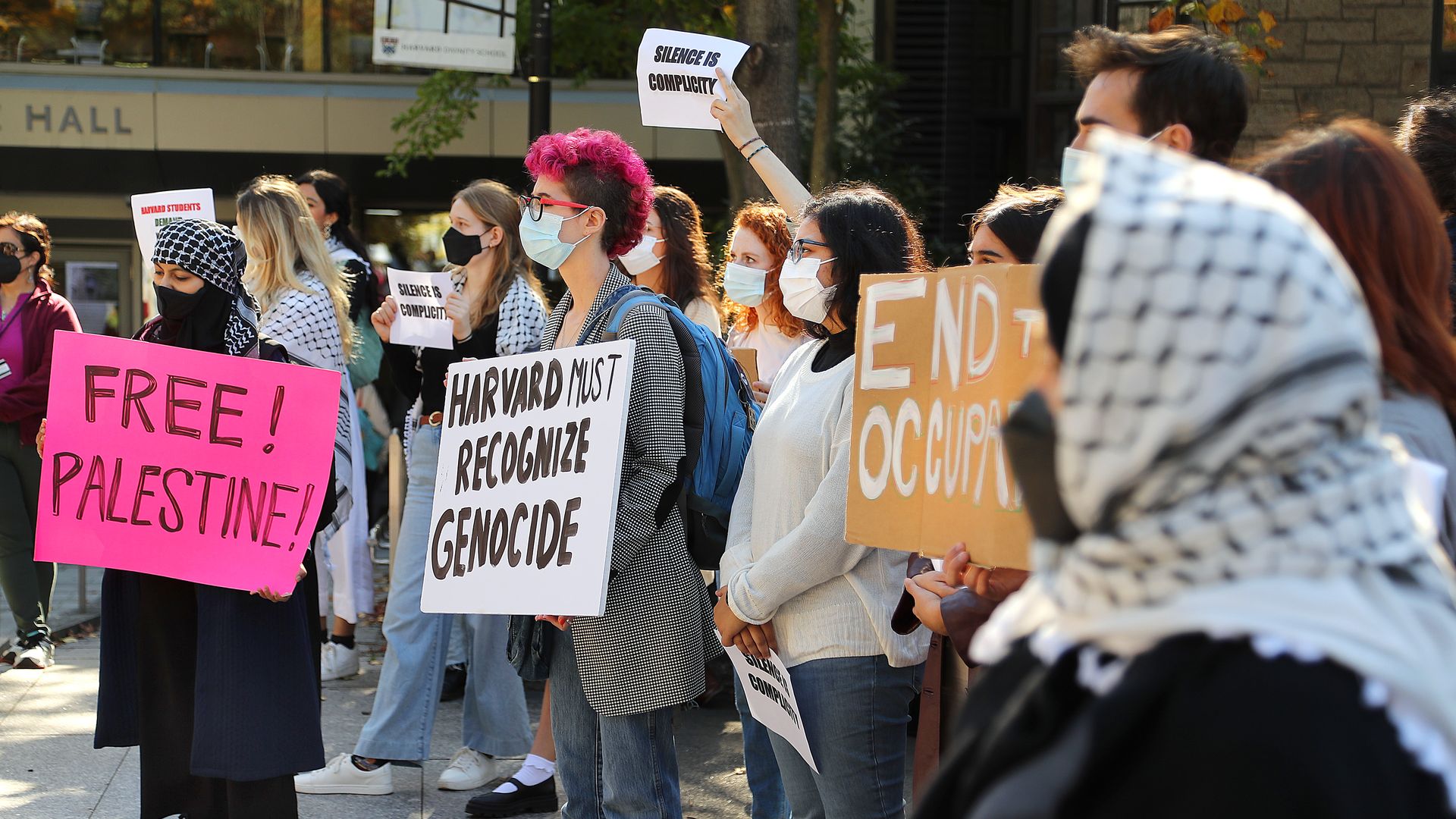
On college campuses, in workplaces, on city streets and inside the Capitol building and the White House, opinions around the Israel-Hamas war are starkly divided — and the chasm is growing.
Why it matters: The deep divisions are roiling American society, and they have the potential to reshape U.S. politics.
Data: USAID, Congressional Research Service; Note: Excludes missile defense spending; Partial data for 2022–2023; Adjusted for 2022 dollars; Chart: Jacque Schrag/Axios
In the wake of Hamas' surprise attack on Oct. 7, U.S. leaders reaffirmed the long-standing strategic and military alliance with Israel — but political disagreements have delayed a new security assistance package.
Driving the news: President Biden requested at least $14.3 billion in additional assistance to Israel, which would include money for air and missile defense systems, including the Iron Dome.
Secretary of State Tony Blinken told his Israeli counterparts on Friday that agreeing to a humanitarian pause will help the U.S. fend off growing pressure it is facing over its support of Israel's operation in Gaza and in turn help Israel buy more time for its ground offensive, according to one U.S. and three Israeli officials with direct knowledge of the talks.
Why it matters: The Biden administration says it supports Israel's goal of dismantling Hamas' military capabilities but it is increasingly under pressure from some Democrats in Congress and its allies and partners in Arab countries to push for a ceasefire in Gaza.
At least a quarter of buildings in northern Gaza have been damaged or destroyed by Israeli strikes in the weeks since the Oct. 7 Hamas terrorist attack, according to a new analysis of satellite data.
The big picture: This analysis also confirms that Israel continues to strike southern Gaza, including areas along the main evacuation routes, even after urging civilians from the north to relocate there.
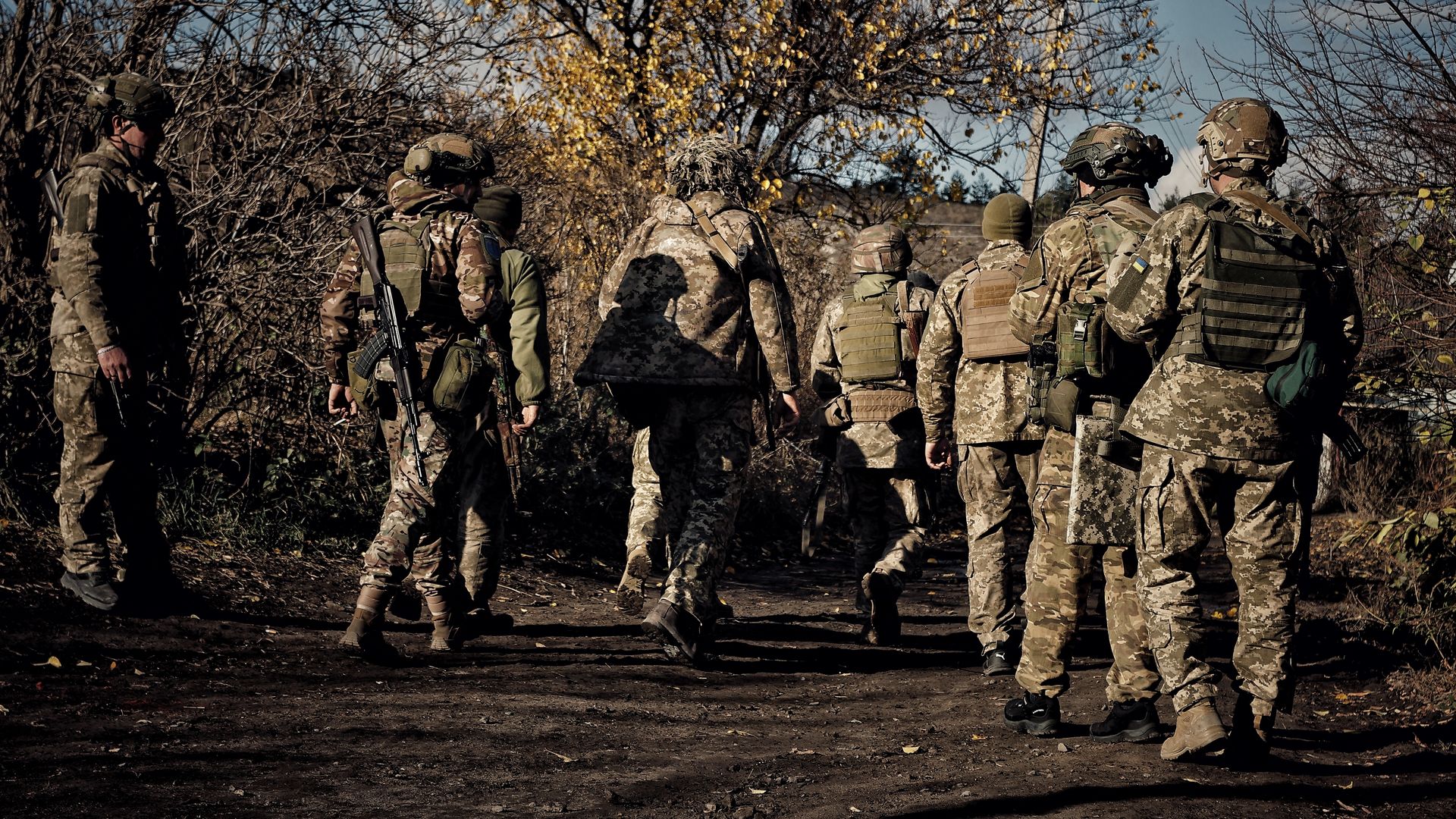
The Biden administration announced a new $425 million military assistance package for Ukraine on Friday.
Why it matters: The aid will help bolster Ukraine's capabilities as Russia's assault stretches into another winter. It also follows a recent warning from Ukraine's top military commander that the country's counteroffensive had reached a "stalemate."
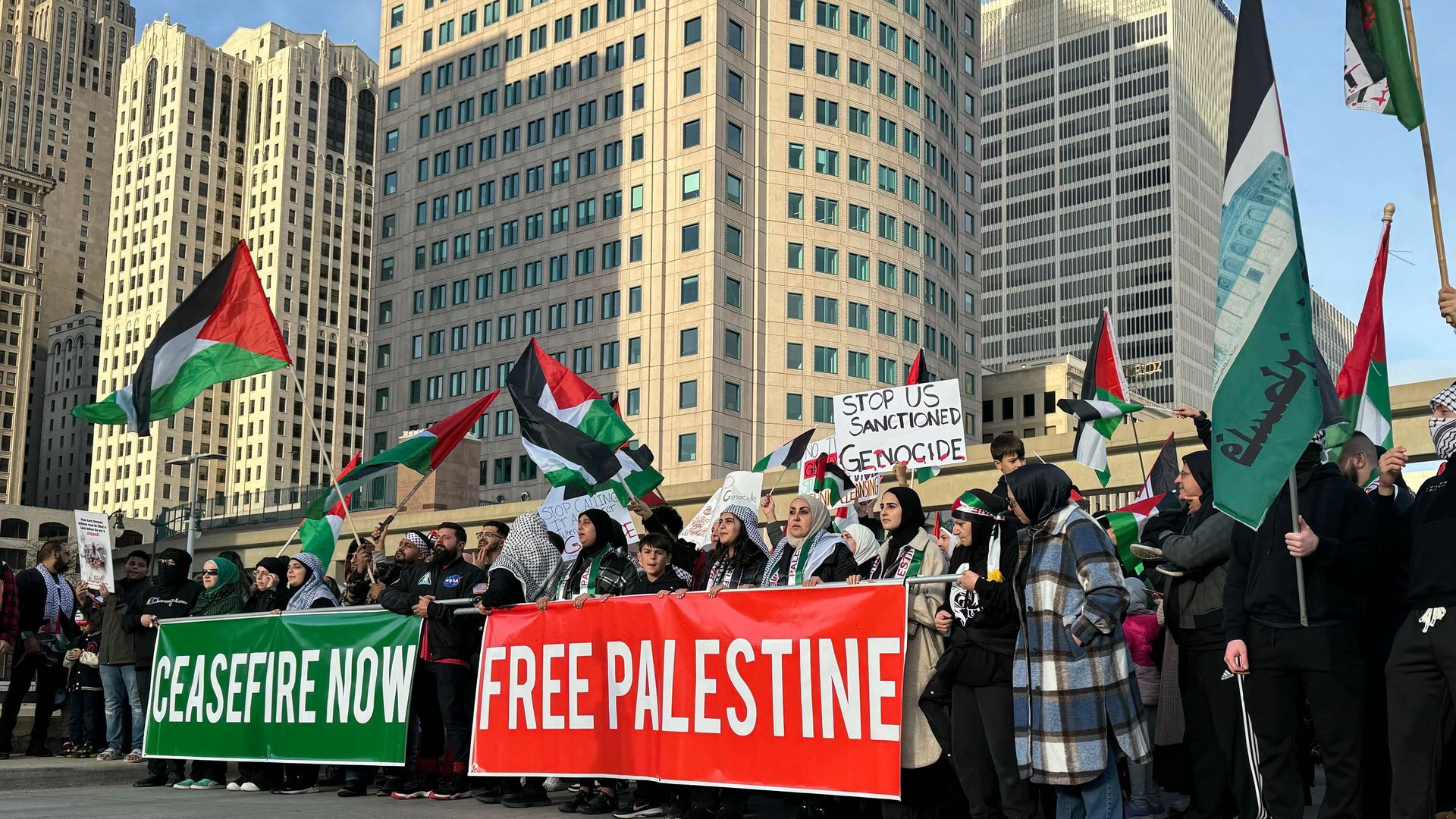
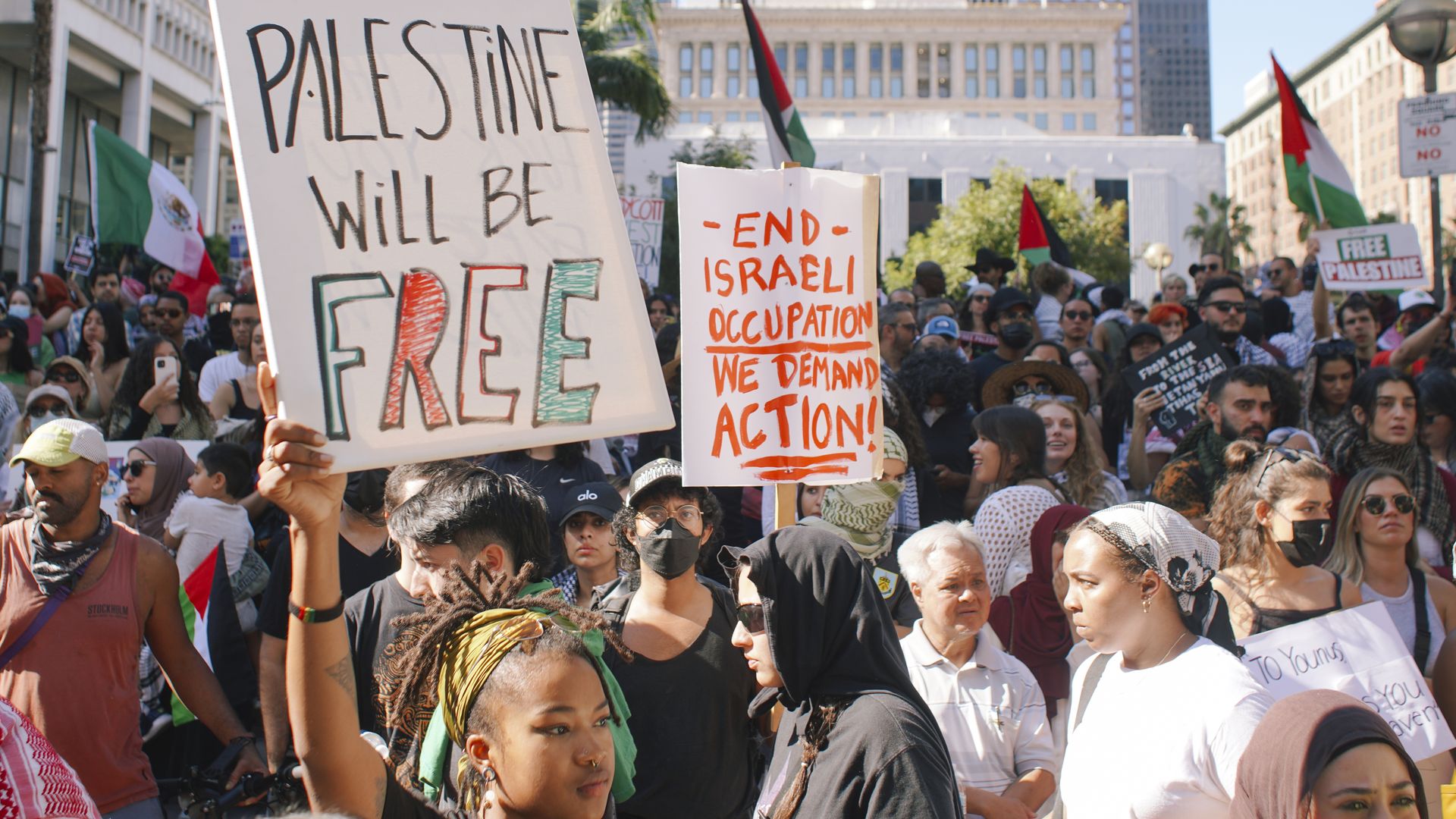
Thousands of people are expected to rally across the U.S. this weekend to demand a ceasefire in the Israel-Hamas war.
The big picture: Some organizers anticipate that Saturday's planned pro-Palestinian demonstrations against Israeli military action against civilians in Gaza will be among the largest anti-war protests in recent U.S. history and the largest pro-Palestinian action in the country to date.
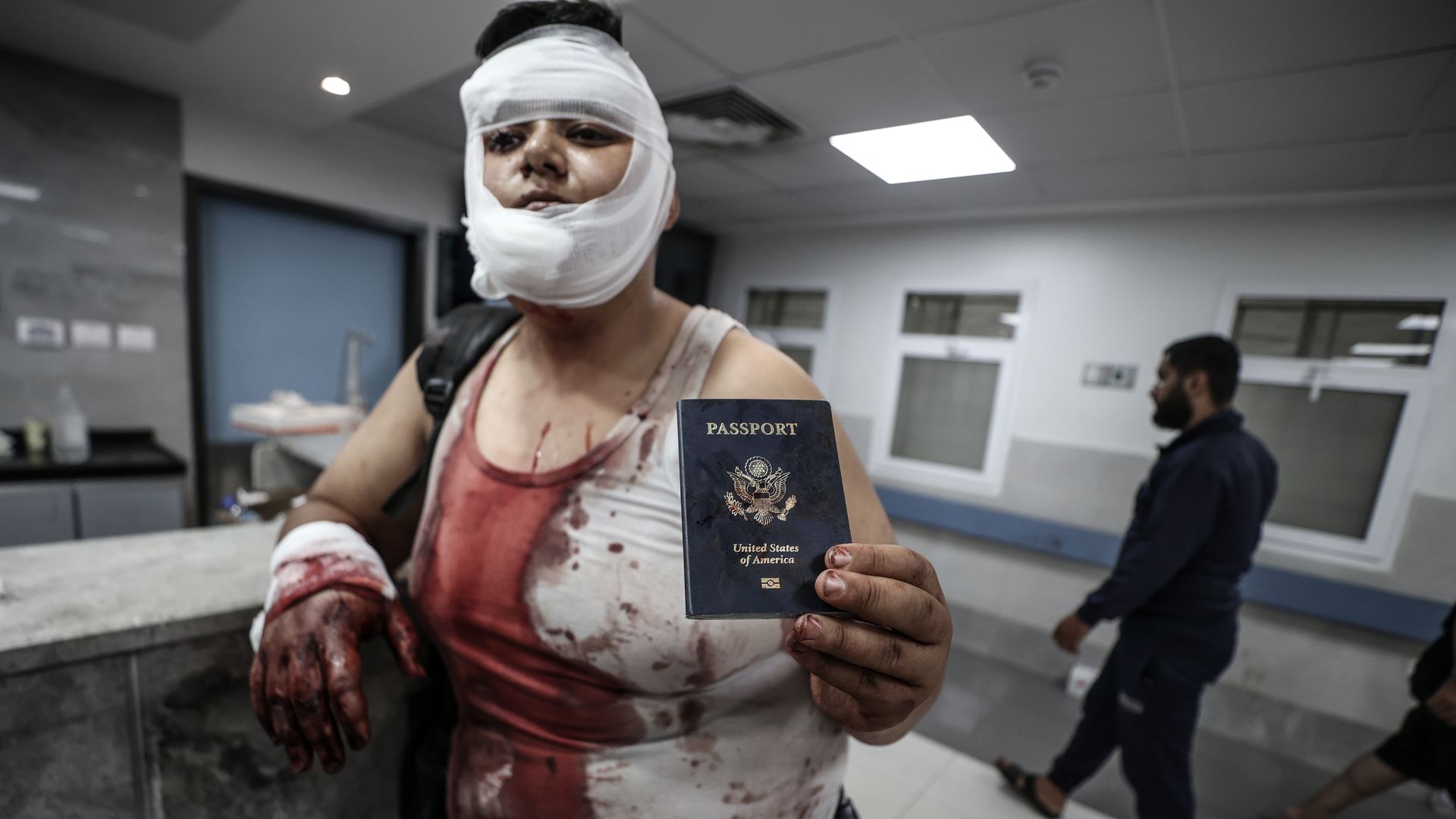
At least 33 Americans were killed in Hamas' Oct. 7 terrorist attack in Israel. Hundreds more remain trappedin the Gaza Strip as Israel expands its ground operation, though at least 79 U.S. citizens had been able to evacuate as of Thursday.
The big picture: Beyond those Americans living in or visiting areas that have already been impacted by the Israel-Hamas war, thousands more U.S. citizens across the region could be affected if the conflict widens.
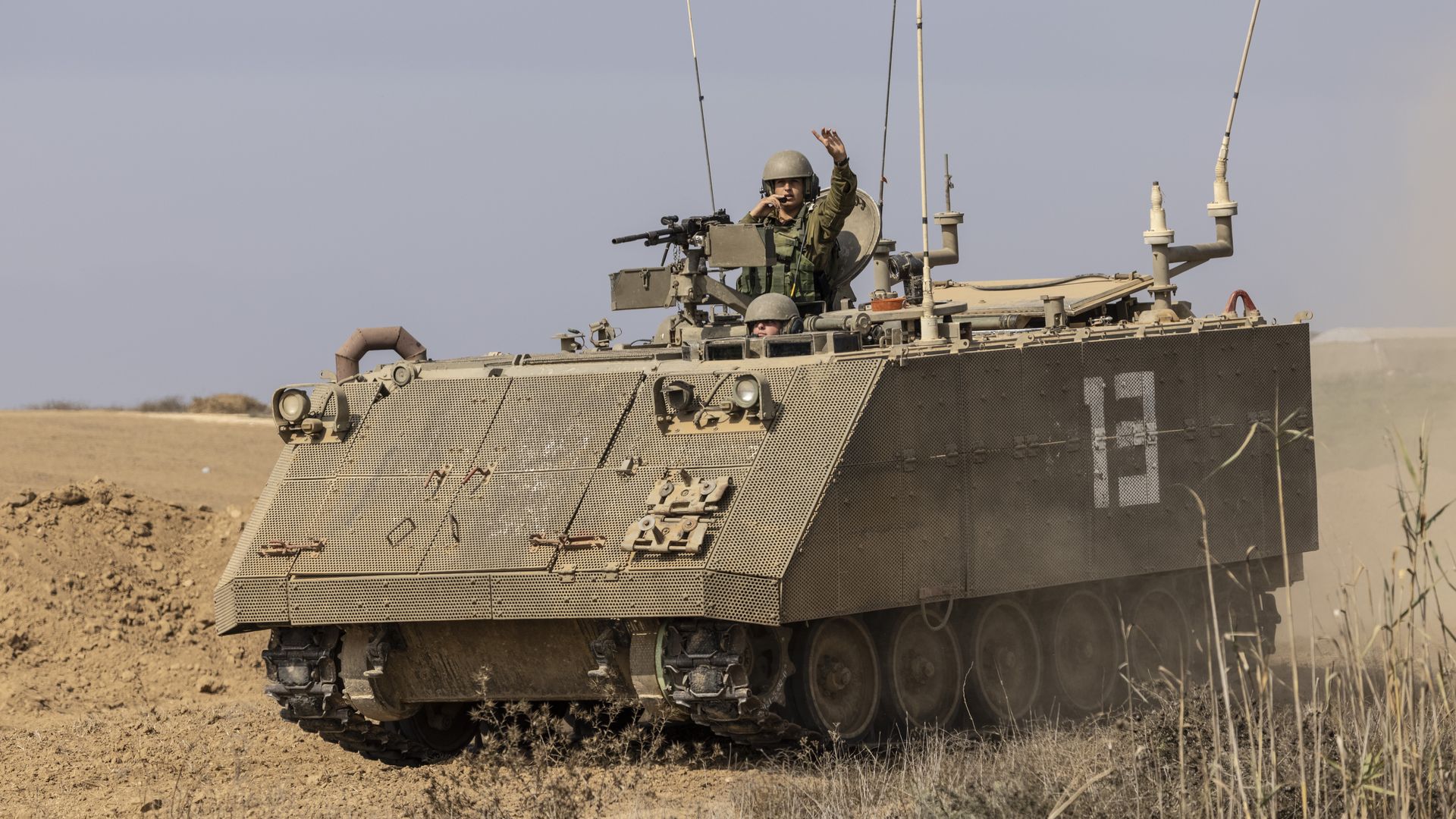
Israel has expanded its ground offensive in Gaza — entering what it calls the "second phase" of the war. Prime Minister Benjamin Netanyahu says its goal is straightforward: to destroy Hamas and bring home the hostages Hamas and other groups are holding.
The big picture: The ground operation is expected to be long and ugly, and result in the deaths of many Israeli soldiers and even more Palestinian civilians. But Israeli officials say it's necessary to "destroy" Hamas after the Oct. 7 terrorist attack in which 1,400 people in Israel were killed and more than 235 were taken hostage.
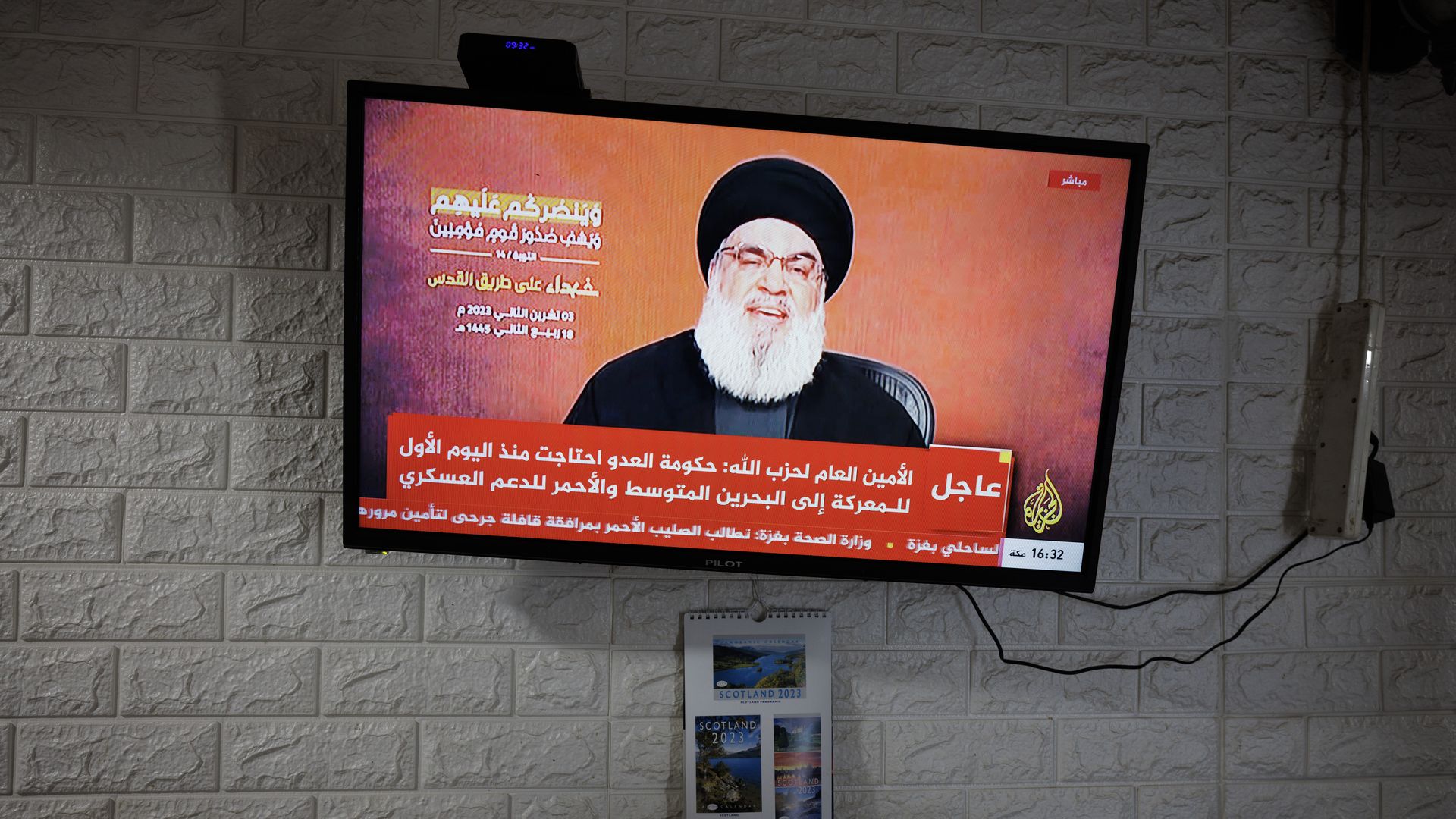
Hezbollah leader Hassan Nasrallah warned in a speech on Friday that there is a real possibility that the fighting on the Israeli-Lebanese border will escalate into an all-out war.
Why it matters: It was the first speech Nasrallah has given since the Hamas terrorist attack on Oct. 7. It also comes amid growing U.S. concerns that the Gaza conflict could turn into a regional war.
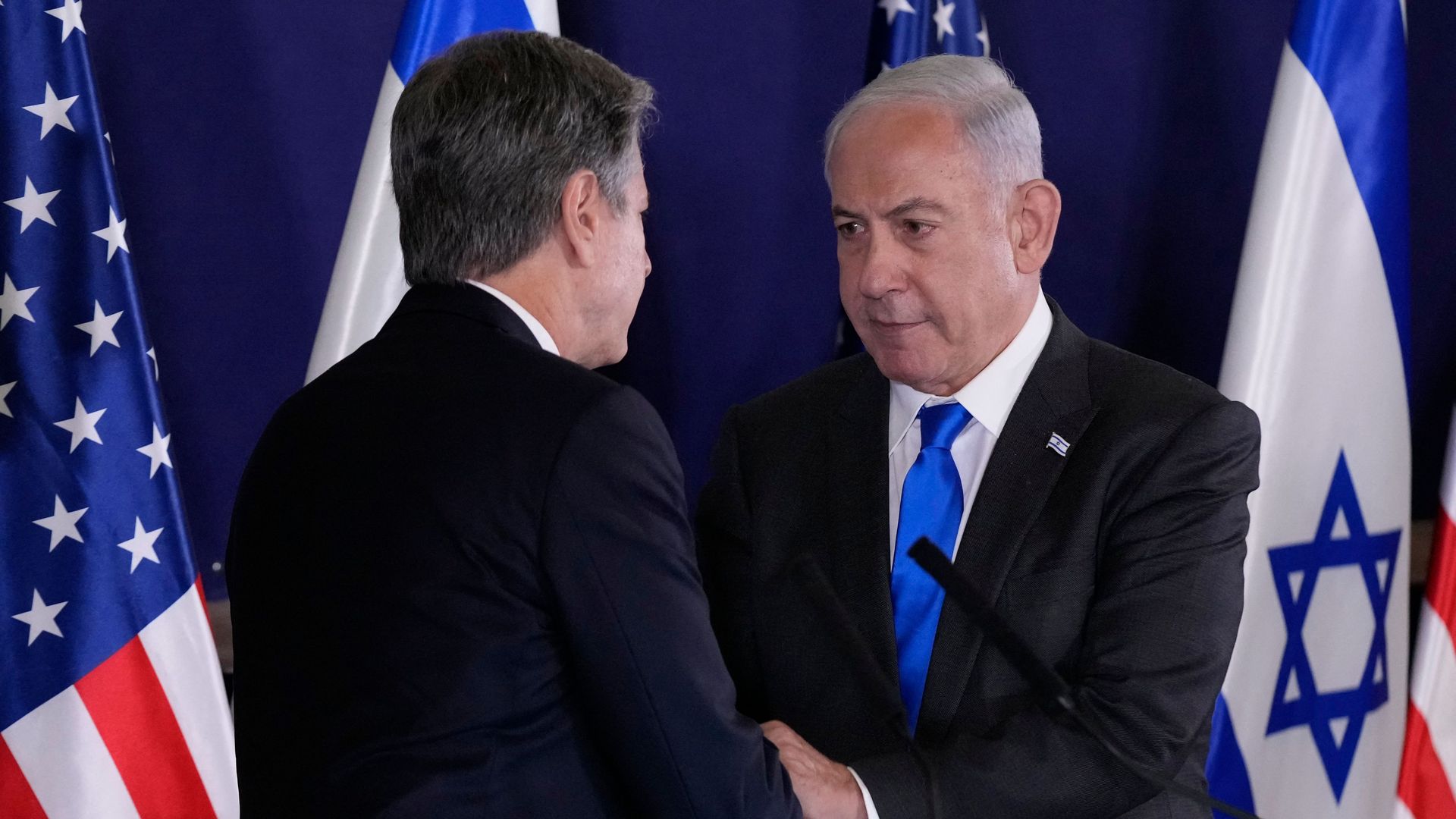
Israeli Prime Minister Benjamin Netanyahu said in a statement on Friday that he made it clear to Secretary of State Tony Blinken that Israel will continue the military operation in Gaza "with full force" and stressed his country won't consider a temporary ceasefire unless the hostages in the Strip are released.
Driving the news: Part of Blinken's trip was focused on convincing the Israeli government to agree to temporary "pauses" that would allow more protection for Palestinian civilians.
Ambassador Pa'olelei Luteru, chair of the Alliance of Small Island States (AOSIS), has a message for larger, wealthier countries ahead of the UN climate summit later this month.
The big picture: Luteru, who is Samoa's ambassador to both the UN and the U.S., knows something about climate change that many other climate diplomats don't. Climate impacts the small island countries are experiencing now will eventually affect even the wealthiest nations.
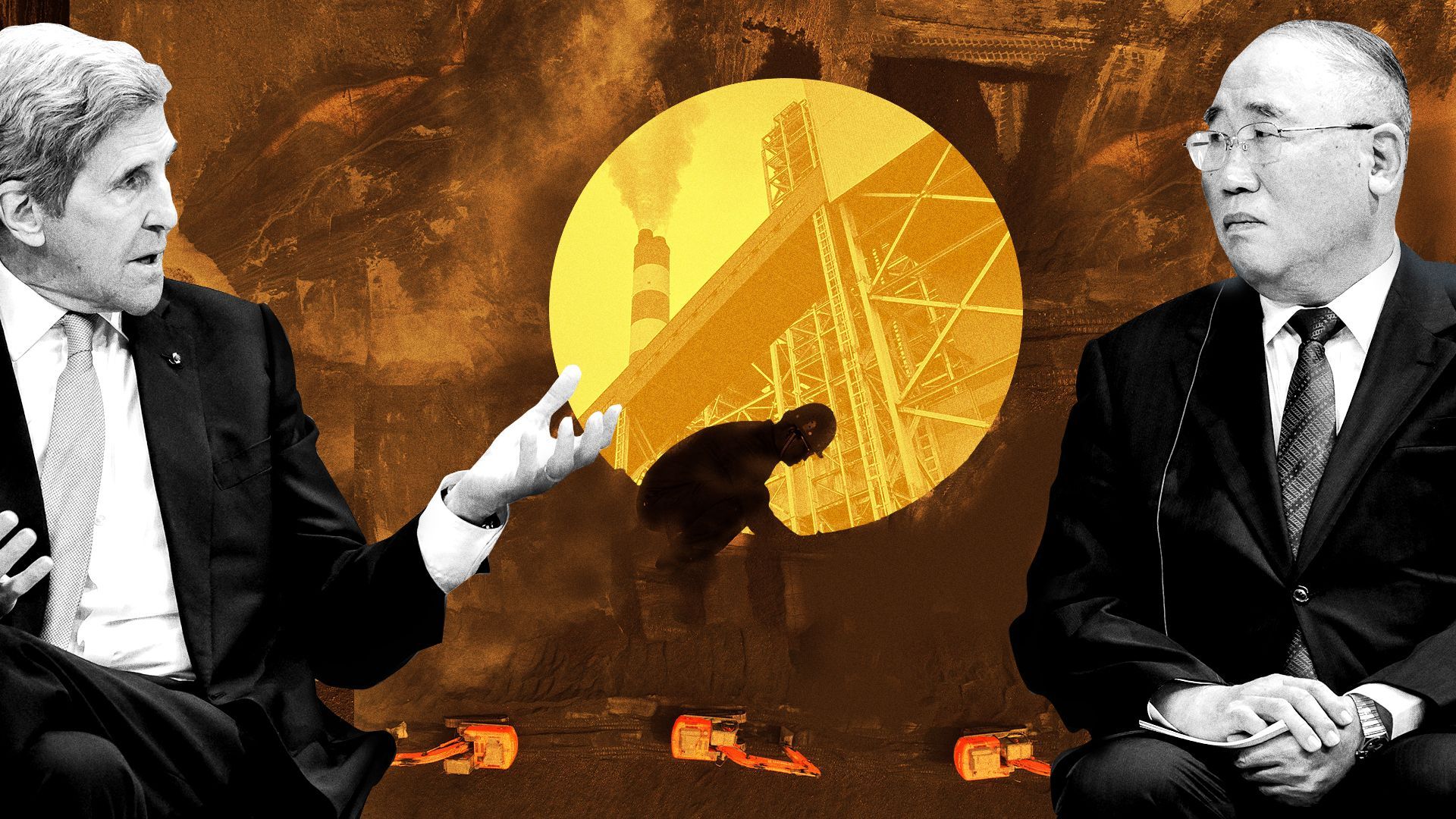
High stakes talks beginning this weekend between U.S. climate envoy John Kerry and his Chinese counterpart, Xie Zhenhua, could pave the way for a smoother United Nations climate summit in Dubai later this month.
Why it matters: The world's two largest economies are also the world's two largest emitters. The focus is on China in particular, in the hopes that any agreement could help alter the severity and pace of human-caused climate change.
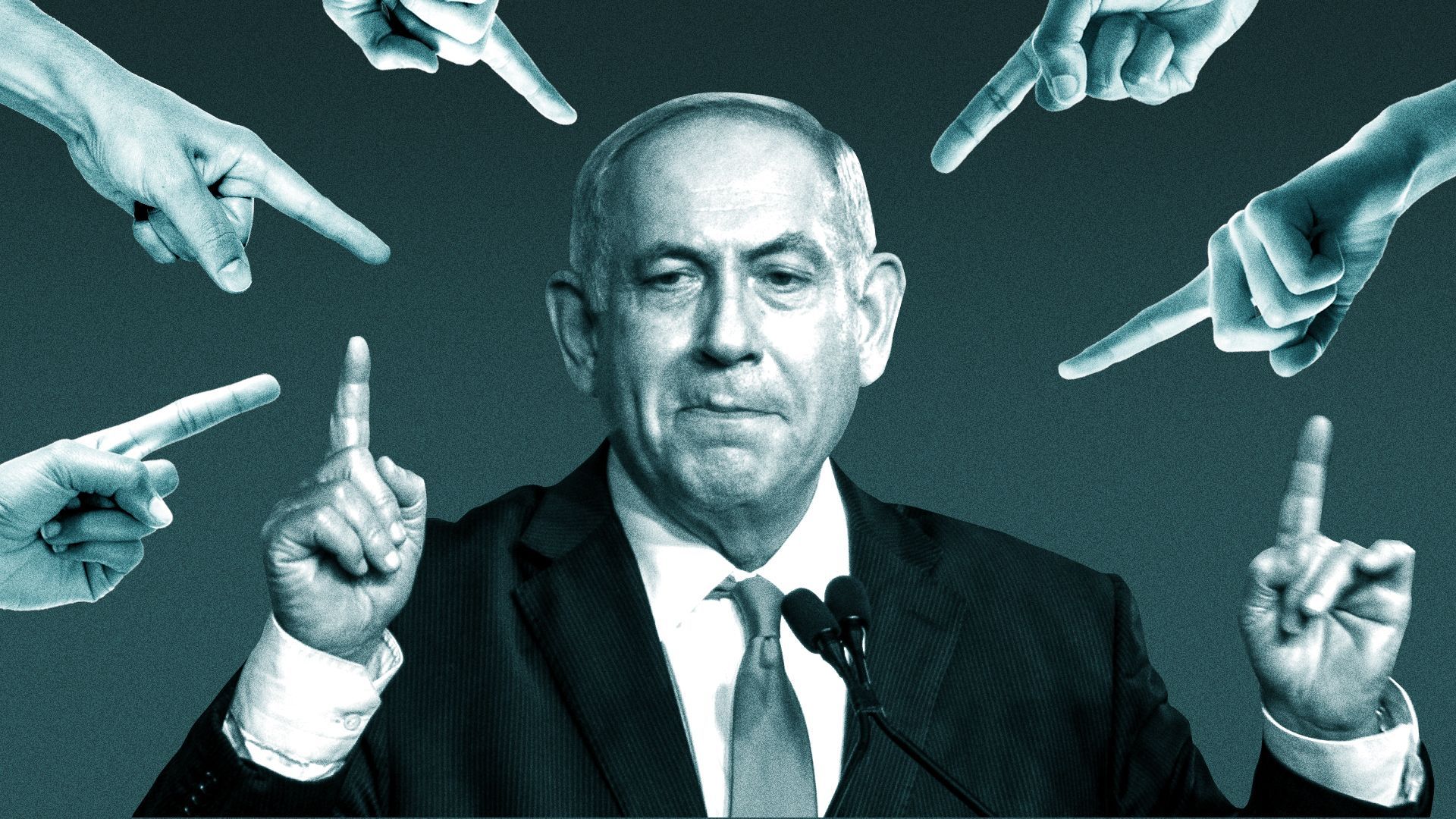
Israeli Prime Minister Benjamin Netanyahu's unwillingness to take any responsibility for Israel's massive security failures inthe Oct. 7 Hamas terrorist attack is fueling calls for him to resign after the war.
Why it matters: Netanyahu is the only senior Israeli official who hasn't admitted any fault— a strategy that is sparking a fierce public backlash and sending the prime minister's already tenuous support into free fall.
Officials at a DHS division are "up to their eyeballs" in requests for assistance from colleges amid a spike in antisemitic and anti-Muslim threats during the Israel-Hamas war, NBC News reported Thursday.
The big picture: A DHS spokesperson told NBC the Cybersecurity and Infrastructure Security Agency (CISA) has a backlog of weeks or more due to a surge in calls, just as universities across the country grapple with growing pressure to do more to tackle rises in antisemitism and Islamophobia on campuses.