A former White House official was killed after an airplane fought to withstand severe turbulence over New England on Friday, according to the National Transportation Safety Board (NTSB).
The big picture: The rare passenger death follows several other incidents in which turbulence caused injuries aboard flights in recent months.
A common refrain to venture capitalists contemplating raising new funds over the last year has been the so-called "denominator effect," which impacts limited partners' portfolio compositions.
Yes, but: Some VCs just aren't buying it. "The denominator effect is largely a mythical beast that was manufactured largely to kindly say, 'no, I don't want to invest in you,'" John Ruffolo, managing partner at Maverix Private Equity, said during a panel on Wednesday at this year's Upfront Summit.
The four-year undergraduate liberal-arts degreeis one of the last great bastions of inefficiency — even of dilettantism — left in America. For better or for worse, it is beginning to die, withering under the heel of the inescapable imperatives of capitalism.
Why it matters: The genteel ivory tower is unlikely to live much longer. Familiar capitalistic forces are shuttering some schools and reconfiguring many more, as students increasingly question the value of spending 4 years studying Philosophy and Art History.
Republicans in Congress haveteed up the first veto of the Biden presidency. Curiously, the vetoed bill has nothing to do with children's books, unisex bathrooms, or even fiscal policy. Instead, it focuses on stock-market asset allocation.
Why it matters: The environmentally conscious global consensus of institutional investors is highly unlikely to be derailed by U.S. political point-scoring. But no good can come from the way in which investment officers increasingly need to navigate a political gantlet.
The implosionof SilvergateBank has a lot to do with the fact that it was crypto's bank of choice. But it's also a prime example of the hidden insolvency that exists across much of the banking sector.
Why it matters: Silvergate had an unusually strong balance sheet — but that wasn't enough to save it because in today's high-rate environment, even strong balance sheets can tip into insolvency when they start to shrink.
Drew Brees has exited one arena (football) to enter another.
The retired signal caller, who won a Super Bowl with the New Orleans Saints, works with the International Franchise Association. He’s a franchise owner himself, with stakes in several eateries like Jimmy John’s and Walk-Ons Sports Bistreaux.
The sector still hasn’t fully recovered from the pandemic, facing headwinds from inflation, worker shortages and a potential economic slowdown.
What he’s saying: “A major benefit of being part of a franchise system is that you have a support structure for whatever you need, which is different from a mom-and-pop operation where you’re on your own,” Brees tells Axios. “You don’t have a support network that’s there to set you up for success.”
Zoom out: The IFA estimates that nearly 800,000 U.S. franchise establishments bolster over 8 million jobs, contributing nearly 3% to the gross domestic product.
Even though franchise owners get the benefit of support from the primary brand, owners still have to post hefty amounts of startup capital, which vary based on how many locations a person owns, and overhead costs. But the growth potential is substantial, Brees says.
Owning multiple franchises comes with the potential for making a “darn good living,” he tells Axios. “It’s employing a lot of people, it’s job creation [and] economic development.”
Women leaders now run more than 10% of Fortune 500 companies, a milestone in the list's 68-year history.
Why it matters: Further progress is at risk as burnout rises among senior-level women, shrinking the C-suite pipeline.
Companies, including Amazon and Goldman Sachs, are trying to combat an exodus of female executives with programs called "returnships," which focus on making jobs more appealing to women and people who have left the workforce, Jonnelle Marte writes in Bloomberg.
Zoom out: Globally, worker burnout is at a new high, with women more likely than men to report levels of mental and physical exhaustion.
During the pandemic, women leaders left their companies at the highest rate in years.
Being overworked and under-recognized ranked among the top reasons for their exits, research from McKinsey and LeanIn.org has found.
What to watch: Greater acceptance of flexible work arrangements may help reduce burnout, along with access to paid family and caretaking leave.
If you've never heard a De La Soul song before, now's your chance. The iconic rap trio's music became available on major streaming platforms Friday after years of delays.
Why it matters: The streaming music industry — seen by consumers as a hub for pretty much any song they'd want to hear — had left behind one of hip-hop's most influential groups.
Case in point: Silvergate Capital stock has cratered by 95% during that time span, as it becomes the next flashpoint in crypto's seemingly relentless upheaval.
The big picture: Amid a broader effort to sharply curtail the crypto industry's access to financial services like banking, "Operation Chokepoint 2.0 is the biggest story for the next six months," Bitfury CEO and all-around policy expert Brian Brooks said Thursday.
Amazon is pausing construction on the second phase of its sprawling second headquarters in Arlington, Virginia, the company confirmed to Axios on Friday.
The big picture: Thestoppage comes as the tech giant has announced sweeping job cuts in the wake of slowdowns in consumer and corporate spending.
Silvergate Bank was among the only banks brash enough to call itself a "crypto bank" and is now questioning its own survival.
The latest: Silvergate's slow-motion fall came to a head Thursday when it delayed its annual report, and warned in an SEC filing that recent events could affect "its ability to continue as a going concern."
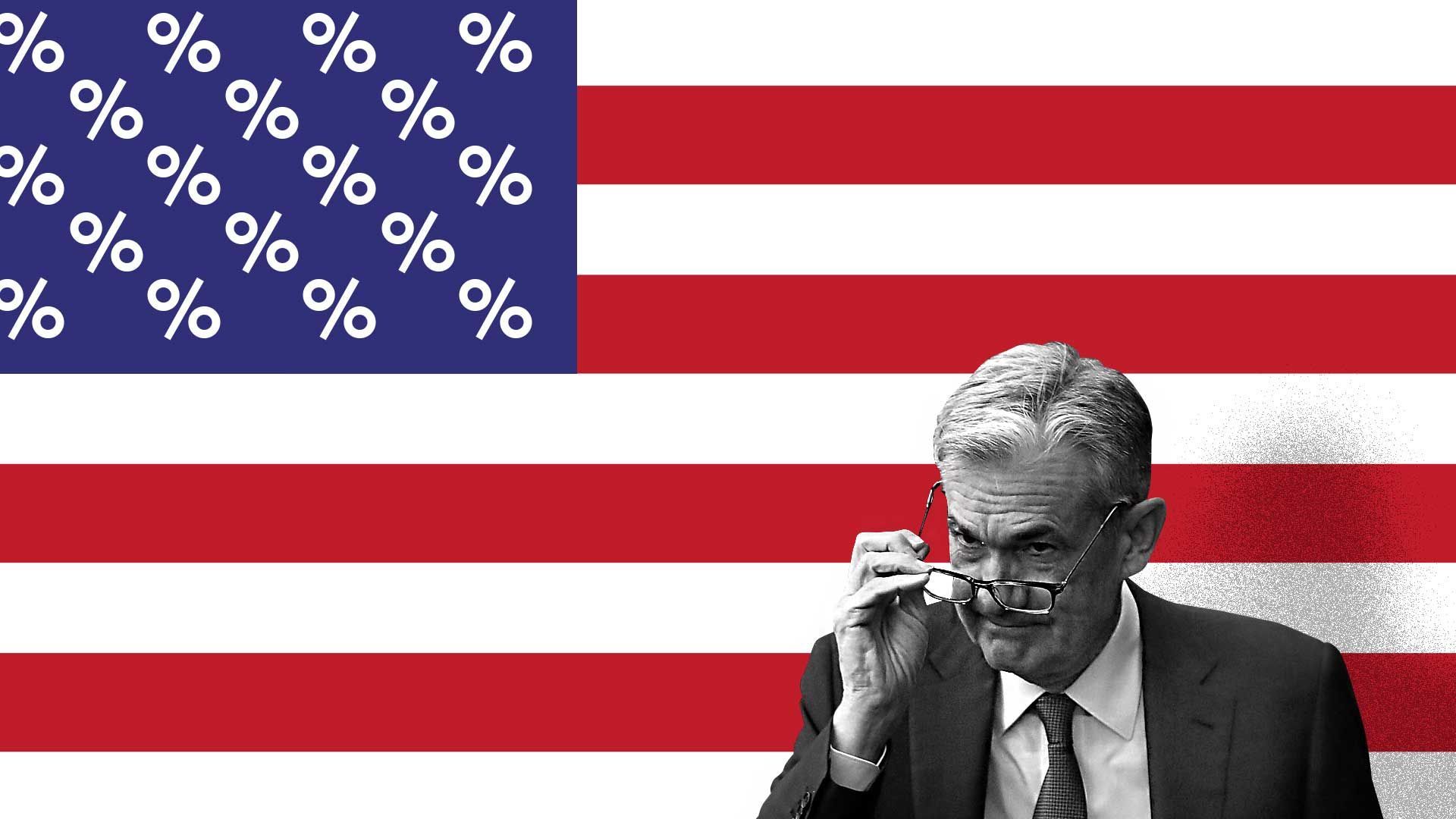
Since the Fed began raising interest rates a year ago this month, the central bank has moved more aggressively than nearly anyone expected at the time. It has raised target interest rates by 4.5 percentage points, with more to come, and shrunk its balance sheet by more than $600 billion.
But the economy remains as robust as ever, with a five-decade low in the unemployment rate, and inflation still far above the Fed's goals.
Founders Fund has quietly cut the size of its eighth venture capital fund in half, from around $1.8 billion to around $900 million, Axios has learned from multiple sources.
Why it matters: This is a shot across the VC industry's bow by firm founder Peter Thiel, and will force peers to explain why they're not doing the same. It also puts added pressure on firms that currently are in market.
It finally happened. Median home sale prices are lower than they were a year ago for the first time since 2012, according to new data from Redfin out Thursday.
Why it matters: High mortgage rates have been clobbering the real estate market but prices haven't budged much, as homeowners are reluctant to sell and give up the low rates they nabbed in an earlier era.
Companies say they need to do layoffs, but mass firings can often have a long-lasting negative impact on their business, according to research and workplace experts.
Driving the news: In the first two months of the year, 435 tech companies laid off about 121,000 workers, according to data from Layoffs.fyi.
Silicon Valley once saw tactics like layoffs and stock buybacks as the kind of shameless "short-termism" that killed innovation. Today, not so much.
The big picture: Large tech companies have axed tens of thousands of employees in recent months in an effort to boost profits, with some simultaneously unveiling plans to pour billions into stock buybacks — two textbook moves typically aimed at appeasing Wall Street.
They stand five feet tall and glide at three miles per hour, patrolling office buildings for everything from broken fire alarms to suspicious activity: Security robots are starting to replace human guards in workplaces and beyond.
Two American men were arrested in Kansas City Thursday on suspicion of illegally exporting aviation technology to Russia, prosecutors announced.
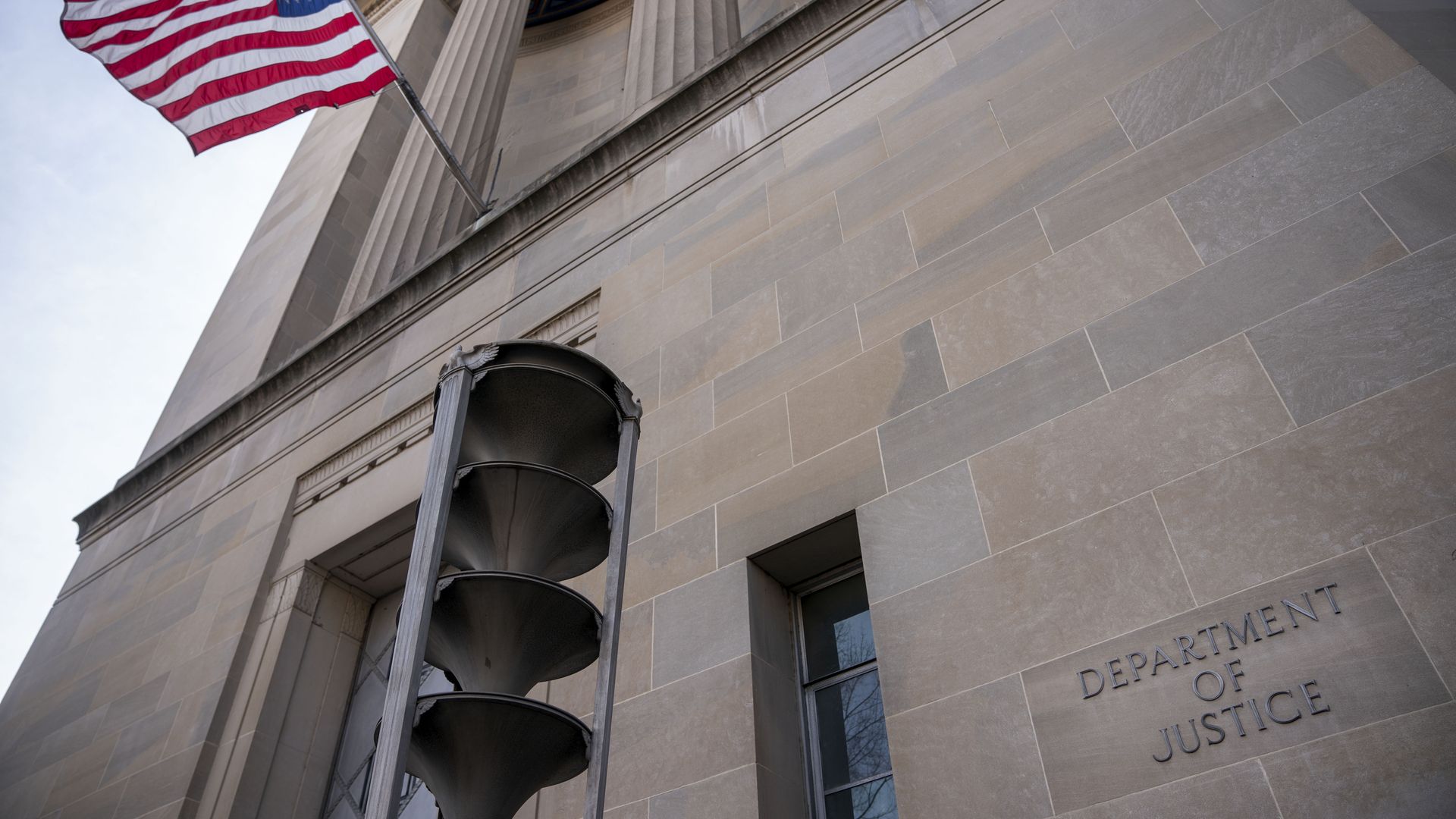
Driving the news: Cyril Gregory Buyanovsky, 59, and Douglas Edward Robertson, 55, were arrested in an investigation involving the Department of Justice's KleptoCapture task force, an interagency group dedicated to enforcing sanctions in response to the Russian military invasion of Ukraine.
Tesla put its executives on display during its investor day this week, hoping to boost confidence in the company's overall bench of leaders.
Why it matters: Since CEO Elon Musk announced plans to take over Twitter nearly a year ago, investors have been worried about his level of distraction and whether the company has a succession plan.
Imagine Wall Street 2.0 — stocks and bonds, but made digital tokens. That's one version of the future, but a glimmer of it can already be seen now.
Zoom in: Circle, issuer of the second-largest stablecoin, usd coin, tapped the world's largest money manager late last year to manage the coin's reserves — cash and short-term government paper — backing it in a money market fund.
Most of what I know as CEO, I learned from being a reporter. And most of what I know about reporting, I learned from... playing poker.
Why it matters: I don't toss around a lot of unconventional or controversial parenting advice — other than encouraging kids to gamble with real humans ... for real money ... at real poker tables.
The Environmental Protection Agency (EPA) on Thursday ordered freight train operator Norfolk Southern to test for toxic pollutants that could have been released as a result of the company's decision to burn vinyl chloride from cargo on its derailed train in East Palestine, Ohio.
Why it matters: Norfolk Southern had at the time said that burning the cargo was necessary to prevent the threat of explosions from the hazardous materials in the train, but has since faced heightened scrutiny over the move and its possible impacts on the surrounding community and environment.