The newest Girl Scout cookie, the Raspberry Rally, is already sold out but is available on the resale market — for a hugely marked-up cost.
The big picture: The new cookie — described as a sister to Thin Mints with a raspberry flavor — was the first online exclusive cookie and sold for $5 a box, plus shipping.
Kinship Ventures is raising $75 million for its debut fund, Axios has learned.
What to know: Kinship is led by Gwyneth Paltrow, an actress who also founded lifystyle brand Goop, and Moj Mahdara, a longtime beauty industry entrepreneur and investor known for founding the Beautycon event.
Chartbeat, a digital publishing software company, has acquired Tubular Labs, a social video analytics company, and Lineup Systems, a digital revenue management company.
Why it matters: The deals, which mark Chartbeat's first two acquisitions since being purchased by Cuadrilla Capital last year, expand Chartbeat's capabilities to serve media companies beyond their editorial needs.
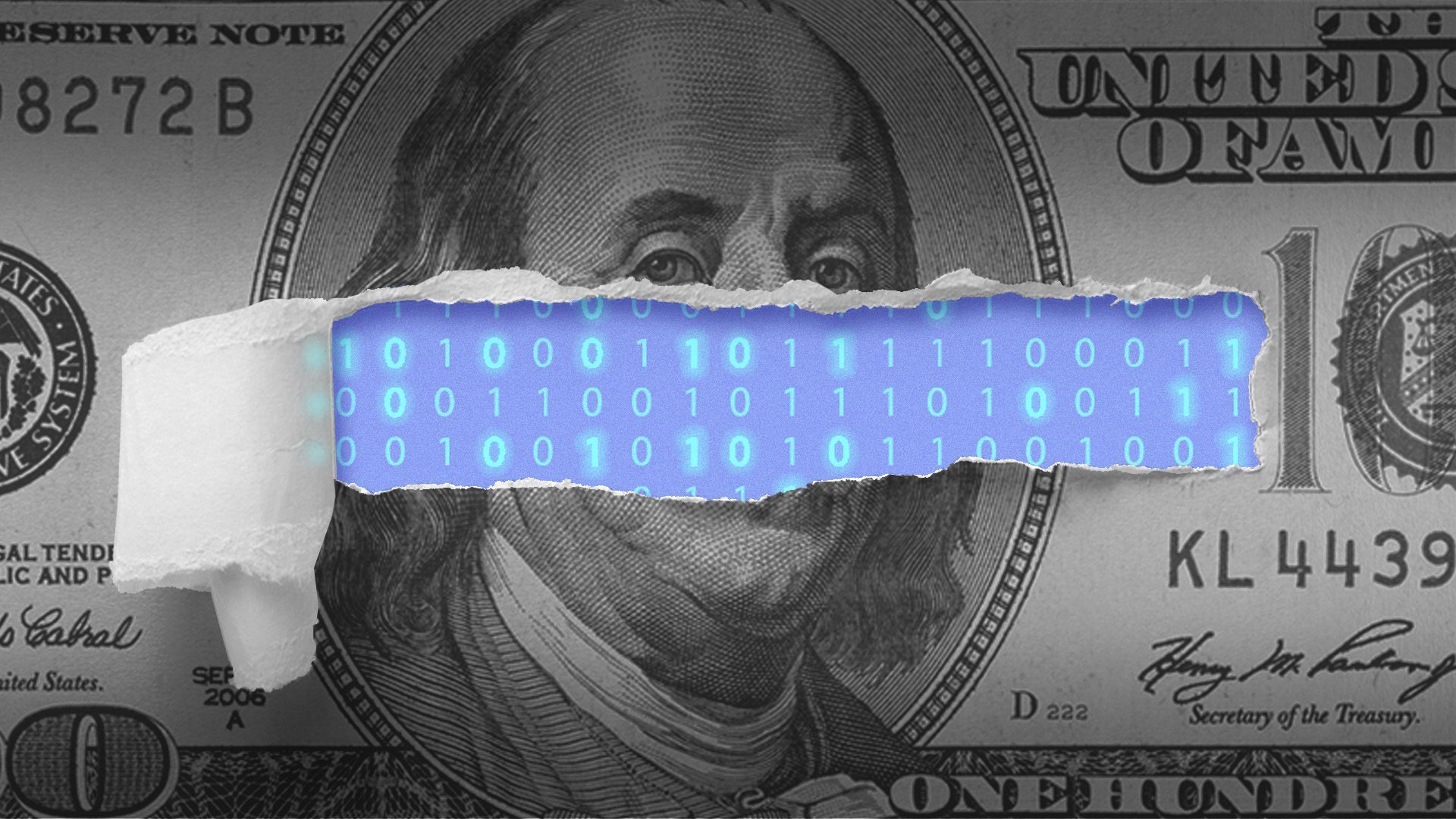
For years now, the hot trend among the world's central banks has been to explore the creation of a central bank digital currency (CBDC). On Wednesday, a top U.S. Treasury official said the government is studying the question closely.
But in practical terms, the possibility the United States will join the digital currency movement is looking more distant than ever.
Why it matters: The dollar is the bedrock of the world financial system, and decisions by U.S. officials on how much to test the digital dollar waters now could have massive downstream implications for both global financial stability and future U.S. financial power.
Biden administration and Federal Reserve officials are loath to do anything that would create systemic economic risks. Yet they also don't want to risk China and other rivals creating their own globe-spanning digital currency that may supplant the dollar in global exchange.
But those two goals are at cross purposes.
Meanwhile, there is not much of a constituency in Washington for Federal Reserve-issued digital dollars, and the banking industry would fight many forms of it tooth and nail.
Driving the news: At the Atlantic Council,Treasury undersecretary Nellie Liang spelled out the Biden administration's approach. While deliberations are ongoing, Liang's remarks showed how many obstacles stand in the way.
Between the lines: She noted that the Fed has "emphasized that it would only issue a CBDC with the support of the executive branch and Congress, and more broadly the public." In other words, this would only happen with broad bipartisan consensus, which is hard to find about anything.
She notes that one option would be to have a retail CBDC (meaning ordinary people), where people could hold digital currency backed by the Fed through their banks, just as they can hold paper currency.
But anything that undermines the role of banks taking deposits and making loans would risk the flow of credit in the economy. And every bank lobbyist in town could put their kids through college on what they'd get paid to stop it.
Yes, but: A wholesale digital currency — accessed only by banks and other financial institutions — could avoid those problems. But that raises questions about how this CBDC would be different from what already exists.
Banks already have accounts at the Fed, which is well along in developing faster payment systems so that transfers between banks can happen near-instantly any time of day or night. The FedNow Service is due out this year.
Moreover, the implosion of many cryptocurrencies has undermined one of the cases for a CBDC; namely, that crypto-based stablecoins would create walled gardens of private financial networks that expose savers to undisclosed risk and enable illegal activity.
Of note: As the No. 2 Fed official, Lael Brainard was perhaps the central banker with the most enthusiasm for a digital currency. While she's gone from the Fed, she is now the top White House economic adviser and is a potential successor to Treasury secretary Janet Yellen.
The bottom line: The case for a dollar-based CBDC relies on long-term geostrategic thinking. The case against it is built on practical problems, and questions that officials may struggle to solve.
Chief communications officers (CCOs) are having a moment as top executives lean on them for navigating crises, aligning employees and promoting and protecting the business or brand.
Why it matters: There's no one path to becoming a CCO — but the skills are in high demand and are easily transferrable.
Jennifer Beugelmans is an investor relations pro turned chief communications officer for the e-commerce deals platform, Groupon.
Why it matters: Understanding the finances and business behind the brand is key to successful messaging, especially during times of economic uncertainty.
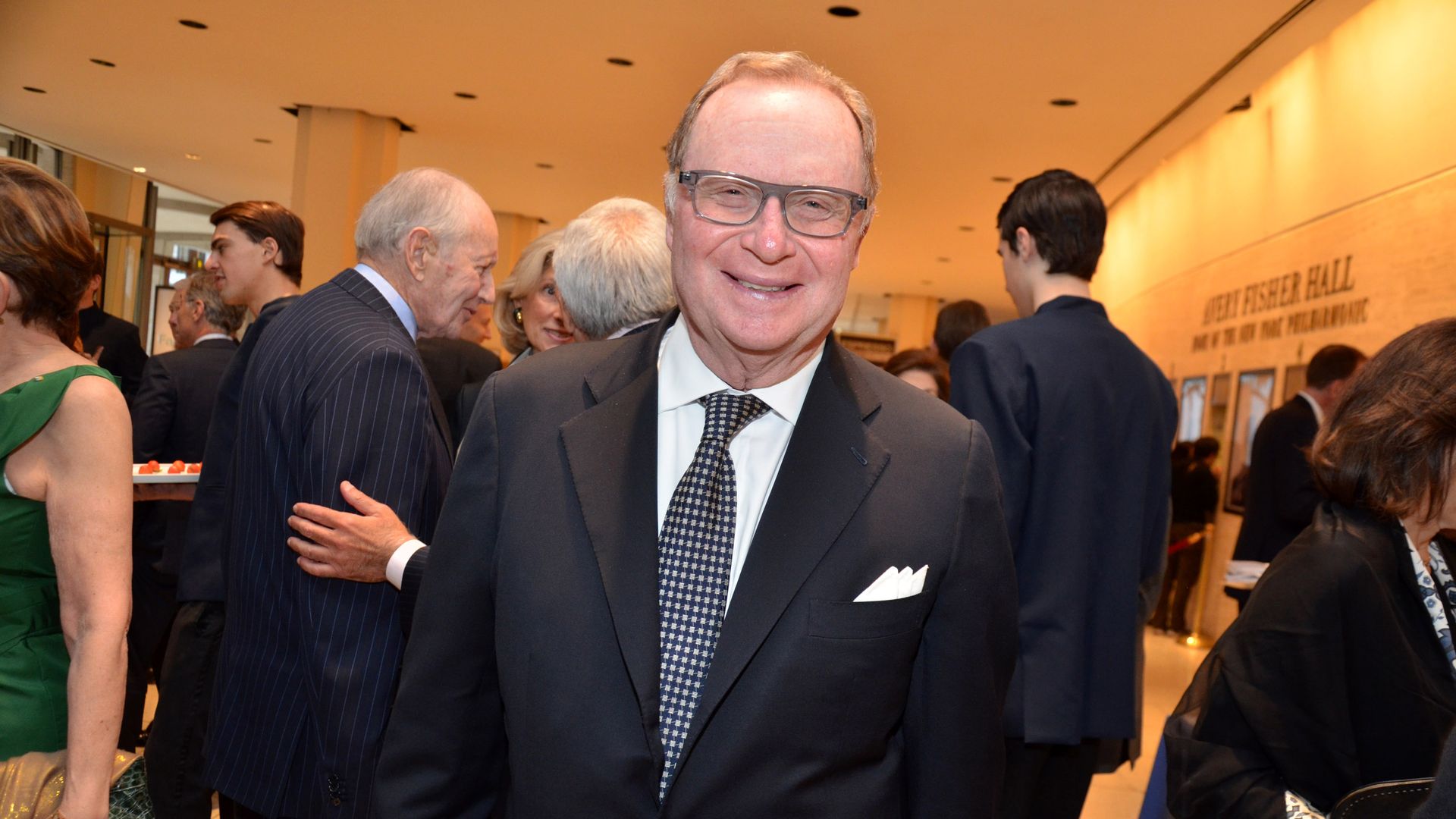
Private equity pioneer Thomas H. Lee took his own life one week ago today, with friends and colleagues still seeking answers that may never come.
The big picture: It's also led to questions about the future of New York-based Lee Equity Partners, the lower midmarket firm he founded in 2006, after an acrimonious split with the larger buyout firm in Boston that also bears his name.
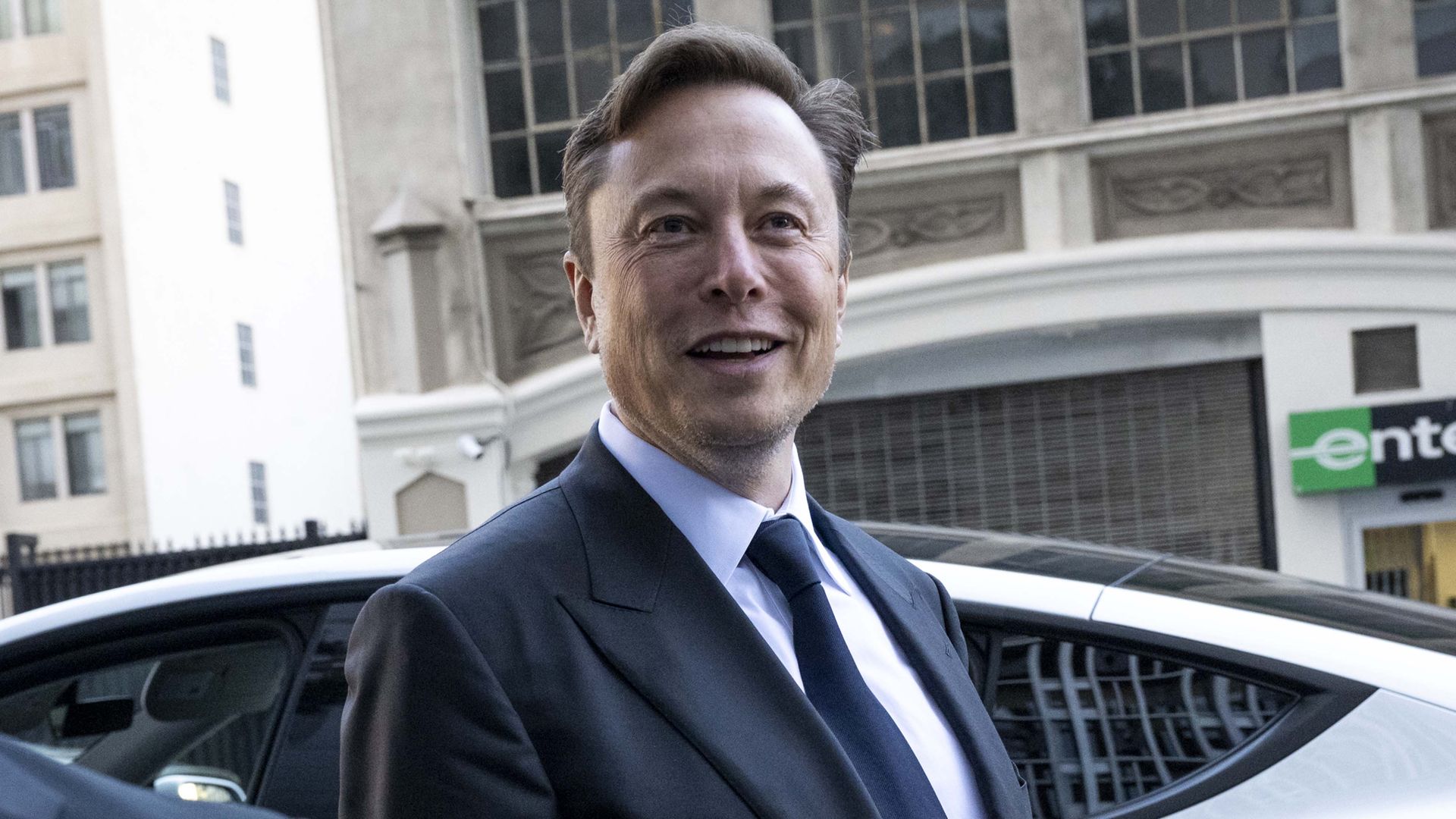
Fidelity Investments didn't change the carrying value of its Twitter shares during the month of January, according to a new disclosure.
Why it matters: The investment firm previously marked Twitter stock down by more than 60% during the first two reporting months after Elon Musk's $44 billion takeover, which Fidelity helped to finance.
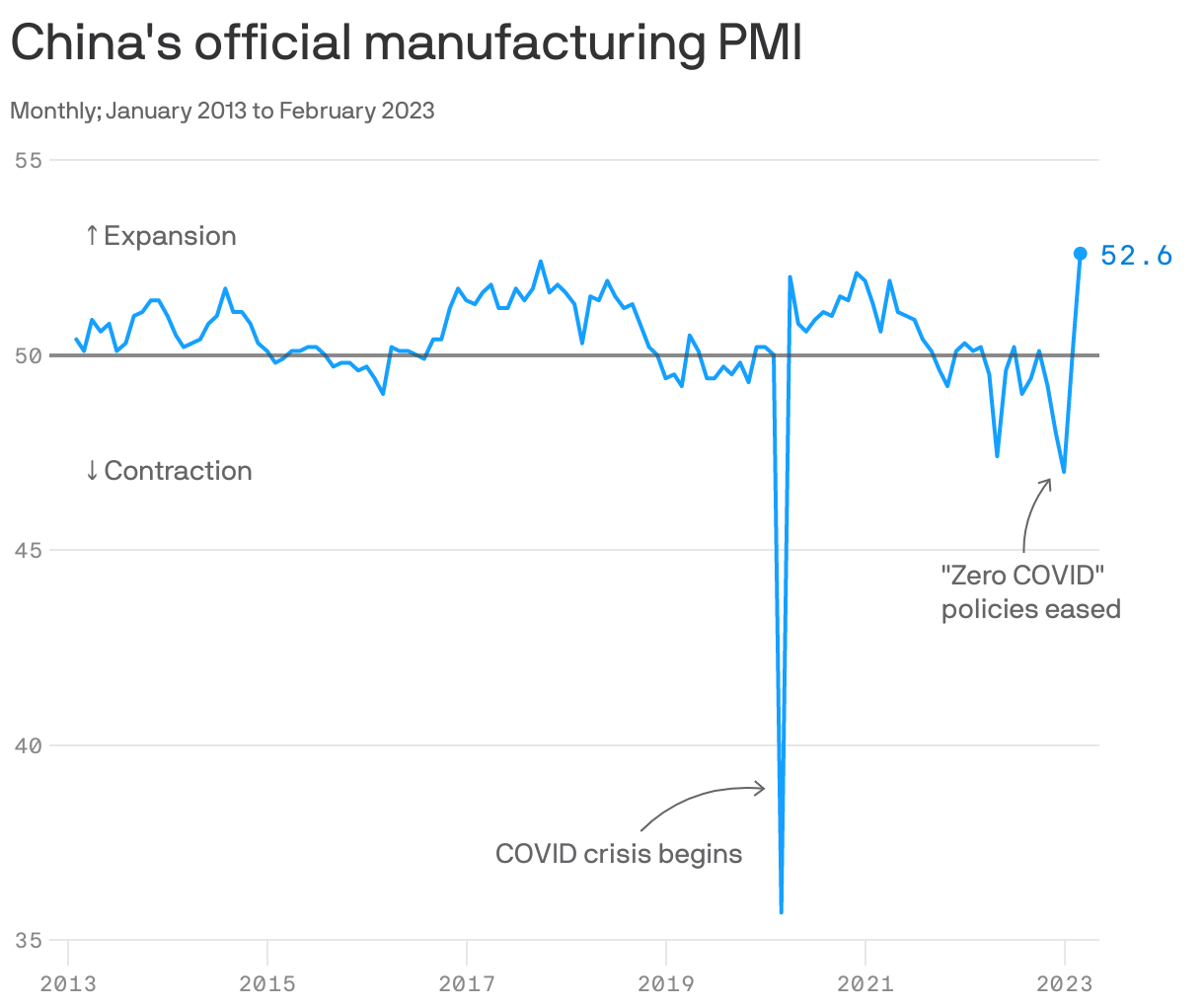
Data: FactSet, China's National Bureau of Statistics; Chart: Simran Parwani/Axios
China's manufacturing sector has accelerated sharply since the end of the government's harsh "zero-COVID" lockdowns in December.
Why it matters: Despite growing strains with the West — especially over its steadfast support for Russia — China remains a cornerstone of the global economy.
Yields on the 10-year Treasury note climbed above 4% for the first time since last fall.
Why it matters: The 10-year note is a key financial benchmark, reflecting more than just the rising costs the U.S. will pay for its debt. These longer-term Treasury yields also influence the cost of almost every other form of borrowing, from corporate bond offerings to mortgage rates for homebuyers.
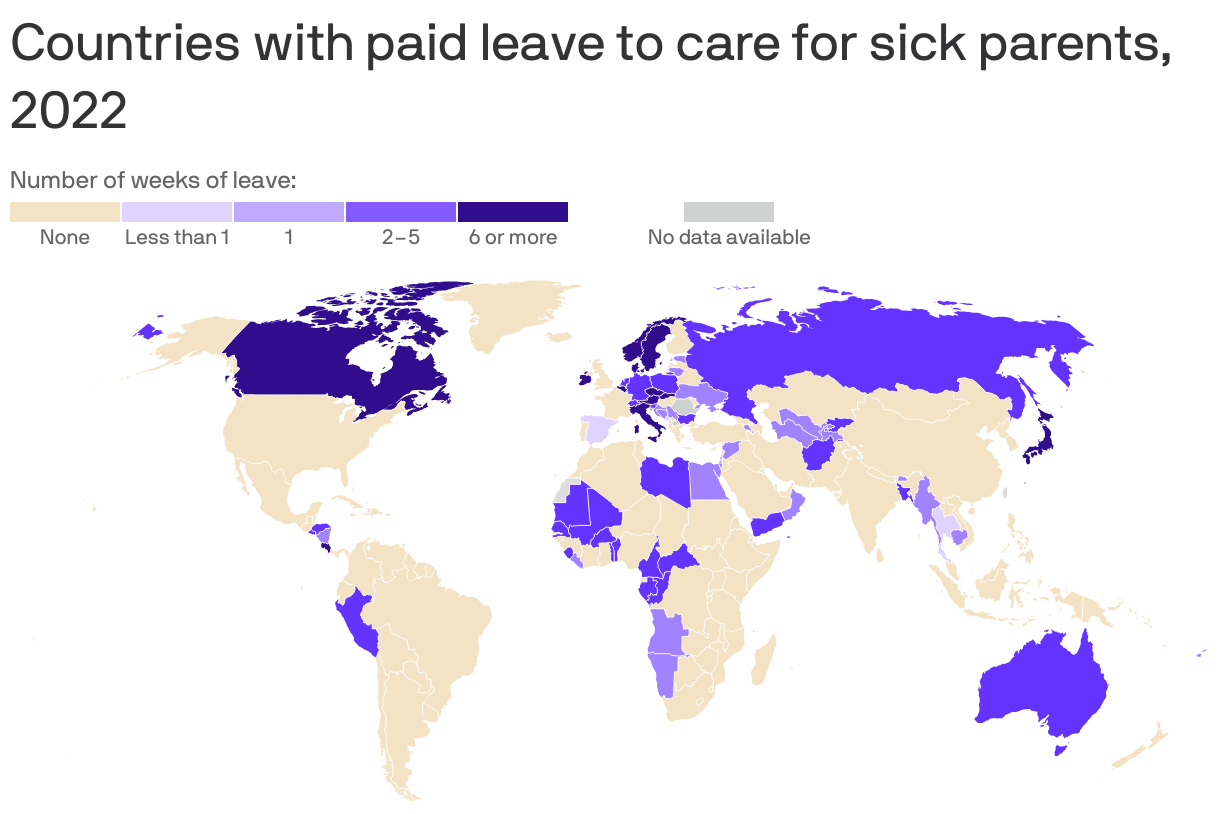
Data: World Policy Analysis Center; Map: Alice Feng/Axios
The lack of paid leave for new parents in the U.S. often grabs headlines, but there's a different kind of leave becoming an increasingly urgent issue: time off for workers to care for a sick parent.
The big picture: This kind of paid family health leave, typically structured as social insurance, is common in Europe. But globally, a majority of countries — including the U.S. — don't do it, according to a report from the World Policy Analysis Center released this week.
A bipartisan group of senators unveiled legislation to address safety issues highlighted by the derailment of a Norfolk Southern freight train in East Palestine, Ohio.
Why it matters: Major freight operators have fended off tighter regulations for years, but the tragic derailment appears to have changed the calculus.
Railroad union leaders are claiming that rail workers are falling ill at the site of the East Palestine, Ohio, toxic freight train derailment, according to a letter sent to government officials on Wednesday.
The big picture: Theunion that represents workers on Norfolk Southern Railroad, the rail operator of the train that derailed last month alleges that workers at the cleanup site are getting sick with "migraines and nausea" and are not being provided necessary protective equipment.
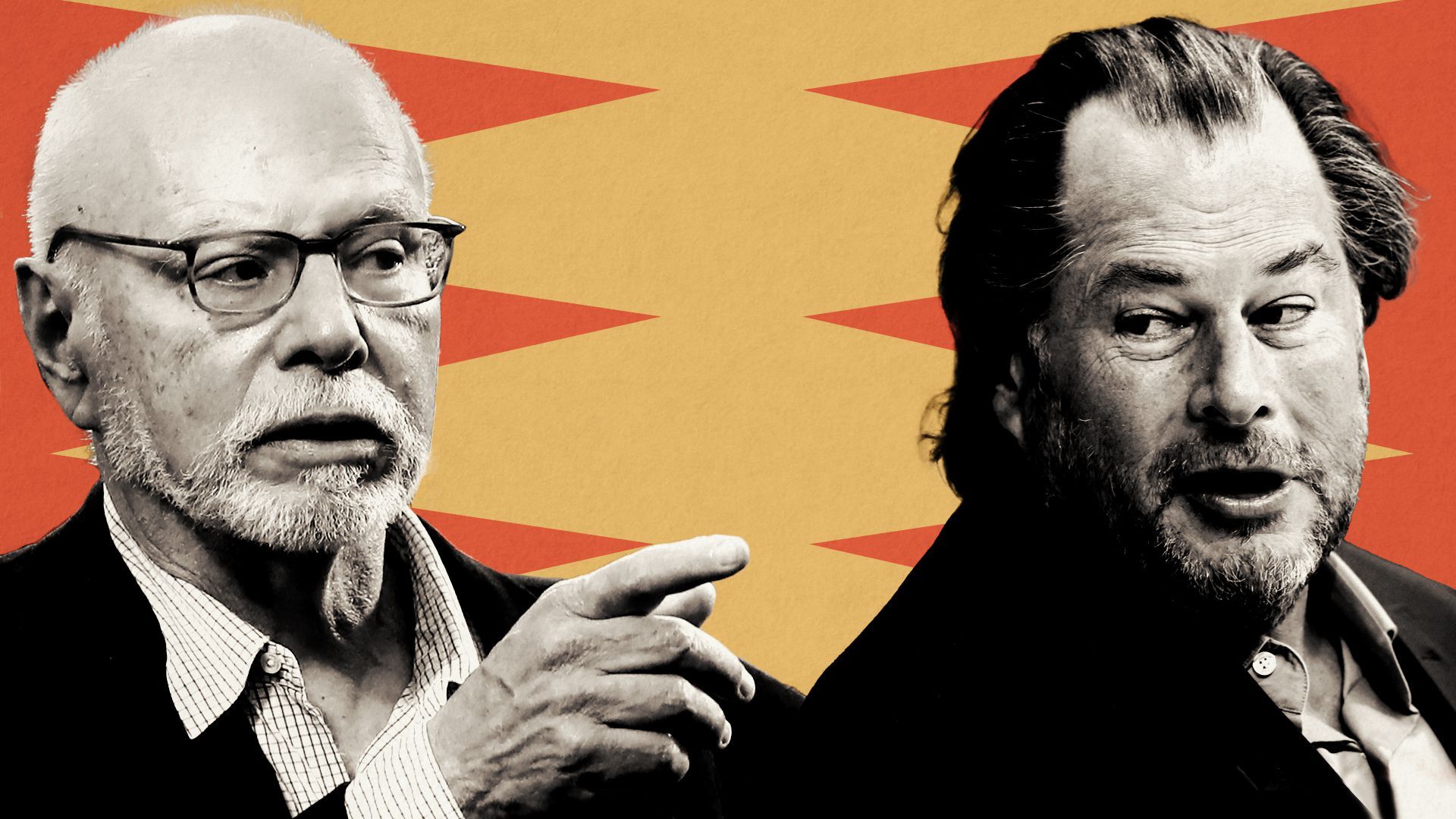
Elliott Management's statement on Salesforce (NYSE: CRM) late Wednesday applauded the company's progress but is not yet backing down from its campaign for changes.
Driving the news:Salesforce's strong earnings report and guidance alleviated some pressure, but Elliott's response made clear that it expects more issues need to be addressed before the activist believes the $167 billion company is on the right track.
Elliott made clear that despite Salesforce accelerating its margin targets, hiking its stock buyback plan, and conveying other signs of progress, the hedge fund does not have confidence in certain board members.
"The strength of Salesforce's business and its movement in the right direction are key reasons we are among the company's top investors, but much work remains," said Elliott's statement, which was posted by managing partner Jesse Cohn.
"Salesforce needs a sustainable leadership plan and a board that demonstrates it can provide accountability through proper oversight," Elliott said.
Catch up quick:Elliott notified Salesforce within the last few weeks that it is officially running a slate of directors to replace existing board members, Axios reported earlier on Wednesday.
What we're watching: Where Salesforce and Elliott's dialogue goes from here and whether Salesforce announces additional moves, including new directors, to bring a peaceful resolution.
Starbucks committed "egregious and widespread misconduct" while trying to stop labor union campaigns, a federal administrative law judge ruled Wednesday.
Driving the news: Following a hearing in an unfair labor practice case filed by a Starbucks union, Judge Michael A. Rosas ordered the company to reinstate seven workers, give backpay and damages compensation, have interim CEO Howard Schultz read a notice to employees and bargain with members.
A Pennsylvania man was arrested after attempting to bring an explosive device onto an airplane on Monday, federal authorities said Wednesday.
Driving the news: A Transportation Security Administration (TSA) officer discovered a circular compound with two fuses and concealed powder hidden in the lining of Mark Muffley's checked bag, the FBI's criminal complaint alleges.















/2023/03/01/1677713128234.gif?w=3840)