Work in the field of computer-generated (CG) merchandise art has been fueled recently by supply chain complications and growing consumer demand for striking visuals.
Axios spoke with Haruko Hayakawa, a CG artist and creative director in New York, who said she receives four or more requests a week for her 3D modeling work, compared to maybe one a week pre-pandemic.
The U.S. labor market is extraordinarily strong, despite gloom-and-doom economic forecasts and high-profile layoffs — that is the takeaway from the December jobs report, out Friday, that was outstanding in subtle and not-so-subtle ways.
Why it matters: If America's economy is going to come in for a soft-landing — inflation dissipating without mass unemployment — you would expect to see numbers that look a lot like last month's.
Microsoft is firmly in the friend zone with OpenAI, the ChatGPT creator that's taken the tech world by storm. But, deep down, it must want to take things to the next level.
Driving the news: OpenAI soon could be valued at around $29 billion via a secondary stock sale co-led by venture capital firms Founders Fund and Thrive Capital, as first reported by the WSJ and confirmed by Axios.
Driving the news: Car makers sold just shy of 14 million new vehicles in 2022, according to new data out Wednesday. That's well below the nearly 18 million annual sales rate in the years before the pandemic.
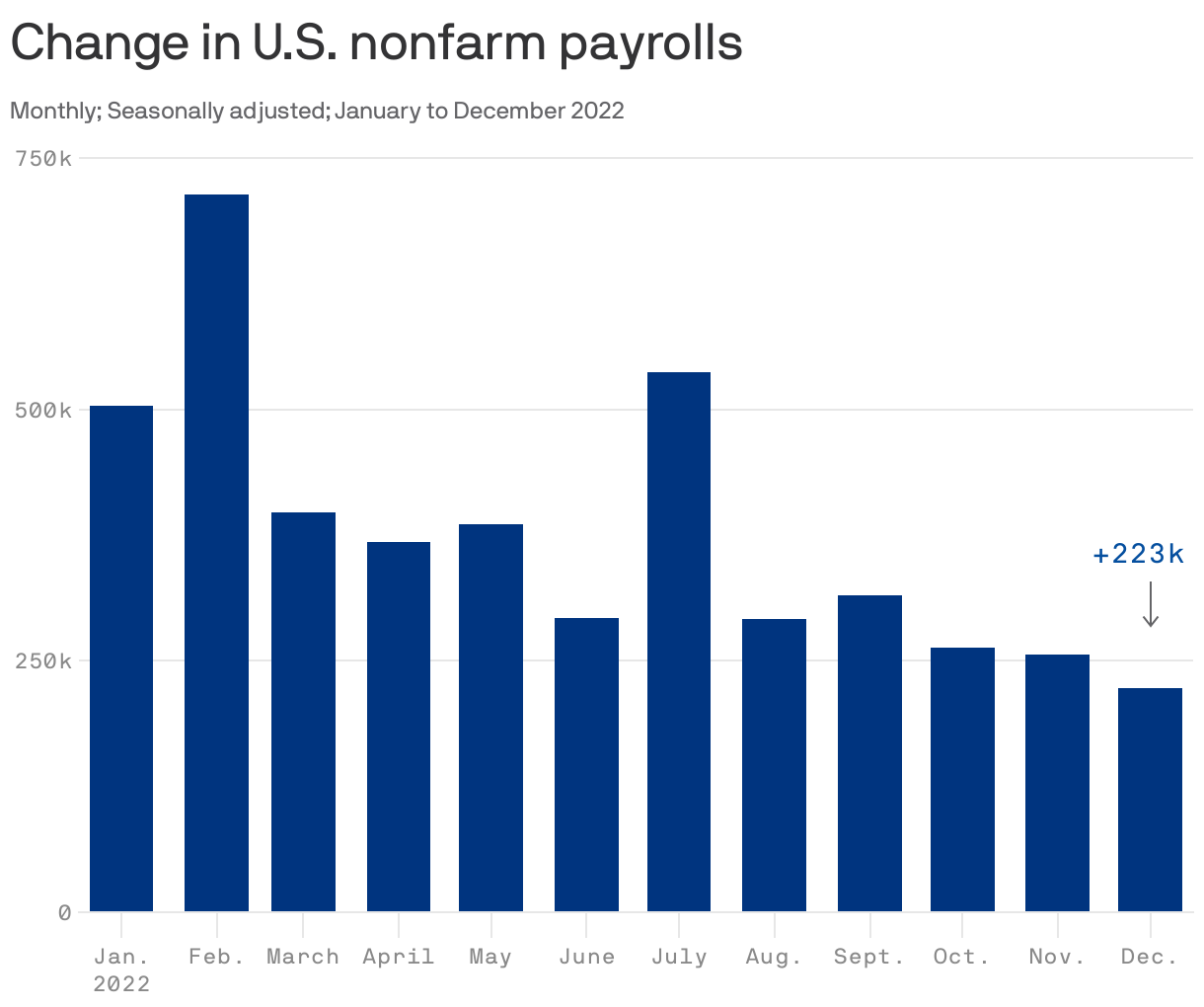
Employers finished the year with a burst of hiring: The economy added 223,000 jobs in December, while the unemployment rate fell back to a half-century low of 3.5%, the Labor Department reported on Friday.
Why it matters: The labor market is still chugging along with healthy demand for workers, the latest sign that the economy is holding up despite recession fears.
One of the broadest and most pro-worker initiatives to come out of the Biden administration dropped from a somewhat surprising place Thursday: The Federal Trade Commission proposed a broad ban on noncompete agreements, which companies use to prevent workers from taking jobs with competitors.
Why it matters: It's a big swing for the administration and the FTC, which has taken a more aggressive stand on anti-competitive practices under Biden-appointee Lina Khan. Some experts say the rule might get knocked down in court.
The wave of layoffs in tech that continued to mount this week has felt like a shocking and sharp turnabout for an industry that stood on top of the world just a year ago.
Be smart: Tech was never immune from forces in the broader economy, and Silicon Valley has always followed a boom-bust rhythm. But the most recent boom ran so long, many forgot it would have to end someday.
A combination of regulatory threats and competitive pressure in the wake of Southwest Airlines' disastrous holiday meltdown could make it easier for travelers to assert their rights when travel plans go wrong.
Why it matters: Nearly 1 in 4 U.S. flights was canceled or delayed between January and September 2022, according to the Department of Transportation.
This article originally appeared in Axios Finish Line, our nightly newsletter on life, leadership and wellness.Sign up here.
Every business, nonprofit and organization in the world needs to rethink — quickly and dramatically — how it communicates to its employees, donors, customers and shareholders.
Why it matters: Communications is now arguably the most important skill for any leader and function inside any organization, big or small. And most suck at it.
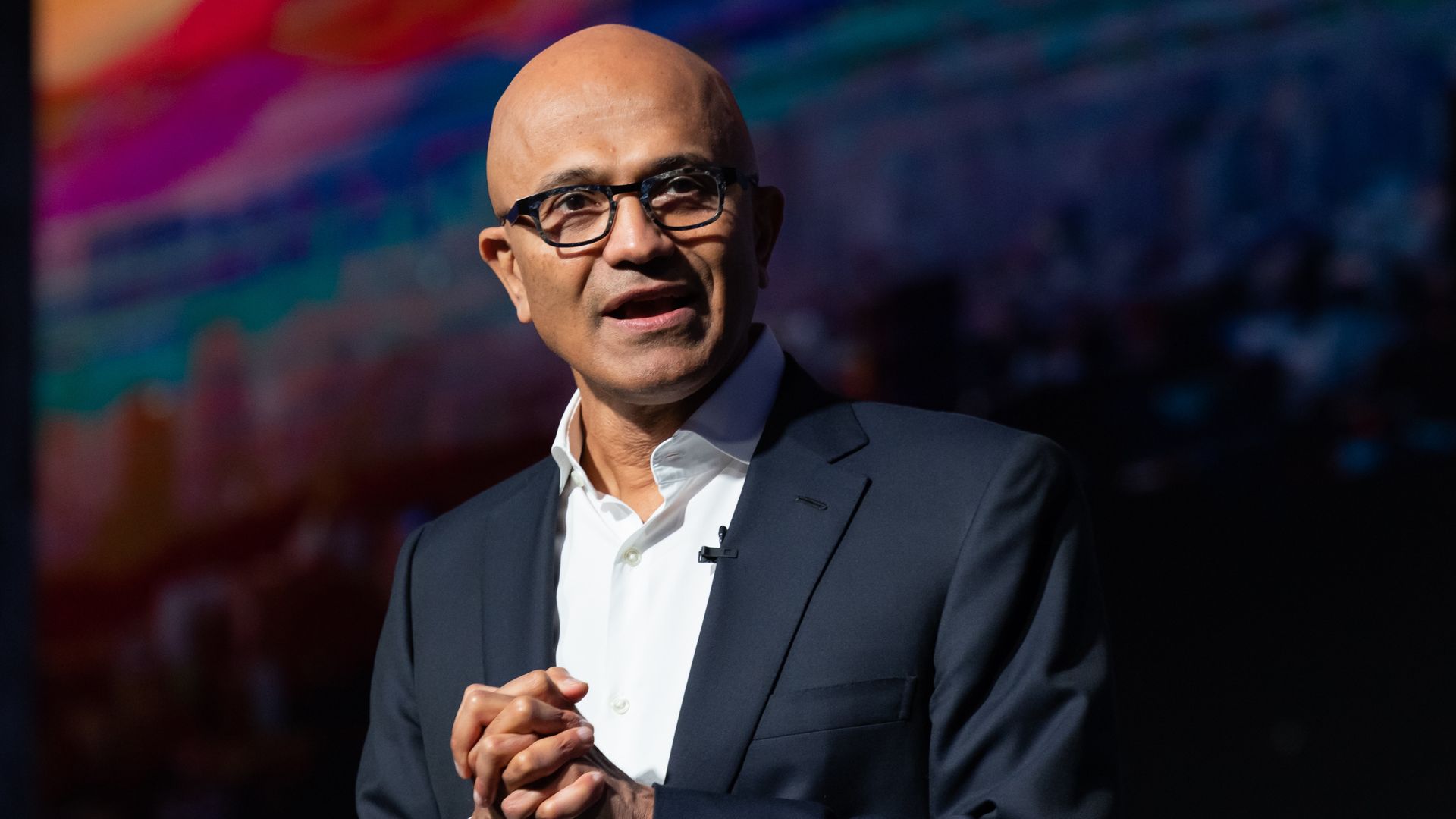
Tumult within the tech sector will continue through 2025, Microsoft CEO Satya Nadella says.
Why it matters: Conditions that helped accelerate investments in the industry, including increased time at home and government stimulus, have dissipated, leading tech companies to turn financially conservative.
American shoppers took advantage of deep discounts online and rang up a record $211.7 billion in e-commerce spending in November and December, according to a new Adobe Analytics report out today.
Why it matters: The results — unadjusted for inflation — reflect resilient consumer demand for holiday goods in spite of generally high inflation and a greater number of options for spending as the economy has reopened.
Genesis Trading has laid off 30% of its staff as it continues to consider a bankruptcy filing, according to a new report by the Wall Street Journal.
Why it matters: If Genesis goes under, it could mean that the contagion from FTX has not been resolved. Further, as a subsidiary of the Digital Currency Group, there's the looming threat that its fall could also take down a mainstay of the blockchain industry.
Peloton has agreed to pay a $19 million civil penalty over its failure to immediately report safety hazards associated with its treadmills, the U.S. Consumer Product Safety Commission announced Thursday.
Driving the news: The settlement resolves the commission's charges that accused Peloton of knowingly failing to report, as required by law, that its Tread+ treadmill had a defect that created a "substantial product hazard" and "an unreasonable risk of serious injury."
Two headlines over the last 24 hours sum up the labor market in a nutshell.
Driving the news: Amazon announced Wednesday it will lay off more than 18,000 workers, the latest in a string of such announcements from major employers.
The Federal Reserve continues to fret about inflation, and minutes released from the latest policy meeting showed that concern.
But the bond market's view is strikingly different, with prices implying the Fed's mission to crush inflation is pretty much accomplished.
Why it matters: The dance between the Fed and financial markets continues. The central bank remains unconvinced that inflation is on a consistent downward path, and is adamant rates won't be slashed this year.
The Federal Trade Commission on Thursday proposed banning employers from requiring employees to sign noncompete agreements, which prevent workers from taking positions at competitors for a period of time after they leave a job.
Why it matters: This would be a big change in the business world, where the agreements are widely used. The FTC estimates that 30 million people, or one in five workers, would be impacted, and the rule could increase wages by nearly $300 billion a year.
The old saying "work smarter not harder" takes on a new meaning for communicators in 2023, thanks to A.I. text generators.
Why it matters: Advanced technology like ChatGPT can help communicators work faster, but if the use goes unchecked it could cause major reputational damage.
Liz Jarvis-Shean is one of the most experienced startup communicators in the game, and currently serves as vice president of communications and policy at DoorDash.
Why it matters: Jarvis-Shean has a track record of thriving in intense, high-pressure environments — first at the White House, followed by Tesla, Airbnb and now DoorDash.
Everyone agrees that the world needs new antibiotics, as the number of drug-resistant infections continues to soar. But there's little agreement on how to finance their development, and the situation is deteriorating.
What to know: Antibiotics are a bad business, at least based on a current pharma model that's predicated on volume sales.
Johnson & Johnson on Wednesday filed IPO registration papers for its consumer health products business, which is being spun out under the name Kenvue.
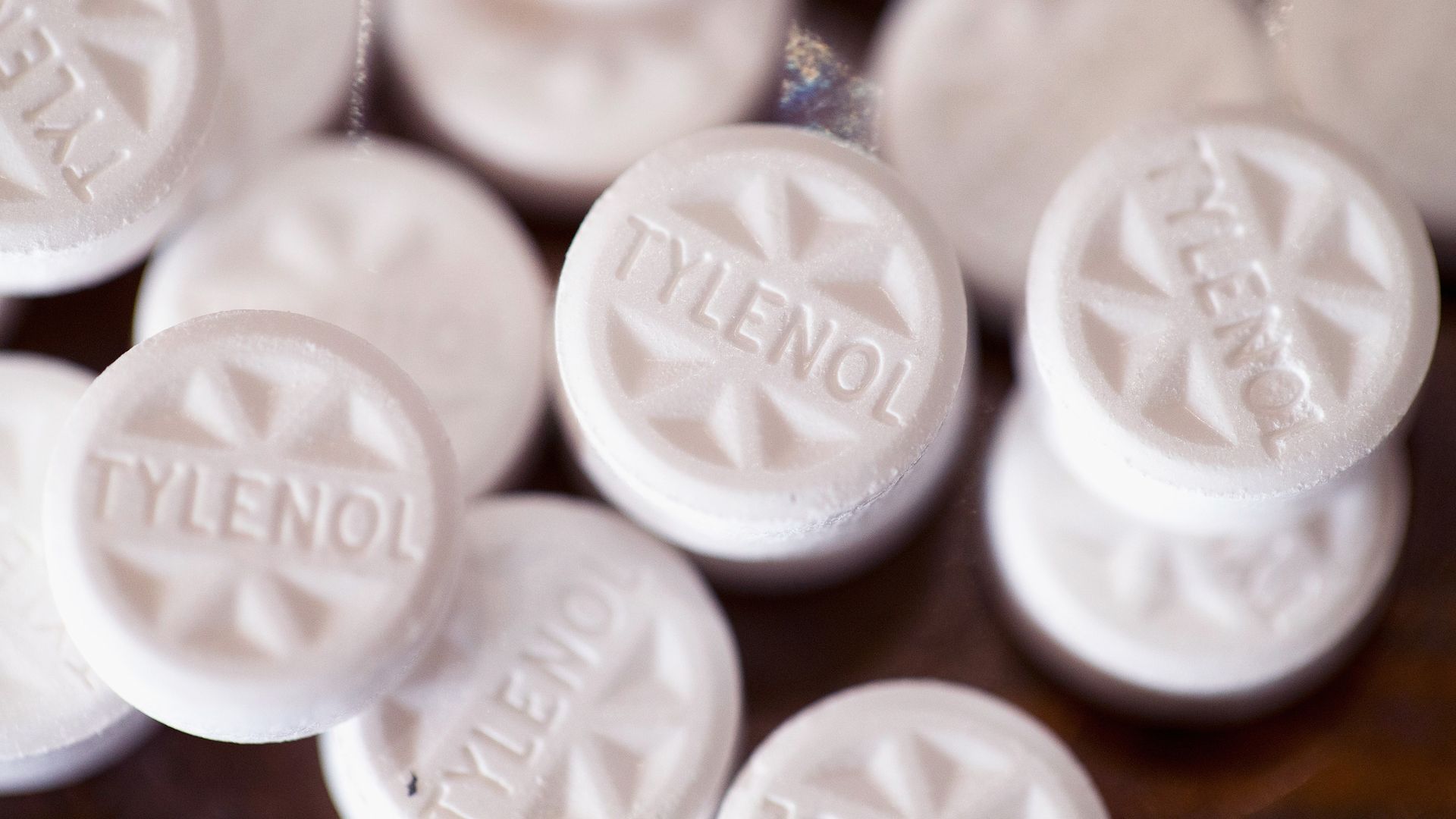
Why it matters: This could be the largest U.S. IPO since Rivian went public in late 2021, with Renaissance Capital estimating that Kenvue could raise up to $5 billion. It also encompasses a slew of household brands, including Tylenol, Band-Aid, Johnson's Baby Powder, Listerine, Neutrogena and Nicorette.
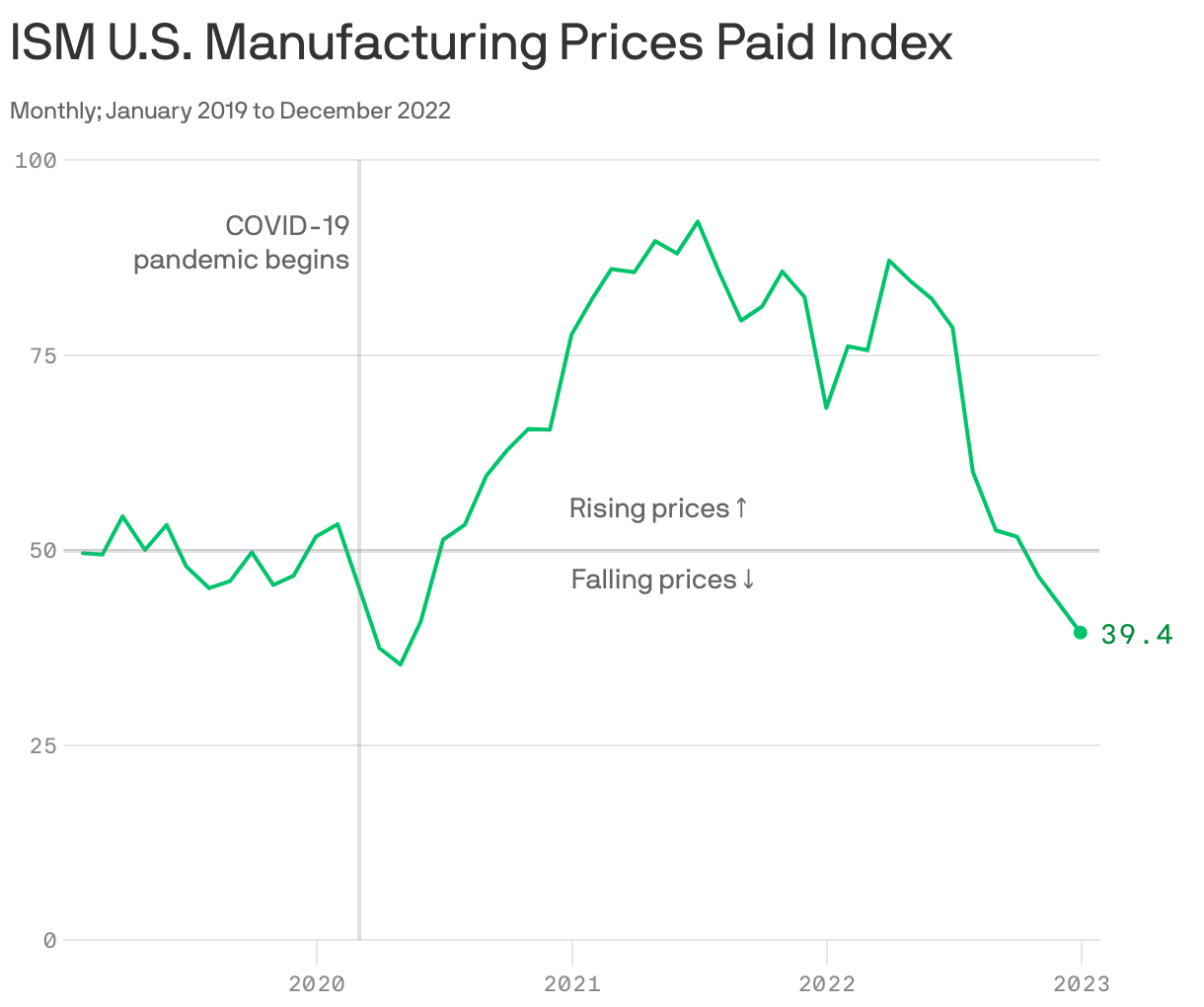
Why it matters: Inflation is the most important issue facing investors, as it will determine what the Fed does to interest rates, which will in turn drive stock and bond prices.
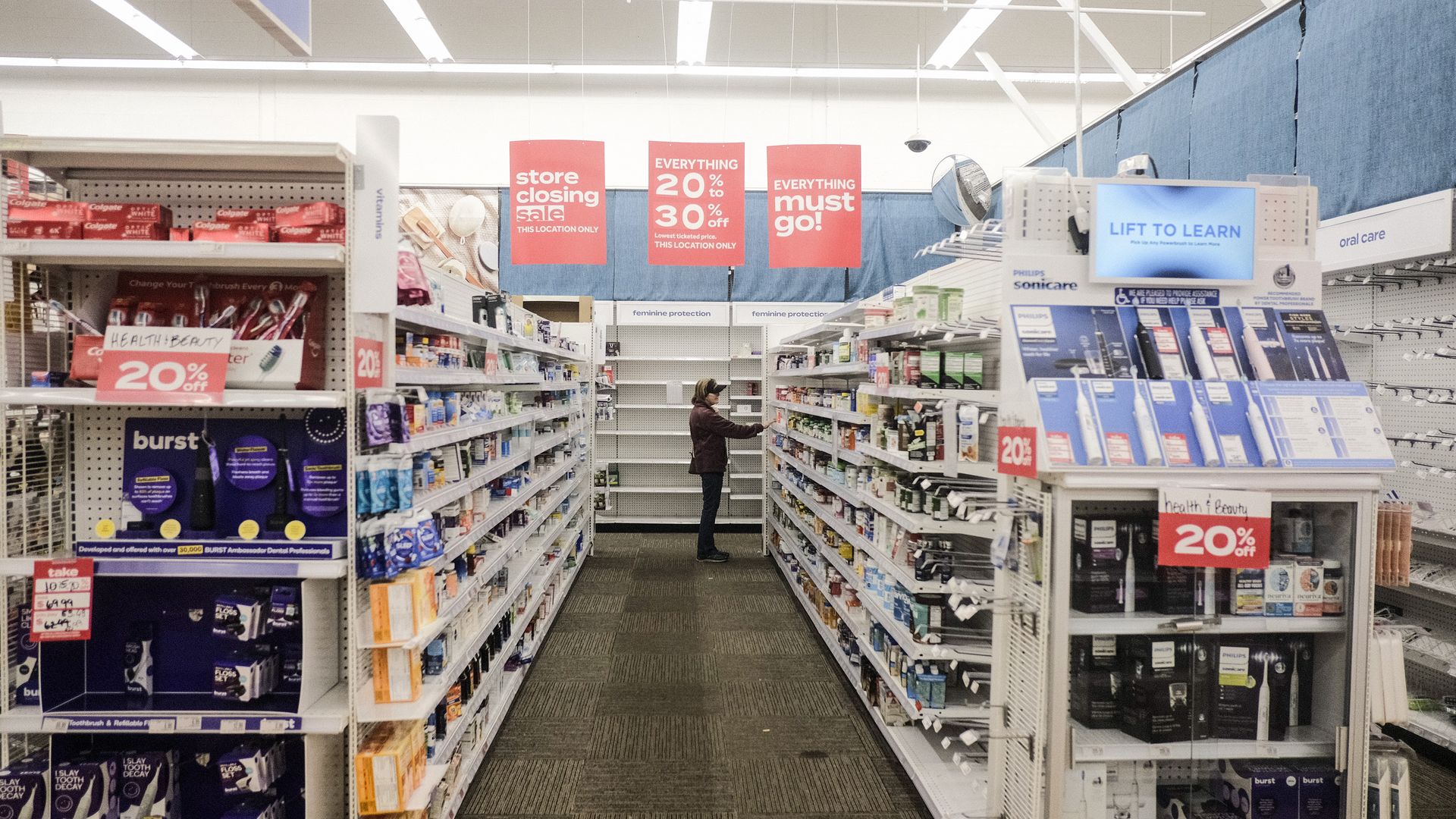
Bed Bath & Beyond — whose 20% coupons, towel towers and wedding registry have been a staple of the American shopping landscape — warned Thursday that its dismal performance threatens the company's future.
Driving the news: The beleaguered retailer said in a public filing that it faces "substantial doubt" about its ability to continue operating on its own — and that it could file for bankruptcy protection.
Home sellers are doing way more to entice homebuyers these days, according to data from Redfin published Thursday morning.
Why it matters: Oh, how the tables have turned. During the pandemic real estate frenzy, sellers held all the cards and desperate buyers did whatever they could to close a deal — waiving the inspection, paying way over asking, etc.
A turbulent market has highlighted just how difficult it is to provide retail investors access to illiquid investments like real estate and other private assets.
Why it matters: Raising funds from the “mass affluent” has become the next big growth area for private equity (PE) firms that historically tapped institutions and the uber-wealthy.
First came the drones, with global sales expected to top $60 billion within five years. Now a cottage industry has emerged to protect businesses, stadiums and other sensitive areas from aerial intrusions.
Driving the news: Dedrone, a Virginia-based airspace security startup that's raised over $130 million in venture capital funding, tells Axios exclusively that it's acquired Aerial Armor, a Phoenix-based developer of drone detection systems.
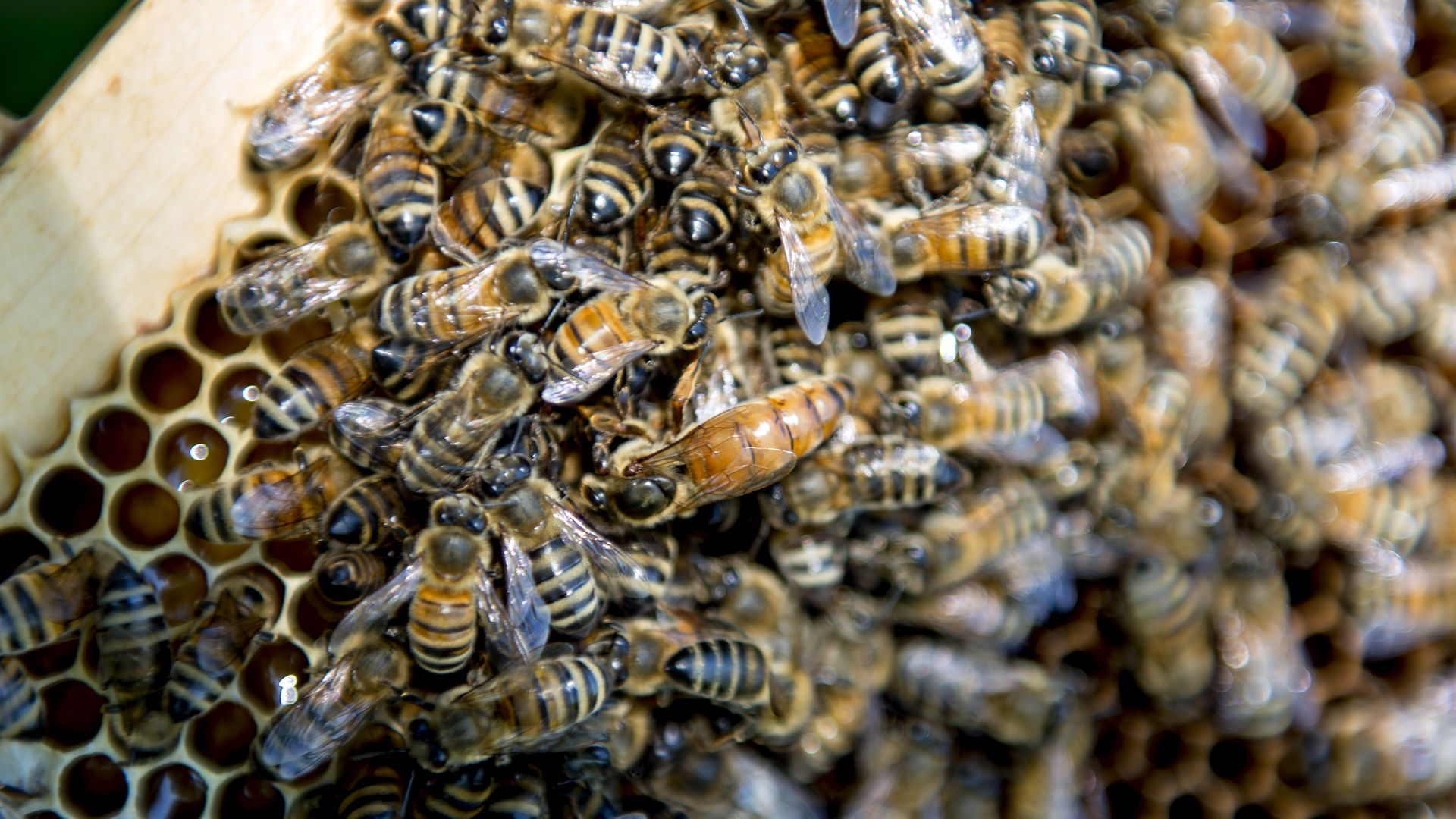
The U.S. Department of Agriculture (USDA) has granted a conditional license for a vaccine that helps protect honeybees from a deadly bacterial disease, U.S. biotech firm Dalan Animal Health announced Wednesday.
Why it matters:Dalan has developed the world's first vaccine for honeybees in an effort to stop the spread of American foulbrood disease, caused by Paenibacillus larvae bacterium, which can weaken and destroy hives, per the Guardian.
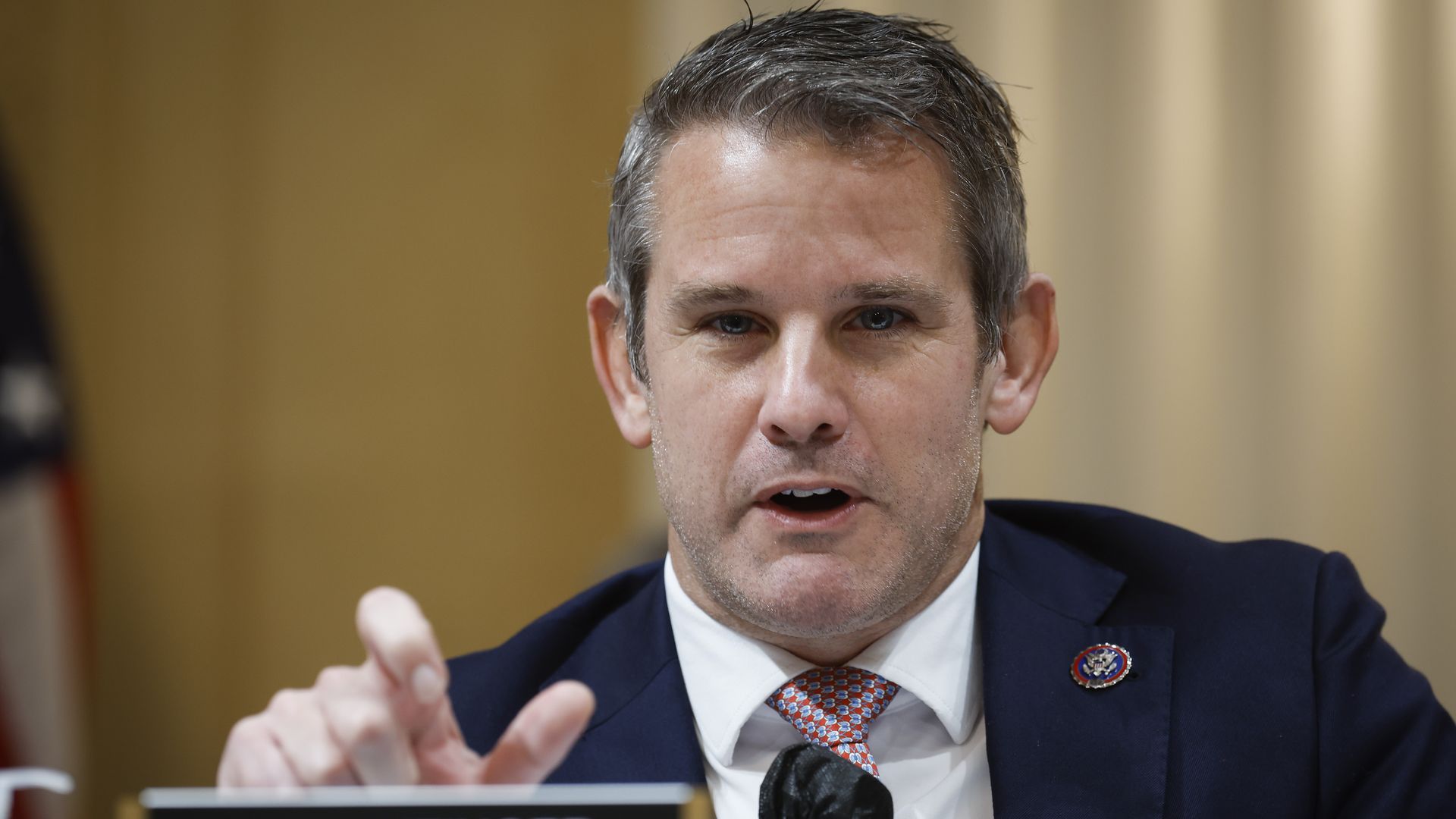
Former Rep. Adam Kinzinger (R-Ill.) is joining CNN as a senior political commentator, the network announced Wednesday.
The big picture: Kinzinger, one of two Republican members of the House Jan. 6 committee, ended his sixth term in Congress this week after deciding not to seek re-election.
The new year brings a new round of Macy's store closings.
Driving the news: The department store chain confirmed to Axios on Wednesday that it will shutter more stores in 2023 as part of its Polaris transformation strategy, which was first announced in 2020.

























/2023/01/04/1672853544681.gif?w=3840)