Driving the news: Prosecutors presented very strong arguments that the defendant had a good idea he was committing a crime over a year ago, when he managed to extract over $100 million from Mango Markets.
Why it matters: In a fraud case, the government has to not only show that the defendant committed a crime, but that they were aware that what they were doing was against the law.
Why it matters: A trio of banks turned in strong first quarter earnings Friday, but warned that the profit growth they've been enjoying from higher rates is starting to fade.
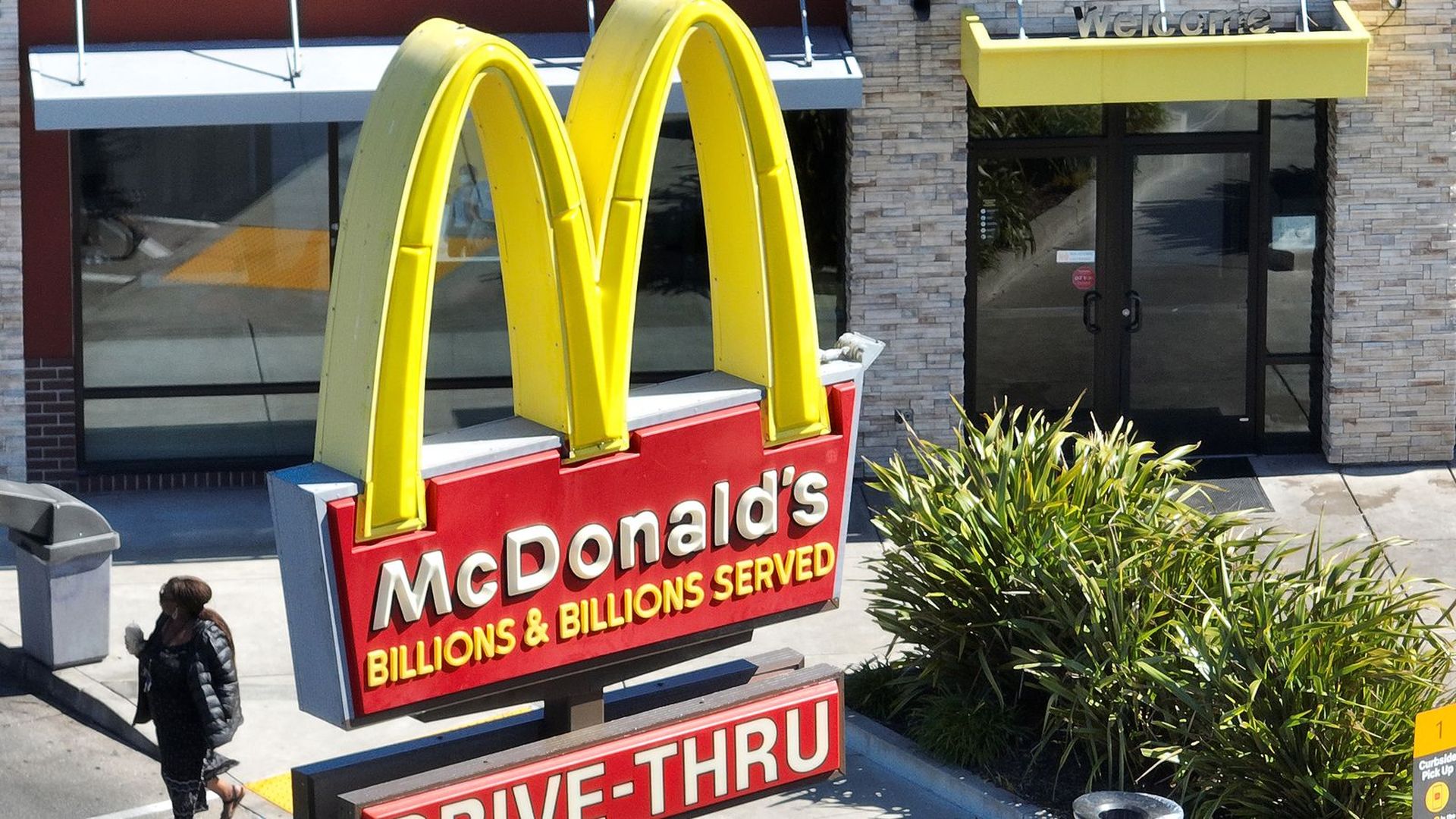
McDonald's restaurants in California have brought back the fan-favorite breakfast bagel after a four-year hiatus in what it calls a plan to offset the impact of the fast-food workers' wage hike.
Why it matters: McDonald's, which posted revenues of $6.4 billion in the fourth quarter of 2023, said the experiment is meant to help California locations drive sales and increase profits as they adjust to the state's new $20 an hour minimum wage law.
A top arbiter of corporate climate plans faces an internal revolt over a decision by its leadership to endorse tapping the carbon markets, and using carbon offsets, as an emissions-cutting tool.
Why it matters: The Science-Based Targets Initiative is viewed as one of the most stringent, science-based groups. Companies strive to meet its targets and methodology to claim their climate action bona fides.
Streaming service Roku announced Friday that roughly 576,000 accounts were compromised in a newly discovered security breach.
Why it matters: This is the second mass data breach for the company in a matter of weeks. Last month, Roku disclosed thathackers had accessed more than 15,000 Roku accounts.
Last month, the big law firm DLA Piper quietly cut the amount of parental leave it offers non-partner lawyers by six weeks.
Why it matters: Businesses almost never cut these benefits — indeed employers, especially law firms, have consistently expanded the amount of time off given to new parents for more than a decade.
The classic investment portfolio of 60% stocks and 40% bonds is doing very well at the moment — it's risen 17% in the past year.
Why it matters: After more than a decade when interest rates were at or near zero, bonds provide real income again — without the volatility inherent to stocks. What's more, the capital losses involved when rates rise are now well in the past.
The leaders of America's largest banks are convinced that AI will transform their businesses, but they're mostly struggling to implement more than a handful of AI products, even internally, and can't agree on what counts as a win.
Why it matters: The massive banking industry is a crucial testbed for transforming the AI industry's promises into real-world results.
The New York Times Thursday morning detailed how Axios is evolving our business and journalism to better serve you in a world reshaped by artificial intelligence.
Why it matters: We believe AI will change news as dramatically as the internet did at the turn of this century.
Hiring platform Greenhouse doesn't "have some magic AI" that judges applicants, Jon Stross, the company's co-founder and president, tells Axios.
Why it matters: Being among the first to apply to a job, being relevant to the role and having an internal referral all help to make an applicant stand out, he says.
FTX founder Sam Bankman-Fried has filed a notice of his intent to appeal his conviction and sentence with the court of the Southern District of New York.
The big picture: In perhaps the most closely watched trial in the history of the still young cryptocurrency industry, the 32-year old executive was found guilty on all seven charges against him in November, and then sentenced to 25 years in prison.
Crypto venture capitalists appear to be getting their groove back, investing $2.5 billion globally in startups this past quarter, per PitchBook.
Why it matters: Startups need cash to make new things and live another day, and the recent crypto winter hit hard — forcing many to cut headcount and projects.
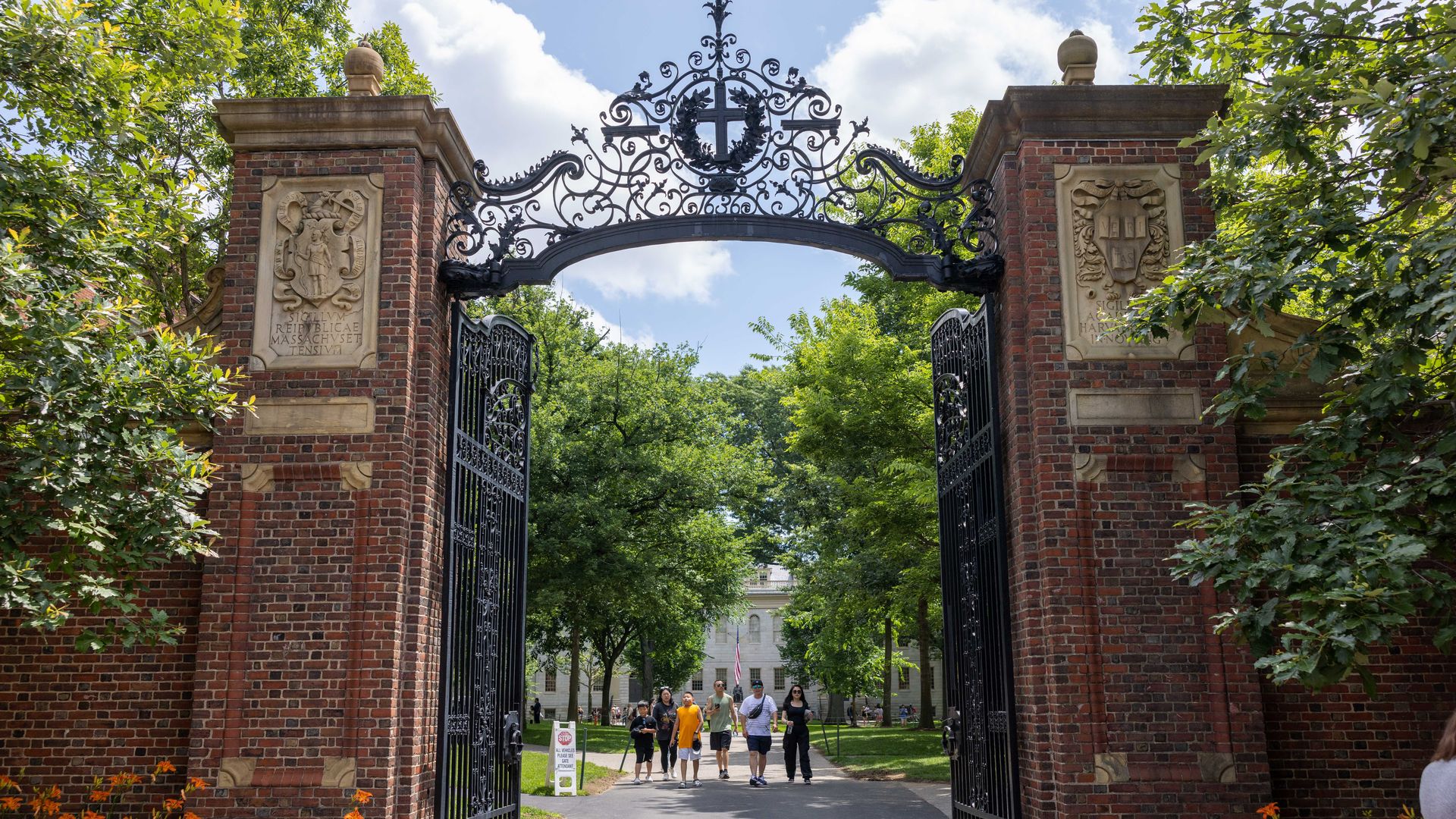
Harvard will again require its applicants to submit standardized test scores for admission, the university announced on Thursday.
Why it matters: Elite universities like Yale and MIT have reinstated standardized test requirements, reversing course on pandemic-era policies that made them optional.
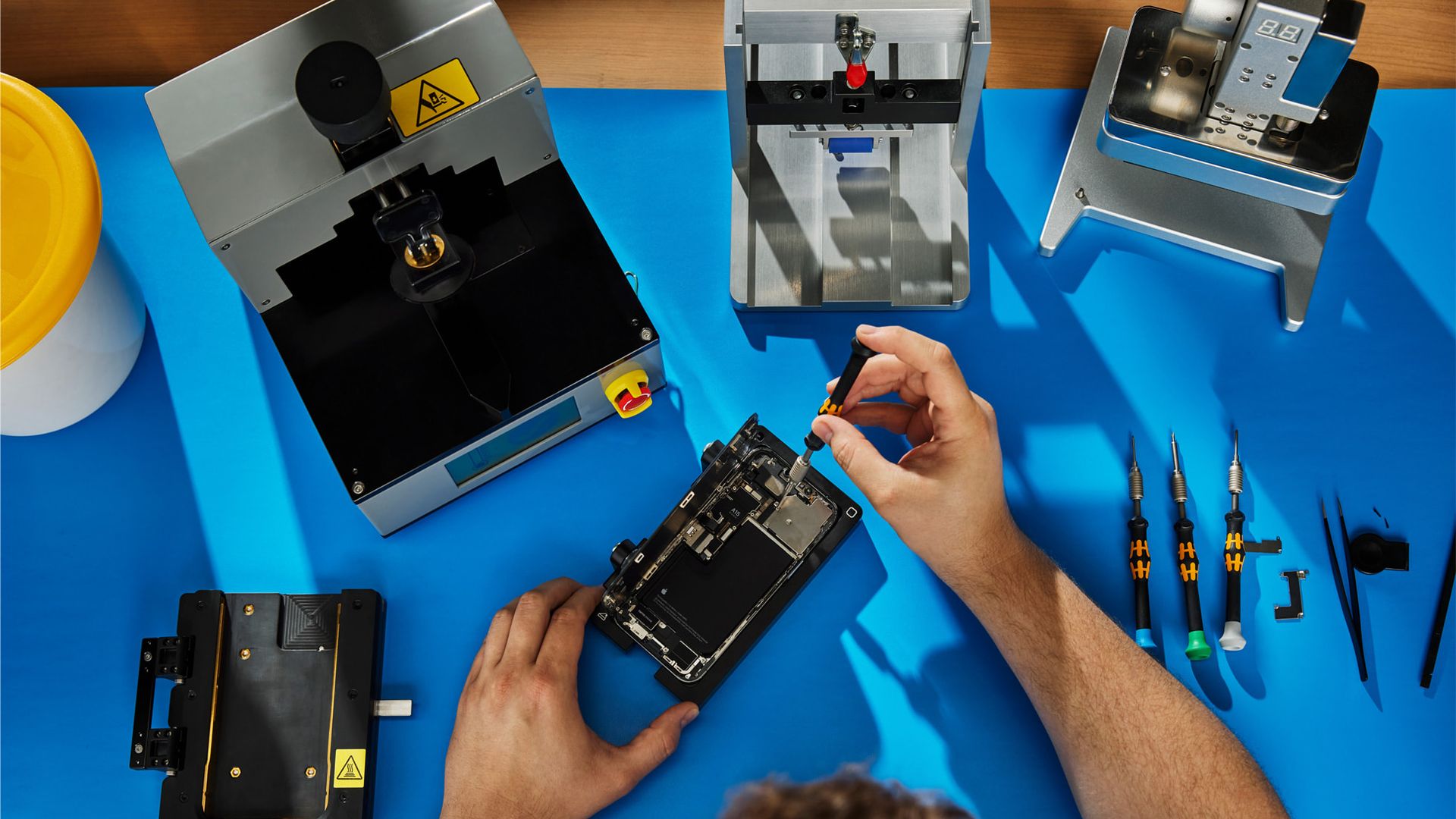
Apple is making a big change to its repair process starting this fall that will see more used parts in select iPhones, the tech giant announced Thursday.
Why it matters: The move is a major victory for the "Right to Repair" movement, which Apple had vociferously opposed, that should make it easier and cheaper for consumers to fix their phones.
Gen Z is turning toward social media as a search engine, seeking quick, relatable answers amid dissatisfaction with Google's results, writes Axios' April Rubin.
Why it matters: Young internet users'behavior marks a clear departure from that of millennials, many of whom take pride in their "Google-fu."
It's also a headache for Google, a nearly $2 trillion company that's still heavily reliant on ad revenue tied to search results.
Driving the news: 46% of those aged 18-24 start their information quests by searching on Google, per data shared exclusively with Axios from YPulse, a youth research firm.
LinkedIn hopes that a new TikTok-style video feature will entice more brand builders and younger creators.
Why it matters: The rise of short-form video would inevitably change the way executives engage and thought-lead across the professional platform.
The big picture: There's more emphasis on building a personal brand — and for working professionals, LinkedIn is seen as a safest place to do it.
Plus, the ability to connect with deeply engaged audiences has created more opportunities for executives to build their chops as thought leaders and visibly engage with employees, consumers and other industry leaders.
Costco's gold bars are going viral and have generated between $100 million to $200 million in sales per month.
Why it matters: The superstore known for its passionate fan base, $1.50 hot dog combo and cheap apparel has leaned into a quirky marketing move that appears to be working.
To reach younger audiences, brands and public figures are going direct through visual communications — like short-form video — and engaging with subject matter experts or trusted influencers across social, digital and audio platforms.
Why it matters: Young people aren't consuming news in a traditional way, which is flipping the public relations field on its head.
Uniswap Labs was served with a notice Wednesday that it would likely be sued by the U.S. Securities and Exchange Commission (SEC), according to a blog post from the company.
Why it matters: An enforcement action would continue the SEC's slow march against top cryptocurrency companies. Previous lawsuits against major U.S.-based crypto firms have hit Ripple Labs, Coinbase, Kraken, Bittrex and others.
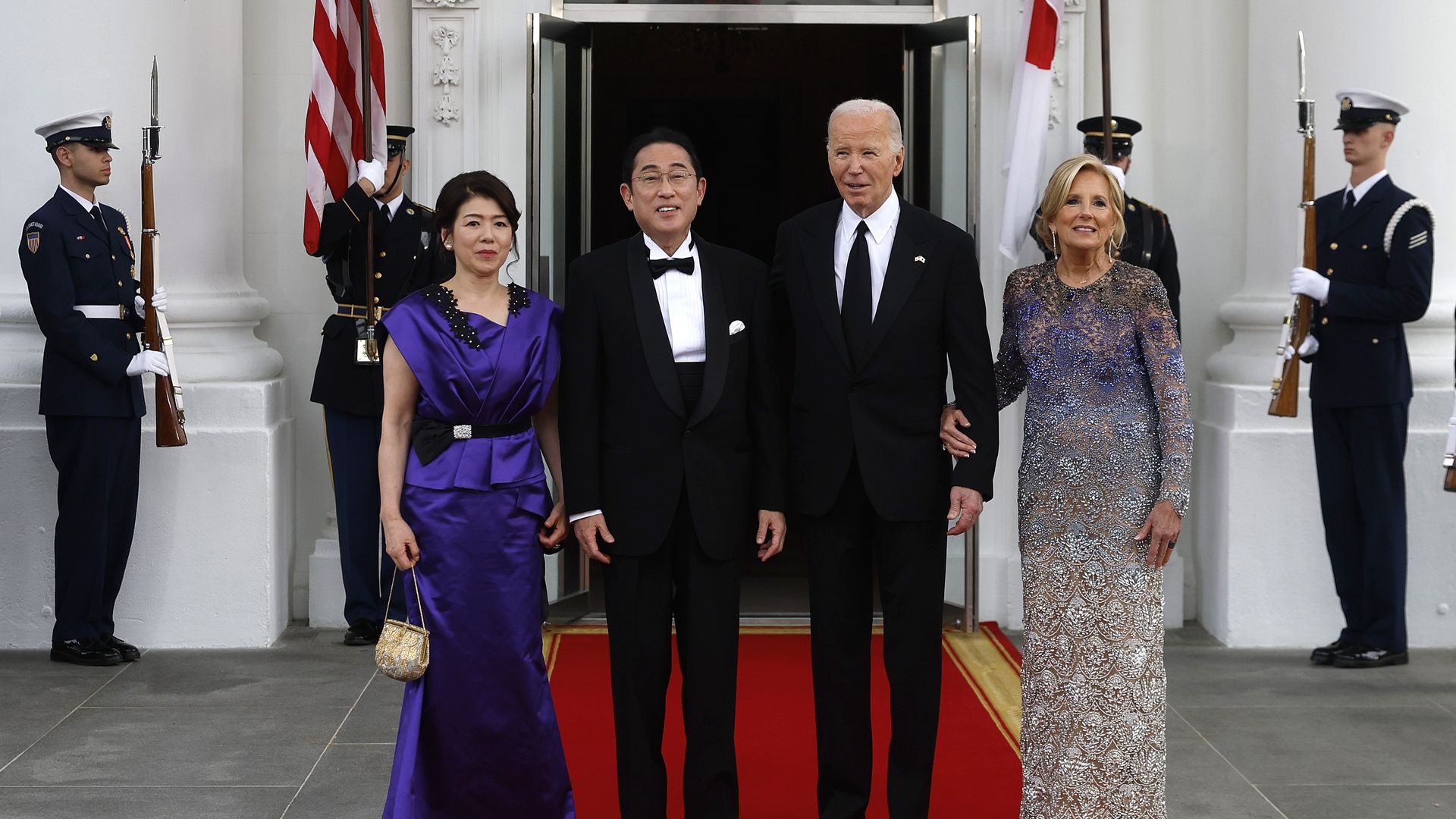
President Biden on Wednesday reaffirmed his opposition to Nippon Steel's proposed takeover of U.S. Steel, during a Rose Garden presser with Japanese Prime Minister Fumio Kishida.
Why it matters: It's a political promise that Biden may not be able to keep.
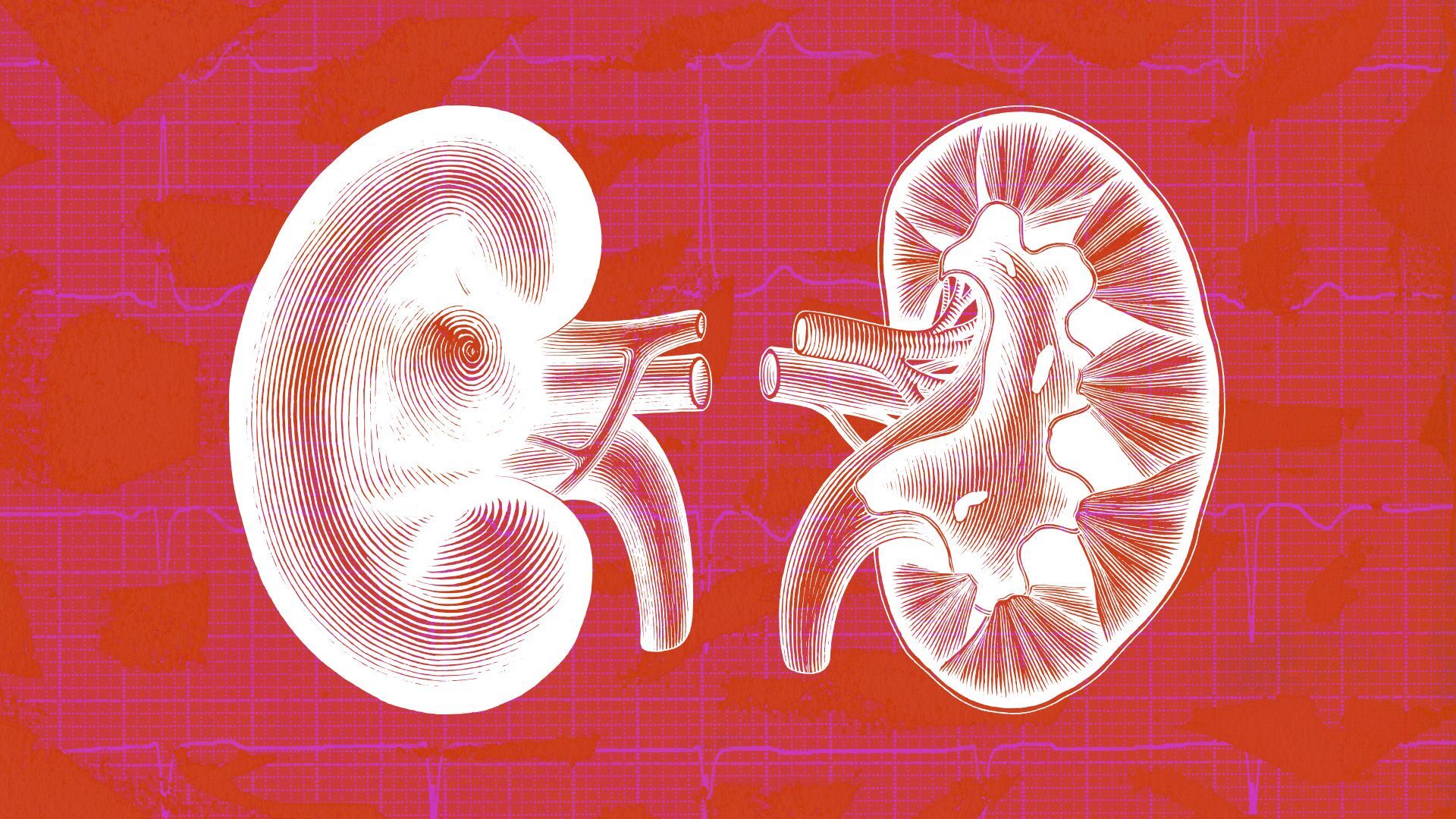
Vertex Pharmaceuticalshasagreed to buy Alpine Immune Sciences, a Seattle-based biotech focused on inflammatory kidney disease, for around $4.9 billion in cash.
Why it matters: This is the year's largest biotech merger so far, and also the richest deal in Vertex's 25-year history.
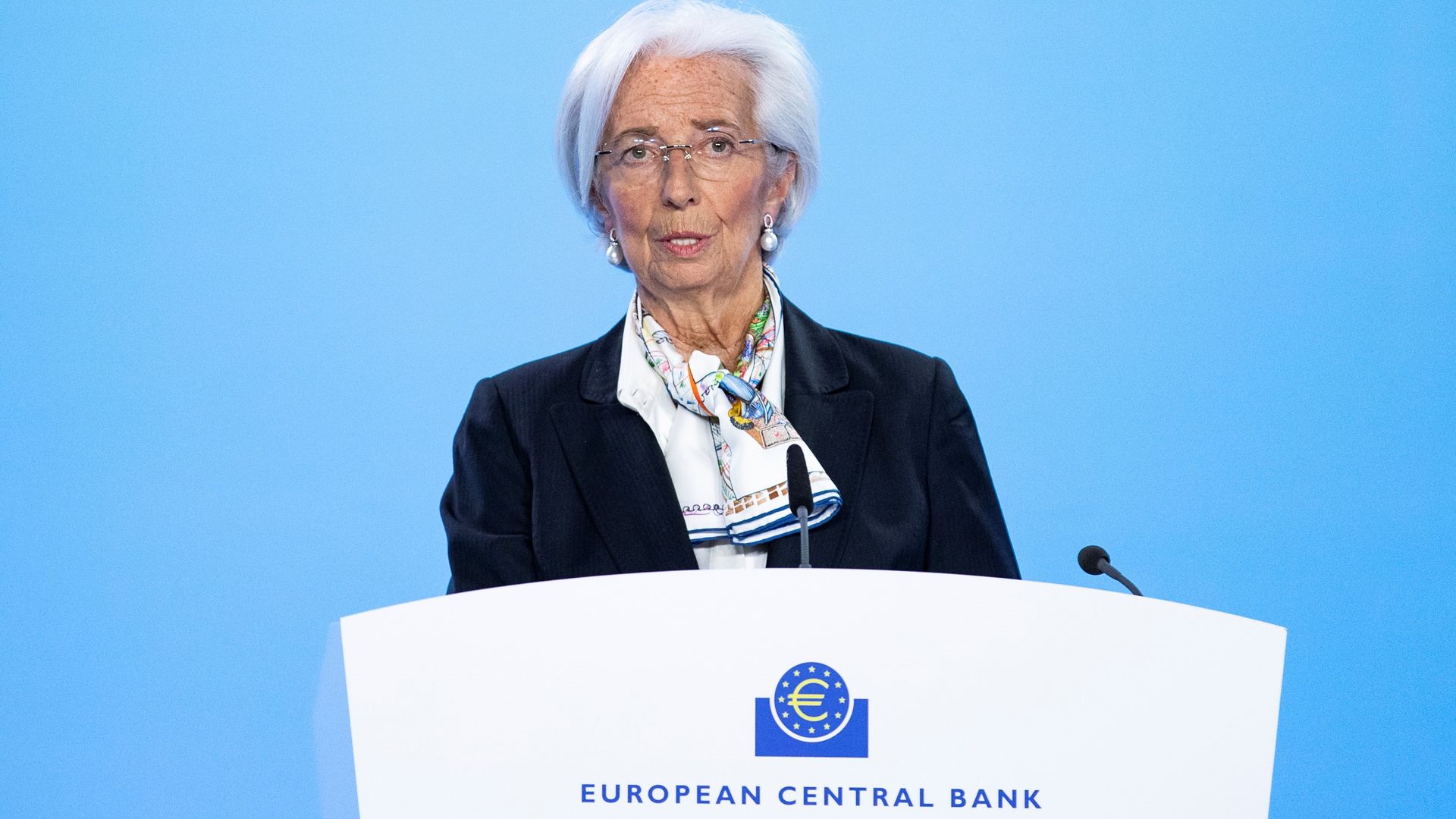
The European Central Bank kept borrowing costs at a record-high on Thursday, but new language in a statement released with the decision sent the strongest signal yet that rate cuts are coming soon.
Why it matters:Inflation across the European Union has come down notably in recent months, a divergence from the U.S. where price pressures have intensified.
Students at leading U.S. and European MBA programs are pushing the next generation of business leaders to integrate sustainability into the core of their careers.
Driving the news: The Climate Legacy Commitment was launched last month by two University of Cambridge MBA candidates and has since been signed onto by students at each of the top programs in the "Magic Seven" elite business schools in the U.S.
Players still standing in the second season of Crypto: The Game, a Survivor-inspired tournament for a pot of pooled ether, will get to bid on 10 one-of-one adidas tracksuit-skins Thursday afternoon for an in-game advantage.
Why it matters: It's a sign that major brands are still open to cutting deals with web3 companies, suggesting that at least some of the sector's stigma is dissipating.
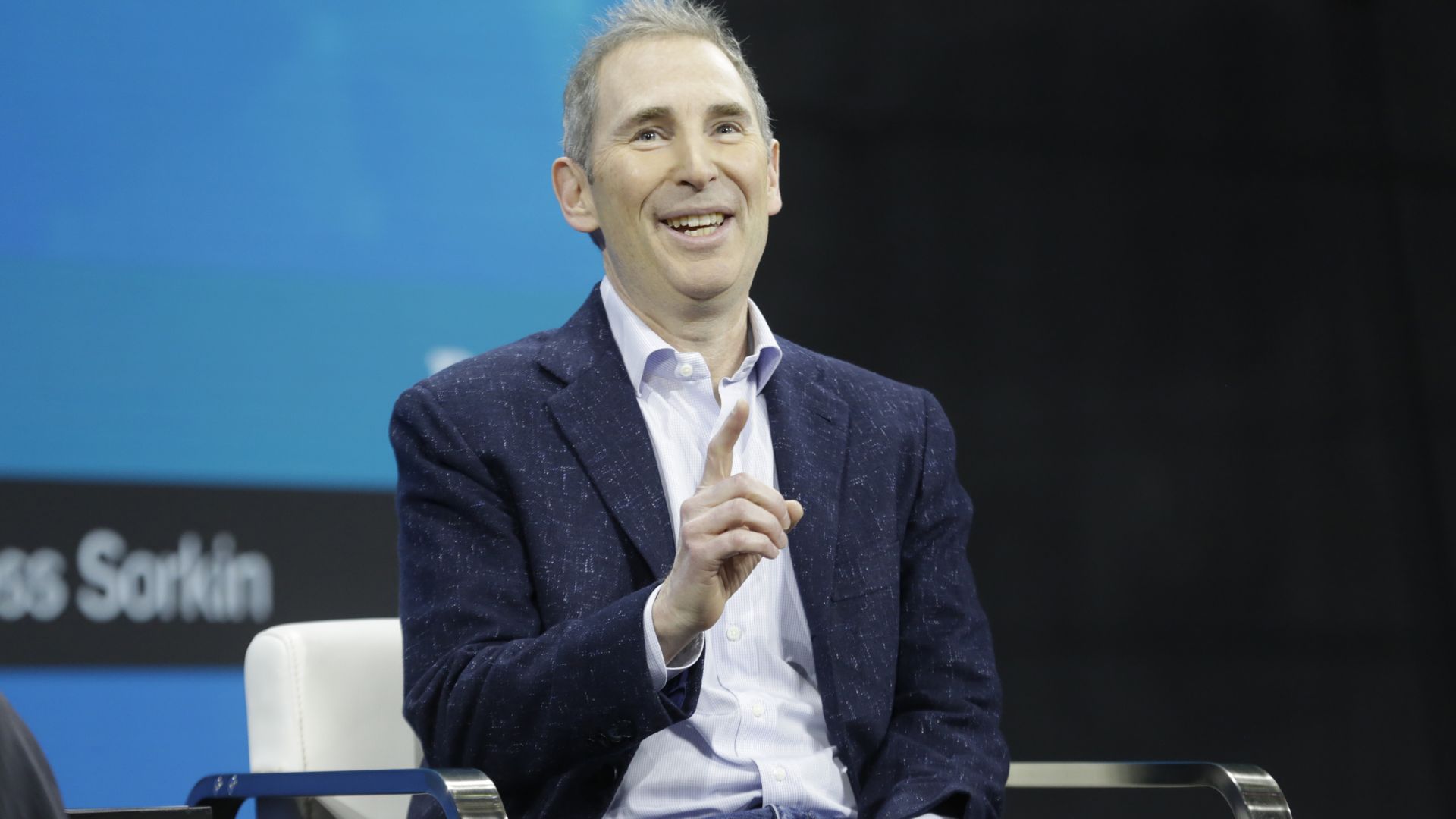
Amazon CEO Andy Jassy revealed details about the company's investments in generative AI in his annual shareholder letter published Thursday morning.
Why it matters: It costs money to make money and before many companies can reap outsized rewards from selling new AI products and services, they are expected to outlay enormous sums to build them.
It's been nearly a decade since hedge fund Elliott Management's 15-year battle royal with the government of Argentina — and advocates, investors and legislators are still trying to prevent a repeat.
What they're saying: "There are bad actors in this field," says New York State Senator Gustavo Rivera, who has introduced legislation to combat so-called predatory sovereign lenders who he compares to "Goodfellas" types: "F-you, pay me."
National Grid Partners, the venture arm of the U.K.-based utility company, invested a total of $17 million last quarter in three startups: Captura, Luminance, and Transcend.
The big picture: Investing in startups that can improve mundane operational tasks is of as much interest to NGP as backing energy-related innovations.
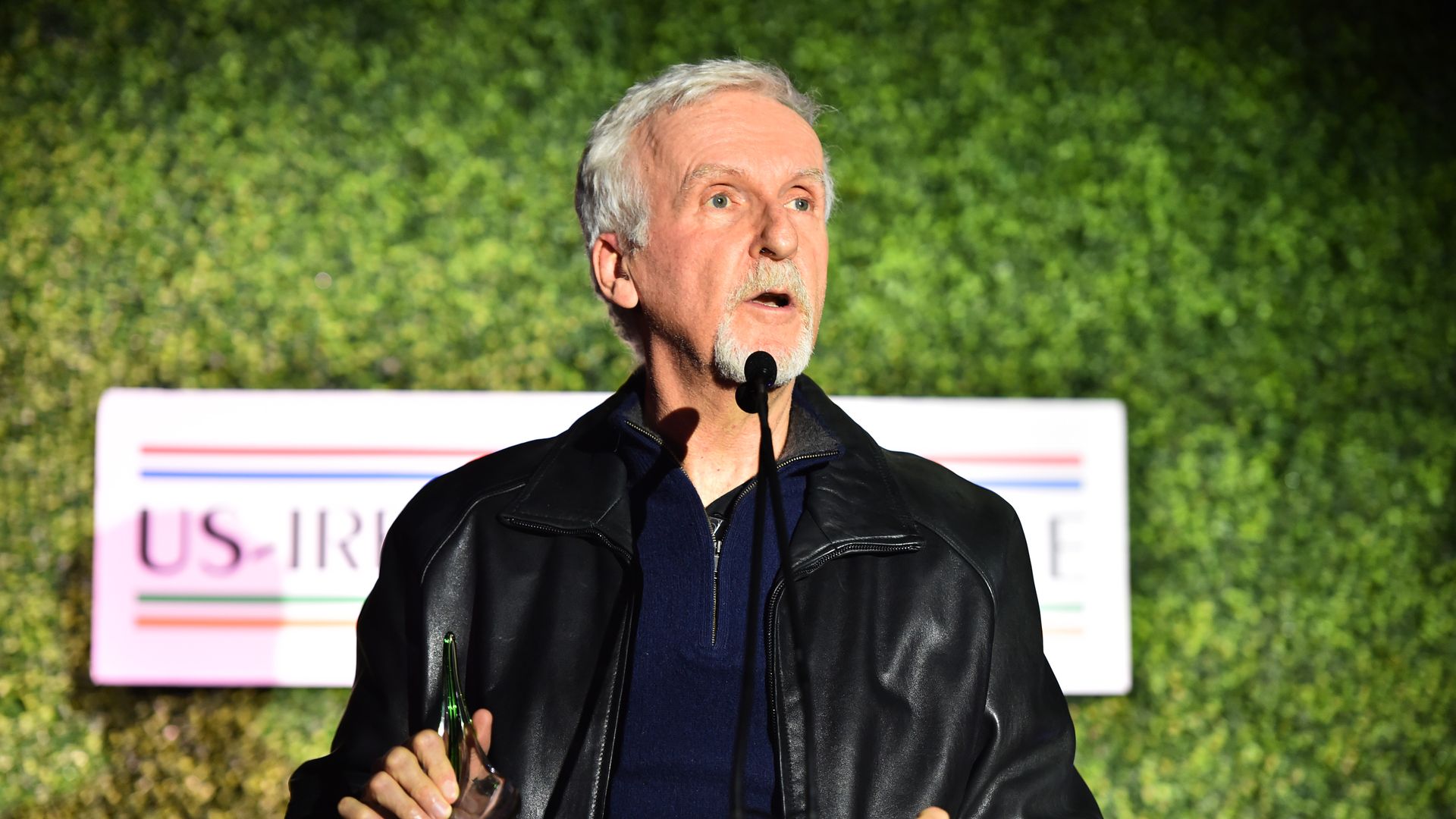
James Cameron is challenging himself to create the next "Terminator" movie, the filmmaker told Axios in an interview Wednesday night.
Why it matters: His depiction of AI gone horribly wrong has helped shape the public's fear of the technology since the first "Terminator" was released 40 years ago.
President Biden pledged Wednesday closer ties with Japan and the Philippines to counter China's increasing influence in the Pacific.
The big picture: Biden and Japanese Prime Minister Fumio Kishida announced in D.C. new military, economic and other agreements ahead of their trilateral summit on Thursday with Philippines President Ferdinand Marcos Jr.