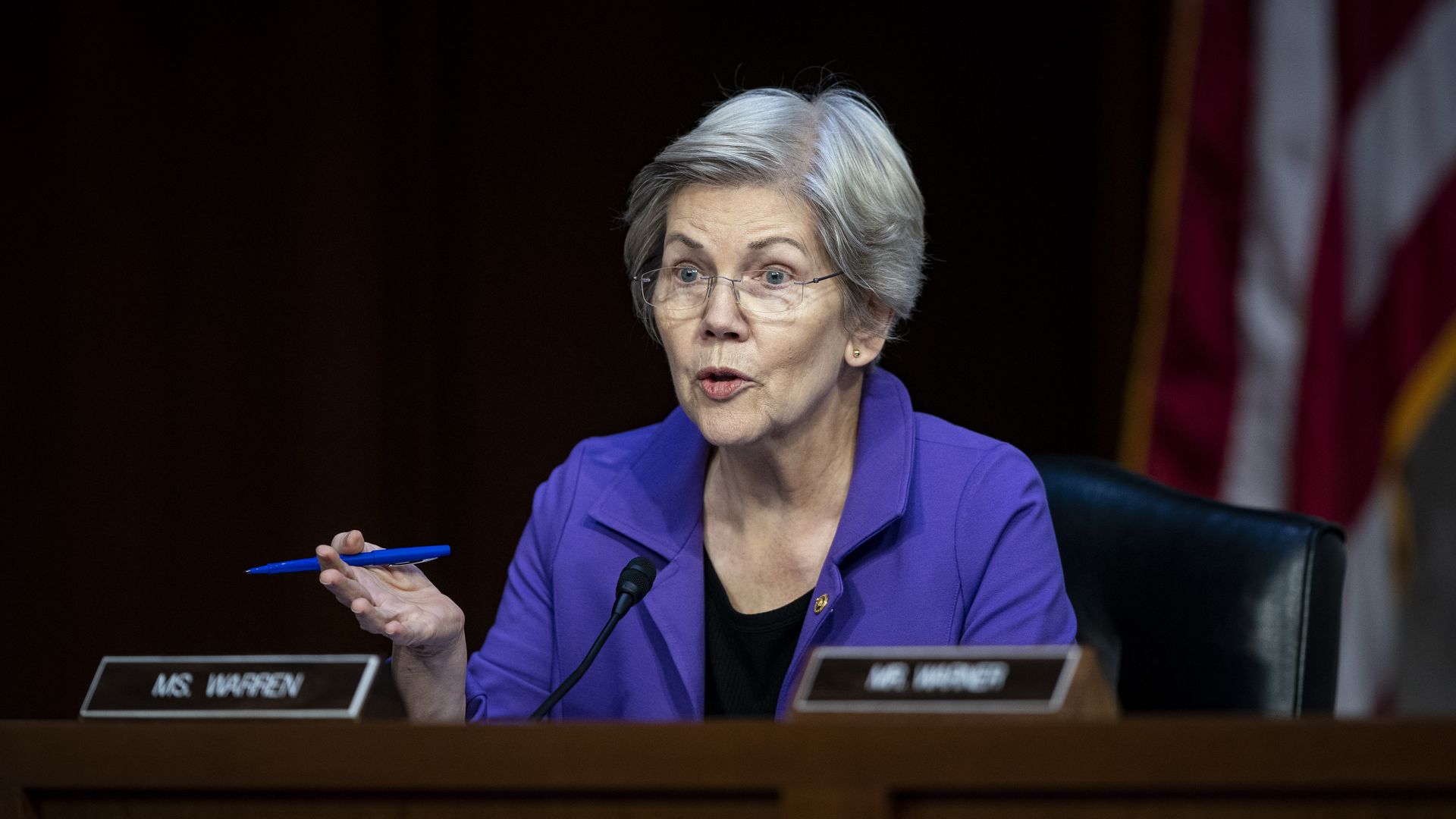
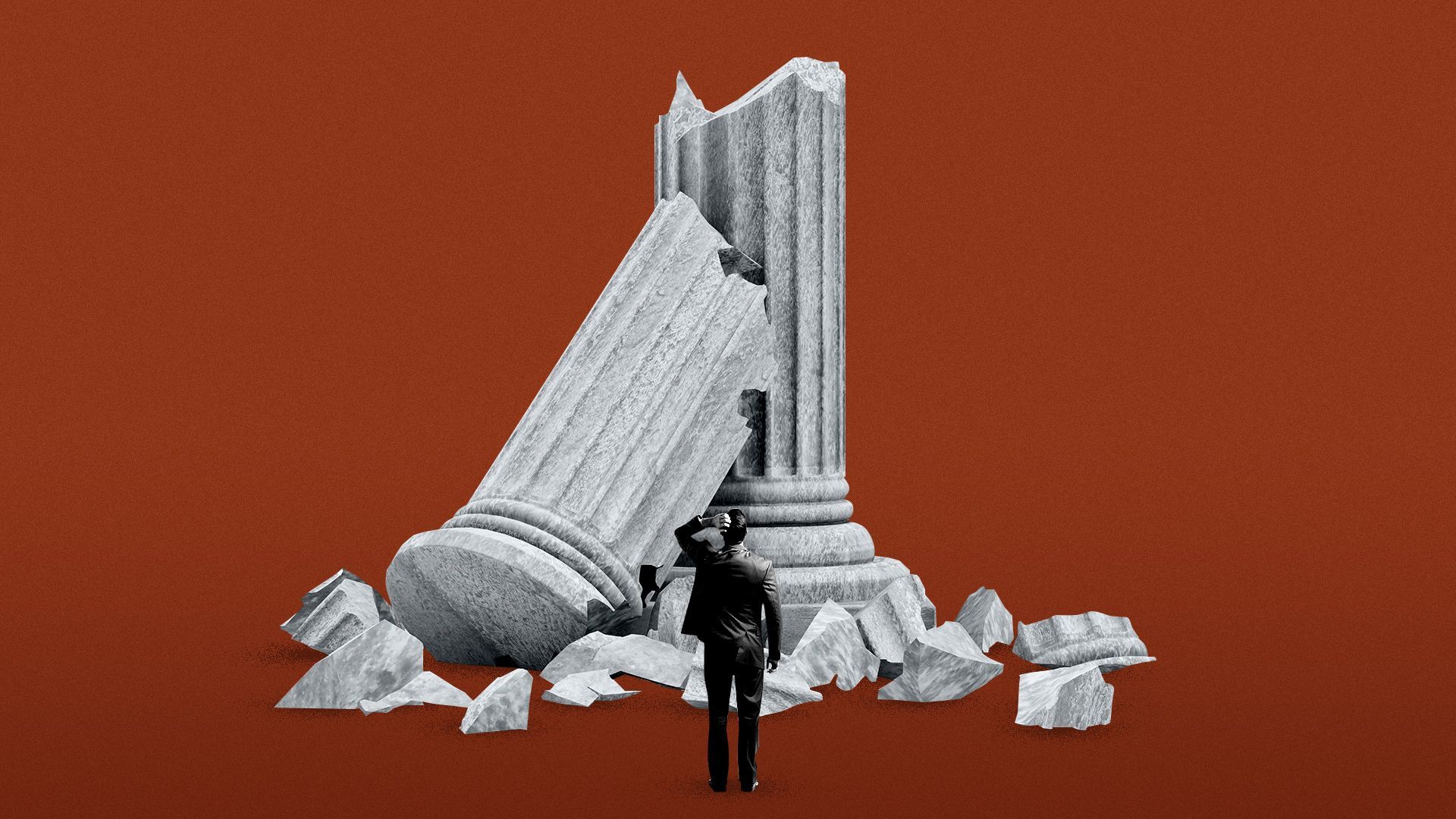
Republicans and Democrats alike have wasted no time turning the collapse of Silicon Valley Bank into a political football, seizing on the themes already animating each party's economic message heading into 2024.
Why it matters: The 2008 financial crisis — and the bailouts for big banks that followed — spawned significant populist movements on both the right and left, with legacies still felt in today's politics.
Investors dumped shares of banks with large amounts of uninsured deposits on Monday in the aftermath of Silicon Valley Bank's collapse.
Why it matters: The steep selloff impacted regional banks including PacWest, First Republic, and Western Alliance, as well as Charles Schwab, despite this weekend's coordinated federal response and each firm's attempt to allay concerns.
Many measures of economic progress for women are pointing in the right direction, but the pandemic has put the vitality of that progress under strain.
What they’re saying: "What the pandemic really brought home was the realization that … economic and personal security for women is more fragile than we probably have expected previously," Emily Haber, German ambassador to the U.S., told Axios’ Courtenay Brown.
The big picture: SVB was the 2nd largest bank in history to fail, but the FDIC steps in to help bank failures more commonly than people realize: It has worked for depositors of hundreds of failed banks since 2001.
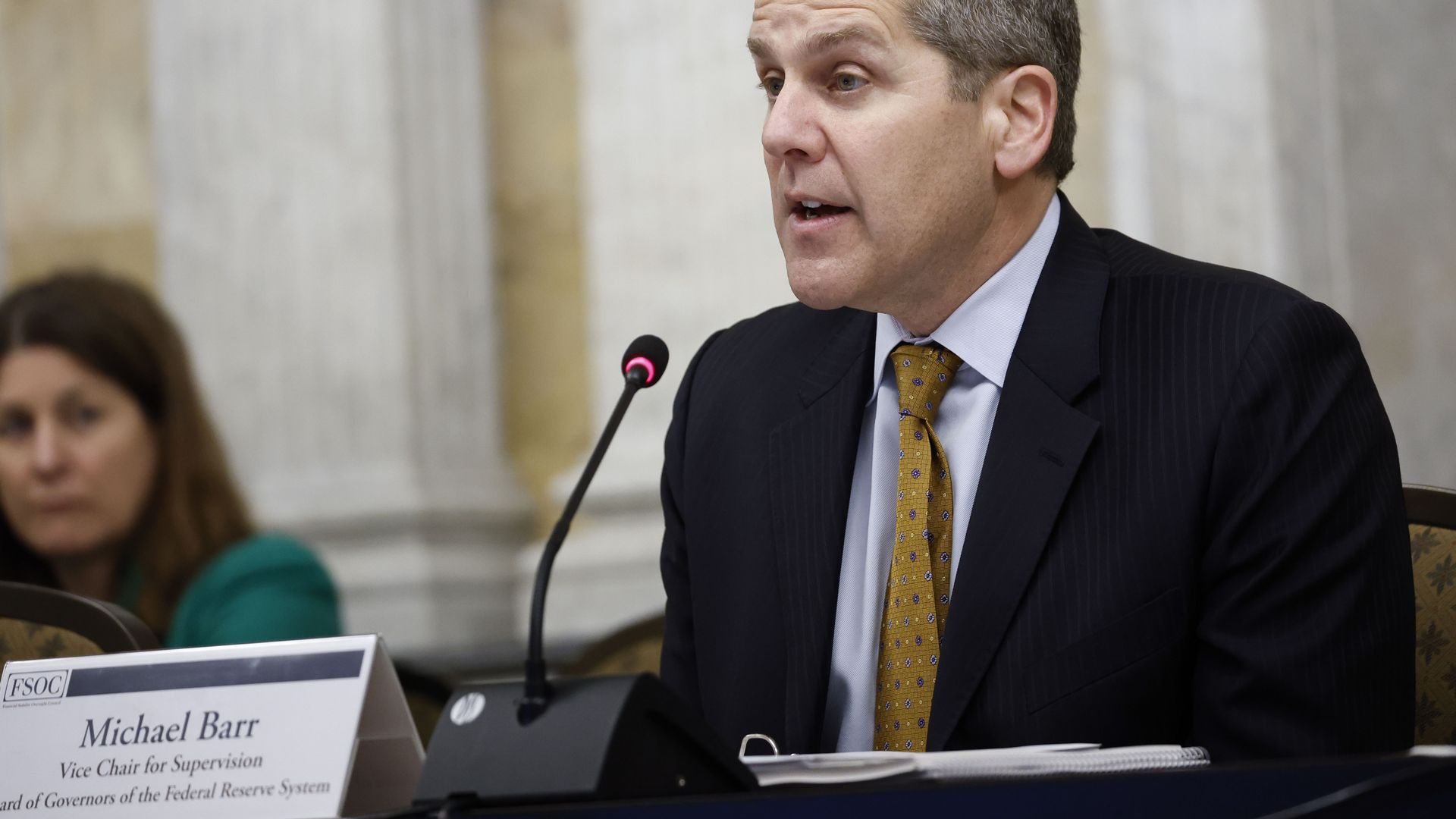
The Federal Reserve will conduct a review of the collapse of Silicon Valley Bank — including any possible regulatory or supervisory missteps — with results to be publicly released by May 1, the central bank said on Monday.
Details: The review will be led by Michael Barr, the Fed's vice chair for supervision, who was confirmed to the post last summer.
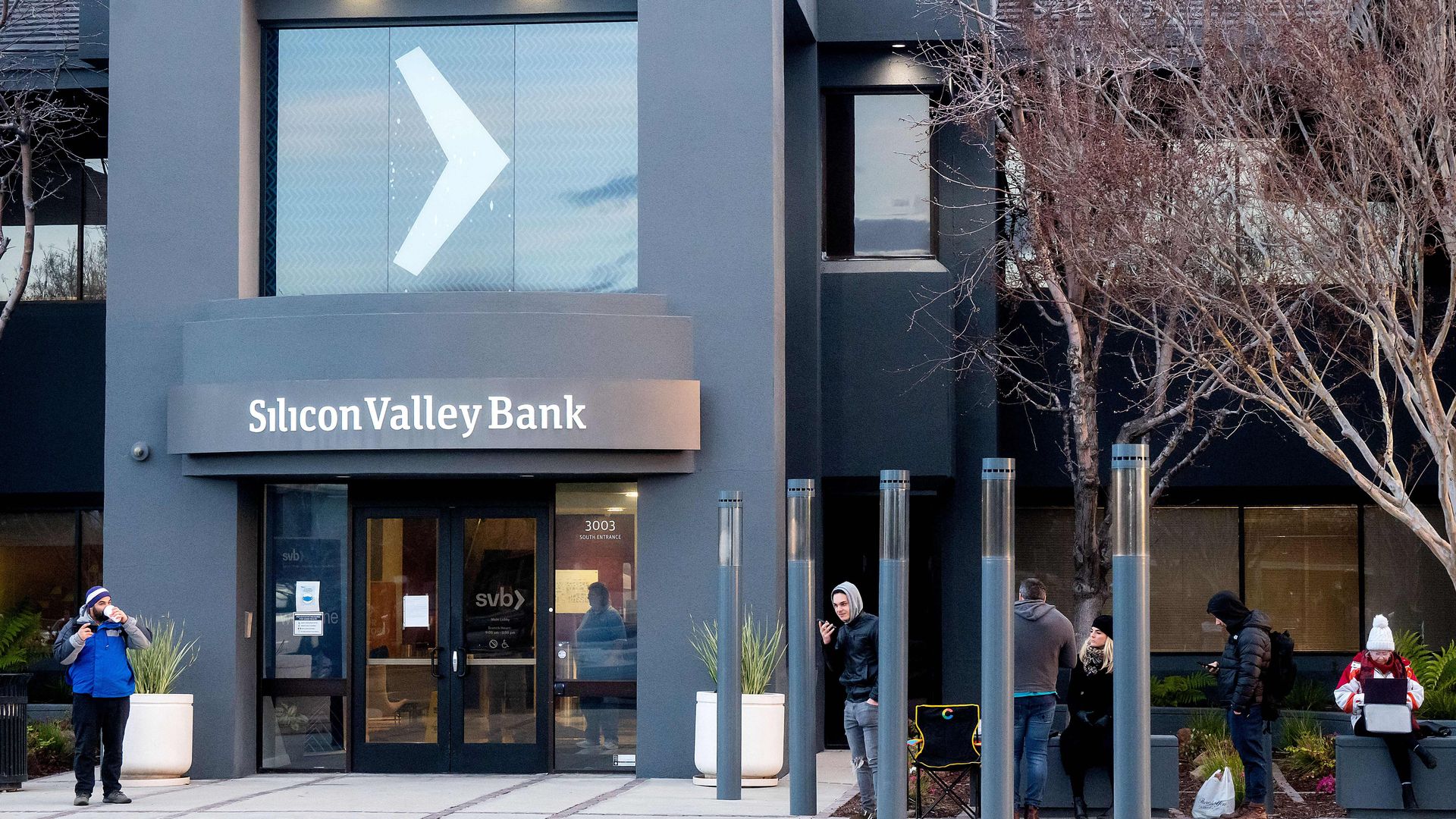
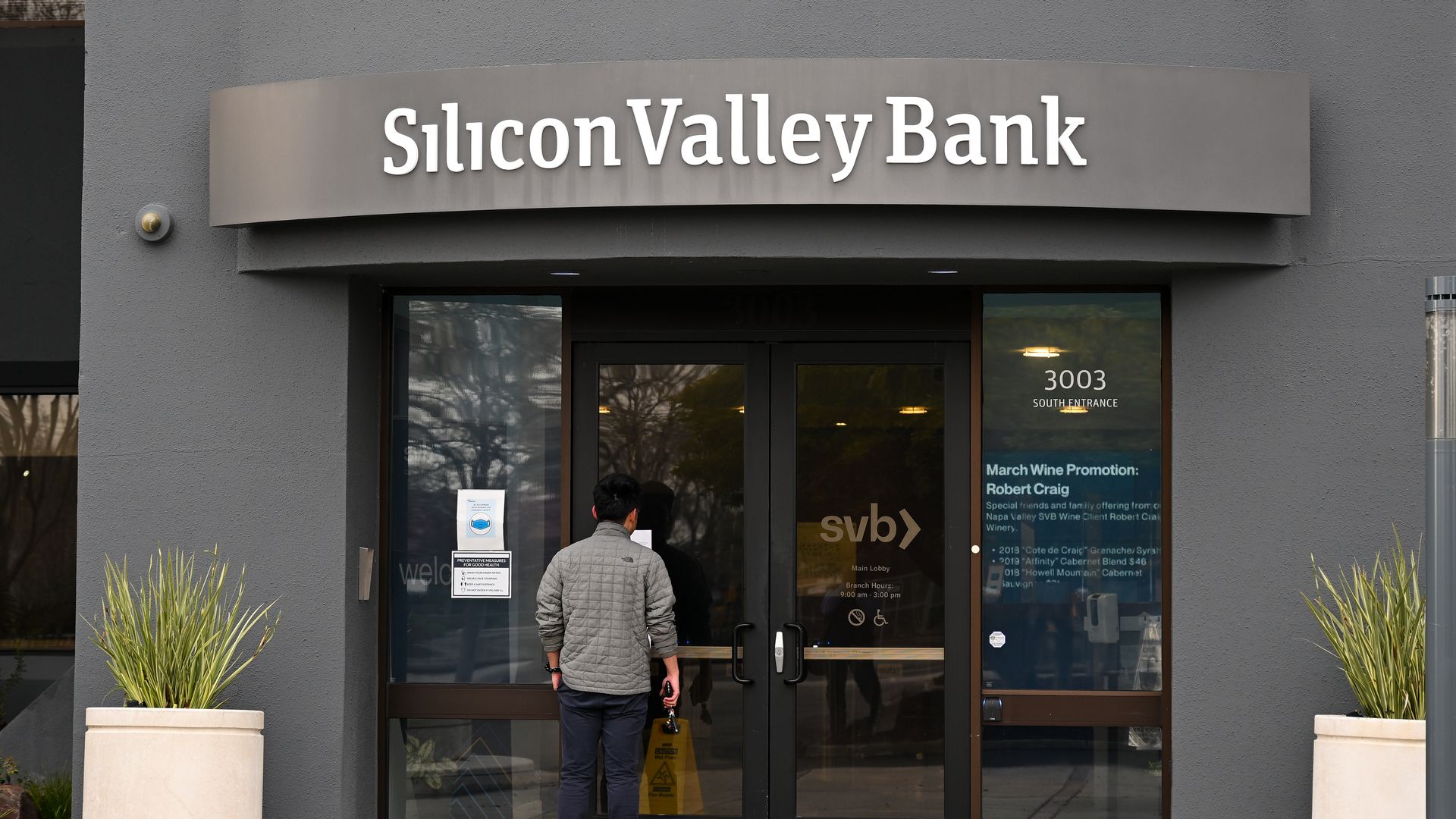
Silicon Valley Bank on Friday became the largest bank since 2008 to collapse, fueling widespread uncertainty about ripple effects on the U.S. banking industry.
The big picture: SVB was the country's 16th largest bank and a leading financial institution for technology and life sciences companies.
Circle's dollar-pegged stablecoin (aka usd coin) briefly broke away from its $1 peg over the weekend, as market volatility led to bank failures that incited panic and fear across the industry.
However, a few people unexpectedly benefited from the turmoil.
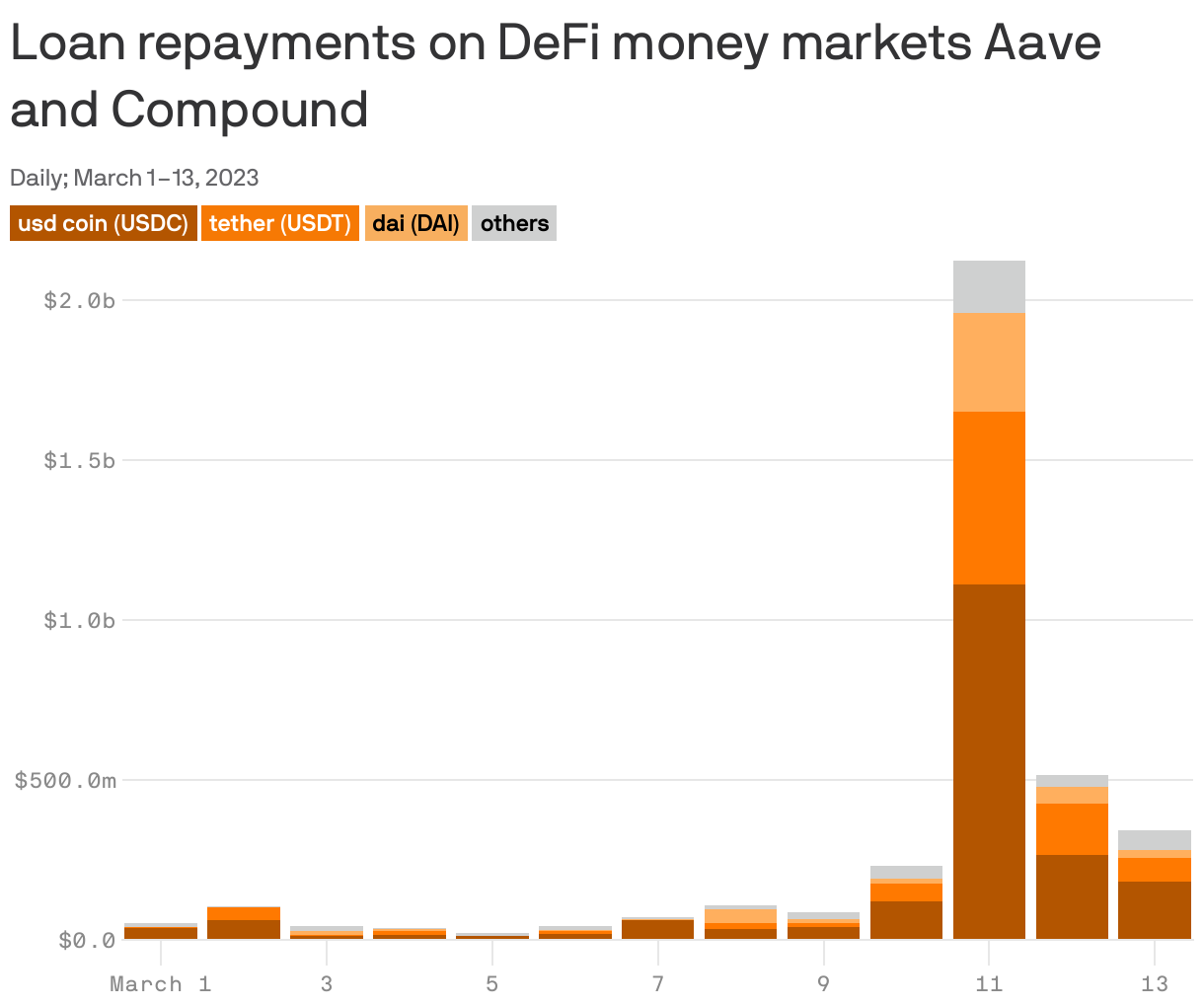
The big picture: Debts denominated in usdc declined in value. That drove an investor frenzy to pay back what they owed before Circle's stablecoin was restored.
It was an unlikely silver lining in the various banking crises that struck late last week, as crypto bank Silvergate decided to liquidate, and Silicon Valley Bank rapidly collapsed.
Details: The biggest day, Saturday, saw more than $2 billion in loan repayments on money markets Compound and Aave in USDC, and roughly $300 million in DAI, which had also lost its peg. Sunday was lower, but still unusually high.
Between the lines: Flipside Crypto estimates that USDC debtors saved $84 million, while those in DAI got a discount worth $20.8 million, this weekend.
The big picture: Circle's token plays a prominent role in decentralized finance (DeFi), by facilitating lending on giants such as Aave and Compound.
"Borrowers were able to repay their loans at a discount," according to data compiled by research firm Kaiko.
Most of the trading for USDC happens on chain. As such, the token actually fell much further than the $0.88 bottom seen on sites like CoinGecko and CoinMarketCap this weekend. Those lower prices were seen on the dominant decentralized exchanges (such as Uniswap and Curve) where most of the USDC selling was happening.
Of note: Prior to the collapse of SVB and the shuttering of Signature Bank, there was little USDC repayment activity, at least for particular venues.
Quick take: Lots of folks were using centralized exchange prices for USDC, raising the specter of another collapsed stablecoin, but prices flashing on those exchanges were not illustrative of Circle's ability to honor usdc redemptions.
Kaiko's Clara Medalie took to Twitter over the weekend to explain "#USDC has very little liquidity on CEXs so I wouldn’t overly read into price feeds coming from there."
Medalie added that less than 1% of all centralized crypto exchange trading volume is denominated in USDC.
Be smart: Medalie added: "A true de-pegging event is something related to reserves."
How it works: Price-induced panic could trigger a run on stablecoin reserves, the true test of an issuer's mettle and 1:1 backing of the stablecoin.
The intrigue: MakerDAO's debt-backed stablecoin dai—with some $3 billion of its collateral held in USDC —is prompting the organization to reconsider its exposure.
What we're watching: Any stablecoin redemption updates from Circle.
Lifehacker, a website that focuses on tips and tricks for living a better life, has been sold by its parent G/O Media to Ziff Davis, sources told Axios.
The big picture: The sale comes amid changes at G/O Media to its portfolio over the past few months.
For months and months, everyone who follows markets has warned that the Federal Reserve's aggressive monetary tightening would, inevitably, break things.
The big picture: Over the weekend, we learned what those things were: large regional U.S. banks, and the lengths that regulators would go to keep that breakage from spiraling into a nationwide bank run.
When we last published early Friday, one big question facing financial markets was what the Fed would do at the upcoming policy meeting that starts on March 21. Would officials continue to raise interest rates at the steady, quarter-point pace, or speed back up in the face of hotter-than-expected economic data?
But in the wake of a few bank collapses, markets are pricing in the possibility that the Fed might not raise rates at all, signaling expectations central bankers may choose to tread lightly.
Why it matters: The massive shift in expectations shows the Fed's new quandary. The stress facing banks may ultimately act as a brake on the broader economy, prompting the need for less aggressive hikes.
Or alternatively, broader financial stability might lead officials to stiffen their resolve against inflation.
Driving the news: Interest rates have seen a nearly unthinkable move. The yield on the two-year Treasury bond plummeted to 4.01% as of 11:30am ET on Monday, down a massive 100 basis points since Thursday. That partly reflects investors' rush into safe-haven assets.
By the numbers: The probability that the Fed would hold rates at the current level jumped to nearly 30%, while odds officials would hike by a quarter-point rose to 70%, according to calculations based on futures pricing by the CME. Chances the Fed does a half-point hike plummeted to zero, versus a 40% chance as recently as Friday.
Where the markets anticipate interest rates will ultimately top out is all over the map, setting up a situation in which prices get jolted when officials unveil fresh terminal rate forecasts later this month.
What they're saying: "What's happening could lead to banks suddenly starting to contract credit supply. But that might happen too fast for the Fed's liking," says Jan Groen, chief U.S. macro strategist at T.D. Securities.
"Despite the fact that they are behind in the fight against inflation, the Fed has also made it clear that they would like not to disrupt the economy too much right — they're looking for [a] soft landing. This is the uncertainty that they're now confronted with, basically overnight."
The bottom line: Much may come down to Tuesday's consumer price index report, which — should it be surprisingly hot — may shift expectations for what the Fed does next.
We won't hear from Fed officials this week. The standard quiet period ahead of the policy meeting started on Saturday.
First Republic Bank shares plunged by more than 60% early Monday, leading a broad rout in bank stocks as a dramatic rescue of embattled Silicon Valley Bank failed to quell market volatility.
Driving the news: PacWest tumbled by more than 37% in pre-market trading. Western Alliance cratered by over 68%. Signature — which was seized by regulators Sunday was not trading.
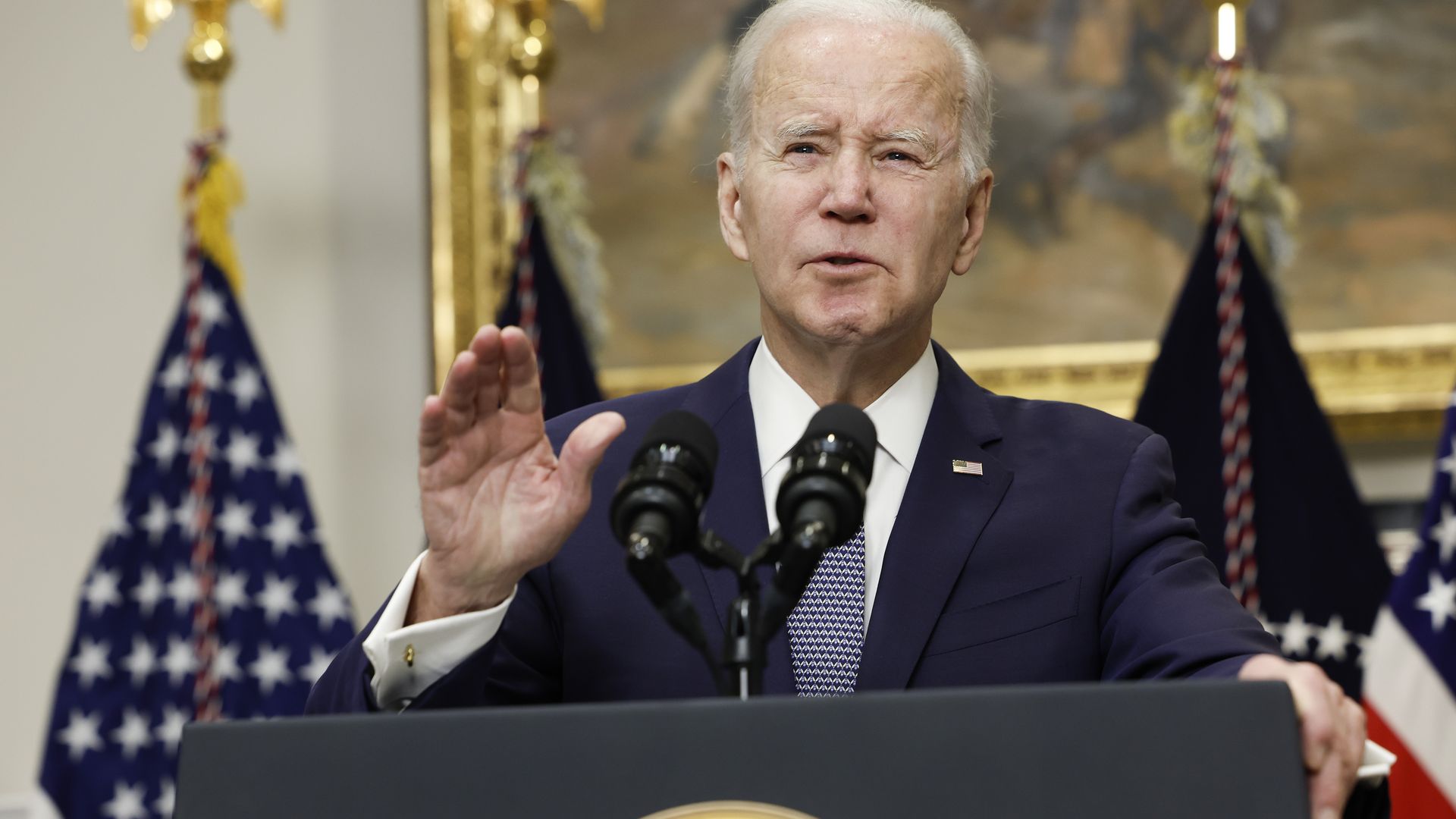
President Biden said Monday that "Americans can rest assured that our banking system is safe, your deposits are safe" after the collapse of Silicon Valley Bank.
The big picture: Biden promised to do "whatever is needed" to prevent any additional bank runs. SVB's collapse was the second-largest bank failure in U.S. history.
JPMorgan and PNC are among the potential suitors in talks to acquire SVB Financial Group in a deal that would exclude the commercial bank currently under U.S. government control, according to sources familiar with the matter.
Why it matters: A buyer for the other SVB divisions could stabilize those businesses, which are being impacted by the collapse of the commercial bank, known as SVB Bank.
For roughly 77 hours, between noon ET on Friday and 6pm on Sunday, a chorus of Silicon Valley bigwigs and elected leaderscalled vocally for uninsured depositors of Silicon Valley Bankto be made whole — to be bailed out by the federal government. In the end, they got what they wanted.
Why it matters: The Biden administration is pushing back hard on the idea that this was a bailout. "No losses associated with the resolution of Silicon Valley Bank will be borne by the taxpayer," says the official statement from Treasury, the Fed, and the Federal Deposit Insurance Corporation. Many won't be convinced.
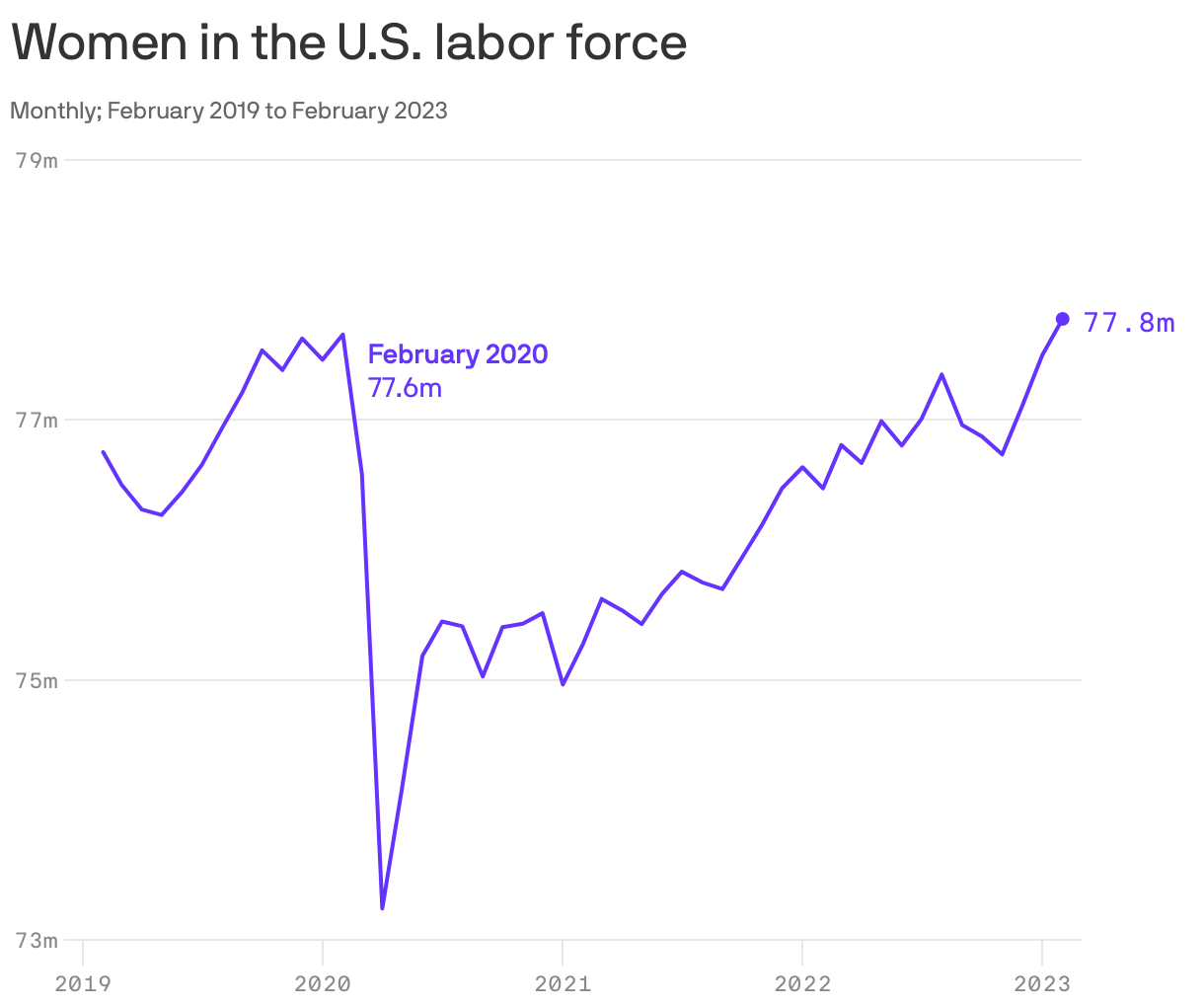
The number of women in the workforce in February was higher than pre-pandemic levels for the first time, according to the latest jobs data out Friday.
Why it matters: The strength of women's return to work was faster than anyone could've imagined just a few years ago when dire predictions about a "she-cession" flooded the news.
The government stepped in Sunday night to guarantee all deposits held at the failed Silicon Valley Bank — but after a brief respite, the crisis flared anew Monday morning as shares of First Republic Bank cratered in premarket trading.
Why it matters: All SVB depositors — even the roughly 90% held in accounts above the Federal Deposit Insurance Corporation's $250,000 limit on insurance — will have access to their money this morning.
Startup CEO Eliza Arnold was in Mexico on a previously planned vacation when she got the first notes Thursday morning suggesting she might want to move some of her funds out of Silicon Valley Bank.
Quickly, the cautious advice turned to urgent conversations that dominated her text messages, a number of WhatsApp threads, as well as several founder Slack groups she's in.
"It went from 0-60 basically over a Thursday night," said Arnold, co-founder of Arnie, which helps manage 401K programs for startups and investors. "By Friday morning it was pure chaos."
Digital health and biotech firms made up a substantial part of Silicon Valley Bank's client base. And its historic failure is raising troubling questions about how much the fallout will hurt emerging health companies in need of capital.
The lightning collapse of Silicon Valley Bank Friday raised the specter of a broad tech-industry crash for the first time since the dot-com bubble burst in 2000.
Driving the news: That threat, which loomed all weekend as legions of the startups that made up the bank's clientele worried about meeting next week's payrolls, receded after the federal government intervened Sunday to backstop depositors' assets even over the $250,000 FDIC threshold.
The second and third largest bank collapses in U.S. history — coming in rapid succession — are prompting a reckoning within Congress about the state of the U.S. financial system.
Why it matters: The vast majority of members of Congress came into office after the 2008 financial crisis. For them, this is relatively uncharted territory.
Why it matters: Despite its name, the bank best known for serving startups as its customers is a global business, with outposts outside of the U.S. in Europe, Canada, Israel and a Chinese joint venture.
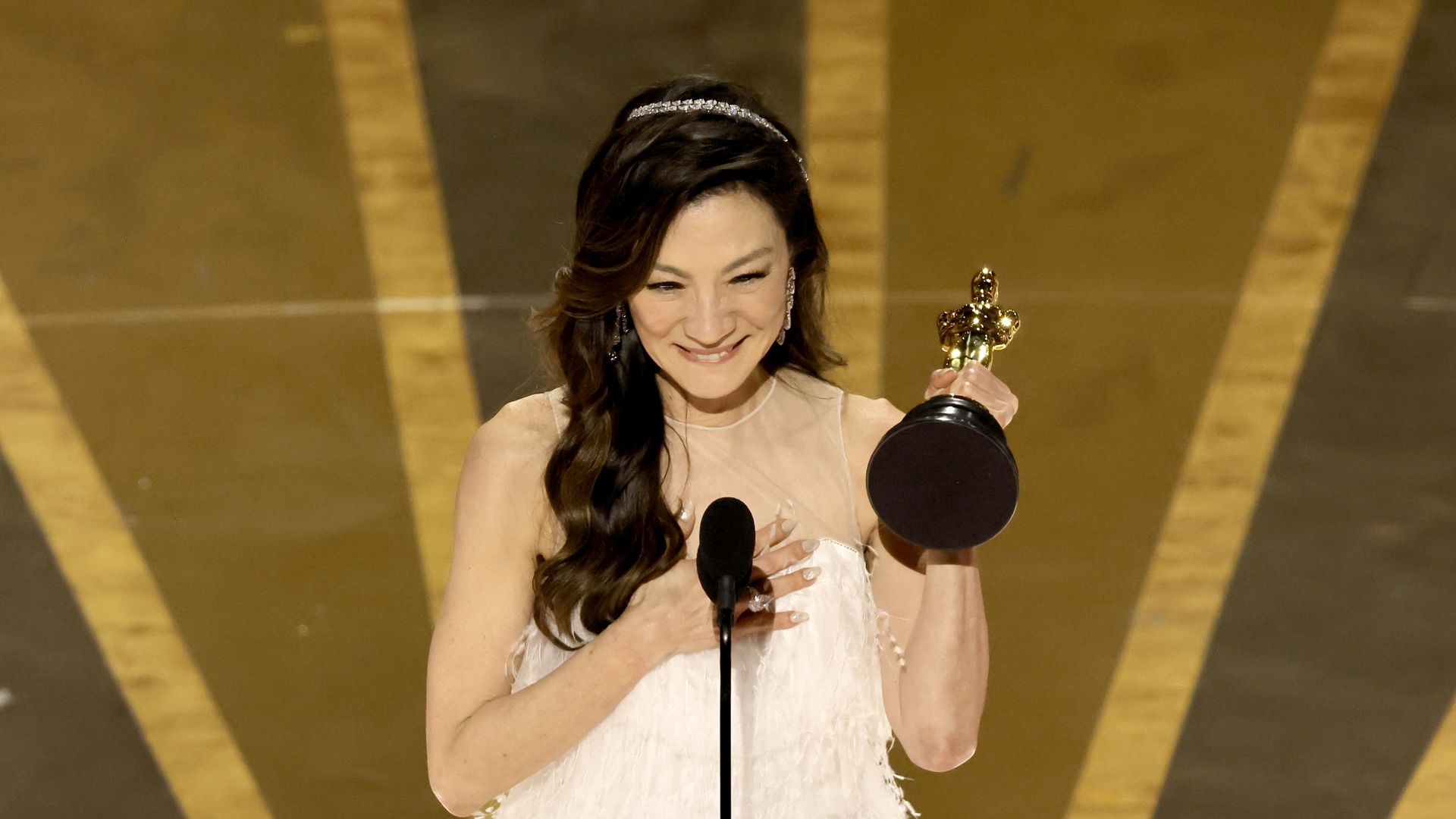
Michelle Yeoh noted while accepting the Best Actress Oscar in Hollywood, California, on Sunday night for her role in "Everything Everywhere All at Once" that this achievement was "history in the making."
Why it matters: Yeoh is the first self-identified actress of Asian descent to be both nominated for and to win the lead actress award in the Oscars' nearly 100-year history, per Axios' Hope King.
A24's science comedy "Everything Everywhere All at Once" took home seven Academy Awards Sunday, including best picture — marking one of the most significant feats for an arthouse film in Oscar history.
Why it matters: The movie also broke new ground for Asian representation in Hollywood, with Michelle Yeoh becoming the first self-identified actress of Asian descent to win the award for best actress and Ke Huy Quan becoming the second Asian ever to win the award for best supporting actor.
The Biden administration is moving to protect some 16 million acres of land and water in Alaska from future oil and gas drilling, according to plans the Interior Department announced Sunday.
The big picture: President Biden's conservation drive comes as climate activists, environmentalists and other groups express concern that his administration will soon approve the ConocoPhillips Willow oil project, a large-scale facility to be located on the North Slope of a swath of land known as the National Petroleum Reserve in Alaska (NPR-A).
Federal banking regulators took aggressive new actions aimed at preventing depositors in failed Silicon Valley Bank from losing money— and at trying to prevent its downfall from unleashing a nationwide run across the banking system.
Why it matters: The extraordinary actions, using tools last deployed in the early days of the pandemic and in the 2008 global financial crisis, are an attempt to avert a broad banking crisis triggered by a run on the bank.