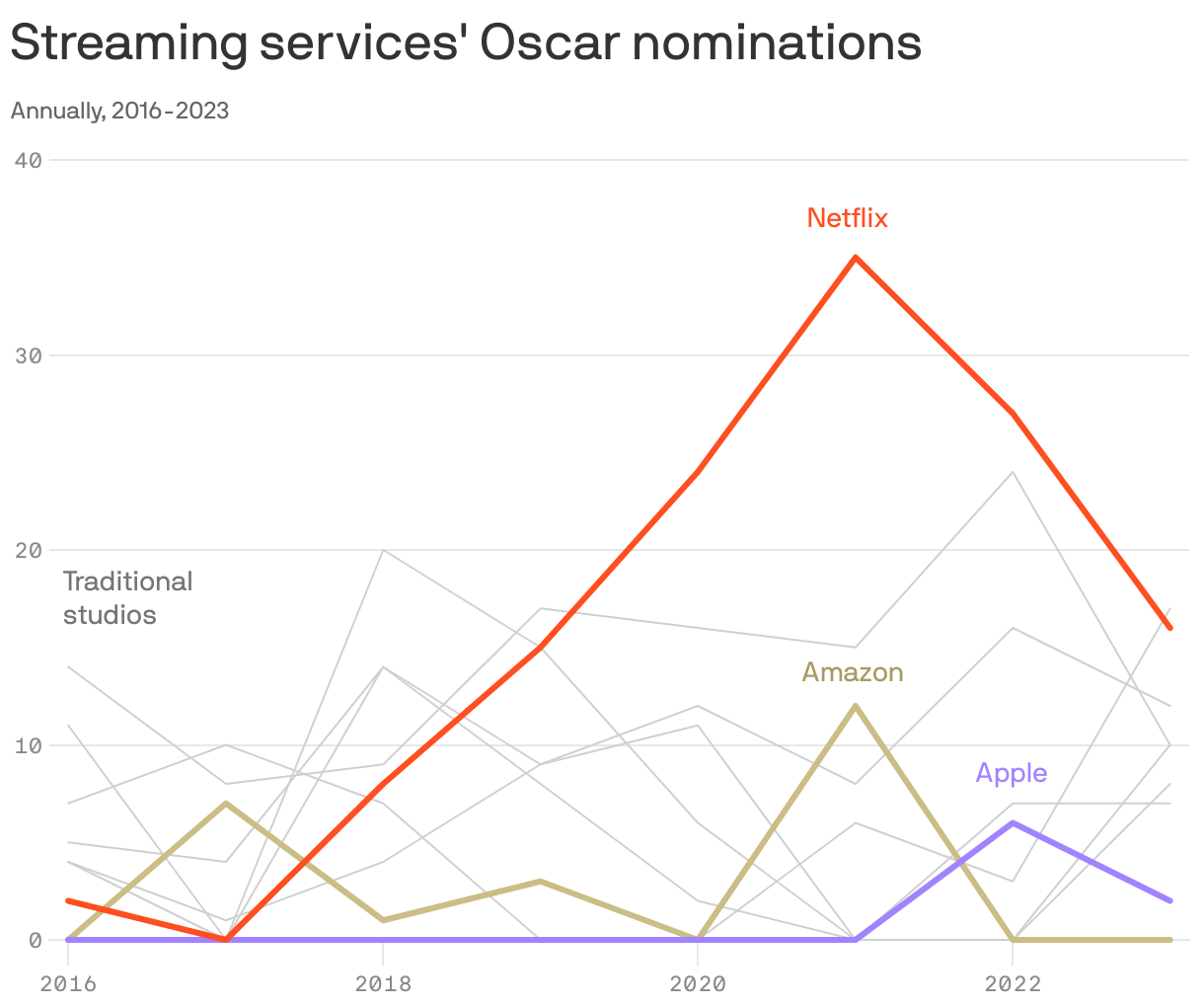
Data: Deadline, Axios research; Note: Traditional studios included are Walt Disney, Warner Bros, A24, Focus Features, Fox Searchlight and Universal; Chart: Madison Dong/Axios Visuals
For the first time in three years, Netflix did not receive the most Oscar nominations of any movie studio.
Why it matters: Tech firms have invested billions of dollars on movies in an effort to bolster their streaming products, but traditional studios are proving their might as they boost their own streaming services and win back momentum at the box office.
The Washington Post is cutting 20 newsroom positions and not filling 30 open positions, The Post's executive editor Sally Buzbee told staff in a note Tuesday.
Why it matters: Layoffs had been a growing source of tension at the company, ever since the plans were announced by CEO Fred Ryan in December. At least 60 people had joined The Washington Post's union since that meeting.
Why it matters: It took an artist as big as Taylor Swift to get the conversation about why Ticketmaster controls so much of the live event industry going again, and now lawmakers have their sights on Live Nation, the site's parent company.
Walmart will raise hourly wages for store workers to an average of more than $17.50, up from $17, the company told U.S.-based employees Tuesday.
Why it matters: The labor market for the retail sector is perennially tight, with nearly 600,000 job openings every year on average over the next decade, or about 14% of total jobs, according to the U.S. Bureau of Labor Statistics.
Sen. Jack Reed (D-R.I.) is asking the Federal Trade Commission to investigate possible price gouging by big egg companies because of the high price of eggs.
Driving the news: Reed sent a letter to FTC Chair Lina Khan Tuesday asking the agency to open an investigation “to examine soaring profits to see if ‘fowl play’ or collusive pricing by industry giants could be unfairly harming consumers.”
New York, a state known for having the most onerous operating requirements, is putting digital asset firms on notice: Don't trip up.
Driving the news: The Department of Financial Services (NYDFS) yesterday reiterated custody and disclosure requirements for holders of its BitLicense and limited purpose trust charter. It's the second such reminder in two months.
The Justice Department and eight states on Tuesdayfiled an antitrust lawsuit against Google's parent company Alphabet, accusing the tech giant of illegally abusing its dominance in digital advertising and violating the Sherman Antitrust Act.
Why it matters: It's the second major antitrust lawsuit filed against Google by the Justice Department in the last three years, and if successful it could force Google sell off much of its ad business.
Japan's crypto exchanges have different rules than exchanges in other parts of the world.
Why it matters: FTX Japan, by all reports, didn't come up short on customer funds, and that could be attributed to the more stringent laws in place for how exchanges in Japan operate.
Why it matters: Prosecutors claimed last week in deliberations on whether Holmes, who was convicted on Jan. 3, 2022, should be considered a flight risk that she had booked a one-way ticket to Mexico later that January.
The traditional story of how the Fed slows the economy to bring down inflation goes like this: It tightens money to curb demand in sectors of the economy sensitive to rates, causing them to contract.
But this time around, something weird is happening. The sectors that traditionally contract when the Fed tightens policy have kept adding workers despite rapid rate hikes.
Driving the news: The e-commerce giant announced the launch of RxPass Tuesday to offer “members affordable access to commonly prescribed generic medications that treat more than 80 common health conditions."
Serta Simmons Bedding, the Georgia-based mattress maker owned by private equity firm Advent International, has filed for Chapter 11 bankruptcy protection.
Why it's the BFD: There's no niche industry that's caused private equity more pain than have mattresses, going all the way back to the infamous "burning bed" deal in the 1980s.
The Associated Press has hired a new leader to oversee the development of its digital presence as it looks to bolster its consumer traffic and make advertising a more substantial part of its revenue stream, its executive editor Julie Pace and chief revenue officer Kristin Heitmann told Axios.
Why it matters: "Most people interact with our content through other news organizations, and that's the core of our business," Pace said. But furthering AP's direct relationship with consumers through digital products presents an enormous growth opportunity, she added.
Local journalism groups representing more than 3,000 local newsrooms have come together to create a new nonprofit that aims to save local news through bipartisan public policy initiatives.
Why it matters: If successful, the Rebuild Local News coalition believes its efforts could create thousands of local news jobs across the country.
Bond investors may be underestimating the financial challenges facing San Francisco, the wealthy West Coast tech citadel, in a work-from-home world.
Why it matters: The persistence of remote work in San Francisco shows how the COVID-driven restructuring of the American office can have broad and unexpected implications throughout the economy — even in the normally sleepy market for U.S. municipal bonds.
Working from home saved workers around the world an average of 72 minutes in commute time everyday in 2021 and 2022. And many of them plowed that time right back into ... working more, according to a new paper published Monday by the National Bureau of Economic Research.
State of play: In the U.S., remote work saved an average of55 minutes a day, per worker, according to the working paper. The researchers looked at two surveys of employees who worked mainly from home at some point during the pandemic, conducted over the past two years.
The big picture: For years, automation was perceived as a threat mostly to physical labor and operations work, not creative types, but the latest wave of AI has flipped that script.
President Biden will deliver a major economic speech this week spotlighting fringe economic proposals championed by House Republicans — including a controversial bill to abolish the IRS and replace it with a 30% national sales tax.
Why it matters: With a divided Congress, the political battle over the economy for the next two years will be more about perception than actual policies. Biden wants to build a narrative for his case by bludgeoning Republicans with their own words.
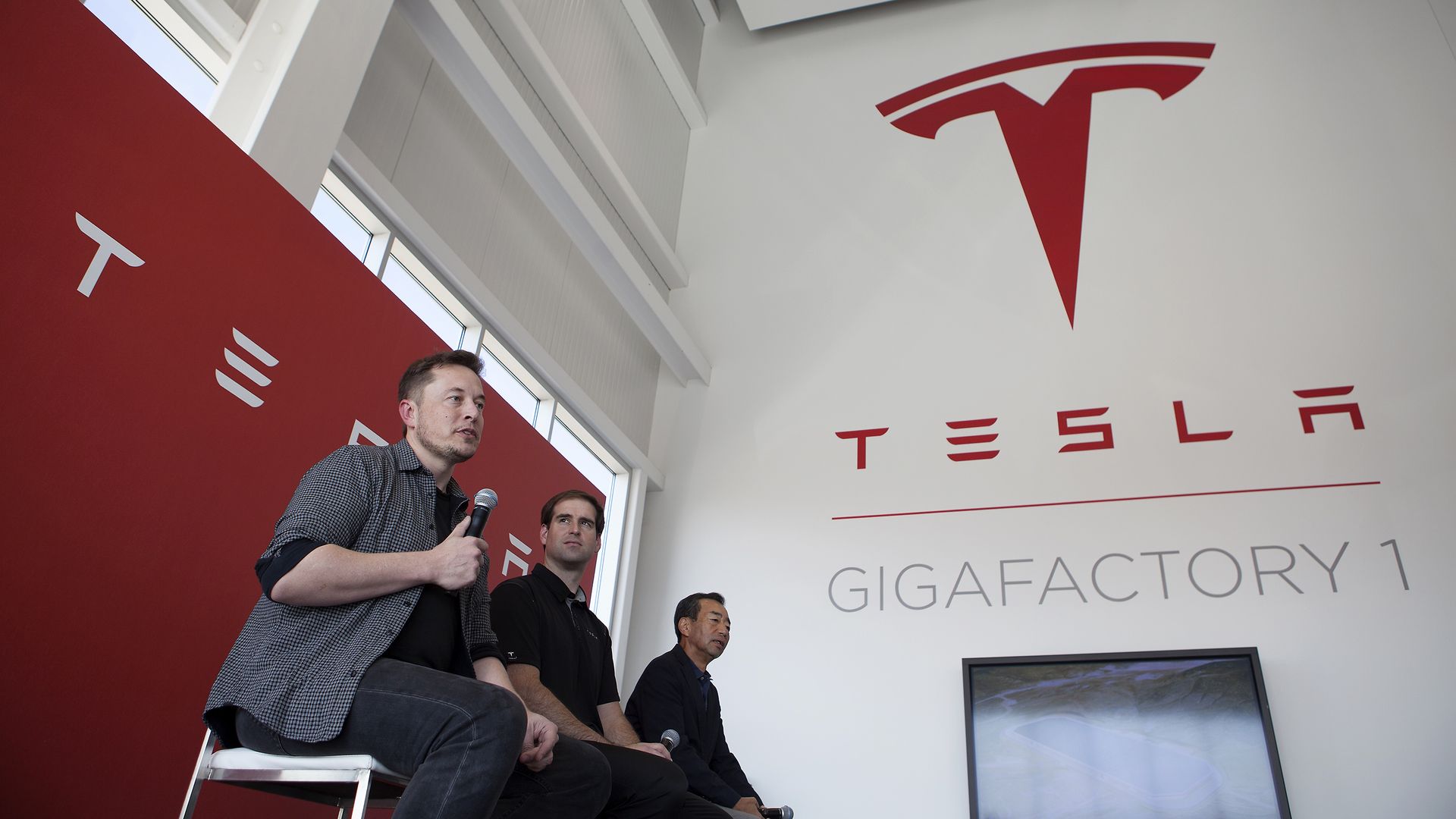
Elon Musk admitted in court on Monday that he wanted Tesla shareholders to rely on his infamous 2018 tweet that he had "funding secured" to take the automaker private, despite his repeated attempts to say that he only believed he could secure the money.
Why it matters: One of the questions the jury is tasked with deciding is whether the Tesla CEO's tweets were material — that is, significant information that could impact investor decisions.






















/2023/01/24/1674576137592.gif?w=3840)