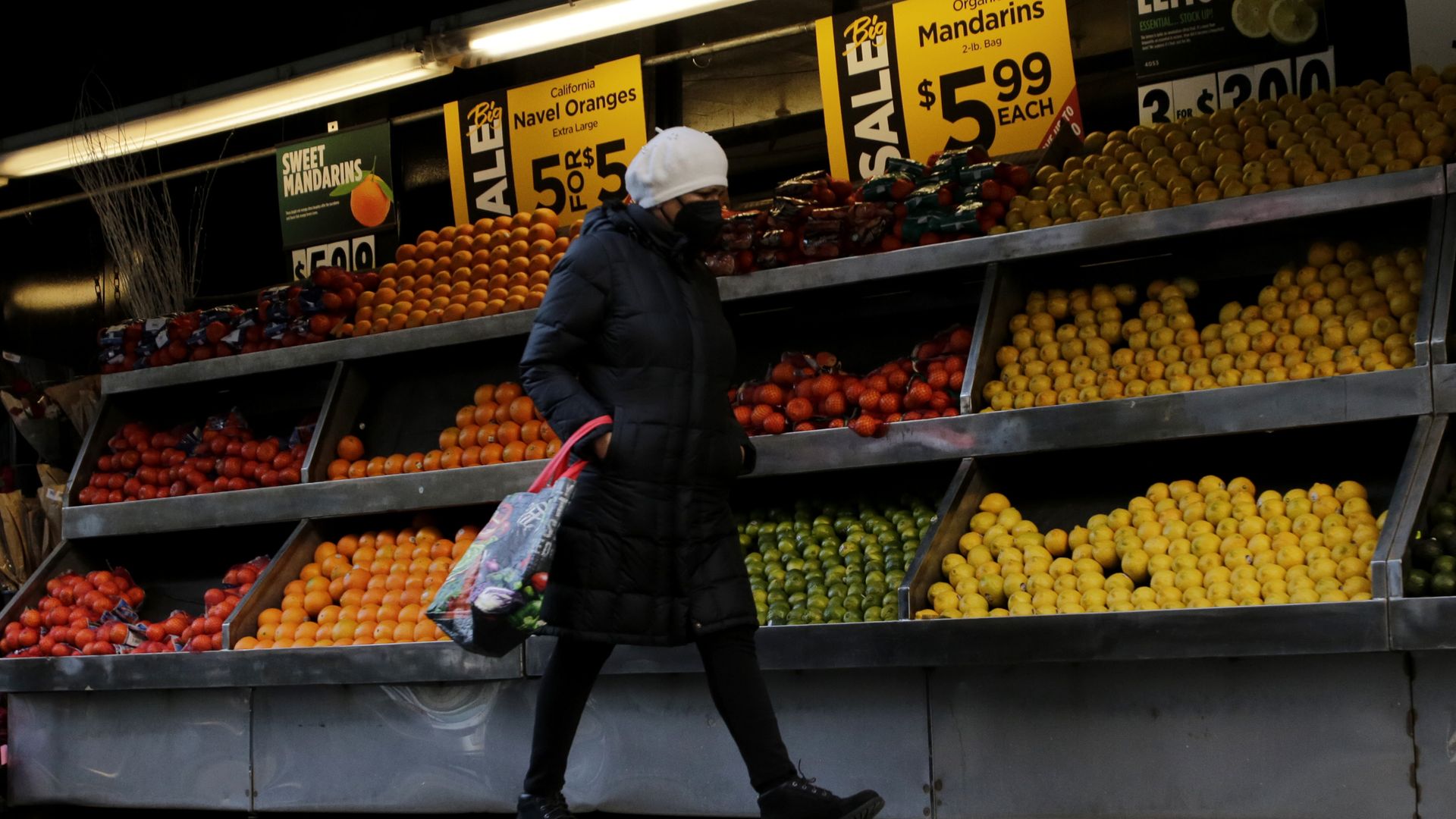
The big picture: The end of theemergency allotments aimed at combating food insecurity will impact more than 41 million Americans who received the increased benefit last year alone.
The first two months of the year have left Asian Americans reeling as they attempt to reconcile their reality with a seemingly unending string of violence — and many are homing in on the lack of mental health care available to some of their most vulnerable.
The big picture: Amid recent high-profile attacks and the larger surge in anti-Asian hate, young Asian Americans — for whom the leading cause of death was suicide even prior to the pandemic — are calling on schools to invest in the sustained mental health resources they need to cope.
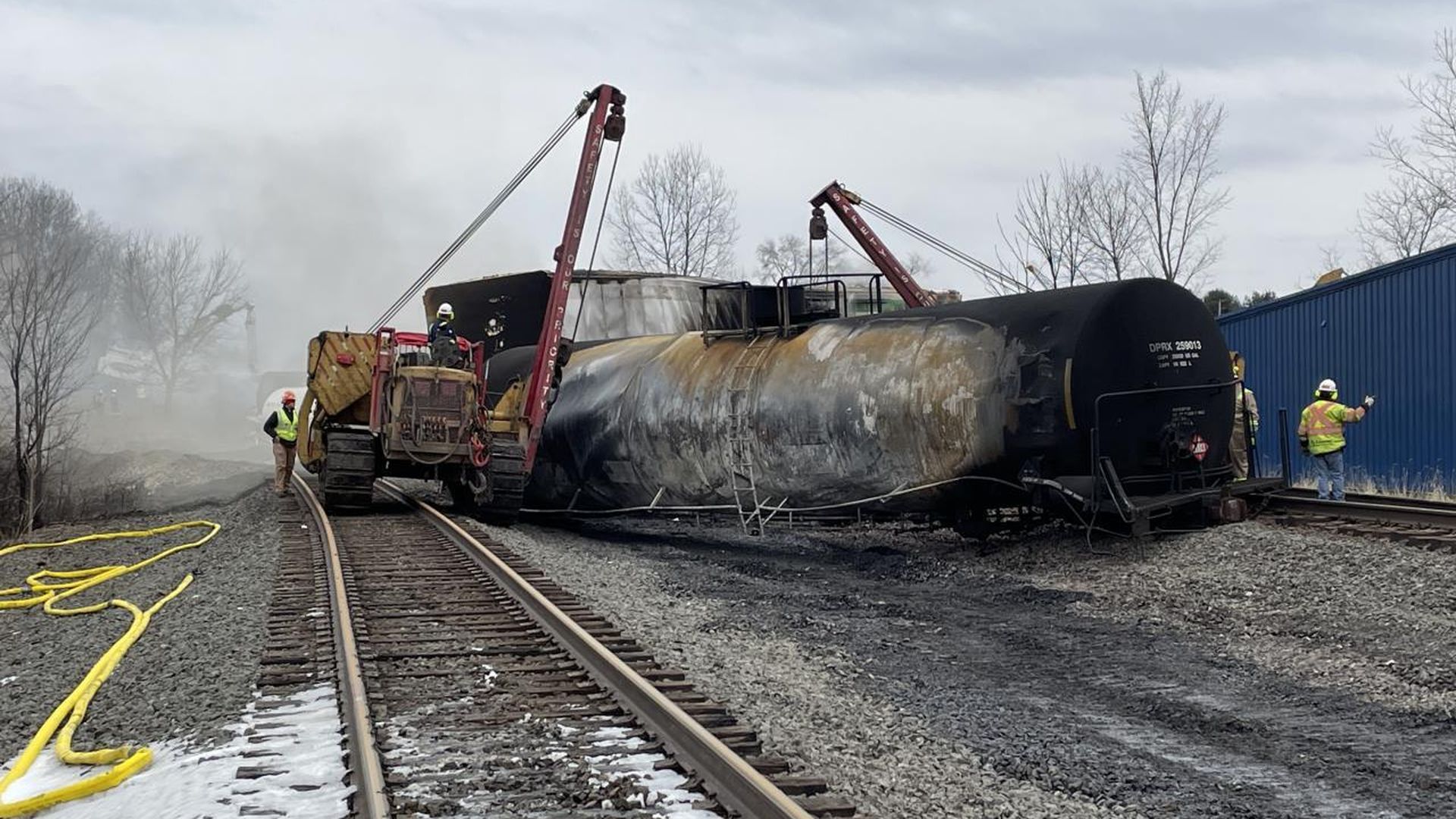
Officials in Texas and Michigan are raising concerns about the water and soil transported from the East Palestine train derailment into their jurisdictions.
Why it matters: Their comments come as East Palestine residents report diagnoses of bronchitis and other conditions which they attribute to the crash. The freight train was carrying hazardous materials, including the carcinogenic gas vinyl chloride, when it derailed on Feb. 3 and forced the company to release and burn the contents of several cars.
Over the last several years, the venture capital industry has made countless pledges about hiring and funding more Black investors and entrepreneurs. However, venture dollarsunder Black management remain small.
By the numbers: Of the U.S. venture assets under management (about $1.42 trillion) in 2020, a slim 1% worth of capital was managed by Black investors, according to data compiled by Harvard Business professor Paul Gompers and Cleo Capital managing director Sarah Kunst.
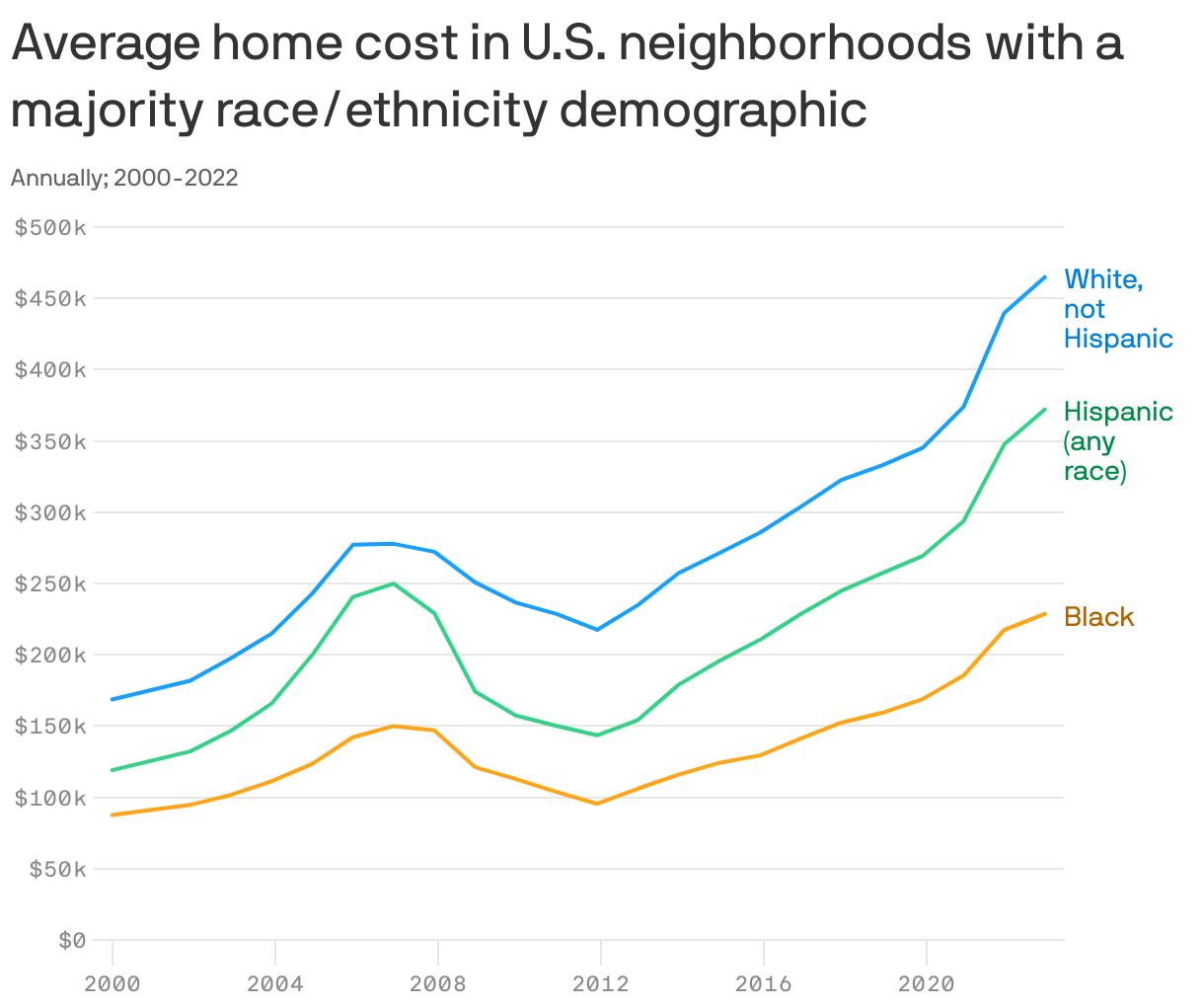
Data: Redfin; Note: Majority neighborhoods defined as U.S. Census tracts in which demographic makes up more than 50% of owner-occupied households; Chart: Tory Lysik/Axios Visuals
If you're looking for affordable housingin America, much of it is in majority-Black neighborhoods, thanks in large part to the legacy of structural racism. The average such home costs less than half the price of a house in areas where most people are non-Hispanic whites, which is one major driver of gentrification.
Why it matters: Black Americans have a higher proportion of their wealth tied up in home equity than their white counterparts, but the value of that home equity has been growing much more slowly.
In 2019, per the Fed's Survey of Consumer Finances, the average Black family had a net worth of $142,500, of which about $90,000, or 63%, was equity in the family's primary residence.
In comparison, the average non-Hispanic white family had a net worth of $983,400, of which $261,500, or 27%, was in the primary home.
If you can manufacture something in high demand, then you have a huge incentive to create more of that thing — whether it's watches or sneakers or shares of a company. When that happens, the law of supply and demand tends to ensure that the secondary-market price of that object is likely to fall.
Why it matters: The price of collectibles seems to be falling back into vaguely rational territory. There are lots of reasons why that might be happening, but the simplest possible explanation is just that more of them are being made.
Fees combined with price increases are weighing on food delivery orders.
Why it matters: Early rumblings of a potential consumer pullback on delivery are appearing, and the biggest players in the game — whose businesses soared during the pandemic — are getting creative to lure customers as the costs pile up.
For a while there, it was looking like a dream scenario for the U.S. economy just might be coming true: inflation falling while the job market remained robust, and the pain caused by Federal Reserve tightening confined to a few industries.
Alas, it hasn't quite worked out that way in the recent run of data, with prices staying stubbornly high.
Penguin Random House announced Friday it will publish untouched "classic" versions of Roald Dahl's children's novels after the publisher faced widespread backlash for deciding to edit his stories for younger audiences.
An inflation index tracked closely by the Federal Reserve rose 0.6% in January, as prices for the goods and services that Americans consume jumped at a faster pace, the Commerce Department said on Friday.
Why it matters: The report also showed that consumers' spending increased and after-tax incomes rose last month. Taken together, these indicators are the latest evidence that the U.S. economy started the year on a strong note — bucking signs of a slowdown at the end of last year.
A warm winter, strong production and rising inventories have clobbered U.S. natural gas prices.
Why it matters: The tumble in natural gas prices — which should translate into lower electricity and heating bills for many consumers — is another helpful force pushing inflation lower.
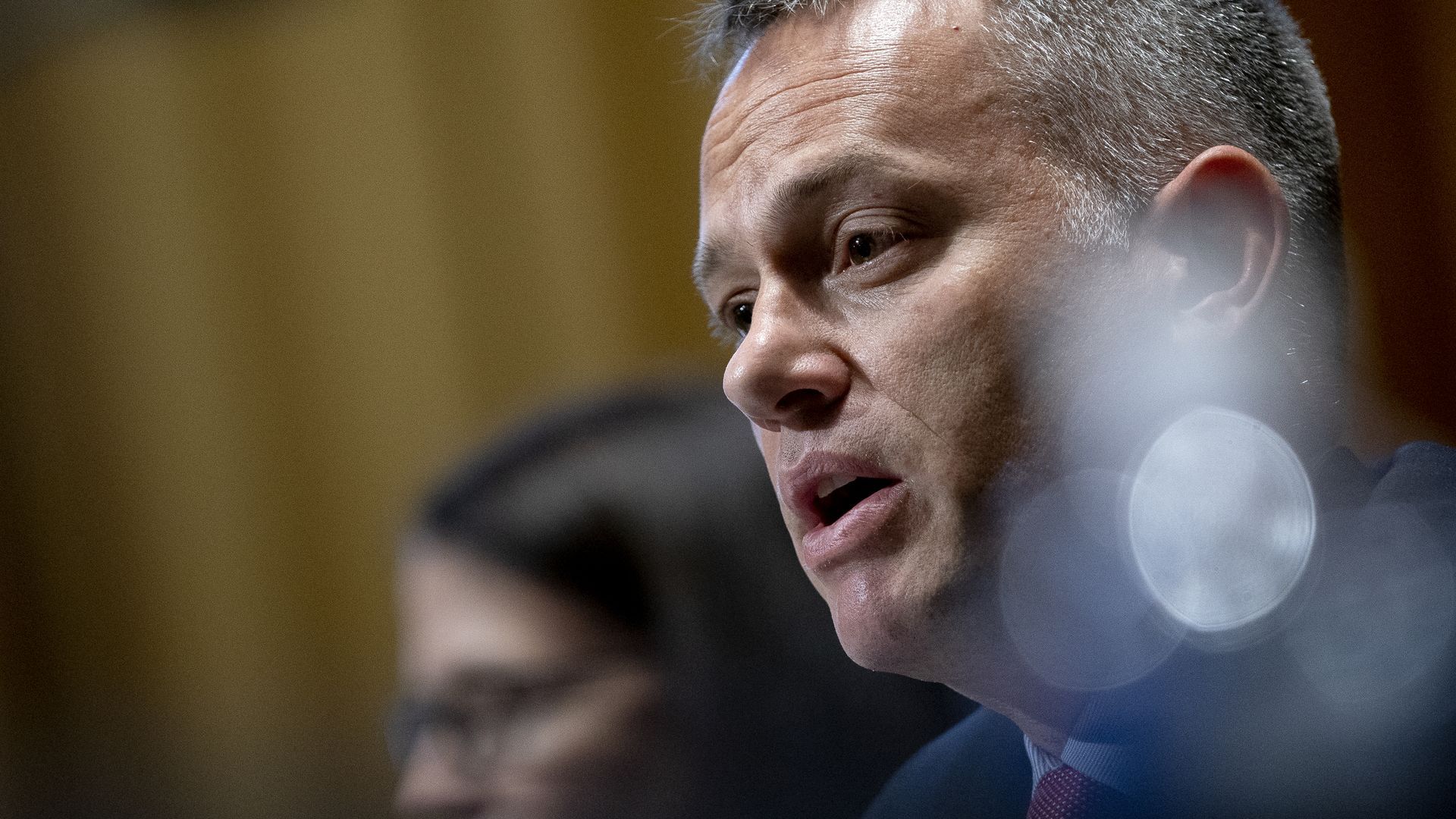
More details emerged yesterday about what caused the Norfolk Southern train derailment earlier this month, an accident that's captivated public attention and drawn partisan ire.
Why it matters: Accusations, speculation, conspiracies and finger-pointing flourished in the information vacuum following the Feb. 3 derailment — turning it into a kind of Rorschach test for politicians, industry insiders and the public. Yesterday's report offers a more fact-based understanding of events.
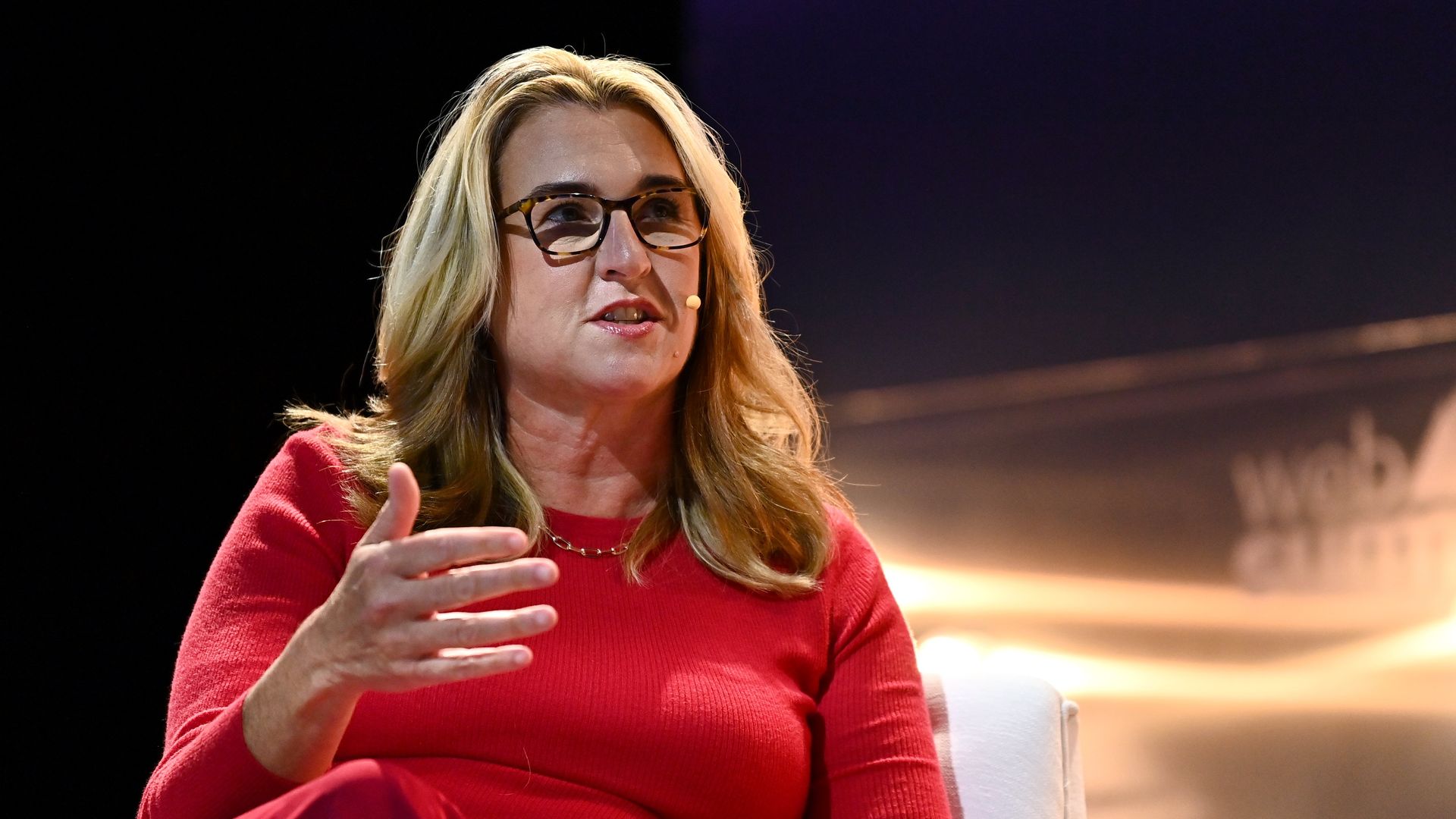
Ajay Banga, the former CEO of Mastercard, is going to be the next president of the World Bank.* His nomination came as a surprise — but precisely because it was so unexpected, it tells us a lot about the importance with which the U.S. views change at the Bank.
Why it matters: Reading between the lines, the nomination of Banga underscores what Treasury Secretary Janet Yellen has called an "urgent" need for profound change and reform at the institution.
Commercial window washing is still handled primarily by humans on scarily high perches, but now — thanks to a handful of startups — robots are poised to disrupt the industry.
Why it matters: It's safer and faster to use a robot to cleanse a skyscraper — plus, they don't need meals or smoke breaks.
Brad McCarty — head coach of the men's soccer team at Messiah University in Mechanicsburg, Pa. — is one of the winningest and dogmatically philosophical coaches in soccer.
One of the things this Division 3 coach preaches to his players is choosing excellence over success as the end goal.
Ben Harris, the chief economist at the Treasury Department and a key architect of President Biden’s price cap on Russian oil, is preparing to leave the administration in the coming weeks, Axios has learned.
Why it matters: Harris, a longtime Biden adviser, played a leading role in developing the president's Build Back Better agenda during the campaign — then helped get parts of it signed into law.













/2023/02/24/1677266665924.gif?w=3840)

/2023/02/24/1677246062736.gif?w=3840)