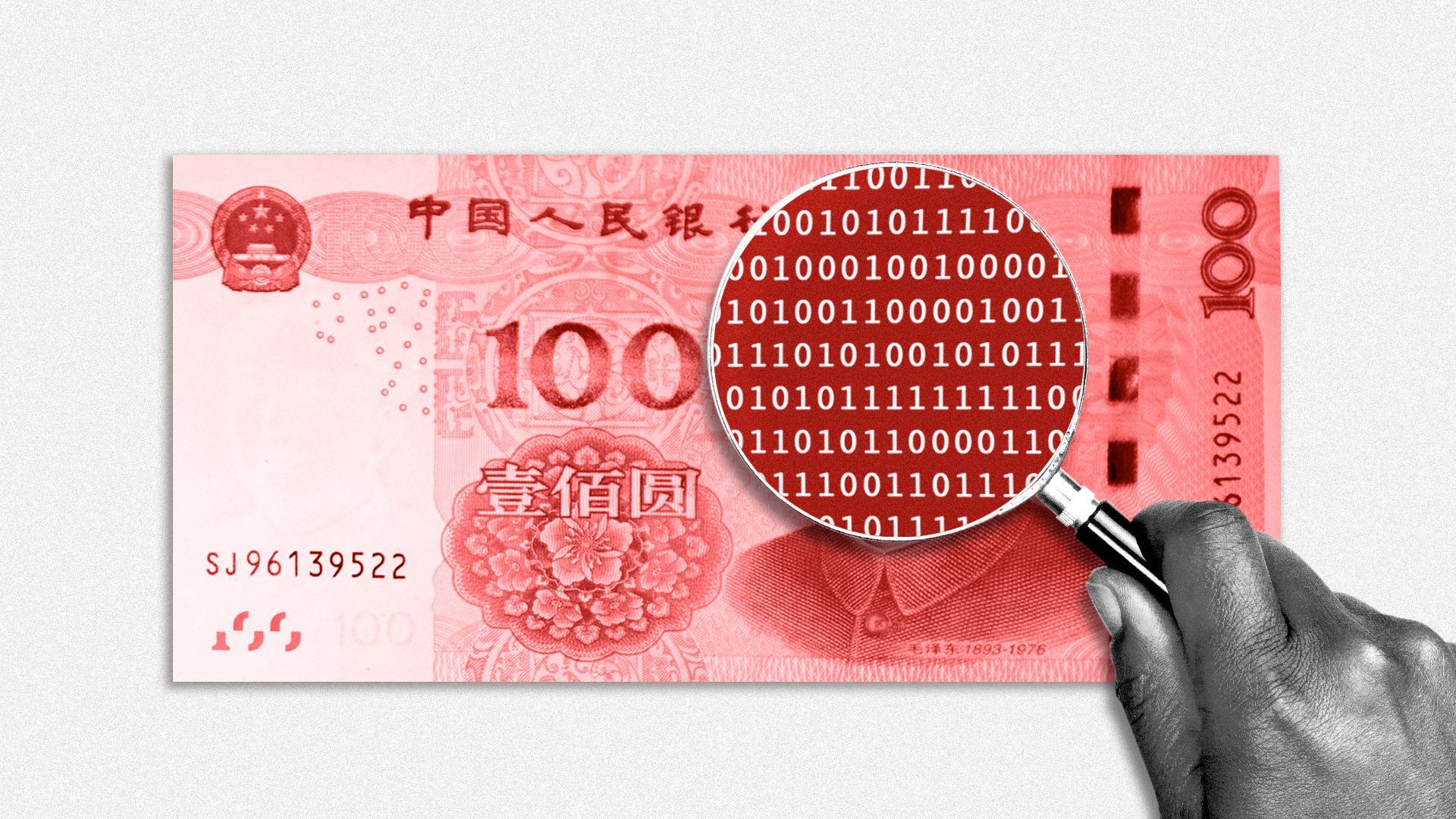
The Senate moved Tuesday to require U.S. investors to notify the Treasury Department when they take stakes in Chinese companies in certain sectors, such as artificial intelligence and quantum computing.
Why it matters: The 91-6 vote is a barometer for how willing the Senate is to impose new rules for outbound investment, as both Congress and the White House explore ways to ensure that China’s military does not achieve a technological advantage over the U.S. and its allies.
General Motors raised its earnings outlook Tuesday with one giant caveat — forget the whole thing if its hourly workers go on strike.
Why it matters: The United Auto Workers (UAW) union has been threatening a strike as it begins contract negotiations with GM, Ford and Stellantis for deals that expire in mid-September.
Nearly every major social media feature has been copied or iterated on by rival apps, causing most major social media platforms to begin to look the same.
Why it matters: Social media giants have a long track record of adopting popular features and integrating them into their own apps to stay competitive. Their key points of differentiation are increasingly becoming their philosophies, values and use cases.
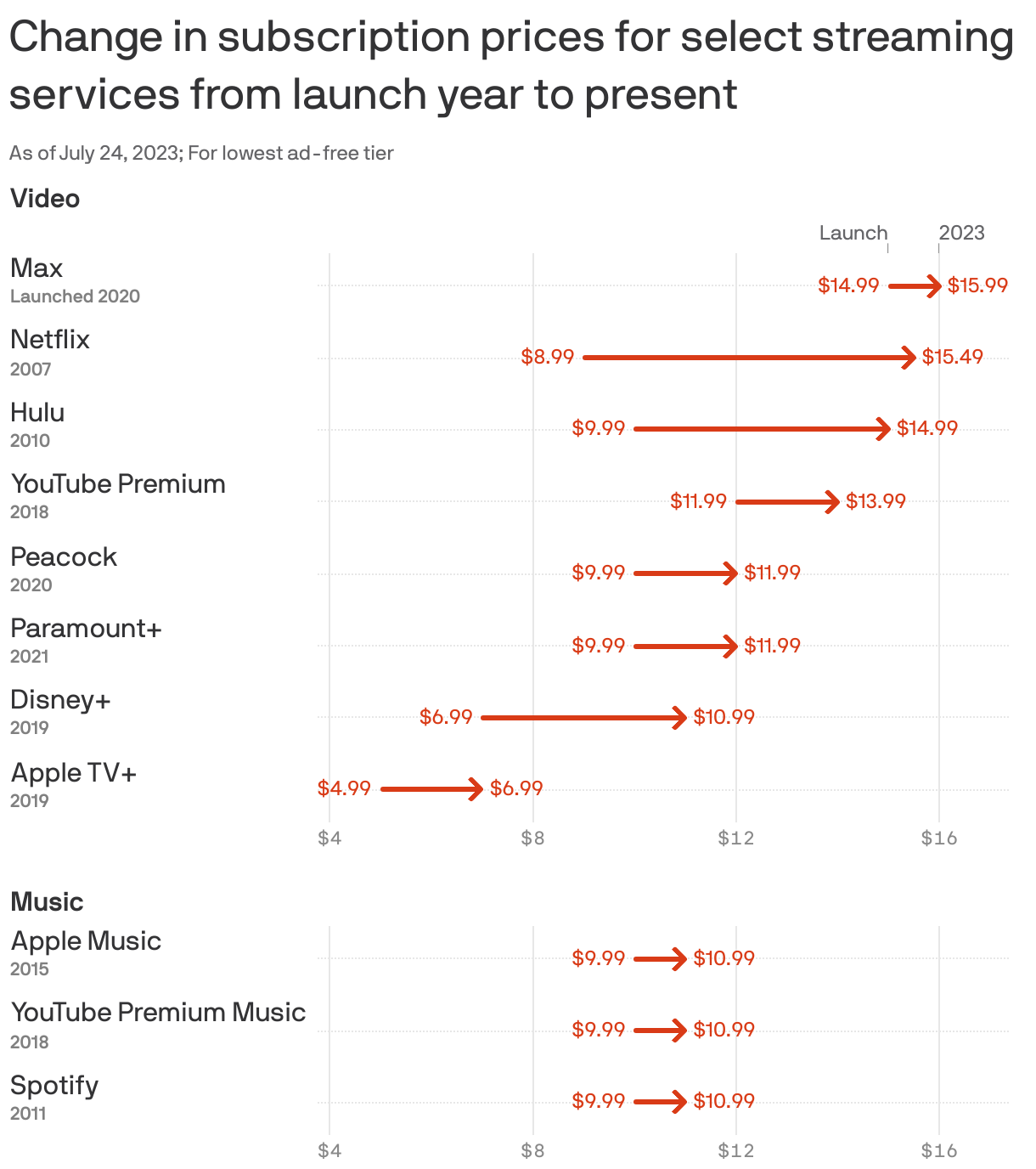
Every major subscription streaming company has increased its prices in the past year in an effort to address Wall Street's push for profits.
Why it matters: The average consumer is willing to pay roughly $42 monthly for streaming services, according to a recent survey. With prices rising, more consumers are being forced to lean into cheaper ad-supported options.
A dual Hollywood strike is threatening releases of big-budget shows and movies.
The latest: SAG-AFTRA, the union that represents Hollywood actors, went on strike earlier this month, joining the writers union who have been on strike since May.
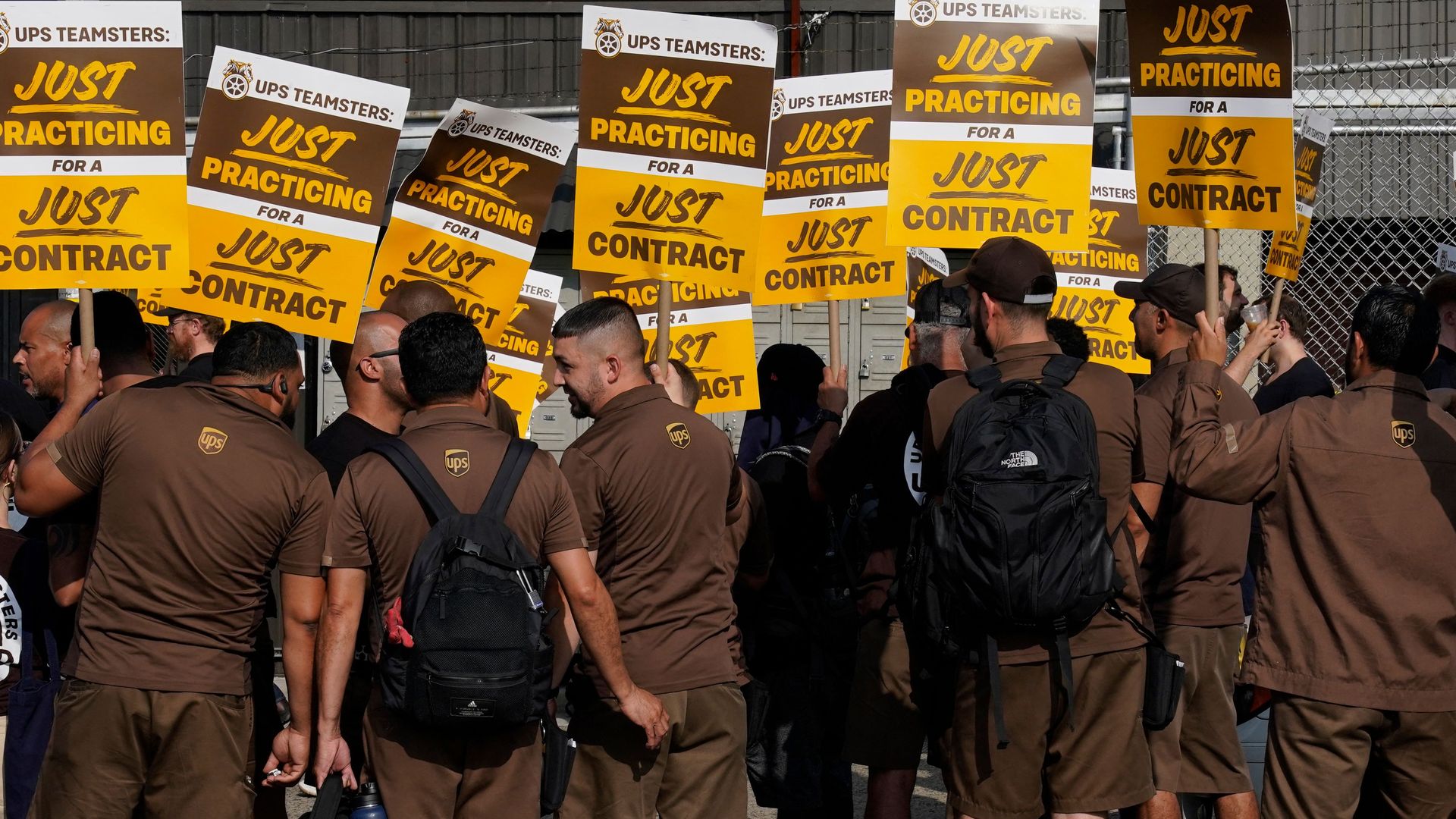
UPS reached a tentative deal with its union on Tuesday, averting a much-feared strike.
Why it matters: The tentative deal comes just days before the date that the union, representing 340,000 workers, would have walked off the job. Such a massive work stoppage would've had a destabilizing impact on the economy.
Tone Vays is a bitcoin investor and entrepreneur who believes the next bull market for the original cryptocurrency has already begun.
Why it matters: When bitcoin goes up, the whole market goes up — and a speculative frenzy in more volatile assets will likely get going along the way. Vays is not at all into any of that, but it's inevitable.
Gone are last year's bleak warnings that the global economy is headed for a sharp slowdown. While caution still remains, there is renewed hope that inflation will keep retreating as growth proves more resilient.
Driving the news: That is the view from the International Monetary Fund's latest outlook for the global economy in the years ahead, released on Tuesday, which projects global growth will be 3% this year — 0.2 percentage points higher than they anticipated in April, but slower than last year's 3.5% global growth.
A breakout of better feelings about the economic situation is underway this summer.
Driving the news: The Conference Board said Tuesday that its consumer confidence index jumped to 117 in July, up from 110.1 in June. That marks the highest level in two years and follows a similarly big surge from last month.
Stark disparities in salaries and tenure exist between white newsroom workers and people of color at Forbes, according to a union study obtained by Axios.
Why it matters: The study results come as Forbes' union and management continue to battle for a contract, bolstering the union's concerns of inclusion that it's raised since joining the NewsGuild of New York in 2021.
Details: The survey, parts of which were shared in March, found the union's 61 full-time white members make $94,360 on average, almost $15,000 more than its eight Black members and $7,000 more than its 10 Asian members.
The six Hispanic or Latino staffers in the union outearn white members, on average, earning $99,750 annually.
The study also said the 20 longest-tenured members are all white and that no current staffers who have worked in the Forbes newsroom for at least 10 years are people of color.
The Forbes union previously shared on Twitter that women in its bargaining unit make $11,237 less than men. The specific numbers, according to the full study obtained by Axios, are that men in its unit make $99,630 on average, compared to $88,350 for women.
What they're saying: In response to the survey, Forbes managing editor Joyce Bautista Ferrari said in a Slack message to staff seen by Axios that the guild "cherry-picked" the data and said it "fails to take into consideration different types of jobs that exist in the newsroom, skills required for varying roles, years of experience, expertise and many other factors that affect compensation decisions."
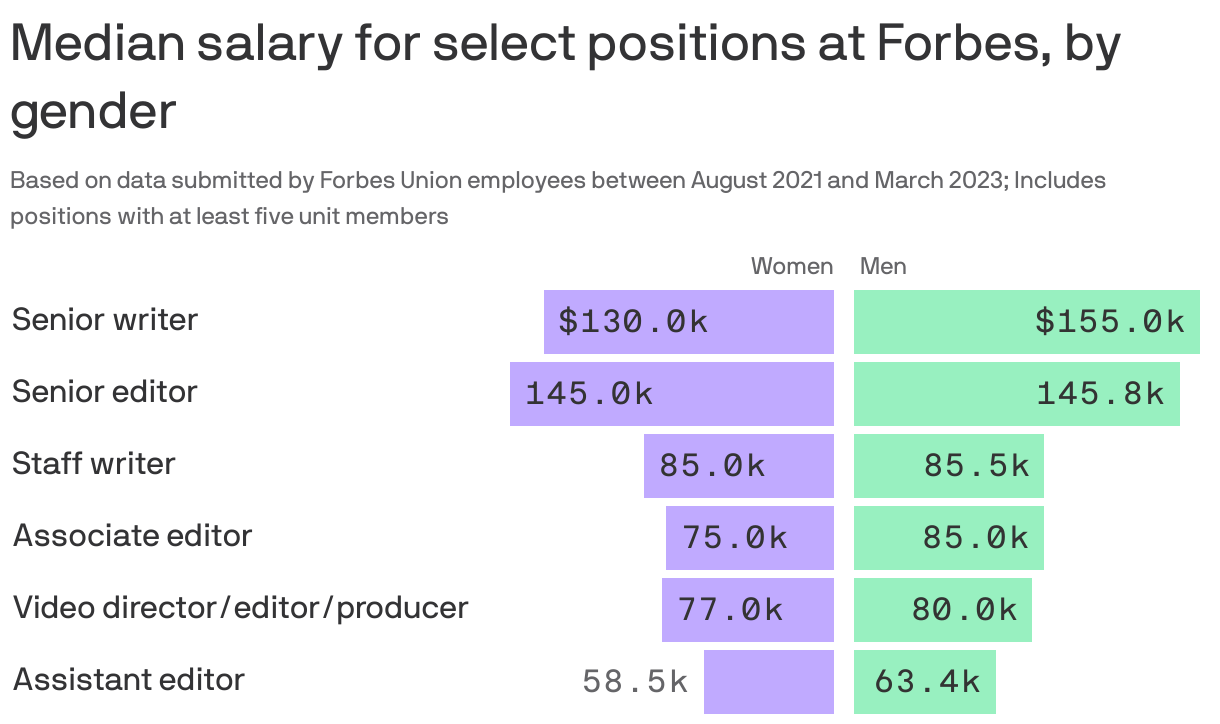
Data: Forbes Union; Chart: Axios Visuals
The guild, which represents around 100 Forbes newsroom workers, acknowledged some of those factors in its study.
"It's difficult to draw too many conclusions from the data by race because Forbes has routinely struggled to hire and retain staffers from underrepresented backgrounds, and the newsroom itself is smaller relative to other national media organizations with similar reach," the study read.
The Slack exchanges between management and staffers, as well as the additional pay disparity data, have been previously unreported. Forbes declined to comment for this article.
"I think we were expecting a little more compassion and acknowledgment that this was something they're looking into and hoping to address," Hank Tucker, vice chair of the Forbes union and a staff writer, said to Axios, regarding Forbes' response to the survey.
Of note: Forbes has taken on DE&I initiatives. In 2020, it launched the Forbes Scholars program in partnership with Morehouse College to place HBCU (historically black colleges and universities) students and graduates into the newsroom for the summer.
Context: Other newsroom unions have created studies on pay equity and shared them internally and publicly during contract negotiations.
NewsGuild published a study in 2021 of 14 unionized newsrooms owned by Gannett in which women earned $9,845 less than the median salary of men. A Gannett spokesperson at the time said the information was outdated and criticized the methodology.
NPR's union found in 2022 that 75% of employees within its three highest salary bands identified as white. NPR executives acknowledged the pay gap issues internally.
The big picture: Tensions between the union and management come as Forbes prepares to transition its ownership to 28-year-old tech entrepreneur Austin Russell, who is relying on a number of outside investors to help fund his bid to buy the company.
Should the deal close by its deadline on Nov. 1, Russell may choose to shake things up at the company, including its management structure.
"I think people are, in general, cautiously optimistic," Tucker says. "Austin Russell has been in a town hall with us where he's saying, basically, he's going to be pretty hands off from the newsroom. ... Maybe he'll be more receptive to address some of [the pay issues] and resolve it, and we'll be able to move on from that."
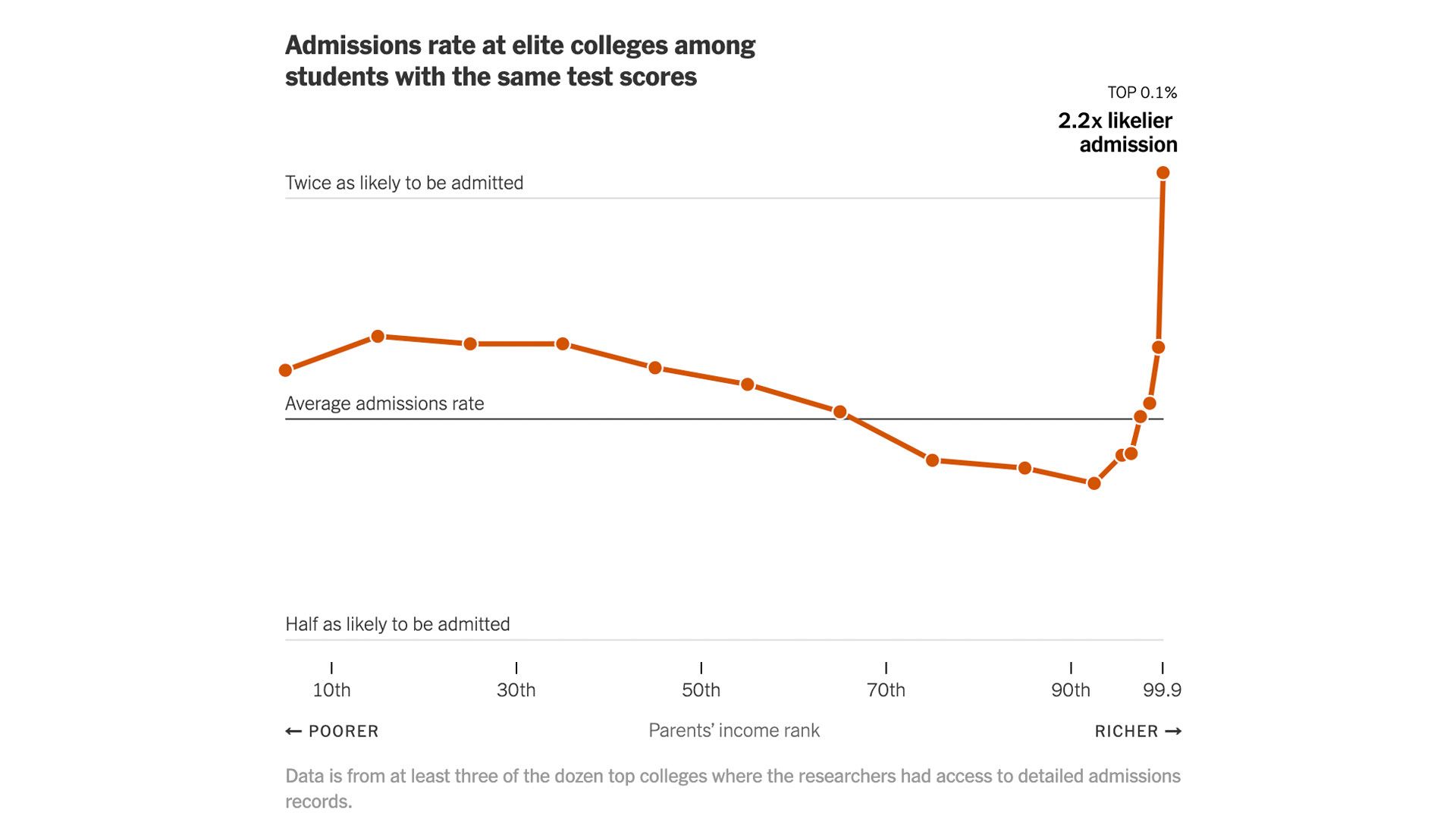
Children from ultra-wealthy families are more than twice as likely to gain admissionto Ivy League schools compared to others with comparable test scores, finds a widely shared new working paper from a group of Harvard economists who study inequality.
Why it matters: Even as the U.S. Supreme Court just eliminated racial preference in college admissions, the data show another kind of bias — that is, toward the very wealthiest applicants (who are disproportionately white).
The “every VC fund is an AI fund” meme is starting to quickly become reality.
Driving the news: Andreessen Horowitz announced this morning the hiring of Anjney Midha. The Ubiquity6 co-founder and former CEO is joining the firm to lead its artificial intelligence investing efforts.
Elon Musk's bet-the-house, against-the-odds gamble on Twitter is about to get substantially riskier — with exponentially higher stakes.
Why it matters: Musk is obsessed with killing the Twitter name, and transforming the platform into a merger of a moneyless marketplace + public square + video content factory — his everything vision for an everything app.
The blowout success of Taylor Swift's "Eras" tour, combined with the record box office juice of the "Barbie" movie, is helping to buoy the economy and prevent a recession.
Why it matters: Beyoncé should have been an economist — her 2011 observation that it's girls who run the world is now showing up in microeconomic aggregates.
Move over, fake IDs: Biometric systems that can "read" a person's face or palm image and determine if they're too young for a beer are gaining traction at sports stadiums and liquor shops.
Why it matters: While these tools are handy for alcohol sellers — and can offer more privacy for consumers than handing over a driver's license to a store clerk — they tap into fears about potential abuses of facial recognition systems.