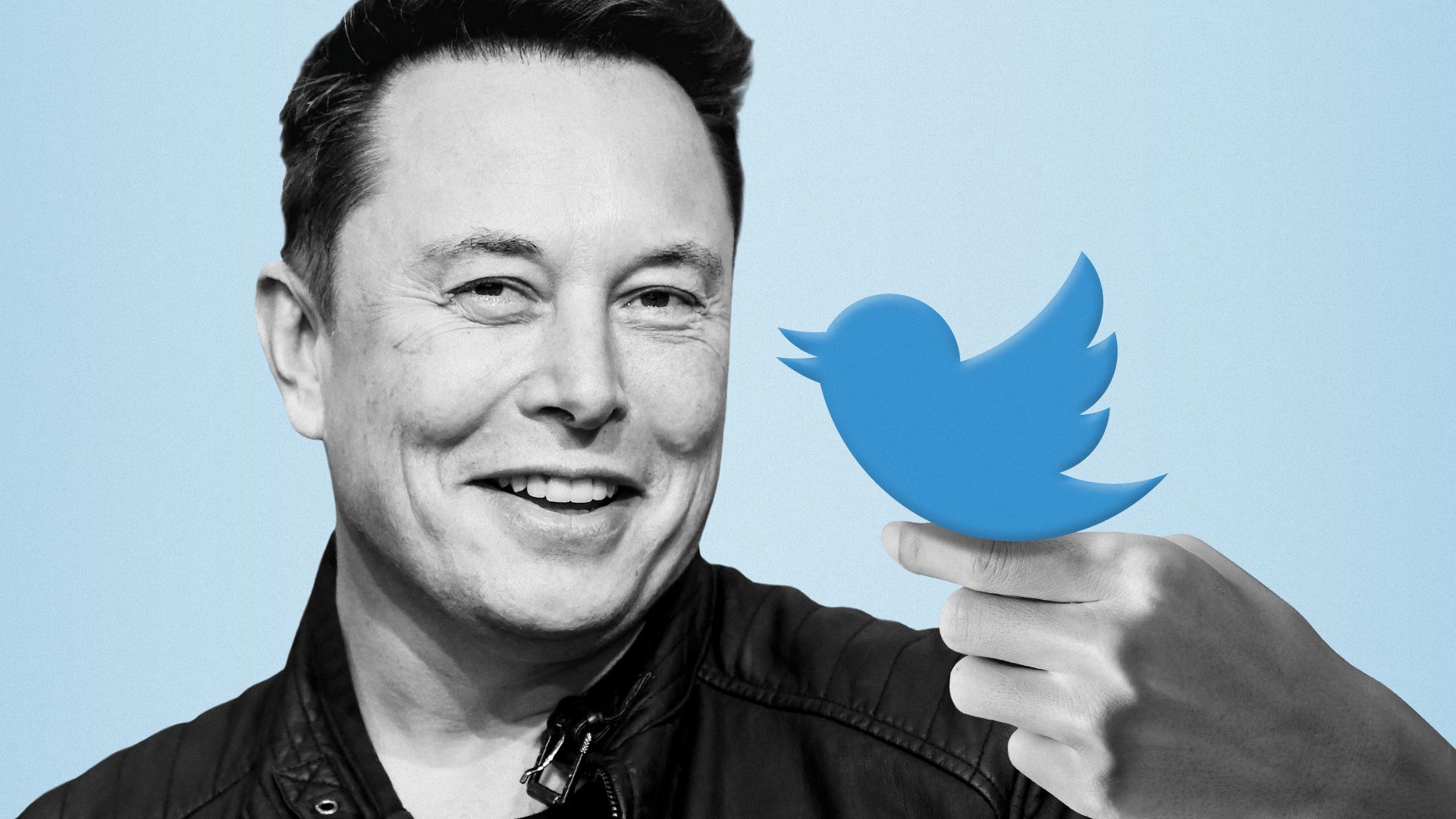
In a series of tweets Sunday, Elon Musk said he plans to soon replace Twitter's decade-old logo of a small blue bird with a new, yet-to-be-decided logo featuring an "X."
Why it matters: It’s the latest effort by the billionaire mogul to phase out Twitter’s branding, which hundreds of millions of people have become familiar with globally over the past decade-plus.
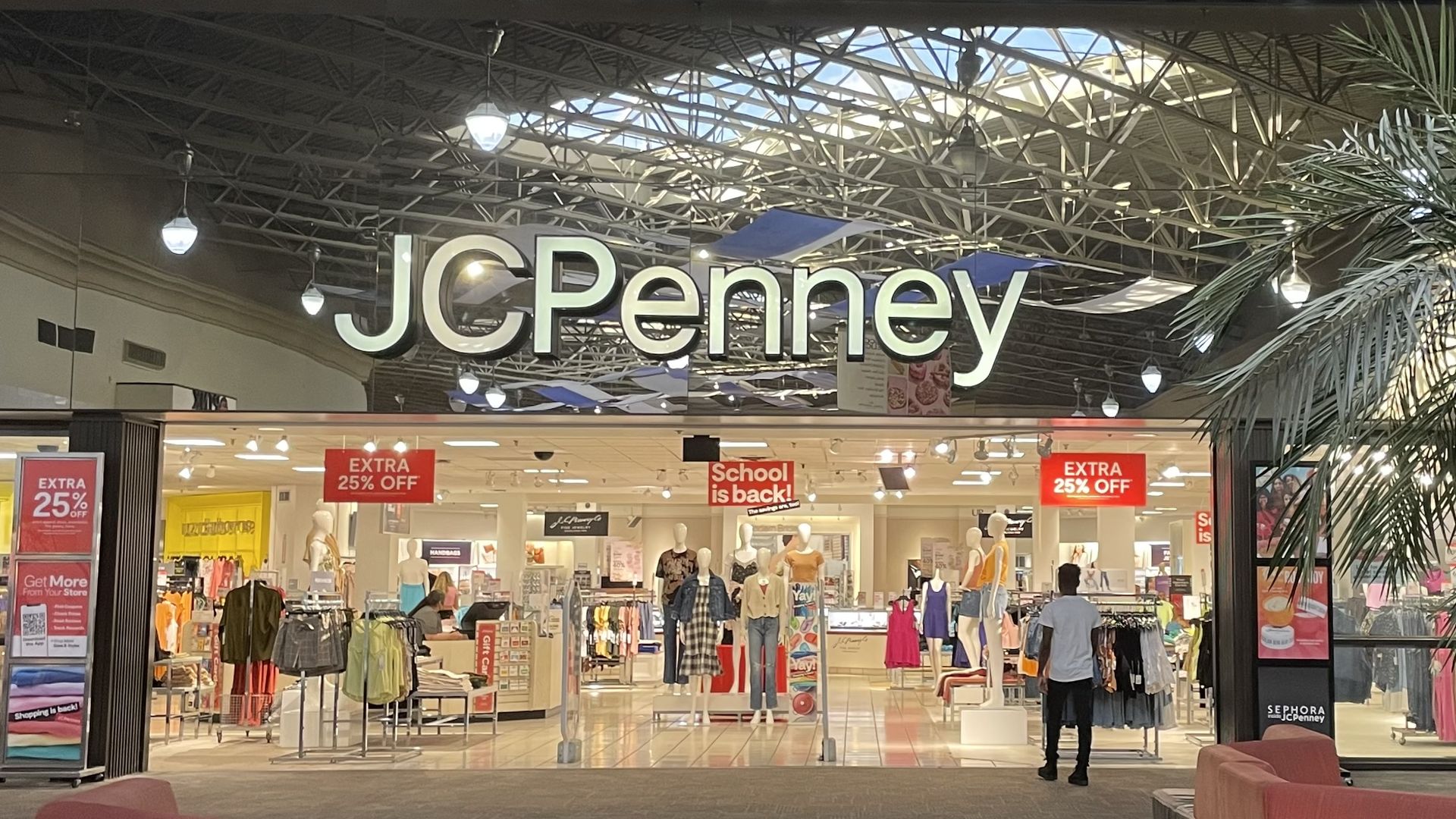
As JCPenney continues its bid to reinvent itself after bankruptcy, the retailer is dipping back into an old-school playbook with a head-turning deal.
Why it matters: The highly competitive back-to-school shopping season is here but Americans are spending at a more measured pace as inflation pressures continue.
Americans' bank account balances have been falling for more than two years. That means we've lost some — not all — of our pandemic-induced proclivity to sit on a fat buffer of cash savings in case disaster strikes again.
Why it matters: There's still a broad temptation to compare the current world to the pre-pandemic normal — but, more than three years after the traumatic 2020 recession, people are increasingly getting used to something different.
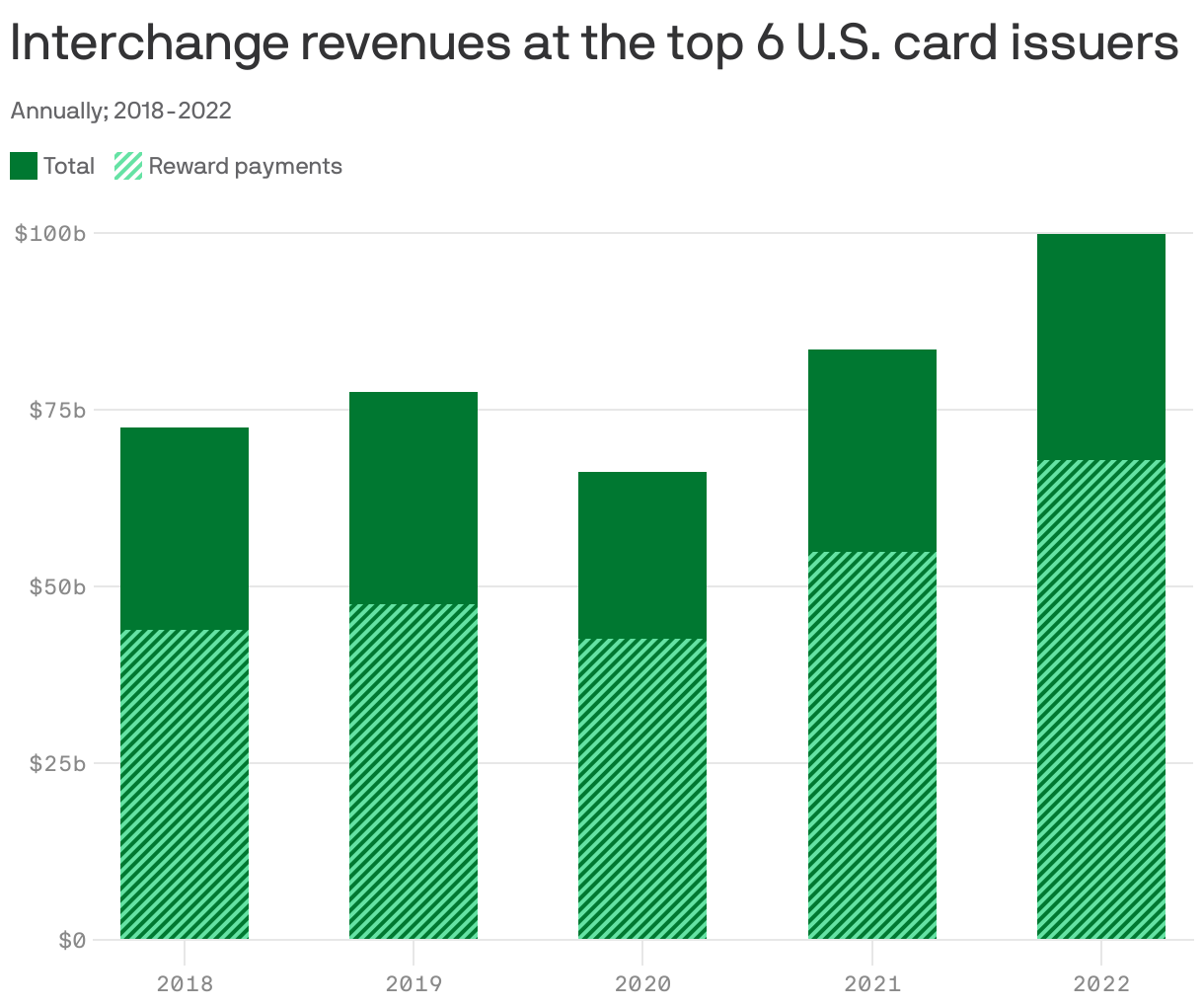
The launch of the FedNow instant payments system on Thursday marks official ratification from the U.S. central bank of a model that has taken off very impressively elsewhere in the world.
The big picture: If it catches onhere, the biggest losers are likely to be the major credit card issuers.
The number of pilots declining a promotion to captain has at least doubled in the past seven years, pilots union spokesperson Dennis Tajer told Reuters.
State of play: At American Airlines alone, over 7,000 pilots have declined such promotions, while at United, 50% of captain vacancies have gone unfilled.
The failure of VanMoof — an e-bike manufacturer that raised more than $225 million in venture funding before going bust this week — is a stark reminder that buying an e-bike remains a very risky proposition.
Why it matters: Any such purchase boils down to a simple question: Do you want to buy something that risks becoming a bomb, or do you want to buy something that risks becoming a brick?
Members of Congress — along with the president, vice president, and other key members of the government — should be barred from owning individual stocks. That's the message being sent by two senators, backed by overwhelming public opinion.
Why it matters: The senators introducing the bill, Kirsten Gillibrand of New York and Josh Hawley of Missouri, are both Gen X — the first (and possibly the last) generation to truly adopt the tenets of passive investing.