Global investors are digging in for a long week as Tuesday's coin-toss U.S. presidential election could take days to call.
Zoom in: Financial giants, including Goldman Sachs and JPMorgan Chase, are staffing up overnight teams to manage volatility and high-volume activity, Bloomberg reports.
National Guard units in several states and local law enforcement agencies are on alert or standby this week as authorities prepare for any violence by extremist groups upset about the election results.
Why it matters: Right-wing groups backing former President Trump have been urging those on platforms such as Telegram to watch the polls and dispute results unfavorable to Trump, causing fears of chaos at polling sites.
Meta will extend its ban on new election ads for the week leading up to the election until several days after the polls close, Axios has learned. The tech giant informed advertising partners about the shift on Monday.
Why it matters: The ban on new political ads was initially supposed to expire at 11:59 p.m. PT on Election Day, but Meta is extending the ban to prevent any confusion or misinformation from spreading while votes are still likely being counted.
The big picture: While voters cast ballots for presidential candidates Tuesday, they are also selecting electors who will ultimately decide who the next president will be.
Vice President Harris has a 50-point lead over former President Trump among two- and four-year college students in the seven swing states: Michigan, Wisconsin, Pennsylvania, Georgia, North Carolina, Arizona and Nevada, according to a new Generation Lab poll.
Why it matters: It’s a commanding lead that could even swing the results in some of these key states, depending on turnout among this youngest contingent of voters.
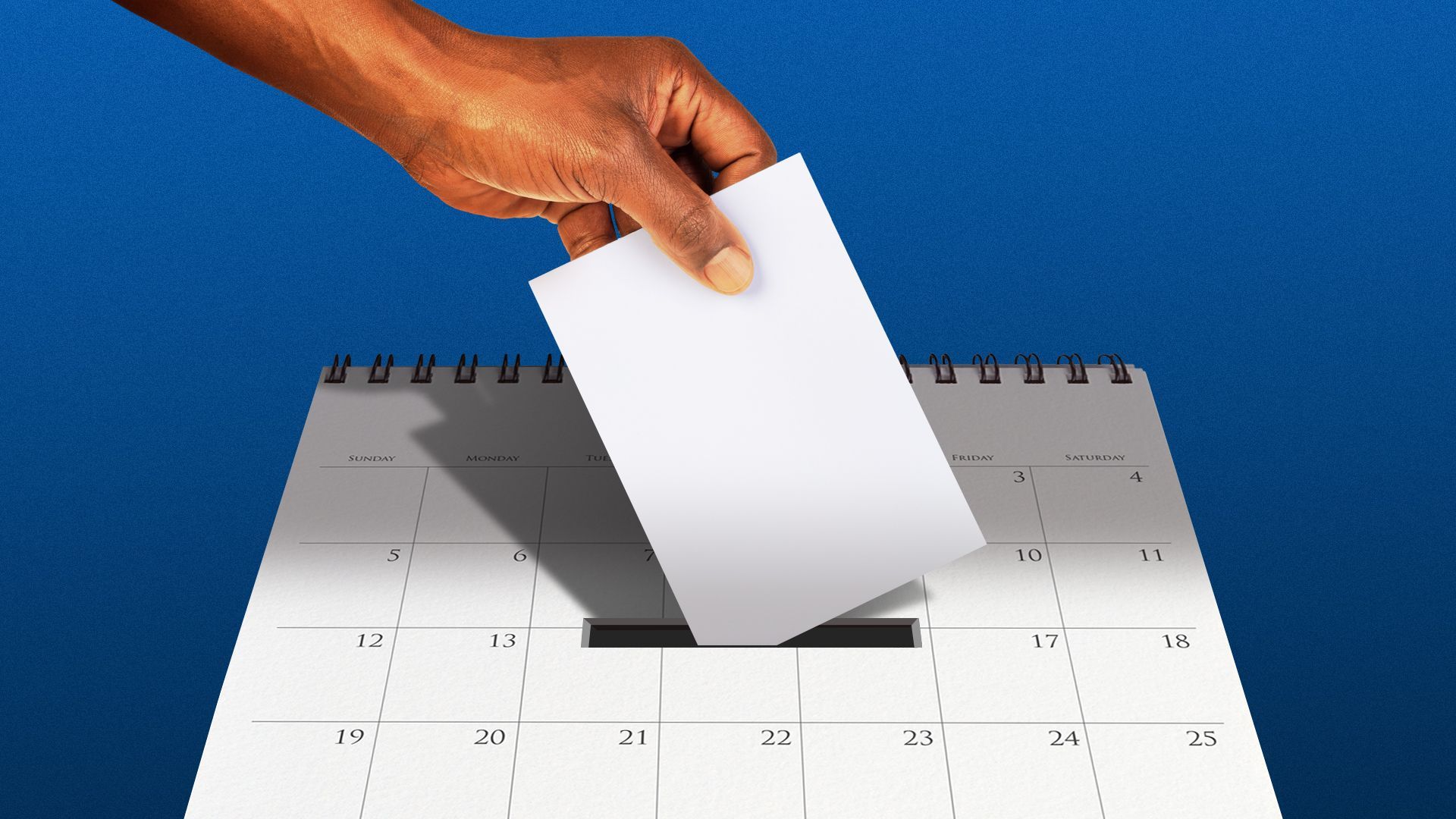
The U.S. norm of voting on a Tuesday in November dates back to 1845 and is thanks to farmers.
The big picture: U.S. voting these days isn't confined to just Election Day, but results aren't shared on a rolling basis as was the case before the mid-19th century.
Election experts are warning bad actors may use artificial intelligence to deter Latinos from voting on Tuesday.
Why it matters: This election, in which the Latino vote could be decisive in several swing states, is the first in which AI tools have been readily available to many people.
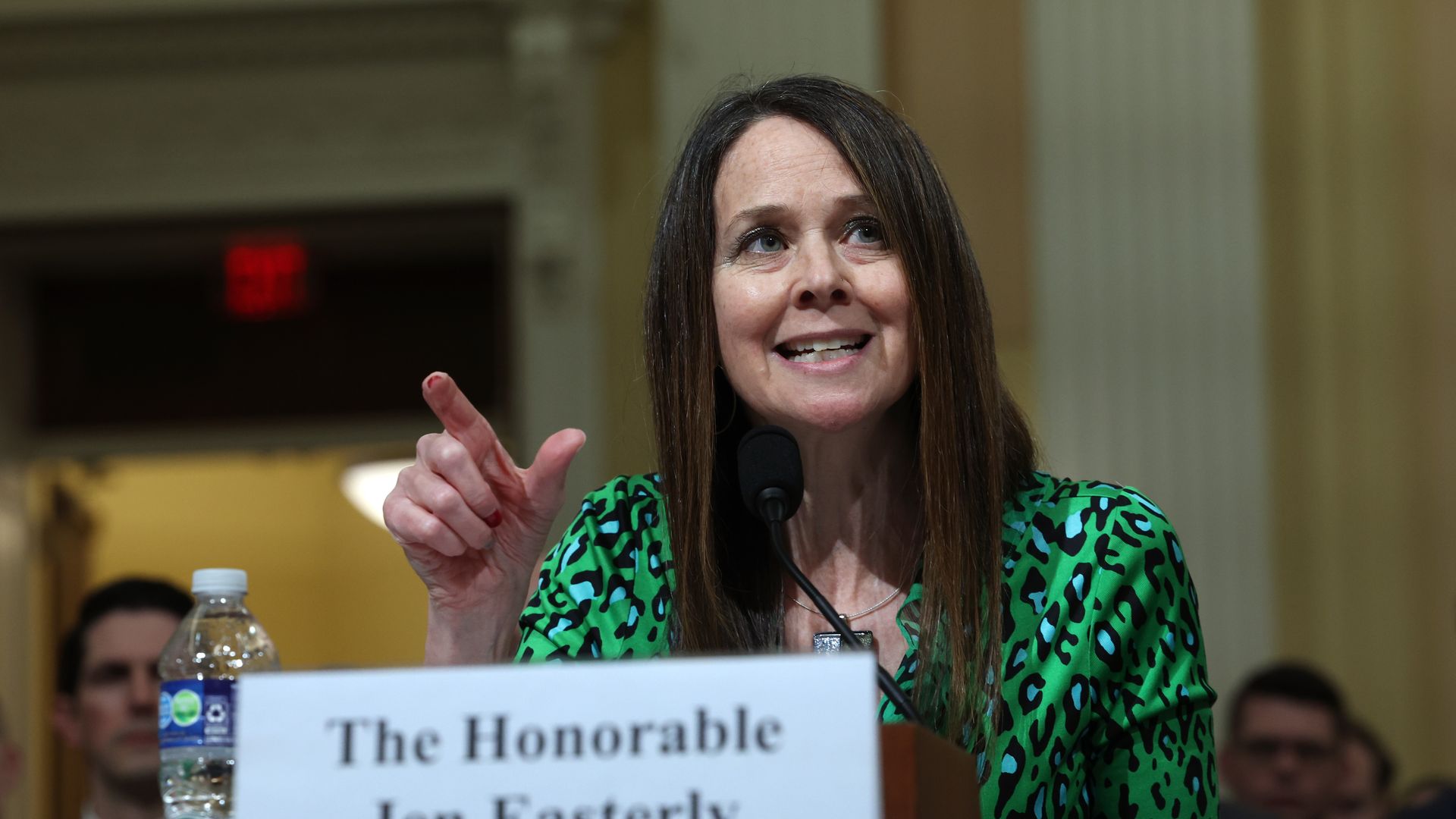
A top cybersecurity official said Monday that her office has not seen any election security threats that could "materially impact" the outcome of the presidential election.
Why it matters: Campaign hacks, website takedowns and foreign disinformation have undermined Americans' trust in the security of their vote leading up to Election Day.
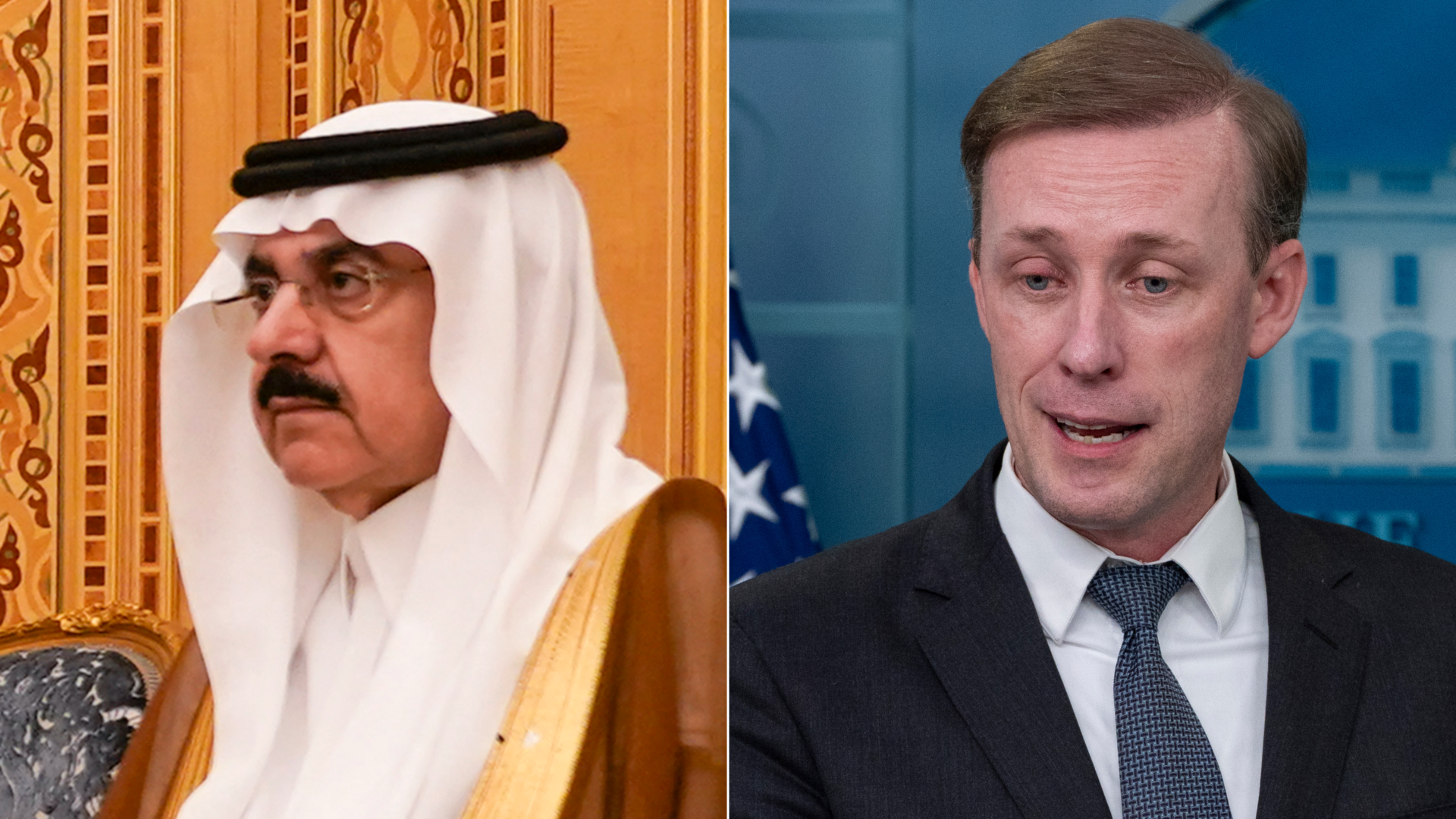
The U.S. and Saudi Arabia are discussing a possible security agreement that wouldn't involve a broader deal with Israel, according to three sources with knowledge of the talks.
Why it matters: The agreement wouldn't be the full defense treaty the U.S. and Saudi Arabia were discussing but Saudi Crown Prince Mohammed Bin Salman (MBS) and the White House still want to reach a security agreement before President Biden leaves office in January.
As the 2024 race winds down, some progressives have mixed feelings about how effectively they feel Vice President Harris has championed their causes.
Why it matters: Progressives were a major, energizing force in the last two presidential election cycles and helped move the Democratic party further left on a number of issues, from student loan relief to climate action.
The polls across all seven swing states — and the models using those polls to try to predict a winner — are about as close as they could possibly be.
Why it matters: This election holds two very different futures for the country. But the polls going into Election Day don't even provide the merest hunch of whether former President Trump or Vice President Harris will win.
As voters make their choice for the next president, the U.S. economy is by most measures stronger than it has been in modern election cycles — but with some exceptions that help explain voter discontent with conditions.
The big picture: Politics — and why people vote as they do — is more complicated than any data series you might download from a government website, and the definition of a "good economy" is in the eye of the beholder.
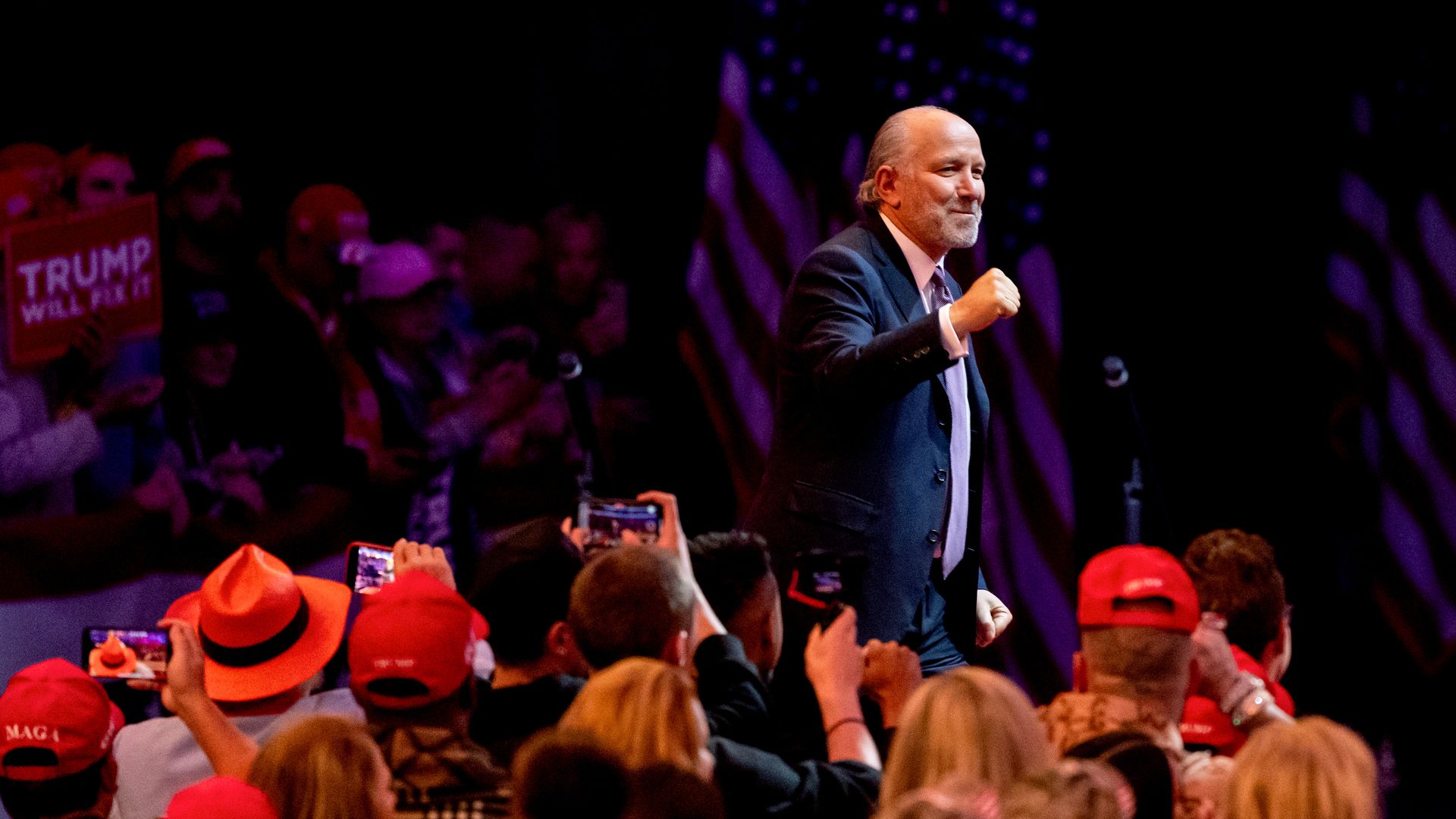
If Donald Trump wins tomorrow's election, the task of filling thousands of political roles will largely fall to Howard Lutnick, CEO of Cantor Fitzgerald and co-chair of Trump's presidential transition team.
Back home on Wall Street, meanwhile, Lutnick seems intent on reviving the moribund SPAC market.
Driving the news: Cantor Fitzgerald on Friday filed IPO registration for its 10th sponsored SPAC, each of which features Lutnick as CEO.
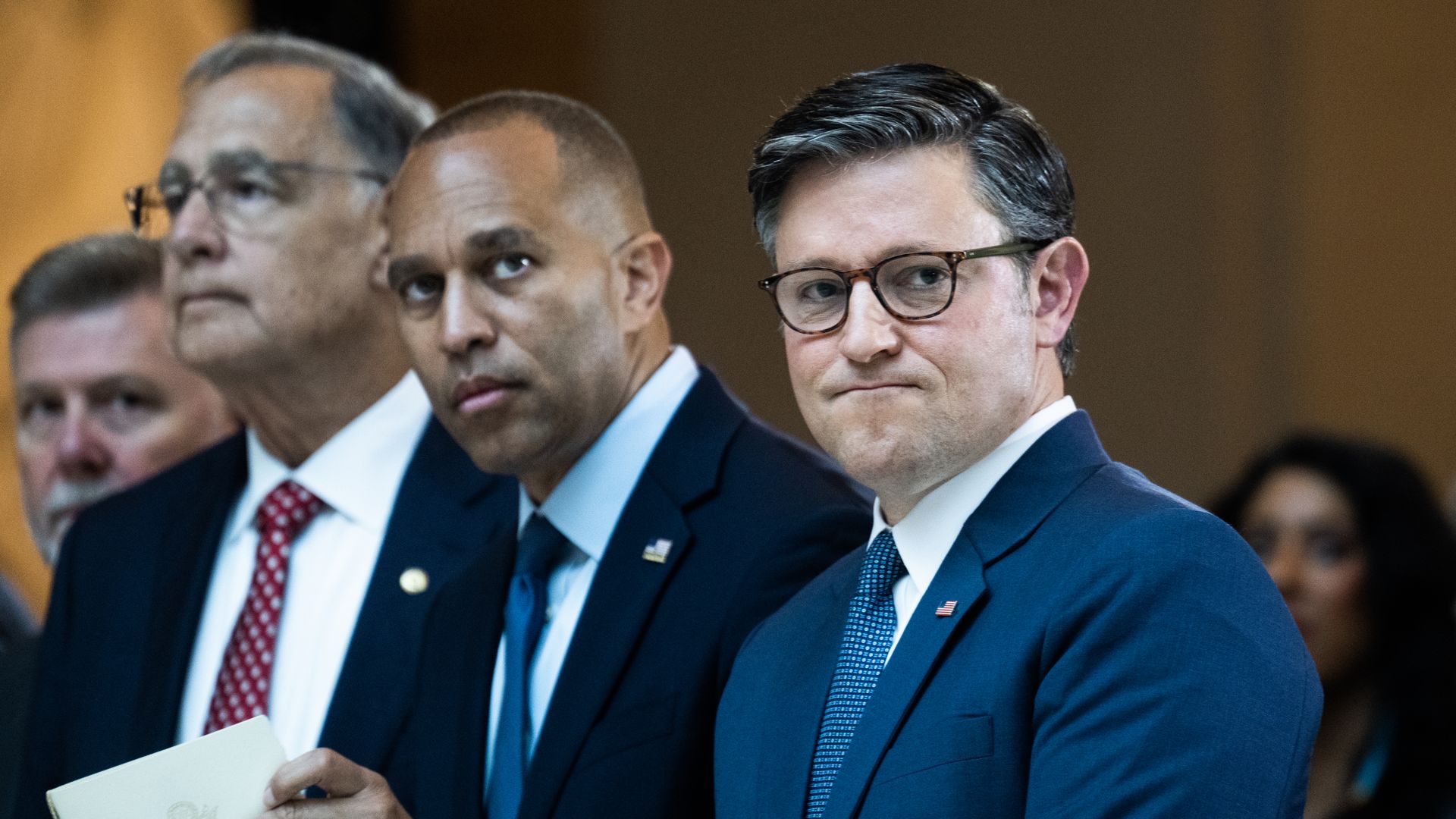
House Speaker Mike Johnson (R-La.) and Minority Leader Hakeem Jeffries (D-N.Y.) are at each other's throats over which party can truly be trusted to certify the 2024 election, Axios has learned.
Why it matters: Lawmakers in both parties, including Johnson himself, have floated conditions for certifying the results if the opposing party wins.
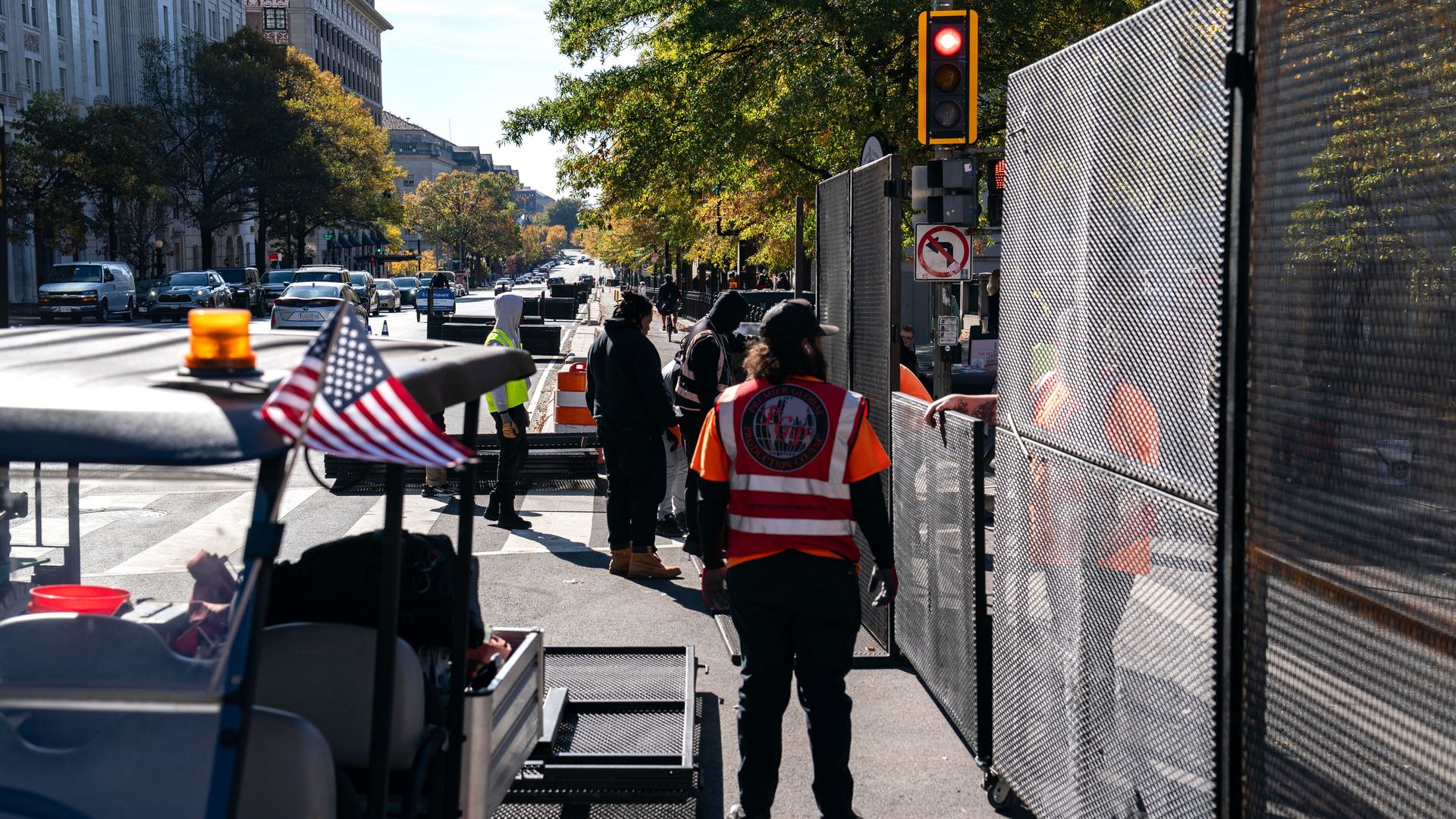
Security fencing is going up around the White House, U.S. Capitol and Vice President Harris' residence in Washington, D.C. as authorities brace for possible unrest on or after Election Day.
Why it matters: The security precautions in the nation's capital are the latest indication that the government views the culmination of the election as a potential powder keg. Some businesses boarded up last week.
Poll watchers, historically under-the-radar volunteers in the voting process, have come to the forefrontin recent elections asmargins tighten and disinformation about election security spreads.
The big picture: These election observer roleswere initially created to ensure fairness in the election process, but the work they perform has become scrutinized in a hyper-partisan political climate.
From Election Day to Inauguration Day, America will confront a treacherous 76 days in transferring power from President Biden to his successor — putting new stress on the political parties, the legal system and the culture.
Why it matters: This has stayed a coin-flip election to the end. We're at the last full day of campaigning after a vicious, exhausting race. But as soon as we know who is president-elect, a new marathon begins.
Vice President Kamala Harris and former President Trump have made a combined 52 visits to Pennsylvania and Michigan since August — and a grand total of zero to 35 non-swing states.
Why it matters: Thanks to the Electoral College, presidential campaigns run through only a handful of states. An Axios analysis of trips by Harris and Trump sheds light on the states at the top of their priority lists.
Fairshake, the crypto-oriented political action committee, has over $78 million on hand for next Congressional election cycle, with a new commitment from the venture capital firm Andreessen Horowitz (a16z).
Why it matters: The $169 million crypto firms deployed in the 2024 Congressional races put blockchain technology onto the agenda of American legislators for the first time.
Behind the bluster, former President Trump's campaign is preparing staff members to wind down the operation while privately acknowledging that Trump could lose Tuesday's election.
Why it matters: It's unusual for Trump or his campaign to portray anything but rosy scenarios. But an email to staff on Friday offered a clear-eyed view of what could happen in this coin-flip election.
The Harris campaign said Sunday that more than 90,000 volunteers knocked on over 3 million doors across the seven battleground states during the election's final weekend.
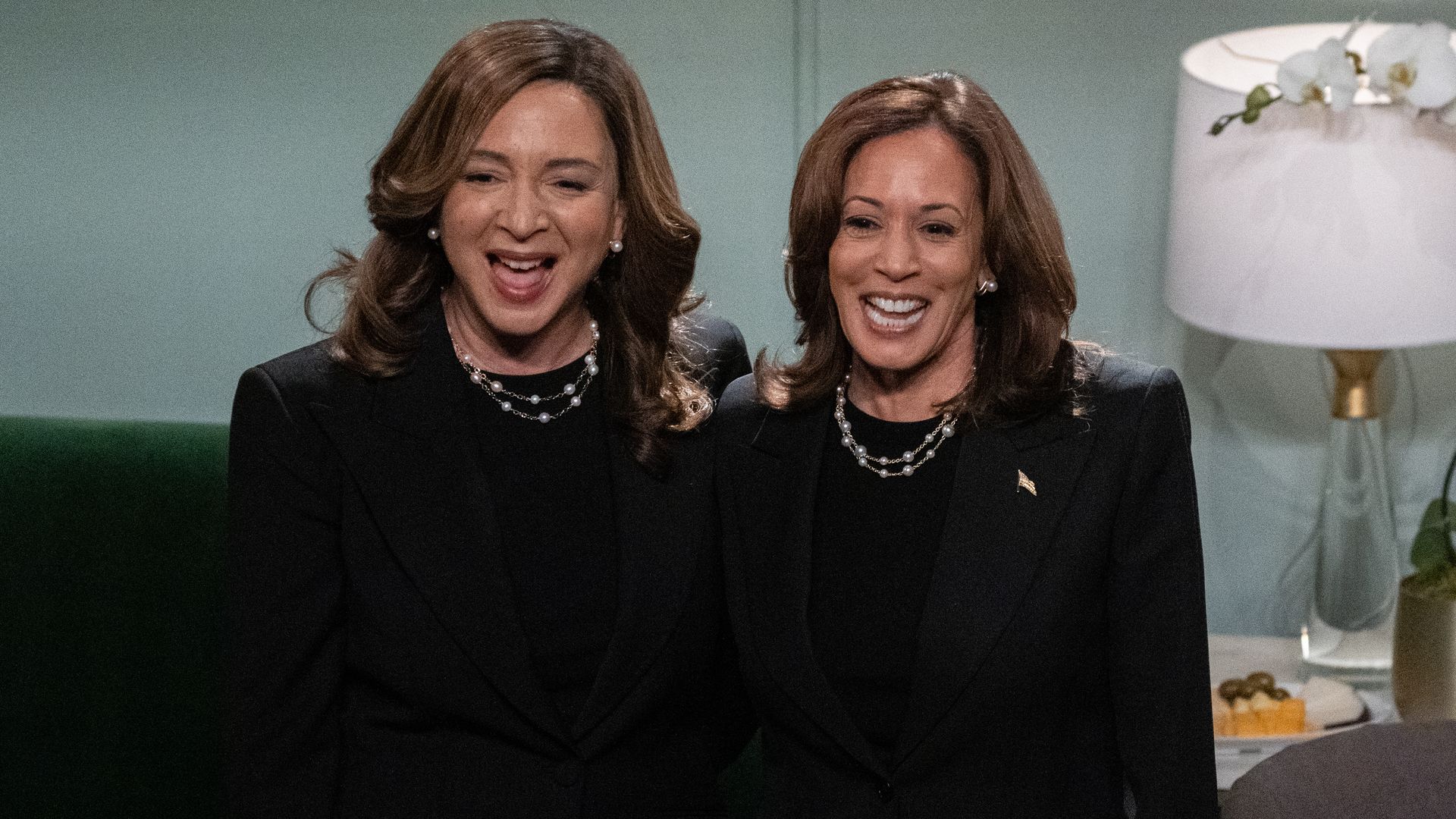
NBC filed an equal-time notice with the Federal Communications Commission on Sunday night for Vice President Harris' appearance on "Saturday Night Live," per an FCC commissioner.
Why it matters: FCC commissioner Brendan Carr said on X that Harris' appearance on "SNL" Saturday alongside her on-screen doppelgänger, Maya Rudolph, was a "clear and blatant effort to evade" the rule that's designed to "avoid exactly this type of biased and partisan conduct."
Iowa officials can challenge the ballots of 2,176 registered voters they believe may not be U.S. citizens, a federal judge ruled days before Election Day on Sunday.
Why it matters: Iowa Secretary of State Paul Pate said he's working to ensure the election's integrity, but the ACLU joined a group of naturalized citizens in suing the Republican official because they said his decision wrongly kept "numerous naturalized U.S. citizens" from voting with a regular ballot.
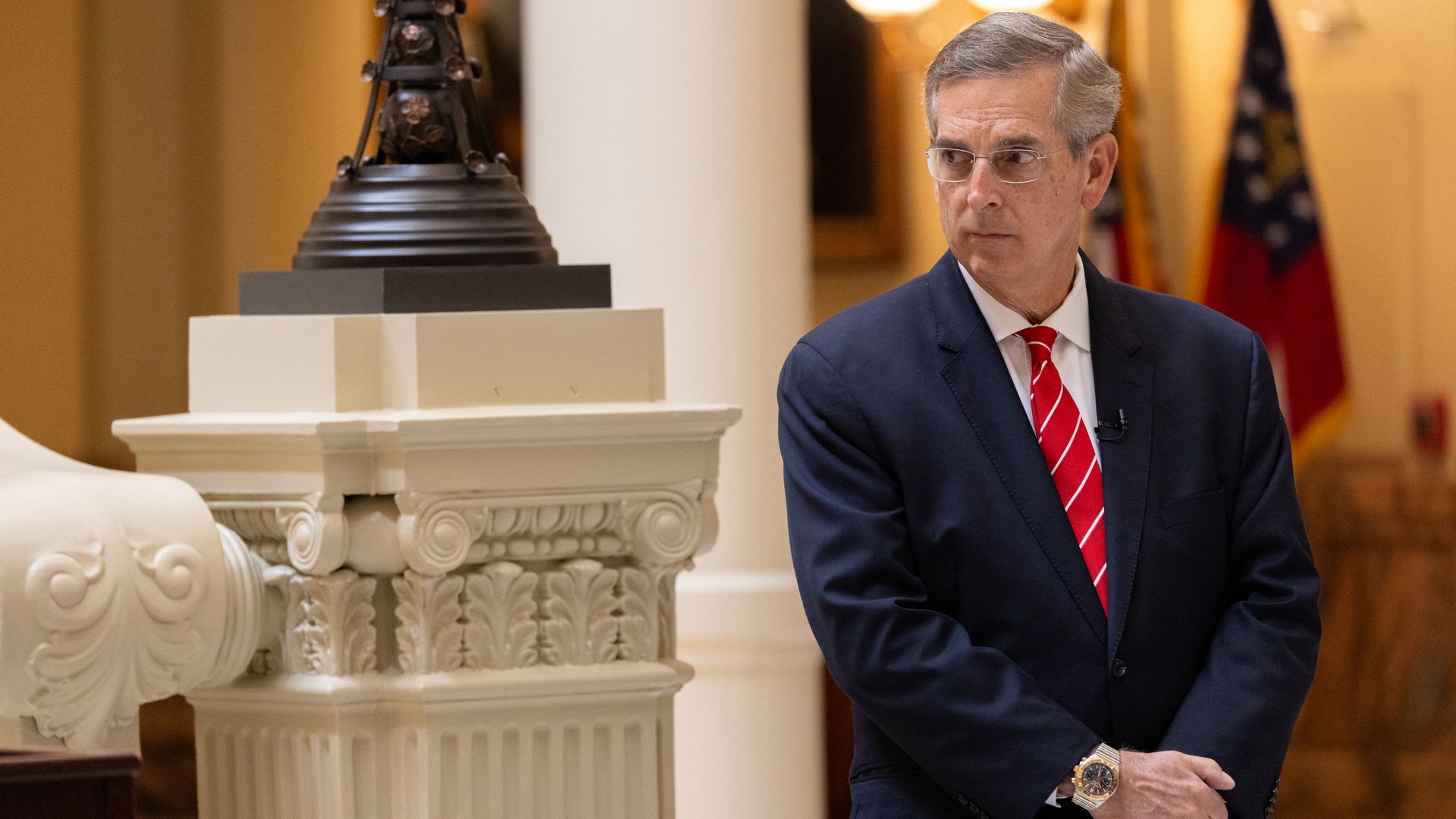
Georgia's Republican officials spoke out against voter mis- and disinformation ahead of Tuesday's election during a "60 Minutes" program that aired on CBS Sunday evening.
Why it matters: Former President Trump has made baseless claims of cheating and election fraud this year, as he did during the 2020 and 2016 election campaigns. Georgia official Gabriel Sterling said he told doubters, "Voter suppression's fake. Voter fraud is fake. It's used to raise money and get you angry."





/2024/11/04/1730754150552.gif?w=3840)