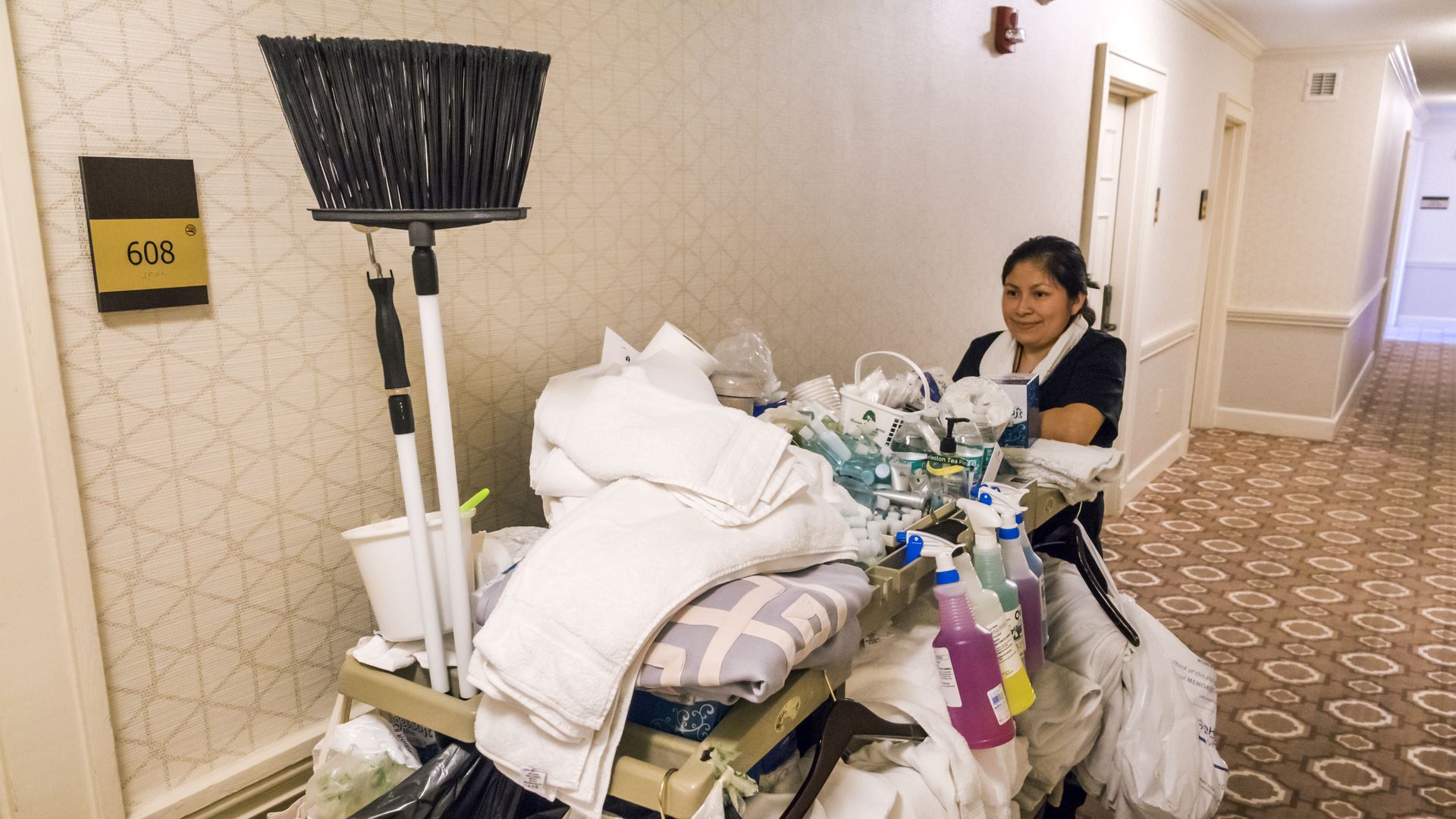
The hotel industry is asking the federal government for $150 billion in emergency aid, mostly to keep employees on the payroll until the novel coronavirus threat subsides and travelers are ready to hit the road again.
Why it matters: The virus outbreak has already hurt the hotel industry more than the Sept. 11 terrorist attacks and the Great Recession combined, an industry trade group says. Without immediate help, people at the lower rungs of the economic ladder will suffer the most.
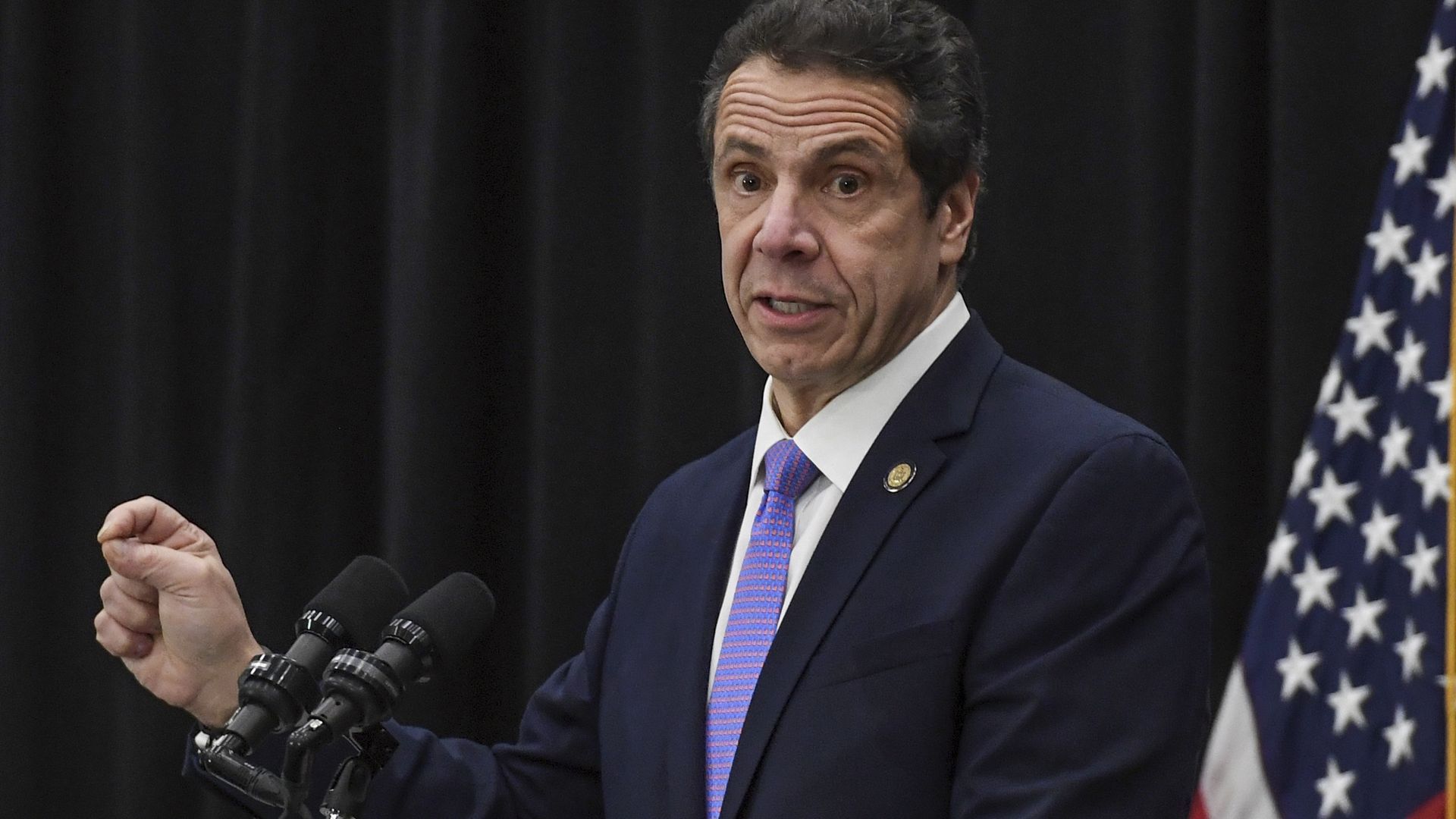
New York Gov. Andrew Cuomo and Attorney General Letitia James announced Tuesday that the state will freeze student, medical and other state-referred debt payments for at least 30 days to ease financial burdens caused by COVID-19.
The big picture: Other states and the federal government are looking at different ways to help individuals directly and indirectly impacted by the novel coronavirus, with some forced to forgo income and close up their businesses. The White House paused interest on federal student loans last week.
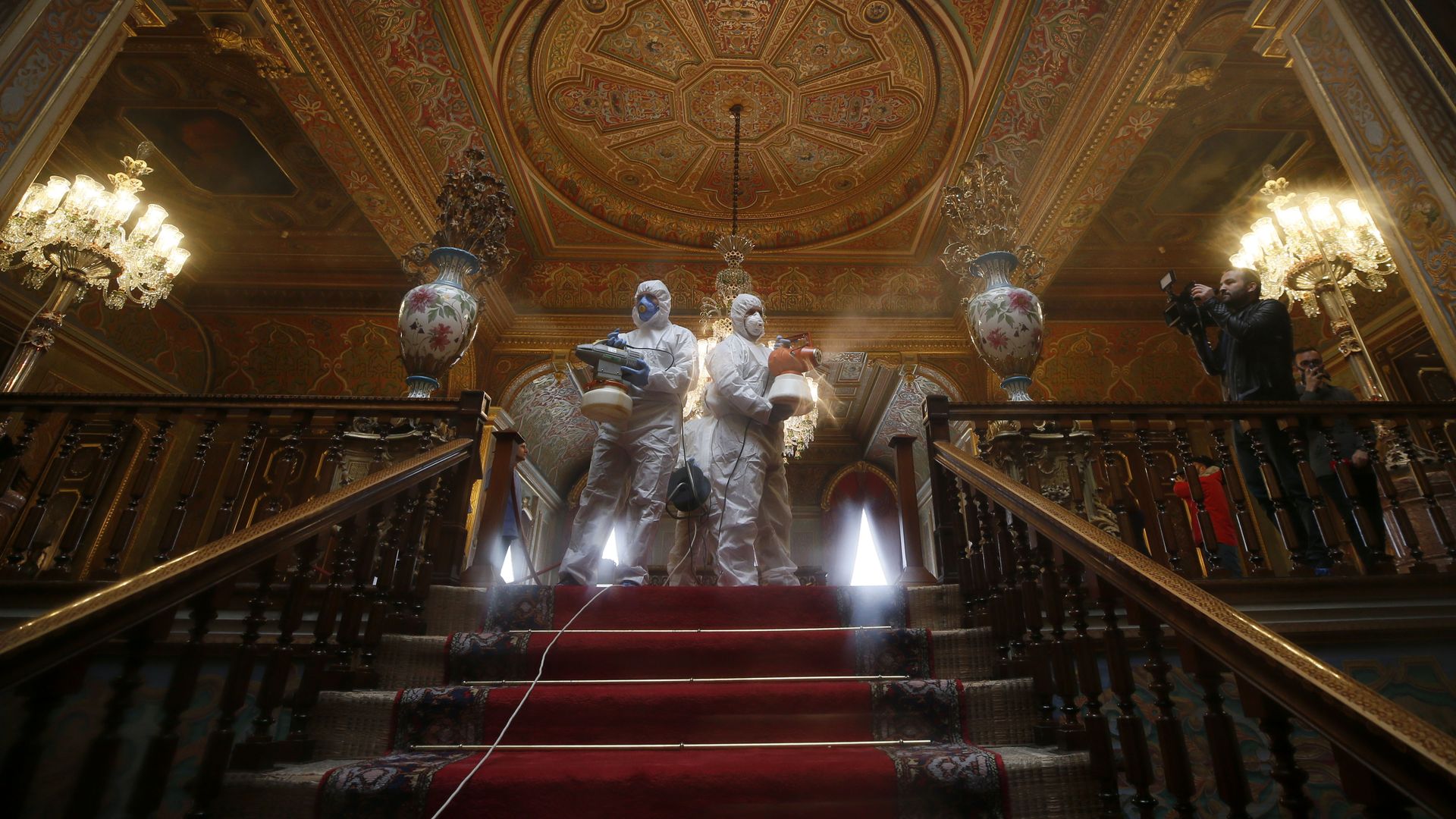
The novel coronavirus stays viable in the air for several hours and can last on surfaces from hours to days, depending on the material, according to a study published Tuesday in the New England Journal of Medicine.
What's new: Researchers said the virus that causes COVID-19 remains infectious in the air for up to three hours, on copper for up to four hours, on cardboard for up to 24 hours, and on plastic and stainless steel for up to three days.
New York City Mayor Bill de Blasio said Tuesday that a decision will be made within the next 48 hours on whether to order the city's more than 8 million citizens to shelter in place amid the ongoing coronavirus outbreak.
Why it matters: New York has already shut down public schools, banned gatherings of more than 50 people and forced restaurants to offer only takeout and delivery — but this would be another more drastic step for the nation's most populous city.
The novel coronavirus has already had a more severe economic impact on the hotel industry than the Sept. 11 terrorist attacks and the Great Recession combined, according to an industry trade group.
Why it matters: Some 45% of all hotel jobs have been eliminated or will be eliminated in the next few weeks, says the American Hotel and Lodging Association. Current forecasts of a 30% drop in hotel occupancy over a full year would result in the loss of nearly 4 million hotel jobs, from general managers to housekeepers.
The Trump administration is asking construction companies to donate their inventories of face masks to local hospitals and forgo ordering more due to a global shortage in response to the novel coronavirus.
Why it matters: Health care workers are experiencing a shortage of N95 fitted masks, a necessary tool to prevent healthy people from getting sick because they help block 95% of microbes. Construction workers often use face masks at work, and the White House has deemed those industrial masks "perfectly acceptable" for health care workers.
On Monday, a woman in Seattle became America’s first human subject of a novel coronavirus vaccine trial. Dan and Axios' Bob Herman dig into the vaccine development process and why a young biotech company is leading the pack.
Treasury Secretary Steven Mnuchin said Tuesday that the Trump administration is discussing sending checks to Americans "immediately" to help cushion the economic impact of the coronavirus outbreak.
Driving the news: Mnuchin, who has been working closely with bipartisan leadership on Capitol Hill to pass new legislation to provide coronavirus relief, announced a series of economic stimulus efforts at the White House designed to help small businesses, corporations and individuals.
The first U.S. clinical trial for a novel coronavirus vaccine began yesterday, based on a formulation selected by Moderna Therapeutics and the National Institute of Allergy and Infectious Diseases (NIAID).
Between the lines: Moderna was the first biotech unicorn, valued by venture capitalists at $3 billion in early 2015, before later going public in the largest-ever IPO for a development-stage biotech. We wanted flying cars, but instead we maybe got a civilization-saver.
MLB has delayed Opening Day until mid-May at the earliest, per recommendations from the Center for Disease Control that gatherings of 50 or more people be canceled or postponed for the next eight weeks.
Why it matters: Of all the major sports leagues, MLB faces arguably the most disastrous outcome from this unprecedented sports outage, and some of its minor league affiliates might not survive the summer.
Sportsbooks are flummoxed over what to do about the lack of sports events.
Why it matters: 2020 was supposed to be the year that sports betting really took off, with many more states expected to legalize betting in coming months.
News around the coronavirus pandemic is creating a huge bump in overall traffic for media publishers.
By the numbers: The explosion in total web traffic is "likely due to the explosion of COVID-19 coverage and attention — as well as the fact that people were checking news/content sites with more frequency in this period," says Andrew Montalenti, Chief Product Officer at Parse.ly.
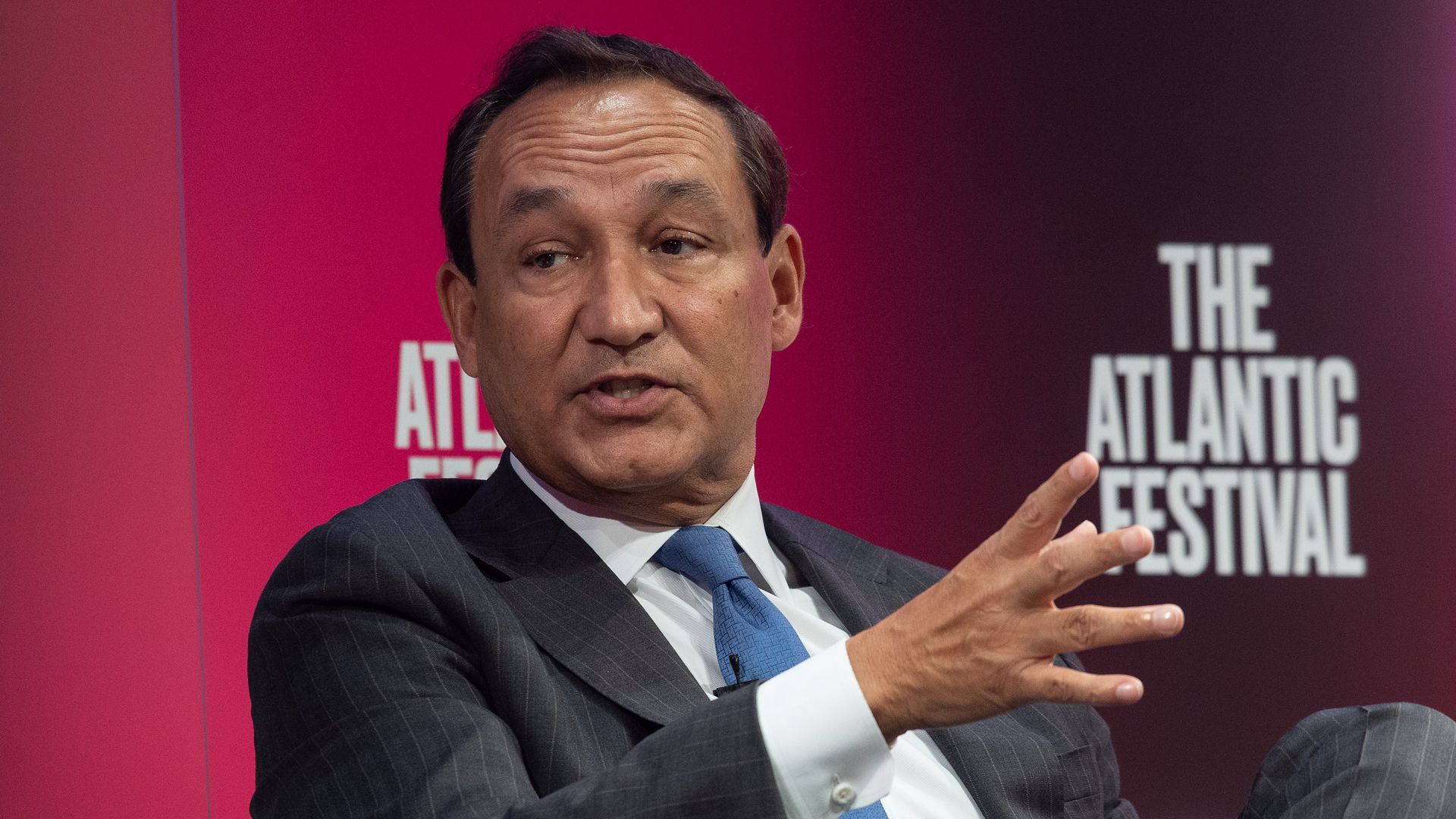
United Airlines CEO Oscar Munoz said in a letter sent Monday to Treasury Secretary Steven Mnuchin and congressional leaders that the coronavirus outbreak's financial impact on airlines is "much worse than the stark downturn that we saw in the aftermath of the 9/11 attacks," as first reported by Politico.
Why it matters: Munoz asked government leaders "to please act quickly — this week — to protect our livelihoods" and projected that the company's revenue this month will be $1.5 billion lower than March 2019.
Facebook says it's giving away $100 million to help 30,000 small businesses in over 30 countries during the coronavirus, according to a Facebook post from COO Sheryl Sandberg.
Why it matters: Facebook's business is reliant on small businesses buying ads. The tech giant is trying to be proactive in how it supports its community in a time of crisis.
"We’ve listened to small businesses to understand how we can best help them. We’ve heard loud and clear that financial support could enable them to keep the lights on and pay people who can’t come to work," Sandberg wrote.
Over the past few days there's been a noticeable uptick in conservatives using the terms "Wuhan virus" and "Chinese virus," according to a new report from The Atlantic Council’s Digital Forensic Research Lab provided exclusively to Axios.
Why it matters: This is in opposition to guidance from the World Health Organization, which requested back in February that the epidemic be referred to as coronavirus or Covid-19, rather than terms that could stigmatize individuals with Chinese ancestry.
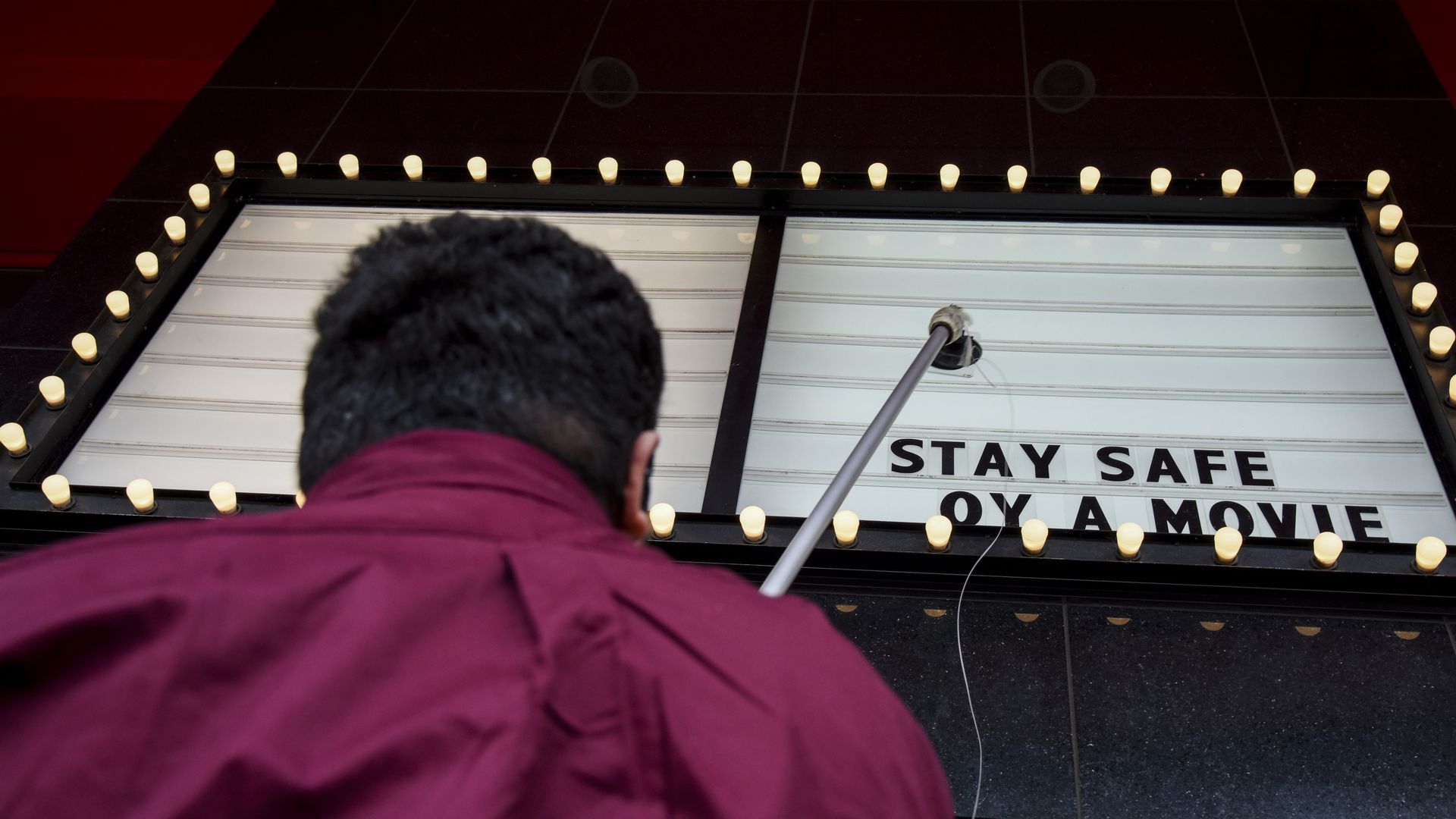
The traditional buffer that protects movie theaters from being undercut by streaming may be temporarily collapsing as Hollywood tries to salvage releases that would've otherwise been lost during the coronavirus epidemic.
Why it matters: The 90-day theatrical window — the period of time typically allocated to theaters to air movies exclusively before they go to streaming — gives theaters an edge over streaming services and helps them attract movie fans in-person.
Economists have removed their rose-colored glasses in recent weeks and are beginning to price in scenarios for the world that are as bad or much worse than the global financial crisis.
The state of play: "If you think about the situation going into the financial crisis, I would say all things being equal there was clearly a better ability to react economically … in Europe and in Japan and also in the U.S.," Thomas Holzheu, Americas chief economist at reinsurance giant Swiss Re, tells Axios.
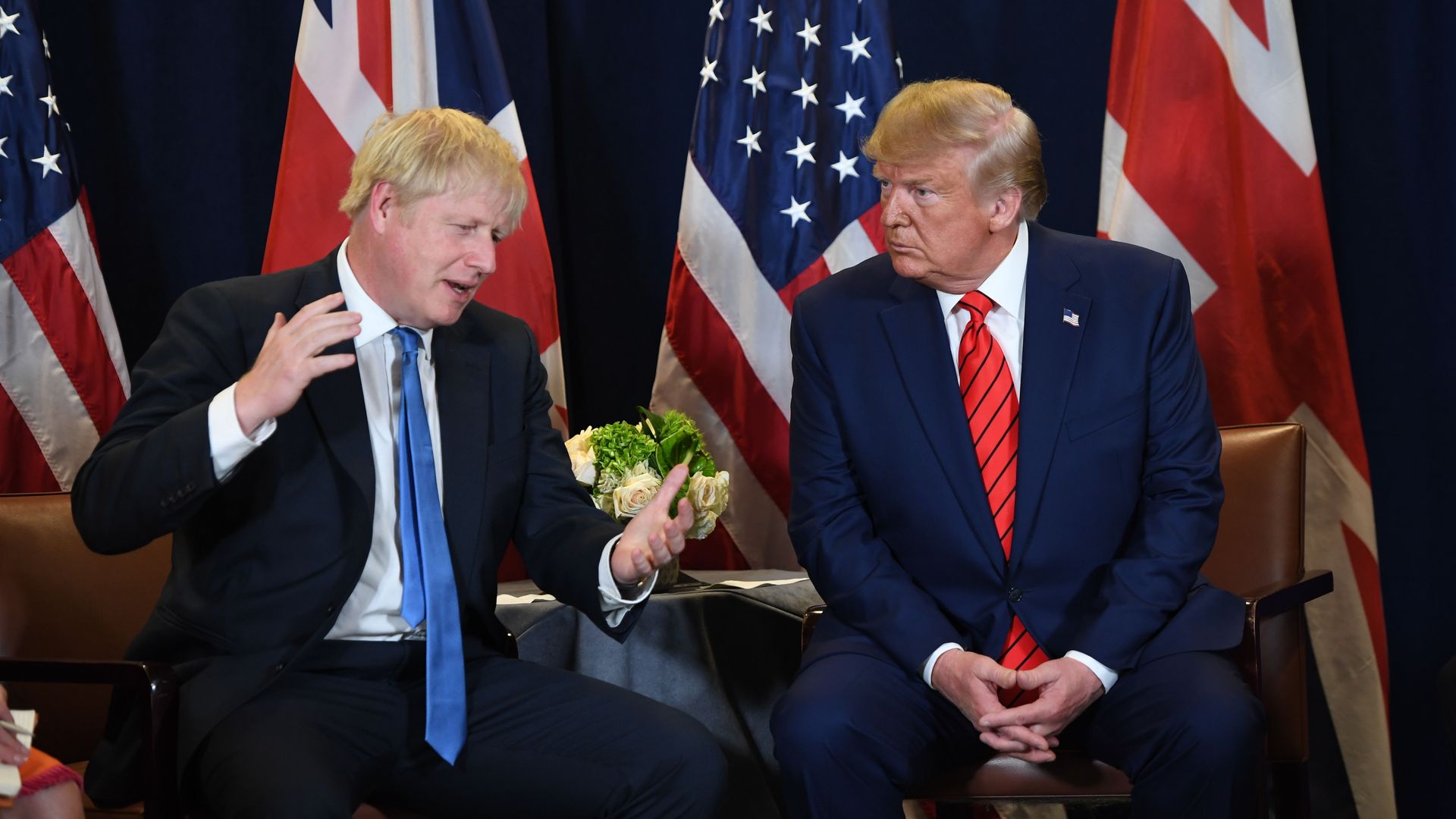
A startling new report from Imperial College London warns that 2.2 million Americans and 510,000 Britons could die from coronavirus if extreme action isn't taken to change the course of the outbreak.
Why it matters: The report's dire warnings prompted a quick course correction from both the American and British governments on their strategies, but its strict recommendations and long timeline — 18 months — to stem the tide could have far-reaching implications for both populations and economies.
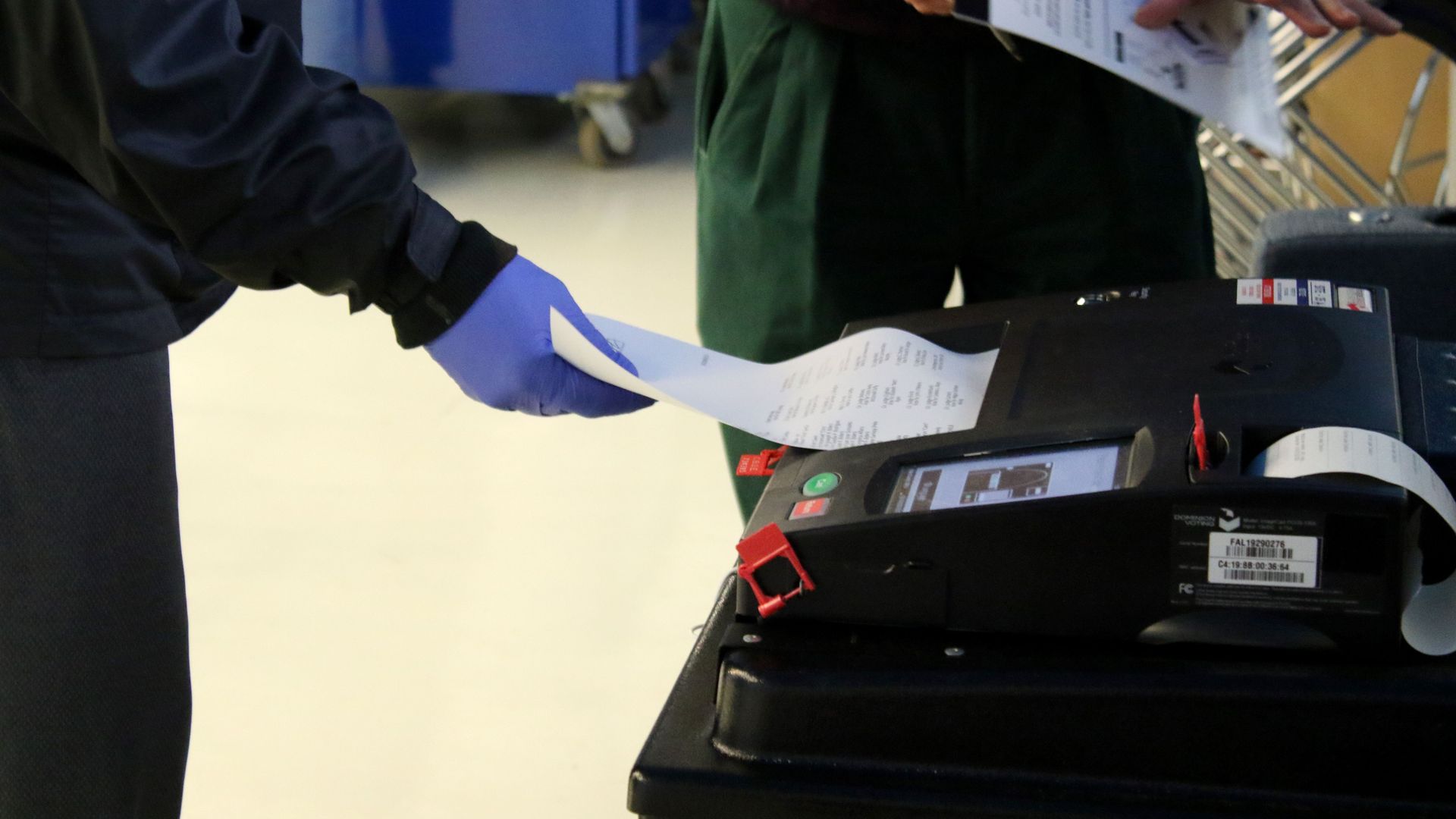
Mail-in ballots are becoming states' saving grace for their 2020 primary contests as the coronavirus crisis deepens in the U.S.
Why it matters: Amid CDC guidance that gatherings shouldn't exceed 50 people, the states voting today — Arizona, Florida and Illinois — all have multiple confirmed cases of the illness and are pushing citizens to consider their mail-in options.
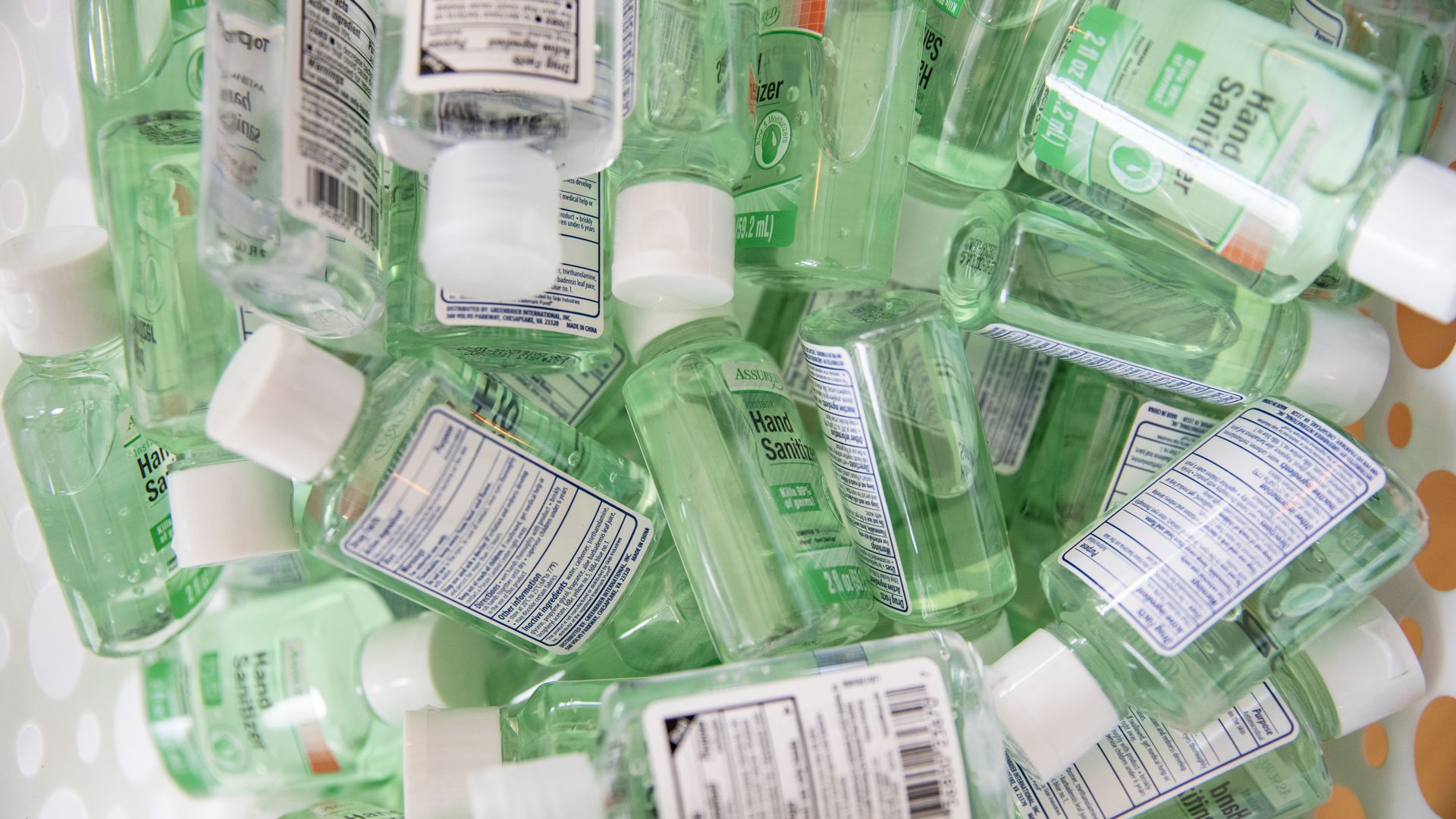
Hand sanitizer is everywhere because of the coronavirus, but that has led to an unexpected side effect: a big spike in calls to poison control hotlines from parents whose children have ingested hand sanitizer.
Why it matters: Hand sanitizer products are 60–70% ethyl alcohol, which can be toxic to young children even in small amounts.
The coronavirus pandemic is a disaster with no modern parallels, with no escape and no safe harbor. This may be the most sustained period of widespread public pain since World War II.
The big picture: Even the worst catastrophes we've experienced — from natural disasters to terrorist attacks — have happened in one place, at one time. But global reach of the coronavirus, and the societal and economic shutdowns it’s triggering, will touch everyone, everywhere, for a long time.
We're still not where we need to be, but America's coronavirus testing situation is getting better after major commercial laboratories have jumped in.
The big picture: "We expect more...than 1 million coming on board this week," Brett Giroir, assistant secretary for health at the Department of Health and Human Services, told reporters yesterday.
Strong majorities of Americans trust the major health agencies to protect the country from the coronavirus, while fewer trust President Trump, according to an Axios/SurveyMonkey poll.
Why it matters: The results suggest that health officials have a high degree of credibility in this crisis — and that Trump is on safer ground when he closes ranks with them, as he did in his unusually candid remarks about the outbreak at Monday's press conference.
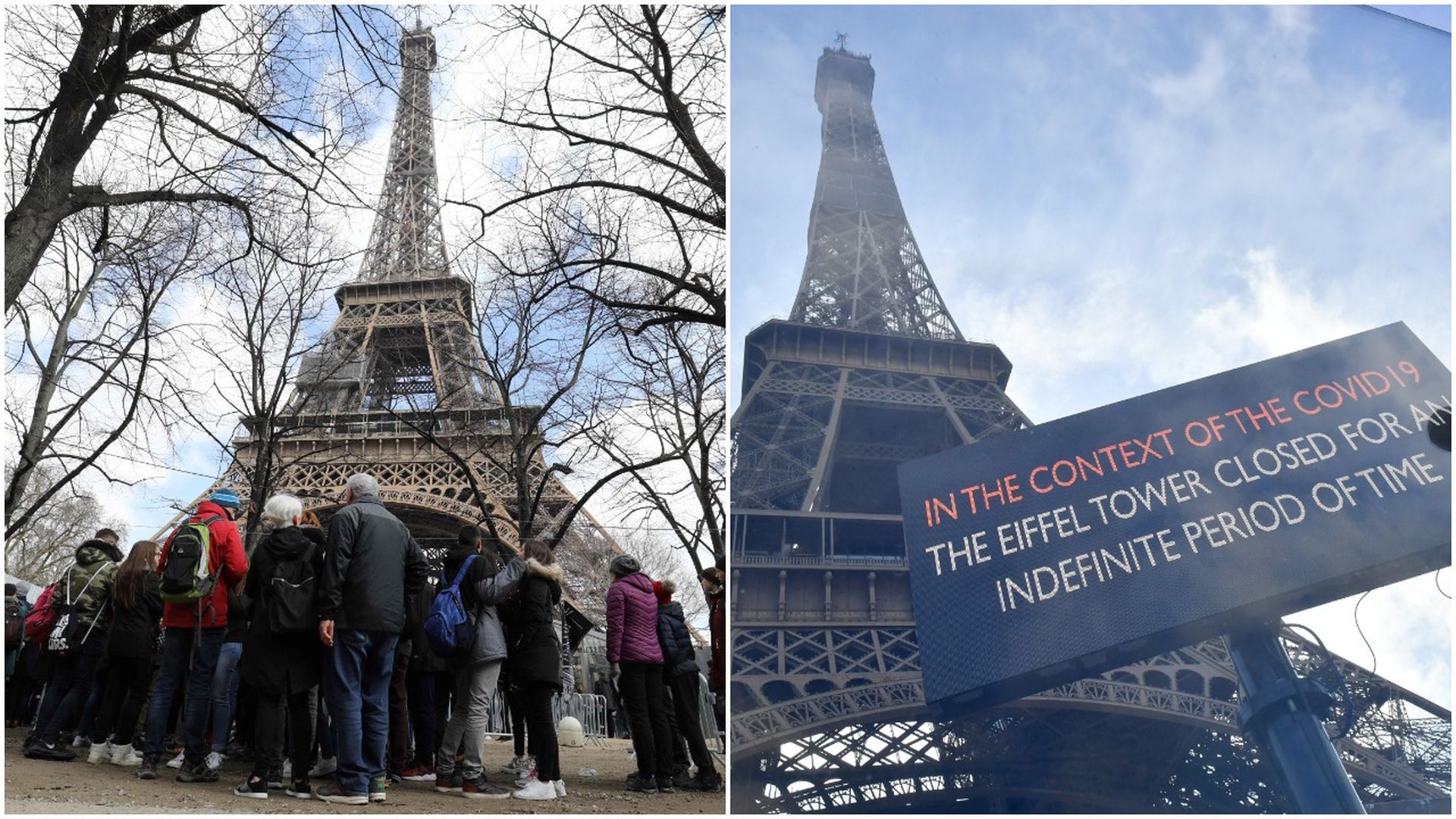
The U.S. travel and tourism sector is set for a drop of 6 million international visitors because of the novel coronavirus, costing $19 billion in spending this year, per a report by Tourism Economics. "The present declines appear likely to be worse than what the US experienced in 2003 [after the SARS outbreak]," the report states.
The big picture: The global outlook is just as bleak. The report was released on March 11, two days after Italy announced a nationwide lockdown after a surge in cases. Since then, several countries have followed suit, European travelers face U.S. travel restrictions and the CDC has recommended gatherings of 50 or more people be postponed or canceled for eight weeks. The outbreak's impact is evident at many top travel destinations, where once-bustling hubs have been transformed into virtual ghost towns.
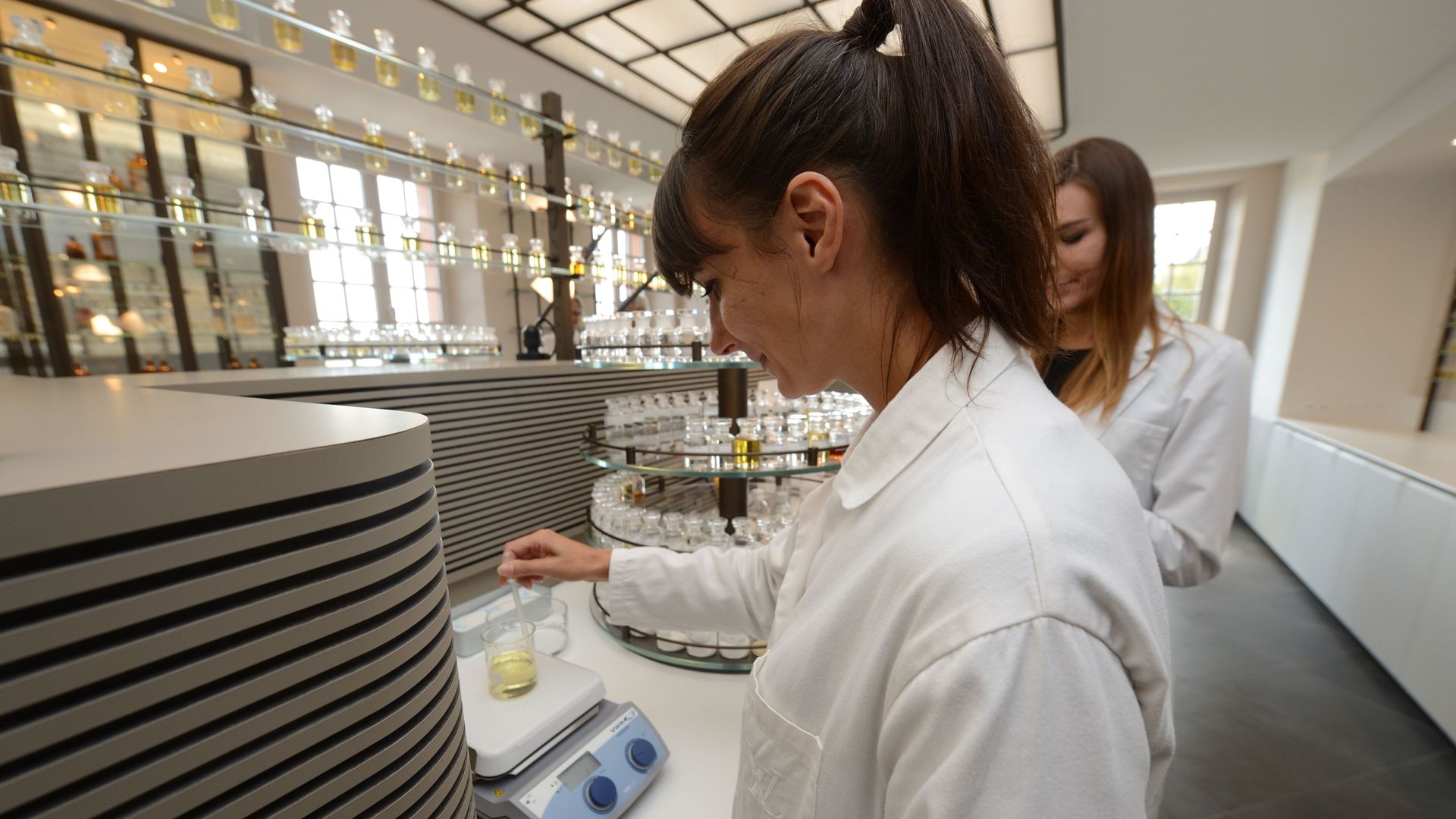
LVMH, the French owner of luxury brands like Dior and Louis Vuitton, announced it started making hand sanitizer that it'll supply for free to hospitals tackling the novel coronavirus in France.
Why it matters: France has ordered the closure of all nonessential businesses, and President Emmanuel Macron told residents Monday not to leave home for up to 15 days or face punishment, as the number of cases in the country rose to 6,650 and deaths to 148. "LVMH will use the production lines of its perfume and cosmetic brands ... to produce large quantities of hydroalcoholic gels," the statement said. "LVMH will continue to honour this commitment for as long as necessary."
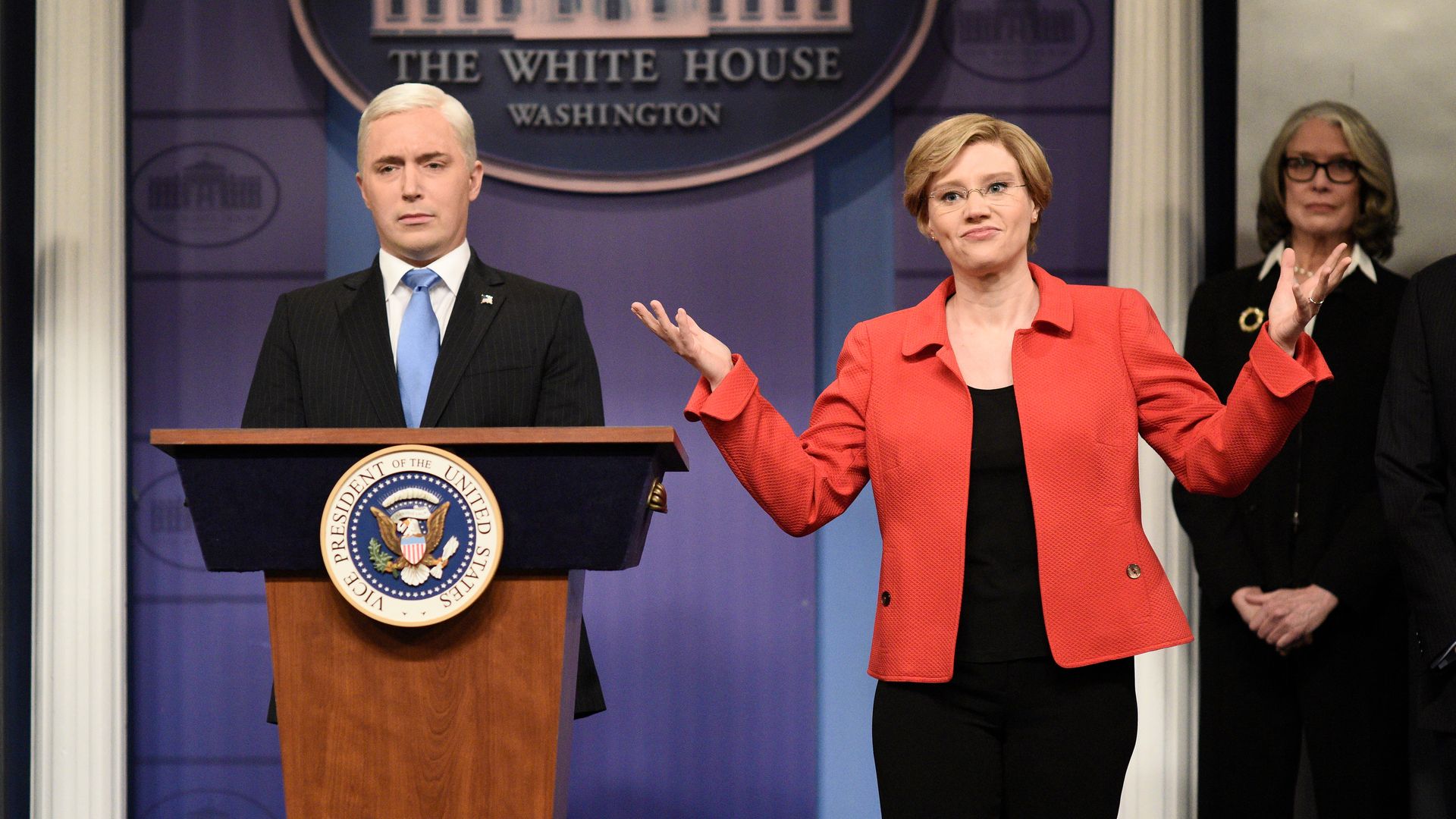
"Saturday Night Live" has halted production until further notice in response to the novel coronavirus outbreak, and the episode slated for March 28 will not air, an NBCUniversal spokesperson confirmed to Axios Monday.
The big picture: "We will monitor the situation closely and make decisions about future shows on an ongoing basis as further information develops," the spokesperson said. Sen. Elizabeth Warren made a surprise appearance in the last "SNL" cold open this month, which tackled issues including the coronavirus outbreak, a theme that was also addressed in the previous week's show.