Salesforce's offer to lead Hugging Face's Series D round didn't come with the highest valuation, Axios has learned, but the software giant managed to edge out several high-profile investors to seal the deal.
Why it matters: The current artificial intelligence boom has led to competition among venture capitalists, startups and tech giants racing to stay ahead in what many view as "the next technological shift."
When we invest in the stock market we're no longer just trying to make good investment decisions; we're engaging in a political act. That's the message to be found between the lines of Public's latest retail investor report.
Why it matters: The retail investors on Public — a stock-market brokerage — are acutely aware of the responsibilities that now seem to come attached to investing in the market. As a result, if they don't live up to those responsibilities (and, whisper it, nearly all of us don't), they can feel like they're hypocrites.
Securities and Exchange Commission chair Gary Gensleris very clearly anti-crypto — but other parts of the U.S. government aren't necessarily on the same page.
Why it matters: Recent court rulings against the SEC underscore how crypto regulation is going to remain messy and unpredictable for the foreseeable future.
How much is a big hedge fund worth, with neither its founder at the helm nor his hand-picked successor? The answer seems to be roughly $731 million — the amount that a group led by Boaz Weinstein is bidding for Sculptor, the hedge fund formerly known as Och-Ziff.
Why it matters: Hedge funds, as companies, tend to be notoriously terrible investments. But once they're established and have reached a certain size, they do tend to retain something money managers value quite highly.
The eye-popping success of "Barbenheimer" pulled the summer box office back from the brink of disaster. But its impact could be short-lived as theaters face a suspenseful future.
Why it matters: If theaters have to rely on never-before-seen cultural events to hit their numbers, they're in more trouble than we thought.
One in four of America's workers is 55 or older. But age discrimination persists in offices, keeping many of those people out of jobs.
Why it matters: Older workers are facing long periods of unemployment, stressful job hunts and mounting financial stress — and employers are missing out on an entire generation of life experience.
Taylor Swift continues to break records. This time, it's at the box office.
Driving the news: Swift's upcoming concert film on The Eras Tour reached $26 million in revenue in AMC's advance ticket sales on Thursday alone — setting a new record for the movie chain.
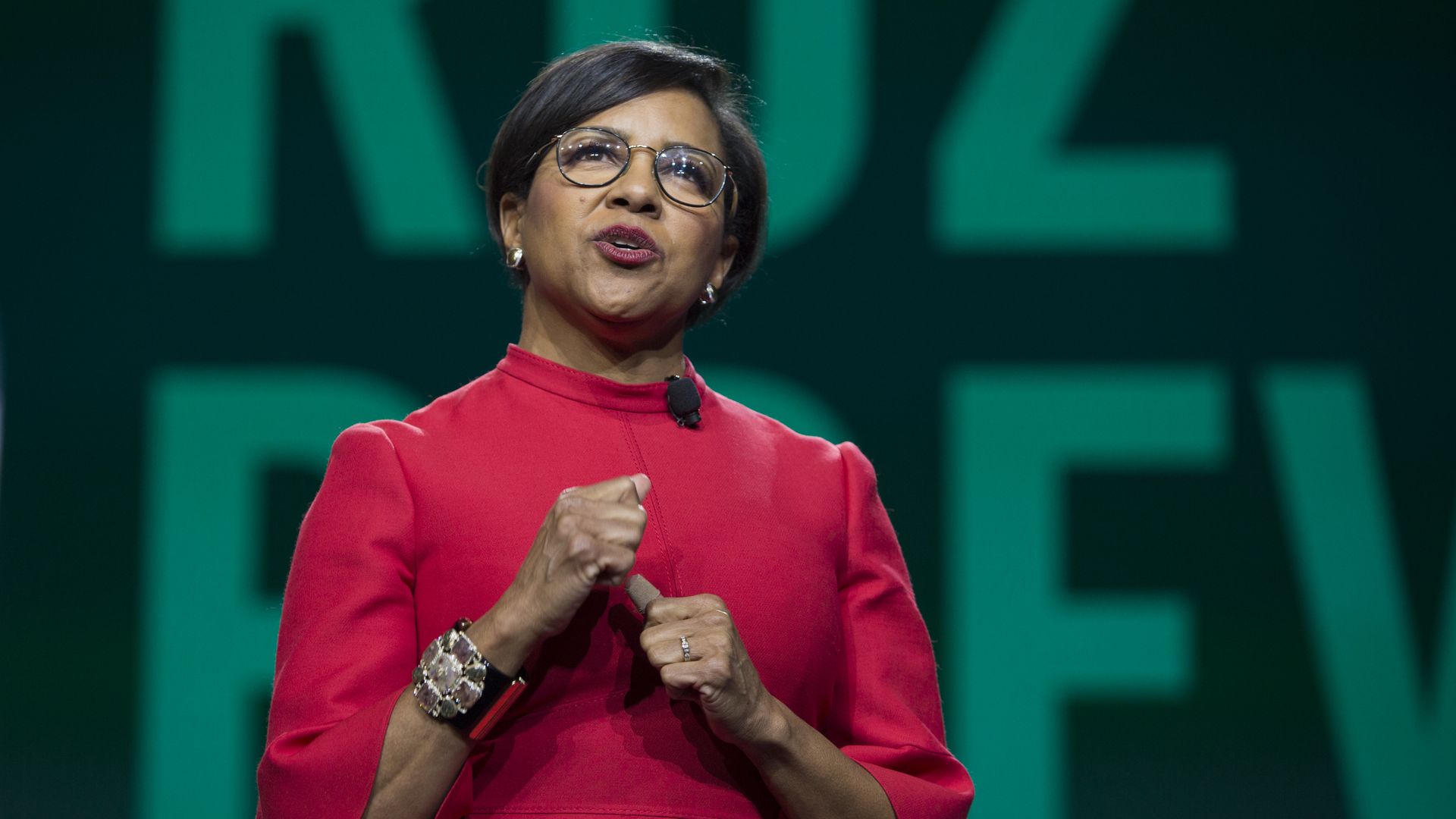
Walgreens Boots Alliance announced Friday that Roz Brewer had stepped down as CEO and board member, in a decision described as mutual.
Longtime board member Ginger Graham will serve as interim CEO until a permanent successor is found.
Why it matters: Retail pharmacy has been in a state of upheaval as shoppers spend less time and money in stores on every day goods and prescriptions, thanks to abundant options online.
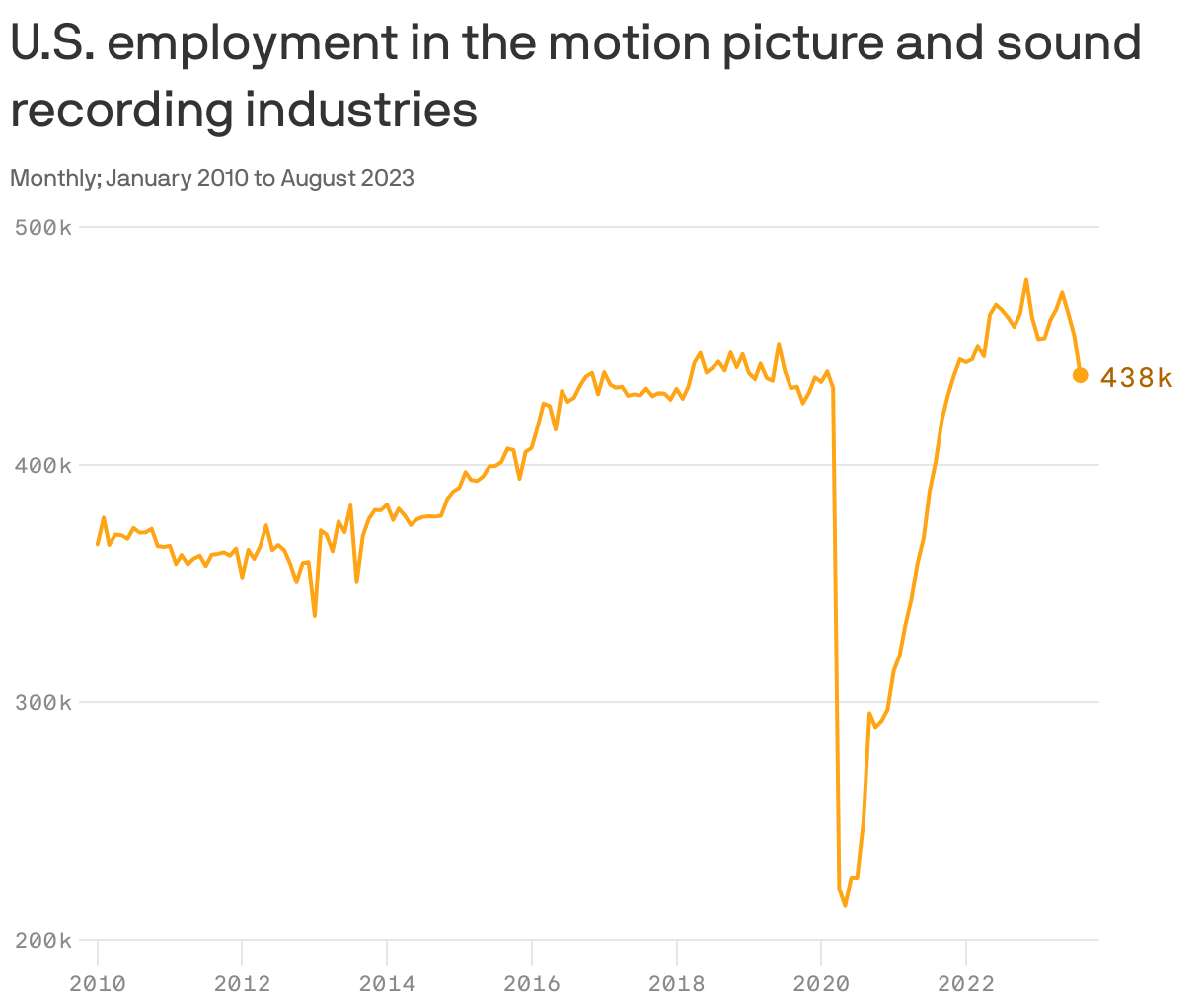
Data: U.S. Bureau of Labor Statistics; Chart: Axios Visuals
A historic Hollywood strike weighed on the labor market last month — if only temporarily — as actors joined in on striking action after failing to reach a new labor deal with major studios.
Employment in the motion picture and sound recording industry — a subset of the information sector — fell by 17,000 last month, a decline that reflected "striking activity," the Labor Department said.
An increasing number of recommendation apps are popping up to serve niche audiences.
Why it matters: Groups of friends — driven by the fear of missing out on the best of the best — are flocking to siloed apps and services for advice on what to consume.
Fast-food chains are feeling the heat from false advertising lawsuits claiming their food doesn't match ads or photos on the menu board.
Why it matters: Consumer advocates point to shrinking portion sizes and overzealous marketing teams. The food industry says lawyers are egging on litigious customers.
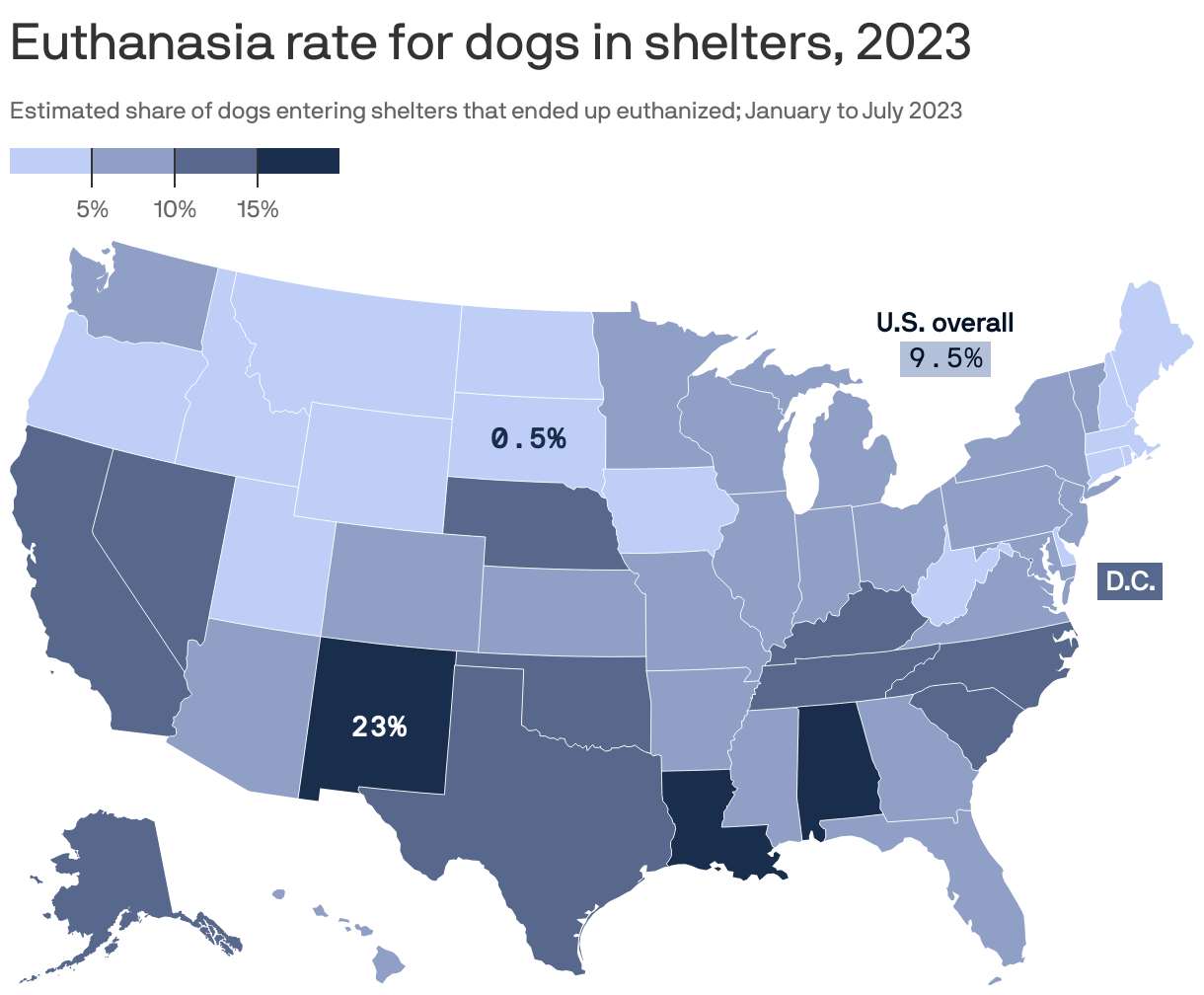
Animal shelters are overrun with stray or owner-surrendered pets this year, leading to spiking post-pandemic euthanasia rates across the country.
Why it matters: Animal intakes at both public and private shelters across the country are expected to reach a 3-year high this year, and adoptions or returns to owners are not keeping pace, according to the Shelter Animals Count database (SAC).
Spending on pleasure boats continues to hover near remarkable highs.
Why it matters: You don't buy a boat unless you're fairly confident the economic wind is at your back, so this is a good sign that Americans — despite what they tell pollsters — are actually feeling pretty good.
Data: Axios Research; Graphic: Rahul Mukherjee and Erin Davis/Axios; Note: Notre Dame is independent for football.
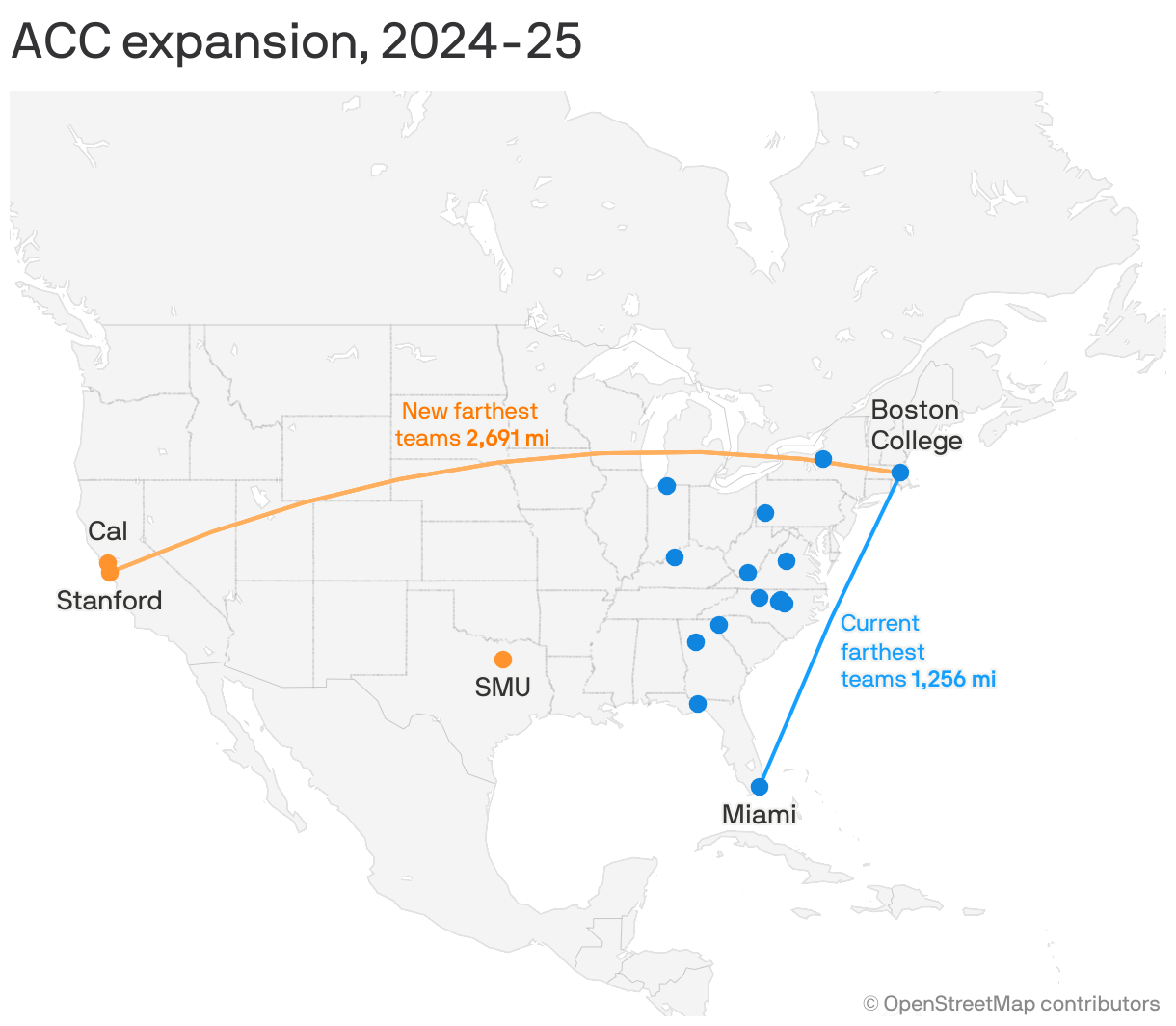
The Atlantic Coast Conference will include teams on both the East and West Coasts: It voted on Friday to add Stanford, California and SMU as new members next school year.
Why it matters: Conference realignment is drastically reshaping the college sports landscape and pushing student-athletes to travel vast distances for games.
The British economy has been the laggard among major advanced economies, struggling to return to its pre-pandemic trend even as other rich countries completed a rebound. Or so it seemed.
Driving the news: The U.K. government revised its estimates of GDP in 2020 and 2021, using more complete statistical methods. Friday's numbers put the economy's pandemic-era performance on par with G-7 nations rather than making it a straggler.
The once-blistering U.S. job market looks to be going through the kind of gradual cooldown that Federal Reserve and Biden administration officials have been seeking.
Driving the news: The economy added 187,000 jobs in August. That's a steady pace of hiring, but certainly not the rip-roaring job creation that defined much of the pandemic recovery.
Stock-trading app Robinhood on Friday said it paid nearly $606 million to repurchase shares held by an affiliate of jailed crypto king Sam Bankman-Fried.
Why it matters: Robinhood shares jumped on the news, as it became the latest company to disentangle from the former FTX CEO.
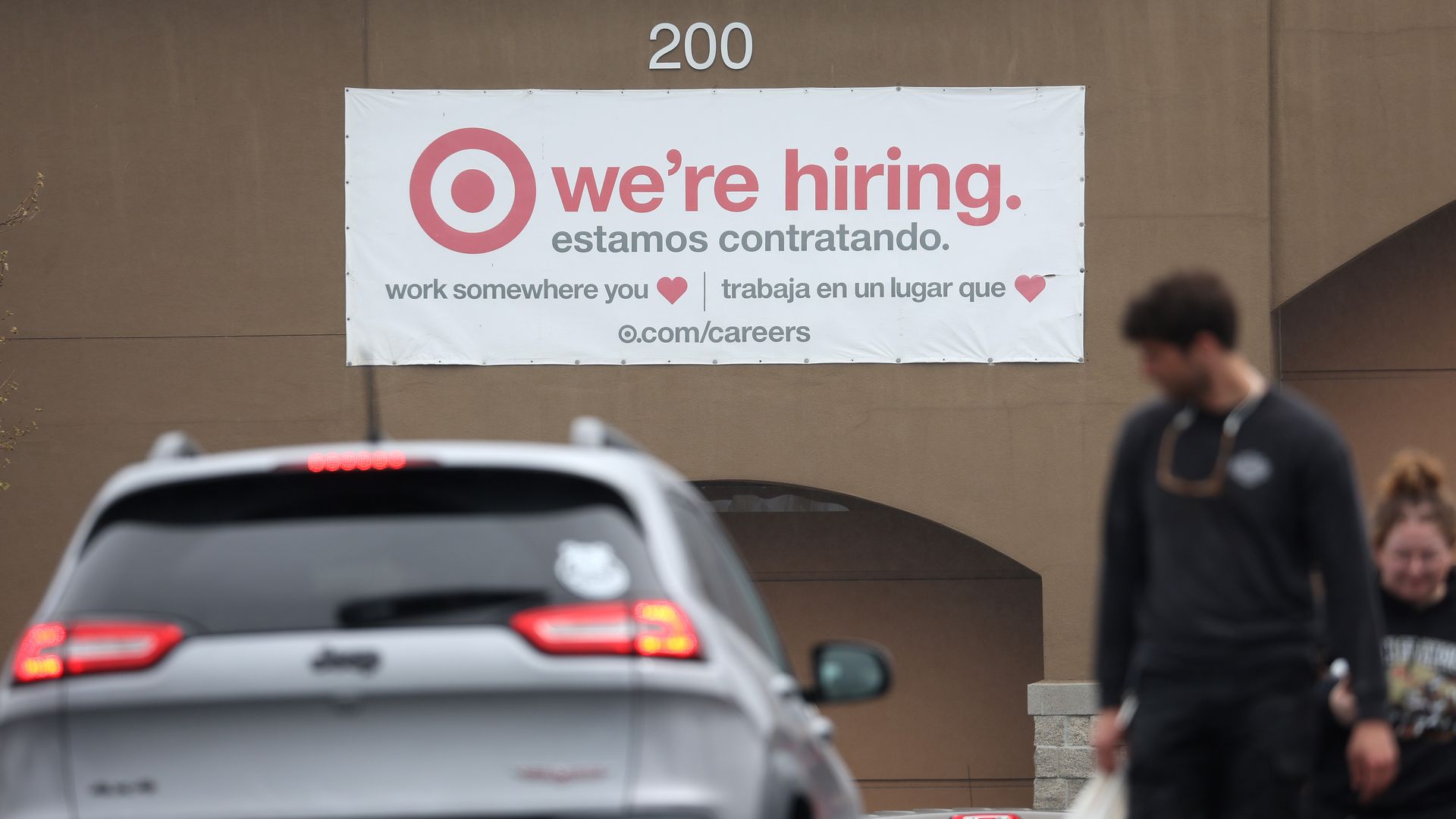
The U.S. economy added 187,000 jobs in August, while the unemployment rate rose to 3.8%, the Labor Department said Friday.
Why it matters: Employers added jobs at a slighter quicker pace than economists expected, while the unemployment rate jumped as more workers joined the labor force.
For Americans sitting out of the labor market, flexible work arrangements were ranked the most important consideration in deciding whether to take a job, according to a survey from the Bipartisan Policy Center out Friday morning.
Why it matters: The survey helps explain why more women are in the labor force these days. Remote work has been key to raising women's labor force participation.