A controversial decision in the case of SEC v. Ripple could soon be reopened before another court.
Driving the news: The U.S. Securities and Exchange Commission is seeking permission to appeal parts of the recent decision on whether the cryptocurrency XRP is a security.
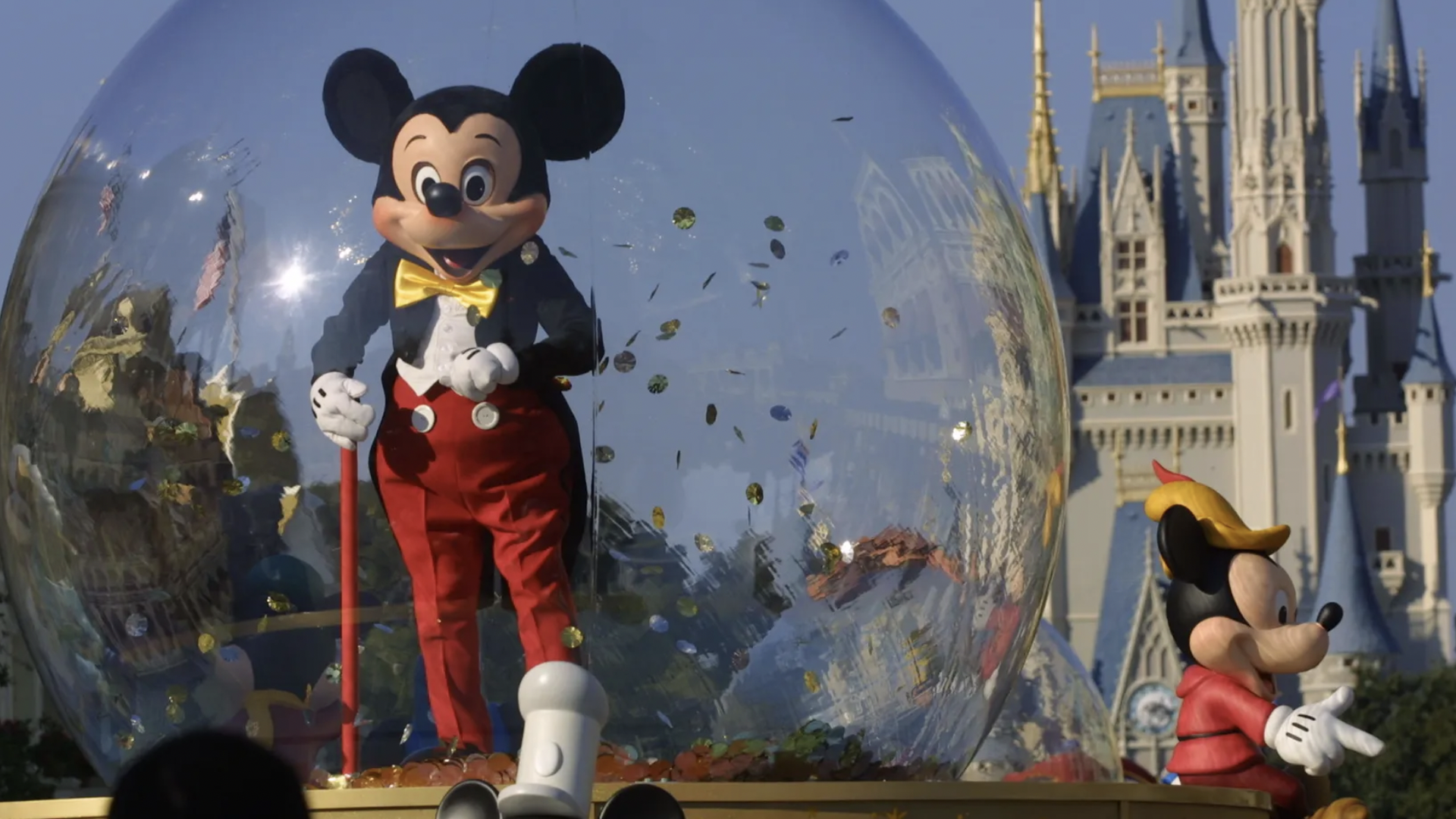
Disney said Wednesday its cost-cutting measures are beginning to pay off, resulting in fewer losses in its streaming division. But the company continues to face challenges related to its legacy television networks, which Disney CEO Bob Iger has said he's considering spinning off.
Why it matters: Investors are eager to see how Disney will manage the headwinds facing its legacy television business while trying to make its streaming efforts profitable.
Major companies are restructuring their operations in China in response to growing scrutiny from both Beijing and Washington.
Driving the news: Dentons, the biggest law firm in the world by employee size, is splitting off its Chinese division to comply with new Chinese data privacy and transfer laws, the company recently told clients.
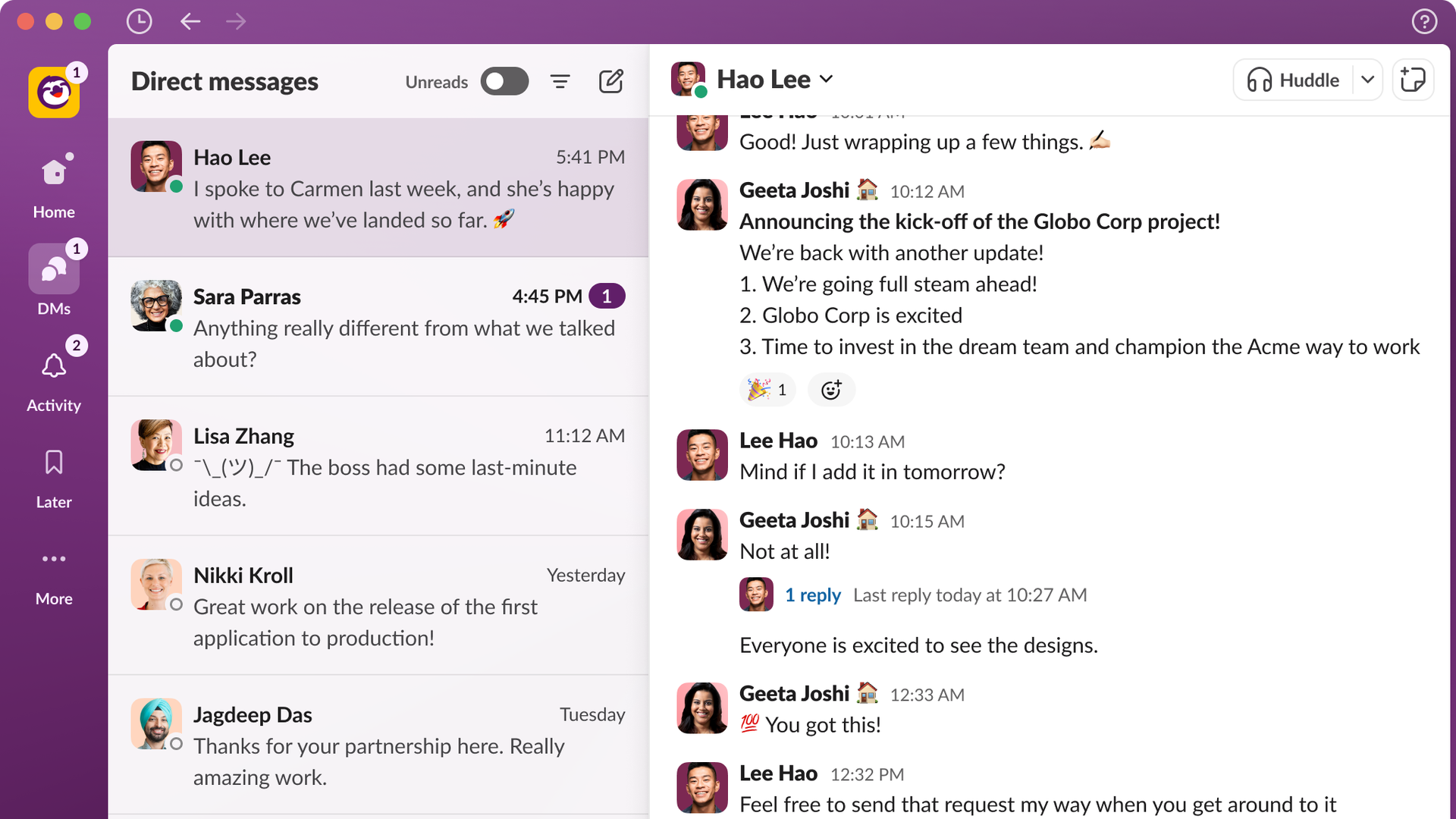
Driving the news: The workplace productivity app is set to roll out its biggest-ever user overhaul, designed with the heaviest Slack users in mind, Slack's chief product officer tells The Verge.
The founders of crypto exchange Gemini have been on a campaign to gin up buzz around its business; yet publicly available information shows some of its core products and services are in decline.
The big picture:Gemini primarily makes money on fees earned when its users trade, plus a percentage ondigital assets under its custody, like other U.S. crypto exchanges.
WeWork's admission Tuesday that the company may not survive is a stunning reversal from what was once one of the most valuable startups in the world.
Driving the news: The shared-office space company said in its quarterly results that greater competition, lower demand, and uncertain economic conditions contributed to its losses.
Early adopters fueled the initial spike in electric vehicle (EV) sales, but the next wave of consumers — the more price-sensitive "early majority" — is proving to be more elusive.
Mainstream shoppers aren't willing to pay a huge premium over conventional gas-powered vehicles, in part because they're still apprehensive about charging an electric car and they think better EVs are coming.
"Barbenheimer" buzz is fueling hopes that AMC Entertainment can avoid bankruptcy, but the company warned Tuesday that it's still on shaky ground.
Why it matters: The movie industry was on the verge of collapse during the pandemic, but the smash success of "Barbie" and "Oppenheimer" has given the business a second wind that may or may not last.
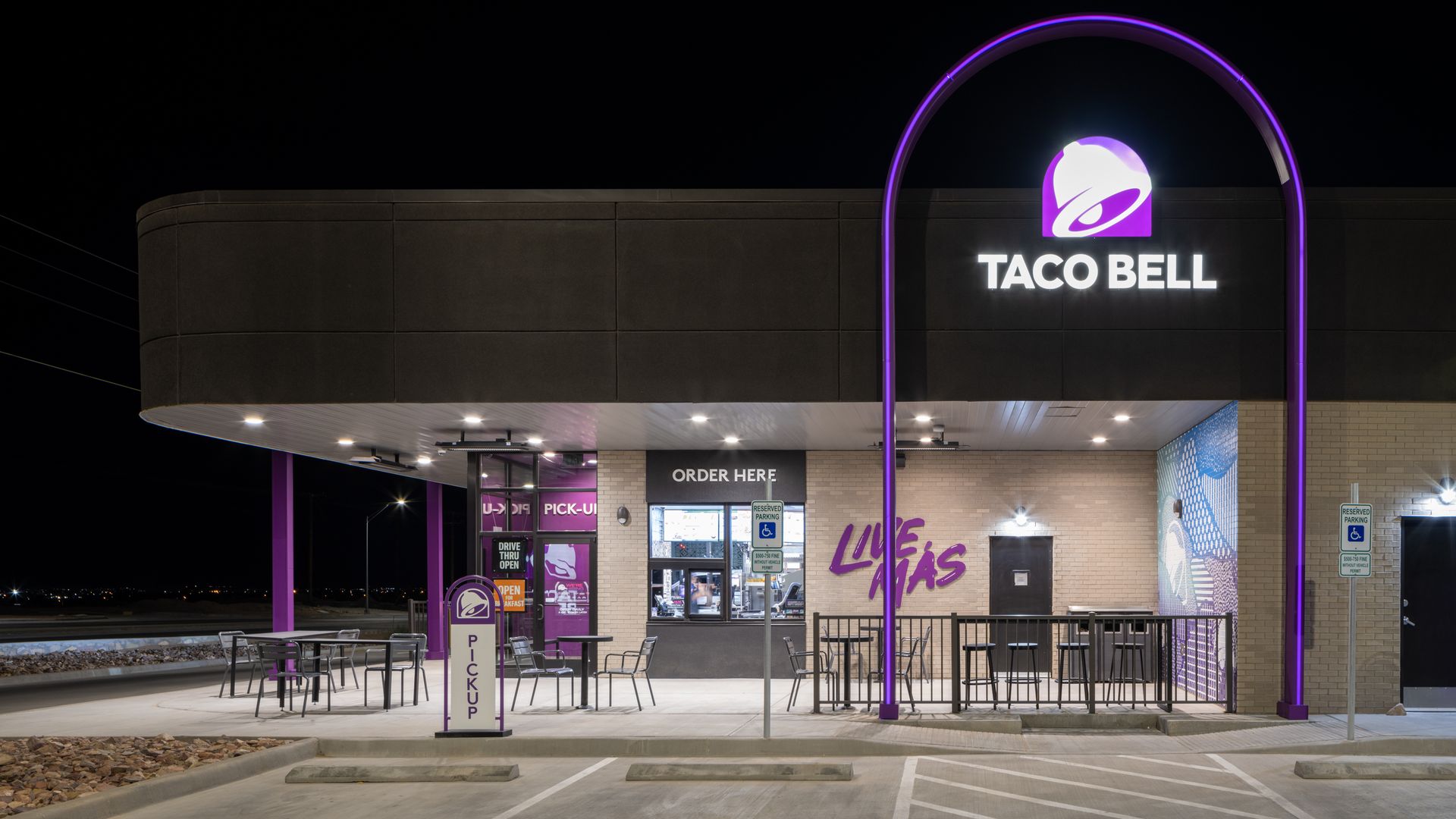
Taco Bell is looking to solve a growing industry problem — drive-thru bottlenecks — by adding an outdoor pick-up window to new restaurants.
Why it matters: The fast-food drive-thru, delivery and mobile ordering have become more popular and helped restaurants drive sales since the pandemic despite congestion that slows the wait for food.
ESPN on Tuesday announced a betting joint venture with casino operator PENN Entertainment, which soon will rebrand its Barstool Sportsbook to ESPN Bet.
Data: Jones Lang LaSalle, Inc; Chart: Erin Davis/Axios Visuals
Developers demolished more offices than they built in the first half of 2023.
Why it matters: New data from Jones Lang LaSalle (JLL) shows how commercial real estate is still reeling from the sudden spike in remote work during the pandemic.
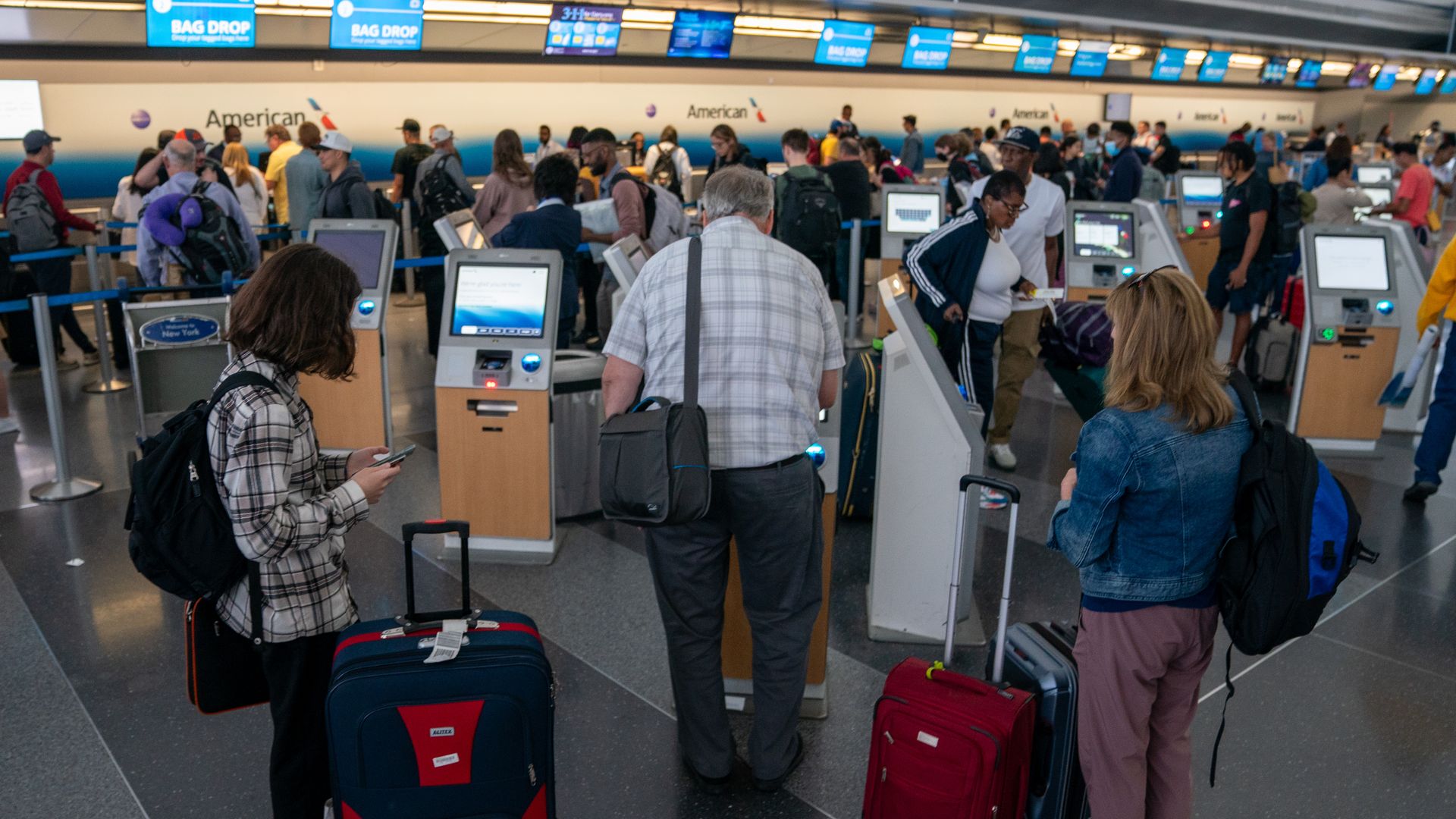
As travelers contend with high ticket prices amid the busy summer travel season, more have turned to a controversial hack widely prohibited by airlines.
Why it matters: "Skiplagging" promises travelers the chance to score a cheaper flight deal but also comes with a set of risks.
U.S. credit card debthit $1 trillion for the first time toward the end of July, but its share of U.S. gross domestic product is still lower than it was in 2010, or at the onset of the pandemic.
Why it matters: The rise reflects a number of factors, including rising consumer confidence and spending power amid cooling inflation.
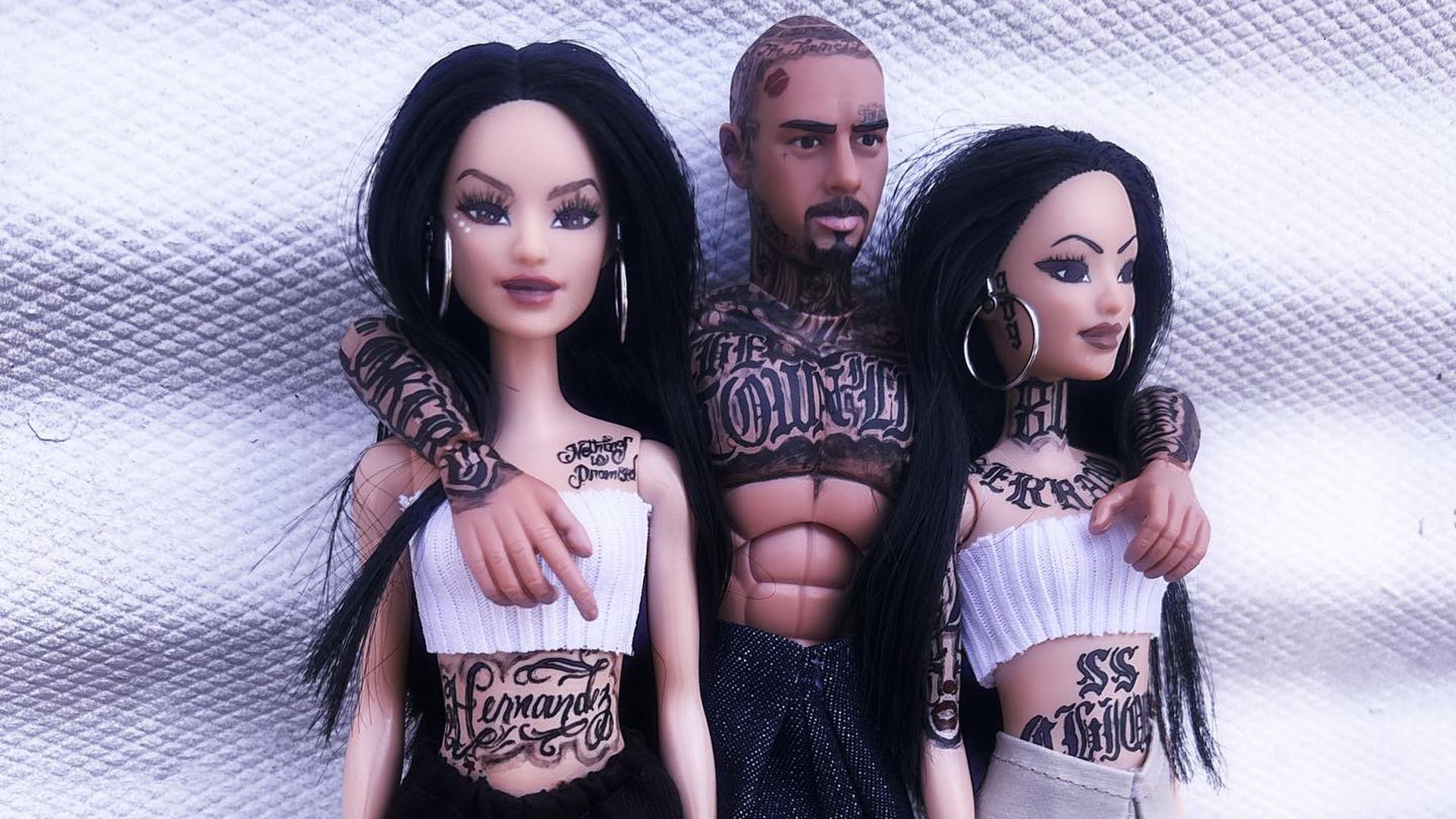
A Los Angeles artist is transforming Barbie dolls with sharpie eyebrows, intricate tattoos and hoop earrings amid conversations around limited concepts of beauty reignited by Barbie mania.
Why it matters: Research has shown that dolls have a direct correlation with how young girls of color see themselves and their standards of beauty.
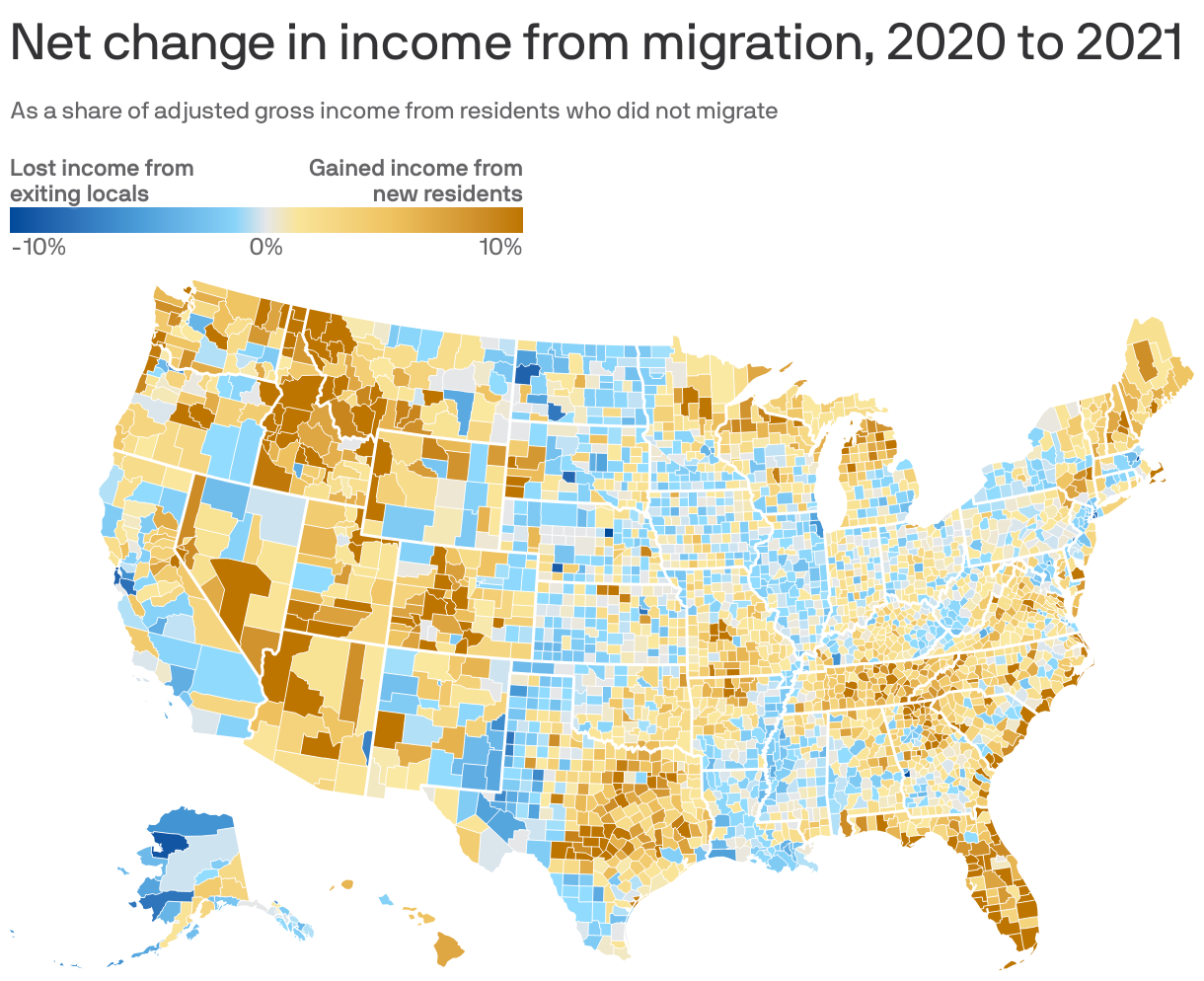
Reproduced from Economic Innovation Group analysis of IRS data; Map: Axios Visuals
When millions of Americans rethought their living situations during the pandemic, their moves changed the geography of where money is made in the United States.
The big picture: At least two people died from the storms, while downed trees and power lines left thousands of homes across the area without power on Tuesday morning.
Crypto executives are jousting over the health of certain stablecoins.
Driving the news: Binance's latest attestation report showed a substantial drop in its Circle's usd coin holdings — down to just under $24 million as of May 1, from around $3.5 billion at the start of March.
Puck, the buzzy media startup that covers the intersection of Hollywood, Silicon Valley, Wall Street and Washington, has raised over $10 million in a Series B growth round, Puck co-founder and editor-in-chief Jon Kelly told Axios.
Why it matters: The amount of money is less significant than that it raised at all, given a slowdown in dealmaking within the media industry.
The Atlantic has booked $19.5 million in advertising and events revenue so far this year, according to data shown to staff during an internal presentation last week, putting it at 60% of its $32.5 million goal for the year.
Why it matters: After years of losing money, The Atlantic is hoping to finally reach profitability in 2024, CEO Nicholas Thompson told Axios. But to do so, it's having to make some short-term changes to its advertising business that are impacting its top line.
ConductorOne, a startup focused on securing online identities, has closed its Series A round after landing an additional $12 million investment led by Felicis Ventures.
Why it matters: Investors are actively eyeing new investments in startups like ConductorOne that are trying to tackle the growing number of hacks that leverage stolen login credentials to infiltrate company networks.
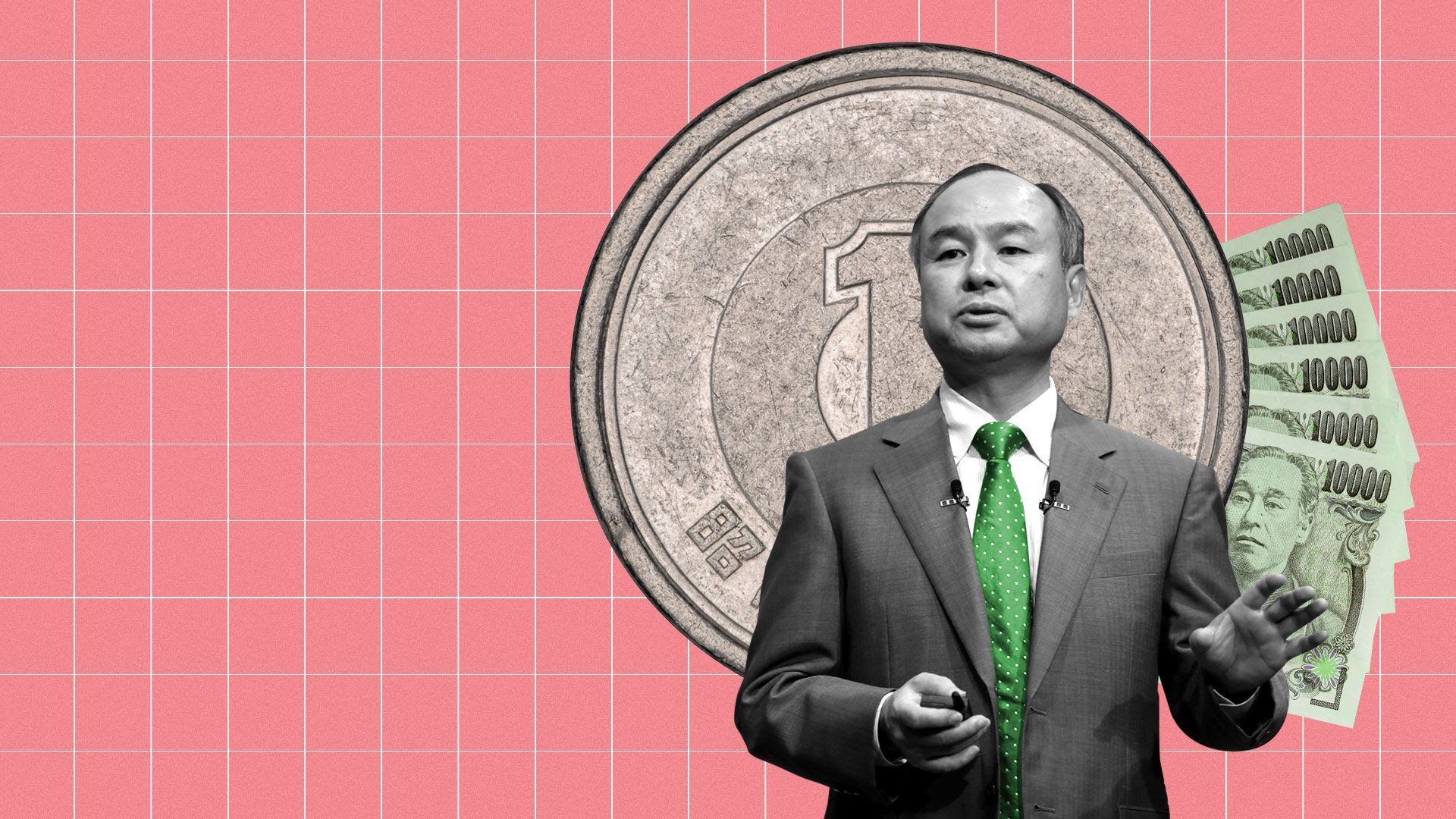
SoftBank's Vision Fund unit was a bright spot in the Japanese holding company's latest quarter, which posted a surprising overall loss of a ¥477.6 billion ($3.3 billion).
Why it matters: Gains during the quarter from SoftBank's investment arm were driven in part from the valuation of Arm, its chip design giant that is preparing a $60 billion IPO in September.
The Federal Trade Commission has withdrawn an antitrust lawsuit that sought to block Intercontinental Exchange from buying home mortgage software provider Black Knight.
Why it matters: FTC chair Lina Khan has regularly sought court over compromise, but might be changing her tactics after a series of legal losses.
OpenAI, the parent company to ChatGPT, will fund a new journalism ethics initiative at New York University's Arthur L. Carter Journalism Institute with a $395,000 grant, executives told Axios.
Why it matters: It's part of a broader effort by OpenAI to provide support for quality journalism, which it relies on to train its algorithms.
Iowa, Michigan, Kansas, Wisconsin and Minnesota are the top five states using robots in manufacturing, according to a new report from the National Bureau of Economic Research.
Why it matters: Robots are set to fundamentally change how economies operate, much like the internet and electricity — yet their impact stands to be geographically stratified.
Campbell Soup announced on Monday that it has purchased Sovos Brands for about $2.7 billion.
Why it matters: Campbell will bolster its offerings considerably with this purchase — adding Rao's sauces, Michael Angelo's frozen foods, Noosa yogurts and other premium products to its range.