A federal judge ruled Tuesday that the Trump administration unconstitutionally targeted pro-Palestinian non-citizens for arrest and deportation to "strike fear" and "chill" speech.
Why it matters: The ruling reinforces that non-citizens legally present in the U.S. are guaranteed the same free speech protections and disputes the government's argument that visas and green cards are "privileges" that can be revoked at any time.
The man who police say killed four people and injured another eight in Sunday's attack on a Latter-day Saints church in Michigan held virulently anti-Mormon views, multiple friends and acquaintances say.
Zoom in: The man was particularly affected by a breakup with a woman who was a devout Latter-day Saint and whom he'd dated while living briefly in Utah more than a decade ago, friends told CNN and the New York Times.
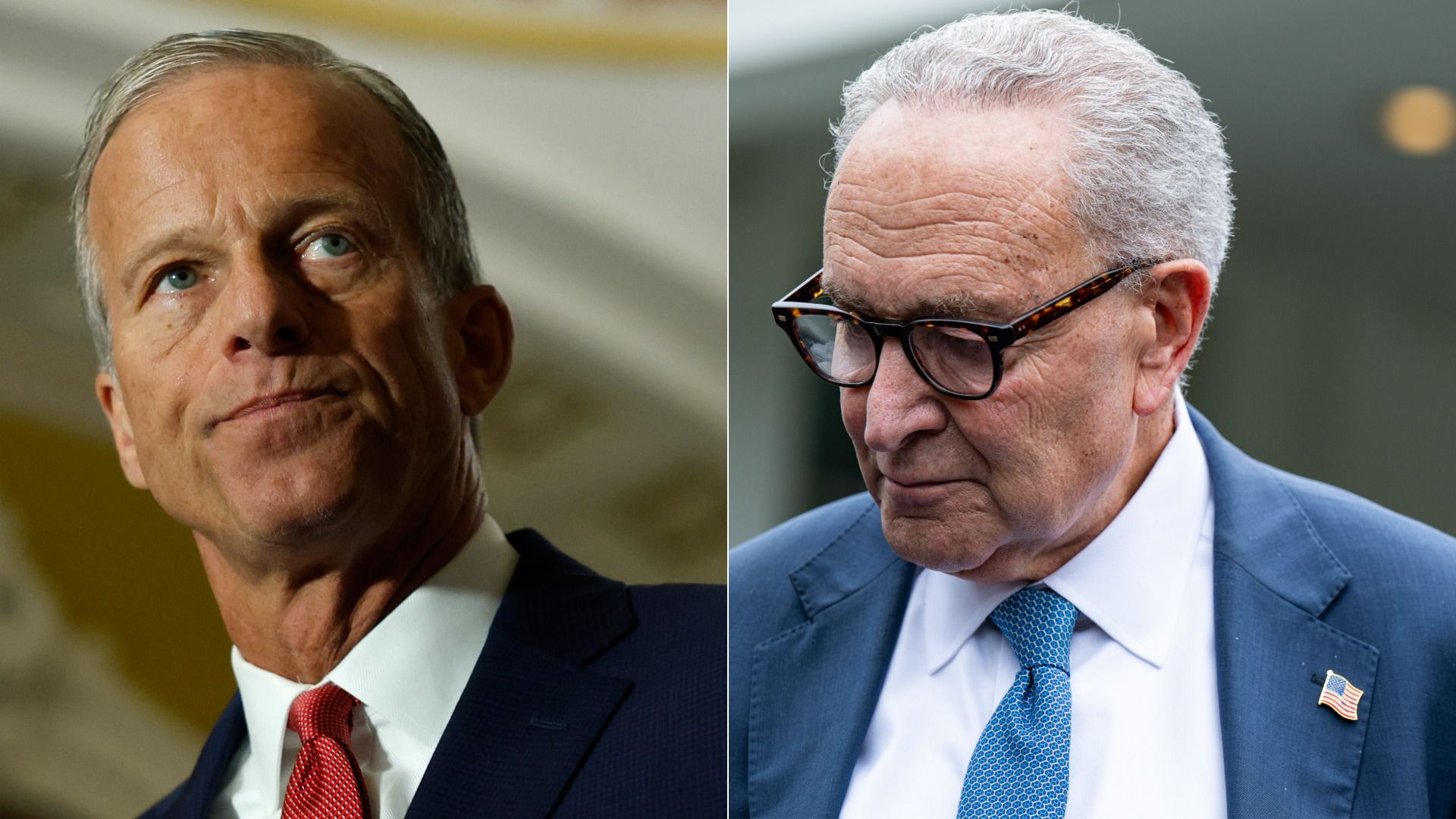
Senate Democrats encouraged each other to dig in and stand up to President Trump on government funding during a private caucus meeting Tuesday, Axios has learned.
Why it matters: A government shutdown is just hours away without a compromise from lawmakers — and Democratic resolve is only strengthening.
Air travel is bracing for disruptions as Congress races against tonight's federal funding deadline to avert a shutdown.
Why it matters: The U.S. Travel Association told Congressional leaders in a letter sent last Thursdaythat a shutdown would cost the U.S. economy $1 billion per week and affect millions of travelers.
The website for the Department of Housing and Urban Development is greeting visitors with a pop-up message that blames the "Radical Left" for the looming government shutdown Wednesday morning.
Why it matters: This marks a new turn in how the Trump administration is willing to use taxpayer-funded resources to advance political messaging.
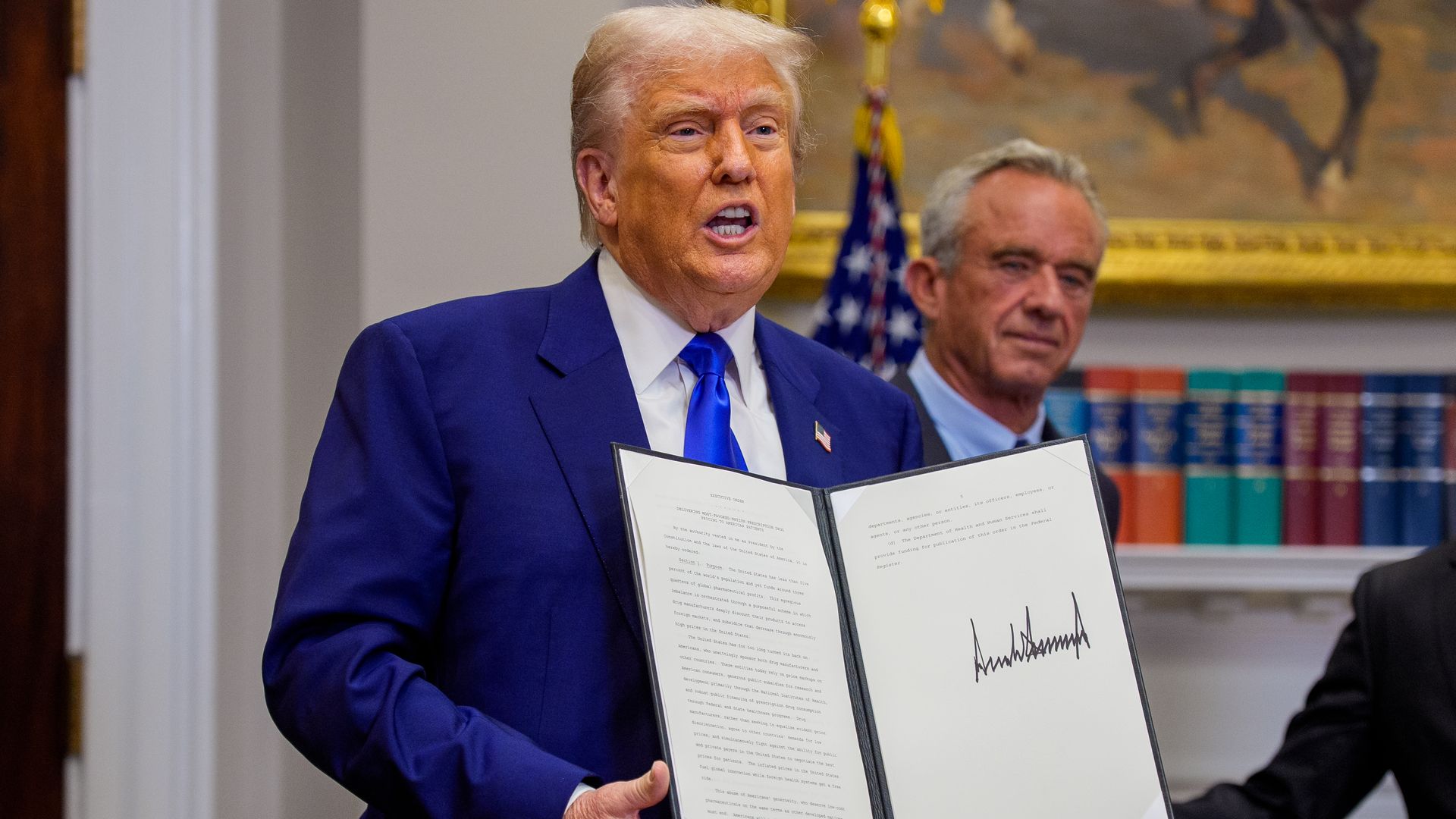
President Trump signed an order Tuesday directing his administration to invest $50 million in AI-driven pediatric cancer research.
Why it matters: The move is part of a broader embrace of artificial intelligence across federal agencies but comes as the administration is slashing biomedical research spending and pausing grants.
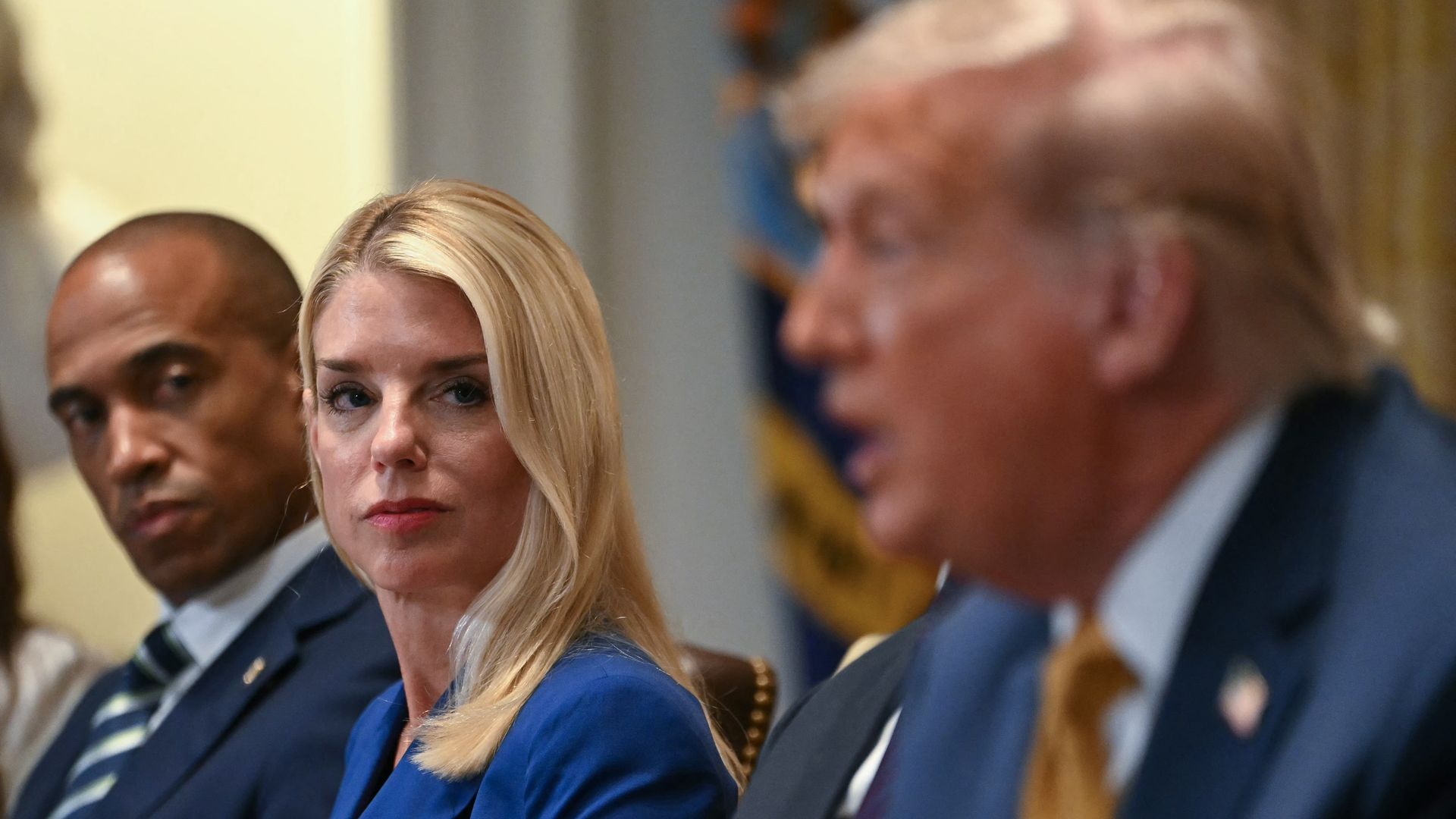
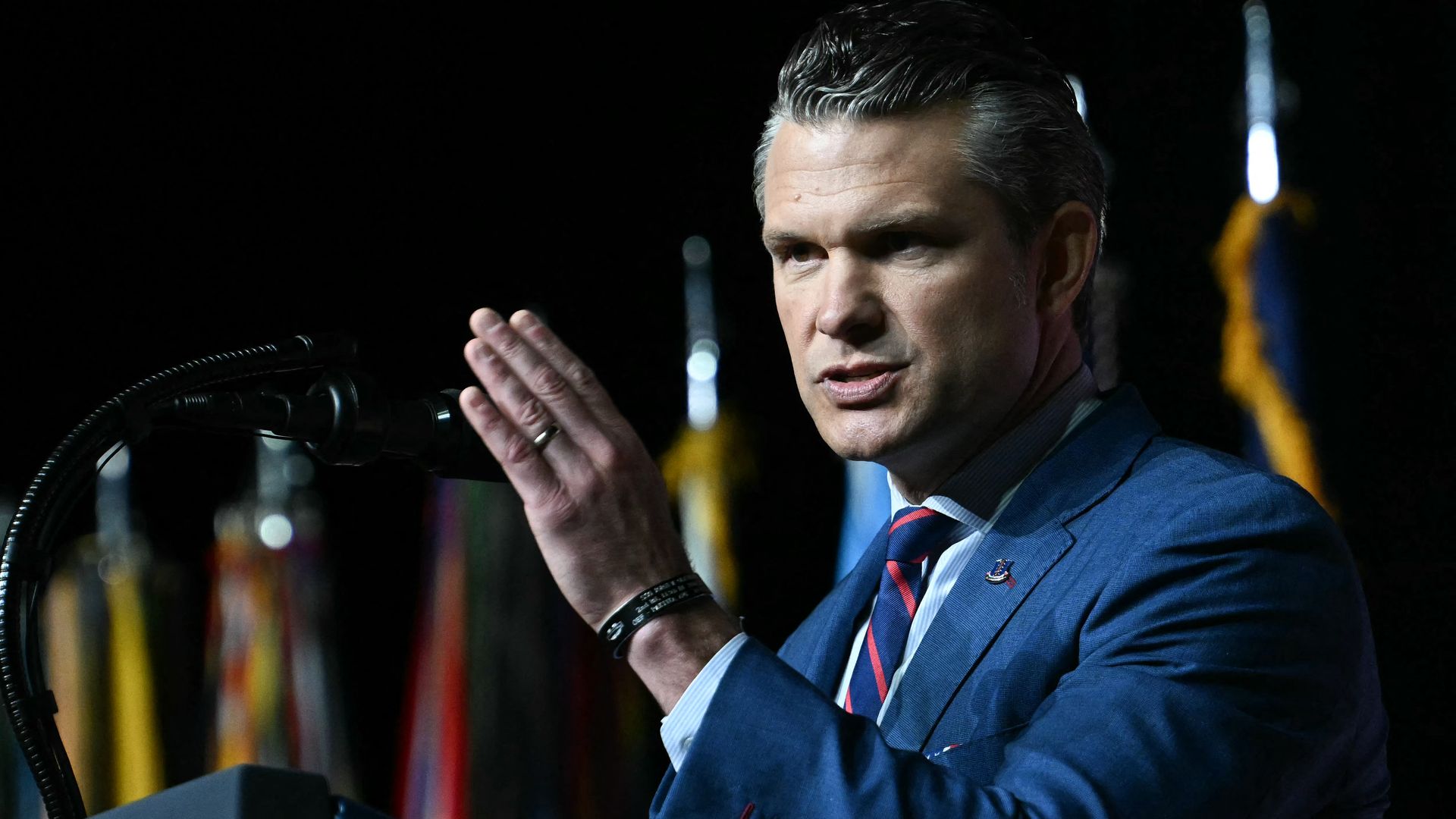
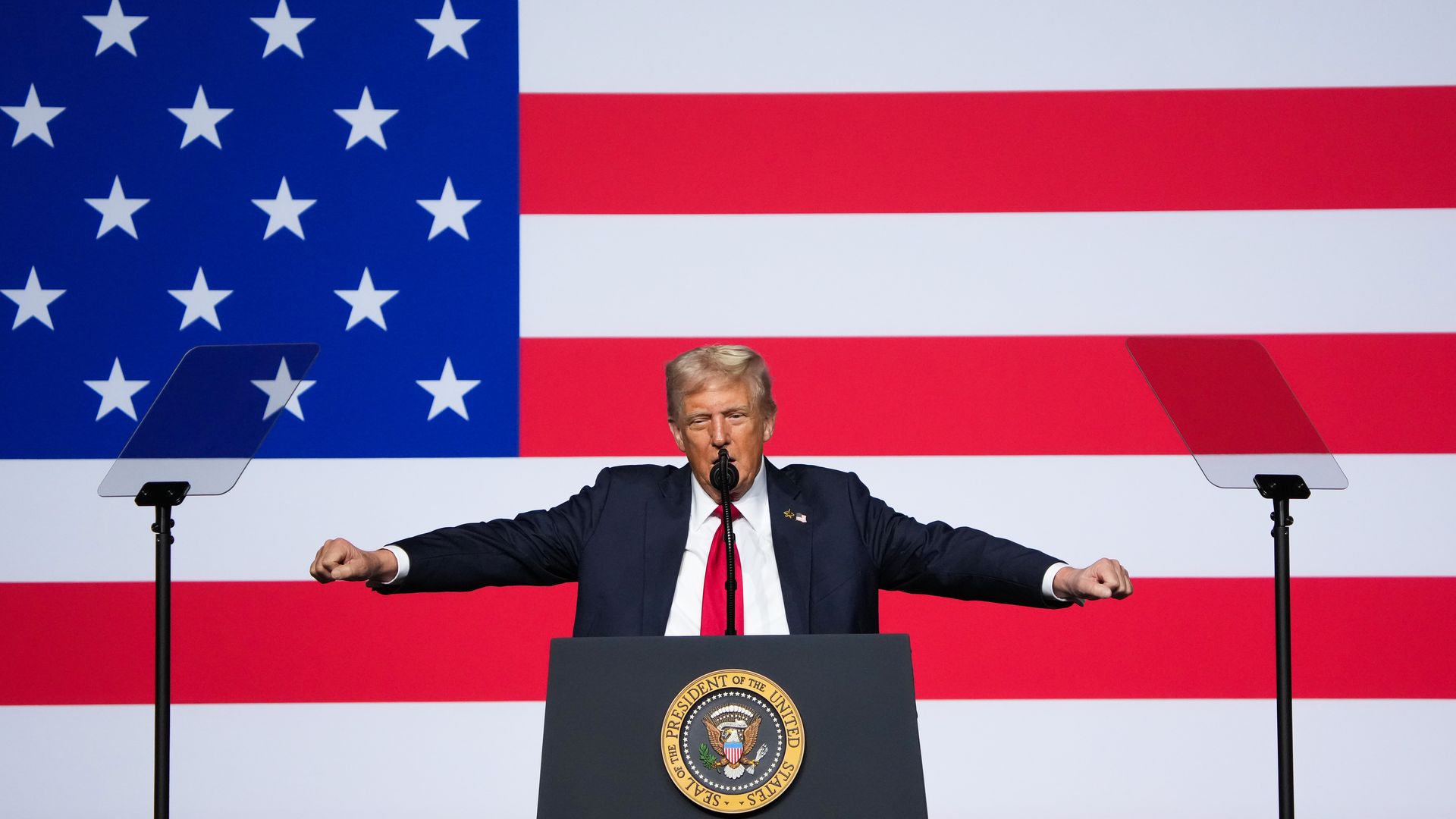
President Trump and Defense Secretary Pete Hegseth used a rare gathering of the country's highest-ranking military officials to outline their vision for a cultural and operational military reset on Tuesday at Marine Corps Base Quantico.
Why it matters: That reset, which Trump's team has been laying the groundwork for since before he took office, included making the military culture "MAGA-friendly."
Qatar, Egypt and Turkey are urging Hamas to give a positive response to President Trump's proposal for ending the war in Gaza, according to two sources with knowledge of the talks.
Why it matters: The three countries are the mediators with the closest ties to Hamas and primary responsibility for passing messages between the group and Israel and the U.S. Top officials of those countries have met Hamas leaders twice in the last 24 hours.
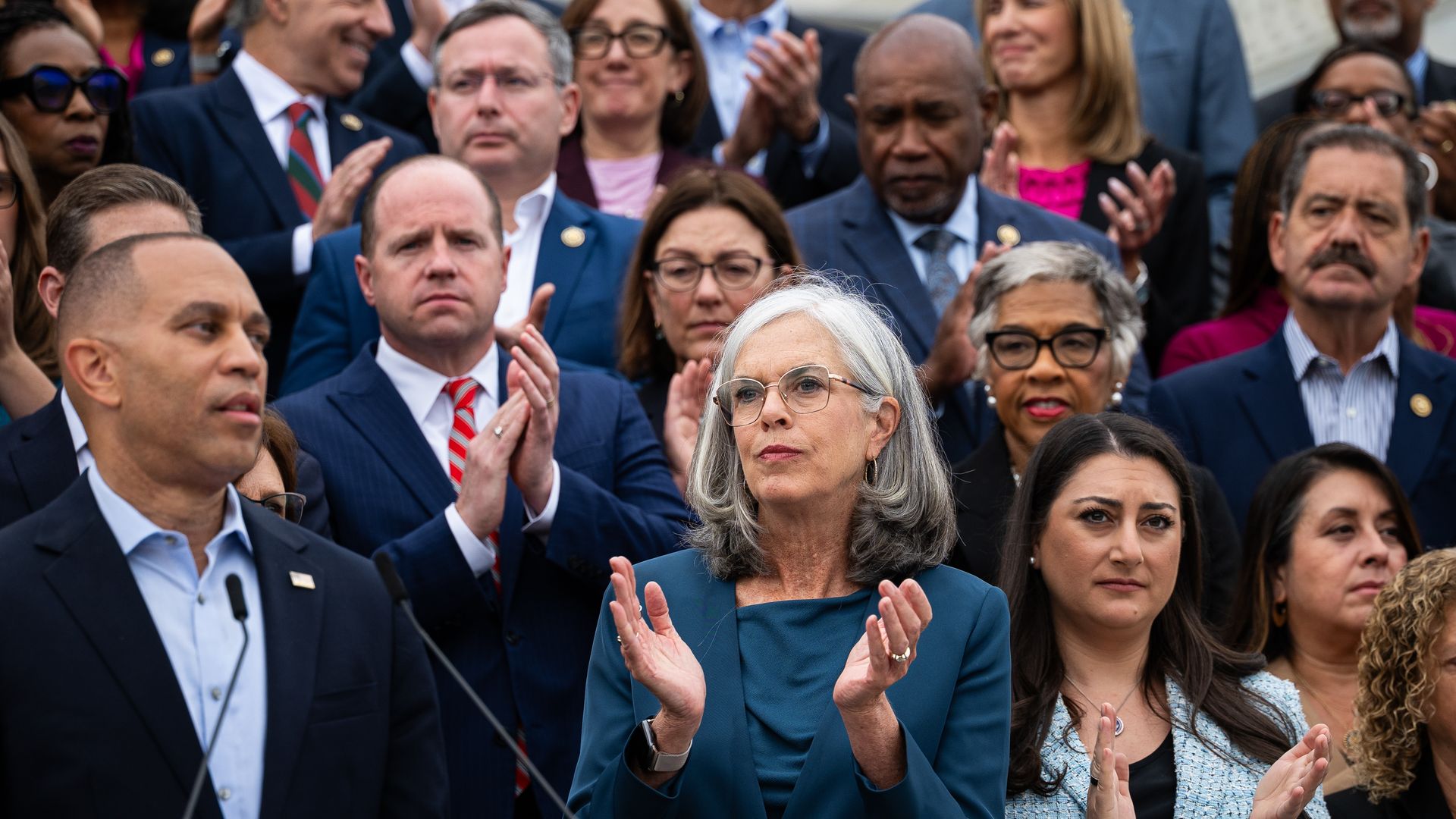
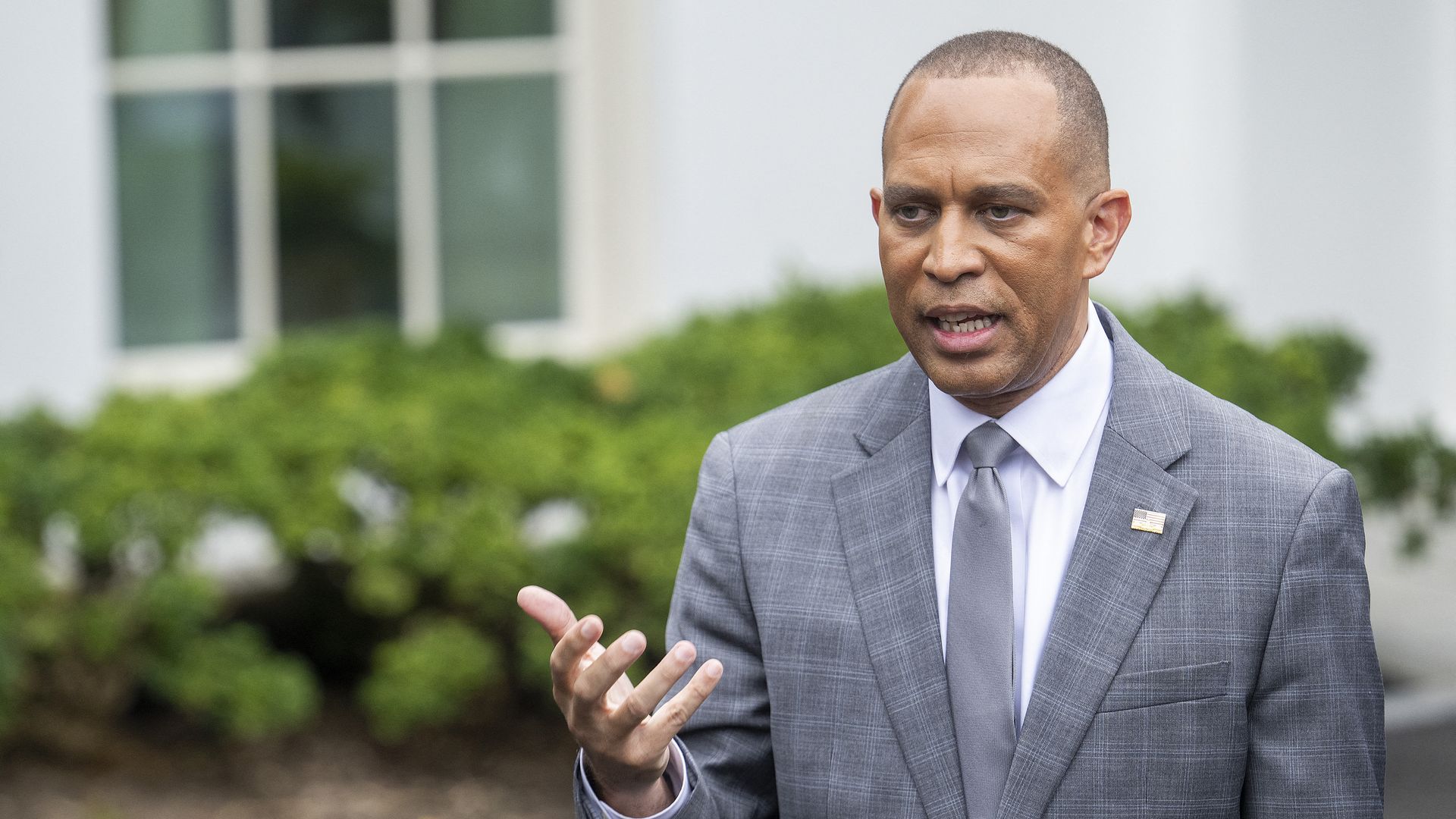
House Democrats emerged from a closed-door meeting Tuesday talking more in terms of what to do if the government shuts down than about how to prevent the shutdown itself.
Why it matters: Not only are the two parties far apart in their positions on government funding with fewer than 10 hours to go until the shutdown deadline — they're not even really negotiating, lawmakers say.
The assailants in several recent mass shootings left behind messages inscribed on bullet casings, posing a dilemma for journalists who want to inform the public without inspiring copycats.
Why it matters: Media outlets don't typically publish manifestos from shooters, but extremism experts warn the messages on the bullets may play the same role.
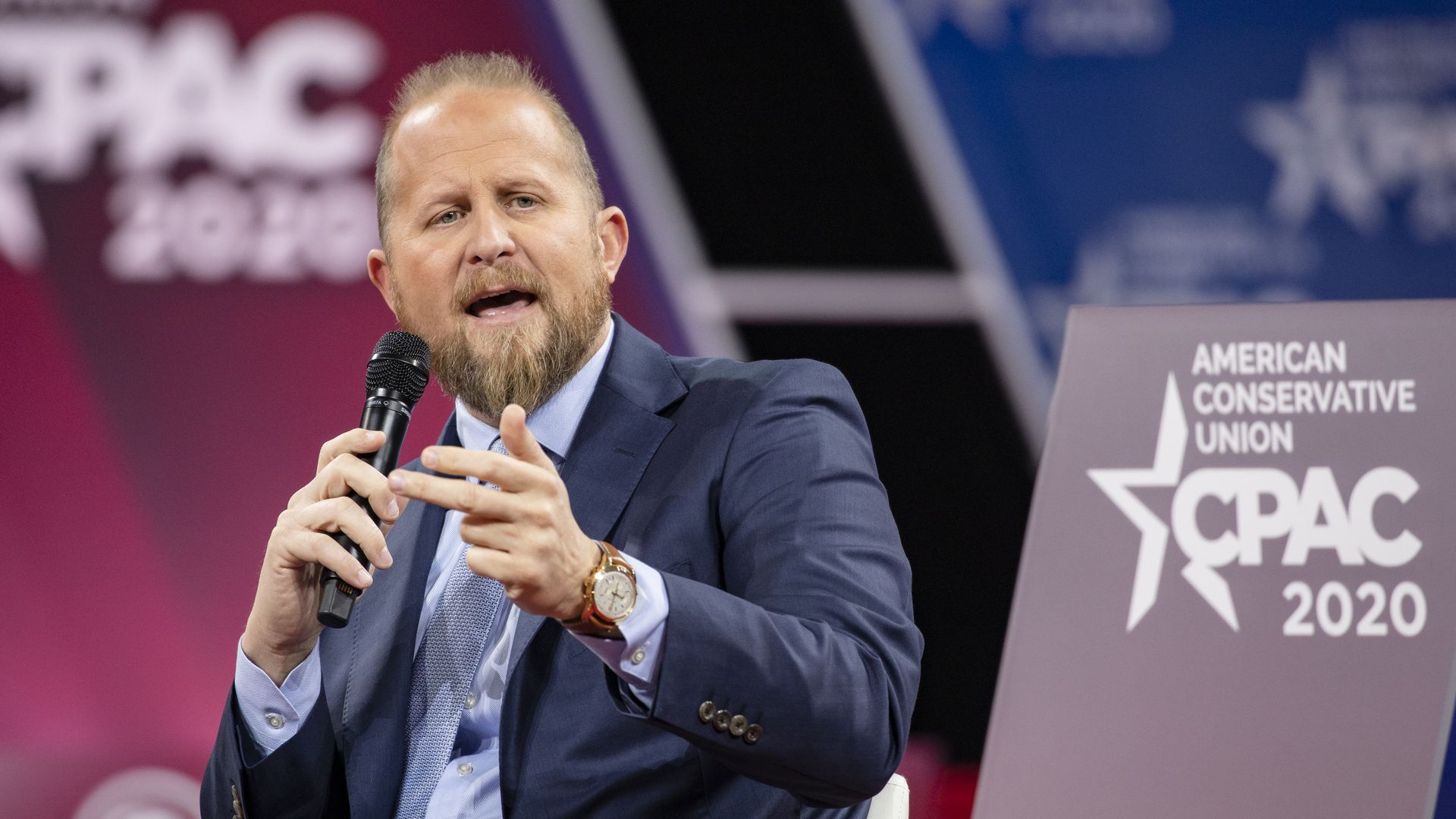
Brad Parscale, a top aide on President Trump's first two campaigns, registered as a foreign agent to work on Israel's behalf and create digital media combating antisemitism.
Why it matters: While Israel has been hemorrhaging support among Democrats for years, it's starting to see similar trends among Republicans — especially younger voters.
The Congressional Budget Office estimates that approximately 750,000 federal employees will be furloughed each day of a government shutdown.
Why it matters: Those furloughed employees, as well as congressional staffers, will not receive paychecks, putting pressure on lawmakers and the White House to find an agreement to reopen the government.
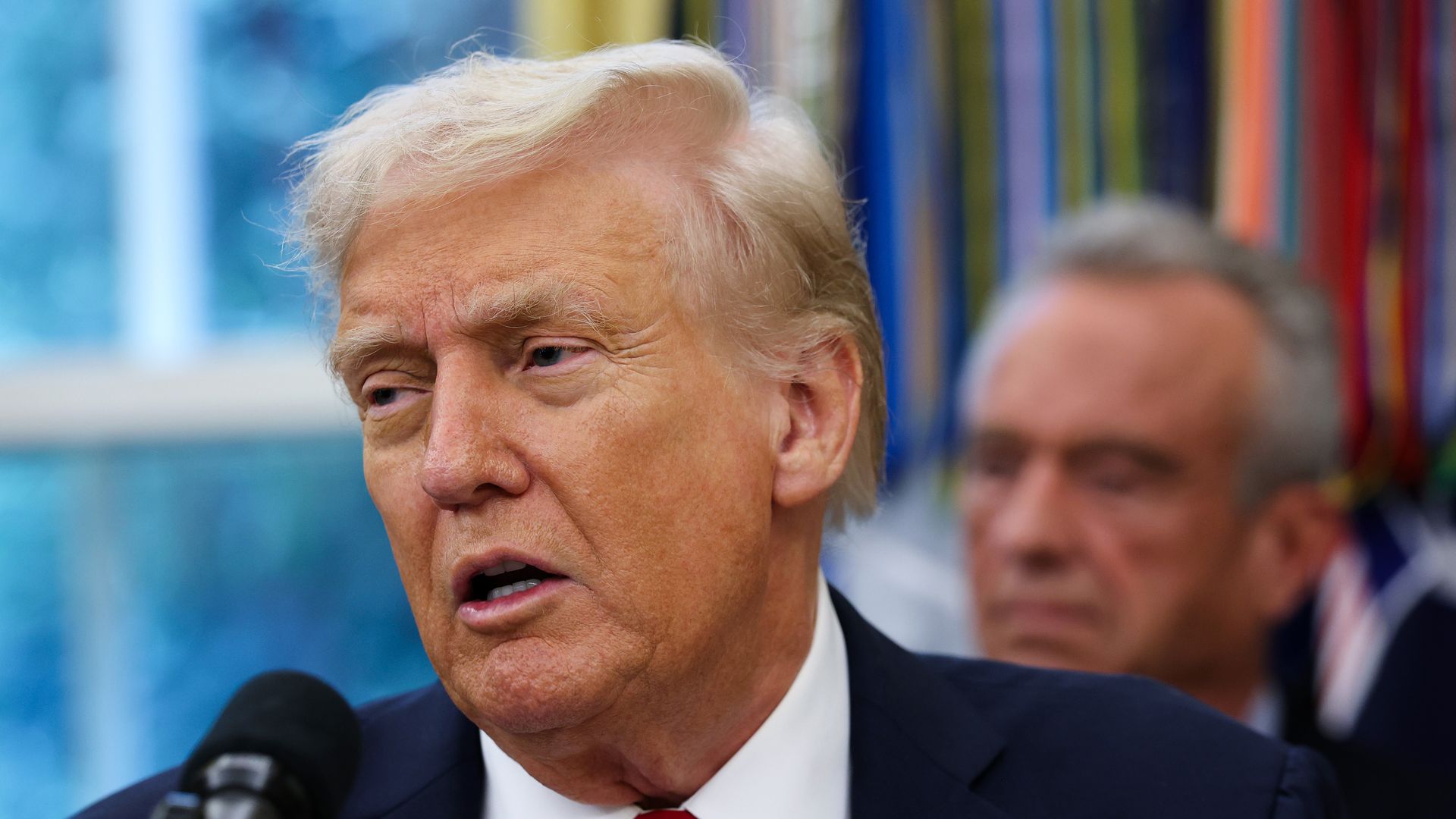
President Trump and Pfizer announced a deal on Tuesday to lower certain drug prices and move towards the president's "most-favored nation" pricing plan.
Why it matters: Trump has been pushing prescription drug manufacturers to lower U.S. prices, and the commitment from Pfizer could prompt more companies to sign on.
Why it matters: Trump 2.0 promised to overhaul the Pentagon, everything from axing old-school weapons programs to effecting a MAGA-friendly cultural reset. Both are underway.
President Trump told the nation's top military officials Tuesday troops should use "dangerous" American cities as "training grounds."
The big picture: Trump has used crime as a pretext to deploy troops to Democratic-led cities, with the National Guard patrolling the streets of D.C. and Portland bracing to become the next target.
The Trump administration expanded the scope of tariffs in recent weeks in ways designed to withstand legal scrutiny — a strategy that would leave substantial new import taxes in place even if the Supreme Court rules that earlier levies were illegal.
Why it matters: It is a barrage of new import duties that continues to shift the calculations of doing business in America — with no end in sight.
Democrats plan to flood a brief informal session of the U.S. House on Tuesday in an effort to needle Republicans on the impending government shutdown, four sources familiar with the matter told Axios.
Why it matters: These "pro forma" sessions are typically procedural and sparsely attended, and they rarely last more than a few minutes. Democrats' plan, first reported by NOTUS, would turn this one into a media spectacle.
The Department of Housing and Development on Monday fired two civil rights lawyers who spoke publicly about their whistleblower complaint over the Trump administration's cuts to the office that enforces fair housing laws.
Why it matters: The lawyers said the cuts are making it close to impossible to enforce civil rights laws meant to protect Americans from housingdiscrimination based on race, gender and disability.
Politicians are poised to put the hot IPO market on ice, as D.C. hurtles toward a government shutdown tomorrow.
The big picture: Companies need the Securities & Exchange Commission to bless their registration documents before going public. If the SEC is closed, no blessings.
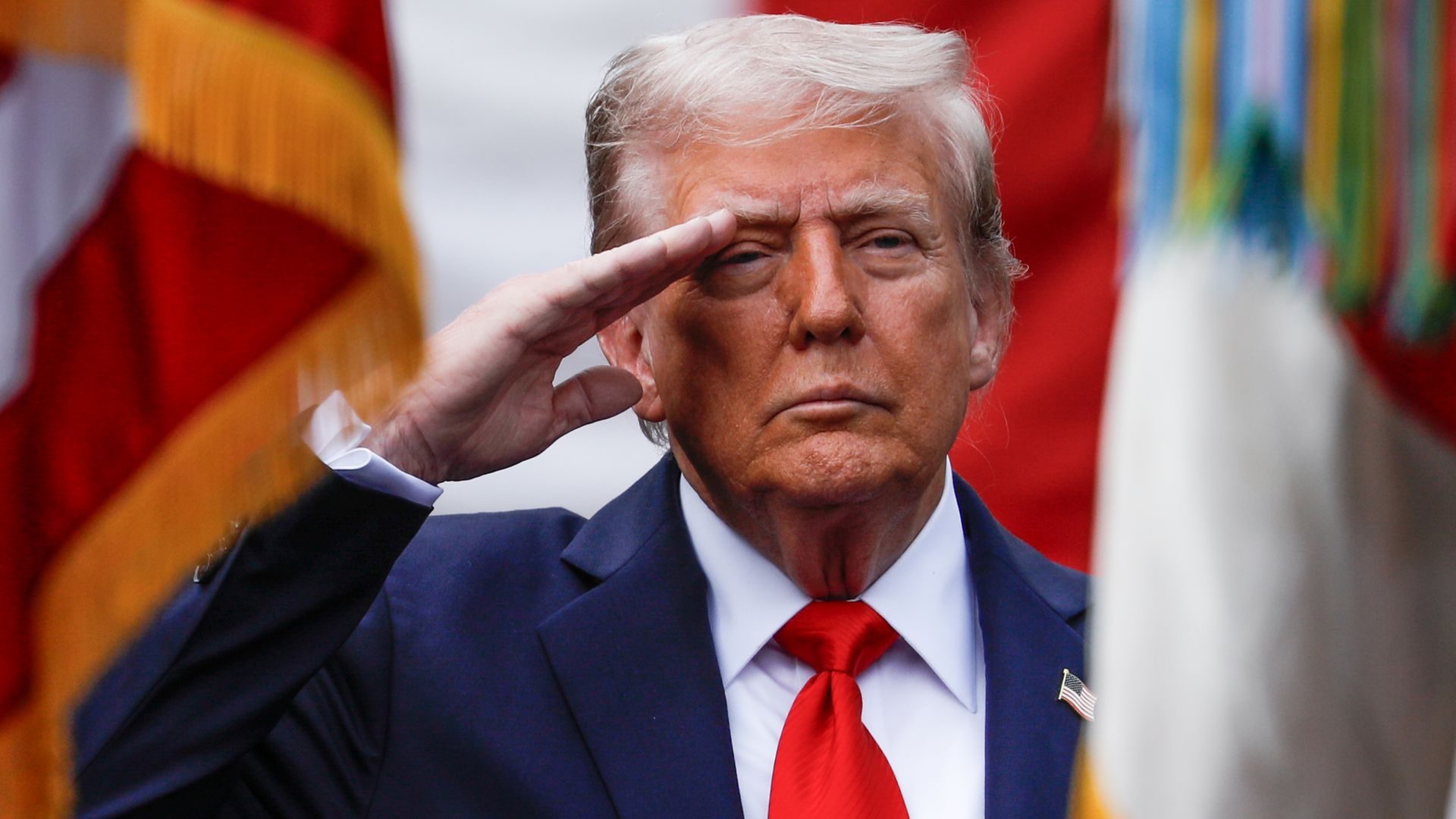
President Trump said Tuesday ahead of a speech to the military's top brass — convened at a highly unusual gathering in Virginia — that he would fire any generals he disliked "on the spot."
Why it matters: Paired with Defense Secretary Pete Hegseth's speech urging military leaders to embrace the new MAGA military or resign, Trump's comment lays bare his intention of bringing in new generals he views as more aligned with him.
The Trump administration on Monday night deported 120 Iranians detained in the U.S. back to Iran, an Iranian official said Tuesday, according to multiple reports.
Why it matters: The deportations come after a rare deal struck between the adversaries, The New York Times first reported. The Trump admin has not acknowledged the plans.
President Trump couldn't really alter coal's pathhis first time around, but officials are trying new approaches in 2025 — and the landscape has changed, too.
Why it matters: The expanding federal push to boost mining and power has implications for CO2, traditional air pollution, and power markets amid rising demand.
On the book cover above is Leland Vittert — a scrappy, aggressive prime-time NewsNation anchor — when he was nearly 2, being cradled by his dad, Mark Vittert, at their lakefront summer home in Leland, Michigan.
In the photo at right, Leland and Mark — now best friends, and decades-long partners in a battle no one outside their family knew about — play golf in Naples, Florida.
The story in between — including painful years when his dad was the young Leland's only friend — is told in the anchorman's memoir, "Born Lucky: A Dedicated Father, a Grateful Son, and My Journey with Autism," out Tuesday.
A group of more than 80 leaders from the public, private and nonprofit sectors are calling for a whole-of-government strategy to crack down on scams, according to a new strategy proposal shared first with Axios.
The big picture: Last year, Americans lost more than $158 billion to fraud and scams, or roughly $300,476 per minute, according to the Federal Trade Commission.
Scams are about more than just filling the bank accounts of one-off cybercriminals: They're often linked back to complex overseas operations that fund various regimes.
Yet companies and law enforcement have often worked in silos when trying to crack down.
Threat level: Advancements in AI tools will make it easier for scammers to target even more people.
Driving the news: The Aspen Institute's National Task Force on Fraud and Scam Prevention published a 116-page strategy for fighting scams and sent a letter to Congress today calling on policymakers to make the issue a top priority.
"This is a different kind of crime, and we can't do it alone," Kate Griffin, director of inclusive financial system at the Aspen Institute Financial Security Program, told Axios.
The task force includes nearly 80 members of the public and private sectors, including major technology vendors, telecommunications providers and federal law enforcement agencies.
Zoom in: Some of their recommendations include:
Modernizing the way key law enforcement databases that track scams collect and share data;
Enacting liability protections for companies to share information about how scams have targeted individuals, given most cyber information-sharing laws have only been applied in the context of hackers targeting companies;
Applying sanctions and diplomatic pressures on foreign governments and private organizations that aren't perceived to be taking scam activity seriously;
Exploring the creation of a U.S. National Anti-Scam Center, modeled after similar organizations in the U.K., Australia and Singapore;
Encouraging the private sector to develop new consumer-facing tools and technologies that can stop scams as they happen.
Between the lines: Kathy Stokes, director of fraud prevention and programs at AARP, a member of the task force, told Axios that coordination is the only way to squash scams.
"We coordinate much worse than the criminals do," Stokes said.
For years, companies, law enforcement and other nonprofits would over emphasize the need to educate the public about how to spot scams. But Stokes notes that the new strategy goes beyond that, because "we cannot educate our way out of the fraud crisis."
The intrigue: Many task force members have already started working on programs that follow the strategy's recommendations.
AARP has a Fraud Watch Network, which offers a free helpline for people who have been targeted by scams and connects them with law enforcement as needed.
Visa, another member, created its own internal scam detection practice this year that proactively hunts and takes down scams on its own payment networks and beyond.
What's next: Several current government officials are already a part of the task force, and the Aspen Institute plans to continue to use its convening power to bring people across sectors together to keep working on these issues, Griffin said.
"We're here to keep creating the spaces where those leaders can come together to turn that blueprint into action."
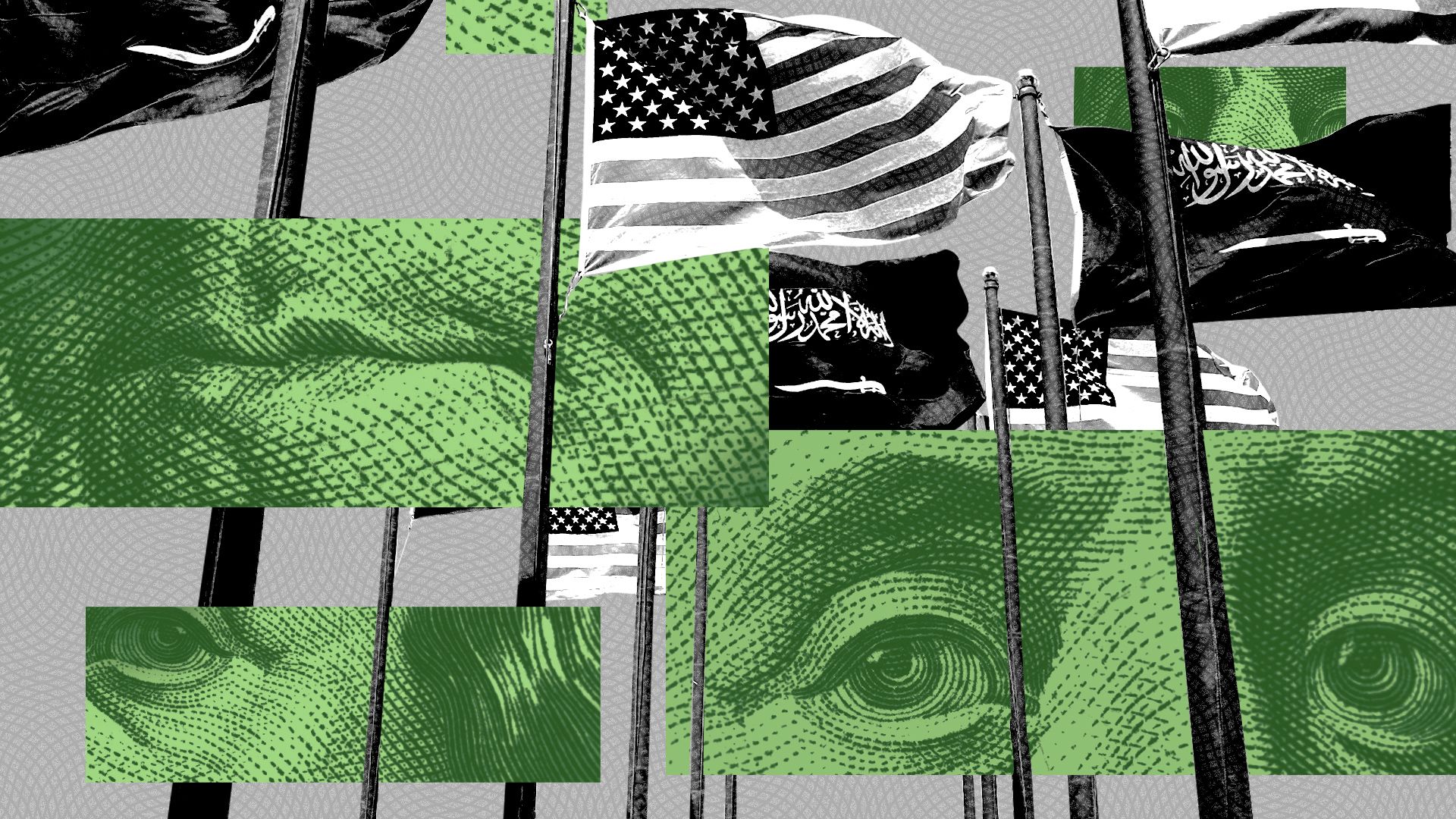
Saudi Arabia's $925 billion Public Investment Fund (PIF) is backing the largest buyout ever, in a deal that speaks to the kingdom's renewed ambitions to become a cultural powerhouse.
Why it matters: The deal, for video game maker Electronic Arts, is the latest U.S. entry point for Riyadh, as the oil-rich nation aims to diversify its economy — in large part by investing in industries with outsized male audiences, from console gaming to combat sports.
Vice President Vance and Donald Trump Jr. are planning to bolster Turning Point USA — the conservative group co-founded by the late Charlie Kirk — by appearing at its events in the coming months, Axios has learned.
Why it matters: The move further solidifies Vance's alliance with an organization that focuses on young voters ahead of what's widely expected to be the vice president's run for the White House in 2028.
If it takes a government shutdown to change what's happening to their agencies, some federal workers say: Bring it on.
Why it matters: These employees say they would not support closing the federal government under normal circumstances, given that they lose pay. This time, however, they feel they've been under siege all year and are just out of options.
A federal judge ordered the Trump administration on Monday night to pause mass layoffs at the agency that oversees Voice of America.
Why it matters: U.S. District Judge Royce Lamberth's ruling means that U.S. Agency for Global Media acting CEO Kari Lake can't lay off 532 people, most of its staff, on Tuesday as scheduled amid a wider legal battle.
A mass shooting and suspected arson at a Michigan church during a packed Sunday service killed four people and injured eight others, officials said.
The big picture: An FBI official leading the investigation called the incident at the Church of Jesus Christ of Latter-day Saints in Grand Blanc an "act of targeted violence," after officials said the suspect, who later died, drove a pickup truck into the building before opening fire and then lighting the fire.
National Guard troops could arrive in Portland as soon as Thursday, per the Oregonian, depending on the outcome of a lawsuit seeking to block the deployment.
Why it matters: The timeline has come into sharper focus as local leaders continue to say the presence of federal troops is unnecessary and unlawful.