Leland Vittert's coming book, "Born Lucky": From autism to anchor desk

Add Axios as your preferred source to
see more of our stories on Google.
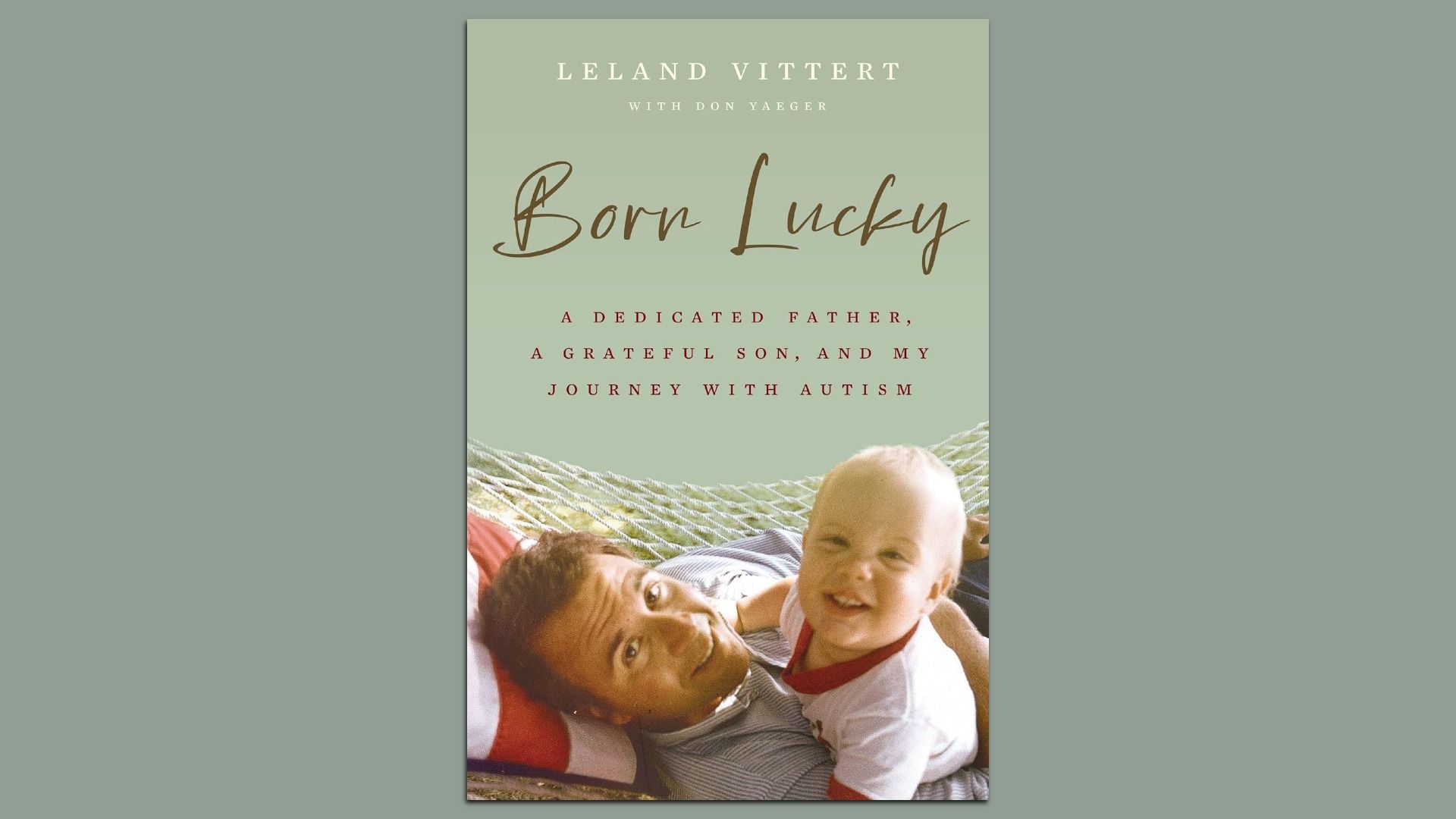
Cover: Harper Horizon
Leland Vittert — anchor of NewsNation's prime-time "On Balance" — will be out Sept. 30 with "Born Lucky: A Dedicated Father, A Grateful Son, and My Journey with Autism," chronicling his dad's role in coaching him from childhood struggles to the journalistic heights of war and political coverage.
- "This book is about giving hope to tens of millions of parents whose kids are struggling every day — not just with autism and the spectrum, but ADHD, learning disabilities, anxiety, bullying and the difficulties of growing up," says Vittert, 42, whose childhood nickname was "Lucky."
- "You or your kid don't have to be defined by a diagnosis ... And the experts aren't always right."
The backstory: Vittert, also author of the newsletter "War Notes," showed early signs "of being autistic — a term rarely used at the time — struggling with social cues, communication, and behavioral norms," says the announcement from the publisher, Harper Horizon.
- Vittert's father, Mark, sold his company "and began preparing Leland for the world. He became a full-time parent-coach, training Leland and teaching him the skills he needed to navigate in society."
- "Simple concepts like eye contact, understanding humor, and instilling motivations had to be taught painstakingly."
In a YouTube book trailer, Vittert says from his anchor desk, the Capitol dome over his shoulder: "I'm living proof you don't have to be defined by your diagnosis. As a little boy, child psychologists told my parents I had what we now know as autism. ... I didn't talk until I was 3."
- Vittert says that at a time when he had no friends and was called "weird," his dad "knew the world wouldn't change for me. He had to change me for the world."
When "Lucky" was 7, his dad had him doing 200 pushups a day to give the bullies a run for their money.
- "I was unable to read social cues," Vittert recalls. "So he'd take me to dinner. And when I became too loud, or said something off rhythm — talked too much — he would casually sit there and tap his watch. That was my signal to stop talking. And later we would postgame what I had missed."
Mark Vittert — once the future anchorman's only friend — is now his golf partner.
