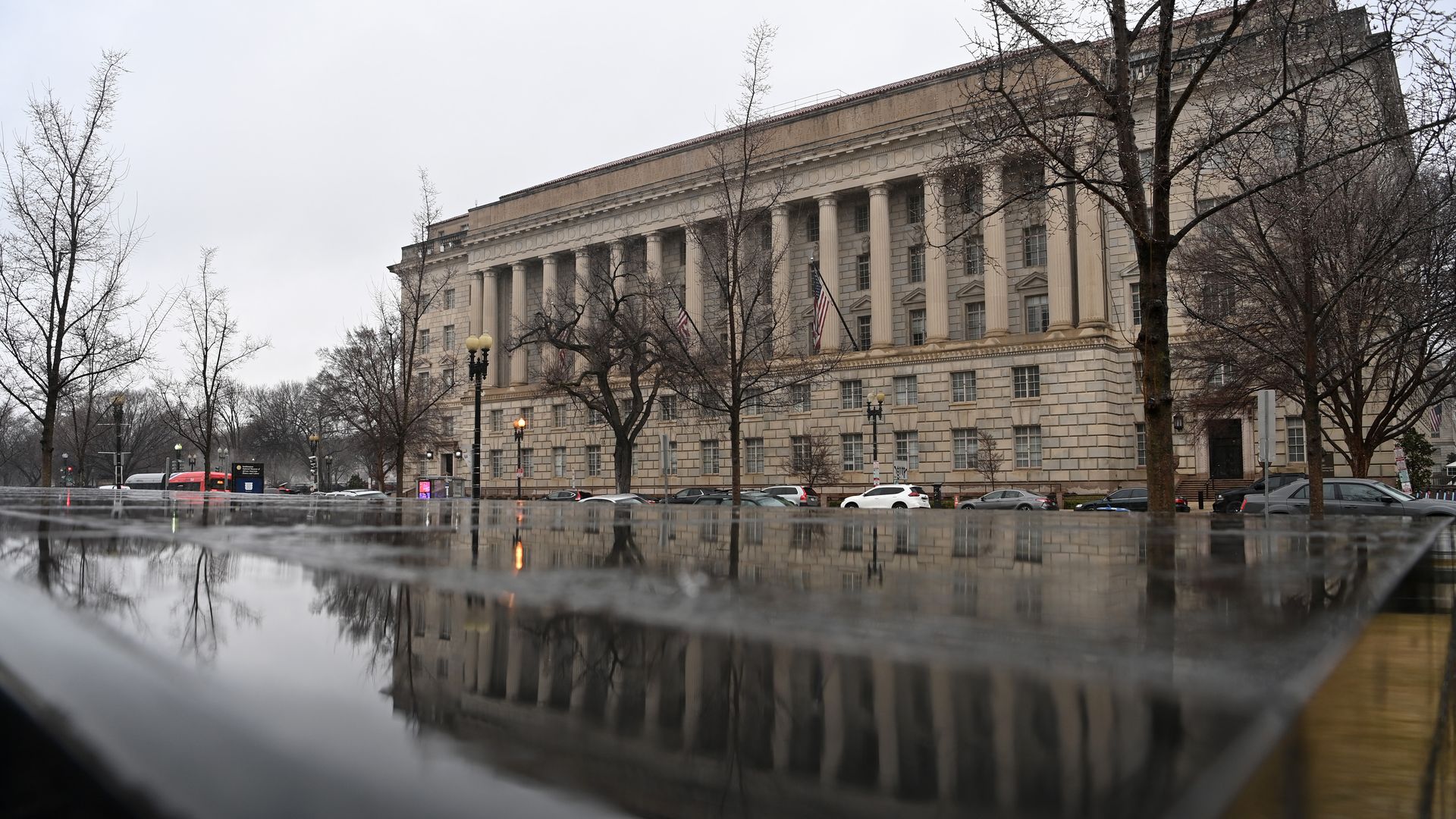
The U.S. approved new sanctions Monday on firms in several countries, including China and Russia, accusing some of them of supplying components for unmanned aerial vehicles used by the Russian military in Ukraine.
Driving the news: The Commerce Department named 28 entities in countries including Finland, Germany, Oman, Pakistan and the United Arab Emirates, that it deemed are "acting contrary to the national security or foreign policy interests."
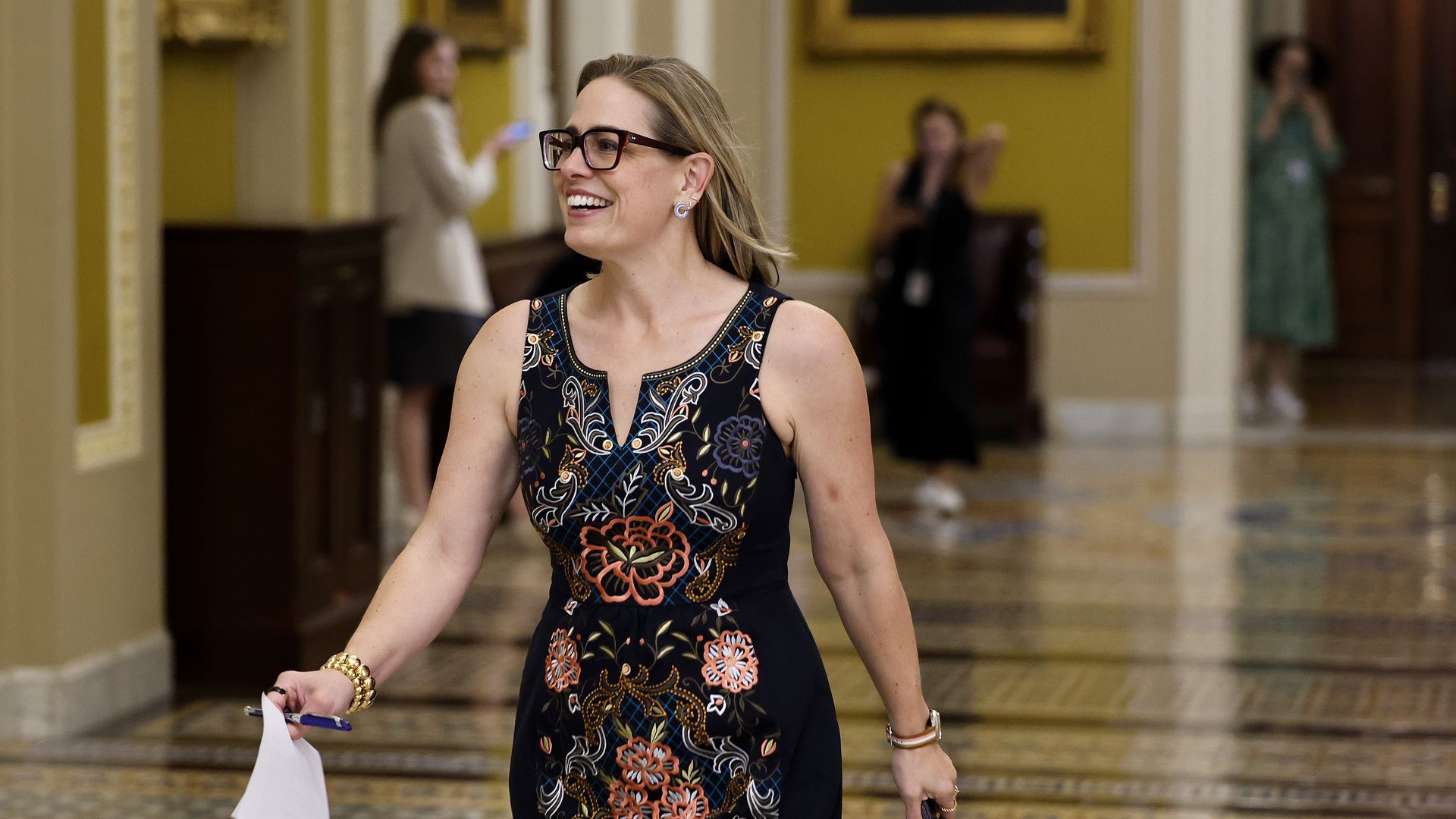
Sen. Kyrsten Sinema (I-Ariz.) is counting on winning more Republicans than Democrats in a likely re-election bid next year — but sees the vast majority of her support coming from independents, according to a new pitch to donors.
Why it matters: Team Sinema's bold strategy to prevail in a potential three-way race is the clearest indication yet that she plans to run for re-election in 2024.
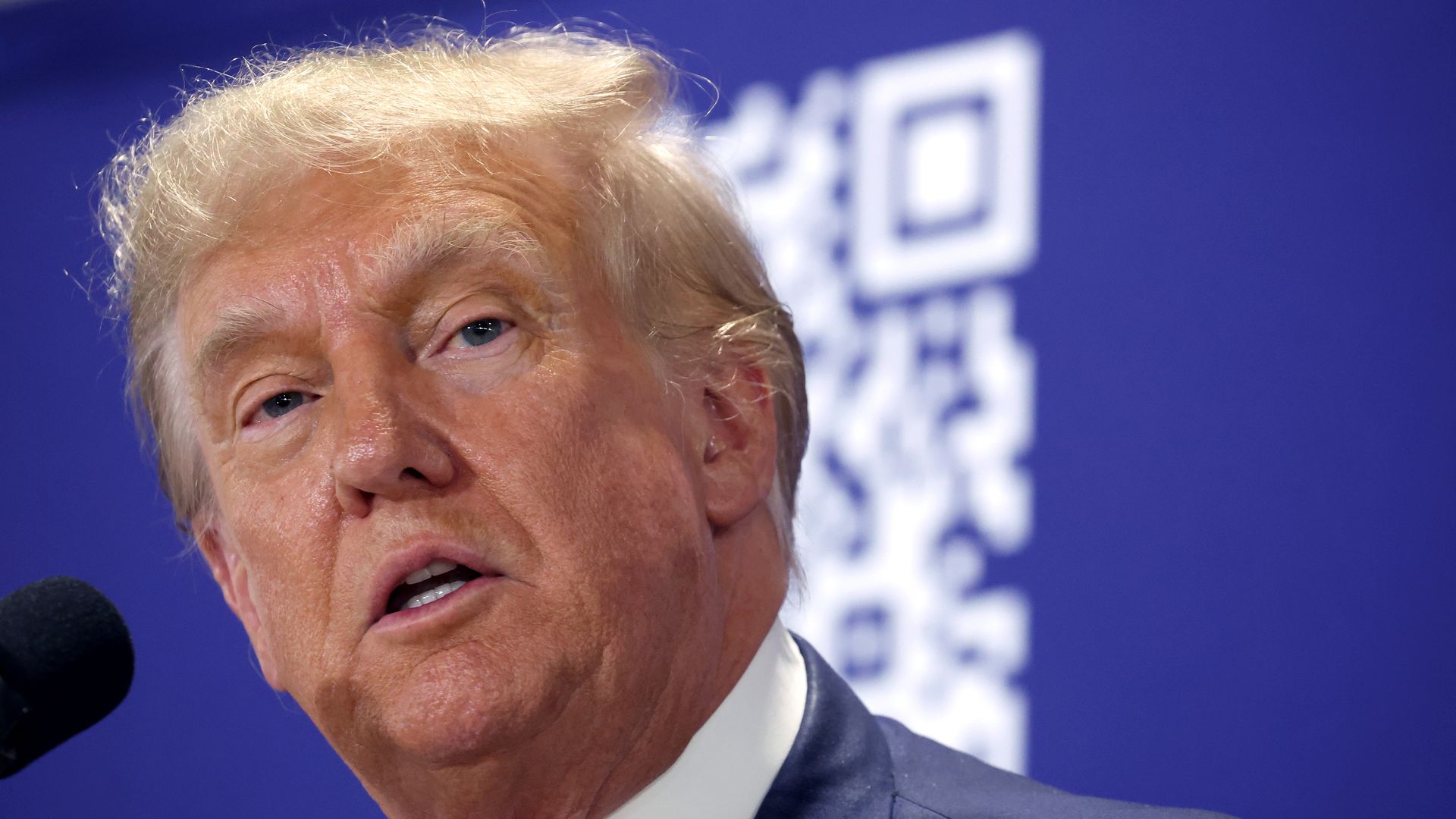
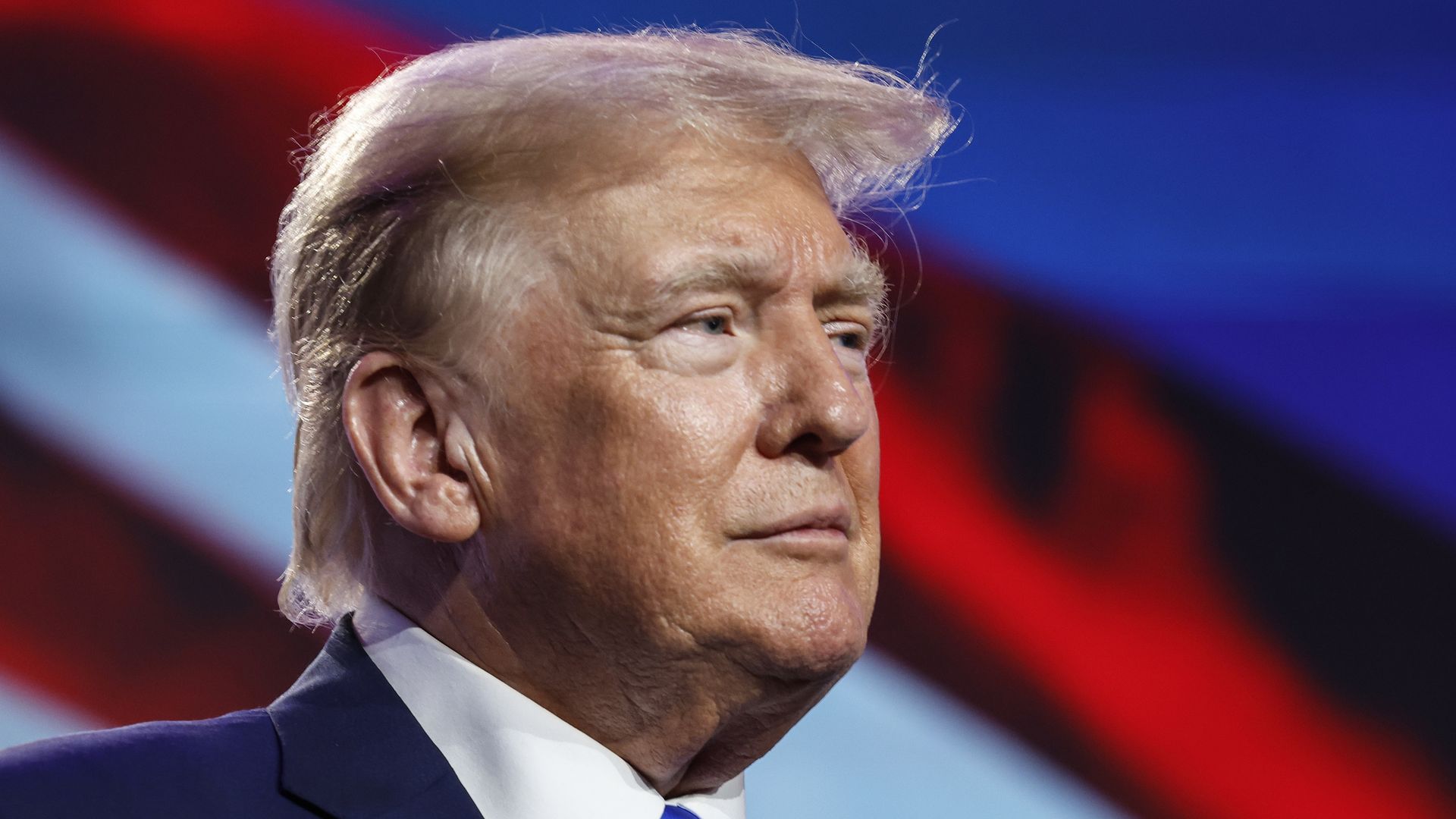
Over the last 72 hours, former President Trump's daily torrent of online grievances crossed — not for the first time — into musings about "treason" and the execution of his political enemies.
Why it matters: Despite claims of a strategic "pivot" to the general election, Trump appears committed to the same unrestrained, sometimes violent rhetoric that alienated many independent voters in 2020.
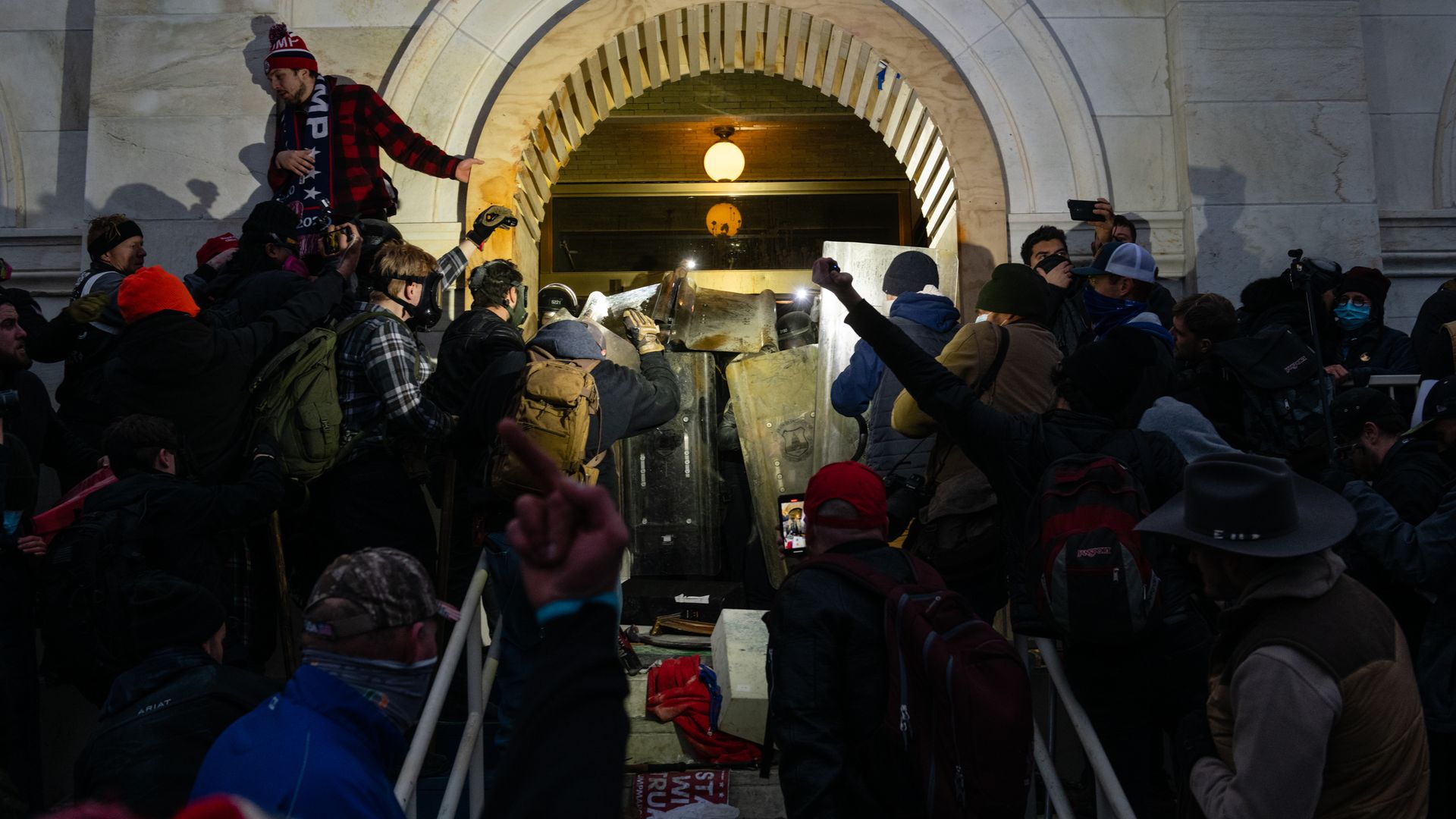
Two months before the Jan. 6 Capitol insurrection, an FBI internal report noted agents believed domestic violent extremists were "very willing to take action" if the upcoming 2020 election was disputed, according to documents obtained by NBC News.
Why it matters: The analysis that came one week before the election indicates that FBI entities had accurately predicted extremists' response to it, but potentially underestimated how capable they would be in carrying out violent actions over it.
A bipartisan resolution to be introduced in the Senate on Tuesday will urge U.S. universities to support educational ties with Taiwan as an alternative to programs funded by the Chinese government.
The big picture: China-funded language programs in the U.S. are closing amid growing scrutiny, leaving a gap that could be filled by an increasingly robust U.S.-Taiwan relationship.
Credit rating firm Moody's warned that a shutdown of the U.S. federal government would be "credit negative" for the U.S.
Why it matters: Moody's is the last of the big three credit rating firms that still bestows the cherished "triple-A" rating on the U.S., which indicates U.S. government bonds are among the safest investments on earth.
Driving the news: Trump pegged the switch by the "radical left governor" as a disaster for Republicans and called it a "totally unconstitutional act" in a post on his Truth Social account.
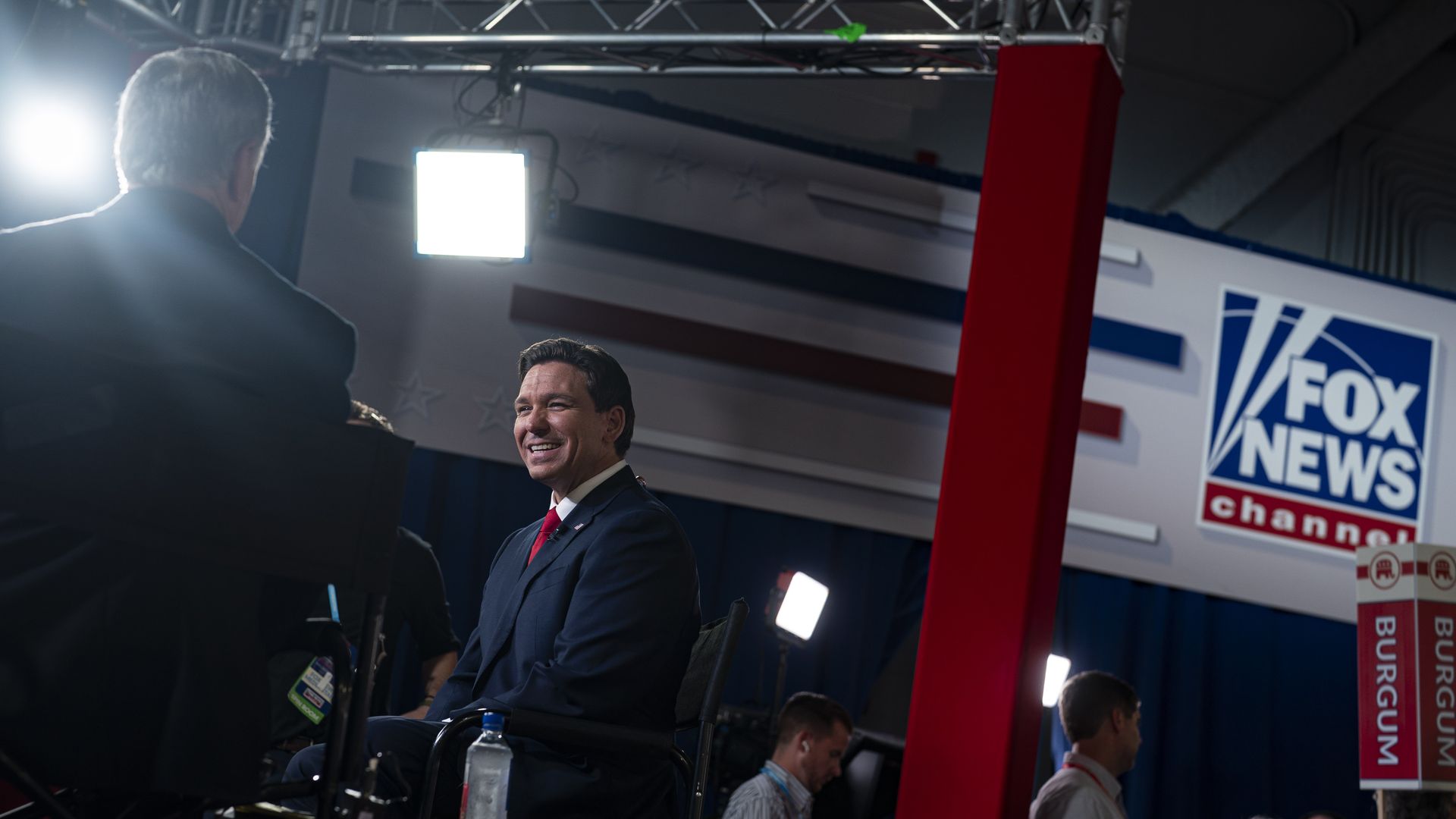
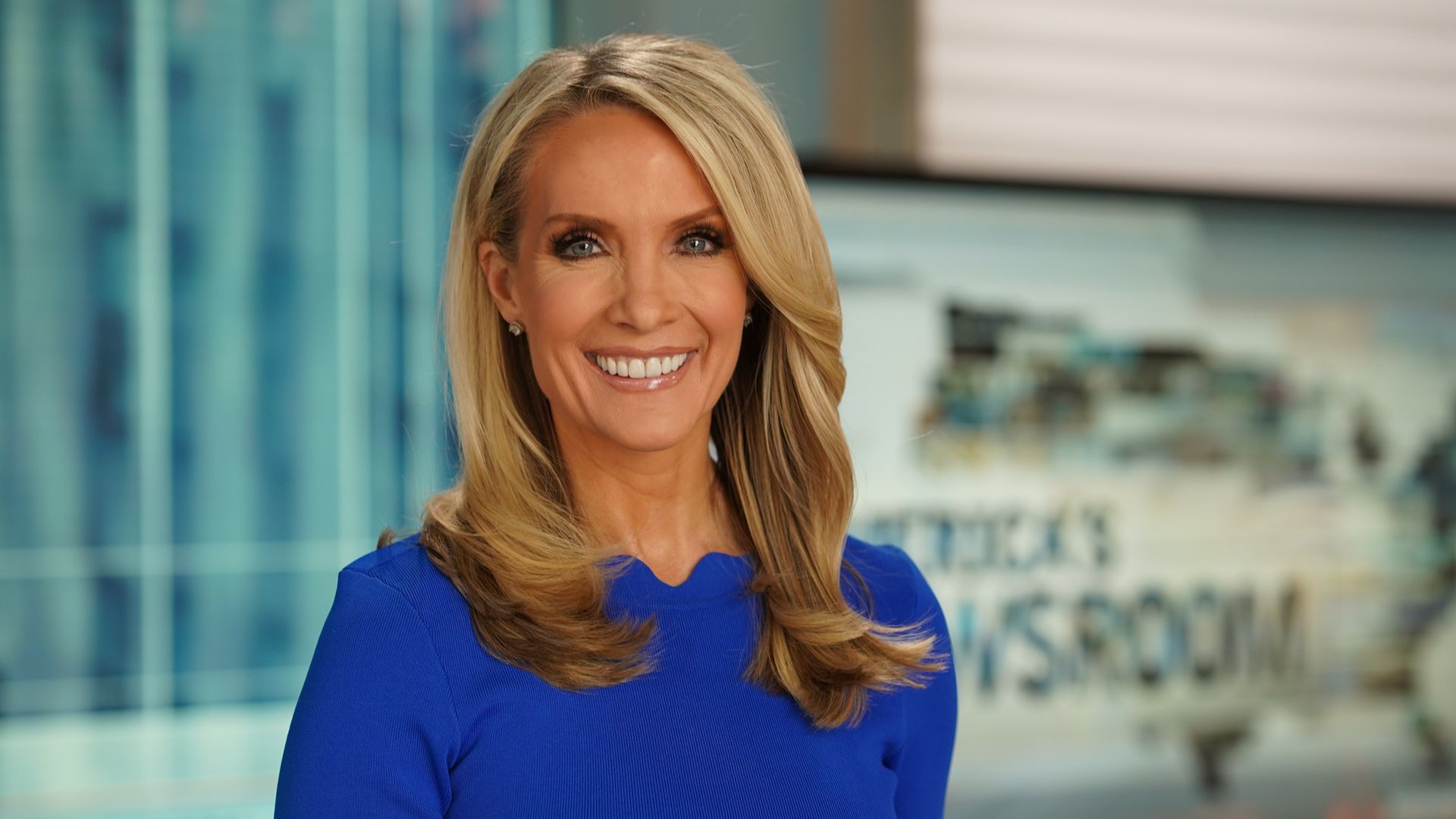
California Gov. Gavin Newsom (D) and Florida Gov. Ron DeSantis (R), who is also running for president, will participate in a debate moderated by Fox's Sean Hannity.
Why it matters: The debate will be the first of its kind between the two prominent governors.
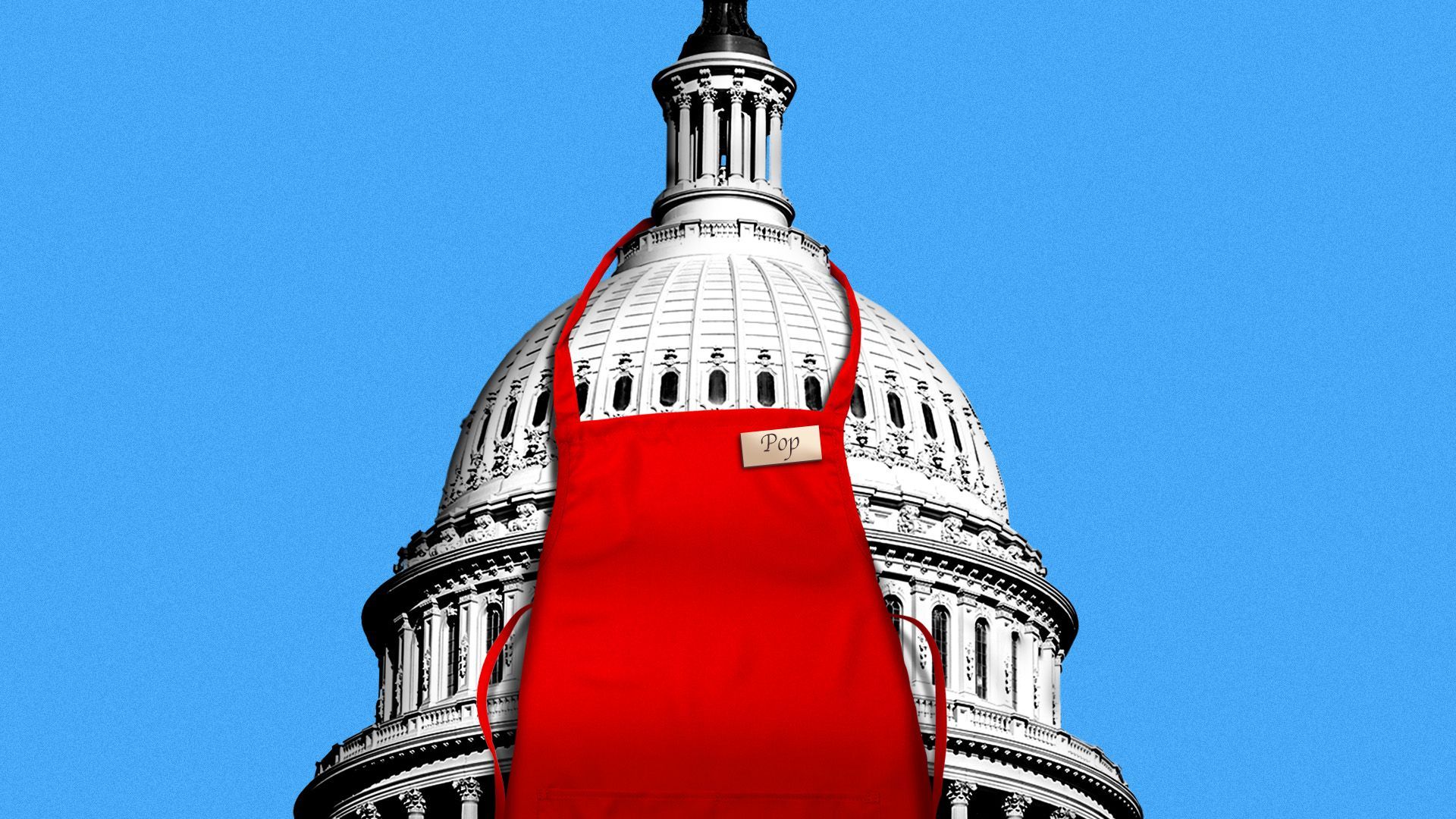
Key programs will grind to a halt and the federal workforce won't get paid on timeif lawmakers don't reach an agreement by Sept. 30 to avert a government shutdown.
Why it matters: Non-essential federal functions will be suspendedif a divided House does not pass 12 appropriation bills before the end of the month— a prospect that looks increasingly unlikely.
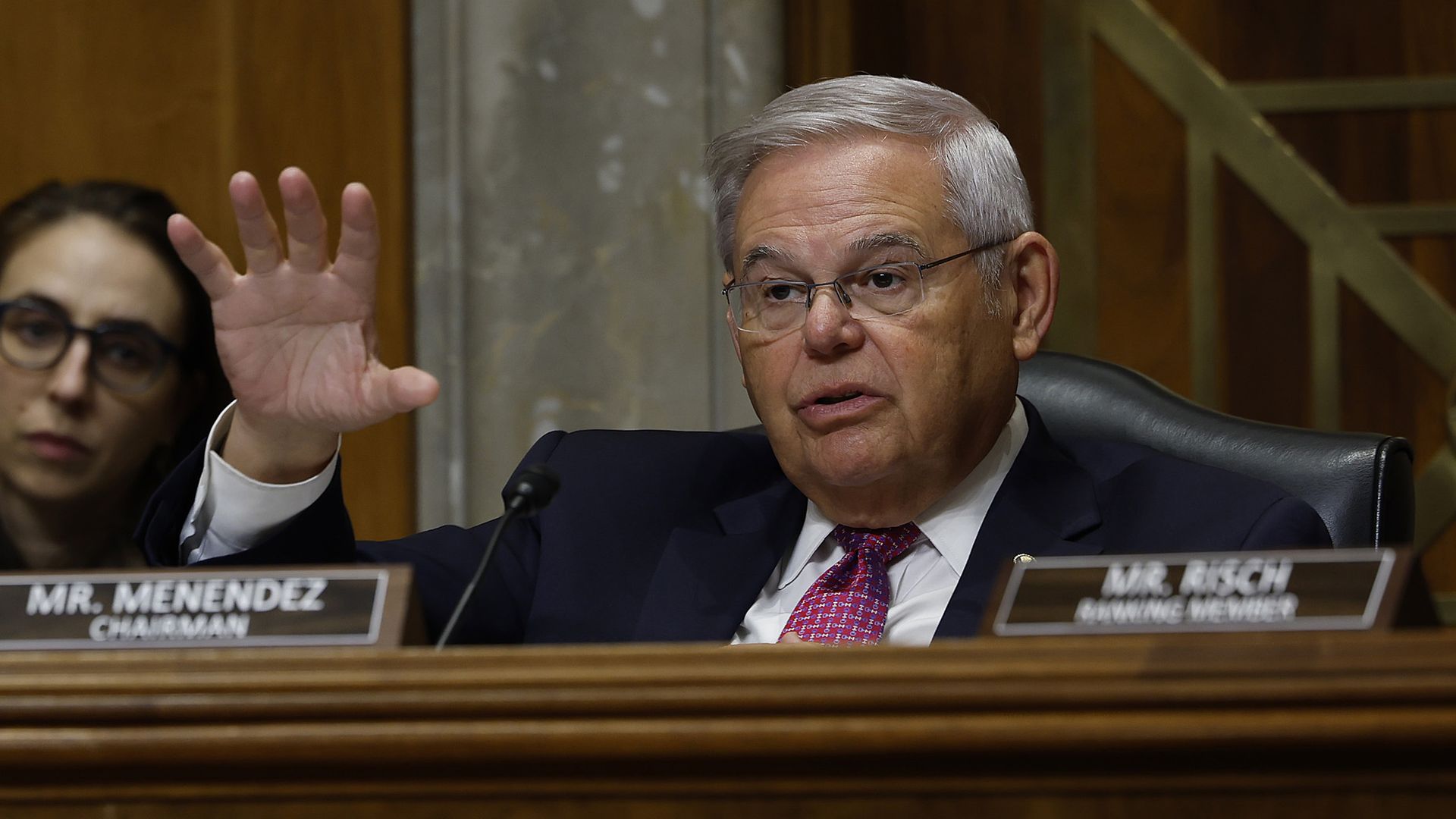
Embattled Sen. Bob Menendez (D-N.J.) said Monday in his first public appearance since his indictment on bribery charges that he will not resign his seat.
Why it matters: The three-term senator has dismissed a chorus of calls for his resignation, saying they've been made for "political reasons."
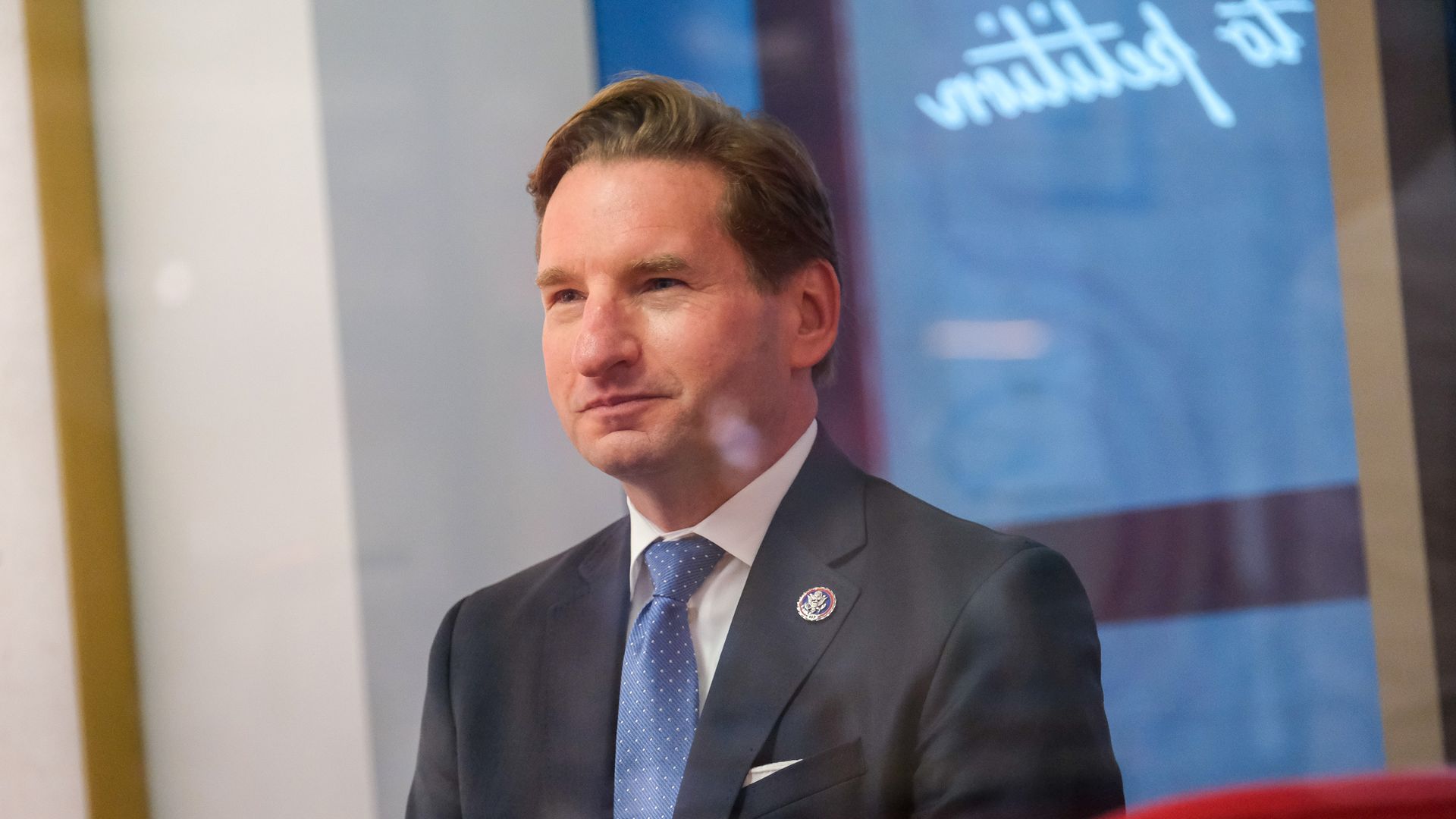
Rep. Dean Phillips (D-Minn.) said in a podcast released Monday that he's "considering" challenging President Biden for the Democratic Party's nomination in 2024.
Driving the news: "I am thinking about it. I haven't ruled it out," Phillips told political strategist Steve Schmidt on Friday for his podcast, "The Warning."
A government shutdown would negatively impact small businesses, a vast majority of entrepreneurs say in a new survey from Goldman Sachs shared first with Axios.
Why it matters: Small businesses have a large impact on the U.S. economy. They employ close to half of all U.S. private sector workers and are the first to cut costs and staff during downturns.
Activists' push to block Donald Trump from being on the presidential ballot in several states hasn't gained traction, as state elections officials have been reluctant to act without courts weighing in first.
Driving the news: "We're not the eligibility police. We are responsible for ensuring that basic facts are met to get someone on the ballot," Michigan Secretary of State Jocelyn Benson (D) told Axios.