As the Iran war drives up jet fuel costs, travelers are bracing for airlines to raise ticket prices — making already expensive trips feel even more daunting.
The big picture: Travelers aren't powerless against rising fares and can still find opportunities to avoid even the worst price hikes, experts say.
CBS News is laying off 6% of its staff, or around 66 people, a source confirmed to Axios. It will also shutter CBS News Radio, which serves approximately 700 affiliate stations nationwide. All of those staffers' positions will be eliminated.
Why it matters: It's the second round of layoffs under CBS' new ownership and management team.
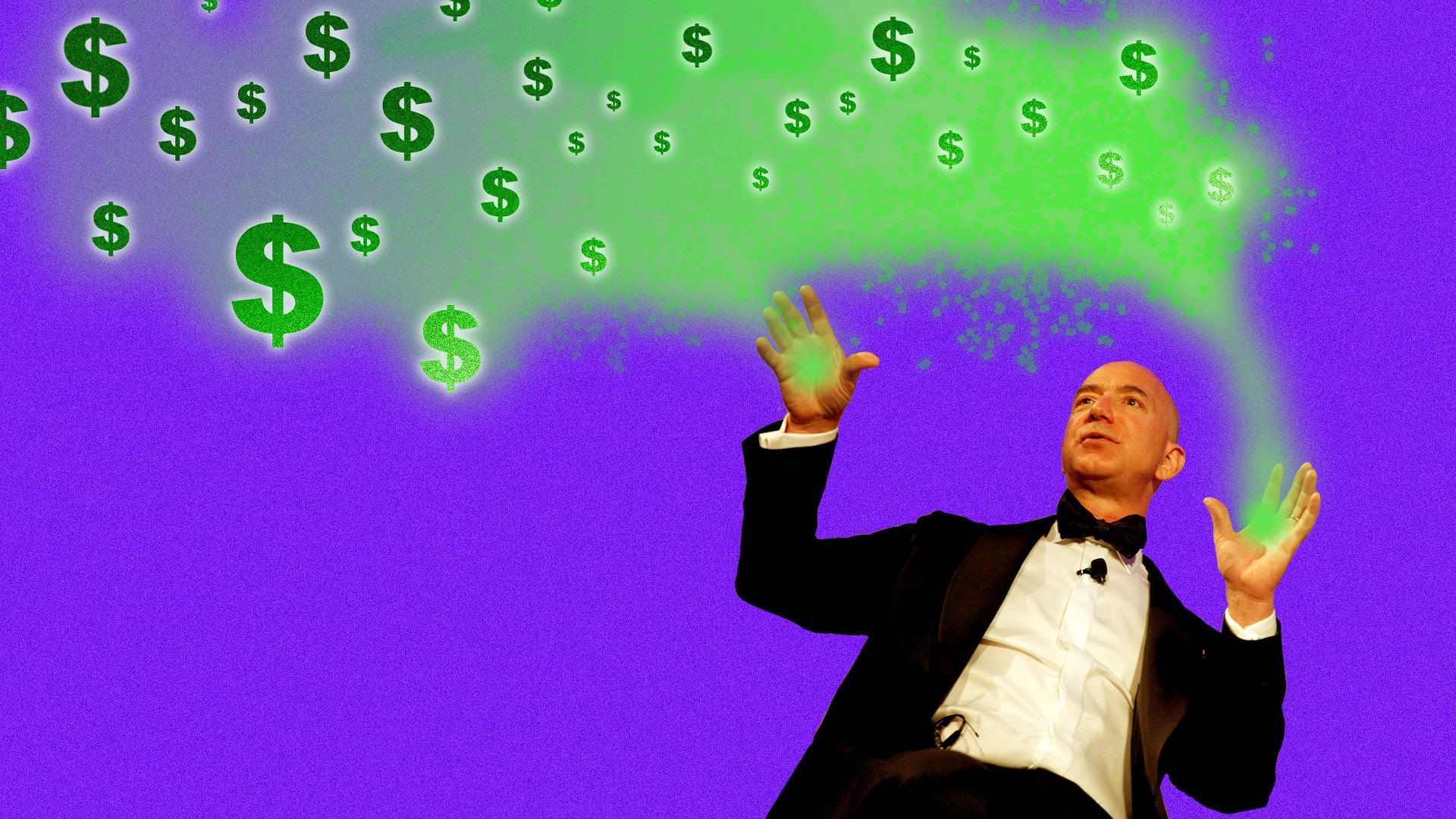
That was the question buzzing yesterday after The Wall Street Journal reported that the humble bookseller is in talks to raise $100 billion for a fund that would buy manufacturing companies "and seek to use AI technology to accelerate their path to automation."
What we know, based on sources familiar with the situation:
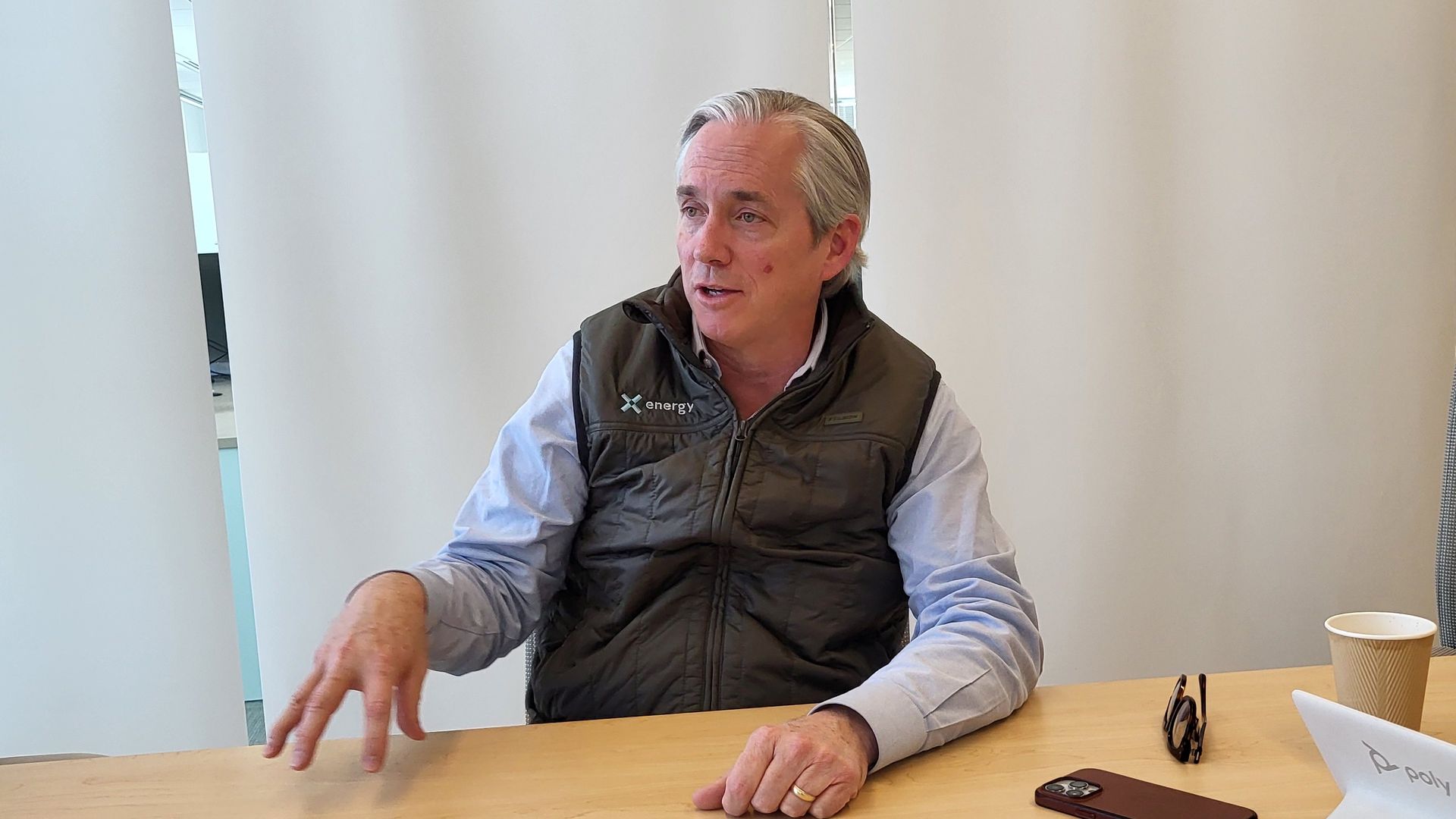
Oil prices at four-year highs (and maybe climbing further) might nudge record U.S. production even higher — but don't expect a new boom.
Why it matters: Companies in onshore shale — the most nimble part of the industry — need lots of convincing to invest far beyond current plans, analysts say.
It has now become a familiar Wall Street two-step: Stocks stumble in the morning and mostly recover by the end of the day after President Trump says something that's viewed as reassuring about the Iran war.
Why it matters: Investors are jumping at any sign of an end to the Iran war — now in its third week and far longer than they initially predicted.
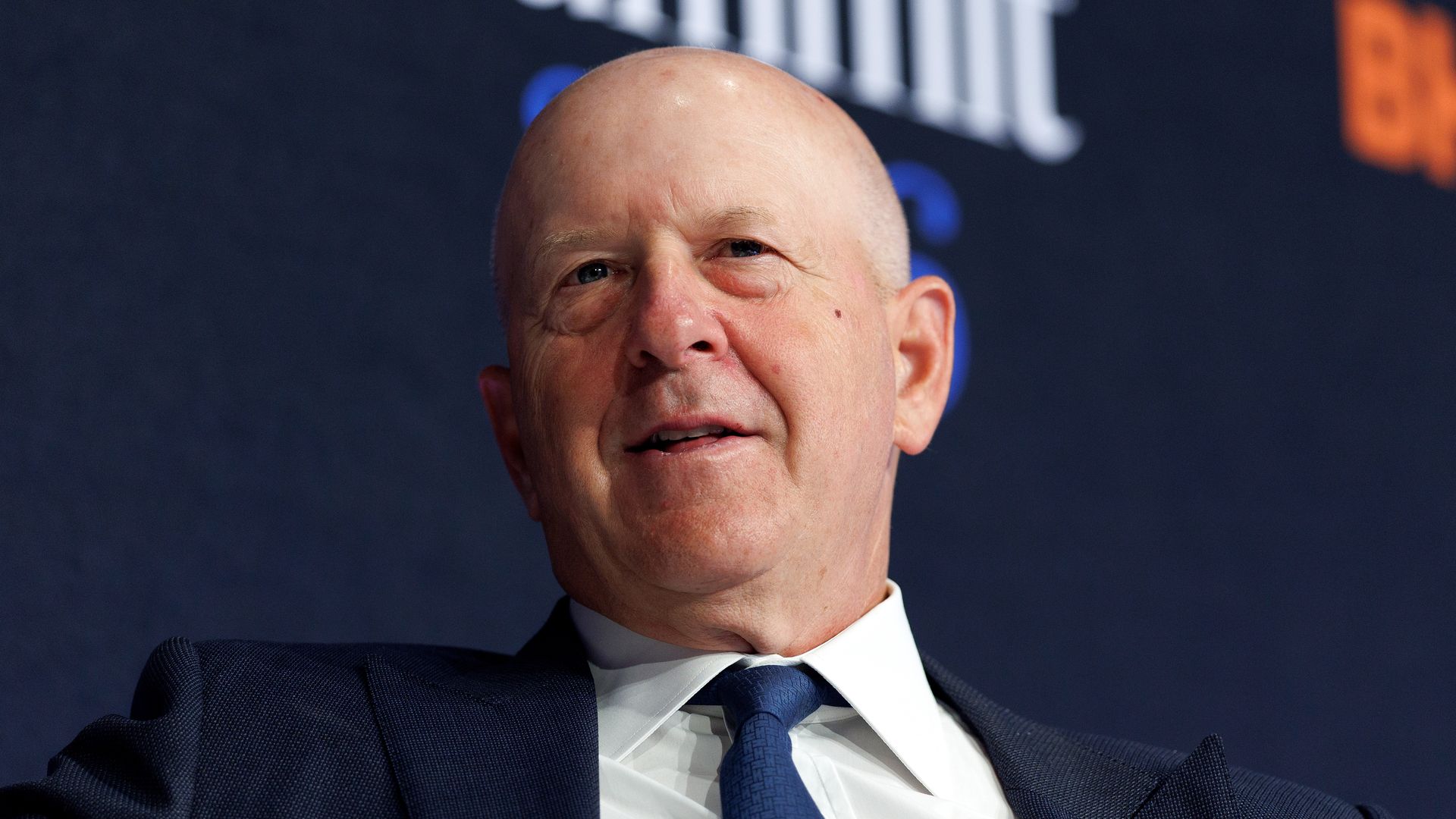
Corporate mergers should pick up this year, even with war and other headwinds in the economy, Goldman Sachs CEO David Solomon said in his annual shareholder letter on Friday.
Why it matters: Solomon's steady outlook may prove reassuring in an otherwise highly uncertain economic environment.
Iranian hackers tied to a recent U.S. cyberattack have been running a broader intimidation campaign that involved issuing death threats and suggesting they have ties to a Mexican cartel to "commit acts of violence," the Justice Department said Thursday.
Why it matters: The campaign shows Iran's cyber playbook is moving beyond hacking companies and is now pairing cyberattacks with tactics to coerce targets and shape narratives.
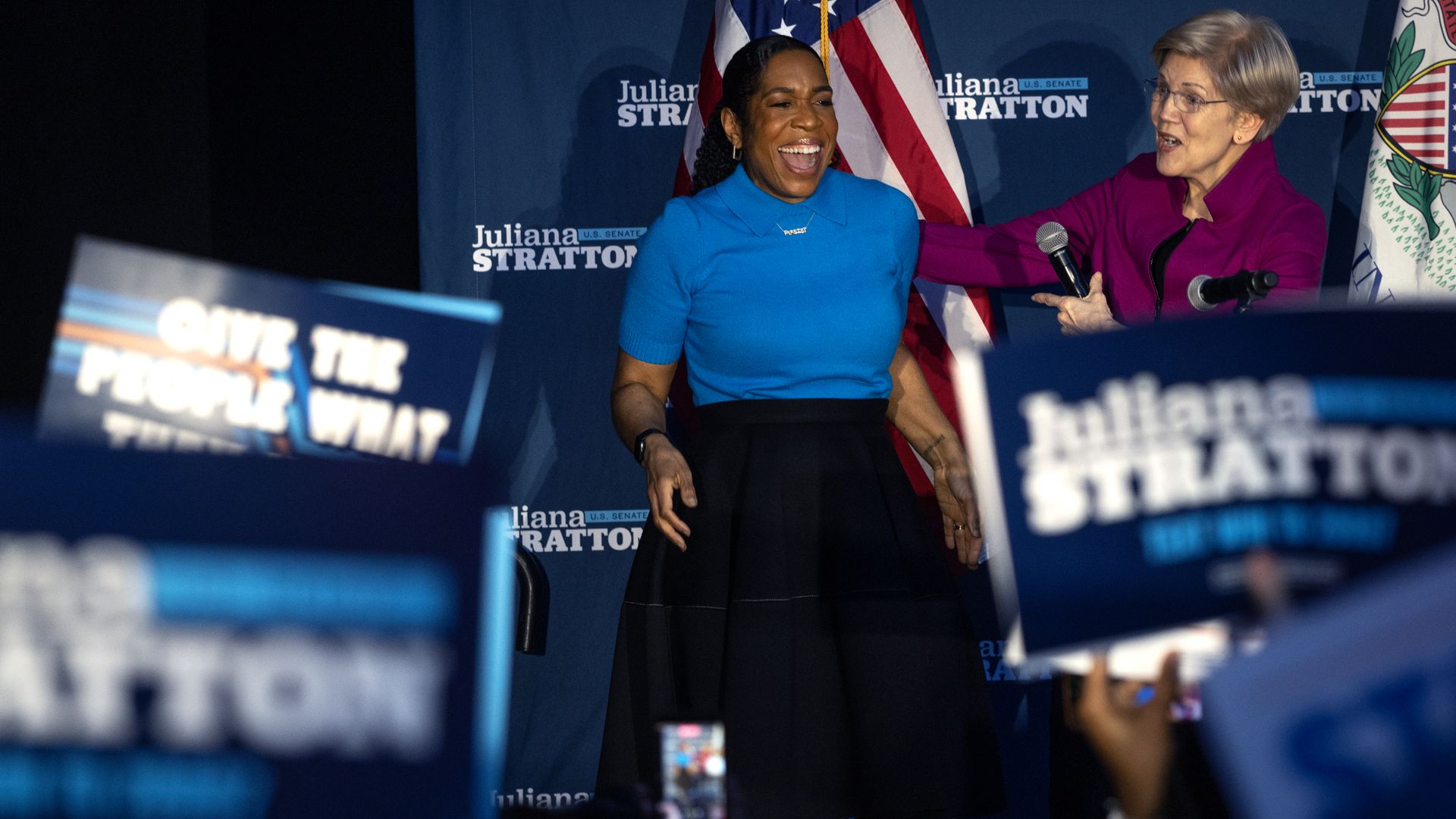
Sen. Elizabeth Warren (D-Mass.) and her allies are looking ahead to the Minnesota Senate Democratic primary to build on the win they lodged against the cryptocurrency industry this week in Illinois.
House Republicans blanched at the Pentagon's reported $200 billion price tag for Iran, but many are embracing the eye-popping number to help energize a stalled reconciliation process.
Why it matters: GOP leaders have struggled to build consensus around a "reconciliation 2.0" package. But injecting a must-pass defense spending bill into the equation will give Speaker Mike Johnson the urgency he needs to bring it to the floor.
Robotaxis, like any new driver, often make mistakes — as more and more of them get deployed in U.S. cities, the tech companies behind them are learning important lessons from things they could have done better.
Why it matters: Every incident — every dumb or potentially dangerous error — is being scrutinized as they work to earn public trust.
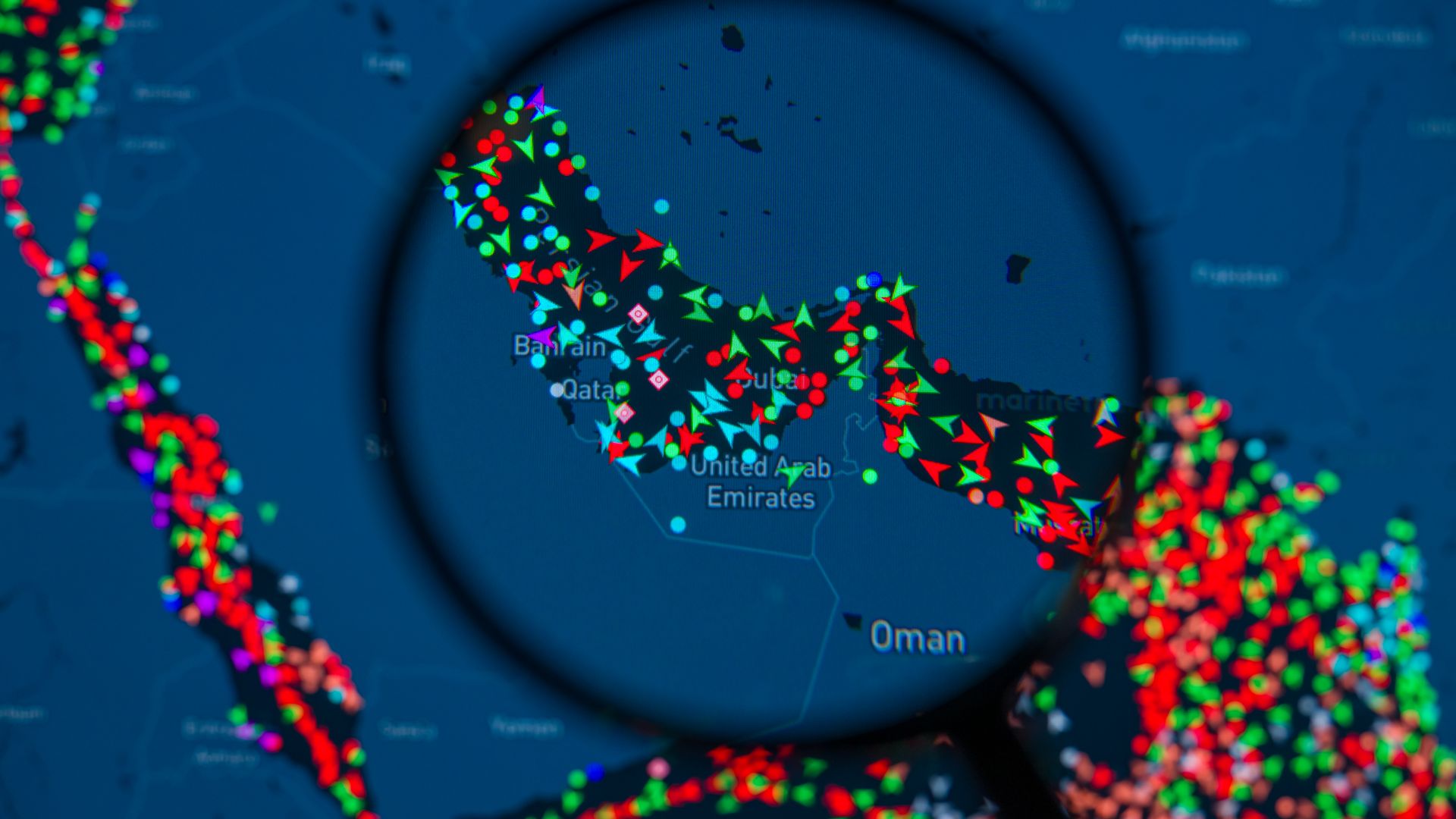
The Iran war is driving markets down and energy prices up — and the duration and direction of the conflict will partially be determined by what takes place in a few key locations.
Why it matters: Escalating tensions could all shape how and when the war ends. Any attack or strategic move could push the war into a new phase.
The Pentagon is highlighting newnational security concerns about Anthropic's use of foreign workers, including from China, according to a court filing.
Why it matters: The Defense Department is raising red flags about a key element of the AI industry — its reliance on global talent — as it moves to dismiss Anthropic's lawsuit.
The Trump administration doesn't plan to thwart U.S. oil exports as officials scramble for ways to temper energy price spikes.
Why it matters: Rumors of restrictions have swirled in recent days, and would represent a sea change after years of expanding shipments that have made the U.S. a huge player in global markets.
Steak-hungry Americans are skipping the meat aisle — and heading to restaurants instead.
Why it matters: Sky-high grocery prices, especially for beef, are reshaping how people consume one of the most expensive proteins — and narrowing the gap between cooking at home and dining out.
Reckitt Catalyst entrepreneur-in-residence Serena Williams told founders at Axios House during SXSW that one of the toughest hurdles for early-stage entrepreneurs is learning how to sell themselves.
Why it matters: You could have the best idea, product and strategy, but if you can't communicate it effectively, you're unlikely to attract the talent and funding needed to be successful.
America's financial regulators released a package of proposals on Thursday that would ease regulations for the nation's banks.
Why it matters: This is the biggest swing yet at bank deregulation efforts in the Trump 2.0 era, which administration officials see as key to moving its economic agenda forward.
Why it matters: The deal, which would require lifting the limit on television station ownership, is a litmus test for the Federal Communications Commission's deregulation drive.
Homeowners association fees soared past $500 in the San Francisco metro area in 2025, an upward trend that doesn't seem like it'll slow anytime soon, new Realtor.com data shows.
Why it matters: It's yet another bill quietly ballooning alongside your mortgage.
If you ask energy historian Daniel Yergin, the Iran war "has been brewing for 47 years."
The big picture: Surging oil and gas prices tied to Middle East tensions will hang over a Houston gathering next week that is one of the global energy industry's biggest annual events.
Uber plans to invest up to $1.25 billion in Rivian as part of an ambitious plan to deploy thousands of electric robotaxis across 25 cities starting in 2028.
Why it matters: Uber keeps upping the ante on its autonomous vehicle strategy, with a growing list of AV partnerships and increasingly big financial commitments for depot operations, EV charging and tens of thousands of robotaxis.
Federal financial regulators Tuesday officially announced a new treatment of crypto assets, aiming to provide a clearer understanding of the rules for digital assets.
Why it matters: The more industry-friendly rules from the Trump-era Securities and Exchange Commission aren't a surprise, but they're a win for the crypto industry as key market structure legislation remains stalled in the Senate.
Even as the Iran war grabs everyone's attention, private credit still has Wall Street unsettled.
Why it matters: Investors are worried about loan quality and getting their money out of funds, and it's that anxiety that actually appears to be private credit's biggest problem. (Here's an explainer on the trillion-dollar sector.)
Where it stands: For investors, "this is a little bit of a wake-up moment," Lotfi Karoui, a multi-asset credit strategist at Pimco, said on a company podcast this week.
People are starting to think more carefully about where they deploy capital, he said.
Zoom in: Here's what's driving the stress — and why it might not be cause for a full-fledged freakout:
Software weakness. About 20% of private credit loans were made to software companies, and their fate is now in question because of AI.
A significant share of defaults, however, hasn't materialized — though Morgan Stanley forecasts that it will rise to 8%. That's not great, but it's hardly a systemic disaster.
Lower yields. As more investors got interested in private credit last year — and as the Federal Reserve cut rates — the yields that investors could earn fell from about 11% to about 8%-9%, per data that investment bank Lincoln International shared with Axios.
The lower yields have made private credit less attractive to investors, says Ron Kahn, the bank's managing director and global co-head of valuations and opinions.
"Some of this started before even the software disruption, purely because of the yield," he says.
Opacity. Investing in this market is not like putting money into stocks. Investors don't know what their investments are worth day to day. That's nerve-racking.
What they're saying: There are commenters comparing this moment to the run-up to the Great Financial Crisis — arguing private credit is an unfamiliar financial instrument that obscures risk and could take down the system.
"You will not ever hear someone who professionally lived through 2008 make that comparison with any real veracity," Jim Caron, the chief investment officer of Morgan Stanley's Portfolio Solutions Group, tells Axios.
Unlike before the financial crisis, now there isn't leverage upon leverage for a derivative security backed by a strawberry picker's $700,000 loan that then blows up the housing market.
Still, Stephen Parker, global co-head of investment strategy at JPMorgan Private Bank, says: "There is likely to be some pain felt."
"But importantly, we think the default cycle will be manageable and we don't think this is going to be a systemic issue, which I think is the question that a lot of our clients are asking,"
Between the lines: Stress begets stress, creating a bit of a doom loop that is lessening investor interest overall in private credit.
By the numbers: 35% of investors said negative perception of private credit was the biggest headwind to the industry, per a survey from PitchBook of about 100 credit providers, banks, private equity firms and other market participants in the U.S. and Europe.
Stress/default risk was the second-highest risk, followed by geopolitical turmoil.
"Sentiment in the market is significantly worse than it was six months ago," says Marina Lukatsky, global head of research, credit and U.S. private equity at PitchBook LCD.
Zoom out: "Headlines are absurd. Asset class is fundamentally sound," one respondent wrote.
Still, optics are everything in investing — the gloomy outlook is driving down demand for new investments.
That might drive up yields and make this an interesting sector again.
The Israeli military strike on Tehran's South Pars gas field facilities means the Iran war will likely extend into May, analysts said Wednesday.
The big picture: Oil prices jumped after Israeli forces' unprecedented strike on the gas field that Axios' Barak Ravid reported was conducted in coordination with and approved by the Trump administration. The global benchmark Brent crude was still hovering above $110 per barrel early Thursday.
President Trump said Wednesday that Israel will not conduct further attacks on Iran's main natural gas facility.
Why it matters:Trump's comments that seem to be an effort to de-escalate the situation came hours after he green-lit the Israeli strike on the facility that marked a significant escalation in the war.