The U.S. Postal Service is staring down a cash crunch within a year — just as its biggest customer, Amazon, prepares to sharply scale back deliveries.
Why it matters: Even as major retailers build their own logistics networks, millions of Americans — especially in rural areas — still rely on USPS for essentials like prescription medications and last-mile delivery.
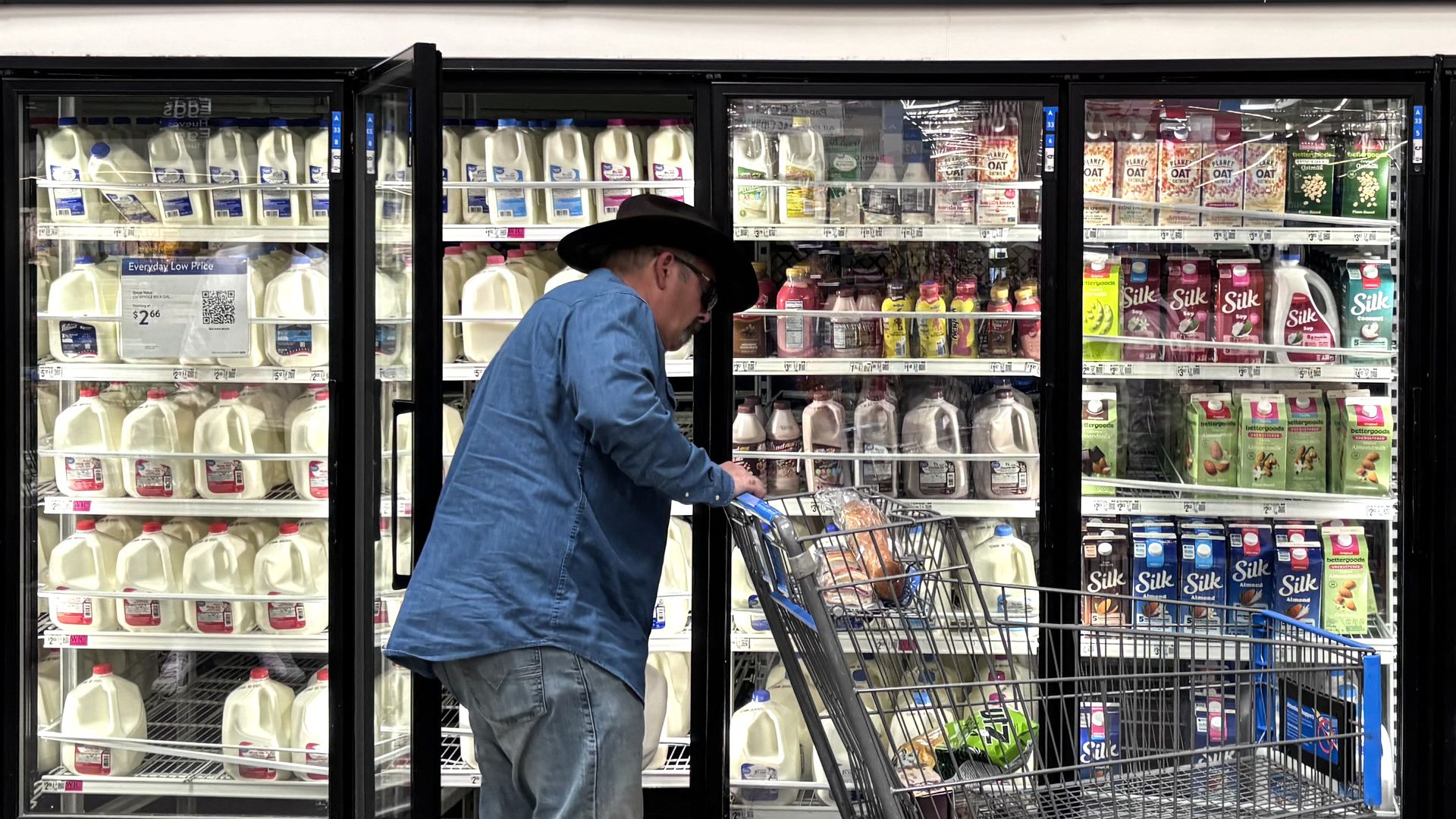
A nearly 50% spike in wholesale vegetable prices in February is grabbing attention — but economists tell Axios it's likely a short-lived blip that may not meaningfully hit grocery bills.
Why it matters: Big swings in wholesale food prices can signal trouble ahead — but this looks like a temporary disruption, not a broader return of food inflation.
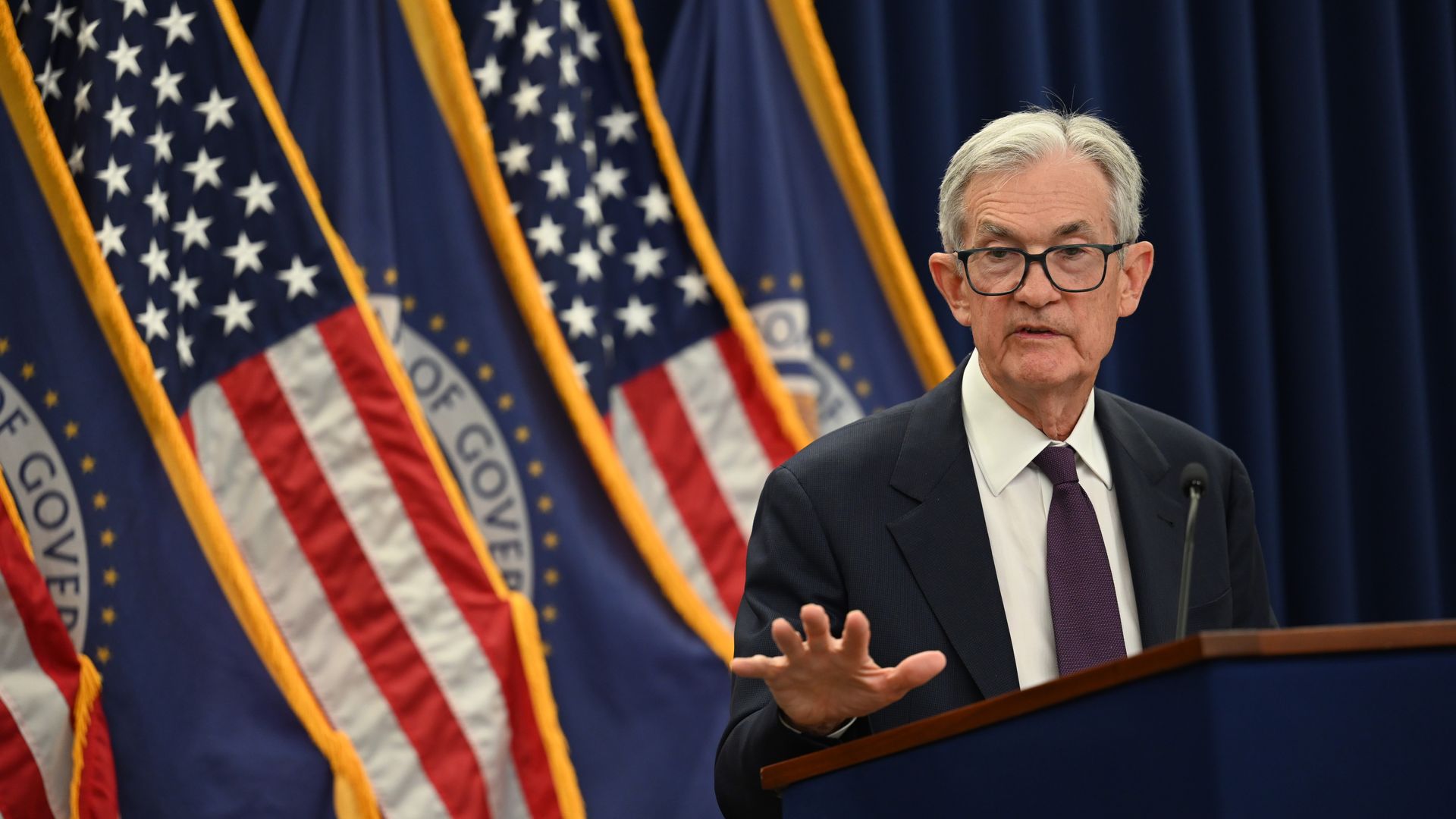
The Federal Reserve on Wednesday kept interest rates steady, and chair Jerome Powell said that he will remain in place until his successor is confirmed, raising the prospect that he could continue leading the central bank after his term is up May 15.
Why it matters: Powell's remarks set up a high-stakes standoff with the Trump administration over who will lead the world's most important central bank in less than two months.
Sen. Mark Warner (D-Va.) has questions about a $10 billion fee that TikTok's buyers reportedly are paying the U.S. Treasury Department, on top of what they spent to buy the actual business from China's ByteDance.
Elon Musk and the SEC are working on a settlement over Musk's failure to disclose purchases of Twitter stock prior to making his April 2022 takeover offer, per an SEC court filing.
Why it matters: SpaceX bankers would like this matter put to bed before launching what may be the largest IPO of all time.
The federal government is trying to clear a regulatory path for new types of vehicles that drive themselves and don't have a steering wheel or pedals.
Why it matters: Fully automated robotaxis don't need driver controls, but the law still requires them. Updating federal standards could determine who leads the global race in autonomous vehicle technology.
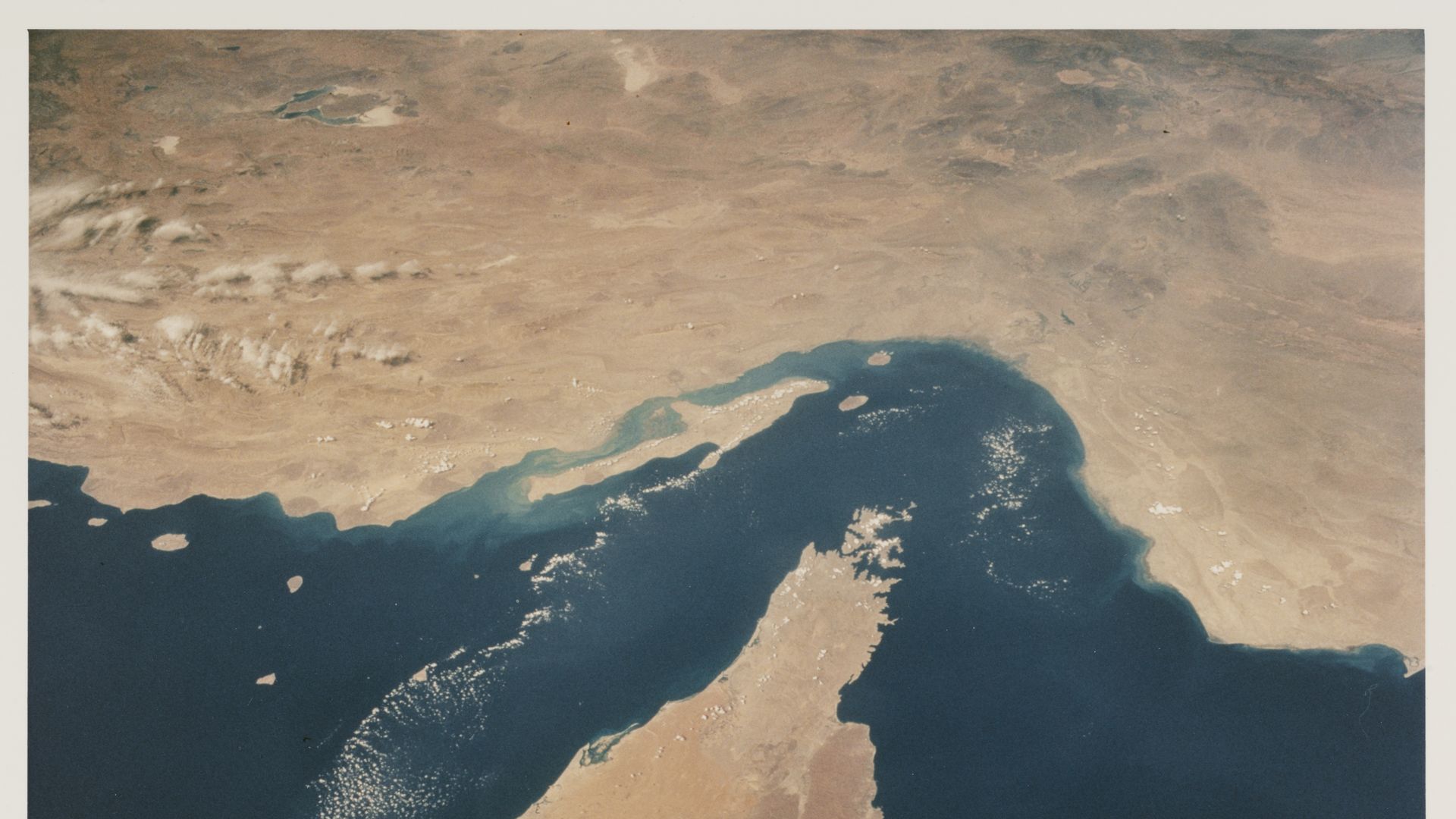
President Trump has formally waived requirements that only U.S. ships can carry cargo between domestic ports as officials look to ease access to fuel and supplies while the Strait of Hormuz remains throttled.
Why it matters: The White House is looking to pull multiple levers as the Iran war sends gasoline prices soaring and restricts access to goods needed by farmers and other industries.
Uproxx is pitching music programming on YouTube as premium inventory to advertisers, CEO Jarret Myer exclusively tells Axios ahead of the IAB NewFronts.
Why it matters: As connected TV audiences grow, creator media companies are positioning themselves as entertainment networks — not just social video brands — and part of a new category called creator TV.
Wholesale prices — including for consumer staples like fresh vegetables — rose at a rapid clip in February.
Why it matters: It is a fresh warning for the Trump administration and the Federal Reserve. Price pressures were already building across the economy, even before the Iran war introduced new inflation risks.
Snowflake, the cloud-based data platform, is rolling out a new autonomous AI platform on Wednesday that will enable users to quickly access enterprise data and execute business functions.
Why it matters: The product launch shows how enterprise software companies are aggressively responding to a workplace reshaped by AI.
Cocoon Carbon, a startup developing climate-friendly building materials, just closed a $15 million Series A round to support a large planned U.S. demonstration plant.
Why it matters: Cement used in concrete is a huge CO2 source. Cocoon sees a growing market for its substitutes — even as tackling climate change has lost clout in boardrooms and governments.
Even for those accustomed to the indignities of air travel, it's clear that right now is a particularly terrible time to fly.
The big picture: The Iran war is creating major travel headaches on top of an already chaotic situation at airports in the U.S., raising the prospect of a downturn in the travel industry.
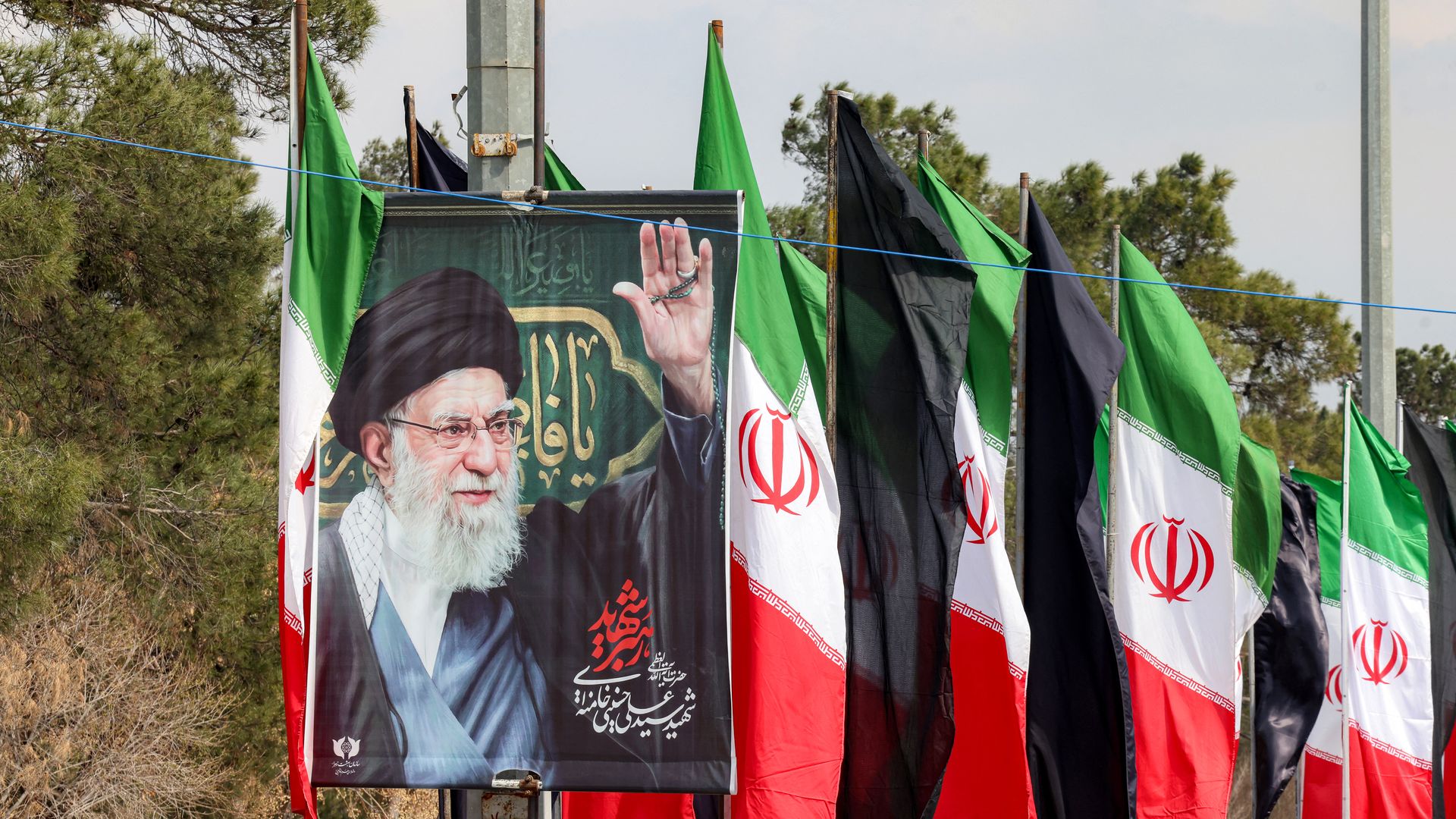
Israeli forces' killing of two top Iranian officialsin separate strikes Tuesday marked a major blow to Tehran's leadership, which has been decimated during the Iran war.
The big picture: National security chief Ali Larijani and Basij paramilitary commander Gholamreza Soleimani are among dozens of Iranian officials killed during the war. Many died along with the late Iranian Supreme Leader Ayatollah Ali Khamenei on Feb. 28, the first day of U.S. and Israeli airstrikes.
Nearly anyone can have more meaningful conversations by becoming an "opener," a term psychology researchers have for someone who easily gets others to open up.