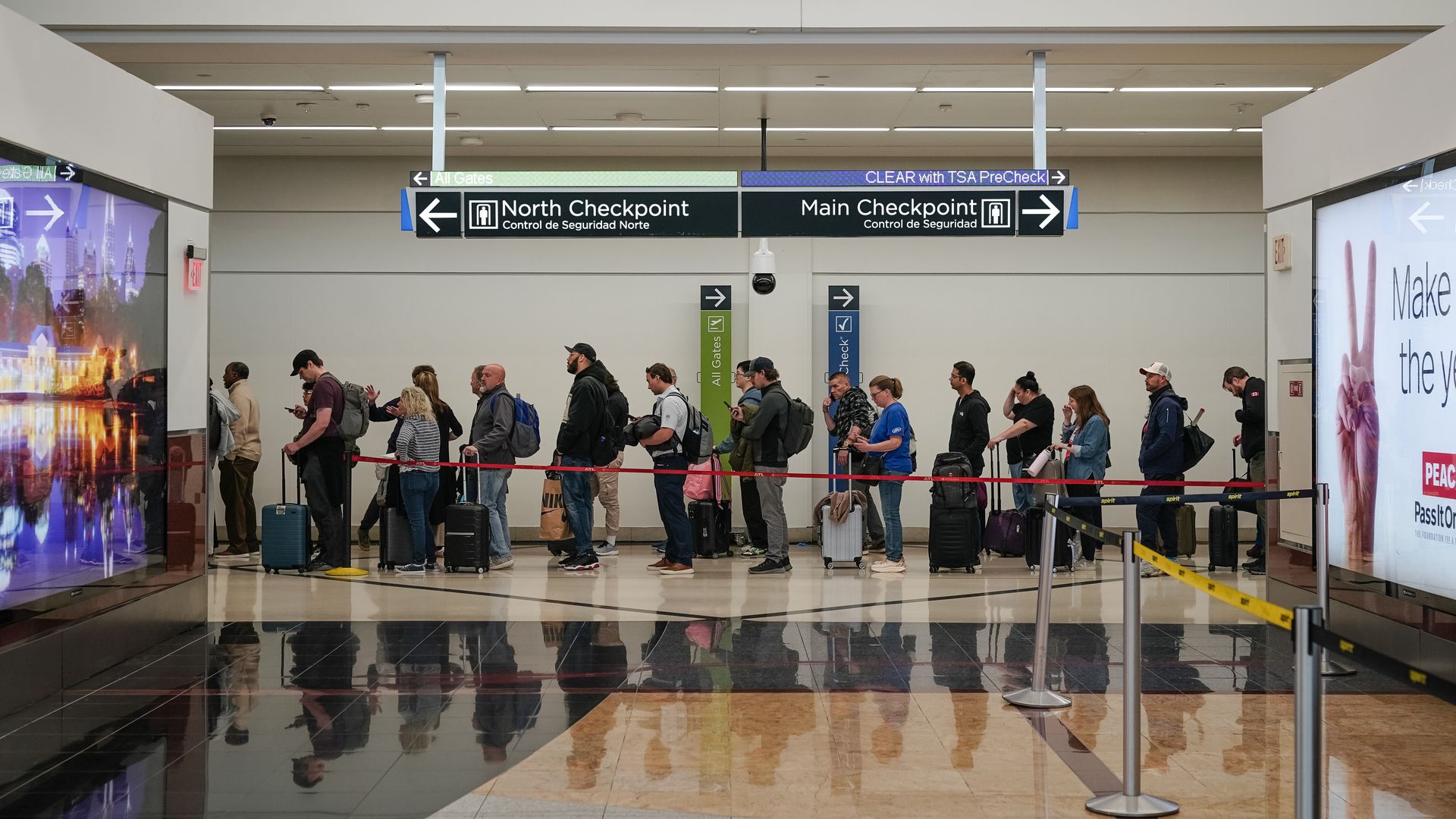
President Trump said Sunday he will send ICE agents to U.S. airports starting Monday to assist TSA officers who have been working without pay for more than five weeks during a partial Homeland Security shutdown.
Why it matters: The move thrusts the very agency that sparked the shutdown with its conduct in Minnesota into the nation's airports to deal with the consequences.
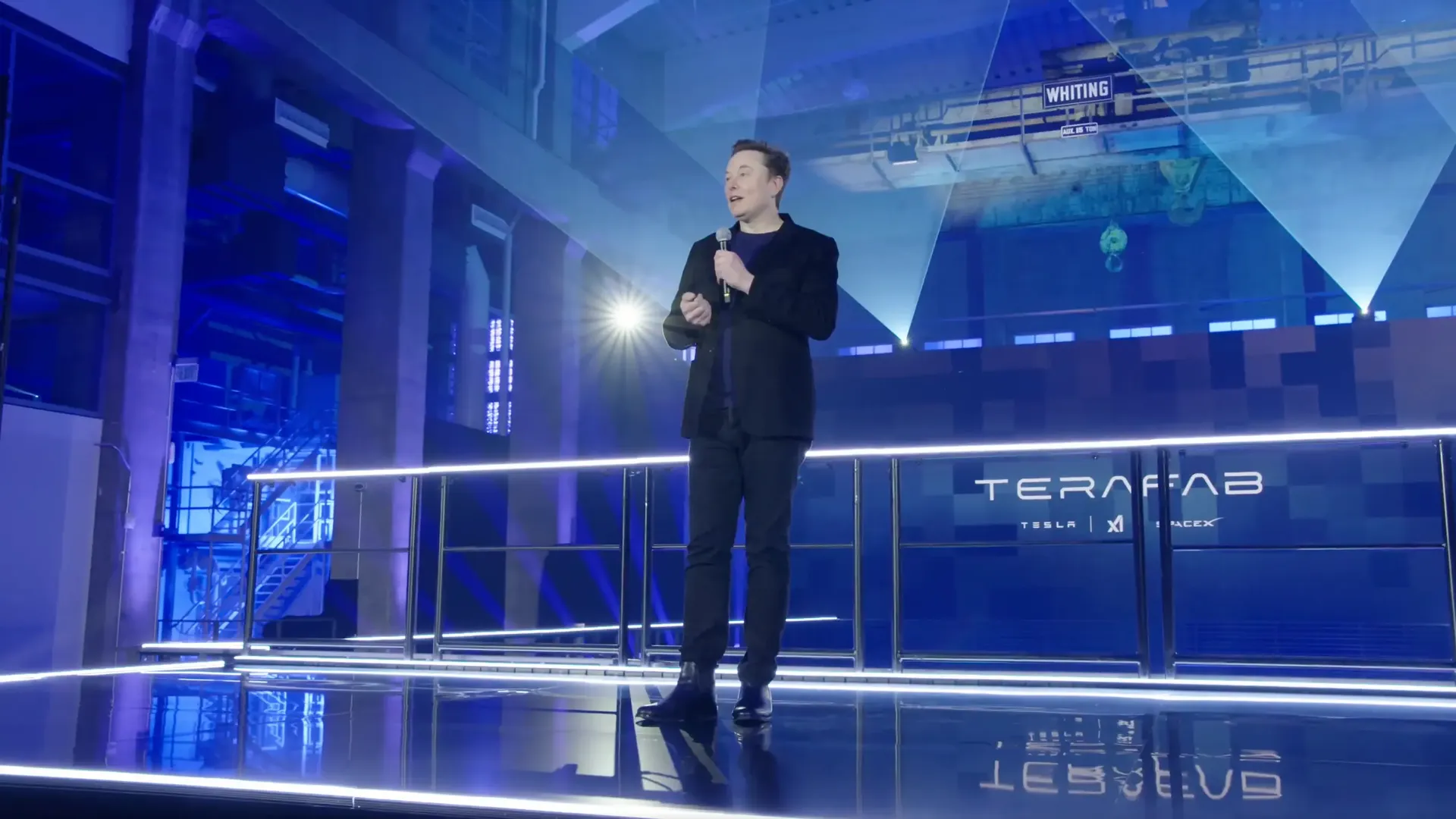
Elon Musktook the stage in Austin on Saturday night for what he called a "profoundly important announcement … the most epic chip-building exercise in history, by far." His goal: producing 1 trillion watts (1 terawatt) of compute power per year, most of it deployed in space.
Why it matters: Musk said his Terafab chip-building project — a joint effort of his Tesla, xAI and SpaceX companies — is "the next step towards becoming a galactic civilization" and turning "science fiction to science fact."
The United States faces a dire and unsustainable fiscal outlook. You'd never know it from the action in Washington.
Across parties and policy areas, you'd never guess that the U.S. faces fiscal constraints created by its high-and-rising public debt, ballooning deficits without precedent in times of prosperity, and a looming entitlement spending crisis when the Social Security trust fund runs out.
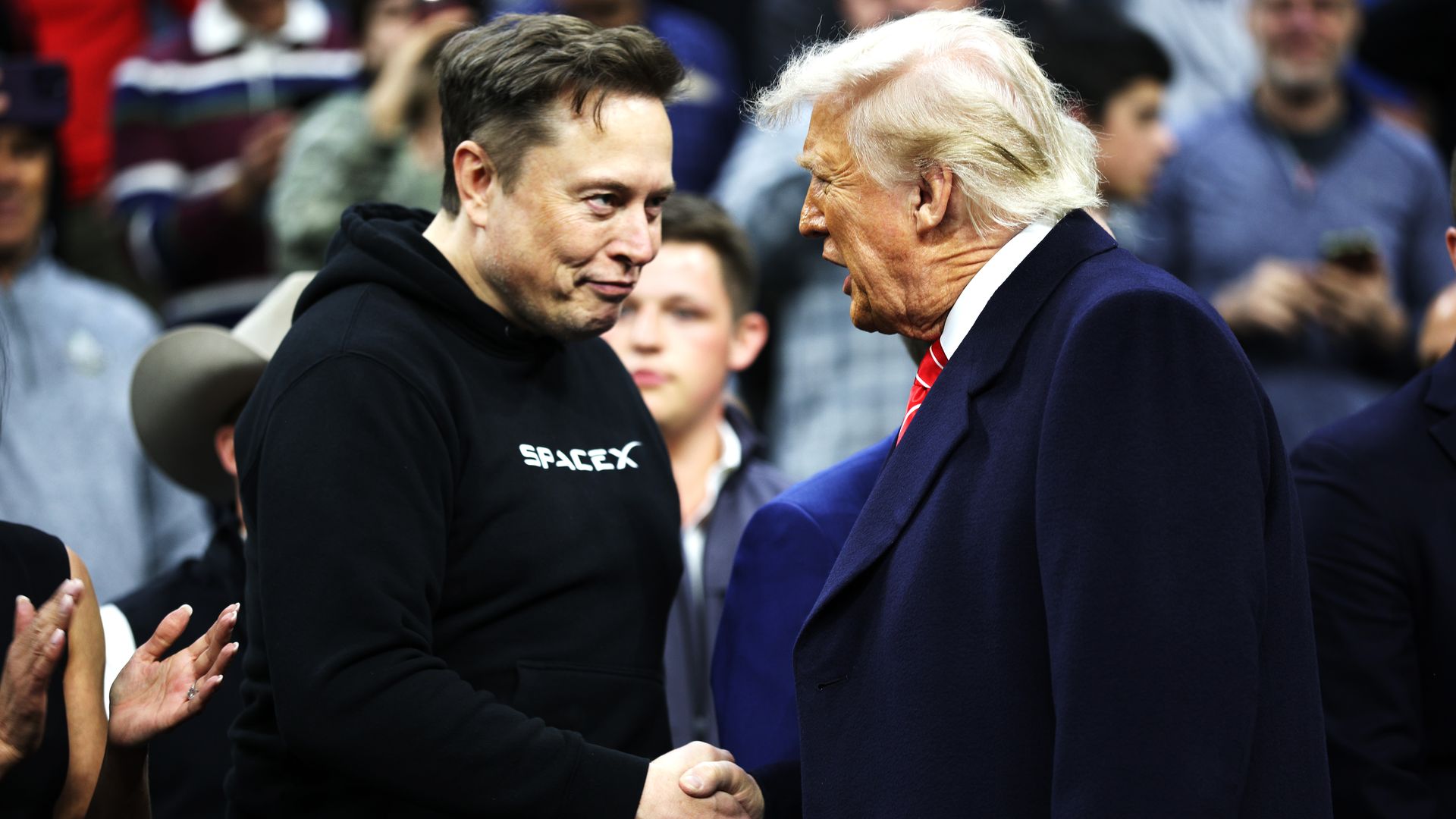
Elon Musk said Saturday he'd be willing to pay the salaries of TSA agents during the Homeland Security shutdown, as President Trump suggested the possibility of using ICE agents to keep airports moving instead.
Why it matters: The shutdown is causing chaos for travelers and gridlock in Congress, with few solutions on the horizon.
Why it matters: Any swift ceasefire or arrangement allowing safe passage through the Strait of Hormuz won't undo supply shocks that could linger for months — and in some cases, years.
A federal judge on Friday ruled the Pentagon's restrictions on journalists were a First Amendment violation, marking a win for the New York Times, which brought a lawsuit against the Defense Department over the issue last December.
Why it matters: The judge granted the Times an injunction that blocks the Pentagon from enforcing a policy that sharply curtailed the number of journalists from major newspapers, wire services and TV stations participating in press briefings.