Target is boosting employee discounts on some of its own brands as it leans into store labels to fuel its turnaround, the retailer told Axios exclusively.
Why it matters:New CEO Michael Fiddelke is pushing to make style and store brands a bigger driver of growth at Target.
Prediction market Kalshi plans to block athletes, coaches and officials from betting on their sports and to block political candidates from trading on their campaigns, Axios has learned.
Things were on track for a rough start to the week amid the escalation of the Iran conflict that threatens global energy supplies. Then, soon after 7am ET Monday, President Trump dropped an all-caps social media post that suggested that all will be fine, sending markets ripping.
The big picture: That's good news for Monday's prices of risk assets, but it speaks to a more tumultuous backdrop for global commerce that decision-makers across the global economy are only starting to recognize.
In effect, an entity that has for generations been a source of stability in the world economy — the U.S. government — is now a source of chaos.
A federal judge in Silicon Valley on Monday will hear arguments on if the U.S. Justice Department improperly approved an antitrust settlement that allowed Hewlett Packard Enterprise (NYSE: HPE) to acquire Juniper Networks last summer for $14 billion.
Why it matters: This case is at the heart of allegations that corporate lobbyists have gone around DOJ antitrust staff to get desired outcomes on pending mergers.
Driving the news: A partial government shutdown plus an oil price spike from President Trump's Iran war are fueling a spring of hell for air travelers.
America's youth soccer programs will get a boost from a new partnership between Bank of America and the sport's governing body as this summer's World Cup approaches.
Why it matters: About 2 in 3 U.S. park-and-rec departments lack sufficient fields, courts and facilities to serve local youth — and about 4 in 5 don't have enough volunteer coaches, according to the National Recreation and Park Association.
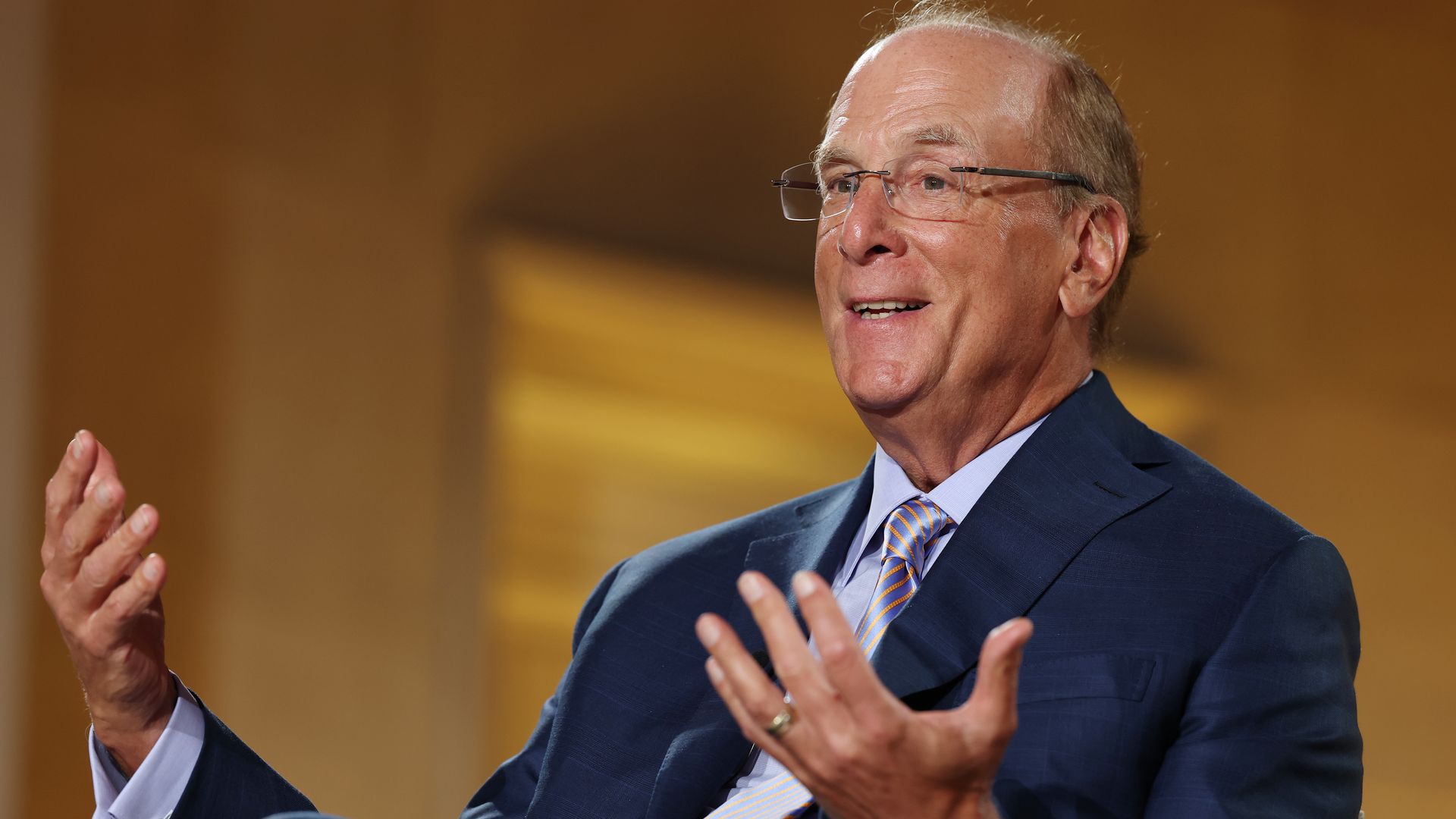
Larry Fink — chairman and CEO of BlackRock, the world's largest asset manager — says in a letter to investors out Monday that for more Americans to share in the future growth of their country, "we have to make long-term investing easier, broader, and more accessible."
Why it matters: Fink, who calls himself a "long-term optimist," has worked passionately to stimulate a conversation about rethinking retirement in America.
"The world is reorganizing around self-reliance — and that's expensive," he writes in the 17-page letter. "And that requires more long-term investment."
OpenClaw's continued buzz has kicked off a new race, with Anthropic, Nvidia, Perplexity and others all fast-tracking autonomous bots that can make OpenClaw's magic more palatable to businesses.
Why it matters: Companies are giving AI agents the ability to send emails, move files and change live systems — increasing both productivity and risk.
TORRANCE, Calif. —A cruise-missile airframe is being 3D-printed before my eyes. The AI-driven system, the size of a shipping container, hums as it stacks layer on layer of aluminum and proprietary advanced metals.
Why it matters: This white-floored factory at Divergent Technologies, just outside L.A., is a window into the American arsenal of the future.
Each of Divergent's printers, engineered and manufactured in the U.S., can produce hundreds of these missile airframes each year. They're part of a new generation of "low-cost" missiles that are roughly one-tenth the cost of a legacy system.
The finished missiles, including parts from other contractors, run $200,000 to $500,000. Legacy standard missiles range from $2 million to $6 million each.
The typical age of first-time homebuyers is rising in pricey states like California — and falling in more affordable Midwestern and Southern markets, according to industry data provider Cotality.
Why it matters: High prices, near-6% mortgage rates, and a housing shortage are delaying homeownership for many.
The stock market is increasingly dominated by a few huge and extremely profitable "superstar" companies.
Why it matters: The historic rise in stock market concentration reflects Big Tech's dominance and mirrors a worrying rise in wealth inequality among regular people — but it's not clear if it's a real problem for investors.
Oil prices remained well north of $100 per barrel after markets opened Sunday, with the Iran war moving into its fourth week.
Why it matters: The price suggests that traders don't see a near-term end to the conflict, or risks to oil transit in the Strait of Hormuz that's throttling supplies on an unprecedented scale.