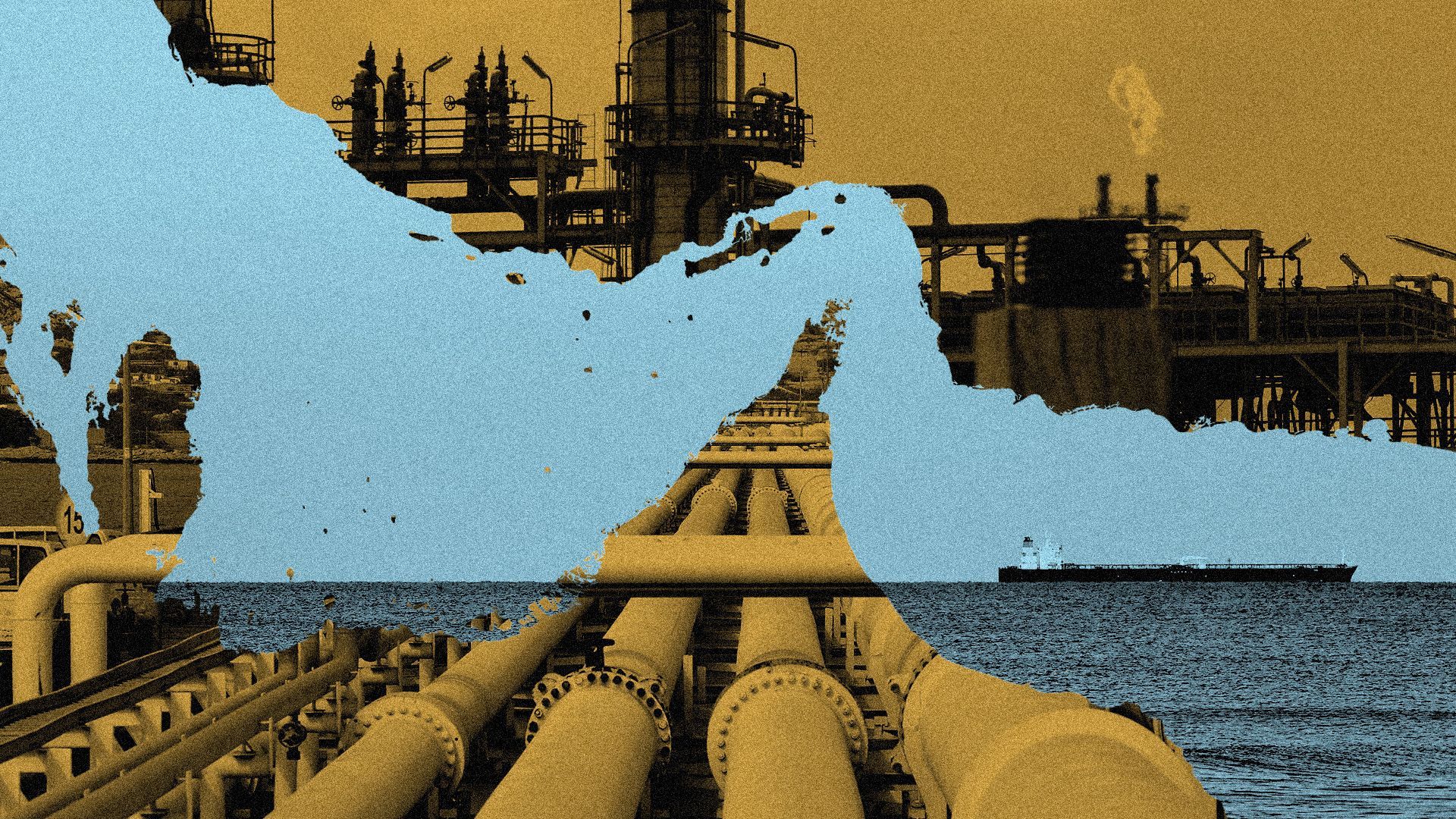
HOUSTON — Instability is the defining mood at the world's most influential energy gathering this week — playing out in a split screen of oil markets jolted by the Iran war and an AI-supercharged power sector.
Why it matters: The vibe at the CERAWeek conference underscores how quickly the energy landscape has turned unpredictable, leaving billions in investment decisions — and what consumers ultimately pay — hanging in the balance.
The Supreme Court on Wednesday ruled unanimously in favor of Cox Communications, setting a historic precedent that internet service providers are not liable for copyright infringement if they fail to disconnect customers who have been accused of pirating music.
Why it matters: The decision has major implications for the $17.7 billion U.S. recorded music industry, absolving ISPs of responsibility for pirated music.
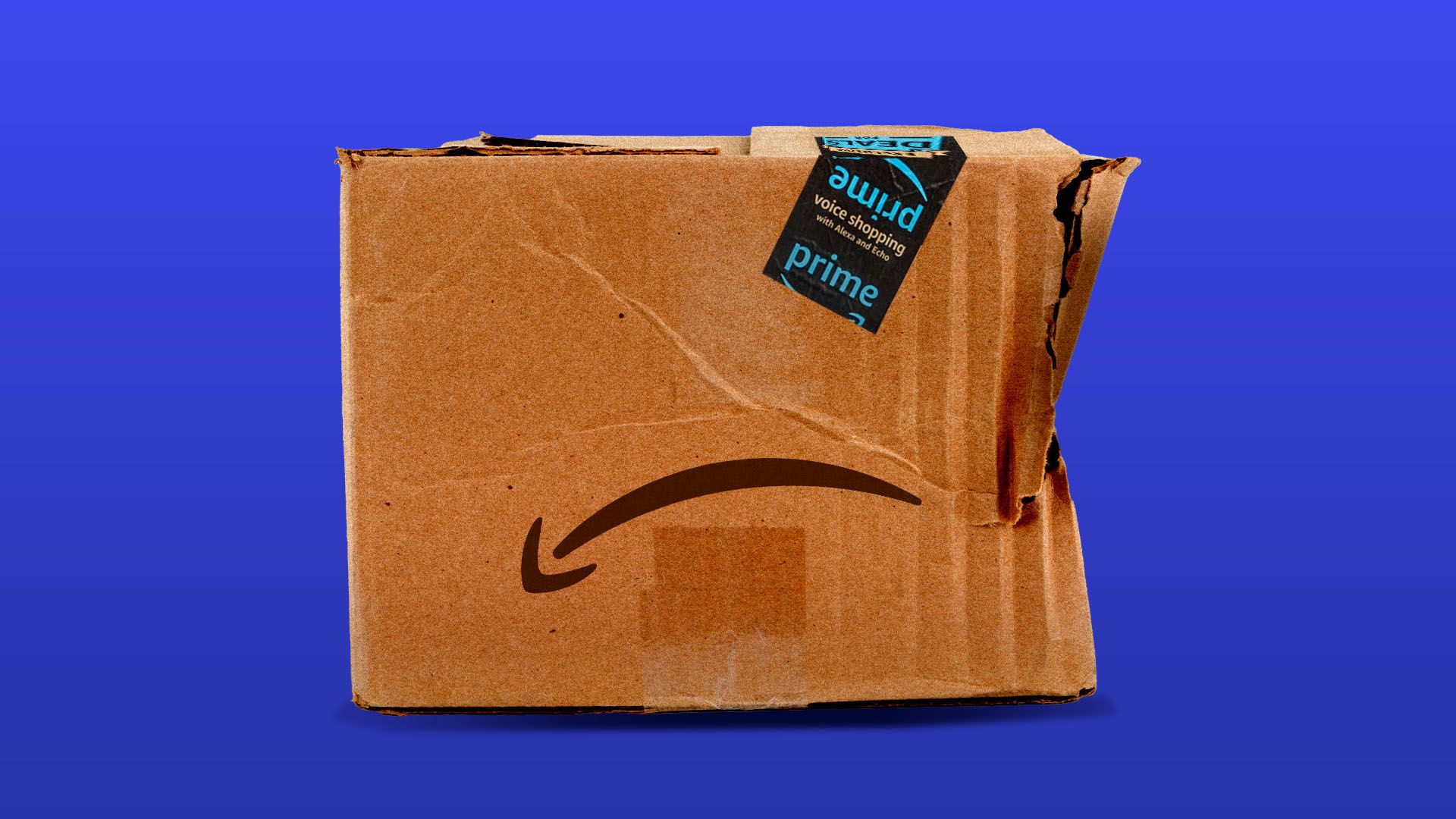
Amazon is adding FedEx Office locations to its growing returns network, giving shoppers another place to make returns without a box, tape or printed label.
Why it matters:Returns are one of the biggest friction points in online shopping, and Amazon is expanding where — and how easily — customers can make them.
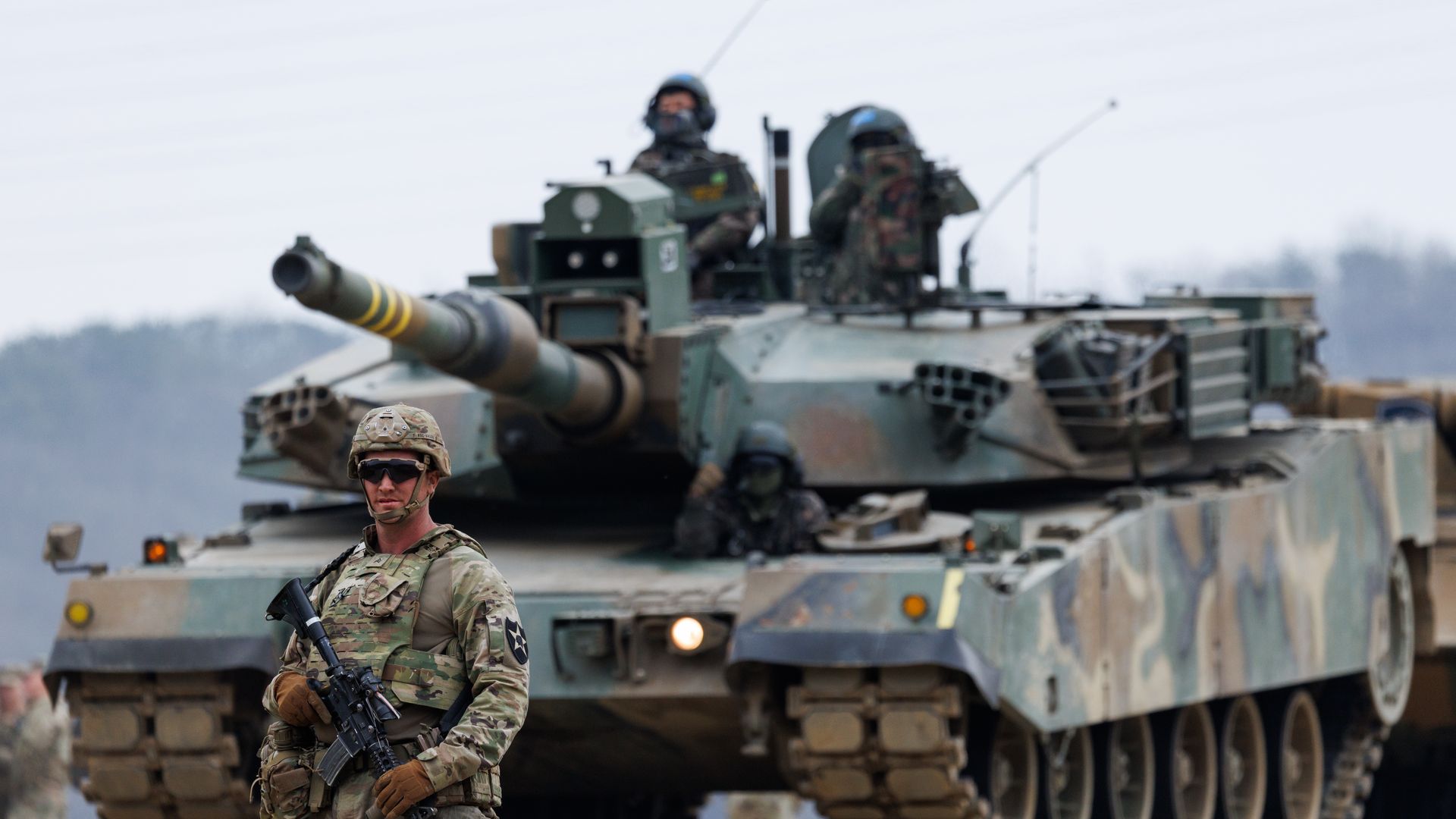
The U.S. Army updated its enlistment regulation to include an existing policy set in 2023 as the country remains at war with Iran and as President Trump has been threatening military action worldwide.
Why it matters: The Army Regulation 601-210 guidelines increase the maximum age for enlistment while also giving Americans charged with marijuana crimes more chances for eligibility.
Mortgage rates hit their highest point in five months, and mortgage applications plunged last week as escalating borrowing costs cast a heavier pall over the housing market.
Why it matters: The Iran war has triggered energy inflation that's dimming the prospects of interest rate cuts and keeping borrowing costs higher.
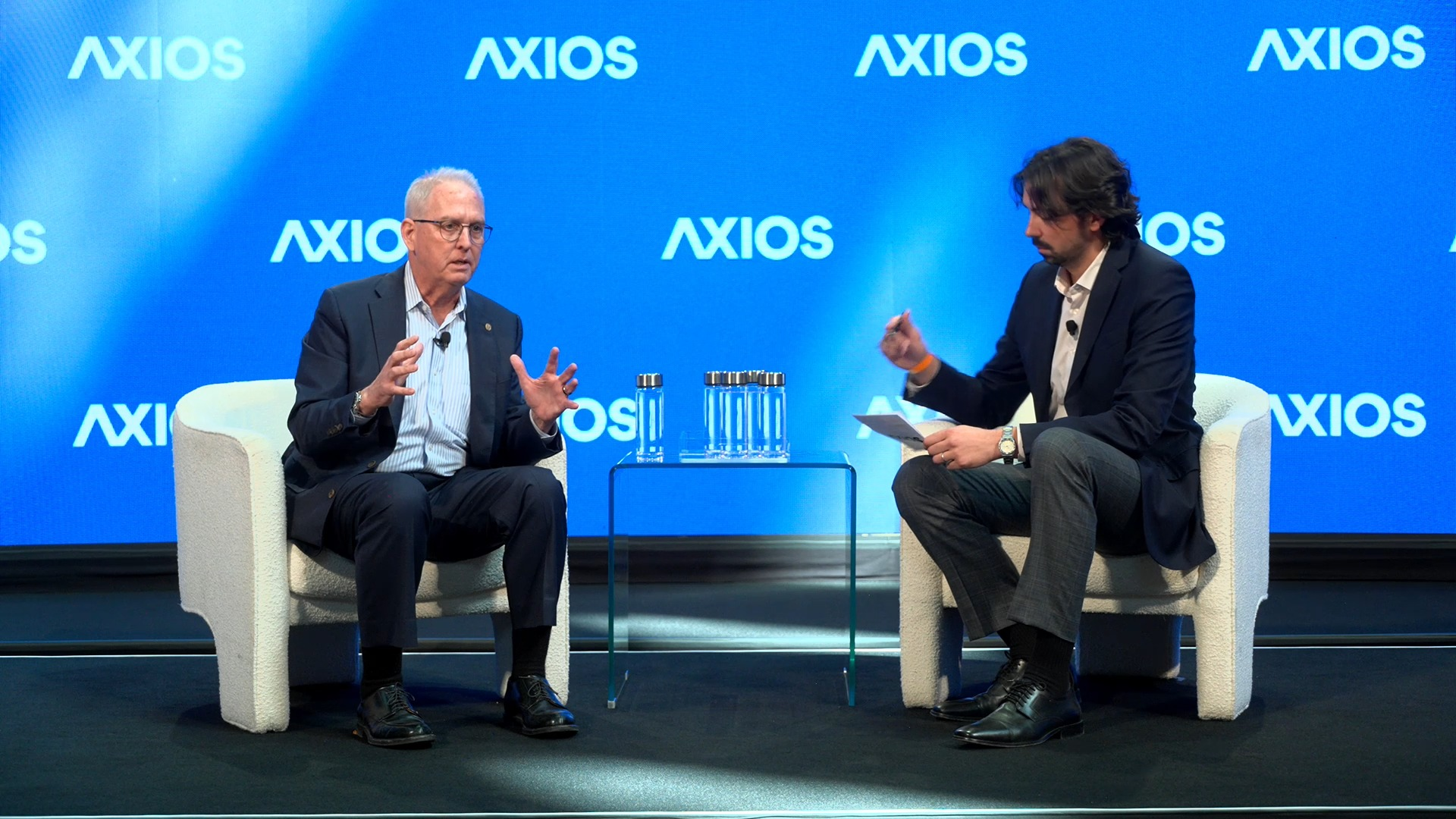
The future of warfare involves humans and machines working together, Lockheed Martin's chief technology officer Craig Martell predicted on Wednesday at Axios' AI+DC Summit.
Why it matters: As the military expands autonomous weapon use, debates are intensifying over when or whether to trust these systems and who is accountable for mistakes or misfires.
OpenAI's decision to shut down Sora — its AI video app — is the biggest signal yet of the company's shift away from splashy consumer plays meant to dazzle the masses and toward a more practical, business-grounded strategy.
Why it matters: Compute resources to power AI are in higher demand than ever, and OpenAI's flashier, energy-hungry, unprofitable offerings were bound to be the first heads to roll ahead of a potential IPO.
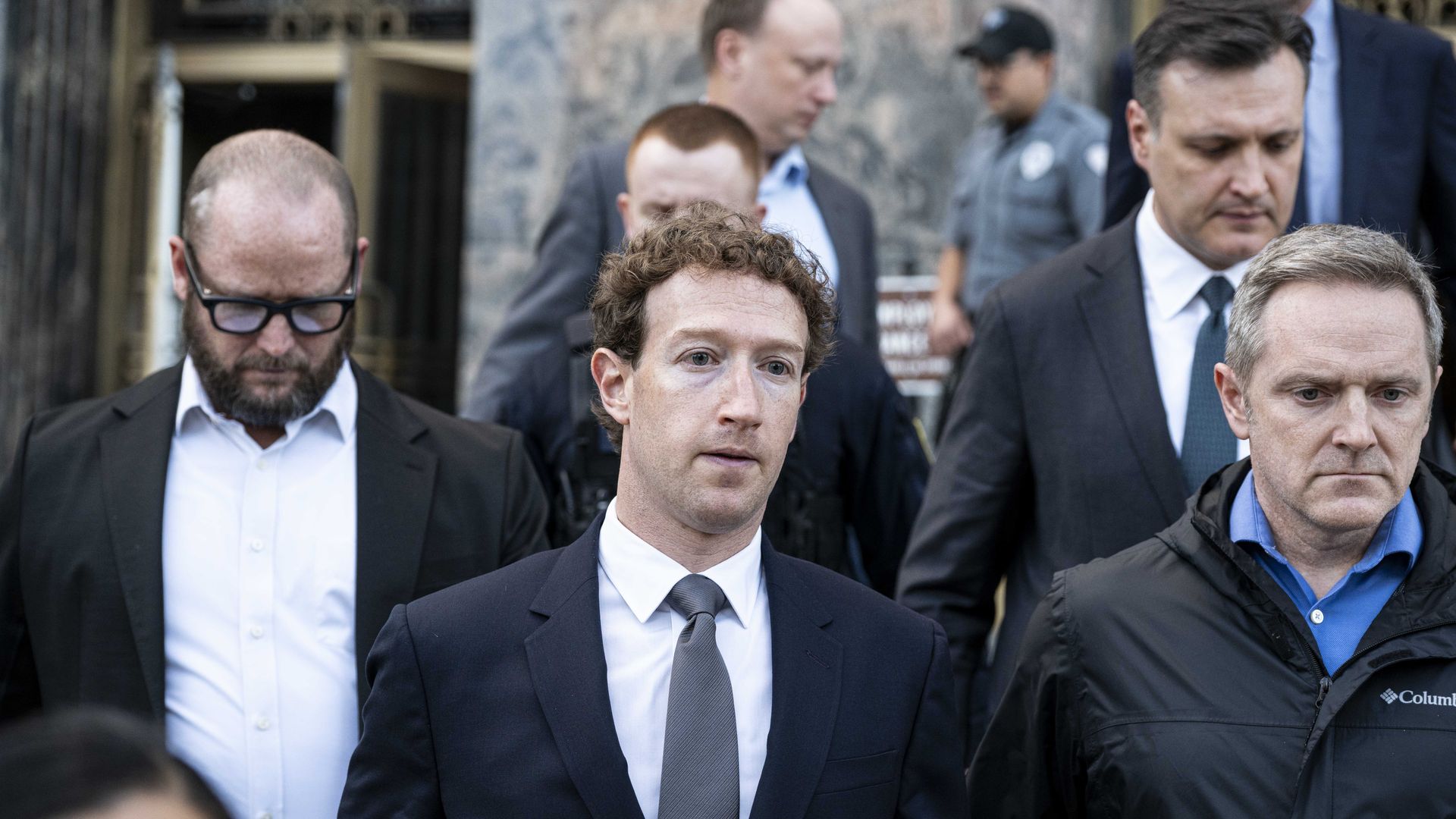
A jury on Wednesday found Big Tech giants Meta and YouTube negligent in a landmark social media trial, awarding $3 million in compensation to a woman who argued the companies were to blame for her social media addiction.
Why it matters: It is rare that social media giants are found liable for any harms people may face using their platforms, and the verdict in the Los Angeles trial could lead to more court losses, more lawsuits and potentially online safety legislation.
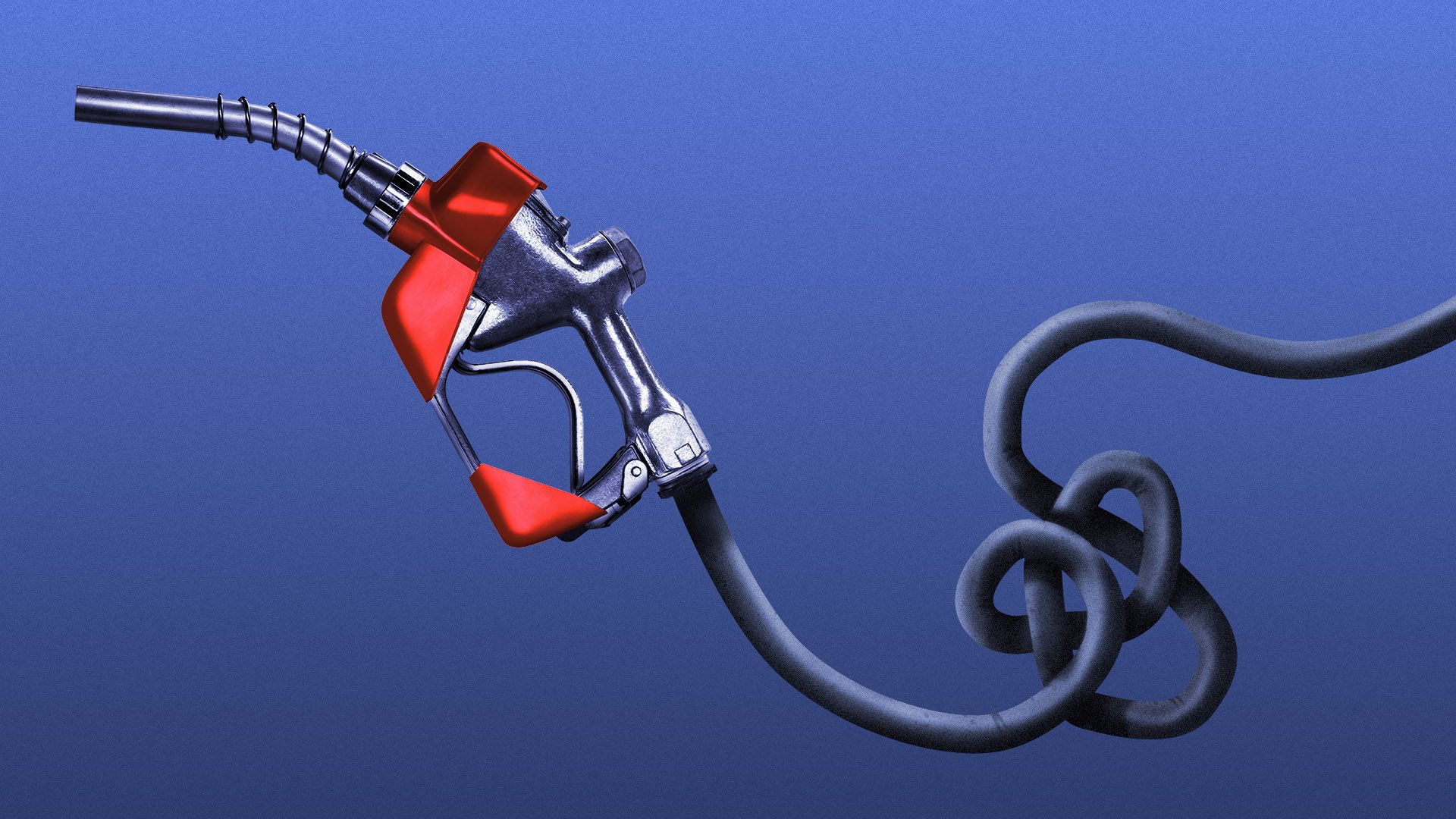
HOUSTON — EPA Administrator Lee Zeldin said Wednesday the Trump administration is expanding sales of higher-ethanol gasoline this summer as it seeks to ease concerns over rising gas prices.
Why it matters: Gas with a high ethanol content, known as E15 because its content is up to 15 percent ethanol, is generally restricted in summer because it evaporates easily in the heat and causes air pollution.
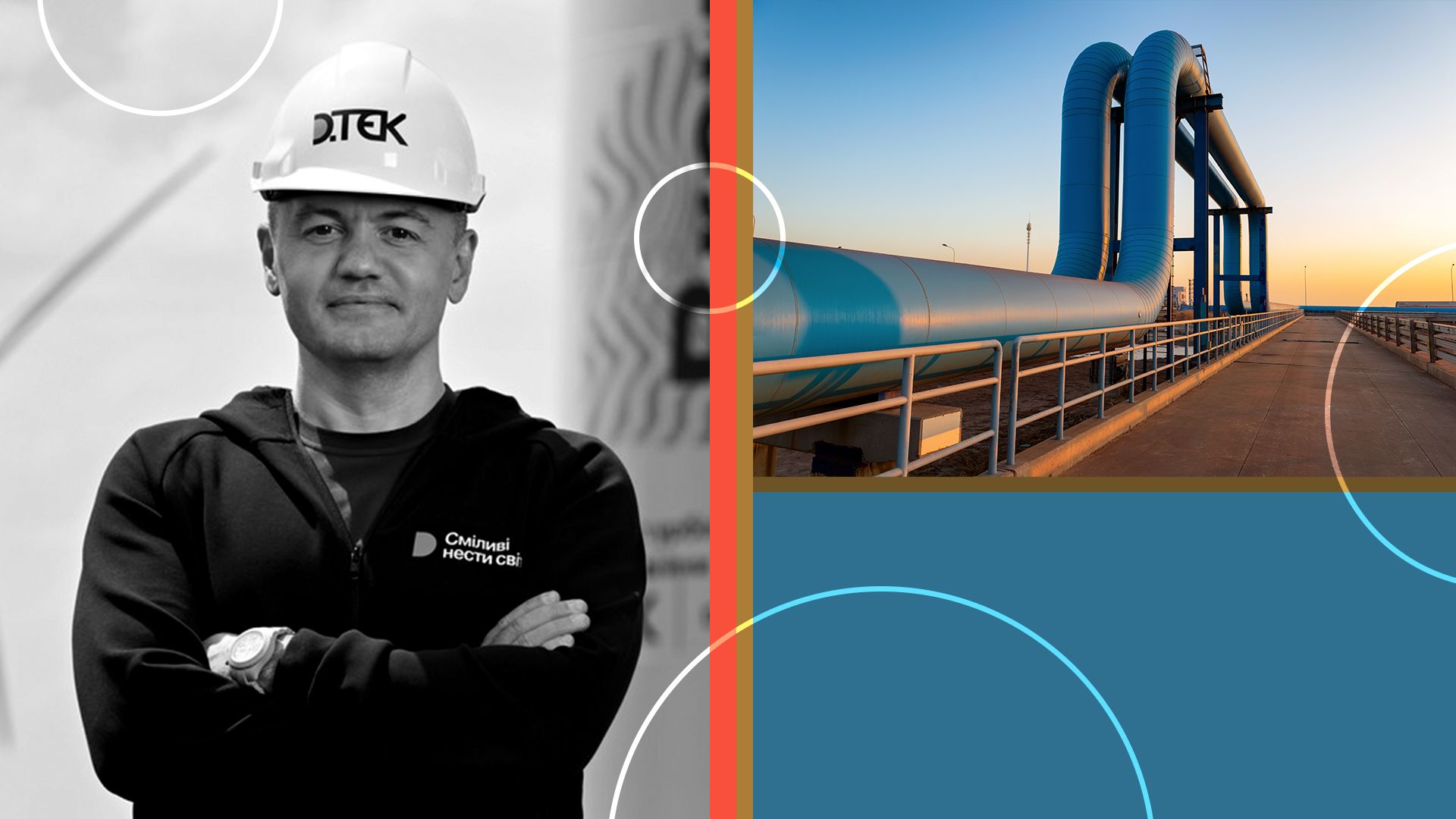
HOUSTON — The head of Ukraine's largest private energy company said Wednesdayhe has plenty of lessons to share with energy companies operating in the Middle East that are scrambling to harden themselves against attacks.
Why it matters: Maxim Timchenko, CEO of DTEK, said making detailed security plans must become the new reality for companies working in dangerous places.
Electric vehicle makers are cutting deals to put robotaxis on Uber — a quick fix for soft sales today that could quietly erode their brands in the future.
Why it matters: If these tie-ups come to fruition, Uber would control almost everything from the ride experience and customer relationships to data and pricing — while the cars risk becoming white-label commodities.
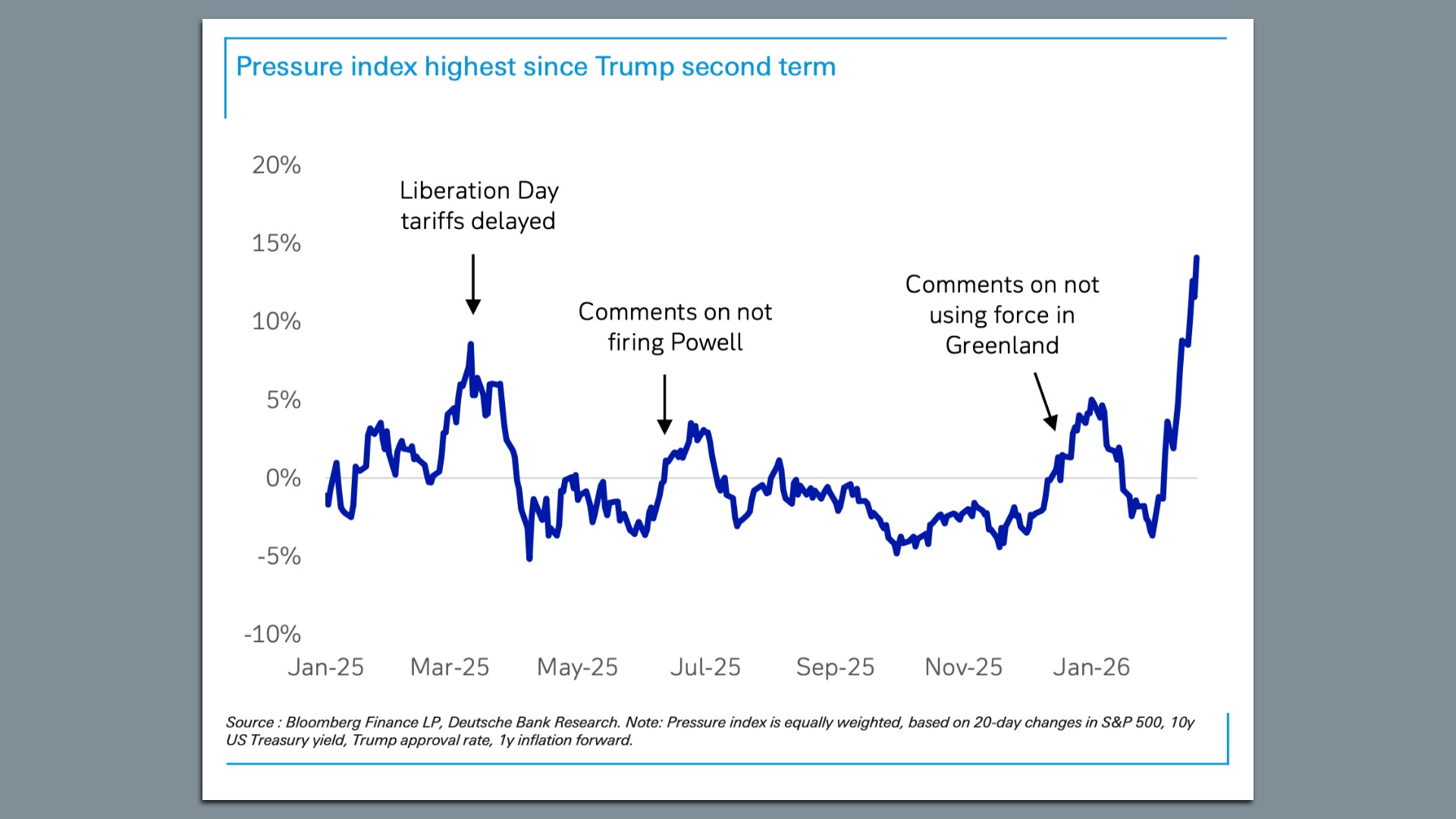
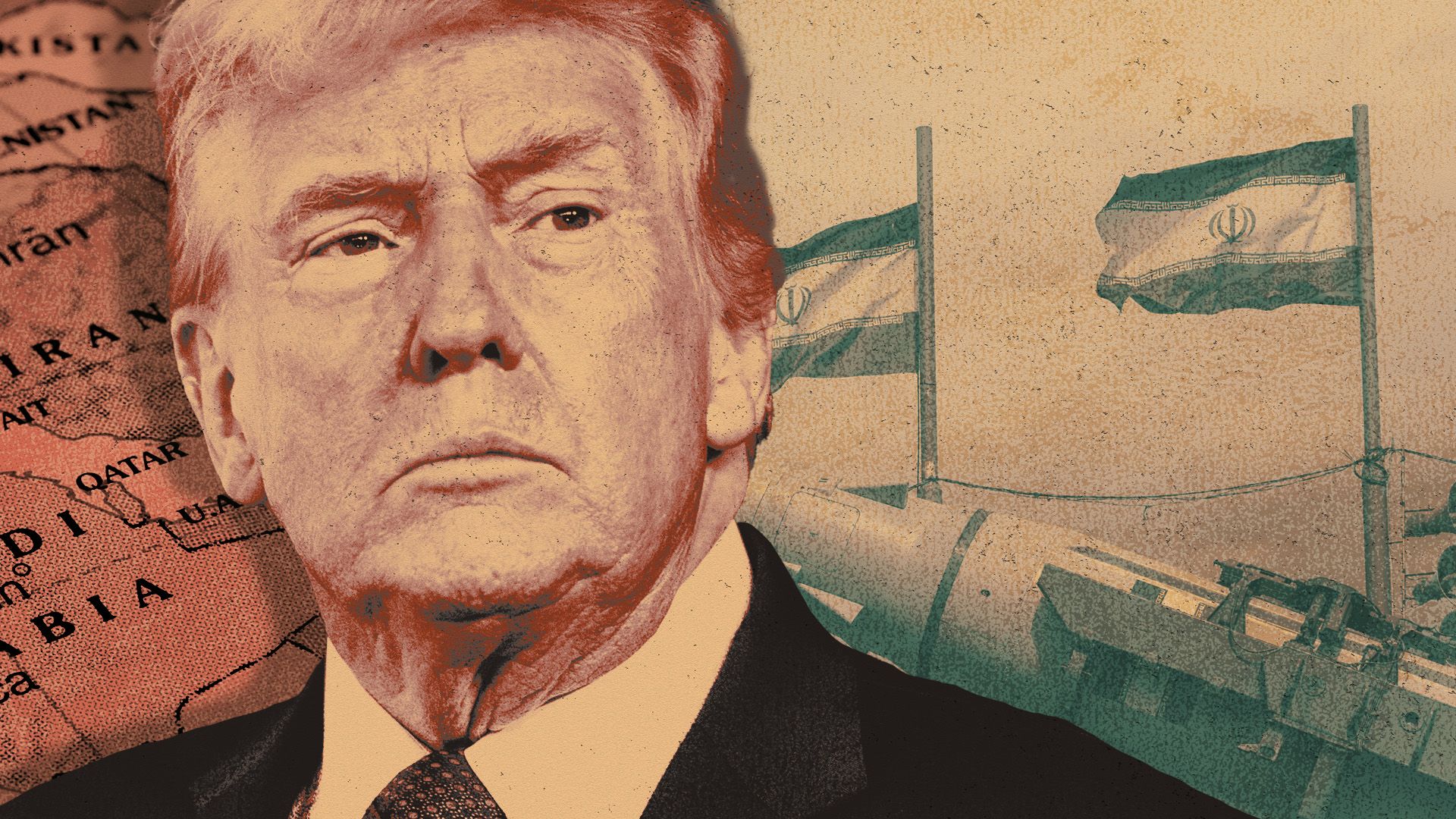
There's a lot of pressure on President Trump to pull back from the Iran war, and Wall Street has figured out a way to chart it.
How it works: Maximilian Uleer, a strategist at Deutsche Bank, came up with a "pressure index" that considers the one-month change in Trump's approval ratings, stock market performance and whether people and bond markets are expecting higher inflation. (Thanks to the Financial Times' Robert Armstrong for highlighting this index.)
Where it stands: The index is higher now than it was even during "Liberation Day," when the S&P 500 tumbled on the announcement of huge tariffs on basically every country in the world.
Between the lines: The difference? To paraphrase James Carville, it's the gas prices, stupid.
The national average for a gallon of gasoline is now hovering just below $4. And there are scorecards of rising gas prices plastered on every big road in the country.
There's also a notion on Wall Street that Trump is likely to pull back on a policy if the stock market falls about 5% from its highs, Jose Torres, a senior economist at Interactive Brokers, told Axios last week.
By the numbers: Since reaching an all-time high in January, the S&P 500 is now down more than 5%.
The big picture: Most Wall Street analysts are expecting that Trump will do what it takes to end the war and get the Strait of Hormuz reopened to bring gas prices back down before the midterm elections.
Zoom in: Dips in approval ratings have led to other capitulations from Trump over the past year, a separate note from the bank points out.
Reality check: Most presidents are sensitive to declines in the stock market and public opinion, especially around high gas prices.
It may be time to start listening to the private credit Cassandras.
Why it matters: Private credit is now a multitrillion-dollar market, and the fallout from an upheaval in it could hit insurers, banks and even consumers.
Mark Zuckerberg on Wednesday is launching Meta Small Business, a company-wide priority to support entrepreneurship and drive AI adoption.
Zuckerberg asks product managers, designers, engineers and other employees to reach out if they want to work on the new effort.
Why it matters: The plan leans into a Meta strength in the AI wars as competitors pursue large-scale enterprise. More than 250 million small businesses globally use Meta across Facebook, Instagram and WhatsApp.
Airbase exited stealth Wednesday backed by Founders You Should Know, Squadra Ventures and Andreessen Horowitz.
Why it matters: The New York startup is seeking to modernize the wonky — but incredibly important — world of wireless infrastructure and radio-frequency spectrum.
That has commercial, financial and military consequences, including for electronic warfare and tactical communications.
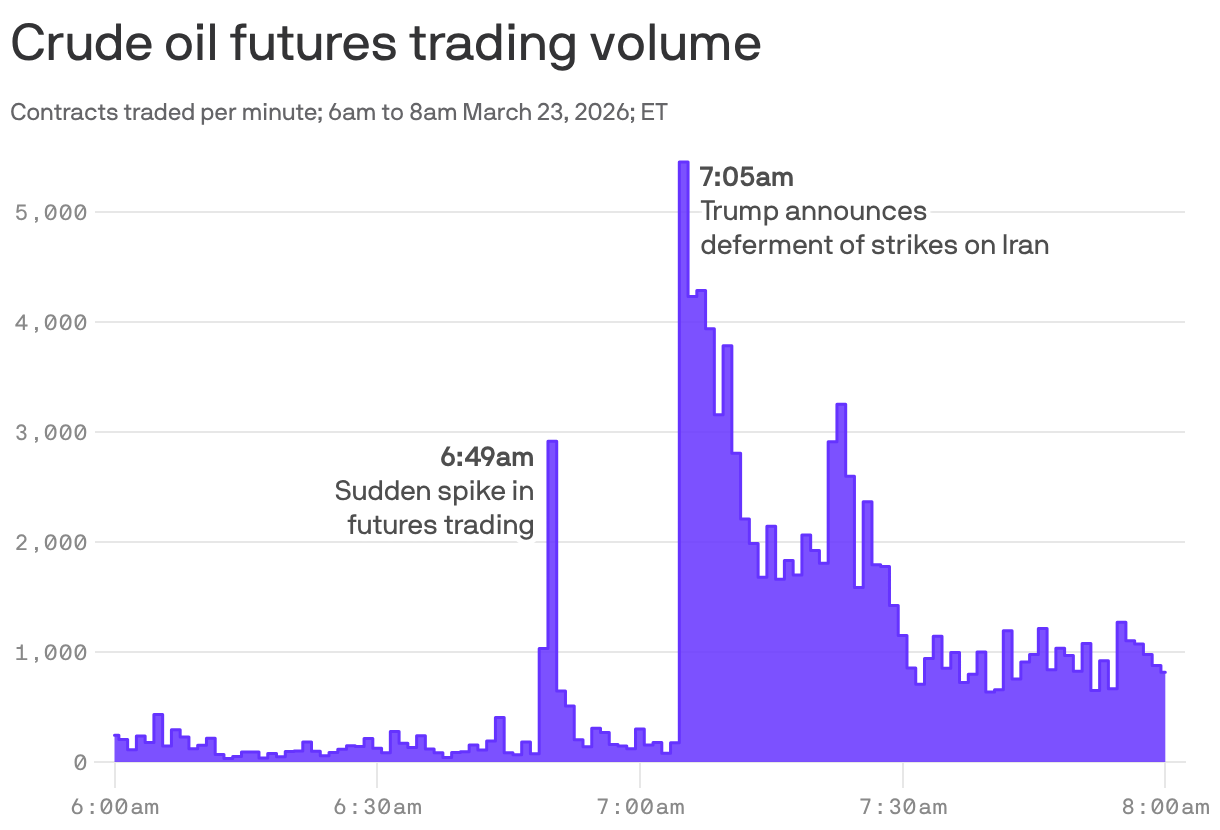
An epidemic of suspicious trading has emerged around President Trump's most consequential decisions — each time, just minutes or hours before he rattles global markets, according to exchange data.
Why it matters: As the Iran war sends prices soaring for ordinary Americans, a select few appear to be profiting in plain sight. It's precisely the kind of alleged corruption Trump built his political career railing against.
HOUSTON — The power surge fueled by the AI boom is catapulting novel battery storage technologies from niche to mainstream, with dealmaking revealed at a major industry gathering this week.
Why it matters: It's a marriage of urgent needs: The AI sector needs reliable power — fast. Battery companies need deep-pocketed customers.
California Gov. Gavin Newsom praised Elon Musk as this generation's Thomas Edison — then accused the Tesla CEO of surrendering the electric vehicle market to China.
"It breaks my heart," Newsom said on a new episode of "The Axios Show," describing Musk as "one of the great disappointments" of our time.
Why it matters: China already holds 70% of the global EV market. Newsom argues Musk — the man who pioneered America's EV industry — is now accelerating that dominance by pivoting Tesla toward robotics.
Iranian officials have told the countries trying to mediate peace talks with the U.S. that they have now been tricked twice by President Trump and "we don't want to be fooled again," according to a source with direct knowledge of those discussions.
The big picture: The U.S. is pushing for in-person peace talks as soon as Thursday in Islamabad, Pakistan. But during the two previous rounds of U.S.-Iran talks, Trump green lit crippling surprise attacks while still claiming to be seeking a deal.
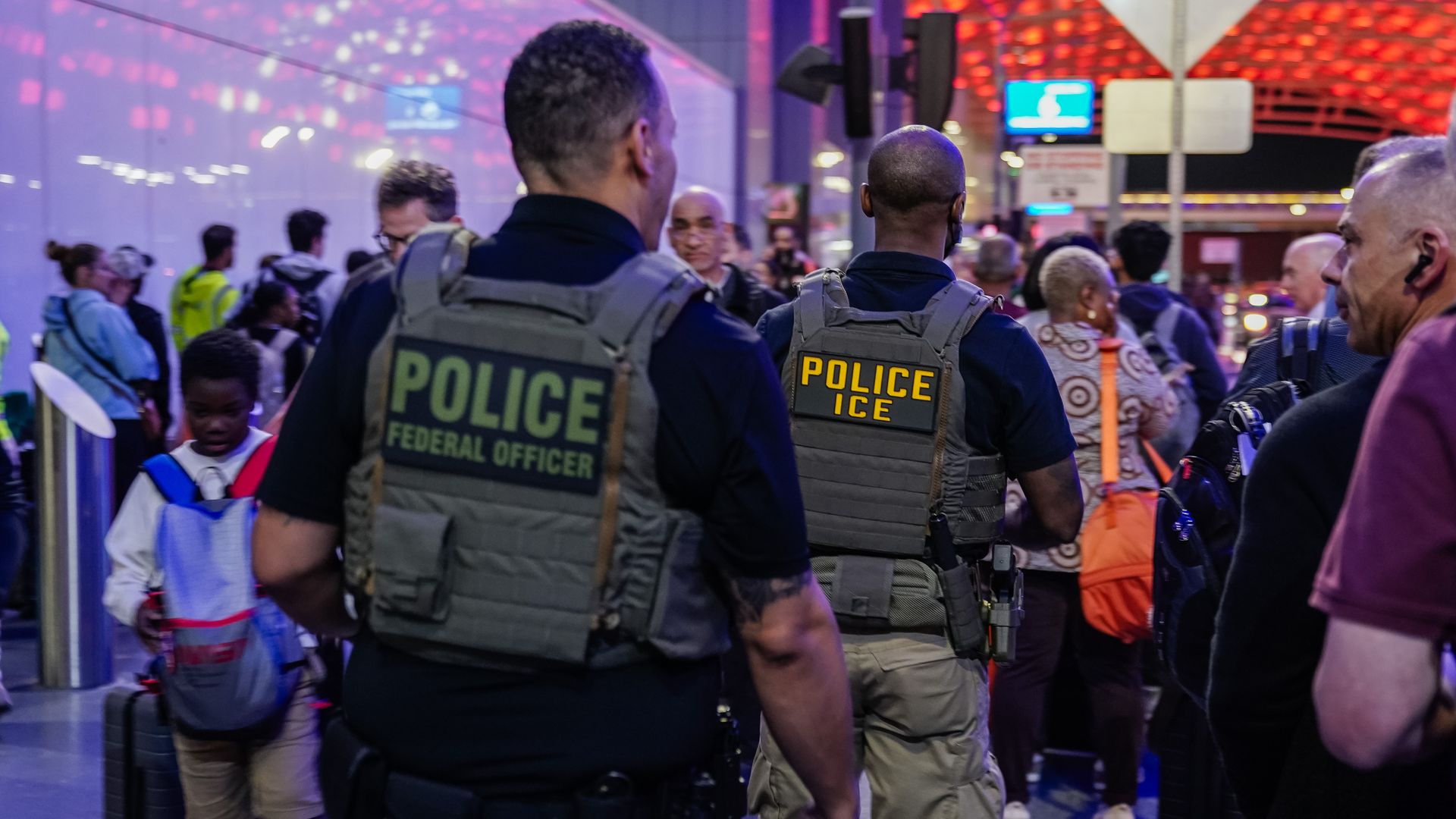
ICE officers arrived at more than a dozen airports this week to help TSA deal with the spring travel chaos — but the specifics of their role remains unclear.
Why it matters: Though both under DHS, ICE handles immigration enforcement and criminal investigations and TSA oversees aviation security. This raises questions about whether ICE can ease a TSA staffing shortfall during the partial government shutdown.