Chinese EVs closing in on America after Canadian tariffs deal

Add Axios as your preferred source to
see more of our stories on Google.
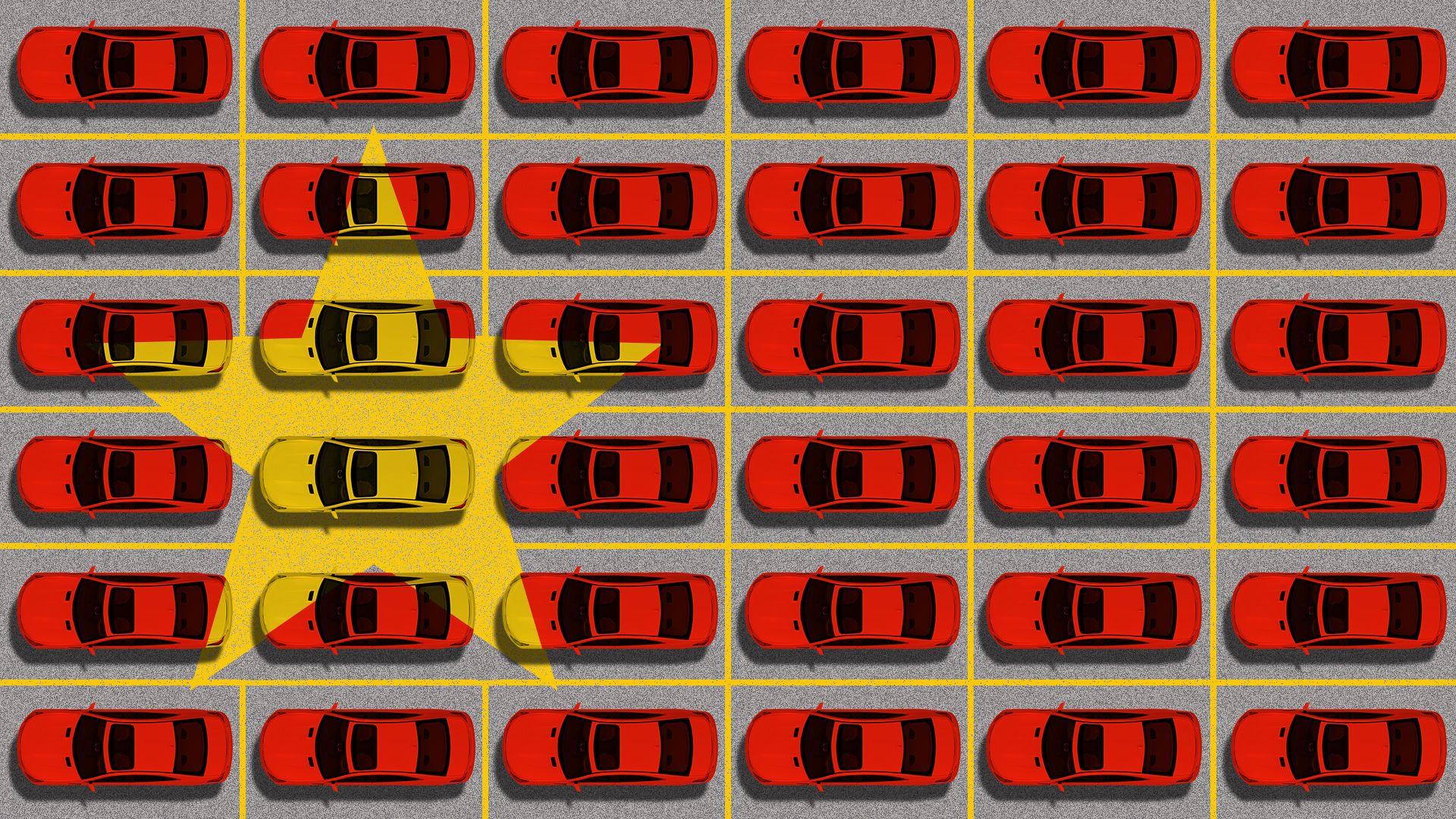
Illustration: Sarah Grillo/Axios
Canada is slashing tariffs on Chinese electric vehicles as part of a broader trade deal.
Why it matters: Chinese-made cars are closing in on America despite attempts to keep them out.
Driving the news: Canadian Prime Minister Mark Carney announced Friday that the country will cut duties on Chinese EVs from 100% to 6.1%.
- China agreed to reduce tariffs on Canadian canola seed from 85% to 15%.
State of play: While Chinese vehicles have already become popular in Mexico, there are effectively no domestic Chinese-brand vehicles sold in the U.S.
- Chinese automakers have targeted the U.S. market for ages, but only in recent years have their vehicles improved in quality enough to be competitive on a global stage.
- The Biden administration, meanwhile, imposed 100% tariffs on Chinese EVs in 2024 — a move that President Trump has not reversed.
Between the lines: Those 2024 duties were seen as a protectionist measure designed to shore up U.S. automotive production at a time when cheap Chinese EVs are being exported throughout the world.
The intrigue: Chinese brand vehicles are not an uncommon sight in the U.S. close to the Mexico border, which suggests the same could become true near the northern border once Chinese EVs head to Canada.
- Chinese brands are expected to control about 30% of the global market for vehicles by 2030, according to AlixPartners.
Zoom in: Canada will initially cap Chinese EV imports at 49,000 annually, or less than 3% of the market for new vehicles there.
- Carney predicted that Chinese EVs will create "new lower-cost options for Canadian consumers" with an import price under $35,000.
The big question is whether Chinese manufacturers begin establishing manufacturing operations in Canada and the U.S. to circumvent tariffs altogether.
- The Carney administration said it anticipates the deal will "drive considerable new Chinese joint-venture investment in Canada with trusted partners to protect and create new auto manufacturing careers for Canadian workers, and ensure a robust build-out of Canada's EV supply chain."
The latest: President Trump said this week in Detroit that he would welcome Chinese automakers to build factories in the U.S.: "If they want to come in and build the plant and hire you and hire your friends and your neighbors, that's great," he said. "I love that. Let China come in."
- Chinese automaker Geely — which owns the Swedish brand Volvo — plans to announce a U.S. expansion within two to three years, Geely communications chief Ash Sutcliffe told WSJ last week at the Consumer Electronics Show: "The big question for us is when and where will we go to the U.S.A."
💭 Our thought bubble, from Axios Future of Mobility author Joann Muller: Chinese automakers built too many plants at home, and they have to export.
- Europe opened the door, and that was disastrous for European automakers — the U.S. is trying to hold them back.
The bottom line: The squeeze from Mexico and Canada could be hard to fight.
