SCOTUS sides with Cox in landmark music piracy case

Add Axios as your preferred source to
see more of our stories on Google.
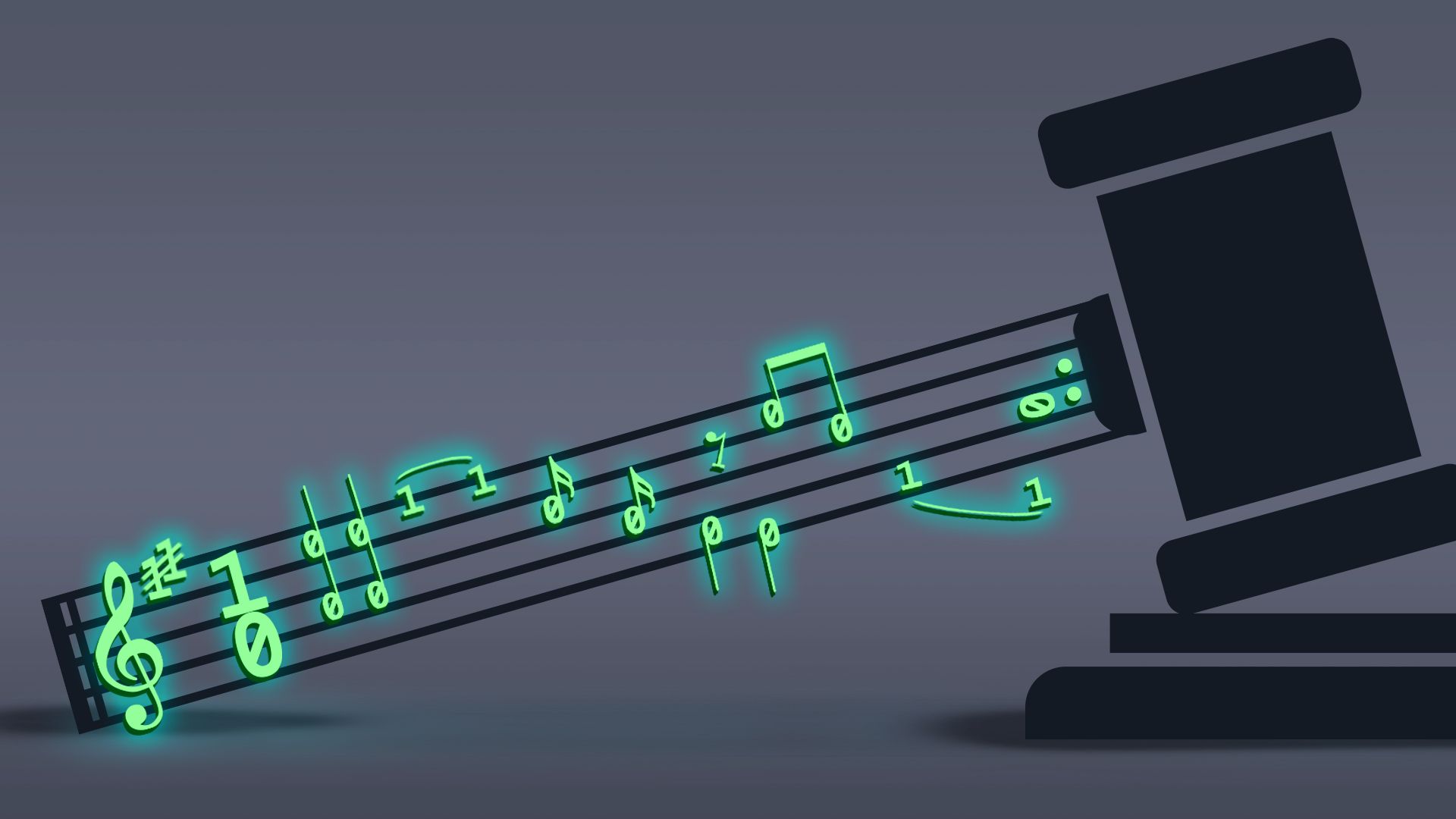
Illustration: Annelise Capossela/Axios
The Supreme Court on Wednesday ruled unanimously in favor of Cox Communications, setting a historic precedent that internet service providers are not liable for copyright infringement if they fail to disconnect customers who have been accused of pirating music.
Why it matters: The decision has major implications for the $17.7 billion U.S. recorded music industry, absolving ISPs of responsibility for pirated music.
Zoom in: The justices ruled that Cox is not contributorily liable for the infringement of Sony's copyrights because "it did not intend for that service to be used to commit copyright infringement."
- "Holding Cox liable merely for failing to terminate Internet service to infringing accounts would expand secondary copyright liability beyond our precedents," Justice Clarence Thomas wrote in the court's opinion.
- Justices Sonia Sotomayor and Ketanji Brown Jackson concurred in judgment but said the majority "needlessly curtails secondary liability in a manner inconsistent with both precedent and statute."
- Still, Sotomayor wrote that the "facts of this case do not establish the requisite intent needed to hold Cox liable for infringement that occurred on its network."
- The high court's ruling reverses a Fourth Circuit decision from 2024.
- Sony did not immediately respond to a request for comment.
What they're saying: In a statement to Axios, Cox called the opinion a "decisive victory."
- "This opinion affirms that Internet service providers are not copyright police and should not be held liable for the actions of their customers — and after years of battling in the trial and appellate courts, we have definitively shut down the music industry's aspirations of mass evictions from the internet," it added."
The other side: Mitch Glazier, chairman and CEO of the Recording Industry Association of America, said in a statement RIAA is disappointed in the decision.
- "To be effective, copyright law must protect creators and markets from harmful infringement and policymakers should look closely at the impact of this ruling," he said.
Catch up quick: Sony, alongside other major music labels, sued Cox in 2018 over the pirating of its music by Cox customers that it said occurred between 2013 and 2014, alleging damages worth over $1 billion.
- A district court ruled against Cox the year after. Cox appealed the ruling to a federal appellate court, which ruled in 2024 that Cox was liable for copyright infringement, but overturned the $1 billion damages ruling. It sent the case back to a district court for a new trial.
- Cox then appealed its case to the Supreme Court, which agreed to take up the case last year. Oral arguments began in December.
Zoom out: In its appeal to the highest court, Cox Communications — which is one of the largest broadband providers in the U.S. — said ruling against it would set a dangerous precedent, forcing ISPs to essentially become the arbiters of internet access in the U.S. based on speech.
Disclosure: Axios is owned by Cox Enterprises, which is also the parent company of Cox Communications.
Editor's note: This story was updated to include comment from Cox and RIAA.
