Storytelling is top of mind for founders at SXSW


Add Axios as your preferred source to
see more of our stories on Google.
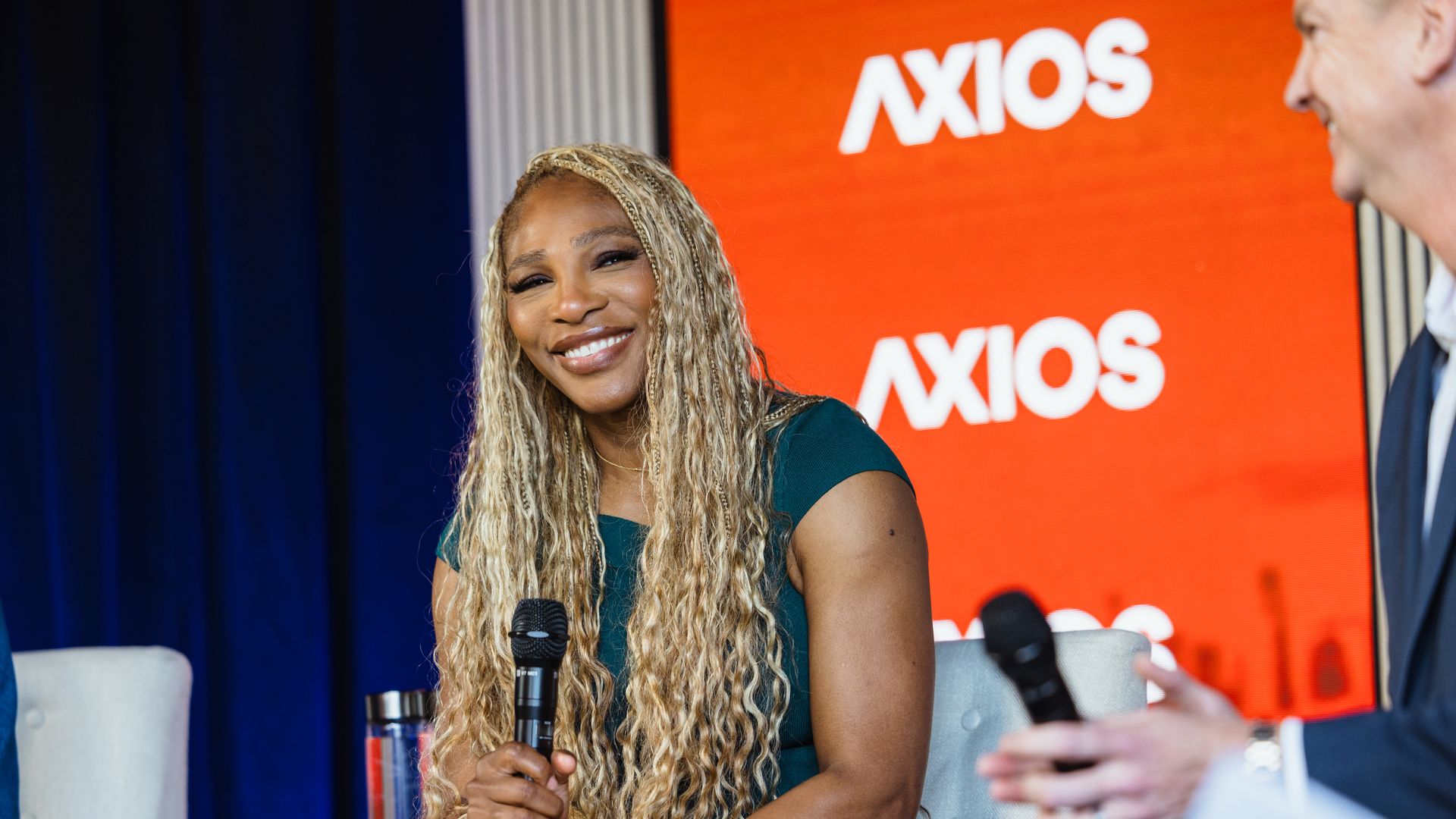
Serena Williams at Axios House during SXSW on March 13. Photo: Rick Cortez for Axios
Reckitt Catalyst entrepreneur-in-residence Serena Williams told founders at Axios House during SXSW that one of the toughest hurdles for early-stage entrepreneurs is learning how to sell themselves.
Why it matters: You could have the best idea, product and strategy, but if you can't communicate it effectively, you're unlikely to attract the talent and funding needed to be successful.
What they're saying: The former tennis star says underinvested entrepreneurs — who are frequently people of color and women — are passionate, problem-solvers, but they need mentors to help them with storytelling.
- "My mentor actually told me I needed to be a better storyteller," Williams told Axios' Sara Fischer, noting that advice changed her trajectory in business.
- She said she's believed and invested in founders who ultimately couldn't raise money because they were poor storytellers.
- "They had probably some of the best products I've seen, but they never were able to raise money, because they weren't able to kind of get that idea across to other people to believe in them, because they just were just dry, for lack of a better word."
- "If you can't tell a story, you can have someone else do it that's also passionate about it. Or else, it's very difficult to invest in that founder, because you still want to get your money back."
Zoom in: Goodles CEO Jen Zeszut also emphasized how storytelling and community building have been a competitive advantage for the mac and cheese company.
- "Our competitors have way more money than us," Zeszut said on the Axios House stage at SXSW. "We are self-funded. ... We can't out-coupon them, out-slotting fee them or book cuter kids for our commercials. We can't afford a commercial. So we had to do something different."
- "We decided to create mac and cheese that was more targeted to young adults and to try to out-weird them and be more authentic in all of our marketing and the way that we show up in the world," she said.
The big picture: Founders and CEOs are taking a more hands-on approach to communications.
- Mentions of "storytelling," "narrative" and "storyteller" in corporate earnings and investor calls have increased 65% since 2020, according to AlphaSense data shared with Axios.
- In a recent interview on "The Axios Show," Anduril founder Palmer Luckey explained how his antics on X are meant to lure very specific talent. An enterprise buyer "is not the one who's checking out the hot takes, but for recruiting, it's helpful," he said.
- "By being out there and having a position, for example, on who should have the final call on how to use autonomous weapons or being out there and having an opinion on what good manufacturing looks like, we are attracting the right people and I think repelling the wrong people, and that's our company."
- "Our company probably wouldn't have gotten a lot of our best talent if we weren't out there in that way."
Yes, but: Williams also said she always needs a founder's story to be "genuine" and "authentic."
- "I want to make sure that there is some sort of connection between them and the problem that they're solving," she said, adding that founders can rely on the lived experiences of their friends and family to fuel their storytelling.
What to watch: The percentage of U.S. LinkedIn job postings including "storyteller" doubled last year, per the Wall Street Journal.
- In the age of AI slop, the need for those who can craft smart narratives that break through is at a premium.
More on Axios:
