These 4 strategic flashpoints are shaping the Iran war

Add Axios as your preferred source to
see more of our stories on Google.
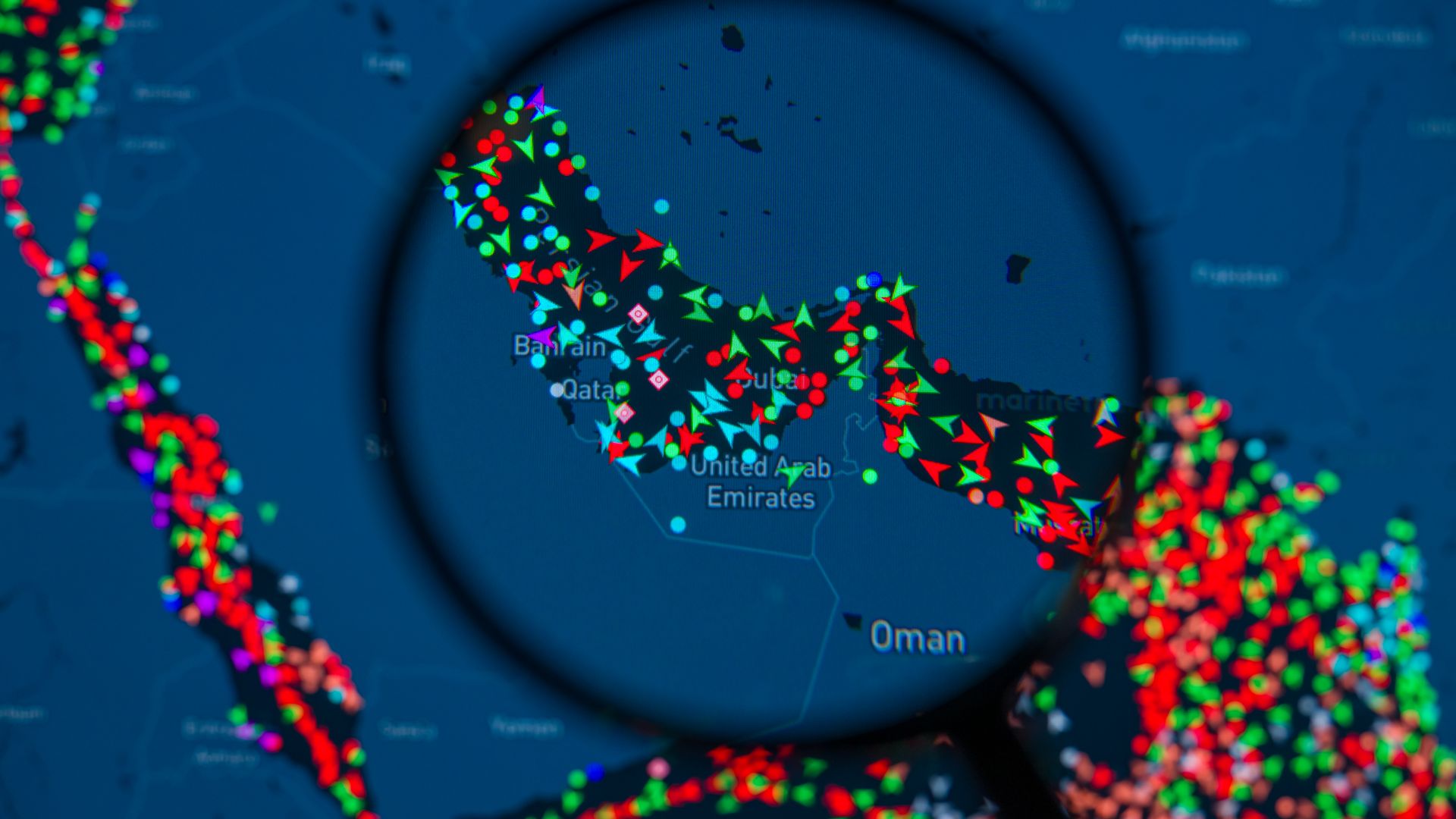
A MarineTraffic map of ship movements in the Strait of Hormuz . Photo: Jonathan Raa/NurPhoto via Getty Images
The Iran war is driving markets down and energy prices up — and the duration and direction of the conflict will partially be determined by what takes place in a few key locations.
Why it matters: Escalating tensions could all shape how and when the war ends. Any attack or strategic move could push the war into a new phase.
- President Trump has repeatedly threatened attacks on Kharg Island, while Iran has throttled the Strait of Hormuz with a massive blockade.
- Attacks on energy facilities are leading to counter-strikes and escalation — showing the vulnerable nature of these battle fronts.
Read more below about the key places reshaping the war.
Kharg Island
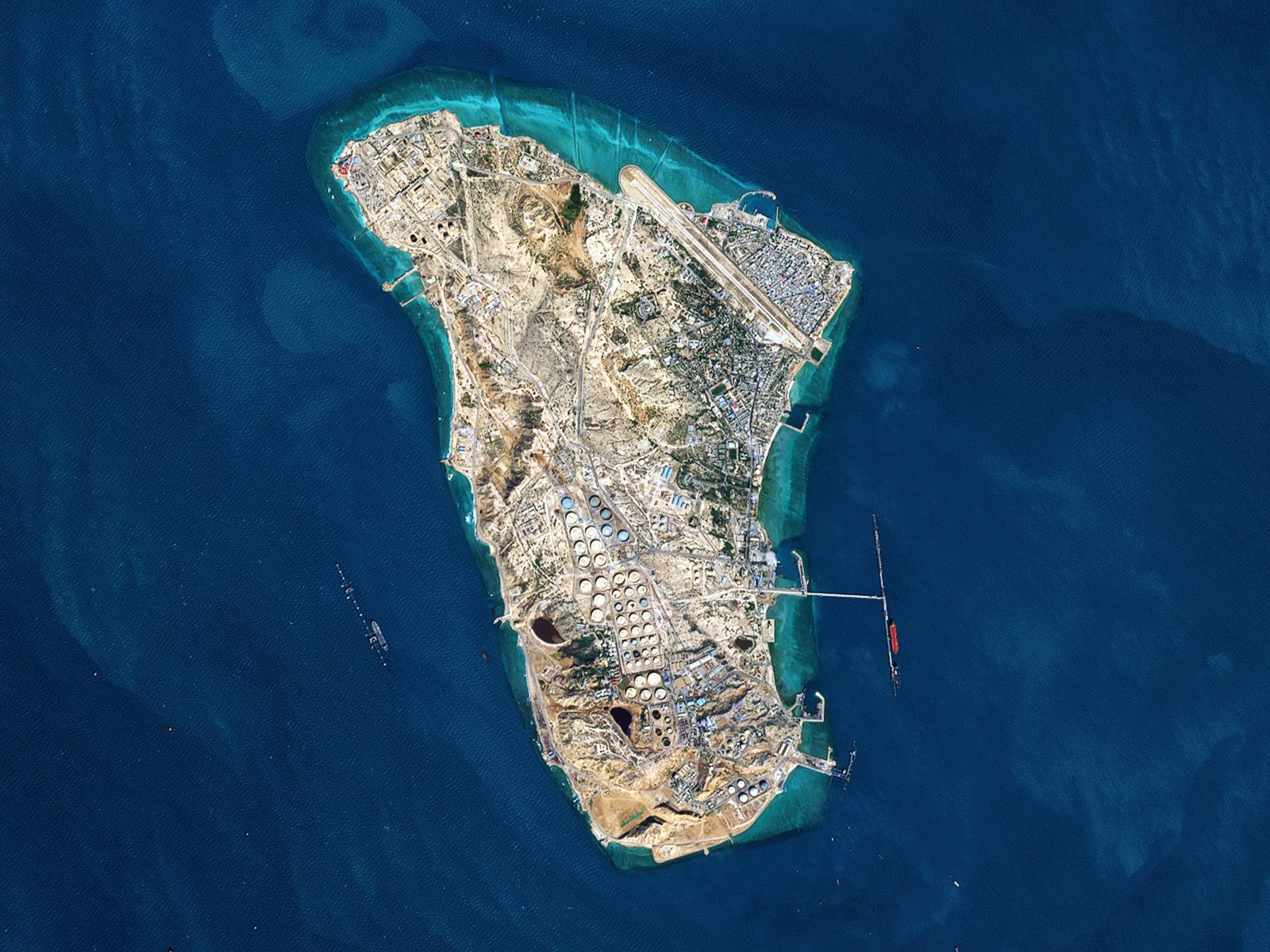
Driving the news: Trump and Defense Secretary Pete Hegseth have threatened to strike Kharg Island, an important location where Iran handles nearly all its crude oil.
- "We can take out the island anytime we want. I call it the little island that sits there so totally unprotected," Trump said Thursday.
- A direct hit on the island would shut down Iran's oil operation, threaten the global economy, and drive another price spike on gas worldwide.
Trump has long considered attacking or seizing Kharg Island outright as it would likely be "an economic knockout" of Iran's regime and essentially defund Tehran, a U.S. official told Axios' Marc Caputo and Barak Ravid.
- However, a strike could lead to retaliation against oil facilities and pipelines in the Gulf region, specifically in Saudi Arabia, a U.S. ally in the war.
South Pars
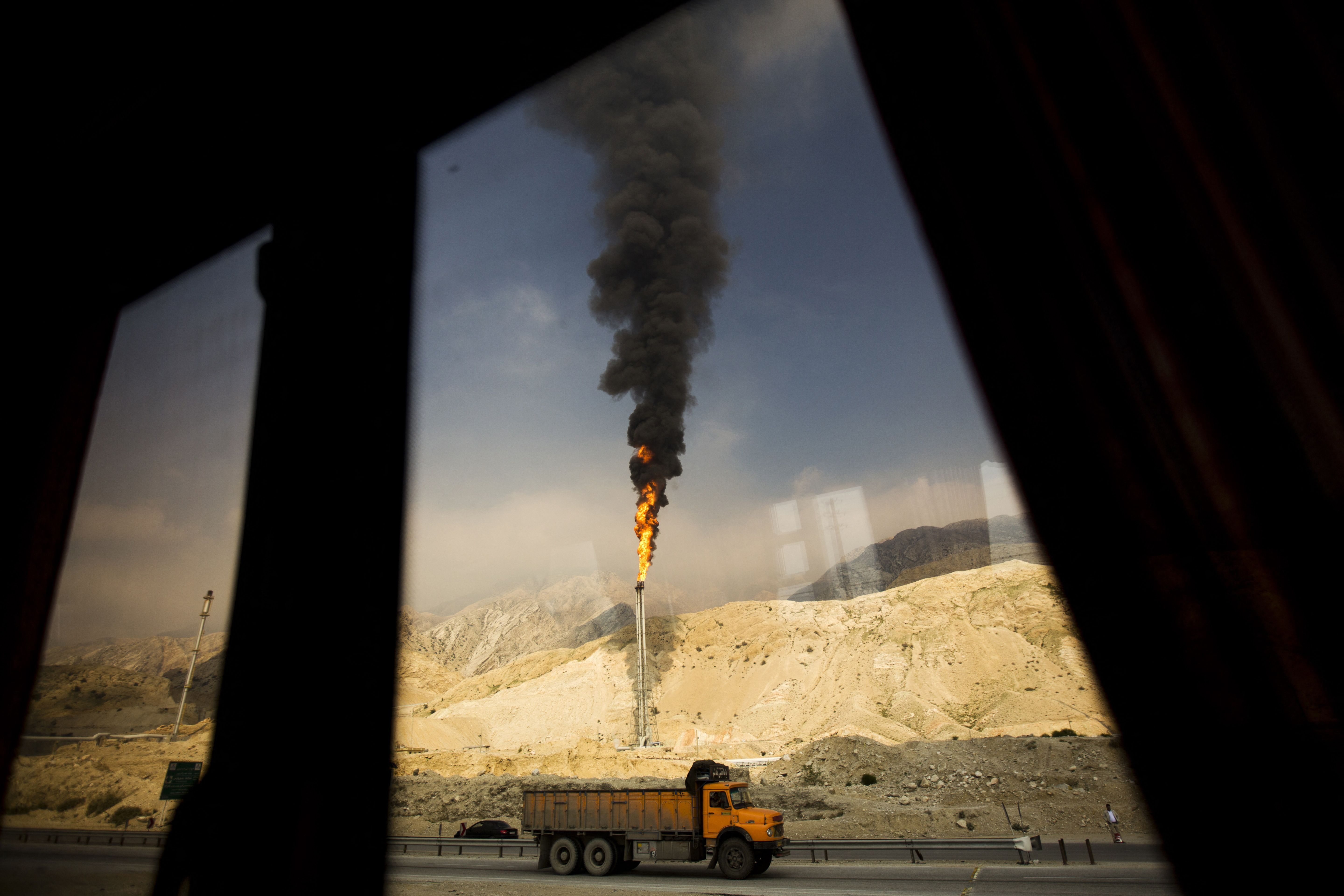
Tensions have been mounting in the Iran war as energy facilities in the region have become targets.
Catch up quick: The Israeli Air Force struck Iran's South Pars gas field, which is a part of the world's largest natural gas reserves.
- Iran responded with an attack on a key energy facility in Qatar.
- Trump then threatened to "massively blow up the entirety of the South Pars Gas Field" if Iran continued to target Qatar's energy infrastructure.
The intrigue: Trump suggested he didn't have any foreknowledge of Israel hitting South Pars. The White House objected to Israel's strikes on energy facilities, too.
Reality check: Two Israeli and U.S. officials told Axios that the strike was coordinated between the Israeli Prime Minister Benjamin Netanyahu's office and the White House.
Strait of Hormuz
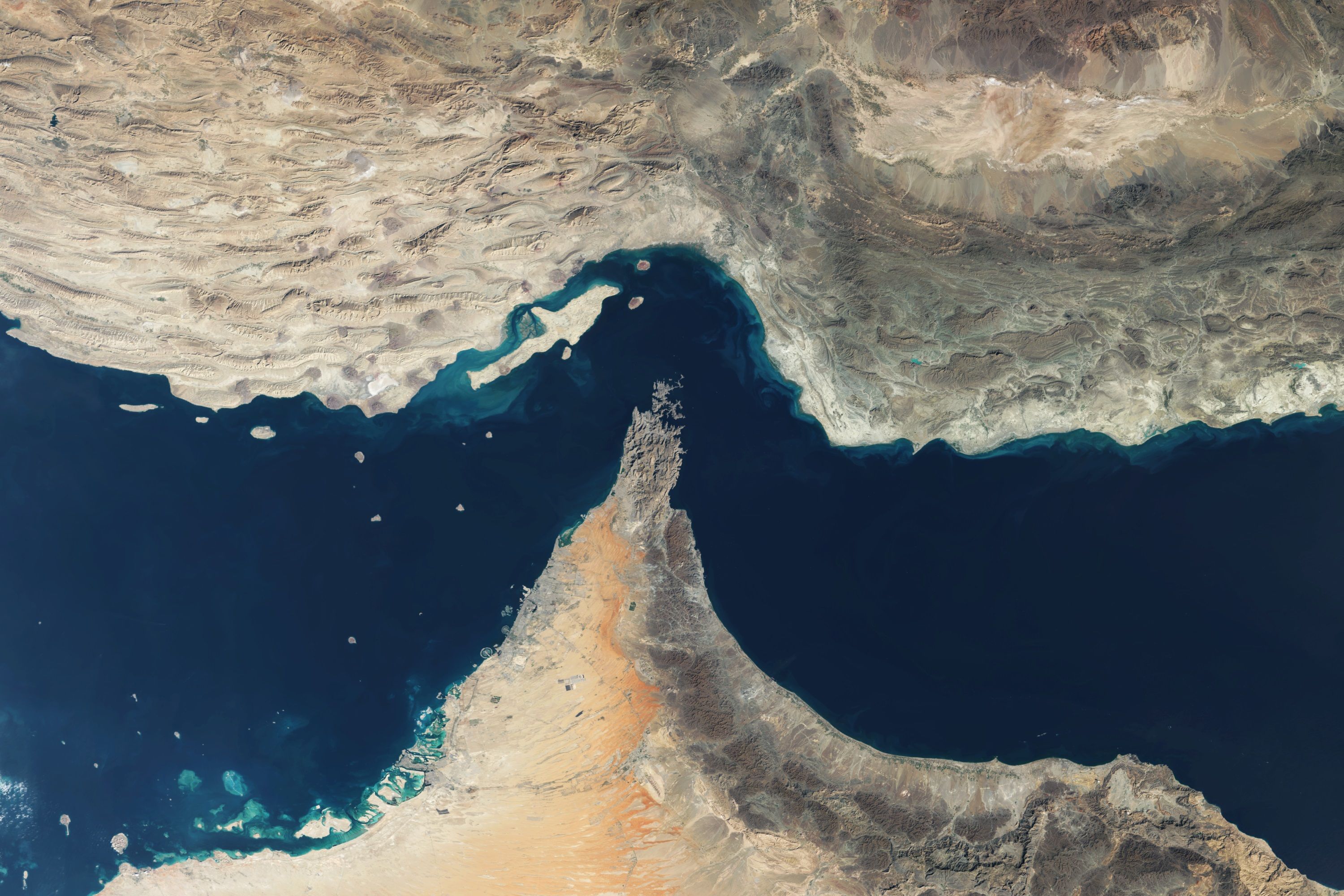
The Strait of Hormuz's closure has become a crisis point in the war.
- An Iranian blockade is trapping Gulf oil, which has effectively made oil and gas prices surge globally.
- That, in turn, has put political pressure on Trump to keep oil prices down and stop the bleeding for prices at the pump.
The president has called on U.S. allies to help open the Strait, a crucial location for oil exports.
- Lately, that has included the call to build a coalition of countries to provide ships and other military assets to help unlock the Strait.
- On Thursday, six U.S. Western allies announced their support for the coalition.
Red Sea
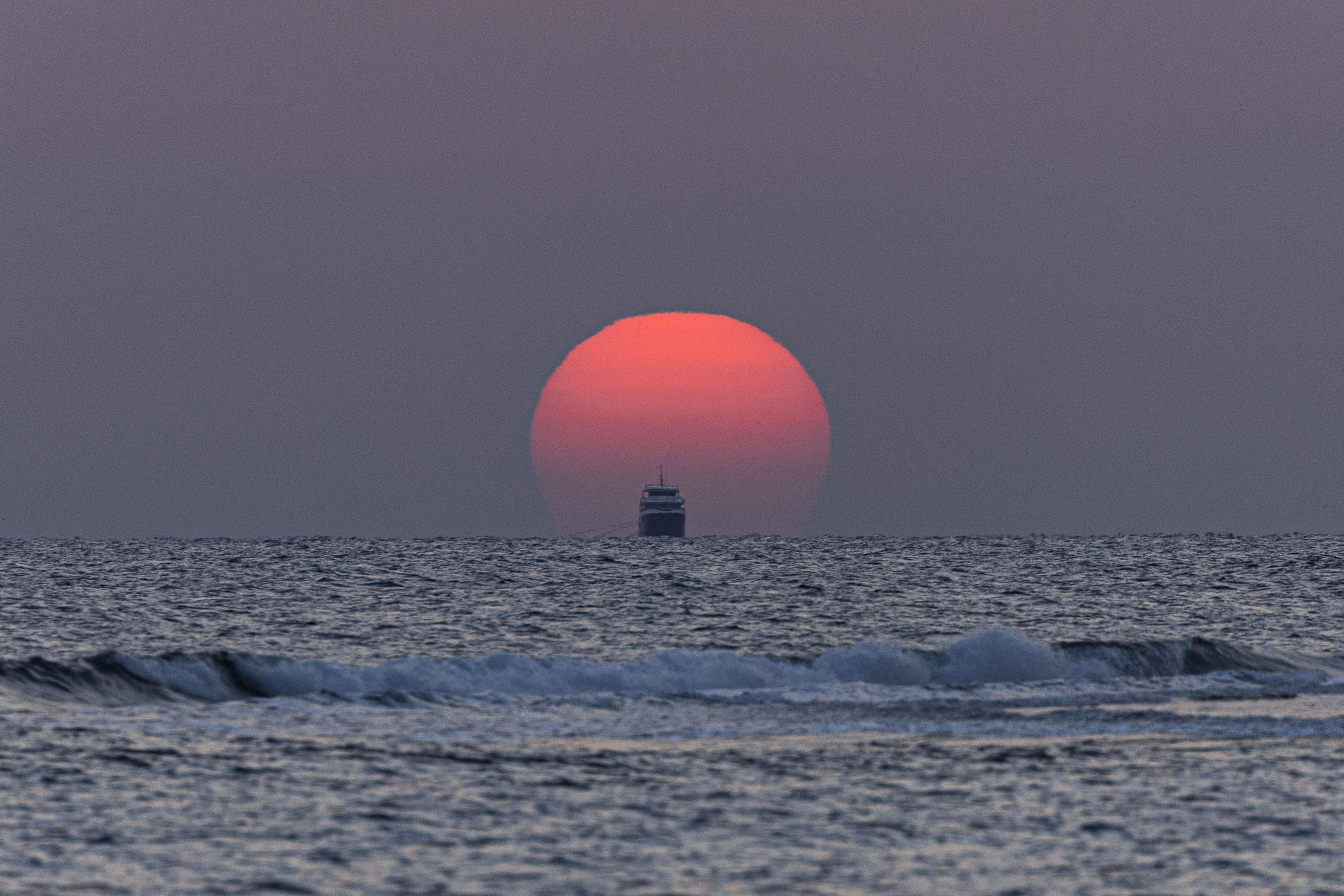
The Red Sea — one of the world's busiest commercial shipping lanes — has become a potential focal point of the war, too.
- The Houthis — a militant group that could potentially become an enemy for the U.S. in the Iran war — attacked Israeli vessels in the Red Sea in 2024. Retaliatory strikes following the Oct. 7 Hamas attack on Israel.
Any future strikes by the Houthis in the Red Sea could threaten global shipping as the closure of the Bab al-Mandeb Strait would create another bottleneck and, thus, an international shipping crisis.
The bottom line: As the war in Iran continues, certain choke points and locations could reshape the fight.
