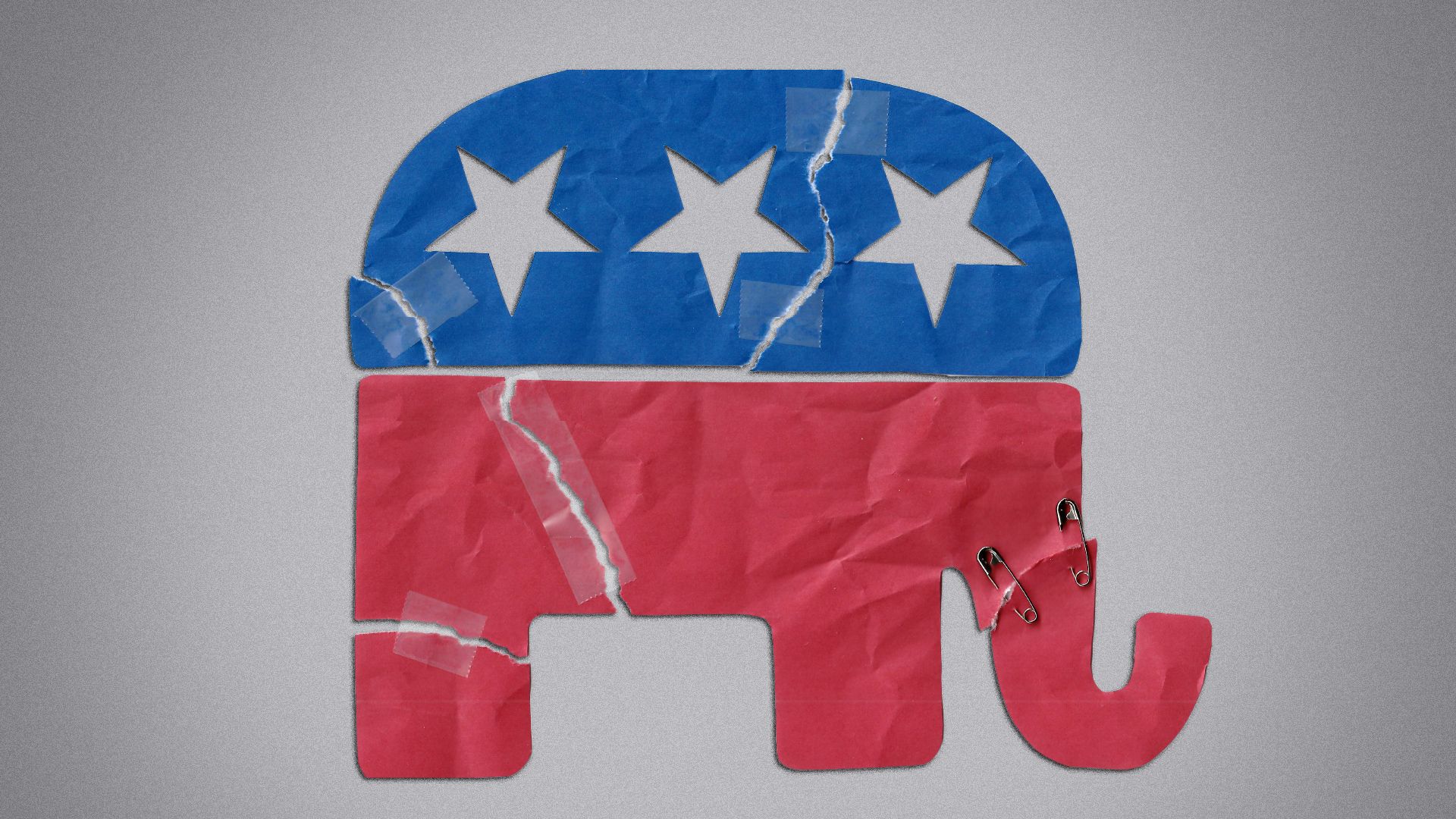
Congressional Republicans are increasingly breaking with an unpopular president on foreign policy and pocketbook issues as they try to stop their majorities from slipping away.
Why it matters: They aren't engaged in a full-scale revolt against President Trump, but some Republicans are testing new ways to distance themselves from him — a sign of their election anxiety.
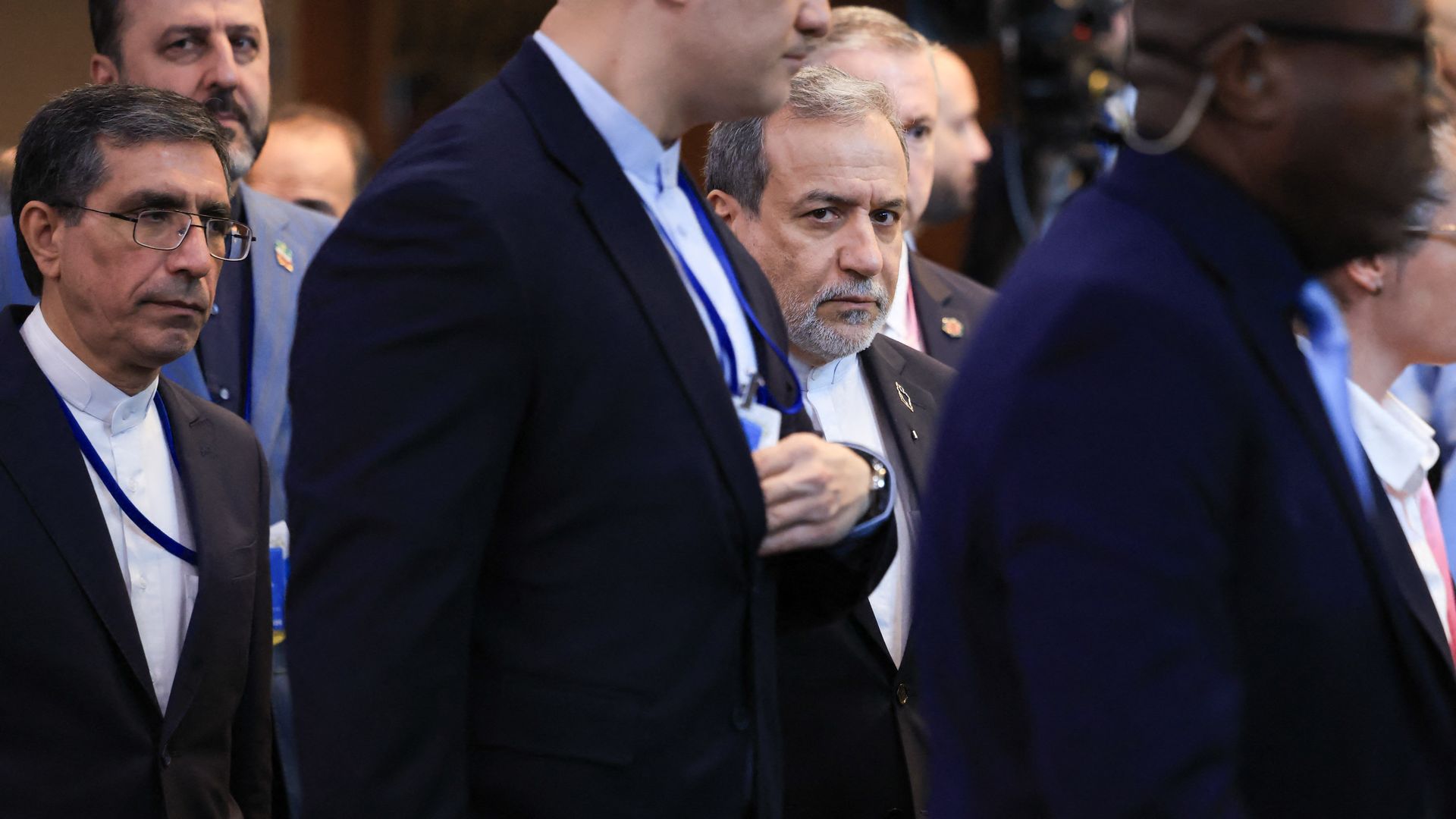
President Trump said U.S. officials met for three hours with the Iranian delegation to the United Nations General Assembly in New York on Tuesday.
Trump envoys Steve Witkoff and Jared Kushner attended the meeting from the U.S. side, and Iranian Foreign Minister Abbas Araghchi from the Iran side.
"Steve and Jared had a very productive meeting today with mediators of Iran," Trump said later, before meeting with Arab leaders. "I think there's a lot of momentum for them to make a deal. That's what we are hearing from everybody."
Iran state television said the meeting was requested by the U.S. and "driven by the need to convey Iran's conditions for reopening the Strait of Hormuz," which include lifting the naval blockade, releasing frozen Iranian assets and ending the war on all fronts.
Sen. John Curtis (R-Utah) is urging Senate Judiciary leaders to subpoena Donald Trump Jr. and Hunter Biden to investigate whether presidential family ties have been used for private family gain.
Why it matters: The Republican Curtis is pressing a Republican-led Senate committee to scrutinize President Trump's eldest son, arguing the same congressional oversight applied to Hunter Biden should apply to presidential families of both parties.
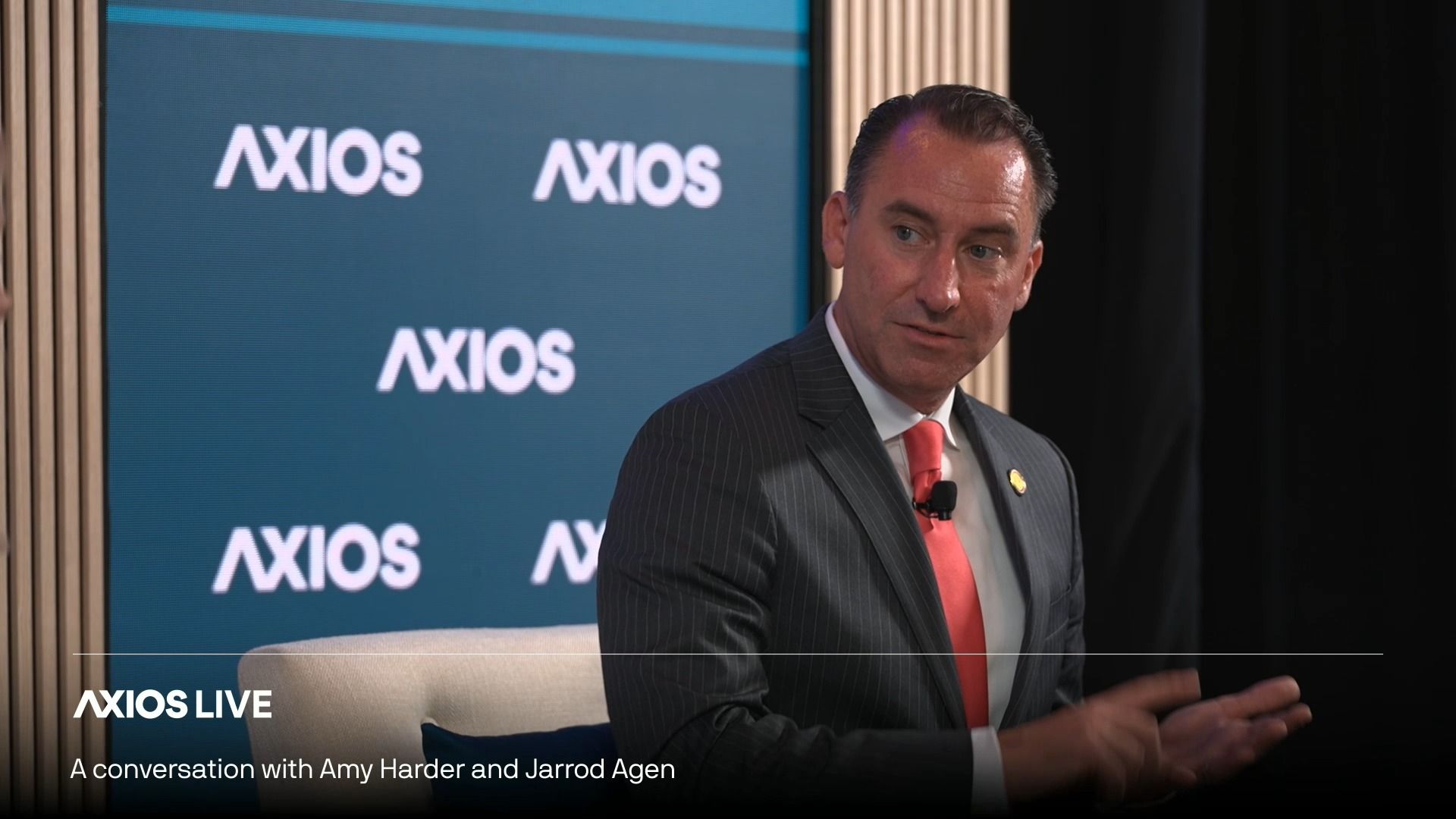
The affordability of gasoline remains "the top issue that the president looks at," Trump energy adviser Jarrod Agen said at an Axios House event Tuesday.
Why it matters: The Trump administration is championing energy savings from its deregulatory push as overseas conflicts, including the Iran war, rattle oil markets, driving up fuel costs and threatening an expensive winter for millions of households.
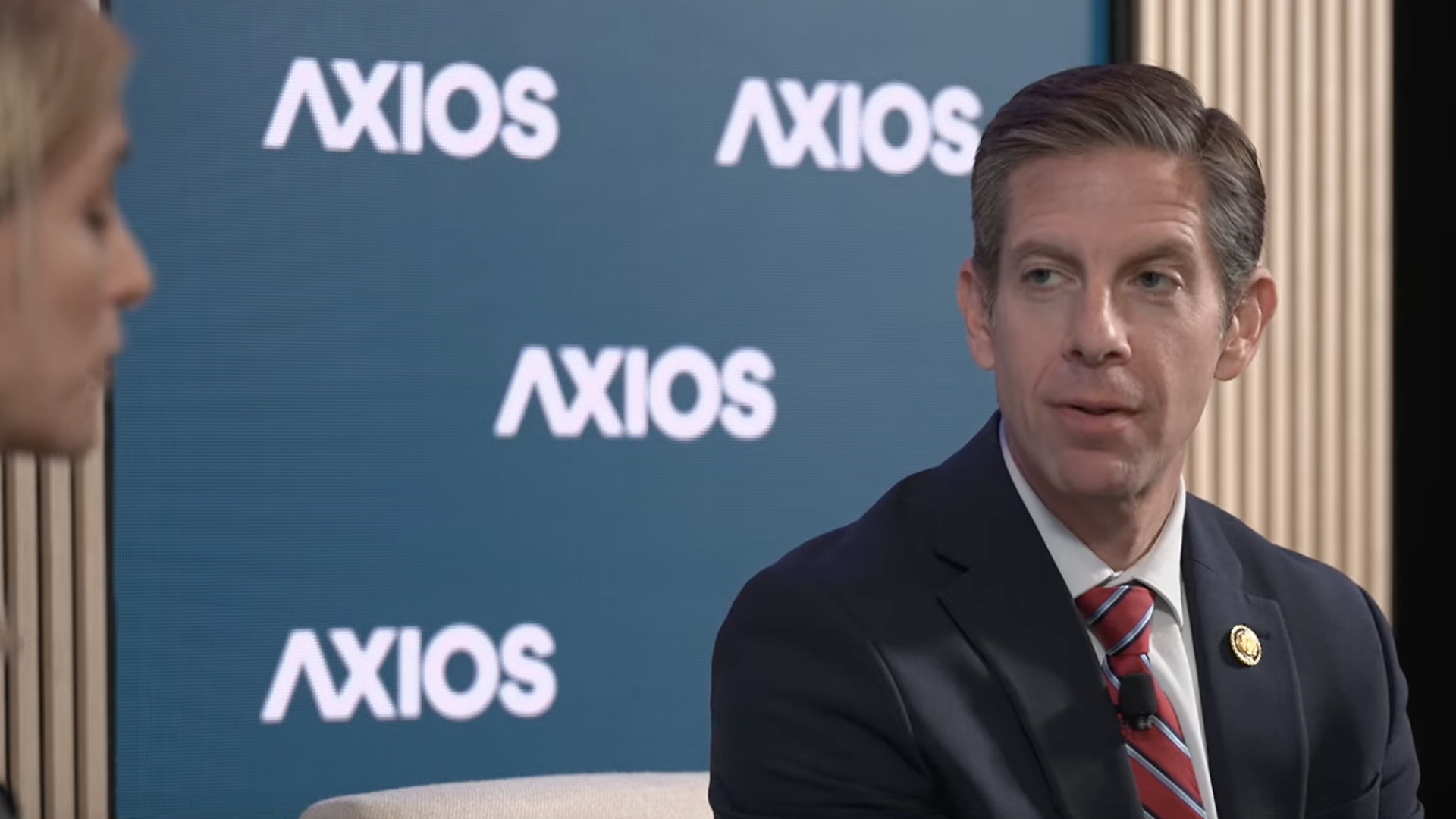
U.S. voters are tuned in to the idea that "their bills are too high," despite President Trump's promises to lower costs, Rep. Mike Levin (D-Calif.) said Tuesday while speaking at Axios House at Climate Week & UN General Assembly.
Why it matters: High gas prices stemming from the Iran War and lingering inflation are liabilities for Republicans heading into the midterms, where the party is trying to hold on to its congressional majorities.
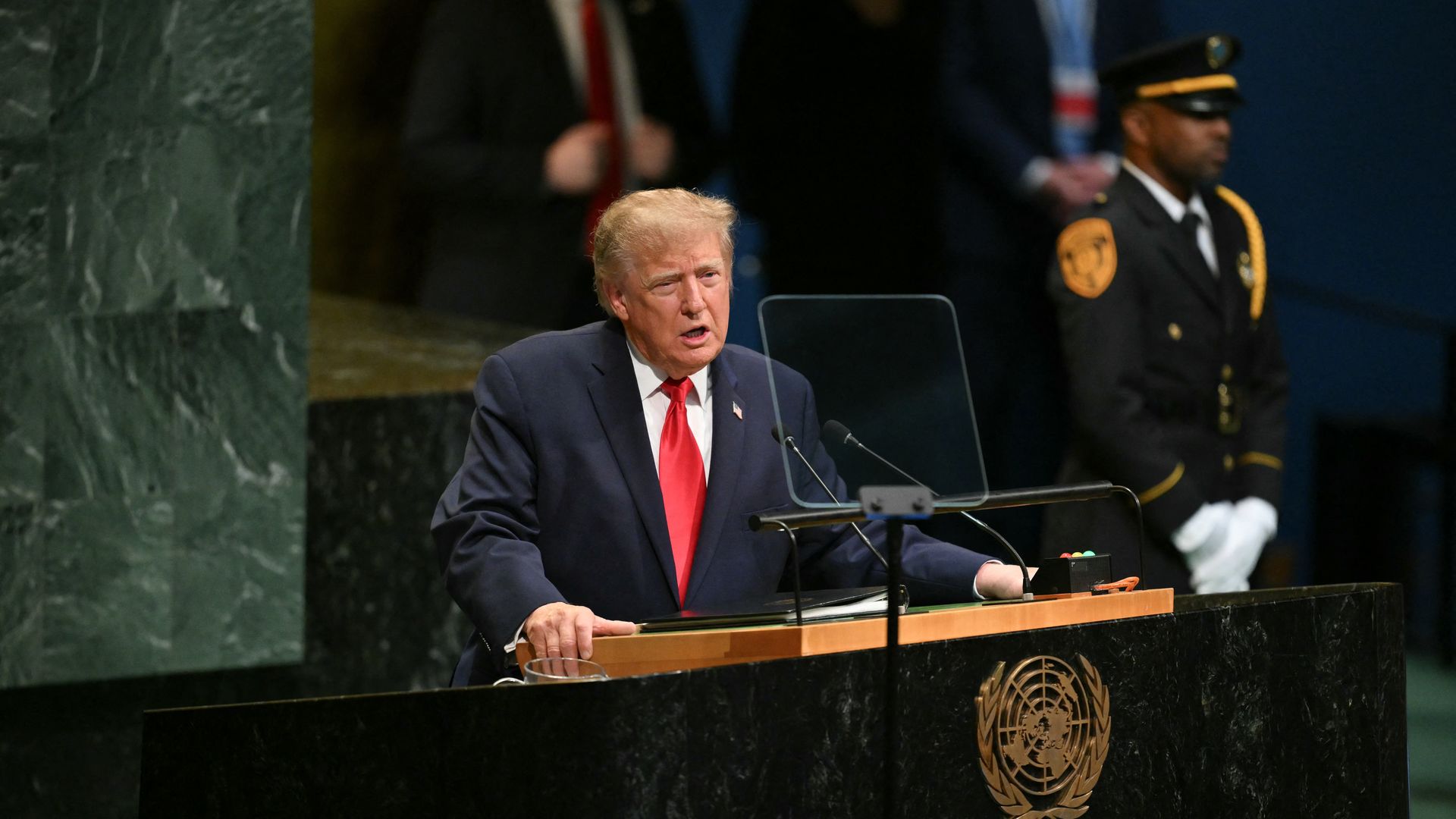
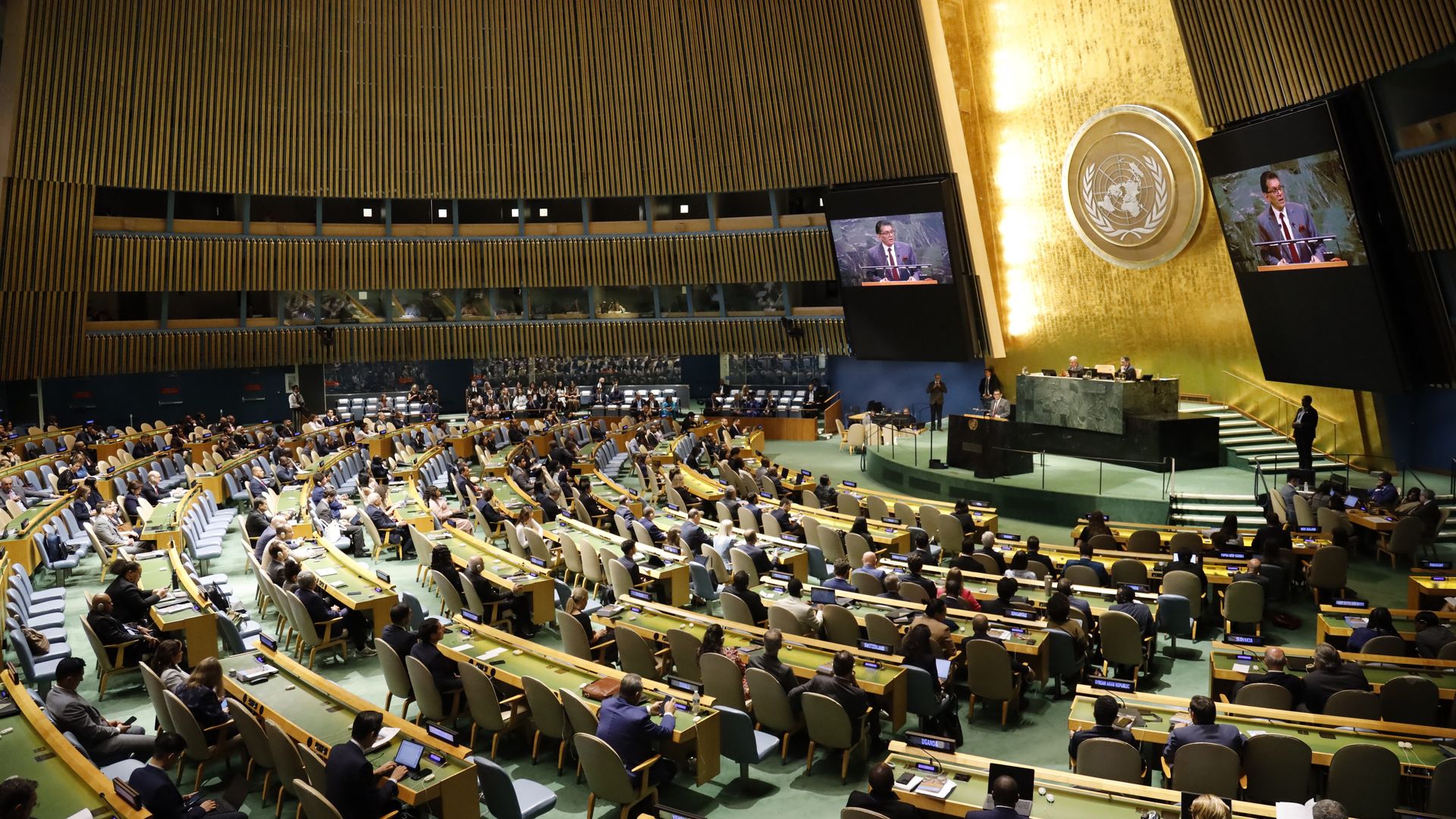
President Trump predicted Tuesday at the UN General Assembly that Iran and the U.S. will strike a deal after the midterms — his latest prediction after repeatedly claiming throughout the war that it was nearly over.
The big picture: The shadow of his Iran war — one that's scattered global supply chains — loomed large over Trump's speech to adversaries and allies alike. The ties with those allies are historically strained, taut from the pull of tariffs, conflict and Trump's threats.
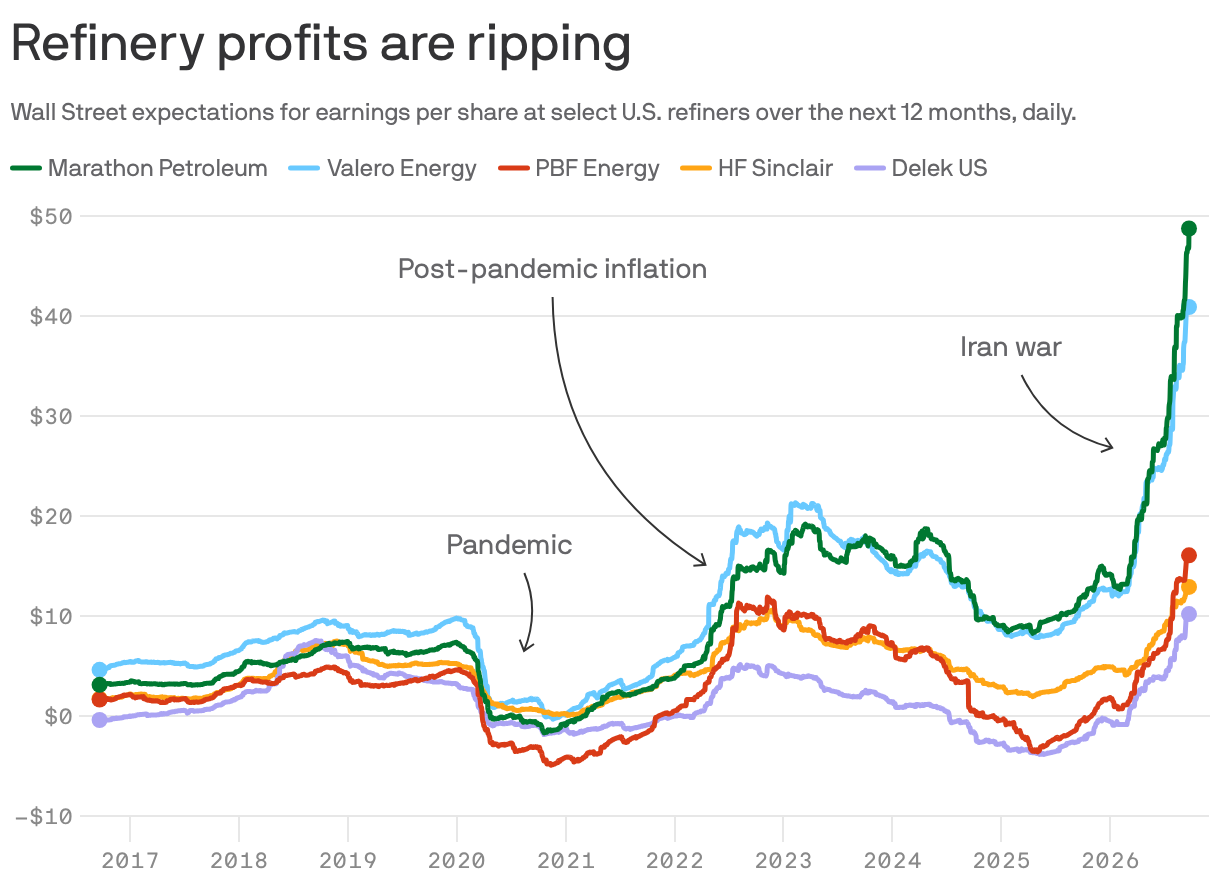
The global scramble to secure fuel supplies — diesel, above all — is supercharging profit expectations for refineries.
Why it matters: While painful at the pump, surging fuel prices have made refinery stocks a bright spot for the market.
Of the 126 subindustry groups represented in the S&P 500, oil and gas refining and marketing is by far the best performer of 2026, rising 145.4% through Friday's close, according to FactSet data.
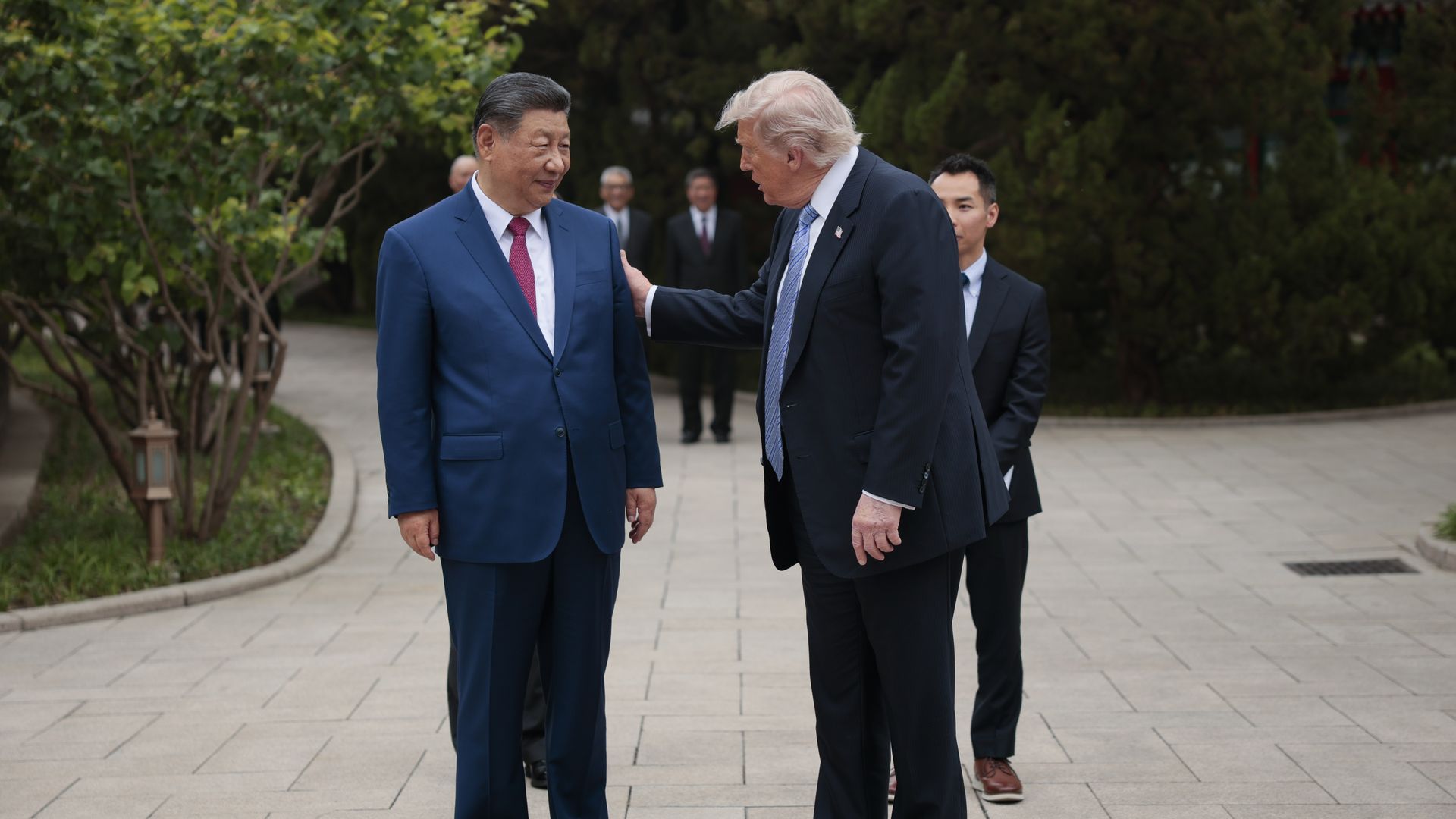
A distinctly Cold War calculus is looming over this week's Trump-Xi summit in Washington, as the U.S. and China weigh an emergency "red phone" for the day AI goes haywire.
Why it matters: U.S.-China relations are so brittle that an AI hotline — not a trade pact, strategic slowdown or diplomatic reset — could emerge as the summit's most meaningful outcome.
This time last year, the U.S. and China were locked in a fight over tariffs and critical minerals. Now, the globe's two largest economies are exploring deeper economic ties in some cases and common ground on AI risks.
Why it matters: Xi's visit to Washington this week tests whether the economic thaw that has persisted for the past year has staying power.
The two sides have found more areas of overlapping interests without necessarily resolving the giant disputes that drove them apart in the first place.
The U.S. has proposed to China a "notification mechanism" for artificial intelligence incidents related to national security, Treasury Secretary Scott Bessent said Sunday.
The big picture: Competition with China has been a central argument against efforts to "pace" AI development. But the proposal shows the world's two leading AI powers are also exploring ways to communicate about potentially dangerous incidents.
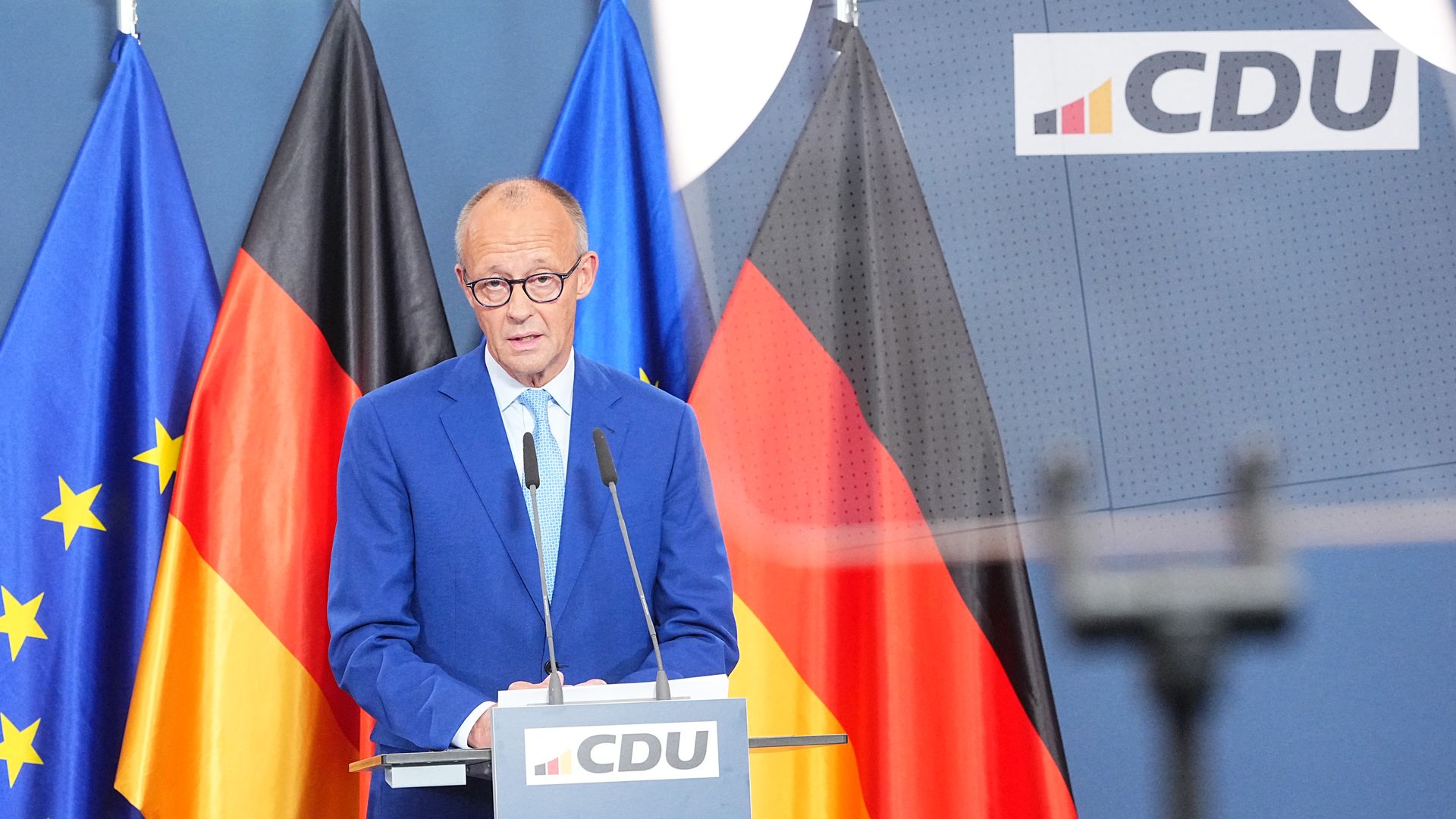
Germany's ruling center-right party, Chancellor Friedrich Merz's Christian Democratic Union, was shut out of a state parliament for the first time Sunday as the far-right Alternative for Germany scored its second victory this month.
Why it matters: The result marks the third state election AfD has won — and its second this month — underscoring its growing strength even as Germany's other major parties refuse to govern with it.
The White House press pool will not send a replacement camera in lieu of CNN to cover the president's trip to the UN General Assembly, the press pool chair confirmed Monday.
Why it matters: The president's historic decision to unilaterally block CNN, MS NOW and Politico from the White House means a critical international moment will lack video coverage.
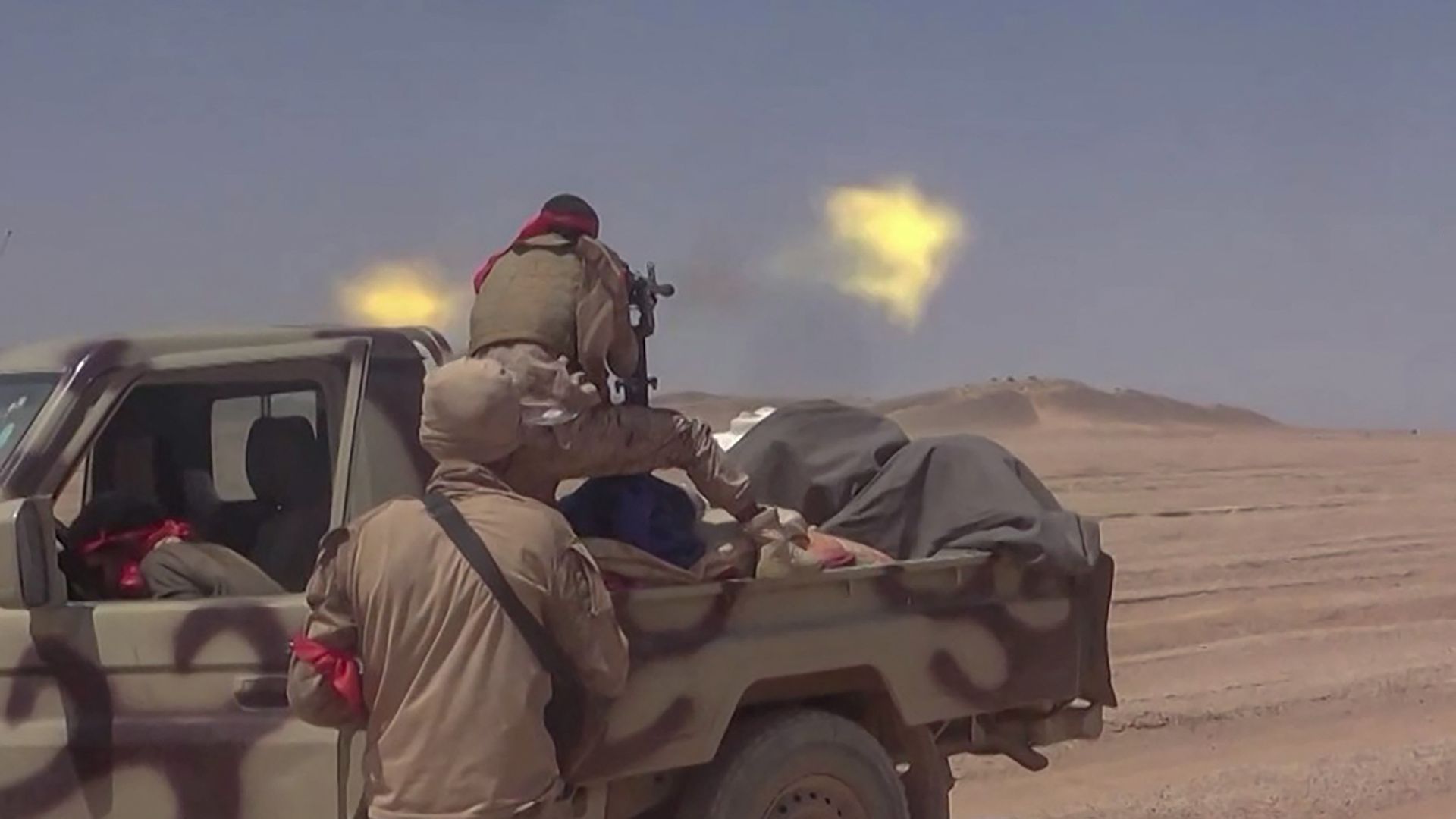
President Trump over the weekend considered ordering a strike against the Houthis in Yemen before deciding to hold off for now, two U.S. officials said.
Why it matters: Trump was caught between wanting to help his friend and ally, Saudi Crown Prince Mohammed bin Salman, and avoiding getting entangled on a new front in the Middle East.
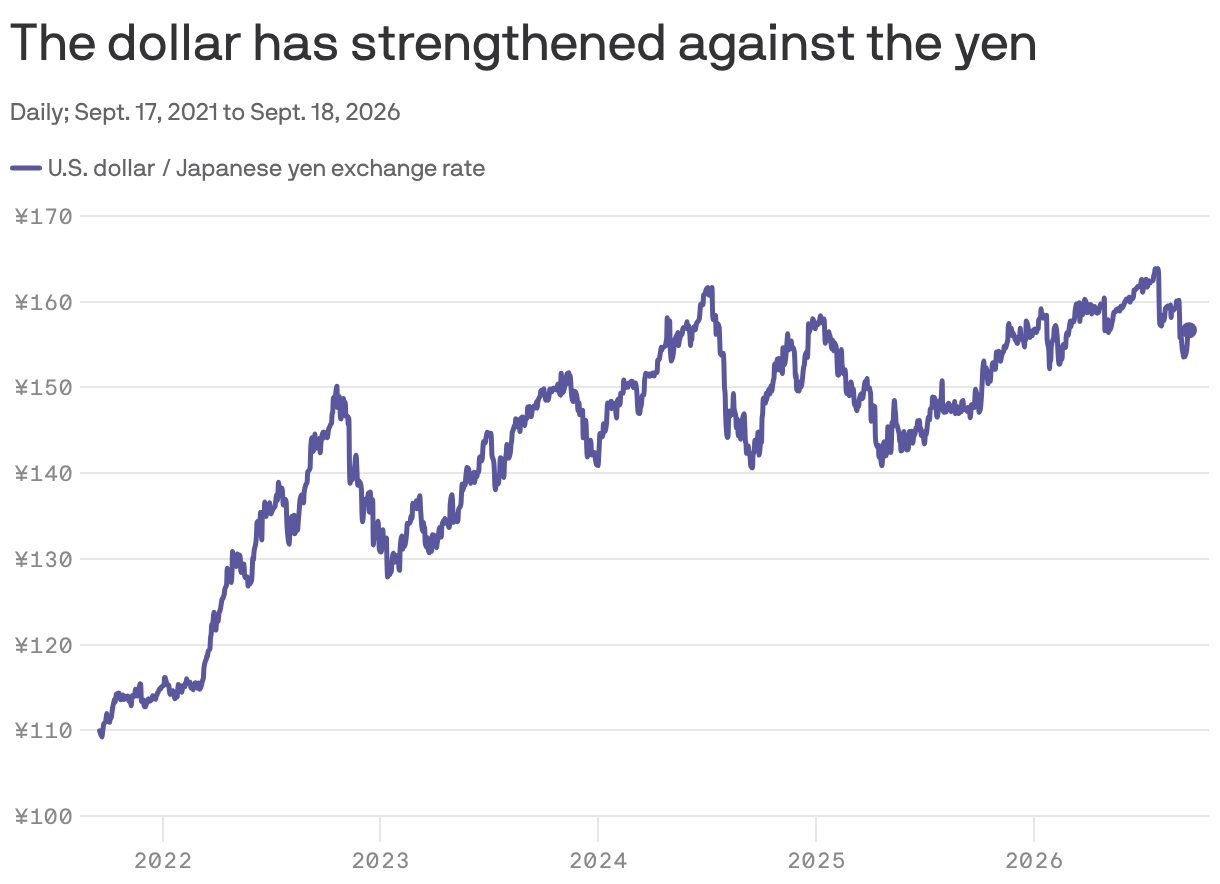
Currency traders largely shrugged off the Bank of Japan's decision to raise its key interest rate to a 31-year high Friday.
Why it matters: It's the latest example of the challenge economic officials face in managing markets that are increasingly jumpy about inflation and large government debts in what seems to be a new, higher-interest-rate environment for the world economy.