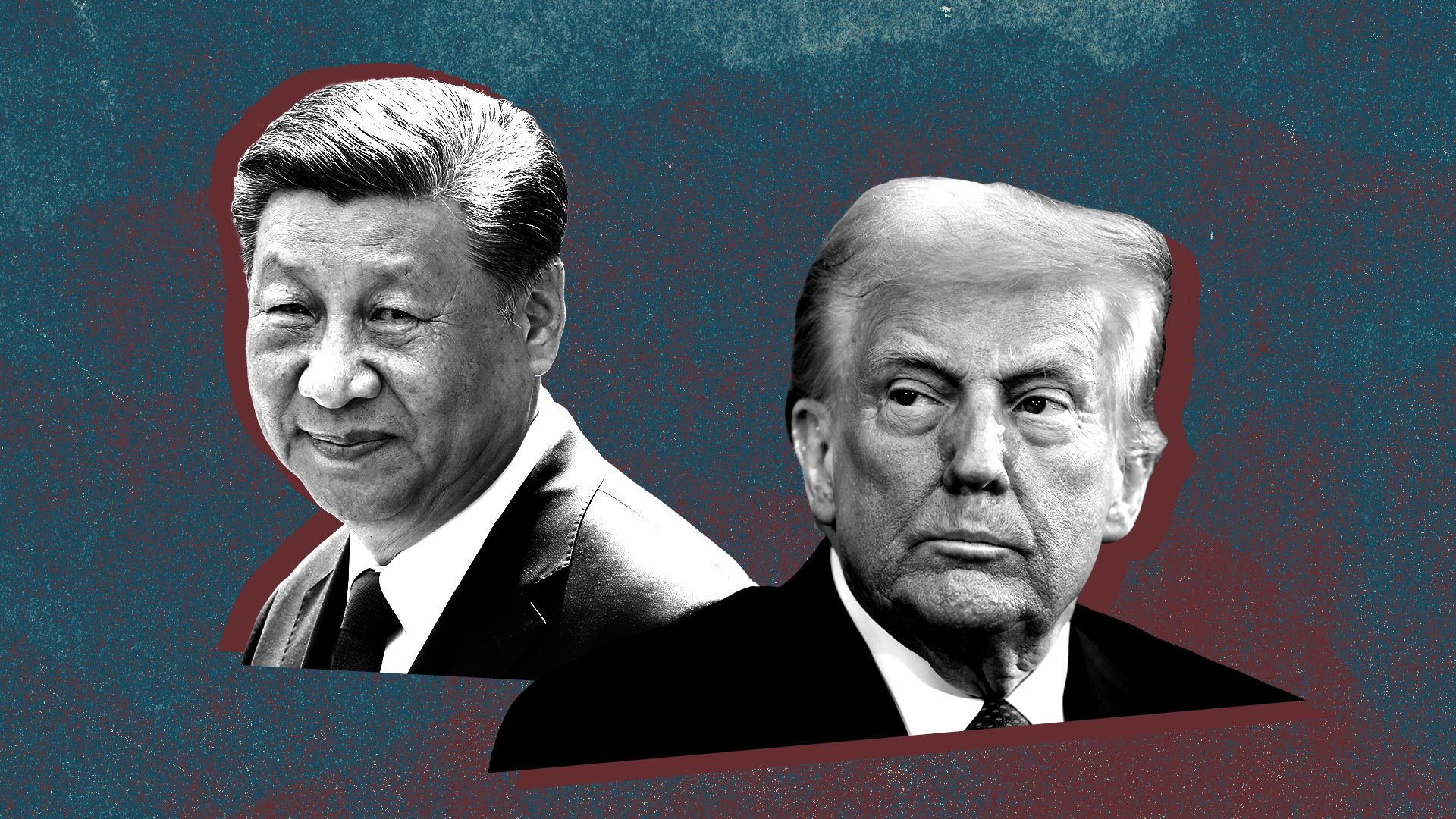
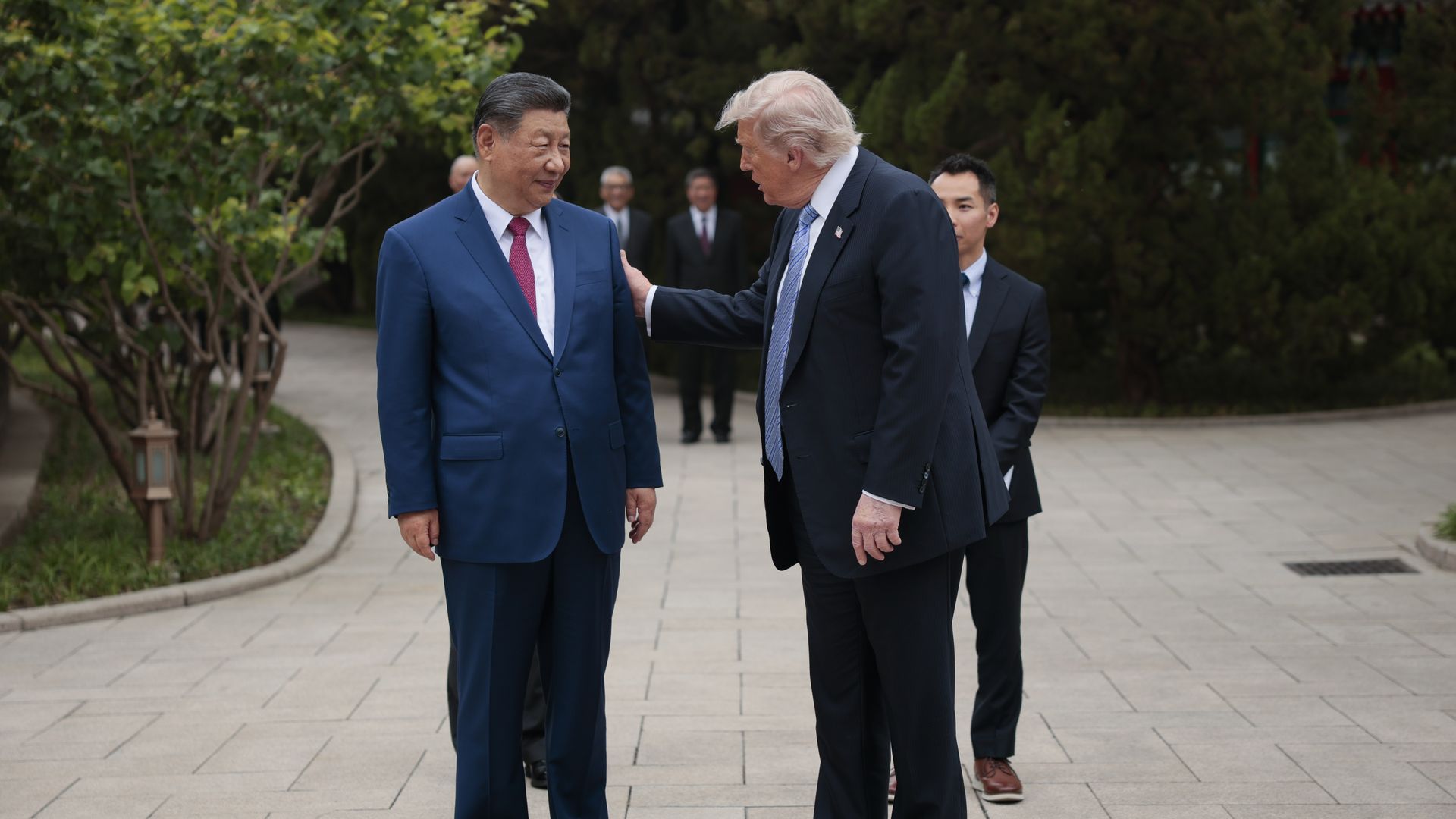
This time last year, the U.S. and China were locked in a fight over tariffs and critical minerals. Now, the globe's two largest economies are exploring deeper economic ties in some cases and common ground on AI risks.
Why it matters: Xi's visit to Washington this week tests whether the economic thaw that has persisted for the past year has staying power.
The two sides have found more areas of overlapping interests without necessarily resolving the giant disputes that drove them apart in the first place.
The U.S. has proposed to China a "notification mechanism" for artificial intelligence incidents related to national security, Treasury Secretary Scott Bessent said Sunday.
The big picture: Competition with China has been a central argument against efforts to "pace" AI development. But the proposal shows the world's two leading AI powers are also exploring ways to communicate about potentially dangerous incidents.
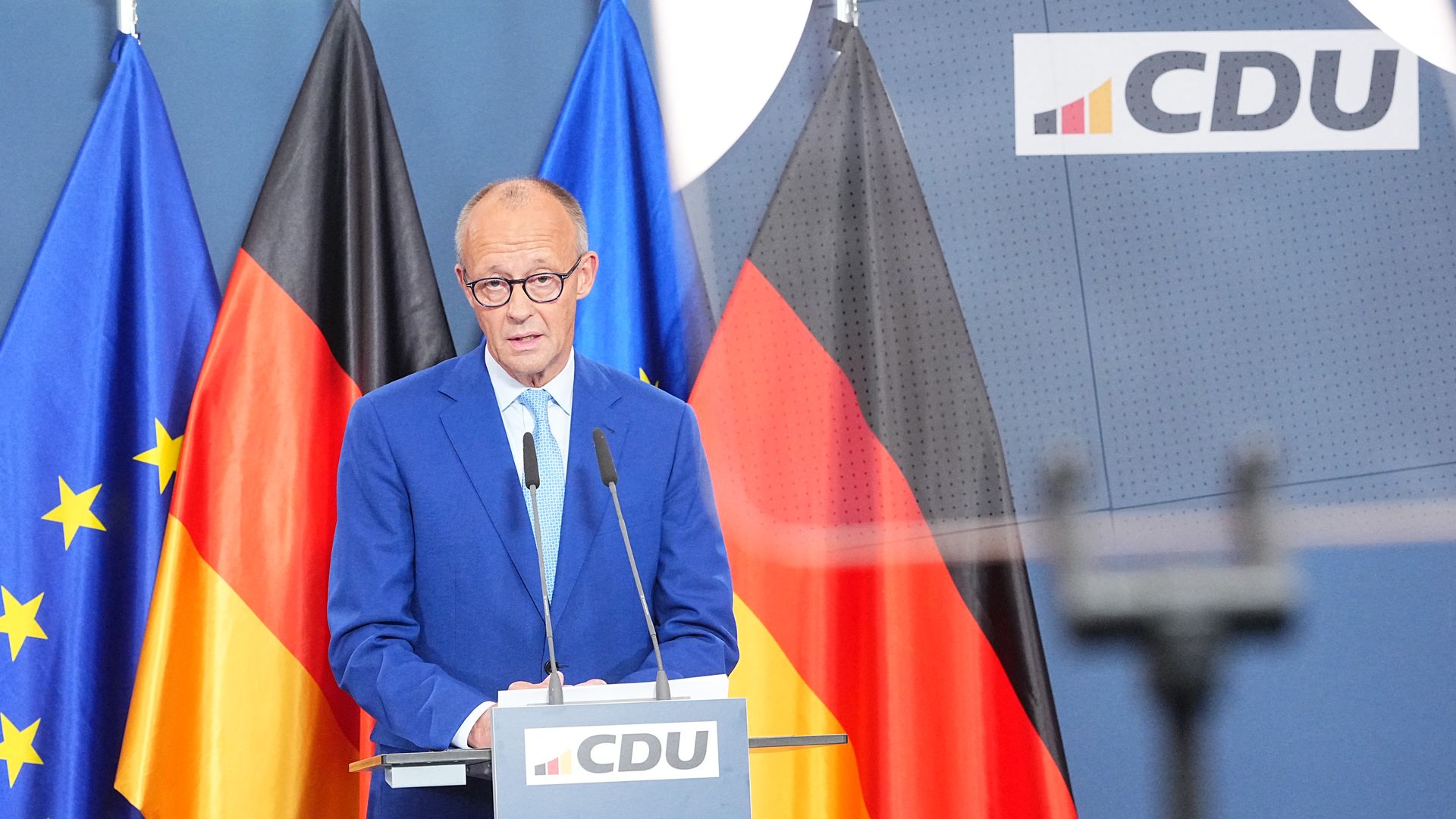
Germany's ruling center-right party, Chancellor Friedrich Merz's Christian Democratic Union, was shut out of a state parliament for the first time Sunday as the far-right Alternative for Germany scored its second victory this month.
Why it matters: The result marks the third state election AfD has won — and its second this month — underscoring its growing strength even as Germany's other major parties refuse to govern with it.
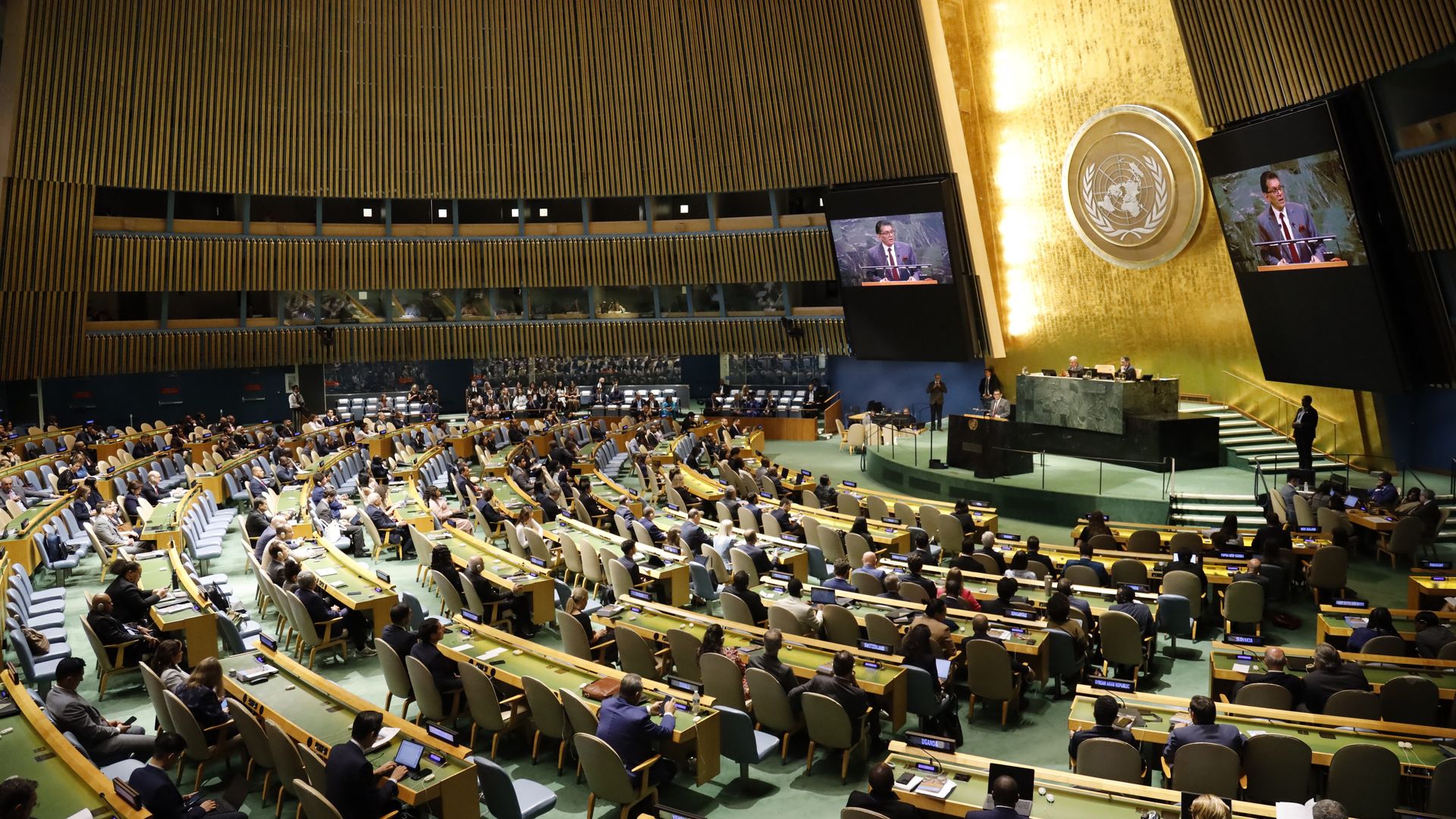
The White House press pool will not send a replacement camera in lieu of CNN to cover the president's trip to the UN General Assembly, the press pool chair confirmed Monday.
Why it matters: The president's historic decision to unilaterally block CNN, MS NOW and Politico from the White House means a critical international moment will lack video coverage.
President Trump over the weekend considered ordering a strike against the Houthis in Yemen before deciding to hold off for now, two U.S. officials said.
Why it matters: Trump was caught between wanting to help his friend and ally, Saudi Crown Prince Mohammed bin Salman, and avoiding getting entangled on a new front in the Middle East.
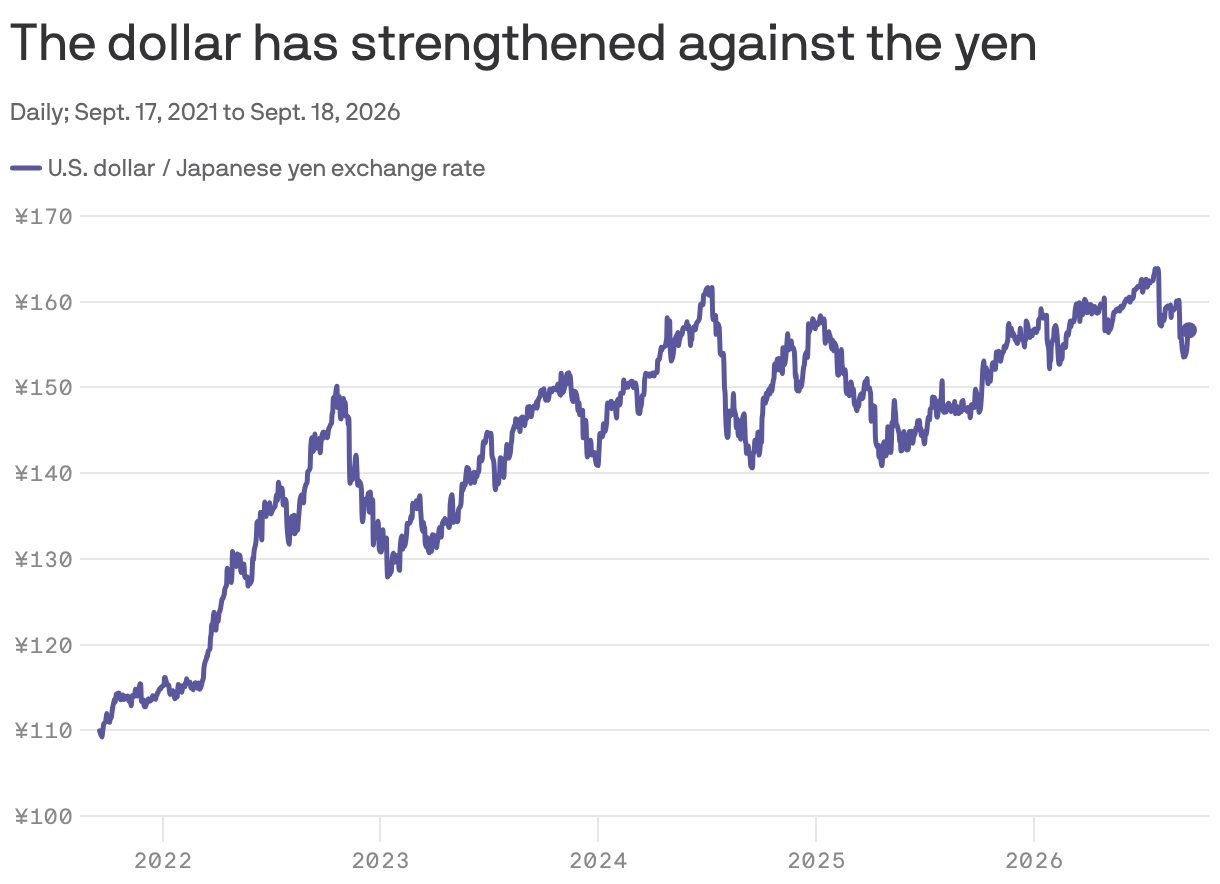
Currency traders largely shrugged off the Bank of Japan's decision to raise its key interest rate to a 31-year high Friday.
Why it matters: It's the latest example of the challenge economic officials face in managing markets that are increasingly jumpy about inflation and large government debts in what seems to be a new, higher-interest-rate environment for the world economy.
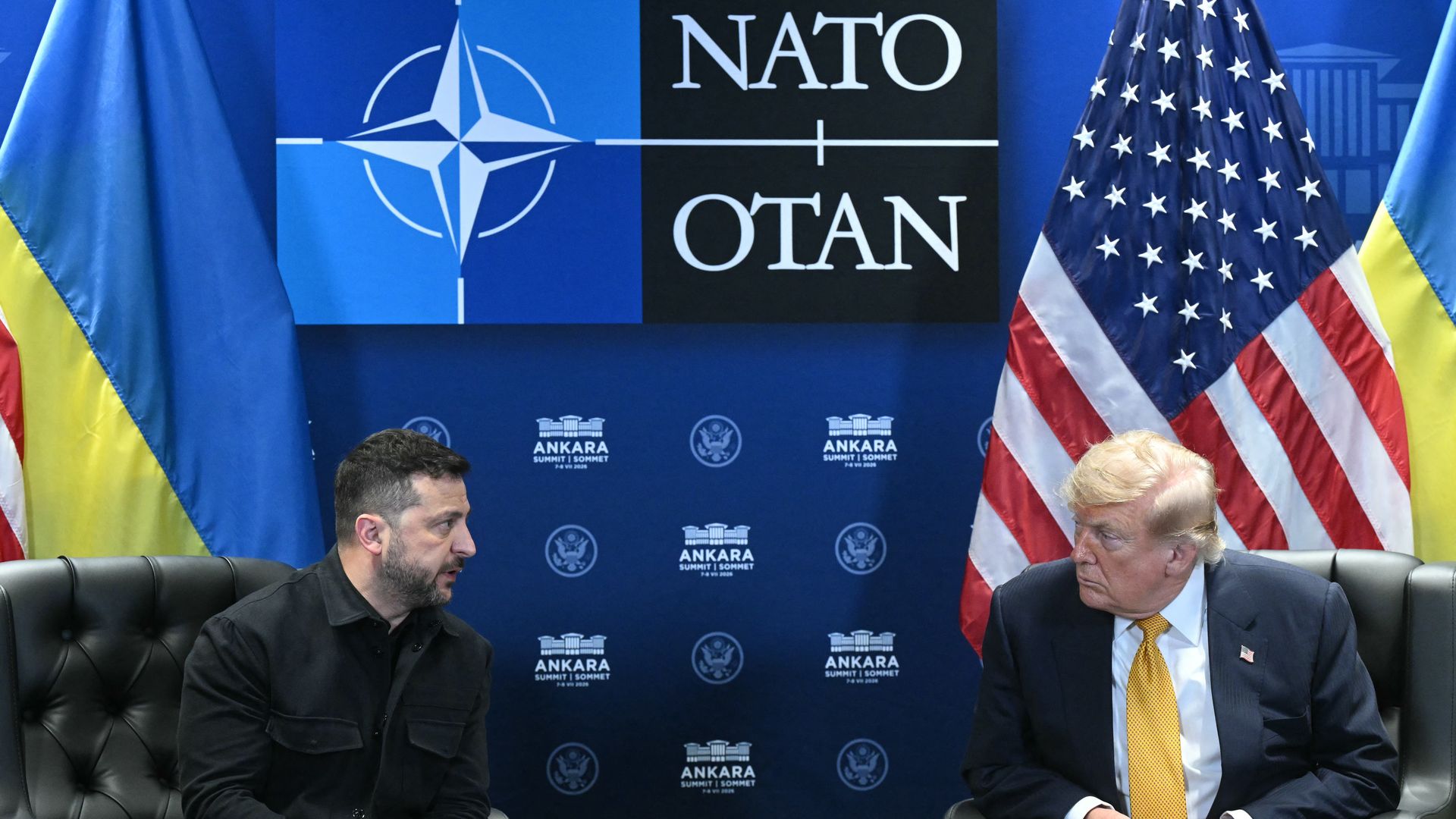
Ukrainian President Volodymyr Zelensky said after a phone call with President Trump on Sunday that the two will meet this week on the sidelines of the UN General Assembly in New York.
Why it matters: The meeting comes as the White House works to broker an agreement between Russia and Ukraine to take reciprocal steps to deescalate and resume negotiations — and as fighting between the two sides has intensified in recent days.