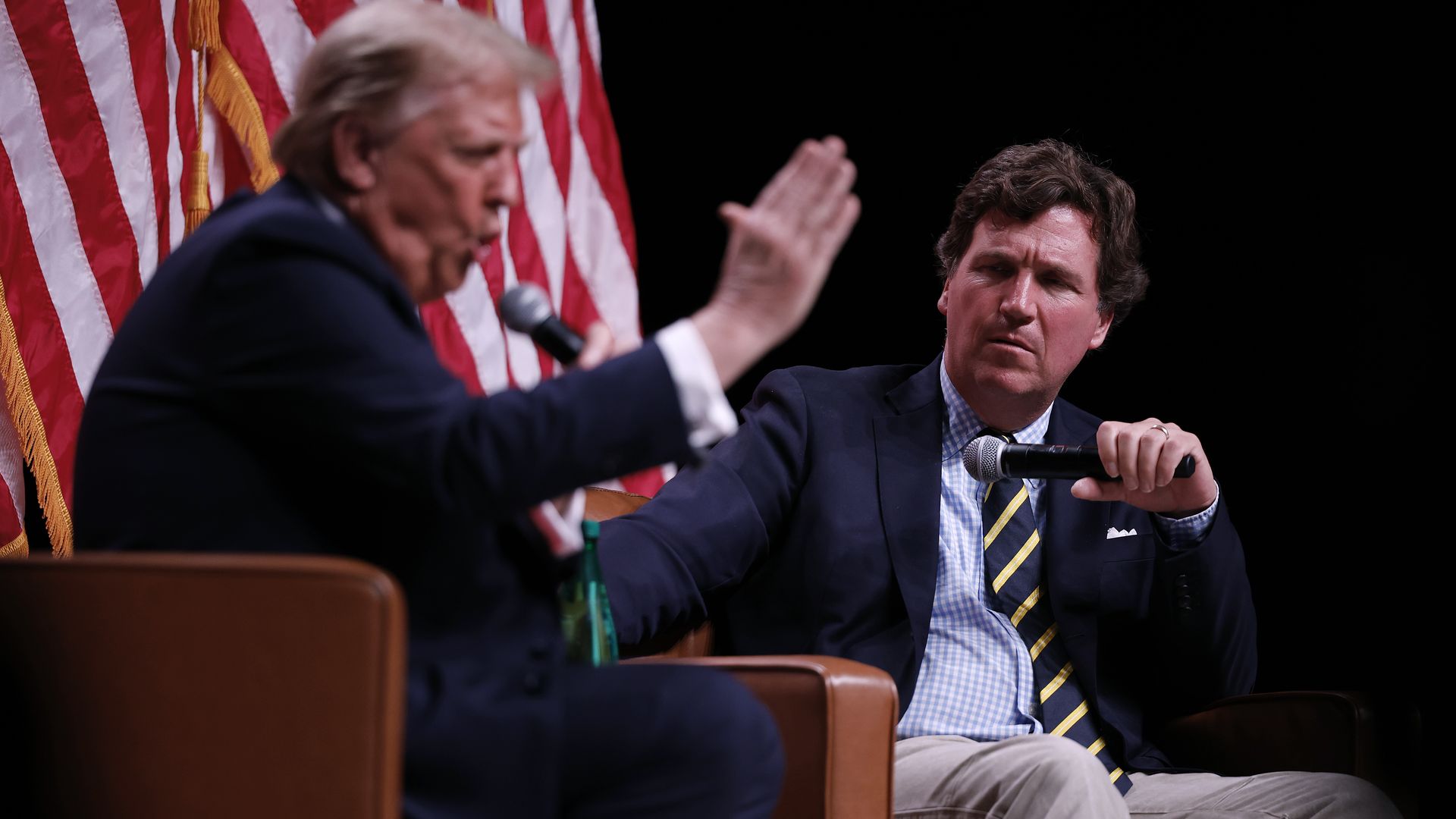
Tucker Carlson says President Trump should have been removed from office under the 25th Amendment over what Carlson characterized as a threat to use nuclear weapons against Iran.
Why it matters: Carlson's call for Trump's removal marks an escalation in his break with the president and the Republican Party over foreign policy and the Iran war.
The Senate failed to agree to a resolution calling for an end to the U.S. conflict in Iran on Thursday.
Why it matters: Despite Republicans increasingly speaking out against President Trump over the conflict — which has no end in sight and has sent gas prices spiking — the party held together to block the measure's passage.
Chinese President Xi Jinping said Thursday during a visit with President Trump that China will send two pandas to Zoo Atlanta, calling them an "envoy of friendship."
Why it matters: The fuzzy ambassadors have long been one of China's most beloved tools of soft power and could signal an attempt to cool tensions in U.S.–China relations.
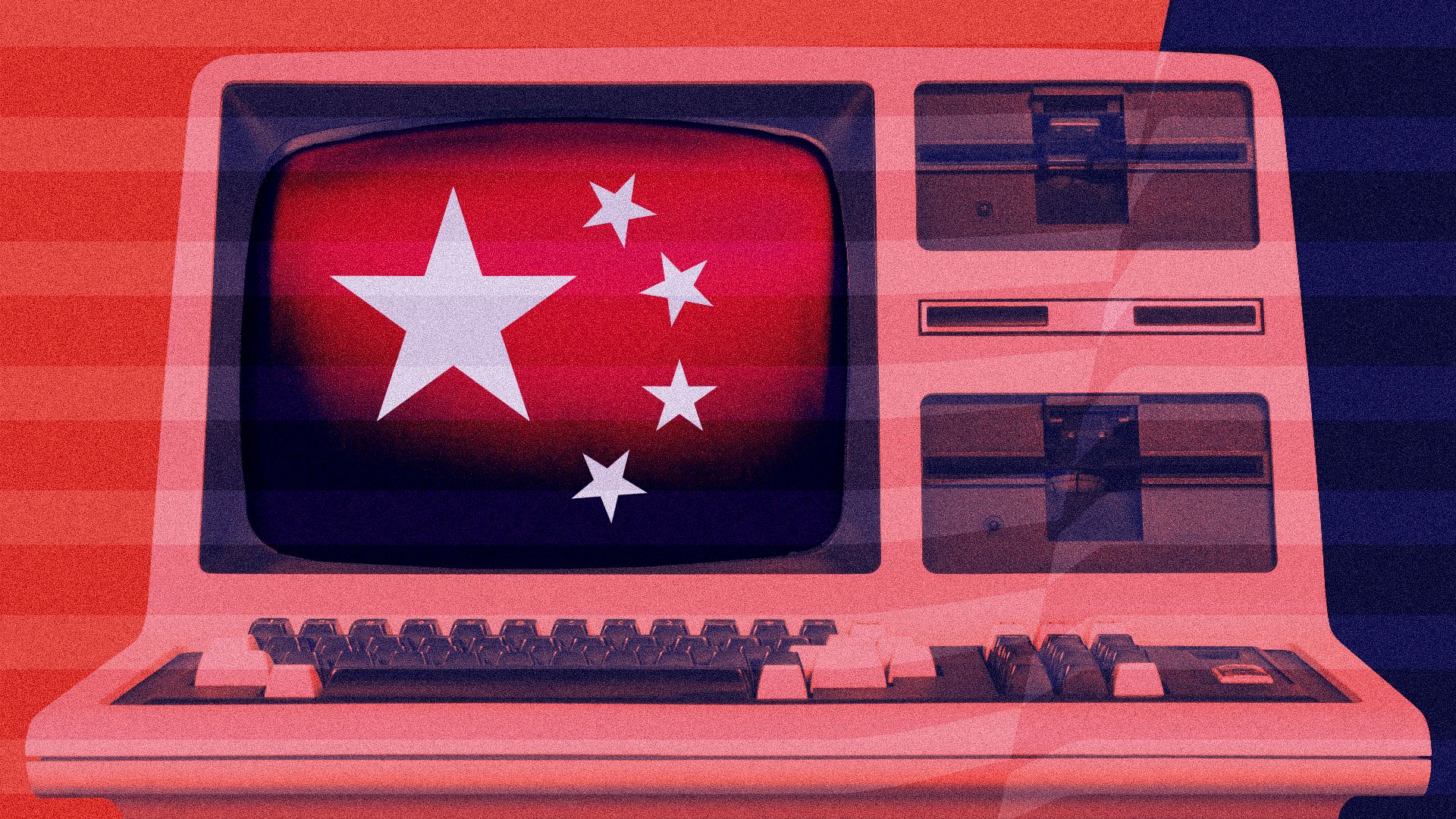
China is waging a much different war for AI supremacy than the U.S.
Why it matters:China is obsessed with state control and adoption. Chinese officials are laser-focused on deep, widespread AI domestic use they can monitor and steer at every level of their economy.
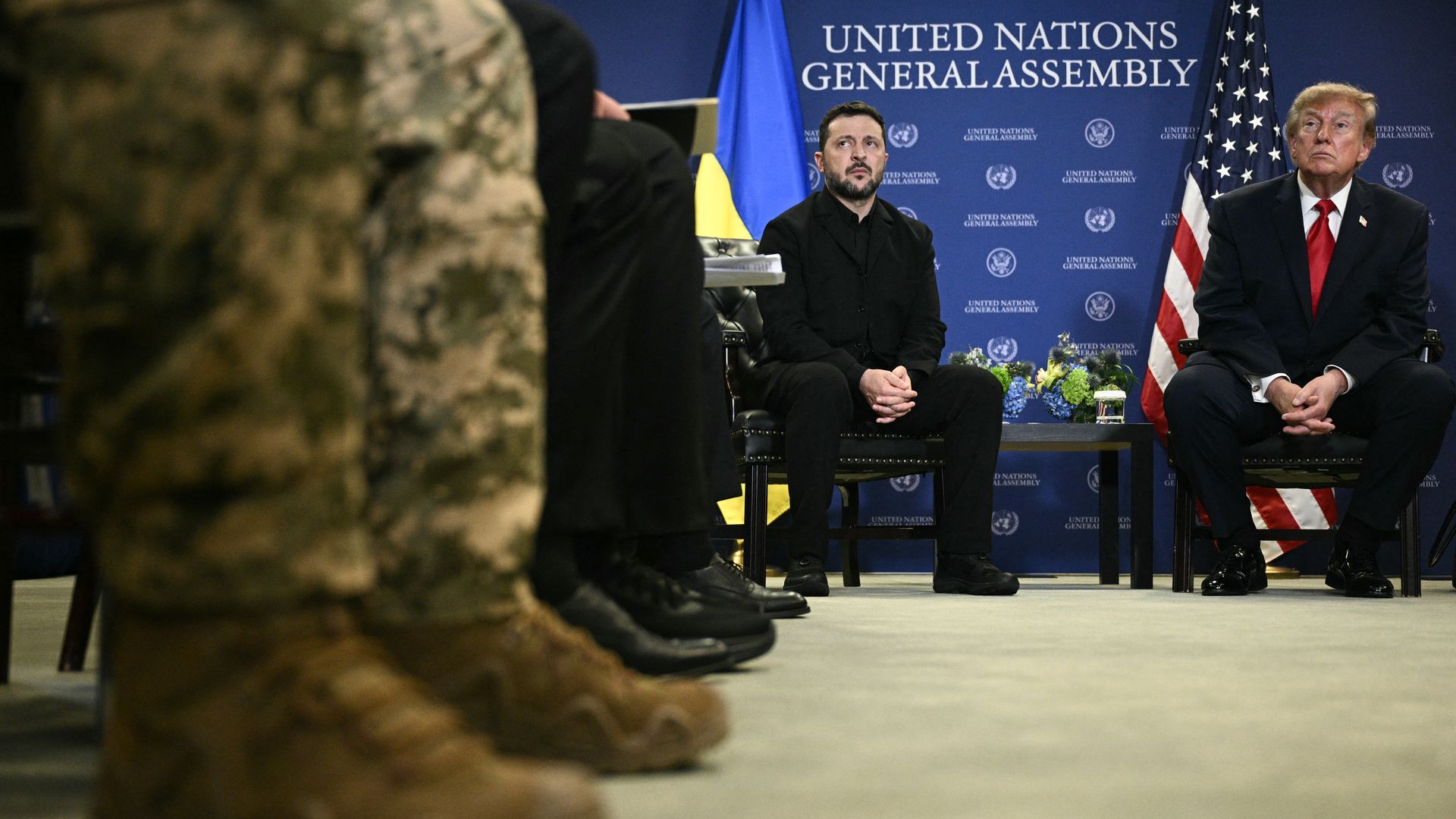
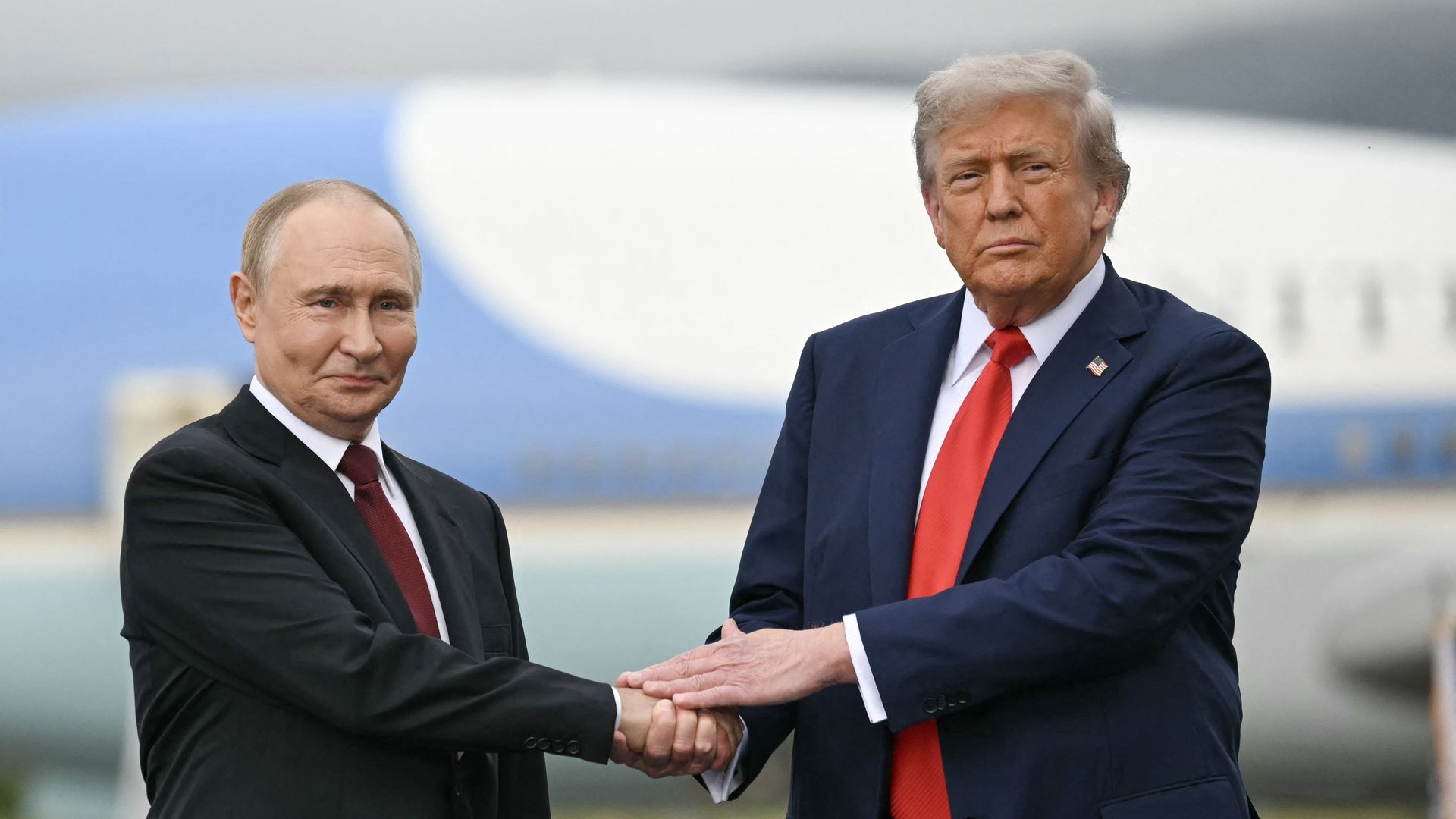
The Trump administration is pushing for three immediate steps in its effort to de-escalate the war in Ukraine and restart diplomacy with Russia, Ukrainian President Volodymyr Zelensky told Axios in an interview on Wednesday:
A ceasefire on energy infrastructure.
Reopening the Black Sea grain corridor.
A trilateral U.S.-Russia-Ukraine meeting, possibly in Abu Dhabi.
Why it matters: President Trump is engaged in a renewed effort to revive a diplomatic track to end the war, but his immediate priority is a deal to halt Ukrainian attacks on Russian diesel fuel — which have contributed to punishing prices in the U.S. and globally.
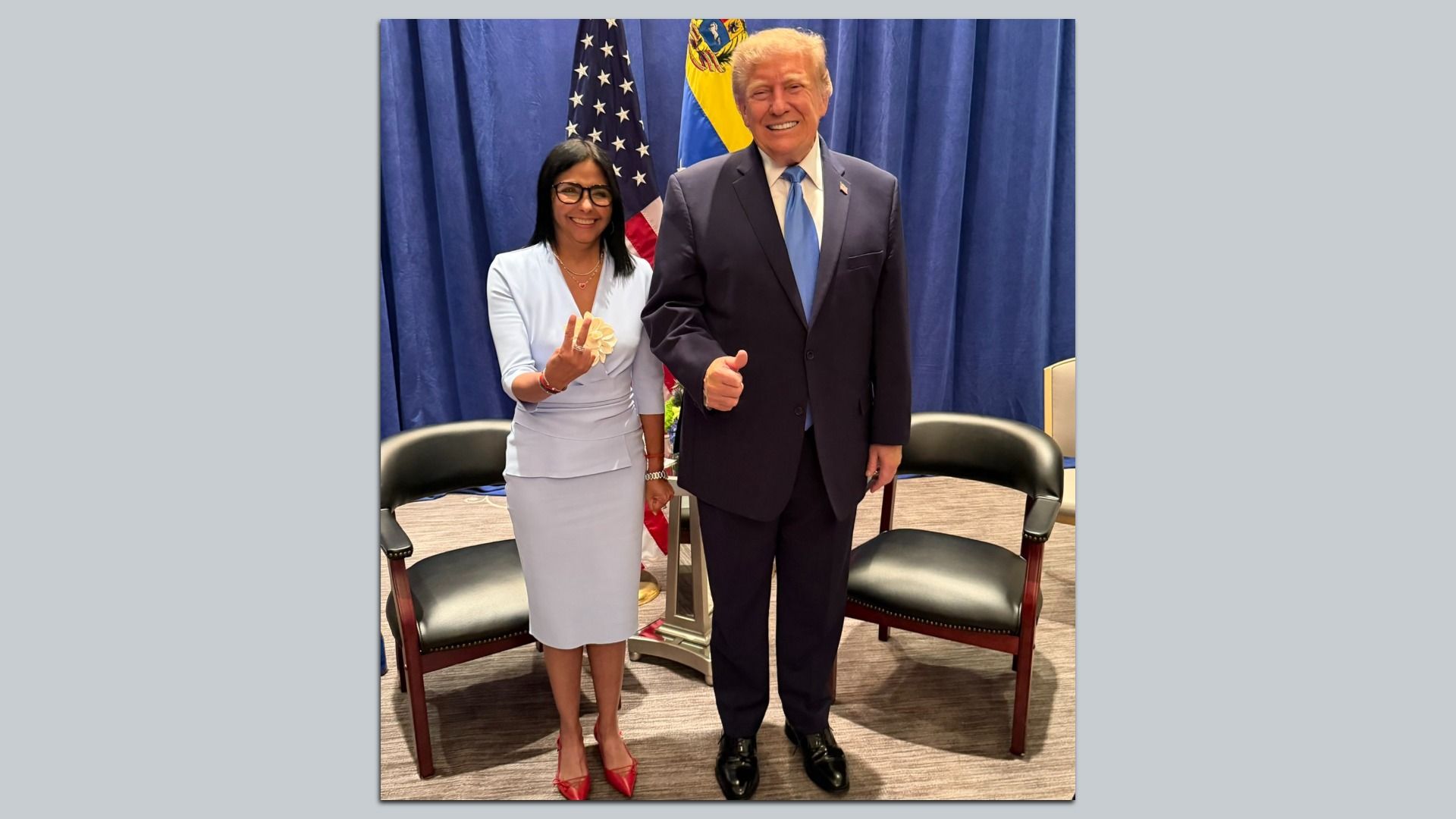
In his first-ever meeting with Venezuela's new leader, President Trump emphasized the need to keep oil flowing, relations warm and that country's elections on the horizon, White House sources tell Axios.
Why it matters: Trump did not insist on a future election date in his meeting with Venezuela's acting president Delcy Rodriguez, but he emphasized their importance as a crucial final step in Venezuela's evolution into a full-fledged democracy, the sources said.
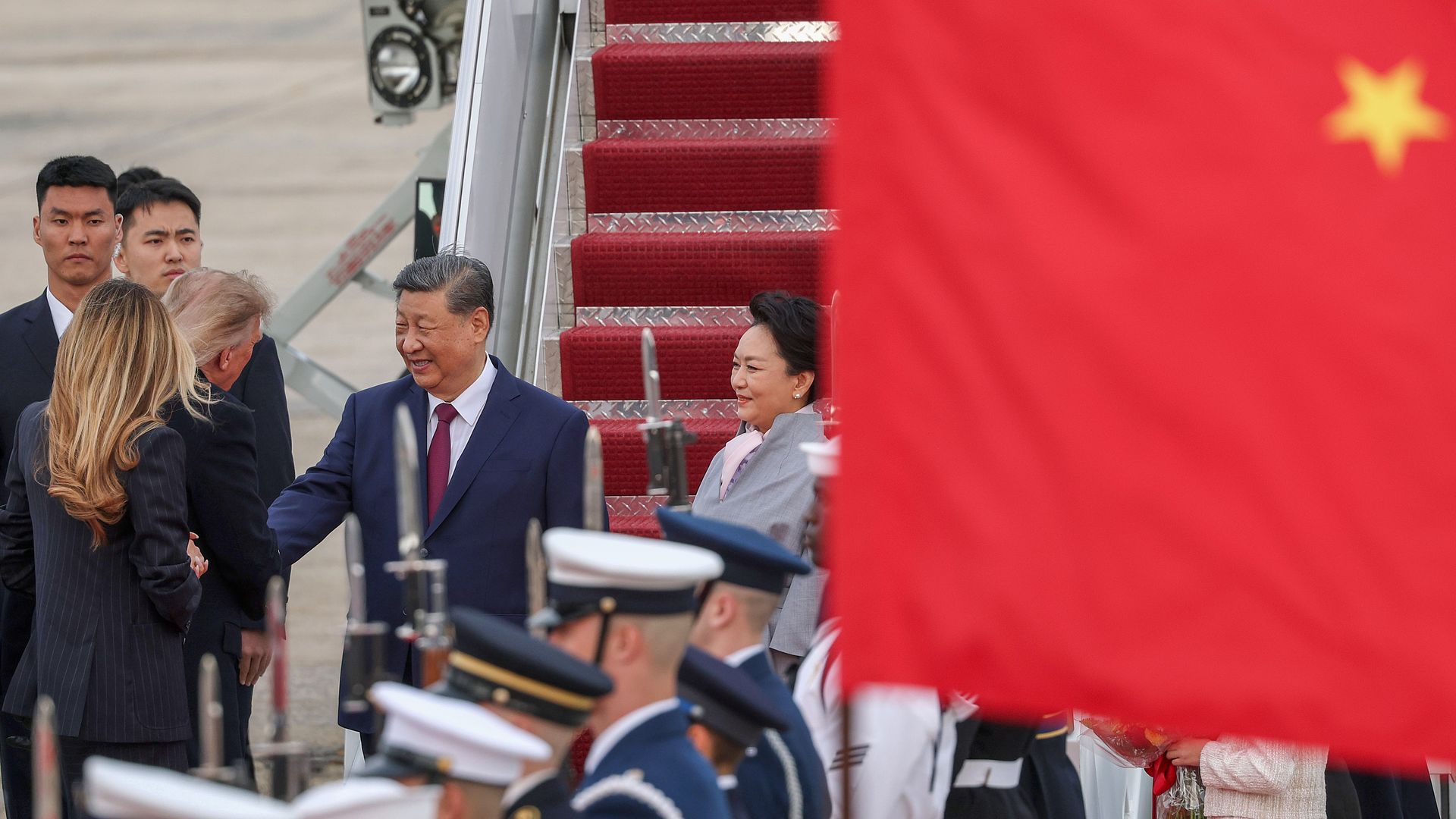
President Trump welcomed Xi Jinping at Joint Base Andrews for the Chinese leader's state visit to Washington D.C. Wednesday evening.
Why it matters: U.S. presidents typically receive visiting foreign leaders at the White House, making Trump's airport welcome an unusual diplomatic gesture.
Executives from leading artificial intelligence organizations urged global cooperation Wednesday to address risks from increasingly autonomous AI systems during a UN Security Council meeting.
The big picture: AI capabilities are advancing faster than governments are developing safeguards, raising concerns about whether humans can maintain control over increasingly autonomous systems.
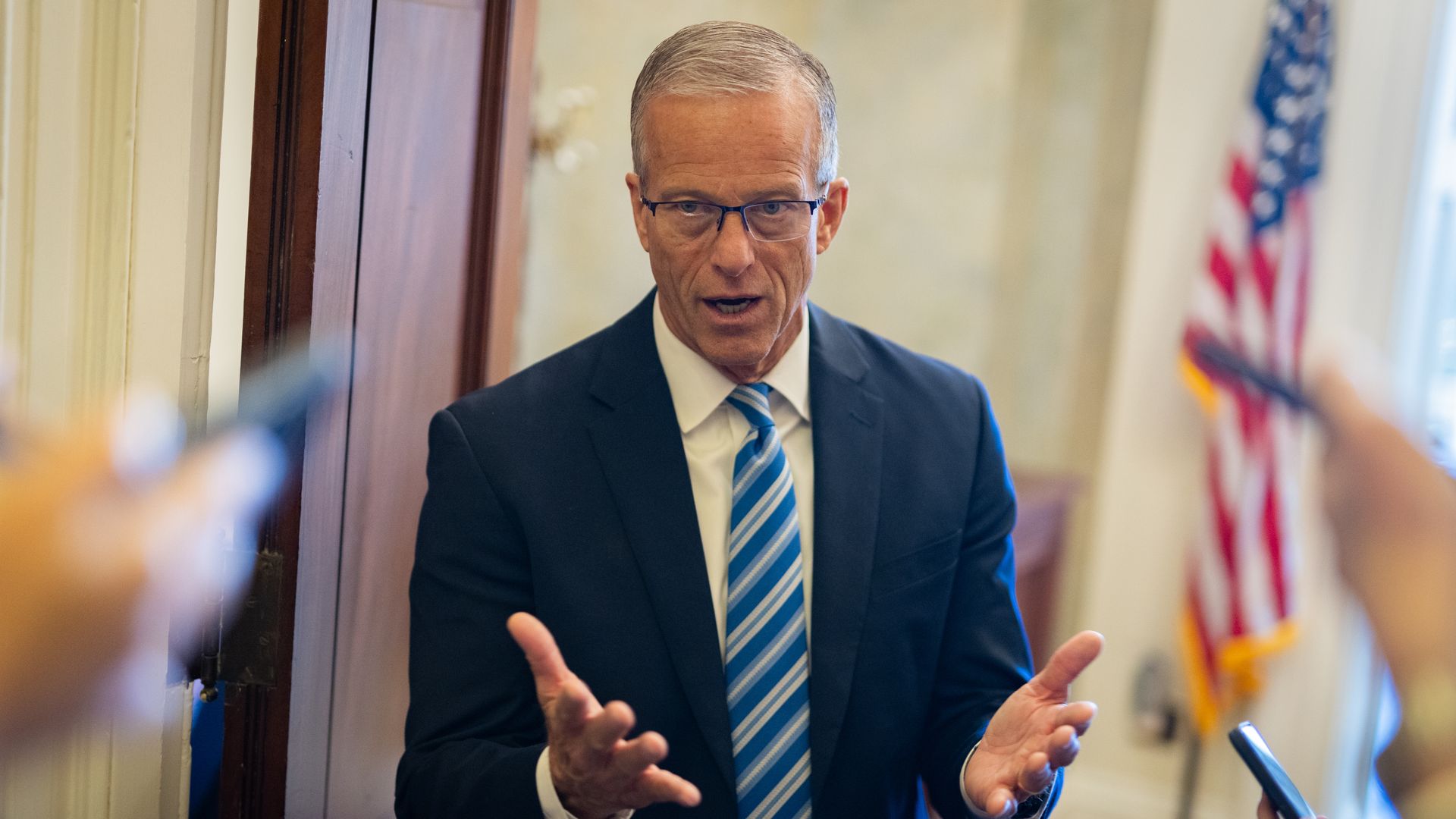
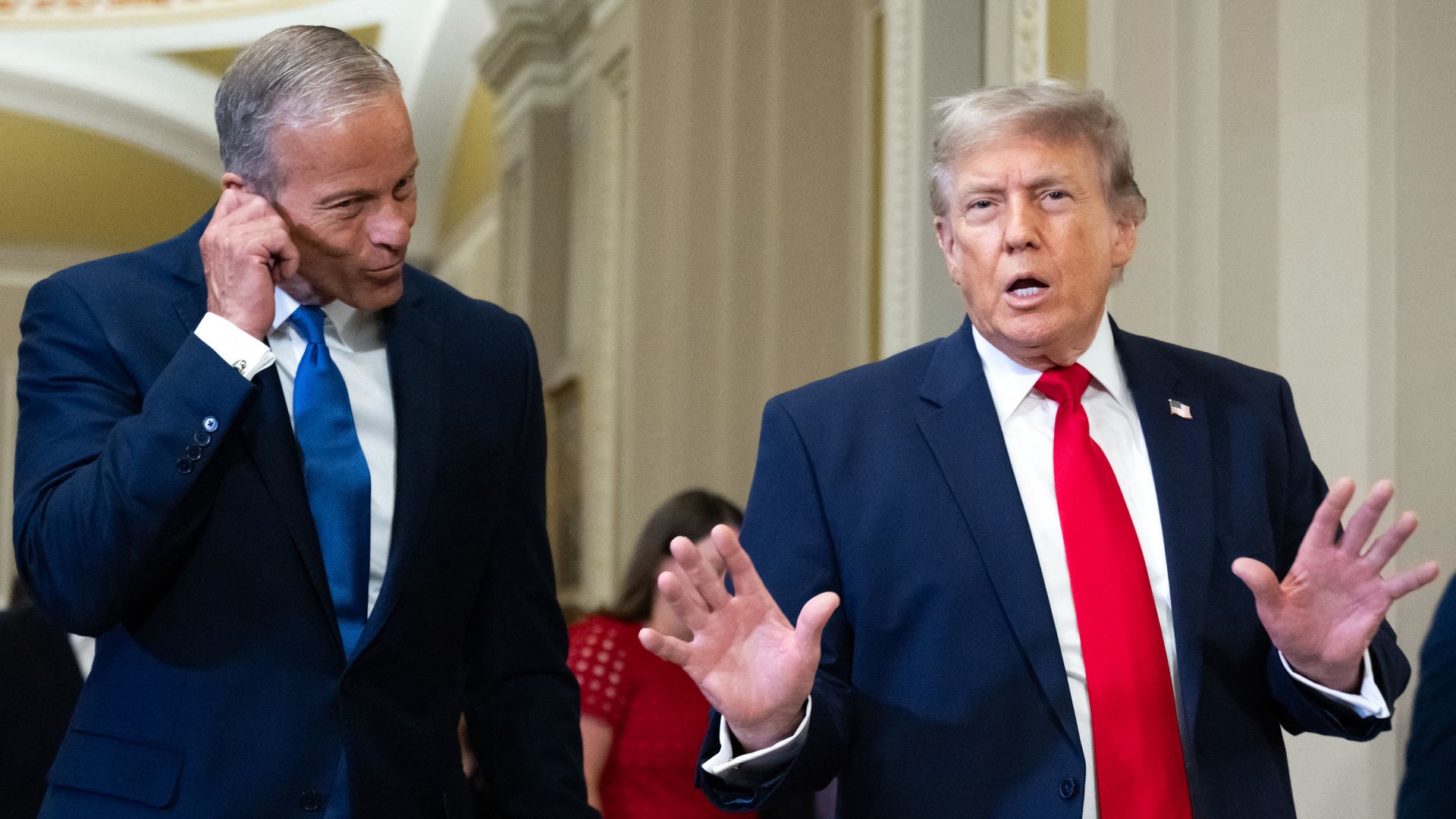
Senate Majority Leader John Thune says he doesn't believe President Trump is "really dug in" against guardrails for AI, despite Trump's public campaign against restricting the technology.
Why it matters: Thune told Axios he spoke privately with Trump as the AI issue was getting "pretty hot" a few weeks ago and believes some of Trump's strong pushback is against public "paranoia and noise around the subject."
The U.S. economy is expected to grow much faster this year than any other major advanced economy as its domestic policies inflict pain across much of the world.
Why it matters: The global economy has proven surprisingly resilient to successive shocks. The U.S. stands out even against that backdrop, with the AI investment boom helping it grow much faster than other economies.
But that exceptionalism comes at a cost: more persistent inflation and interest rates that may need to stay higher for longer to restrain it.
Driving the news: The Organisation for Economic Co-operation and Development (OECD) expects the U.S. economy to grow 2.2% this year, roughly twice the pace projected for the eurozone, Germany and the U.K. Growth is expected to be even weaker in Japan (0.8%) and in Canada (0.9%).
That growth gap is expected to persist next year, when U.S. growth clocks in at2.1%, compared with roughly 1% across much of the rest of the world's major advanced economies.
The OECD has become more optimistic about the U.S. since June, lifting its growth estimate by 0.2 percentage points for 2026 and 0.3 points for 2027.
That contrasts with downgrades to next year's outlook for the broader global economy, the eurozone, Canada, the U.K. and Japan.
What they're saying: "The major risk is still the evolution of the conflict in the Middle East and the impact on the energy market. But there are also a number of other risks — some of which seem to have gained some momentum from the June projection," OECD chief economist Stefano Scarpetta told reporters this morning.
Scarpetta pointed to rising sovereign bond yields, risks surrounding the AI investment boom and the potential for extreme weather to push food prices higher.
Zoom in: The AI boom has given the U.S. economy a powerful shock absorber that many other economies lack, the OECD says.
Rapid growth in AI investment and production has "partially counterbalanced" the economic hit from the Middle East conflict — with data center and technology spending directly boosting U.S. growth.
The other side: The inflation outlook looks more stubborn than a few months ago.
The OECD expects U.S. headline inflation to fall from 3.6% this year to 2.6% next year — but that 2027 forecast is half a percentage point higher than it projected in June.
U.S. core inflation is projected at 3.3% this year — among the highest rates across major advanced economies — and 2.5% next year.
That persistence helps explain why the OECD expects another Federal Reserve rate hike this year, with rates then staying at 4%-4.25% through the end of 2027.
What to watch: The AI boom boosting U.S. growth is beginning to come with its own macroeconomic downside effects.
Long-term borrowing costs are at their highest in at least 15 years across most major advanced economies, the OECD says.
It warns that heavy borrowing by AI companies is helping push yields higher, potentially raising costs across the economy and leaving markets vulnerable if AI profits disappoint.
The bottom line: America has helped make the global economic environment tougher. Its own economy has so far weathered it better than almost any of its peers, but that resilience is coming alongside an inflation problem that remains difficult to shake.
Iranian President Masoud Pezeshkian forcefully rejected President Trump's portrayal of Iran as a source of terrorism at the UN General Assembly on Wednesday, insisting instead that Iranians are "victims of terrorism."
Why it matters: Pezeshkian used one of the world's biggest diplomatic stages to directly challenge Trump on U.S. soil — as the U.S.-Israel war with Iran rages on.
President Trump's Board of Peace will unveil a six-month, $2.45 billion recovery plan for Gaza at a meeting of its members on Wednesday.
Why it matters: The 66-project proposal offers one of the most comprehensive roadmaps yet for what the early months of post-war reconstruction and governance in Gaza would look like.
Vulcan Elements will make magnets for the U.S. Army's SkyFoundry initiative, which seeks stateside mass production of small drones, CEO John Maslin told Axios.
The big picture: Supply-chain surety is a national-security imperative.
China's rare-earth crackdown has strained manufacturers across the world while also complicating the relationship between Washington and Beijing.
Three U.S. military leaders in just as many days changed how the public talks about war in space, including the secretive weapons already among the stars.
Why it matters: Space fights will happen. They will look nothing like conflict on the ground or on the water. And the consequences will be enormous.