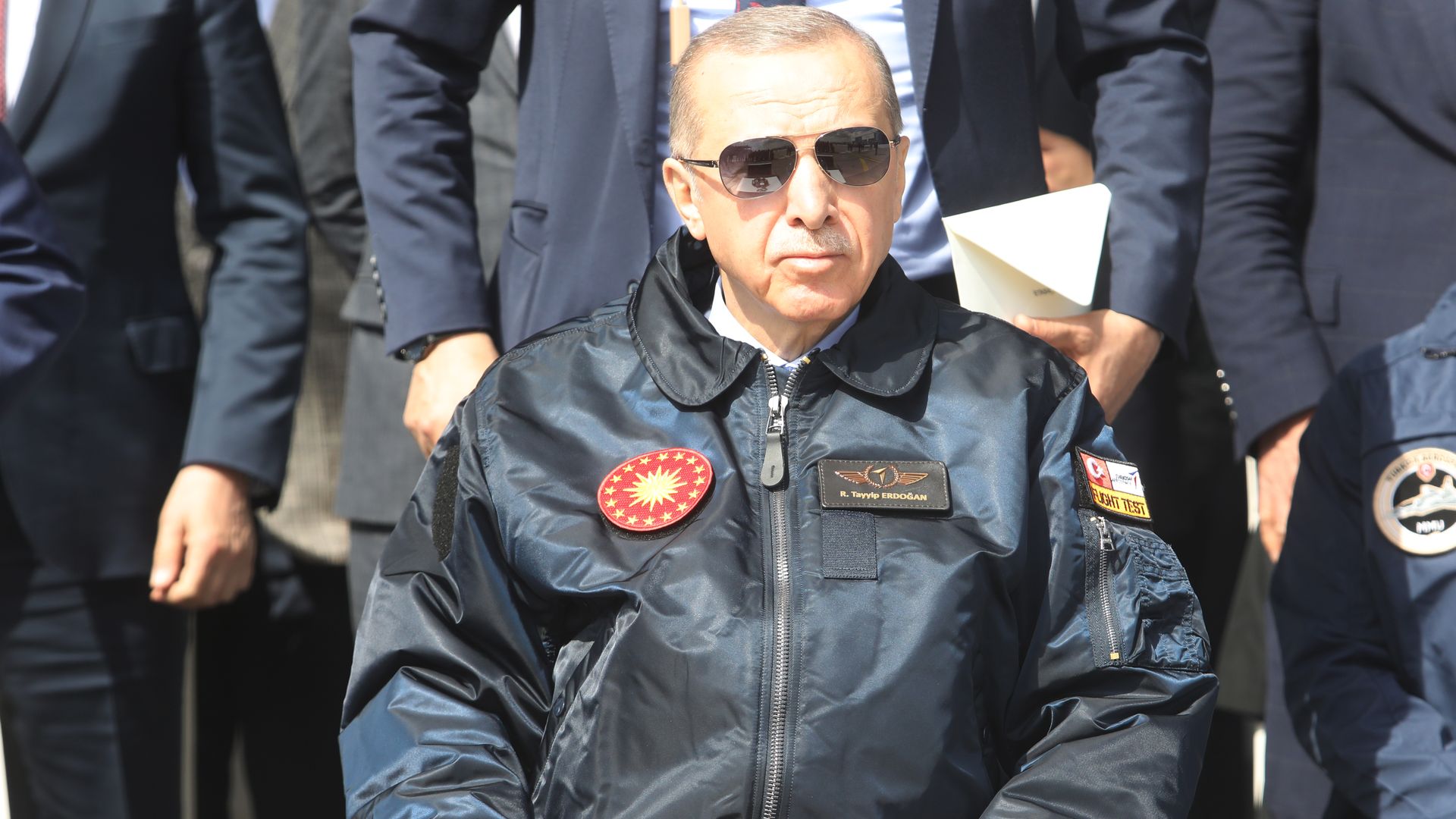
Turkish President Recep TayyipErdoğan looks unusually vulnerable heading into Sunday's presidential election, but the bigger surprise may be that he's still in the fight.
The big picture: Turkey's rampant inflation and feeble response to February's devastating earthquake — two issues that have dominated the run-up to the vote — were both arguably symptoms of Erdoğan's authoritarian style.
An experimental, uncrewed and reusable spacecraft being developed by China completed its second mission on Monday after remaining in orbit for 276 days, according to Chinese state media.
Why it matters: Very little is publicly known about the spacecraft, though experts have speculated that it could one day be used to interfere with satellites in orbit.
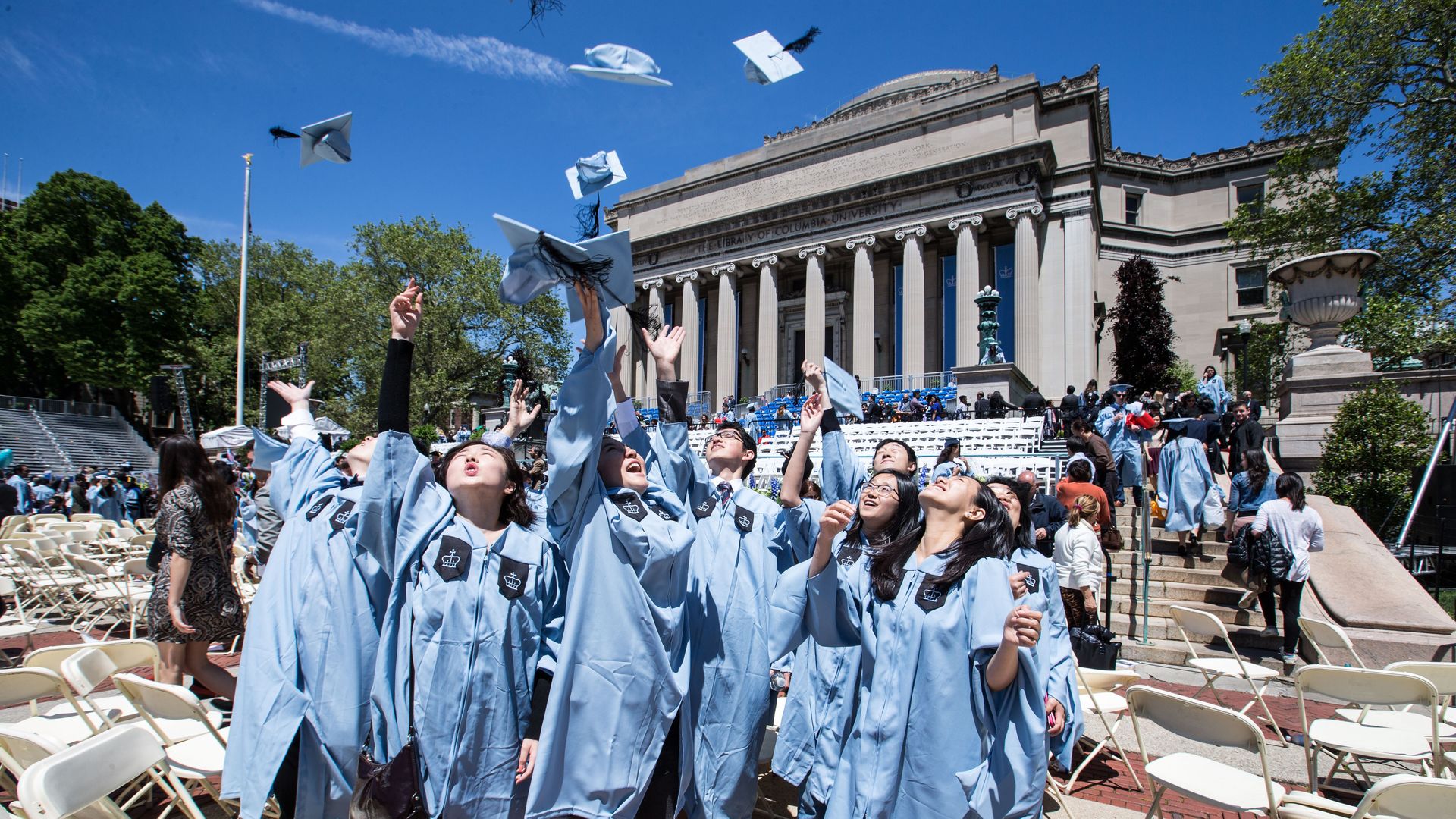
A U.S. collegeeducation, once a status symbol for Chinese families, appears to be losing its appeal as many consider alternative destinations, experts tell Axios.
Why it matters: China has been the top country of origin for international students in the U.S. for more than a decade, making it a key source of revenue for many American universities and colleges.
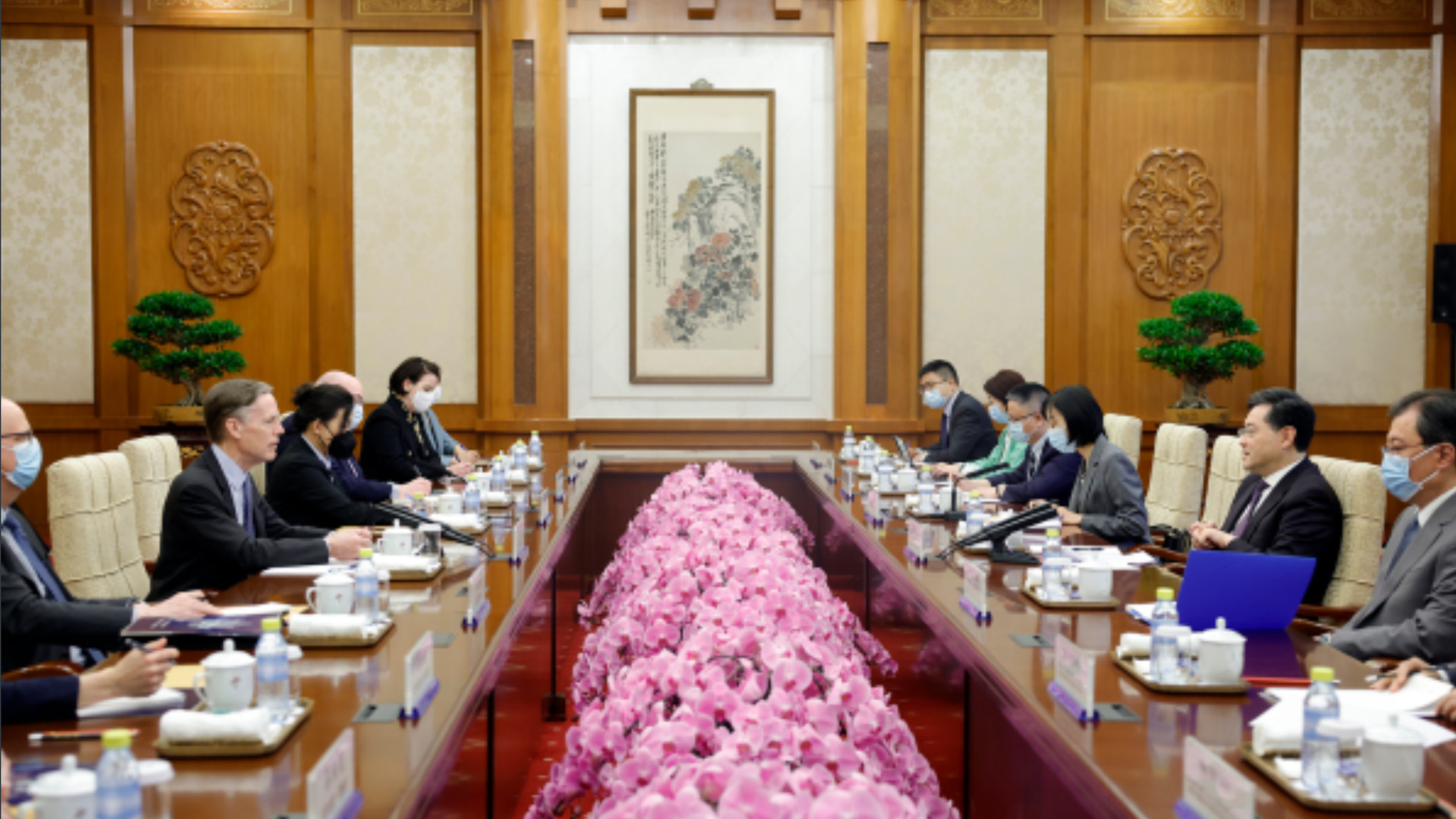
Senior U.S. and Chinese officials discussed the importance of stabilizing bilateral relations on Monday after recent events derailed efforts to repair ties.
Why it matters: It's the first known meeting between China's Foreign Minister Qin Gang and U.S. Ambassador to China Nicholas Burns since the U.S. downed a suspected Chinese spy balloon in February.
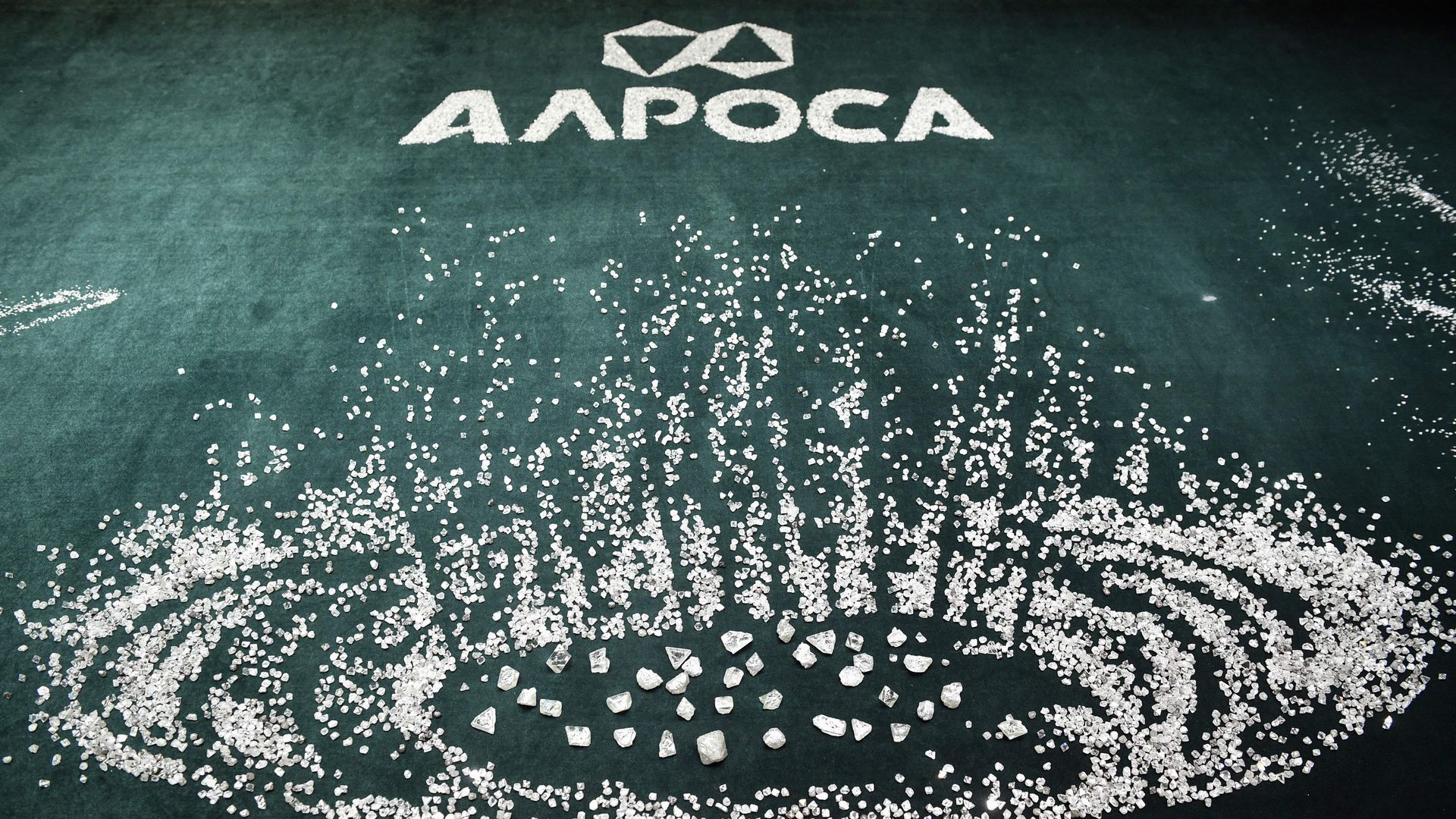
Since Russia invaded Ukraine, the U.S. and its allies have imposed sanctions on Moscow's energy exports, banks, and oligarchs. But one luxury good has largely escaped the glare of international sanctions: diamonds.
Why it matters: Russia counts diamonds as one of its top 10 non-energy exports by value, with exports totaling over $4.5 billion in 2021, according to the U.S. Treasury Department.
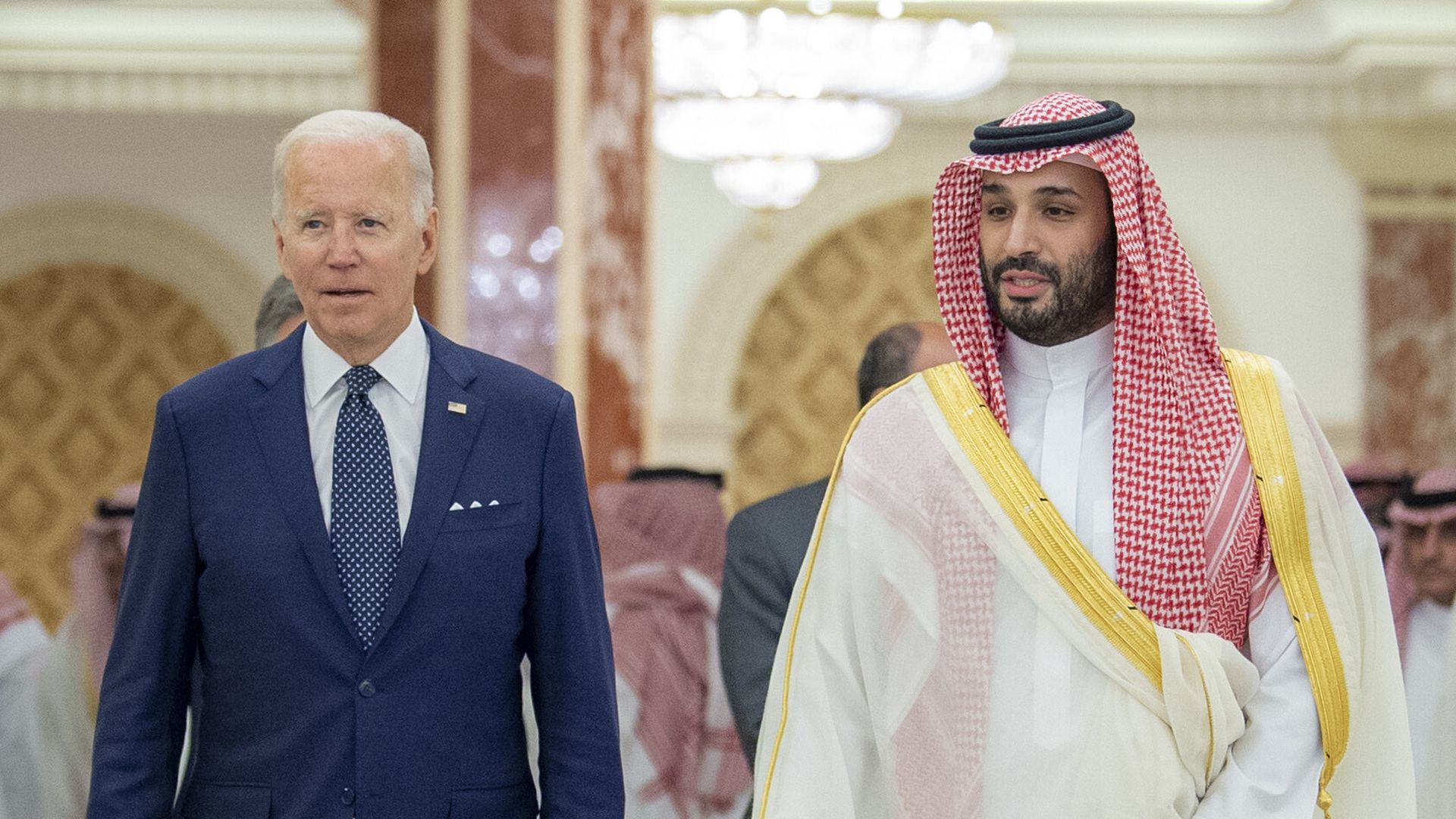
Senior Biden advisers on Monday briefed Israeli Prime Minister Benjamin Netanyahu on talks between White House National Security adviser Jake Sullivan and Saudi Crown Prince Mohammed bin Salman, Israeli and U.S. officials tell Axios.
Why it matters: Sullivan recently said that achieving a full normalization agreement between Israel and Saudi Arabia is in the national security interest of the U.S. Normalization was one of the issues Sullivan had planned to discuss with MBS while in Saudi Arabia, according to U.S. officials.
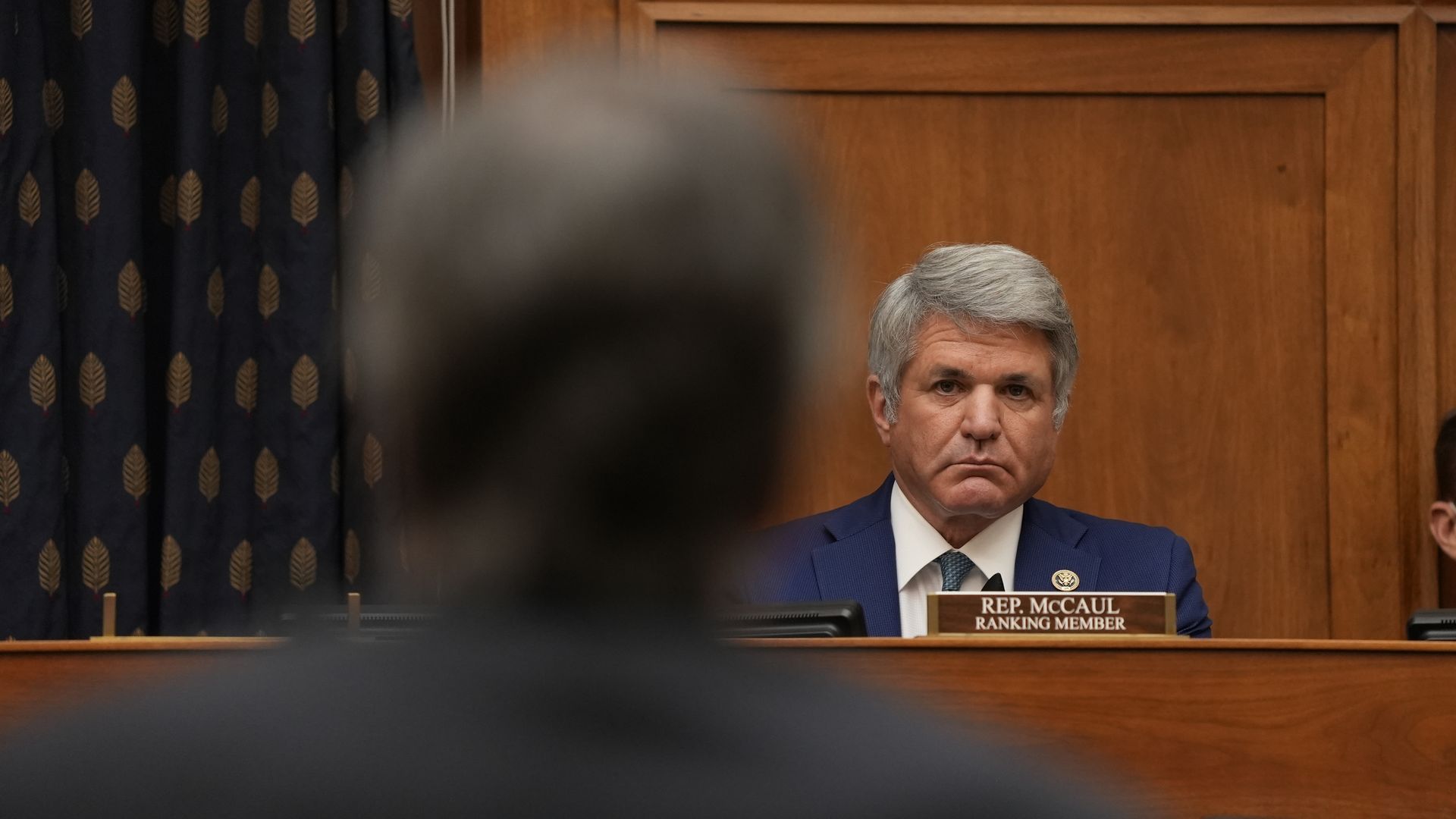
House Foreign Affairs Chairman Michael McCaul (R-Texas) is threatening to pursue legal action against Secretary of State Antony Blinken if the State Department doesn't comply with a subpoena for an internal cable about the U.S. withdrawal from Afghanistan.
Why it matters: McCaul's threat escalates an unprecedented effort by House Republicans to obtain sensitive information as part of their probe into the chaotic U.S. exit in the summer of 2021.
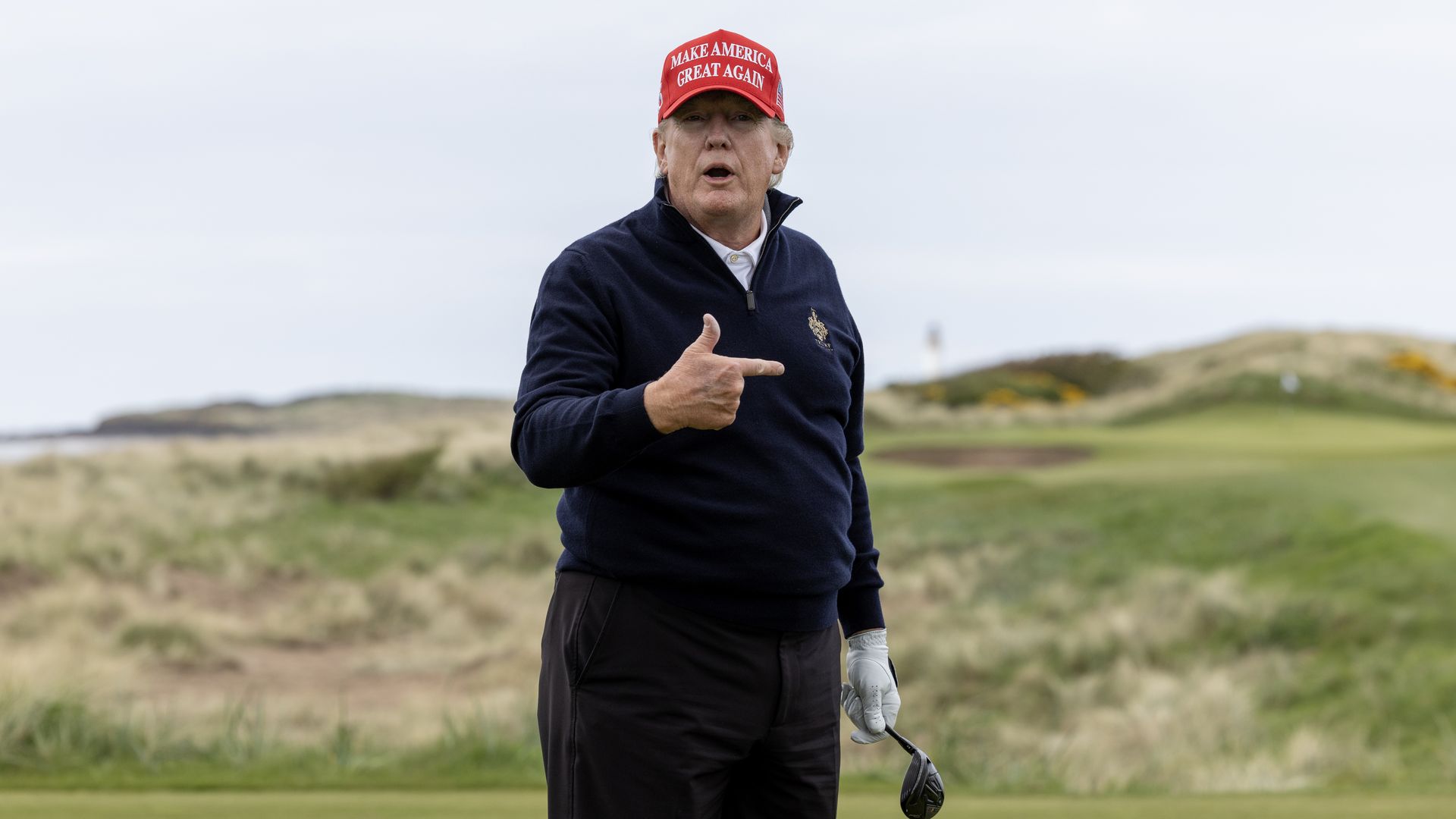
Former President Trump won't testify in writer E. Jean Carroll's battery and defamation civil case against him after his lawyers did not file a motion by the judge-imposed deadline of 5pm Sunday.
Driving the news: Trump told Sky News as he played golf at his resort in the Republic of Ireland Thursday that he "will probably attend" the trial, which centers around Carroll's claim that he raped her in the mid-1990s and then defamed her by denying it.
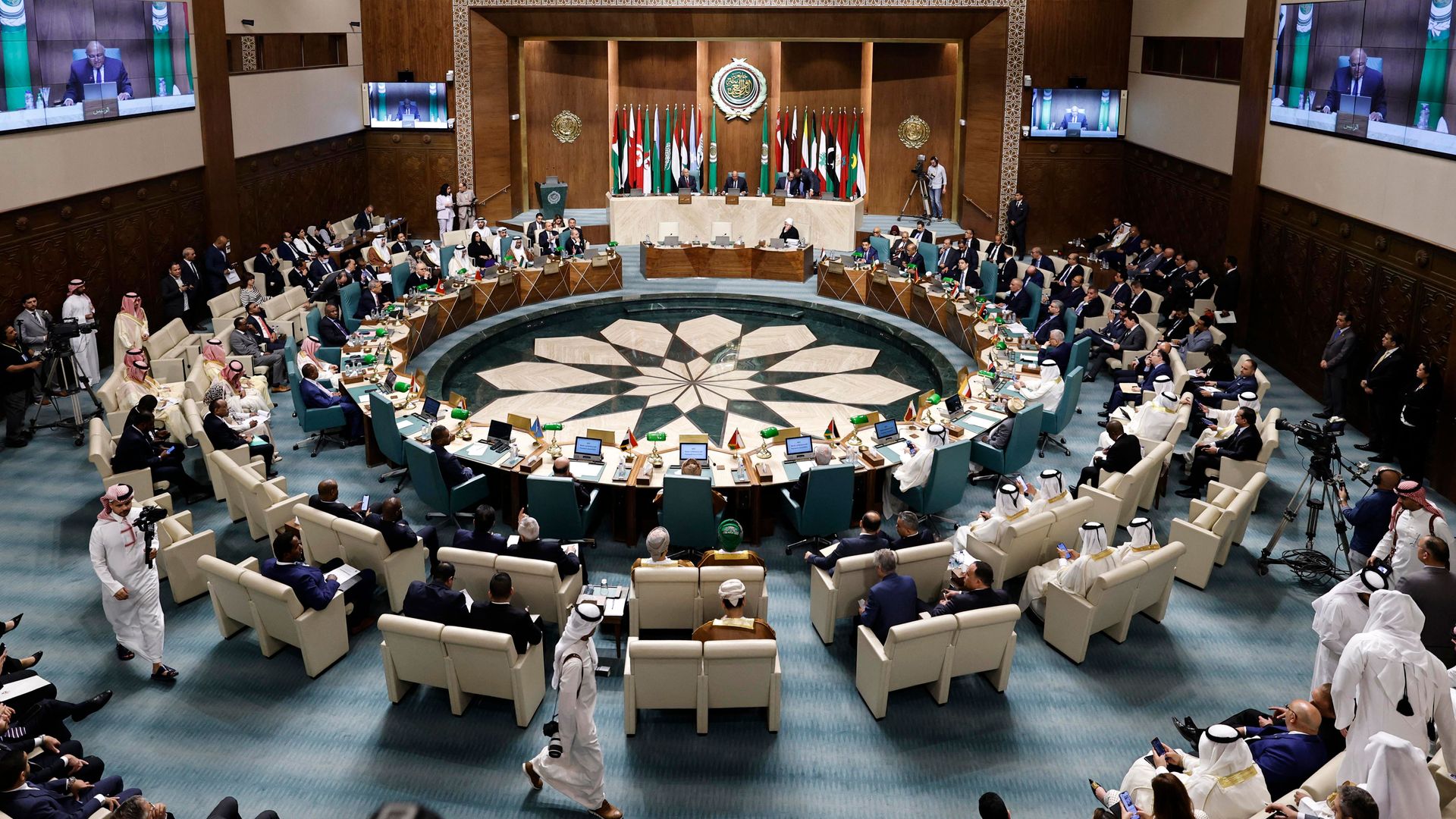
Against U.S. opposition, foreign ministers from Arab League member states agreed on Sunday to readmit Syria to the organization after a nearly 12-year suspension, according to a joint statement.
Why it matters: It's a major win for Syrian President Bashar al-Assad. Syria's membership in the Arab League was suspended in 2011 over the Assad regime's crackdown on protests that led to the civil war. Sunday's decision was made amid a gradual regional normalization process with the Syrian government that has been pushed by the United Arab Emirates and Saudi Arabia over the last year.
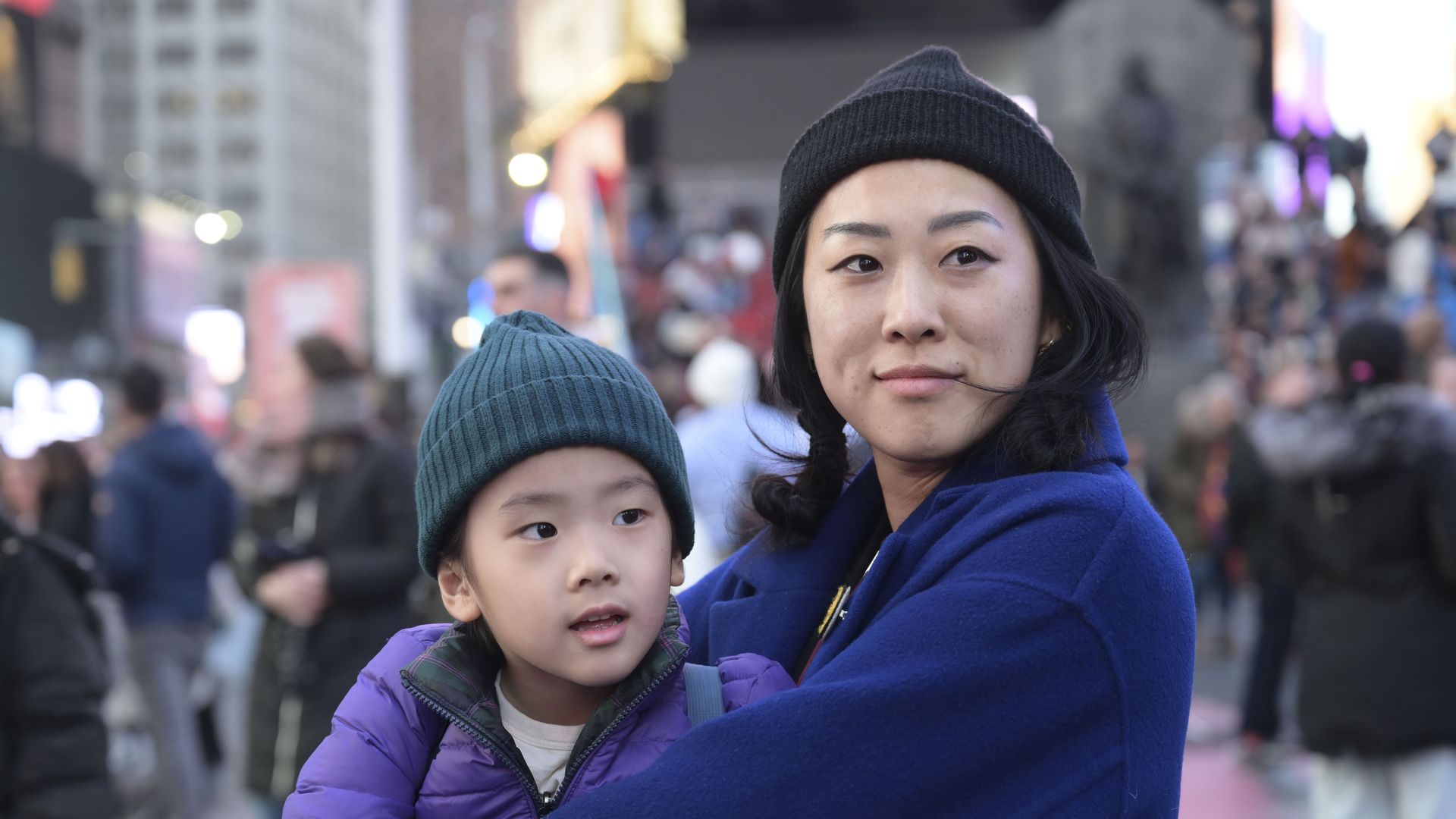
Asian Americans — especially young, Asian American women— are the least likely to feel they completely belong and are accepted in the U.S., an annual survey of attitudes about Asian Americans has found.
Why it matters: The broad survey illustrates the anxiety felt by Asian Americans three years after the pandemic generated a wave of anti-Asian violence in the U.S.