A video of the self-driving car crash in Arizona was released on Wednesday, showing the internal and external camera points of view.
“The video is disturbing and heartbreaking to watch, and our thoughts continue to be with Elaine’s loved ones. Our cars remain grounded, and we're assisting local, state and federal authorities in any way we can.”
Facebook's response to the controversy over Cambridge Analytica's illicit gathering of its user data haven't satisfied many of its critics on Capitol Hill.
Why it matters: New data privacy regulations would upend Facebook's business model, so the company is looking to address lawmakers' fears this week.
Uber has rescinded an offer to ex-Amazon voice-shopping VP Assaf Ronen to become its product chief after it learned that he had left Amazon earlier than he had told the company, according to Recode.
Michael Coates, Twitter's chief information security officer who joined in 2015, is leaving the company, as The Verge first reported and the company has confirmed to Axios.
Why it matters: Coates's departure comes just a couple of days after the NY Times reported that Facebook's security chief is on his way out later this year. But Coates appears to be leaving to start his own company.
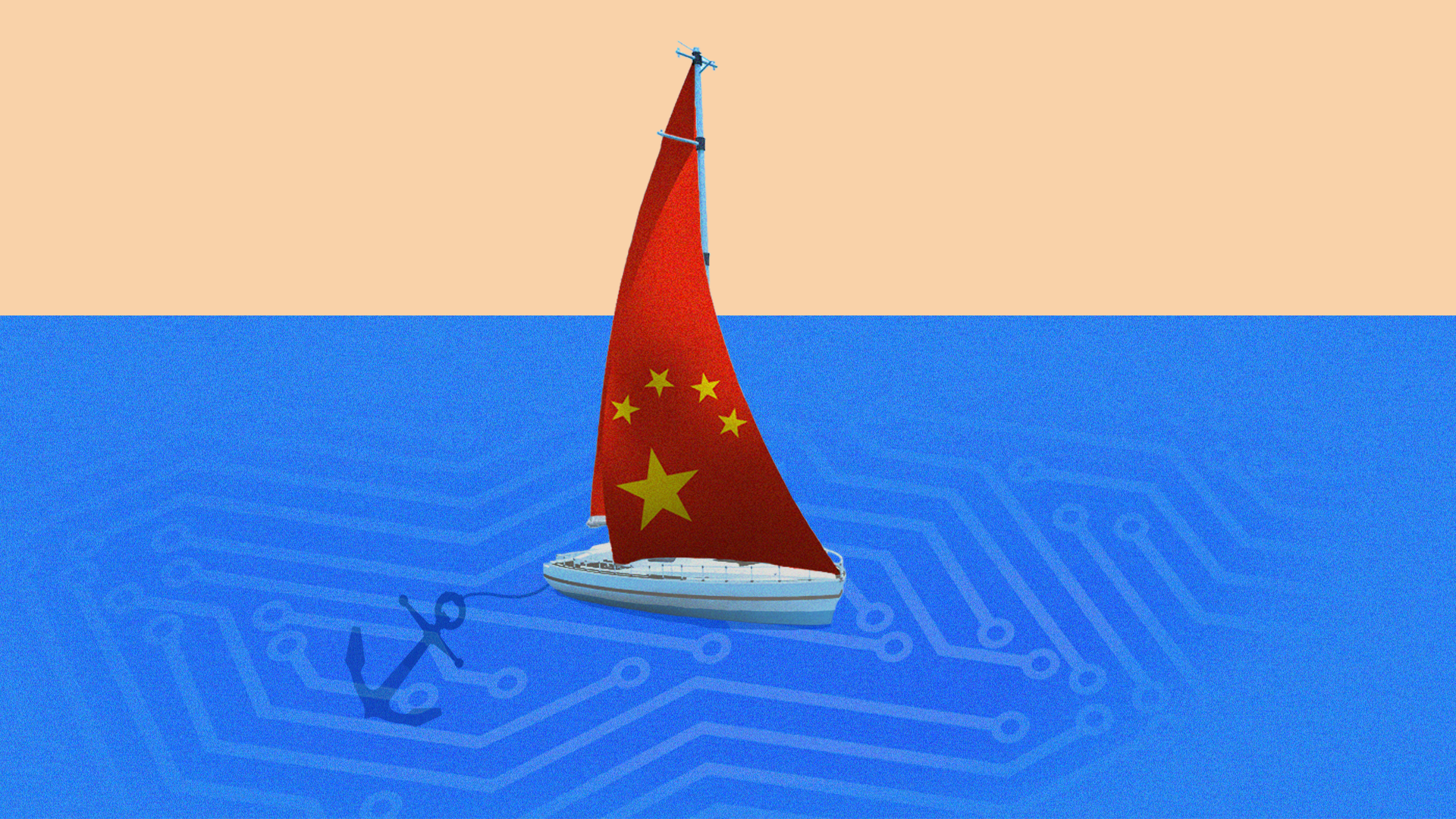
We reported last week that, against the prevailing narrative that China has more or less already won the artificial intelligence race, some experts say there is still very much a contest: While China and its companies are spending a lot of money to dominate AI, we reported, they continue to be held back by intellectual inflexibility — they cannot or will not pivot as quickly as western researchers, and may be fated always to be behind.
Some FoW readers pushed back. Read on for their view
One of the most urgent themes in technology is the global rivalry for dominance of the evolving sector of artificial intelligence — geopolitical and economic supremacy is said to be at stake. Experts view the U.S. and China as the top contenders, but other nations, including Russia, are working on AI, too.
What it means: In its latest edition, the Economist draws a sharp line as to the extraordinary ramifications of the race. "The global spread of a technosystem conceived in, and to an unknown extent controlled by, an undemocratic, authoritarian regime could have unprecedented historical significance," the magazine wrote.
Google is reportedly working on its own blockchain-related technology (a digital distributed ledger) to go along with its other cloud computing services, according to Bloomberg.
Why it matters: Along with the boom in cryptocurrencies and digital tokens, there's also increasing interest in the underlying technology of Bitcoin, the blockchain. Many believe it can be applied to a wide range of sectors and uses for more secure tracking of transactions.
Facebook pledged to put in place concrete actions to address potential past abuse of its platform, and stronger protections going forward.
Why it matters: Facebook is in the midst of one of its worst weeks after as it struggles to contain the fallout from improper use of data by Cambridge Analytica, a firm that worked for the Trump campaign in the 2016 election. The social media company is trying to shore up user trust and show its stakeholders that it knows it needs to do better.
Facebook COO Sheryl Sandberg joined her boss Mark Zuckerberg in expressing "regret" about the company's relationship with Cambridge Analytica. She also wrote on Facebook about a responsibility to protect user data and pledged an audit of apps with access to "large amounts" of user data.
And if we find that developers misused personally identifiable information, we'll ban them from our platform and we'll tell the people who were affected.
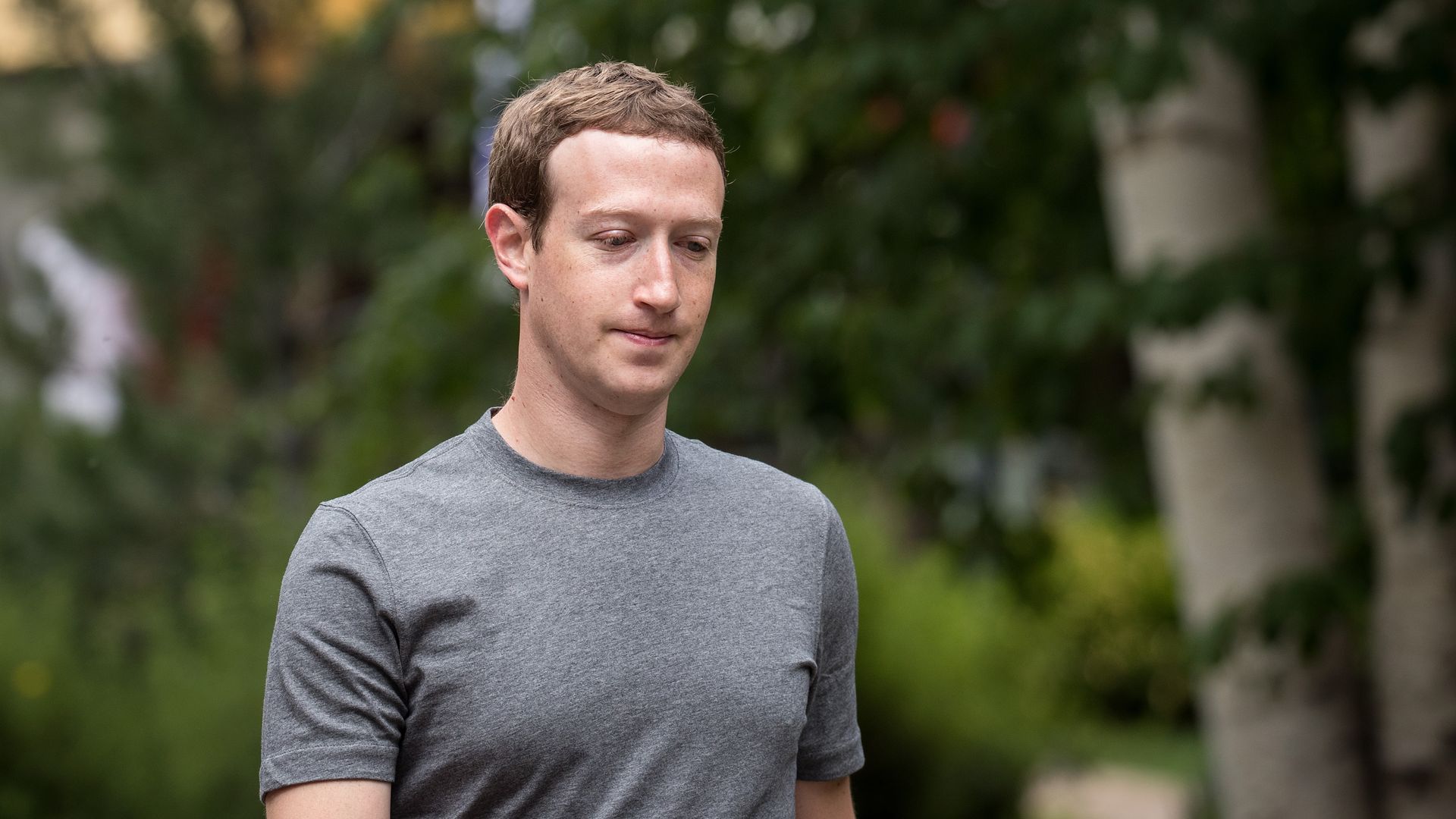
Mark Zuckerberg weighed in on what he called the "Cambridge Analytica situation" today in a Facebook post, saying there was a "a breach of trust between Facebook and the people who share their data with us and expect us to protect it. We need to fix that."
Why it matters: Facebook has been under extraordinary pressure from lawmakers, regulators and Wall Street to respond to the issue.
The European Commission proposed a new tax Wednesday that stands to hit major web companies like Google and Facebook. The new 3% tax on revenue applies to certain online businesses, including digital ads and ride-hailing, but The Wall Street Journal reports that not every country that's a member of the E.U. is on board.
Why it matters: It's the latest move in Europe to crack down on powerful American tech giants.
Kenya's main opposition party, the National Super Alliance, is seeking an investigation into data firm Cambridge Analytica's work for incumbent Uhuru Kenyatta in his successful re-election bid last year, the BBC reports.
The backdrop: This comes as the firm is being investigated by British and U.S. authorities and after a weekend revelation it improperly accessed 50 million users' data through Facebook's platform to influence Donald Trump's 2016 campaign.
Wall Street analysts are citing concerns over Facebook's management style in evaluating the company's stock in light of the days-long Cambridge Analytica controversy.
Why it matters: Investors have shifted their concerns about Facebook from things they can't handle, like market conditions and calls to regulate data-driven tech platforms, to things they can, like their management style or structure.
BMW is the newest motor company shifting its focus to electric and autonomous car technology, the Associated Press reports. After receiving a revenue boost from U.S. tax cuts, Chief Financial Officer Nicolas Peter said the company will allocate an "increasing amount" of revenue to research and development for the new technologies.
Why it matters: WhileBMW's interest in autonomous and electric vehicles isn't new, the announcement comes on the heels of a pedestrian being struck and killed by a self-driving Uber car earlier this week.
After another long day yesterday piling on the political scrutiny and user outrage — in addition to an emergency meeting for Facebook employees where CEO Mark Zuckerberg and COO Sheryl Sandberg were noticeably absent — Axios broke the news today that Zuckerberg will speak up soon.
In the interim: The Facebook executive tasked with taking all the heat on the whole Cambridge Analytica affair has been deputy general counsel Paul Grewal. It was Grewal who faced employees on Tuesday and he sent out the statement last week announcing that Cambridge Analytica had been suspended.
Amid growing public upheaval over the Cambridge Analytica data scandal, WhatsApp co-founder Brian Acton took to Twitter to urge his followers to delete Facebook.
Flashback: Facebook acquired the messaging app in 2014 for $19 billion. Acton had remained with the social media giant to start, but quit last September to start a new foundation.
"It’s not just the Cambridge Analytica debacle. Ethics don’t scale," Paul Ford writes in Bloomberg Businessweek's cover story.
The big picture: "What’s been unfolding for a while now is a rolling catastrophe so obvious we forget it’s happening. Private data are spilling out of banks, credit-rating providers, email providers, and social networks and ending up everywhere."
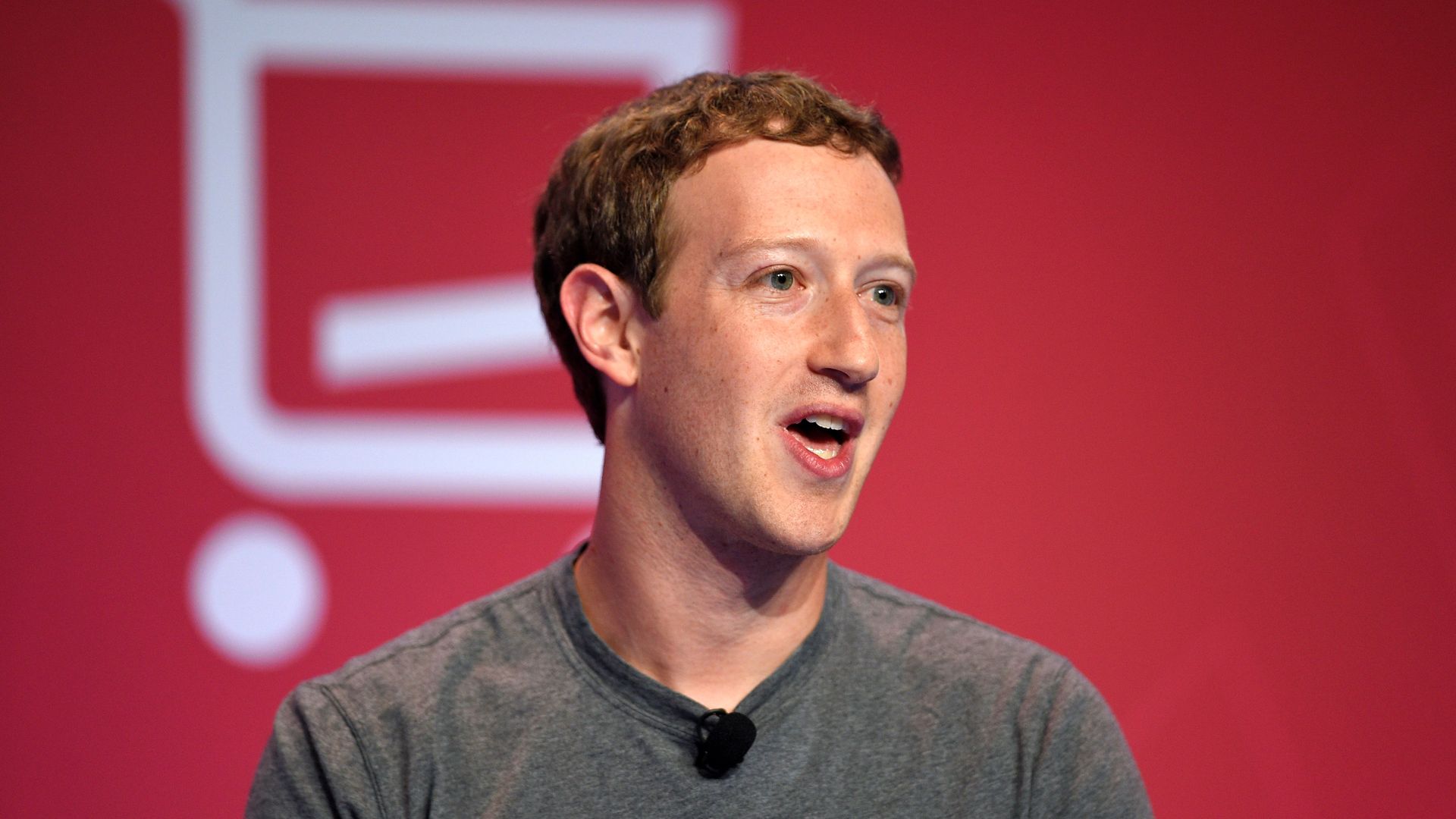
Axios is told that Facebook CEO Mark Zuckerberg plans to speak out in the next 24 hours on the data-harvesting revelations that have hammered his stock price, inflamed lawmakers in D.C. and Europe, and trapped his social network in a crisis of trust.
"It’s a big deal, and he knows it."
— A source close to Zuckerberg
What's been happening: We're told that Zuckerberg was initially more focused on how to fix the problems than on what to say. But that left a vacuum that provoked merciless coverage, increased lawmakers' suspicions, and even left some employees demoralized.
Not so long ago, social media companies were the poster children of the internet’s power to connect. But now that they’re being hammered over mischief on their platforms — which now includes Facebook's Cambridge Analytica scandal — other tech companies are parting ways with them on policy fights and dropping not-so-subtle hints about the need for greater social responsibility.
Why it matters: The tech industry is splintering in the wake of the controversies surrounding social platforms like Facebook, Twitter and Google's YouTube. A wide range of companies — from legacy Silicon Valley firms like IBM and Oracle to business-focused firms like Salesforce and Cisco — want to be seen as responsible players who can be trusted to make wise decisions when faced with tough calls.
Facebook is caught in the middle of a rapidly unfolding scandal over Cambridge Analytica's improper gathering of data on millions of users, and what that exposed about the company's data collection. The fiasco has drawn the interest of lawmakers and regulators and rekindled the debate over its role in the 2016 presidential election.
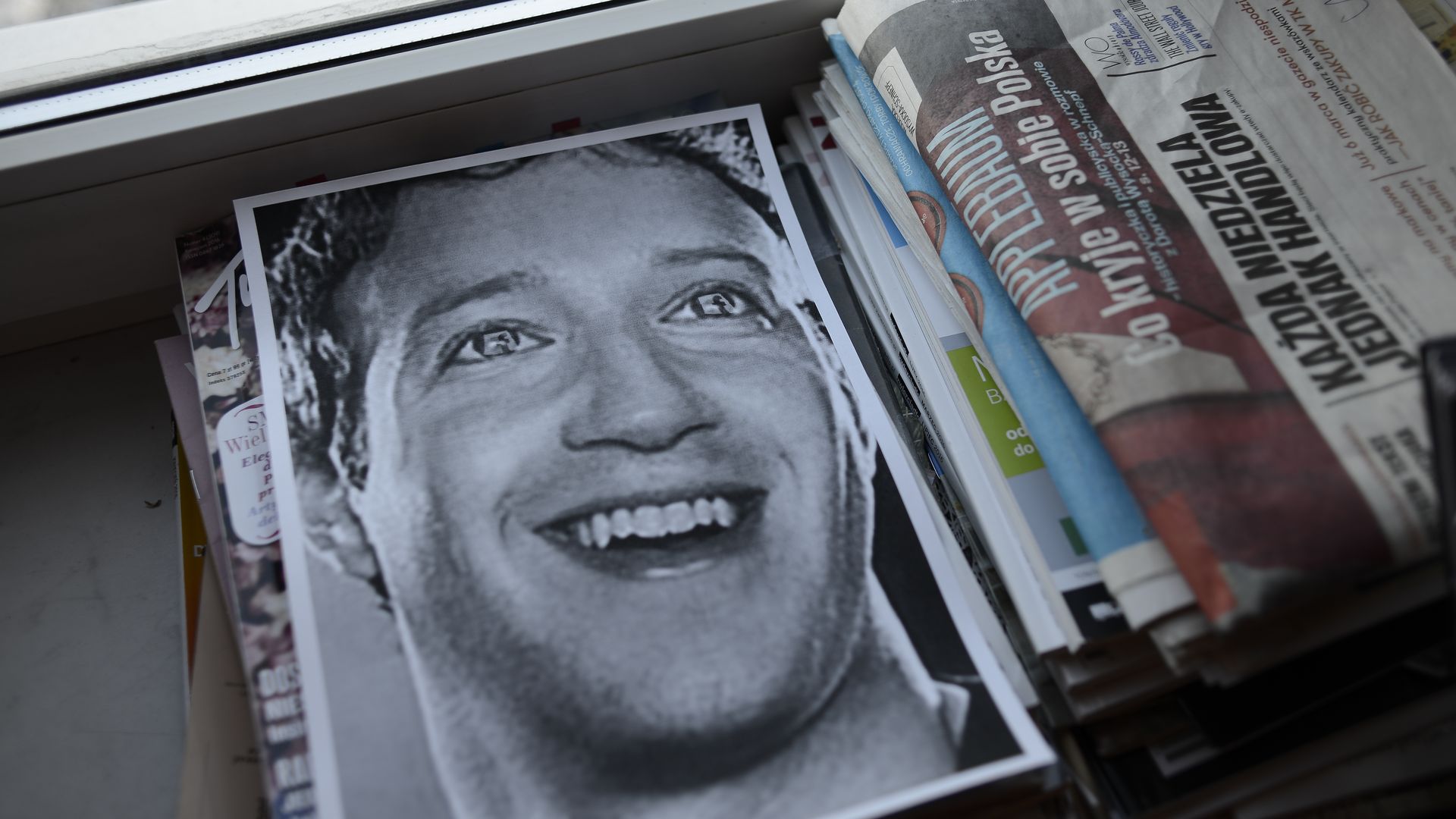
Why it matters: The bad headlines continued to pile up; "A hurricane flattens Facebook" said Wired, "Silicon Valley insiders think that Facebook will never be the same" per Vanity Fair, "Facebook is facing its biggest test ever — and its lack of leadership could sink the company" from CNBC, and — as we've yet to hear from the company's top leaders — "Where is Mark Zuckerberg?" asks Recode.





/2018/03/21/1521653897305.gif?w=3840)