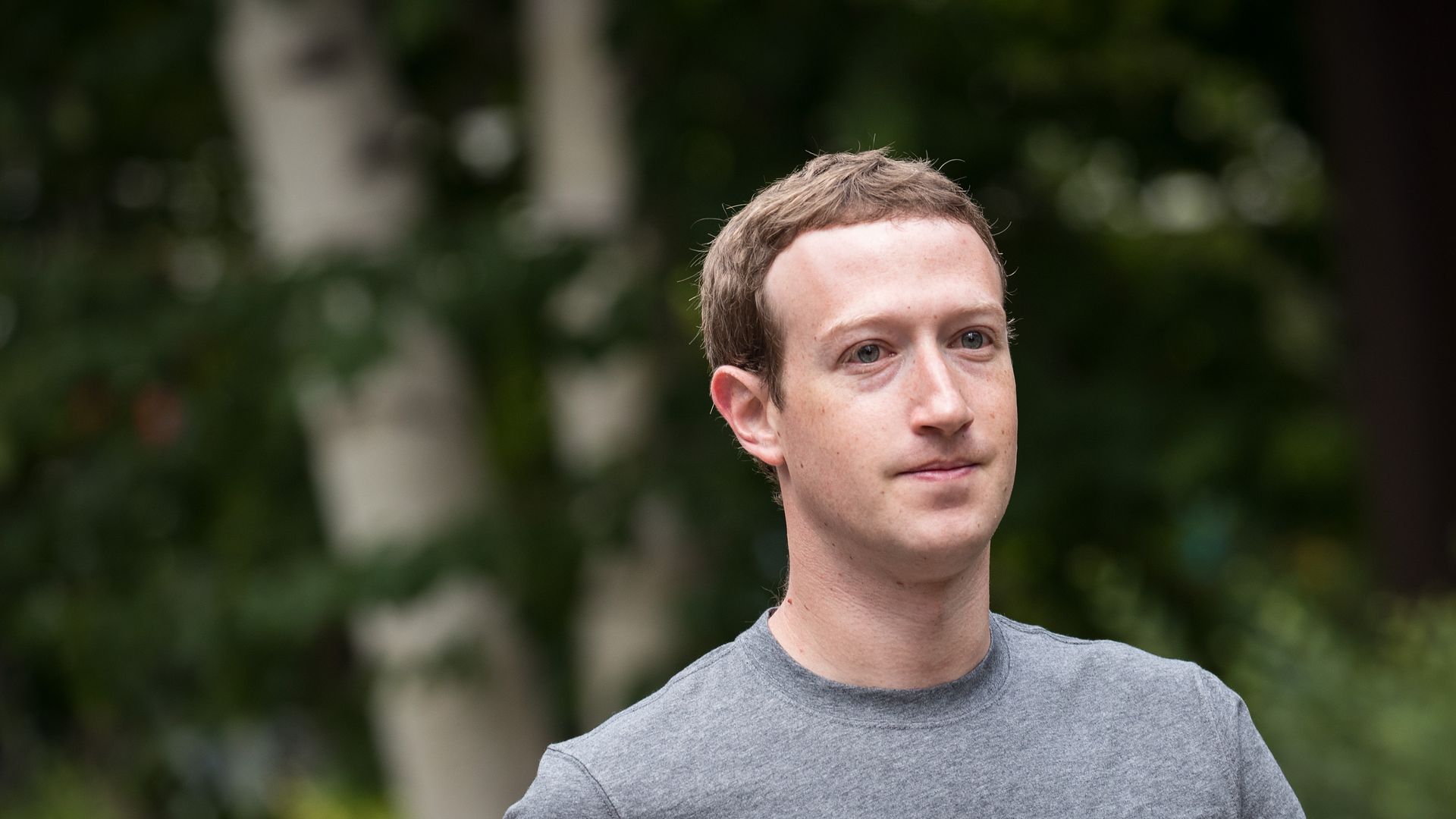
The Senate Commerce Committee is sending written questions to Cambridge Analytica's parent company and Facebook about the revelation that the data consulting firm improperly gathered user data from the social giant.
Why it matters: This is the most aggressive action by Republicans yet to investigate the reports about the Trump-linked analytics firm.
“They’ve got responsibility to make sure that that information is used in an appropriate way, so we want to find out how it was gotten, how it was used, and we want Facebook obviously to be transparent about that.”
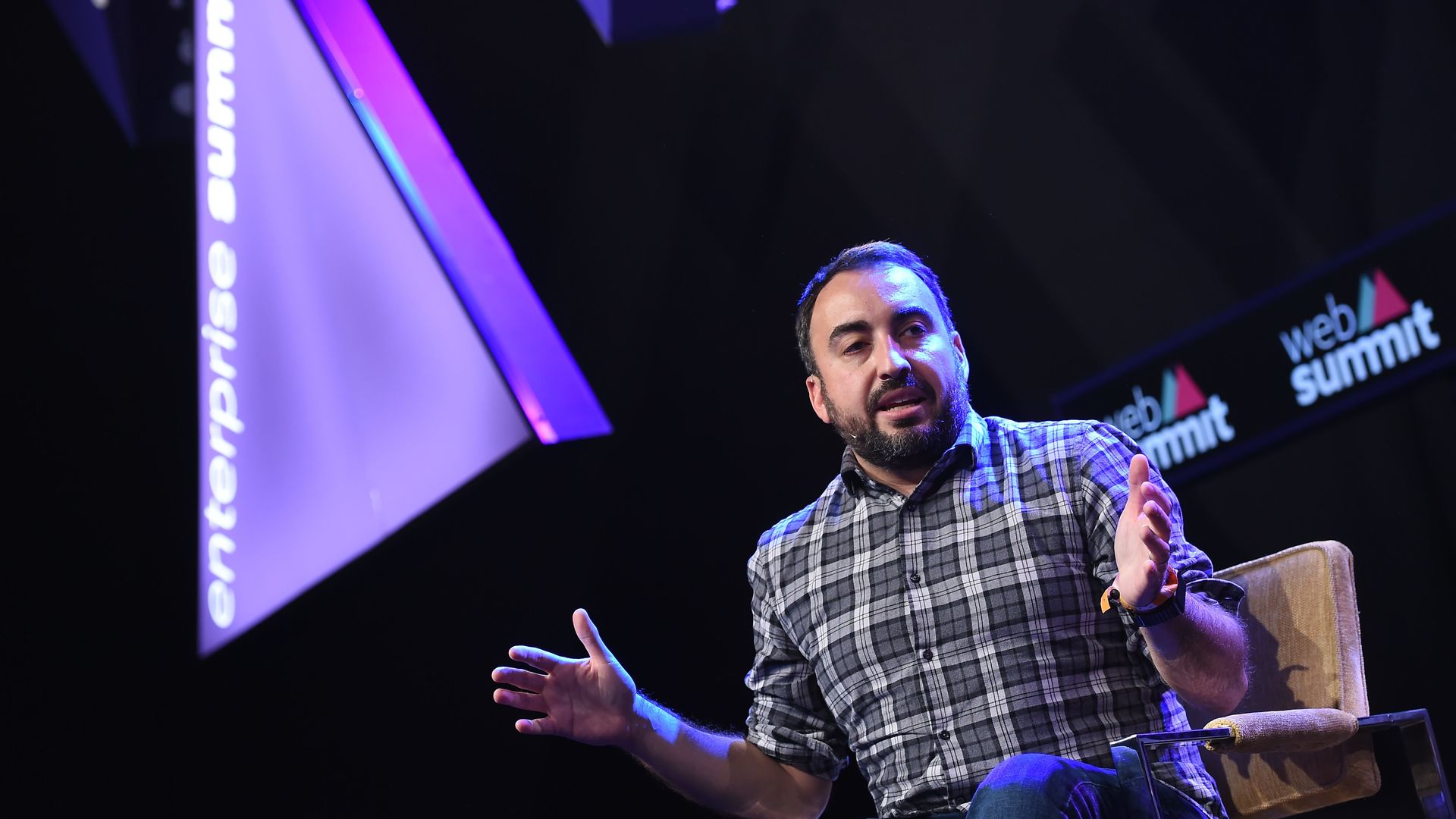
Alex Stamos, Facebook's chief information security officer, is reportedly leaving the company after clashing with colleagues on how to handle disclosure of the spread of disinformation on the social network, according to the New York Times.
Why it matters: Stamos had posted and then deleted several tweets over the weekend discussing the Cambridge Analytica matter, taking issue with the notion that the incidents represented a "breach" in the traditional sense of the term and noting that apps now don't have as much access to customer data as they did several years ago. He would be the first executive to leave since the latest scandal broke.
Strategic Communications Laboratories, best known for its work with its offshoot and collaborator Cambridge Analytica, appears to have an open contract with the State Department. DefenseOne first noted the contract on a government contracts database, where it is listed as still open.
Why it matters: Cambridge Analytica has domestically come under fire for fraudulently slurping data off of Facebook through user quizzes. But the United States is among the most lenient countries in the world when it comes to data privacy. SCL received a $500,000 contract for "target audience research" to help the State Department counter ISIS propaganda. It's possible the group's data harvesting methods will be as unpopular abroad as they have been in the U.S.
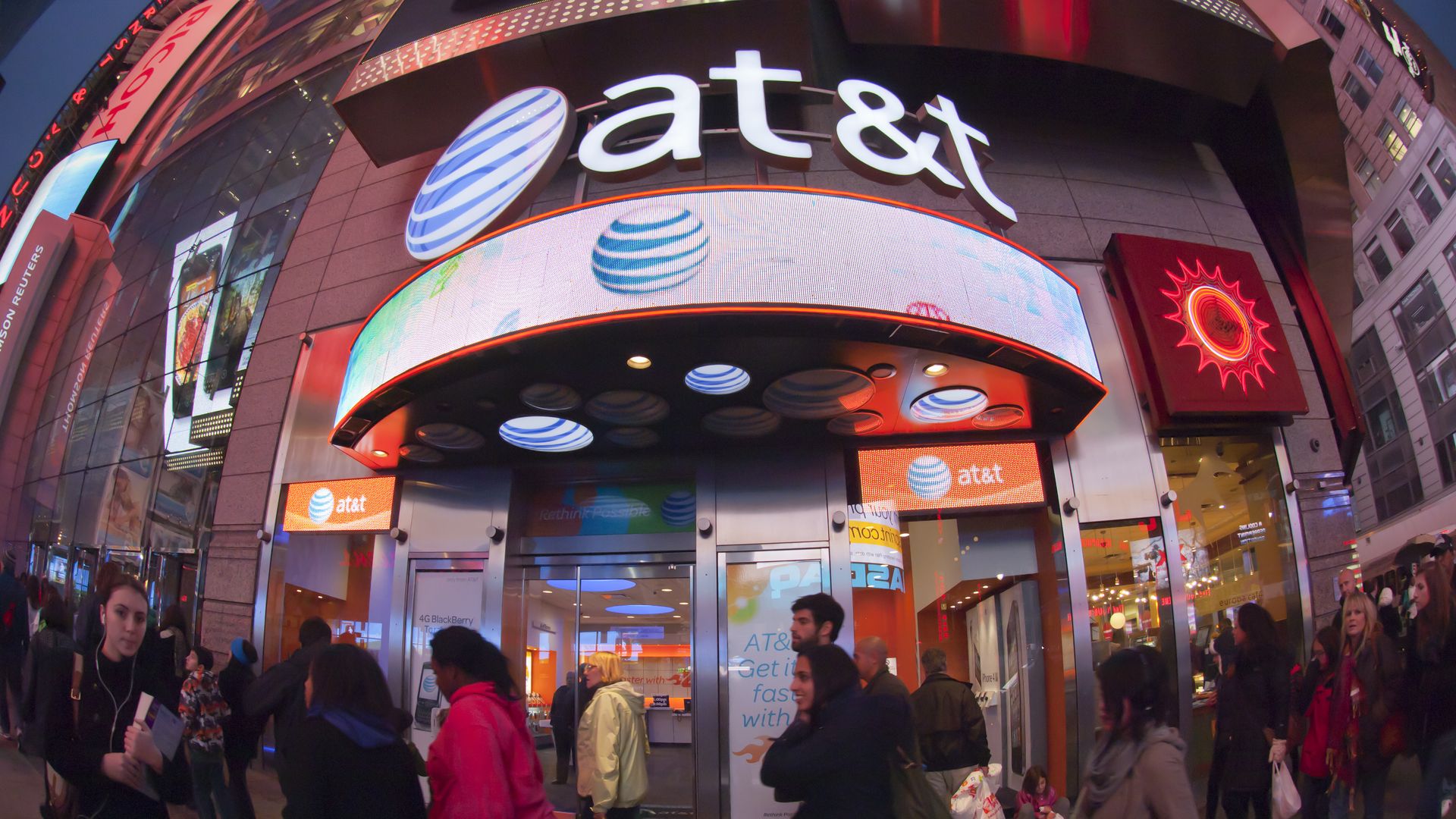
The court battle over AT&T’s $85 billion acquisition of Time Warner got off to a contentious start Monday as lawyers fought over what evidence they could bring into court.
Why it matters: Key themes are already emerging after the first day of AT&T's trial fight against DoJ. For starters, Judge Richard Leon wants to hear from AT&T's competitors, and the government wants to show the hypocrisy of the telecom giant's arguments.
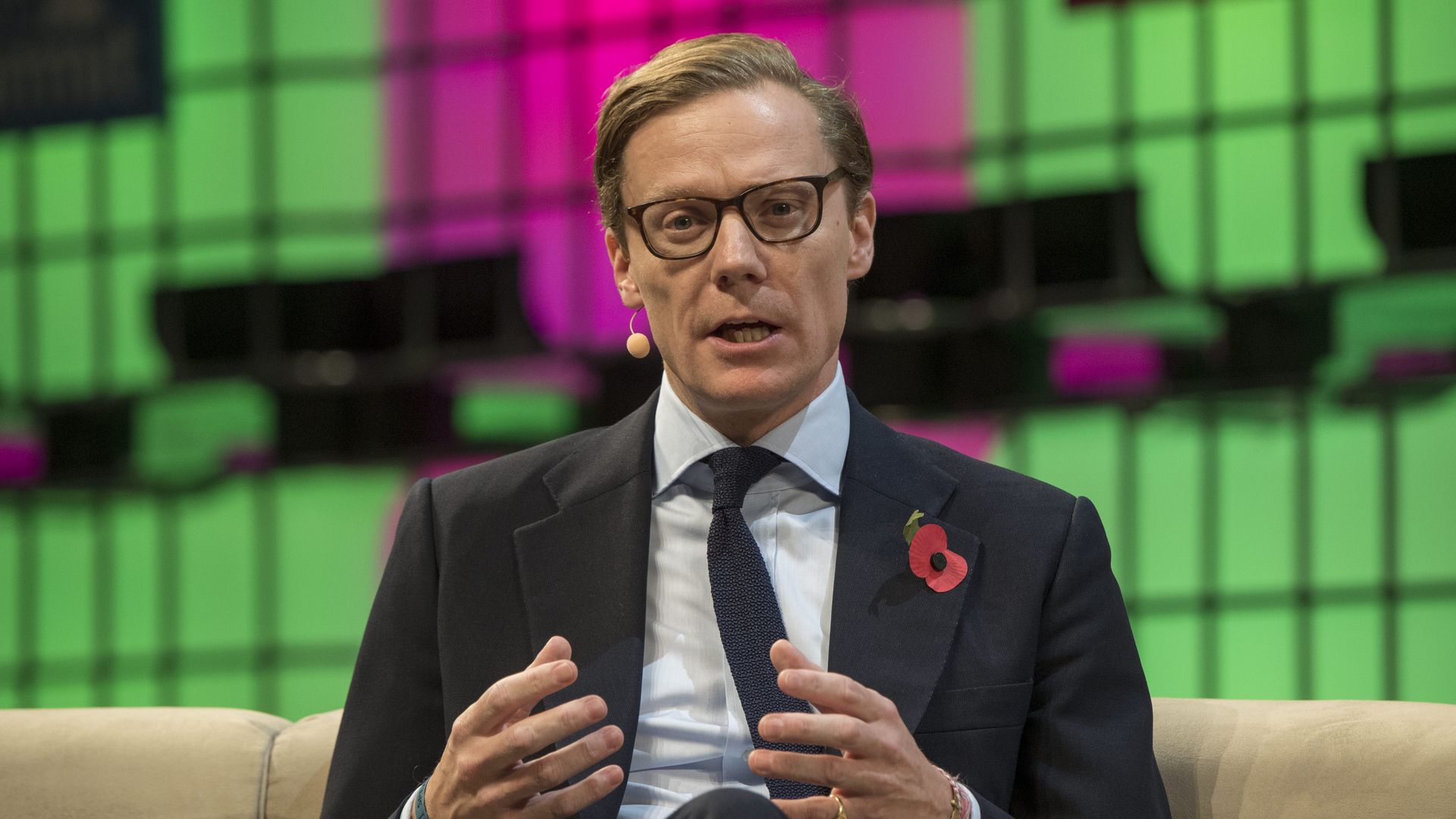
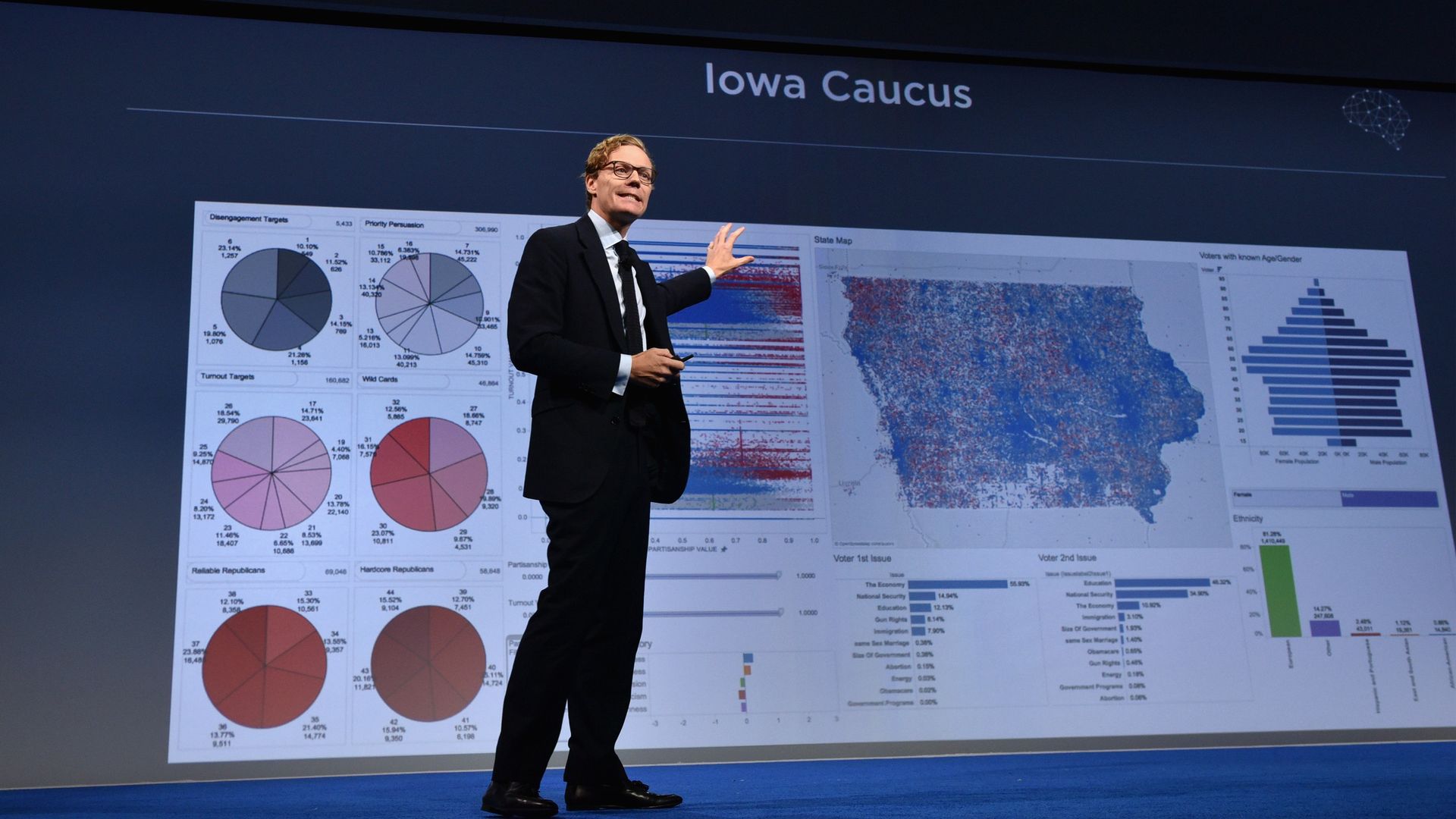
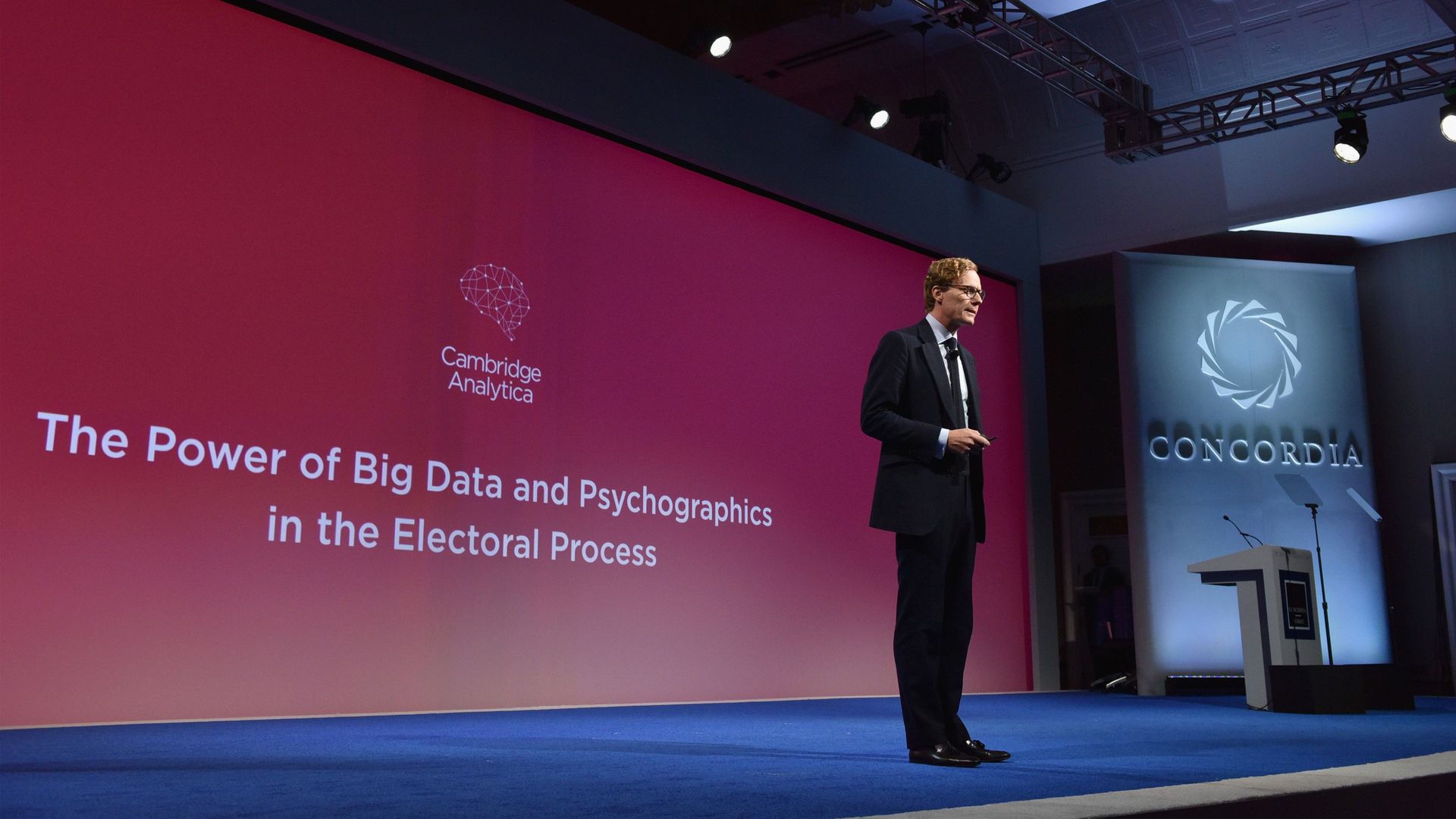
Cambridge Analytica has issued a statement claiming that Channel 4's undercover report on the firm's shady campaign tactics was "edited and scripted to grossly misrepresent" the nature of the recorded conversations.
CEO Alexander Nix stated that he misjudged the situation and that he "deeply regrets his role in the meeting," but that "Cambridge Analytica does not condone or engage in entrapment, bribes or so-called ‘honeytraps’, and nor does it use untrue material for any purpose."
Carmakers and technology companies should freeze their race to field autonomous vehicles because "clearly the technology is not where it needs to be," said Raj Rajkumar, head of Carnegie Mellon University's leading self-driving laboratory.
What he said: Speaking a few hours after a self-driven vehicle ran over and killed a pedestrian in Arizona, Rajkumar said, "This isn't like a bug with your phone. People can get killed. Companies need to take a deep breath. The technology is not there yet. We need to keep people in the loop."
A 4-month undercover investigation conducted by the UK's Channel 4 News revealed that Cambridge Analytica says it has secretly campaigned in more than 200 elections around the world, using shady tactics that include bribery and prostitution in order to entrap politicians in compromising situations. The company says they "entirely refute" the allegations.
Why it matters: Cambridge Analytica worked for Donald Trump's campaign during the 2016 presidential elections, and is at the center of a controversy for its role in harvesting data from more than 50 million Facebook profiles. Facebook announced Monday that it has hired a digital forensics firm to conduct a comprehensive audit of the company.
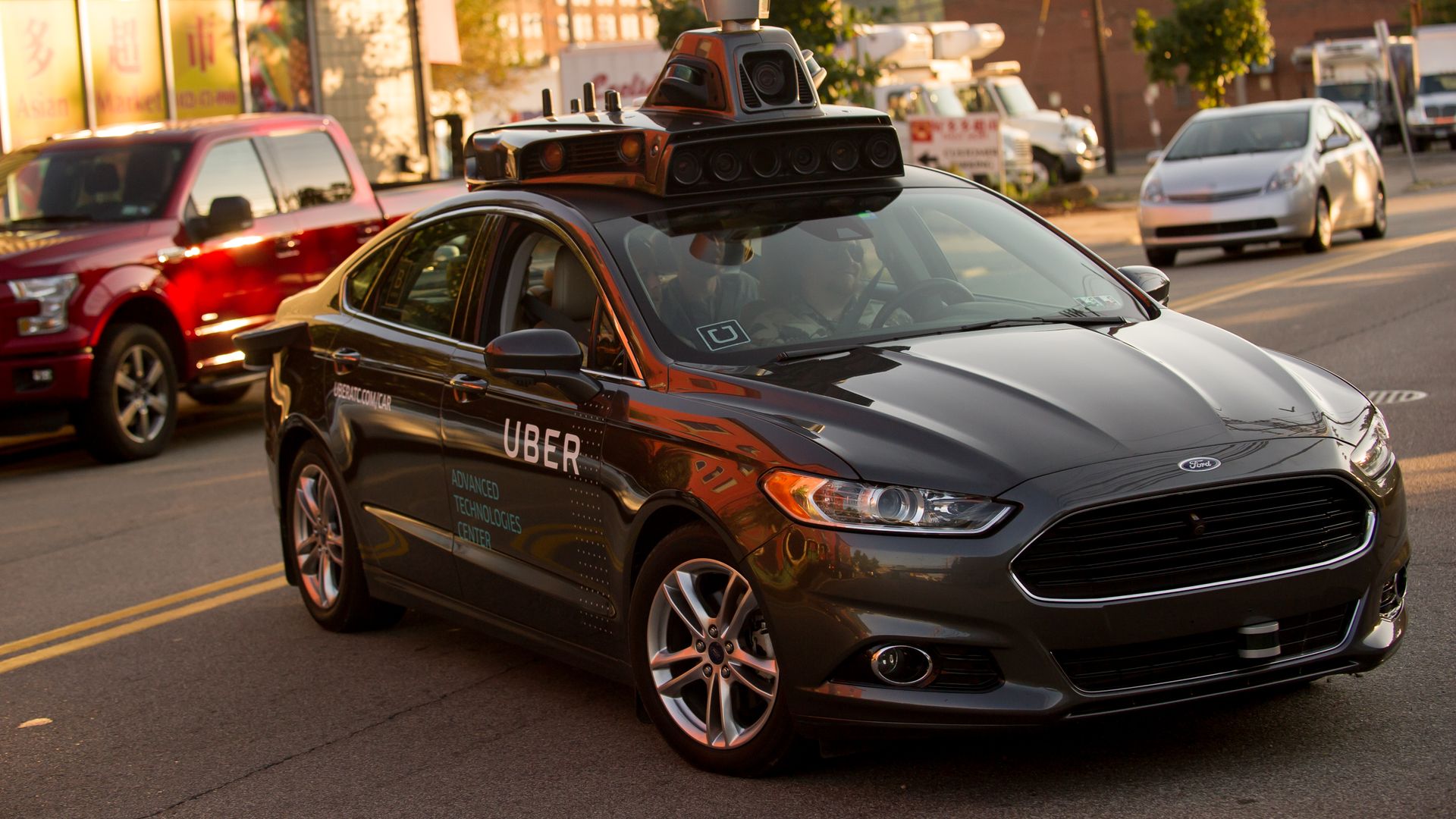
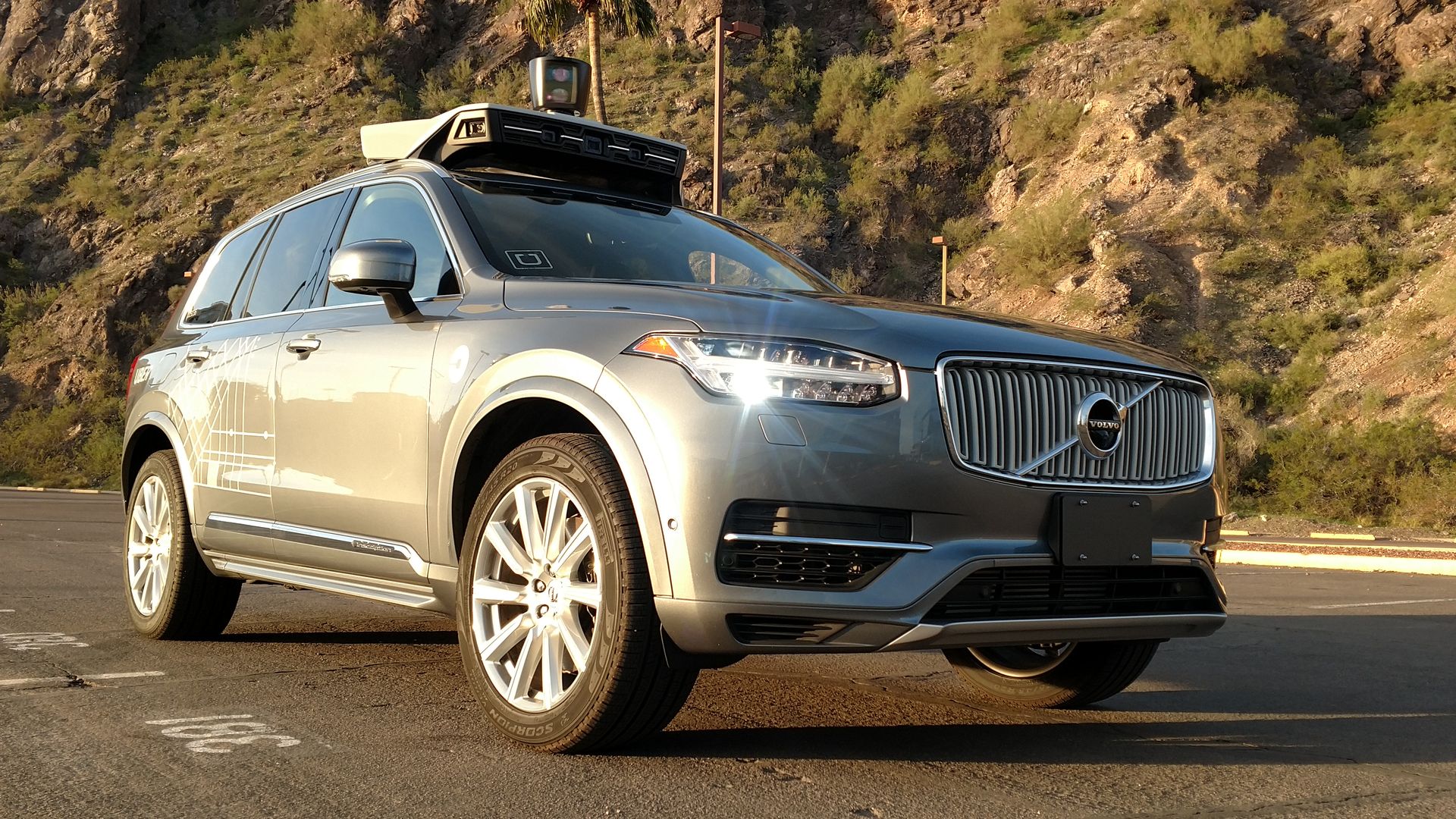
A pedestrian was struck and killed by a self-driving Uber in Tempe, Arizona, early Monday morning, according to ABC15. Tempe police said that the vehicle was in autonomous mode, though a safety driver was behind the wheel at the time of the crash.
Why it matters: The New York Times notes that this could be the first pedestrian ever killed by a self-driving vehicle. Uber says it's closely following its incident response process, though it declined to share more details about what that entails. The company has also paused its self-driving cars in all locations (Pittsburgh, Tempe, San Francisco and Toronto).
Facebook stock fell 6.77% on Monday, following weekend revelations that 50 million users had their data improperly accessed by a Trump-linked analytics firm. For a brief period around noon, the loss had exceeded 8%.
Bottom line: The loss cut into Facebook's market cap by more than $36 billion.
President Trump started his Monday morning watching Sean Hannity, in a Fox & Friends interview, slam "fake news" about Trump's intentions to fire Mueller. The Fox host went after the FBI and the Justice Department, singling out fired Deputy Director Andrew McCabe and fired Director James Comey.
Twitter plans to ban most cryptocurrency-related ads in the next few weeks, as Sky News first reported and a source confirms to Axios. Twitter declined to comment.