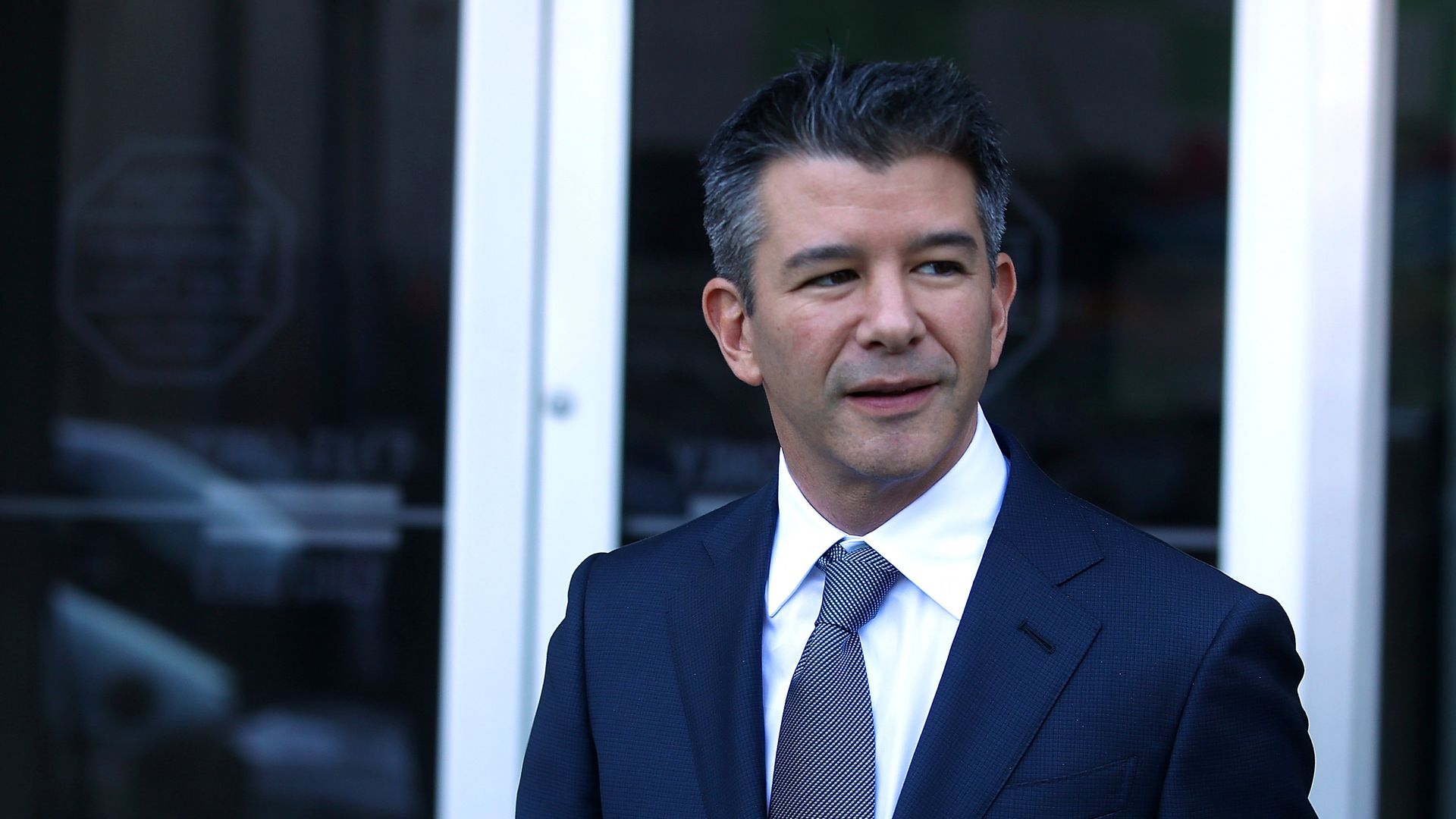
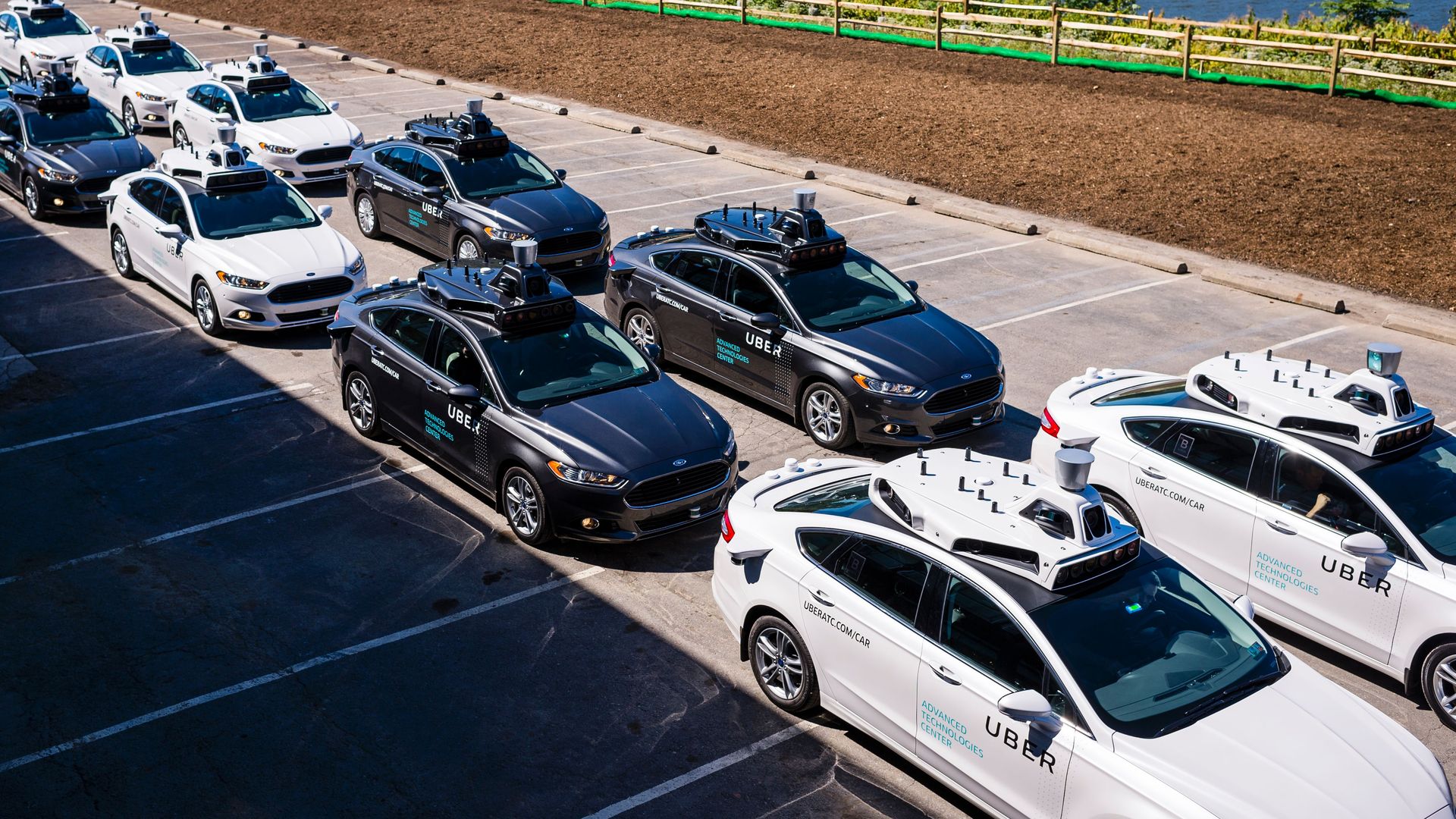
Former Uber CEO Travis Kalanick will be a chief executive again — this time of City Storage Systems, "a holding company focused on the redevelopment of distressed real estate assets in the areas of parking, retail and industrial," if all goes to plan, according to his Facebook page.
Why it matters: Kalanick resigned from Uber last June amid a flurry of scandals, raising questions about how he'll occupy his time now. Recently, he announced the debut of a fund, 10100, which has acquired a controlling stake in City Storage Systems.
Facebook is expected to meet with state Attorneys General from across the country on Thursday to address growing concerns over the Cambridge Analytica issue.
Why it matters: Two state AGs, New York's Eric Schneiderman and Massachusetts' Maura Healey, have said they are investigating Facebook's actions.
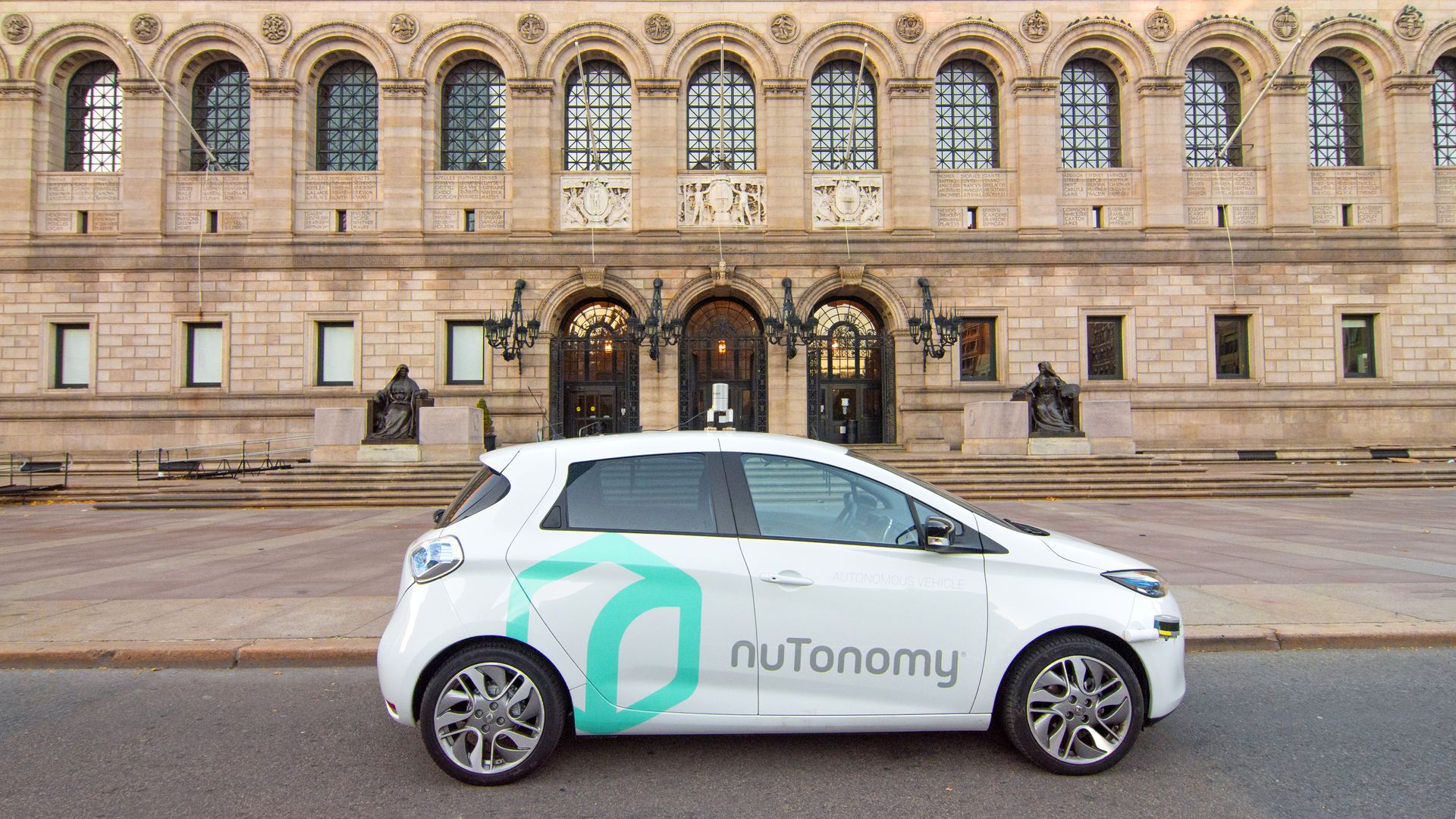
Following the death Sunday of a pedestrian struck by an Uber self-driving car, some companies are halting their own autonomous vehicle testing, Among those who is halting testing is nuTonomy, which says it did so at the request of the city of Boston. Uber also halted its testing, as has Toyota, per Bloomberg.
Why it matters: The first death caused by a self-driving car was sure to shake up the industry, despite arguments that self-driving cars are significantly safer than humans behind the wheel.
Investors are beginning to sour on some of the biggest tech companies since weekend revelations that data firm Cambridge Analytica improperly accessed 50 million users' data through Facebook's platform. Stock prices were down for Facebook and its competitors — Google, Twitter, Snapchat — in light of the quickly-evolving scandal.
Why it matters: Calls for tighter regulation around user privacy and data transparency could completely upend the powerful business models around tech that have for years served as lucrative investment opportunities. This is the first time investors have reacted this strongly to a controversy around user privacy or election manipulation. Shares remained high for most of these firms throughout the Russia probe.
Amazon is now the world's second most valuable company, surpassing Alphabet, the parent company to Google, and falls just behind Apple who leads the list, CNBC reports.
Why it matters: Amazon has gained the interest of investors who foresee the company's expansion and cloud computing business as a drive of revenue to build more data centers, warehouses, and physical stores along with original content. The online giant climbed to 2.4% raising its stock market value to $766.3 billion. Alphabet dropped 0.5% decreasing it value to $762.7 billion, per CNBC.
Why it matters: Lots of people want answers, including Facebook's employees, and the company's top two executives have remained conspicuously silent thus far.
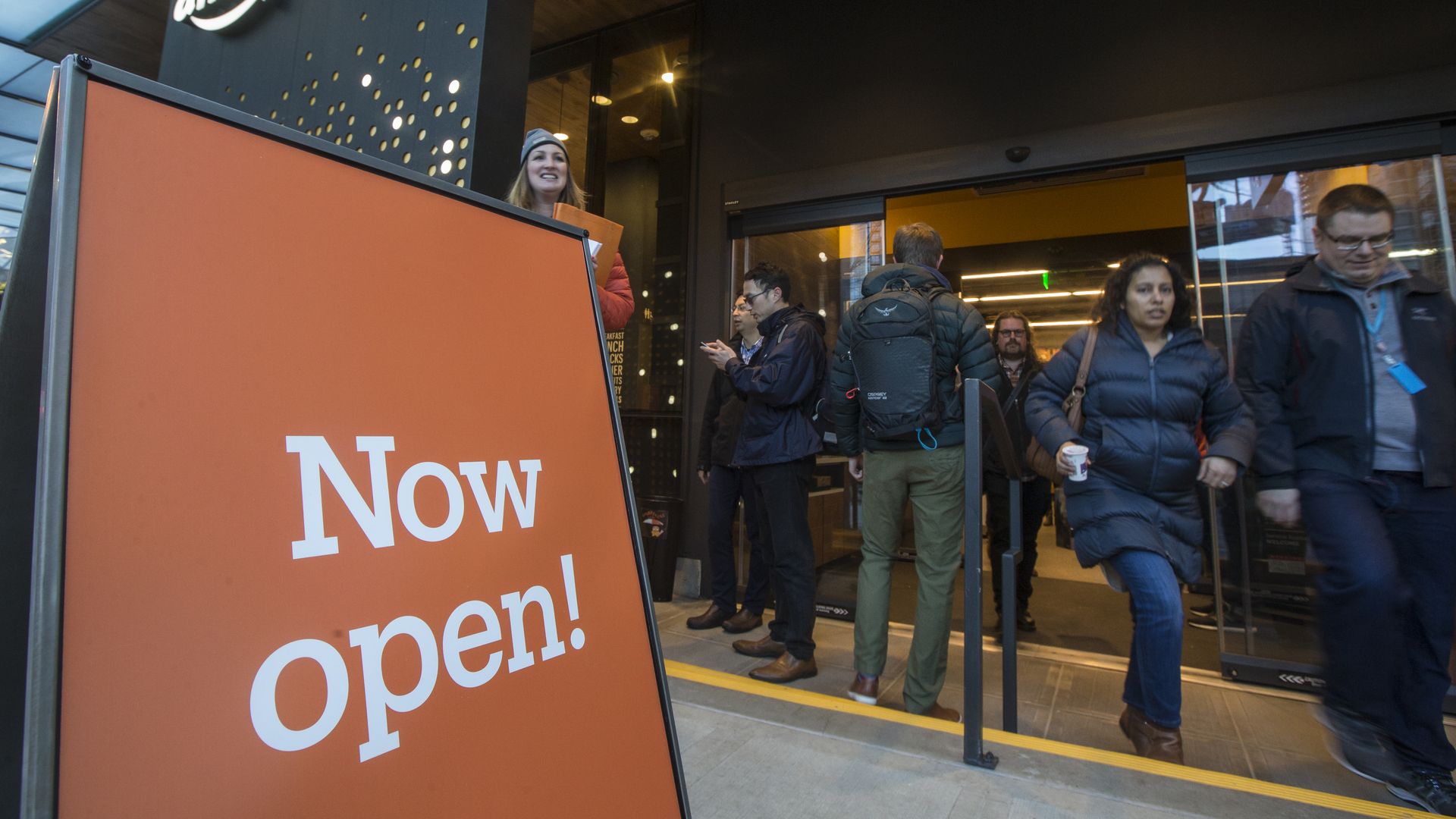
With Toys "R" Us, Inc. going bankrupt and looking to sell its brick and mortar locations, Amazon has lined itself up as a potential buyer, Bloomberg reports. Amazon would use the vacant buildings for its own purposes, but it's not clear what those would be.
Why it matters: Amazon is already one of the dominant online retailers in the world, but a physical store could expand its footprint even more. It'd also be Amazon's second big move in the brick and mortar business after it purchased Whole Foods in 2017.
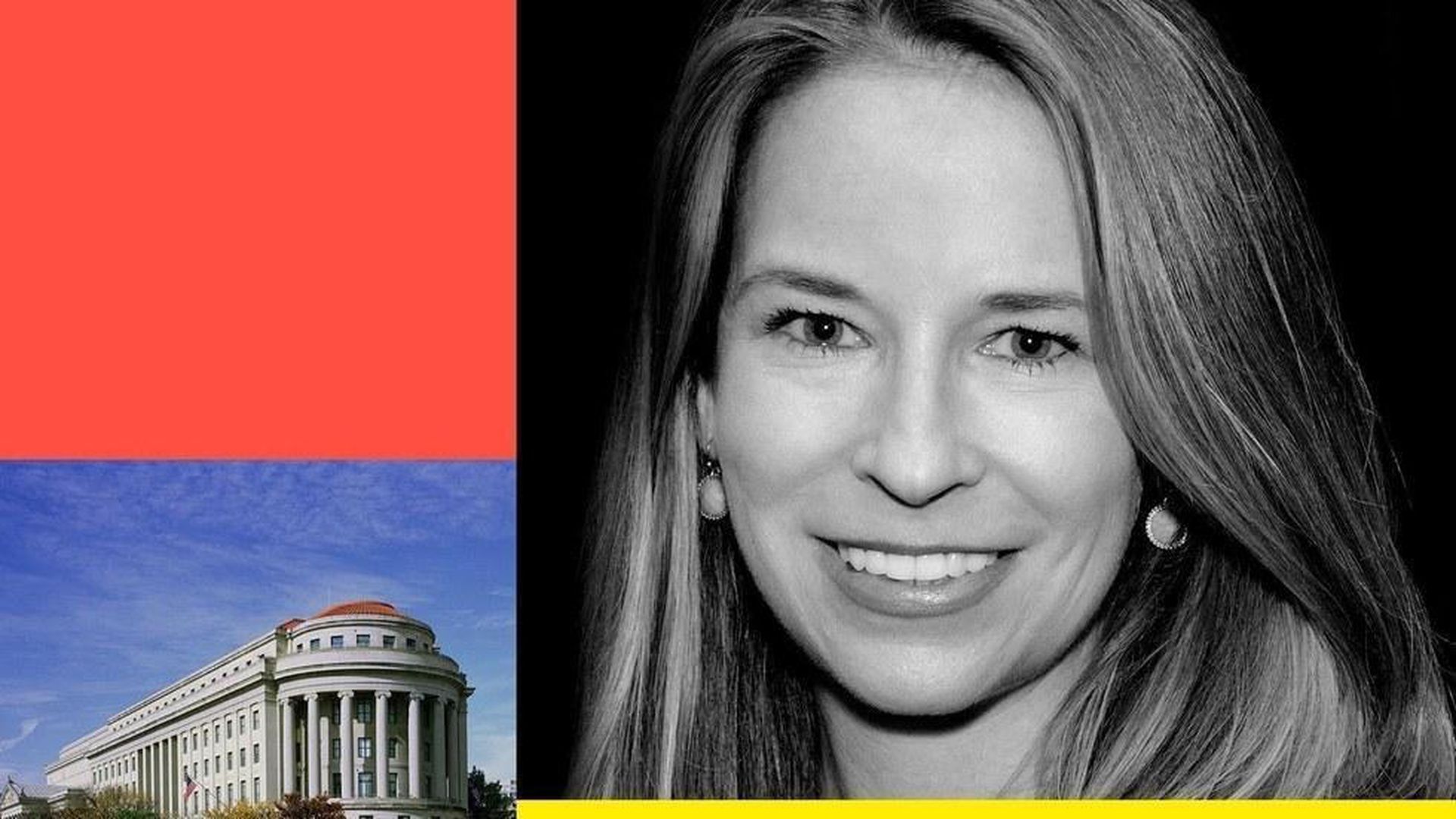
FTC Commissioner Terrell McSweeny says that the recent revelations regarding Facebook "highlight the limited rights Americans have to their data" and called for stronger data security and privacy laws.
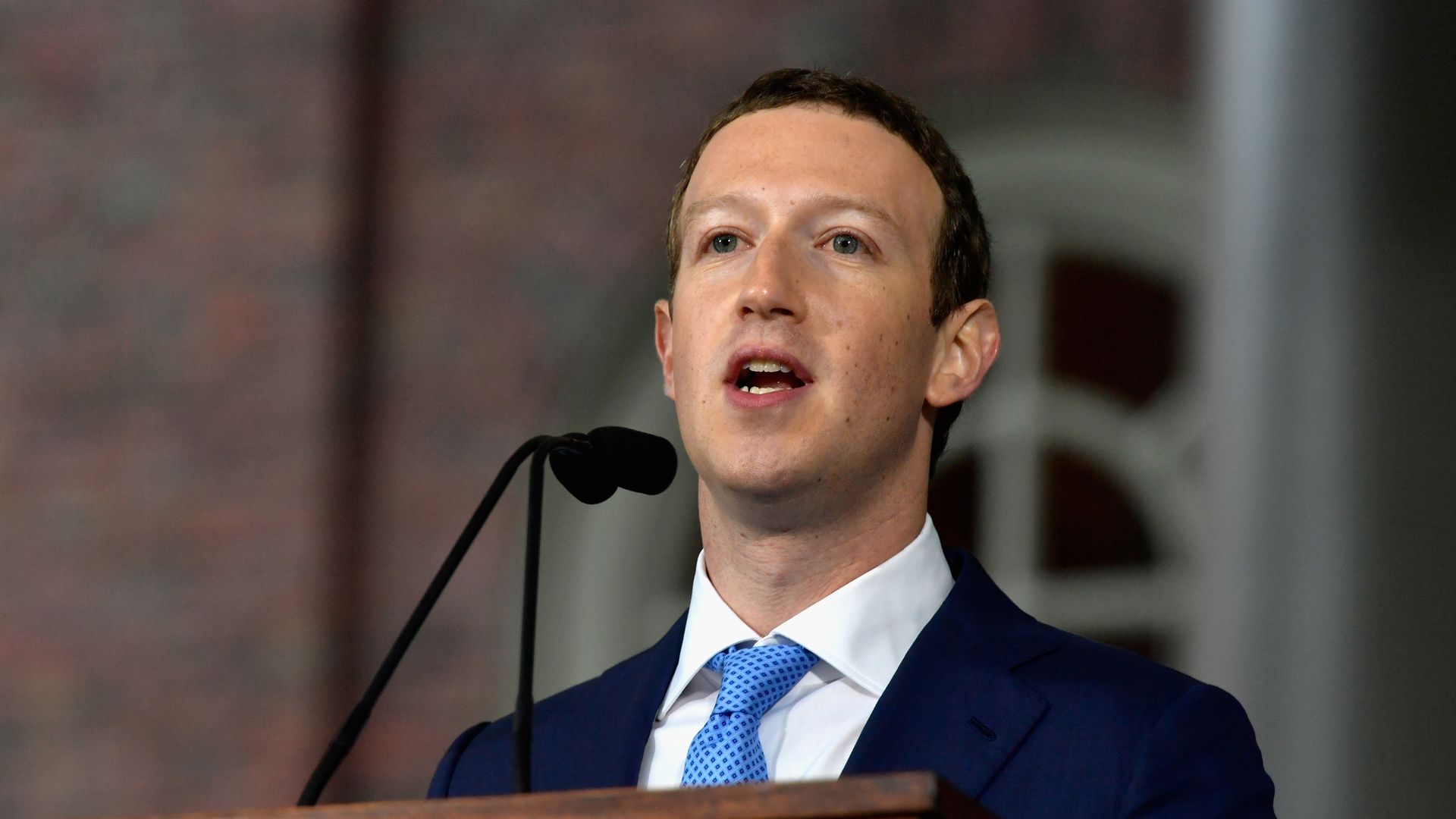
Facebook will brief a spate of congressional committee staffers this week on the scandal over Cambridge Analytica's improper gathering of data on millions of users.
Why it matters: The social giant is trying to contain the controversy that has led to renewed calls for regulation of its service and a sizable drop in its share price. It's reportedly holding an emergency meeting for employees today.
Facebook has now lost around $64 billion in market value since weekend revelations that 50 million users had their data improperly accessed by a Trump-linked analytics firm.
Shares were off another 5.6% as of noon Tuesday.
Bottom line: Increased calls for new user privacy regulations could upend the entire social media business model, and create massive ripples for other businesses that rely on that model for their own marketing efforts. That's a big reason why the Dow fell 1.4% yesterday, even though Facebook isn't actually part of the Dow.
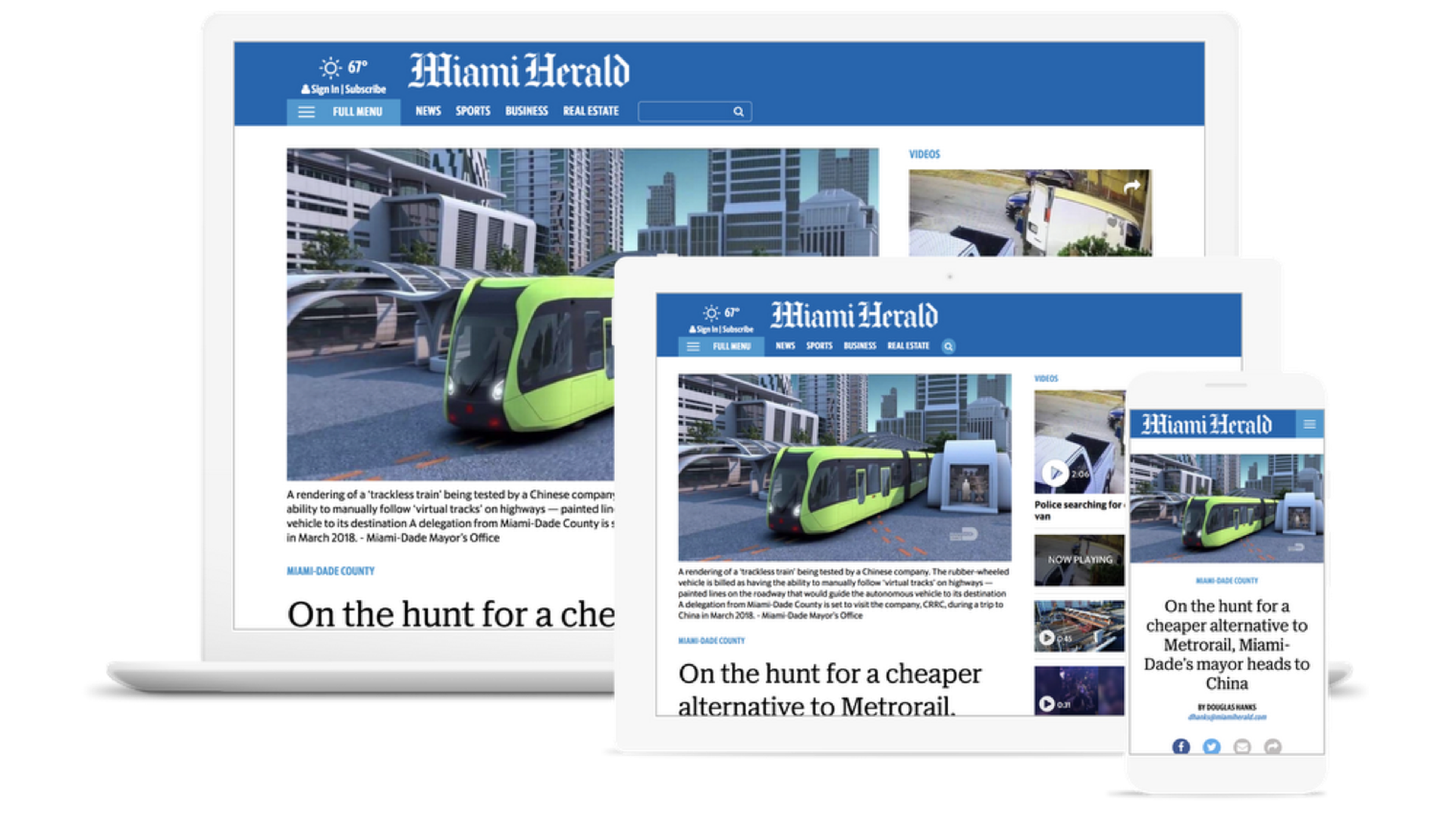
Google is launching a new program called "Subscribe with Google," that will elevate news articles to subscribers on Google search and AMP and will create a seamless sign-in and payment flow for readers to be able to more easily to subscribe to more news.
Why it matters: The efforts comes as publishers look to bolster their subscription efforts, since their traditional revenue stream — digital advertising — has become monopolized by tech giants, mainly Google and Facebook.
Google is launching the Google News Initiative (GNI), in an effort to help journalism thrive in the digital age. The tech giant says it’s committing more than $300 million over the next three years toward building products that address the news industry’s biggest needs, like driving building sustainable business models and elevating quality journalism.
Why it matters: Publishers have struggled to navigate distribution and content partnerships with Google, Facebook and other open platforms because the economic dynamics of those relationships often didn’t fall in favor of those who own the content. As a result, these companies suffered reputational damage for not being perceived as caring enough about fake news, misinformation and the survival of real journalism.
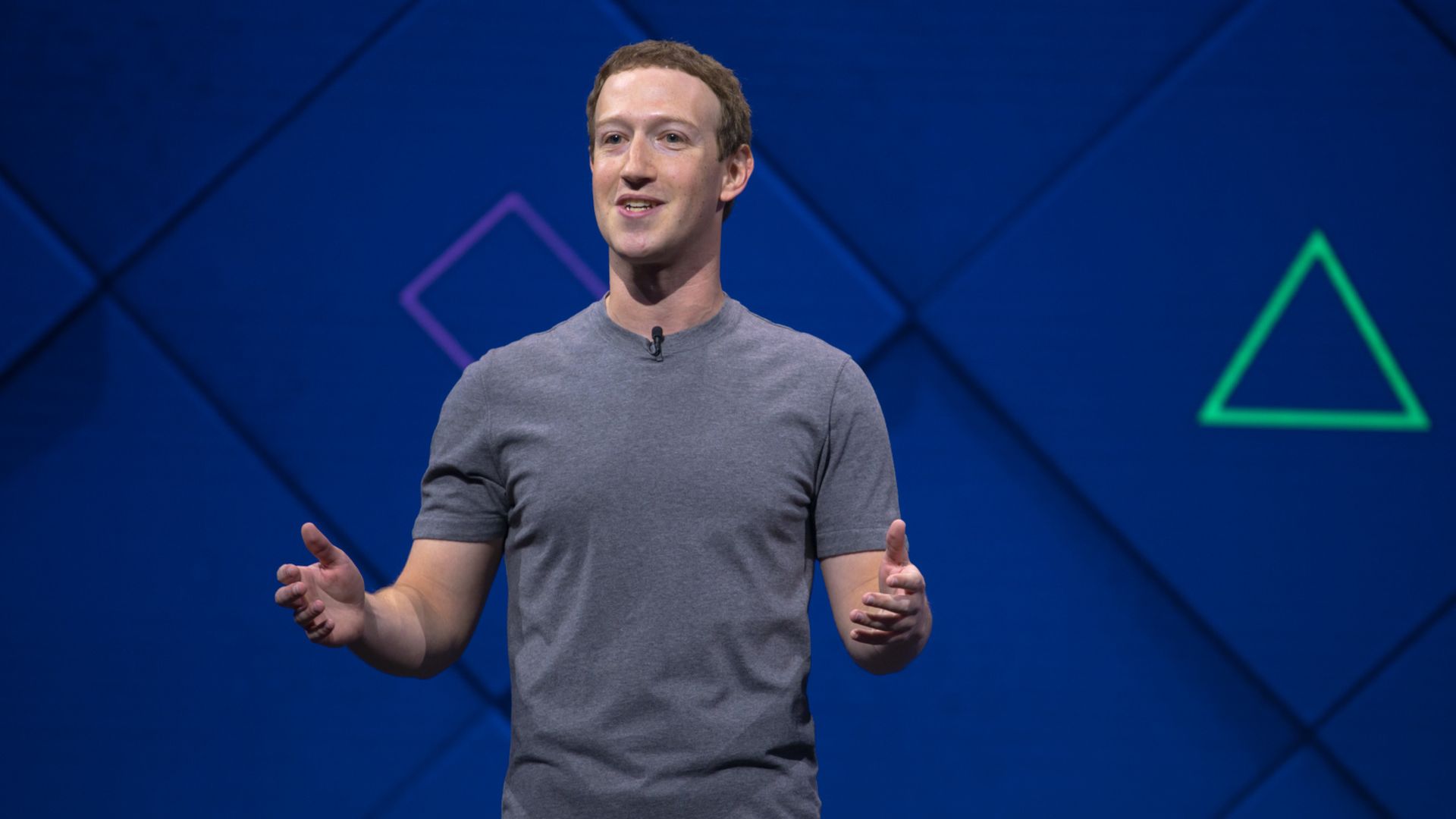
Facebook is holding an emergency company-wide meeting for its employees to ask questions about Cambridge Analytica's data harvesting, reports The Verge. The tech giant is under fire after the New York Times and The Guardian reported that Cambridge Analytica exploited third-party apps on the platform to compile user data in violation of Facebook's terms of service.
Why it matters: This is the first time the company is allowing it's employees to voice their concerns on Cambridge Analytica. And, as Axios' own Sara Fischer tells me, expect Facebook to make it a production:
"The company just had an all-hands when I was out there a few weeks ago. They put hundreds of chairs in the middle of their courtyard with a stage and full AV. They go big in their internal meetings."
Add on one more headache for Facebook: Now the Federal Trade Commission is looking into whether Facebook violated terms of a prior settlement regarding how it uses personal data, Bloomberg reports. The Washington Post reported over the weekend that the Cambridge Analytica scandal may have violated those settlement terms.
Why it matters: The revelations about how Cambridge Analytica used Facebook user data has thrown Facebook into chaos. An FTC probe adds fuel to the firestorm as lawmakers are already calling for Facebook executives to testify in front of Congress.
It's finally happened. A self-driving car has hit and killed a pedestrian, a scenario everyone in and out of the industry knew would eventually happen. Uber, which operated the car in question, has put on hold its self-driving car effort in three cities and the NTSB is investigating.
So now what? This leads to a multitude of questions that need answers — plus the warning that there are two big mistakes that we could make as a society in dealing with self-driving cars.
Of all the news crises Facebook has faced during the past year, the Cambridge Analytica scandal is playing out to be the worst and most damaging.
Why it matters: It's not that the reports reveal anything particularly new about how Facebook's back end works — developers have understood the vulnerabilities of Facebook's interface for years. But stakeholders crucial to the company's success — as well as the public — seem less willing to listen to its side of the story this time around.
Carmakers and tech companies are likely to considerably delay their rollout of fuller autonomous driving after the death of a pedestrian who was run over by a self-driven Uber, said Barclays analyst Brian Johnson.
What they're saying: In a note to clients, Johnson said the late Sunday night accident in Arizona shows that, while carmakers may be 90% or even 95% of the way to optimizing autonomous technology, "it’s the last 5-10% which is the toughest to achieve."
Europeans view privacy as a human rights issue, leading regulators there to be much more skeptical of data-driven businesses like social media. Americans are also beginning to worry about how data is used on some platforms like Facebook, particularly after news of the Cambridge Analytica scandal broke this weekend.
The big picture: Europe's history and culture plays a large role in shaping its views toward privacy. Granted, this history has to do with government access to personal information, but it's since extended to businesses.