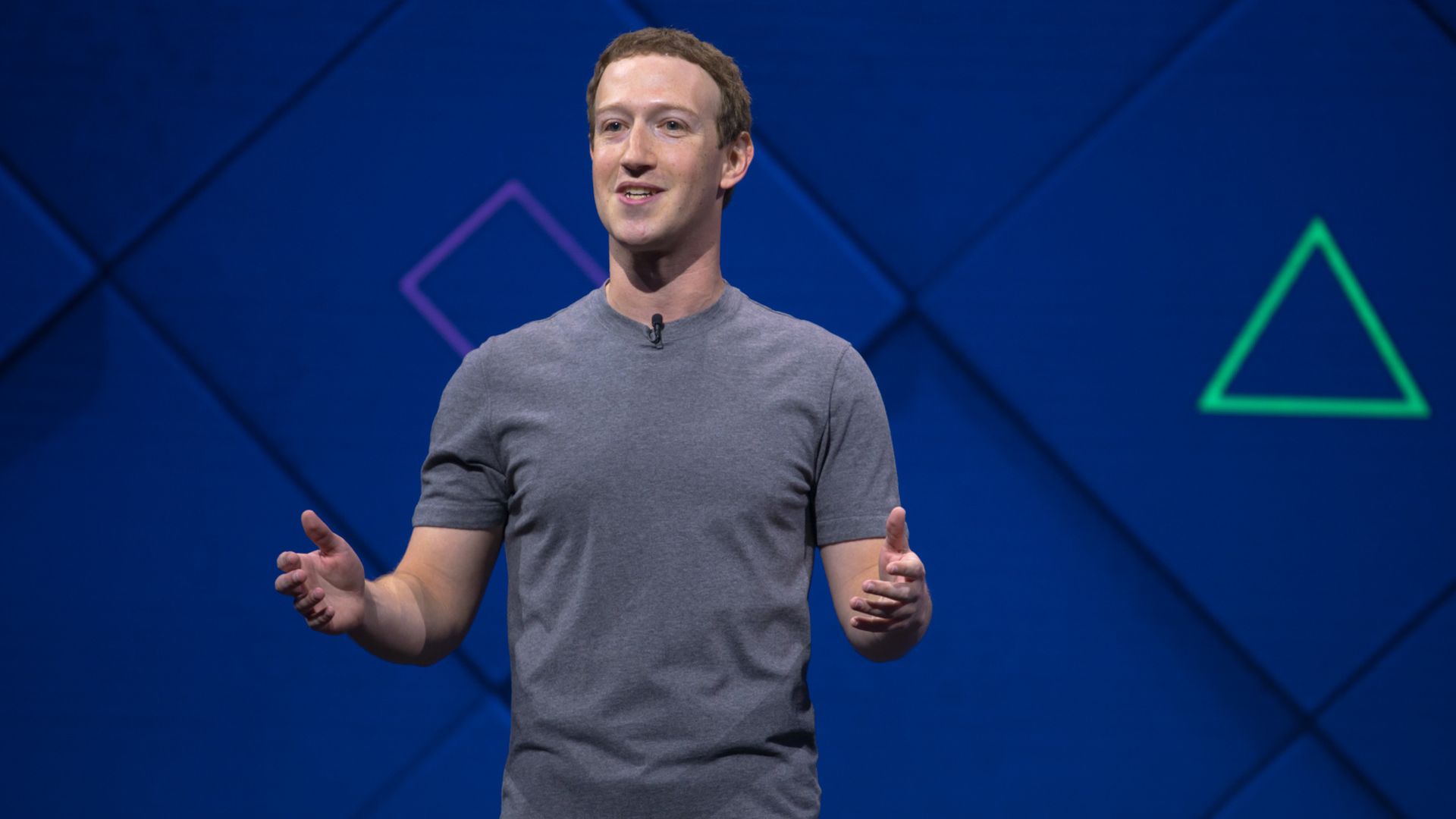
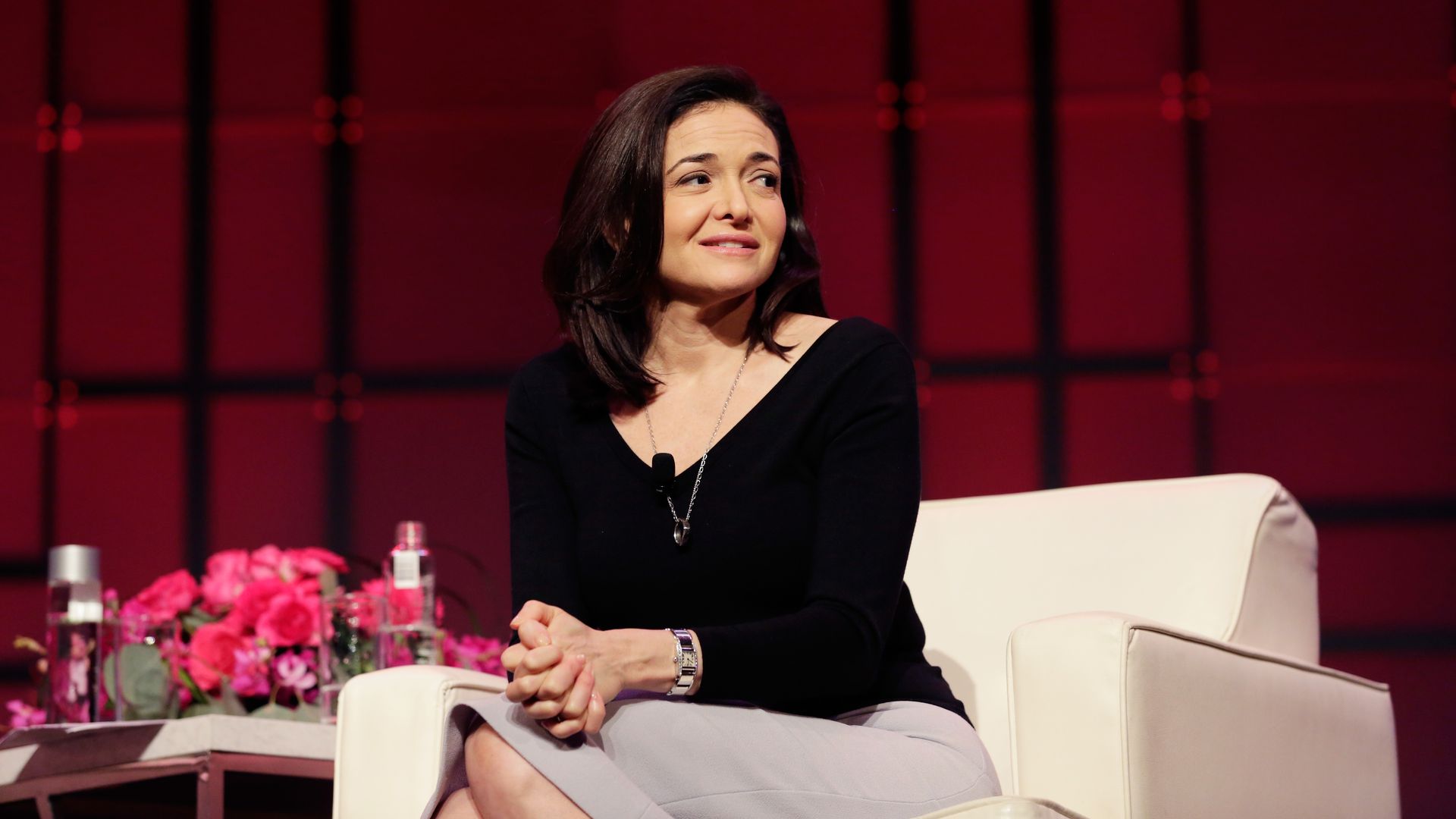
Facebook COO Sheryl Sandberg told CNBC's Julia Boorstin that if she "could live this week again," she would speak sooner on the relationship with Cambridge Analytica.
What she said: Sandberg said she could not guarantee more breaches wouldn't come to light, saying "there will always be bad actors." She also told Boorstin the company is "open to regulation," echoing Facebook CEO Mark Zuckerberg's sentiment that this was a breach of trust with users.
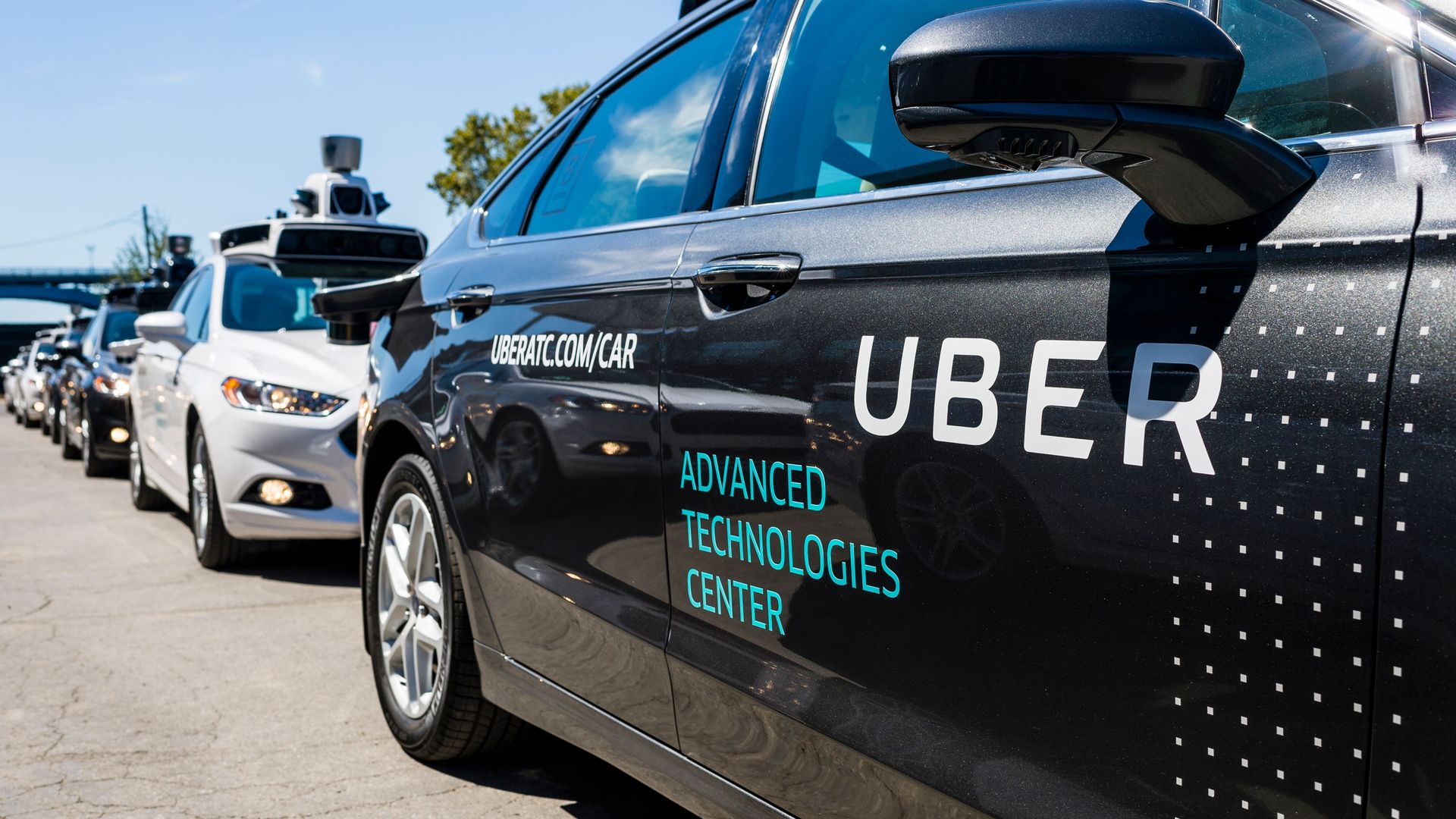
Experts say the self-driving Uber vehicle that struck and killed a pedestrian on Monday morning may be at fault, the AP reports. Bryant Walker Smith, a University of South Carolina law professor who studies self-driving cars, told the AP "The victim did not come out of nowhere. She’s moving on a dark road, but it’s an open road, so Lidar and radar should have detected and classified her."
Why it matters: This is the first fatality involving a full autonomous test vehicle, and Uber has halted road testing of its vehicles. Tempe Police Chief Sylvia Moire said the vehicle likely wouldn't be found at fault in the crash. But Smith's analysis paints another picture.
Leaders of the House Energy and Commerce Committee, which oversees technology issues, are calling on Mark Zuckerberg to testify on the Cambridge Analytica data-harvesting scandal.
Why it matters: The calls are growing for Zuckerberg to answer Congress's questions publicly about how user data was accessed improperly by a data analytics firm. Zuckerberg gave a handful of media interviews Wednesday evening — during which he stated a willingness to talk to Congress.
Blade, a short-distance aviation company known for helicopter rides from airports into city centers, has raised around $38 million in new funding from backers that include Airbus and real estate company Colony NorthStar.
Why it matters: Blade is more focused on transportation infrastructure than any particular type of vehicle, and believes its landing zones will eventually be used by eVTOLs (a.k.a. flying taxis).
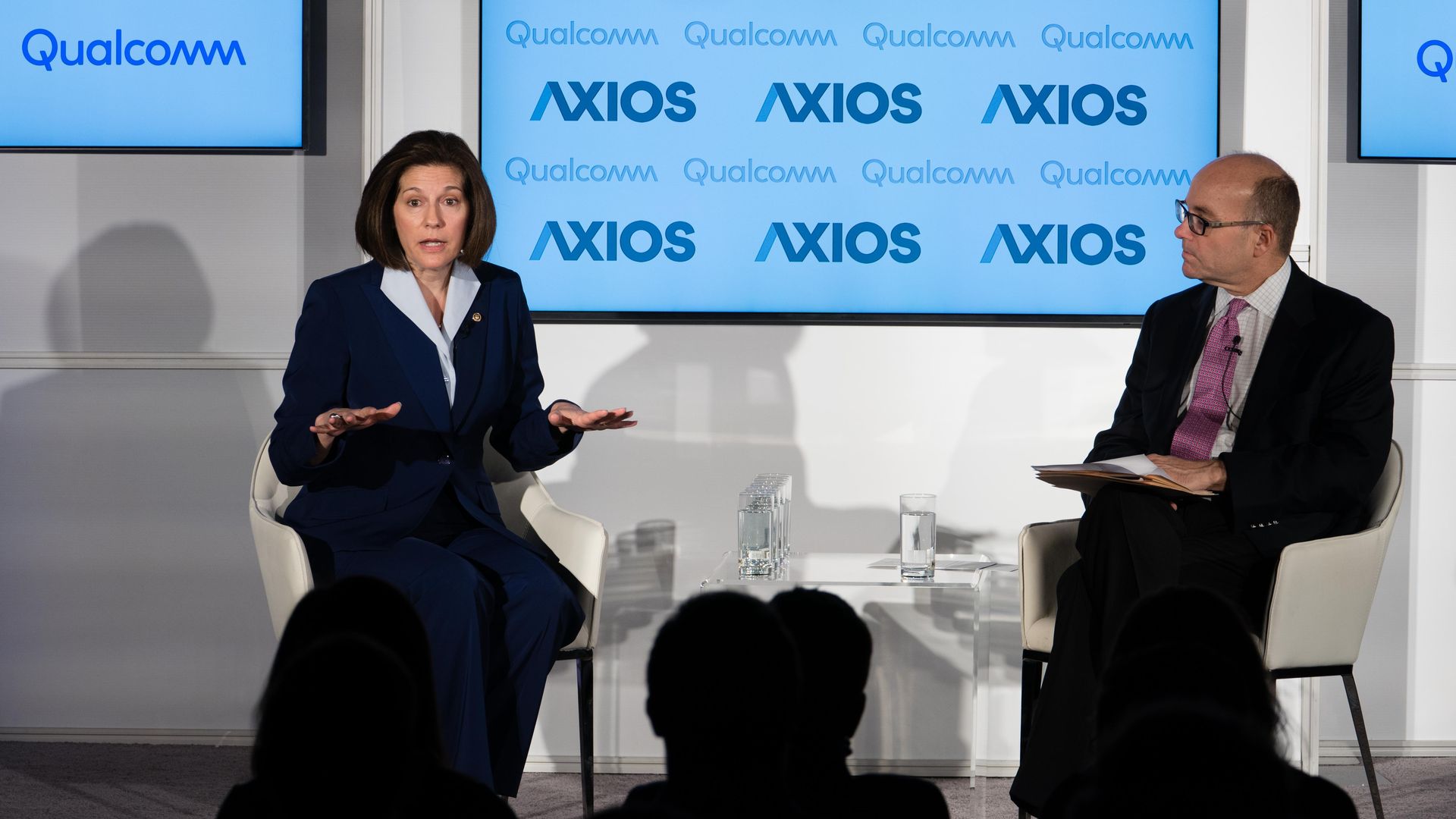
Nevada Sen. Catherine Cortez Masto said safety has to be a key component of new technological advances as they transform U.S. cities.
Why it matters: Citizens' safety is a primary concern as technology marches toward replacing humans in a number of different functions in our cities, such as driving. New attention has been drawn to this this issue by this week's fatal crash involving an autonomous vehicle in Arizona.
Former FTC consumer protection enforcers say Facebook's response to the Cambridge Analytica scandal won't be enough to keep federal investigators at bay.
Why it matters: European and U.S. officials are probing Facebook over the situation and have the ability to levy big fines on the company — and further damage its reputation.
Anti-sex-trafficking legislation heading for President Trump's desk that makes it easier to sue platforms like Facebook and Google's YouTube could provide a template for a larger crackdown on malicious content.
Why it matters: After controversies over Russian election interference and data privacy, some in the industry seem to acknowledge that regulation may be coming. "I actually am not sure we shouldn't be regulated," Facebook CEO Mark Zuckerberg told CNN Wednesday night, answering questions about the Cambridge Analytica scandal.
The funding bill released Wednesday includes the Clarifying Lawful Overseas Use of Data [CLOUD] Act, which provides a legal framework for law enforcement to request data from overseas servers. The CLOUD Act currently sits high atop the wish list of tech firms, law enforcement and even foreign nations.
Why it matters: The Supreme Court is currently mulling a case determining whether the Department of Justice had the right to force Microsoft to produce client emails stored on a server in Ireland without permission from Ireland's government.
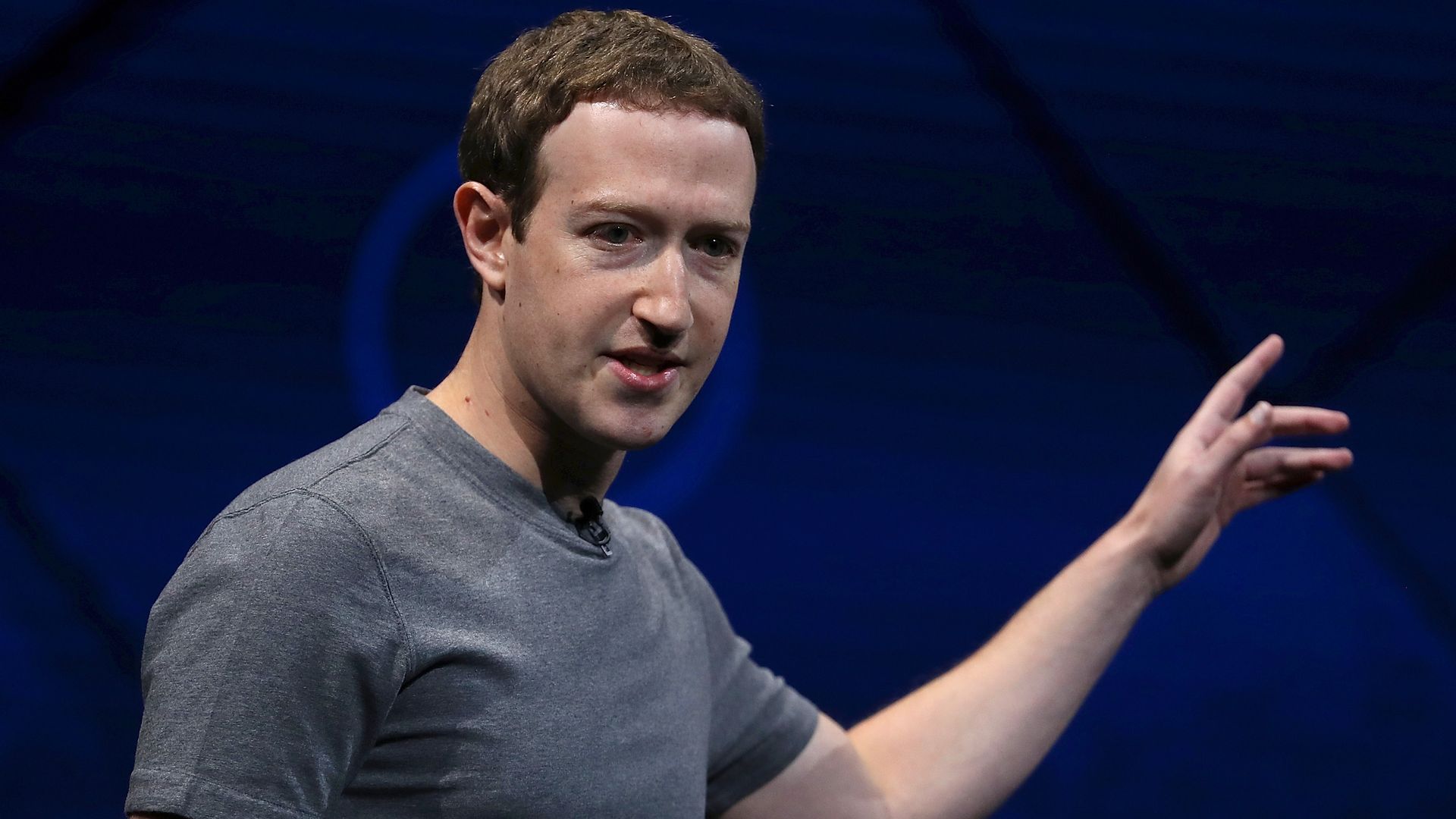
In a flurry of media interviews on Wednesday, Facebook CEO Mark Zuckerberg said he is willing to testify before Congress, that he can't guarantee that Russians didn't get their hands on Facebook user data and that he isn't sure Facebook shouldn't be regulated.
Why it matters: After remaining silent for several days, Mark Zuckerberg has given interviews with outlets including CNN, Wired, the New York Times and Recode. The interviews answer some, but definitely not all of the questions left unanswered by his earlier Facebook post.
Facebook CEO Mark Zuckerberg says he is "sorry" for the Cambridge Analytica situation and that it was a "mistake" to trust them or any app developers to delete data after signing a legal certificate. Asked in a CNN interview Wednesday night if they should have investigated further, Zuckerberg said, "I regret that I didn't do that at the time."
Why it matters: After five days of silence from its executives, Facebook has been under enormous pressure to respond to the Cambridge Analytica scandal. In the interview, Zuckerberg didn't say much beyond what he posted earlier Wednesday on his Facebook page, and those comments failed to satisfy lawmakers who want to further investigate the company's practices.
Facebook CEO Mark Zuckerberg said he would be "happy" to testify before Congress if it was "the right thing to do," in an interview with CNN's Laurie Segall.
Why it matters: Facebook has been under the microscope lately for what Zuckerberg called earlier today the "Cambridge Analytica situation." Zuckerberg said if he was the "person...who will have the most knowledge," then he'd be the one to testify in the face of Facebook's data-collection situation.






/2018/03/20/1521577614968.gif?w=3840)