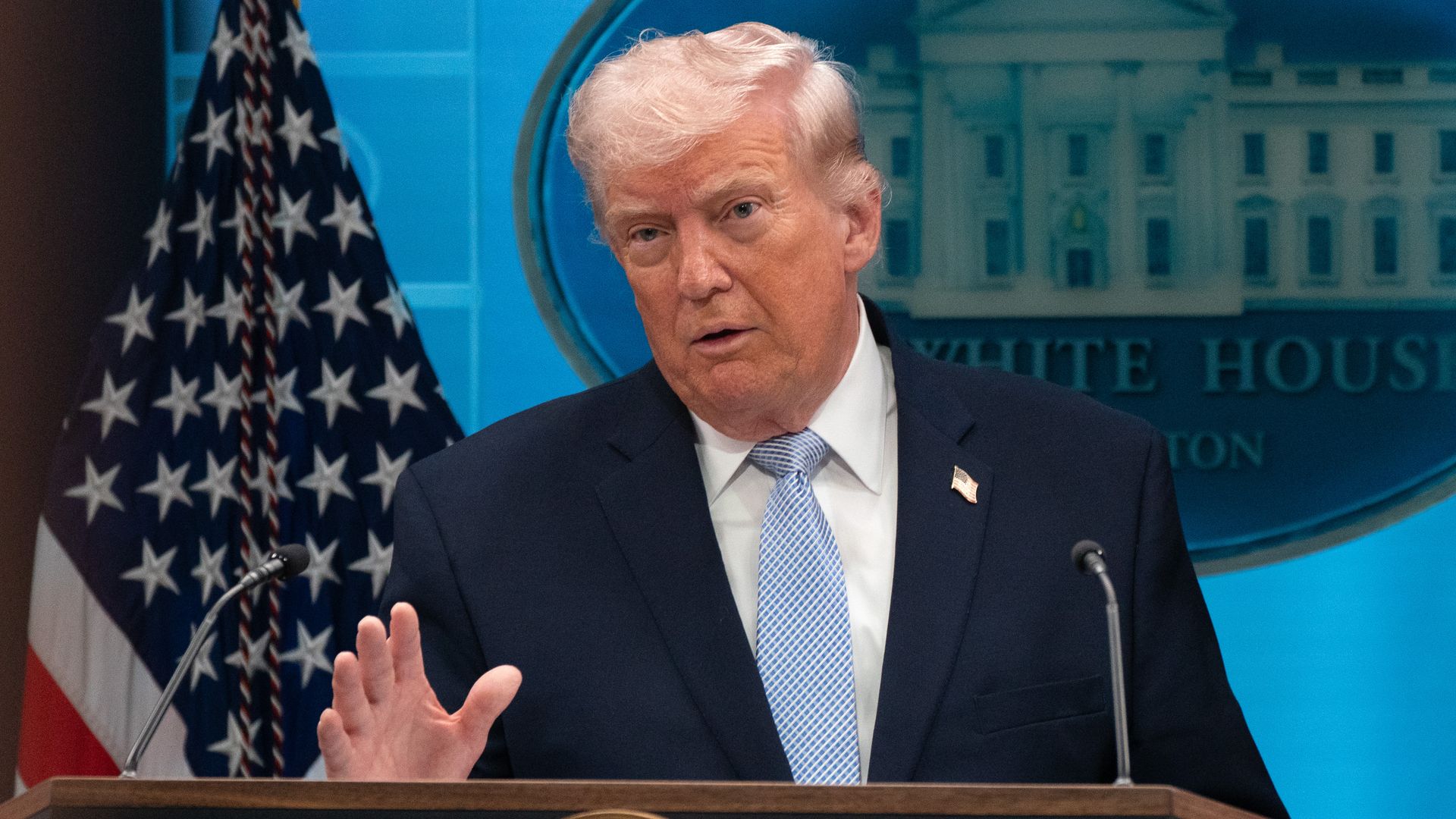
House Democrats are weighing whether or how the 25th Amendment might be used to remove President Trump after his recent threat to wipe out the entire Iranian "civilization."
Why it matters: The effort faces steep legal and political hurdles — and would require buy-in from Trump's own Cabinet.
A federal appeals court in D.C. on Wednesday denied Anthropic's request to pause enforcement of the Pentagon's designation of the company as a supply chain risk.
Driving the news: Anthropic sought the stay to fend off financial and reputational harm. The ruling comes after a federal judge in a San Francisco court last month granted the company a preliminary injunction keeping the administration from banning the use of Claude.
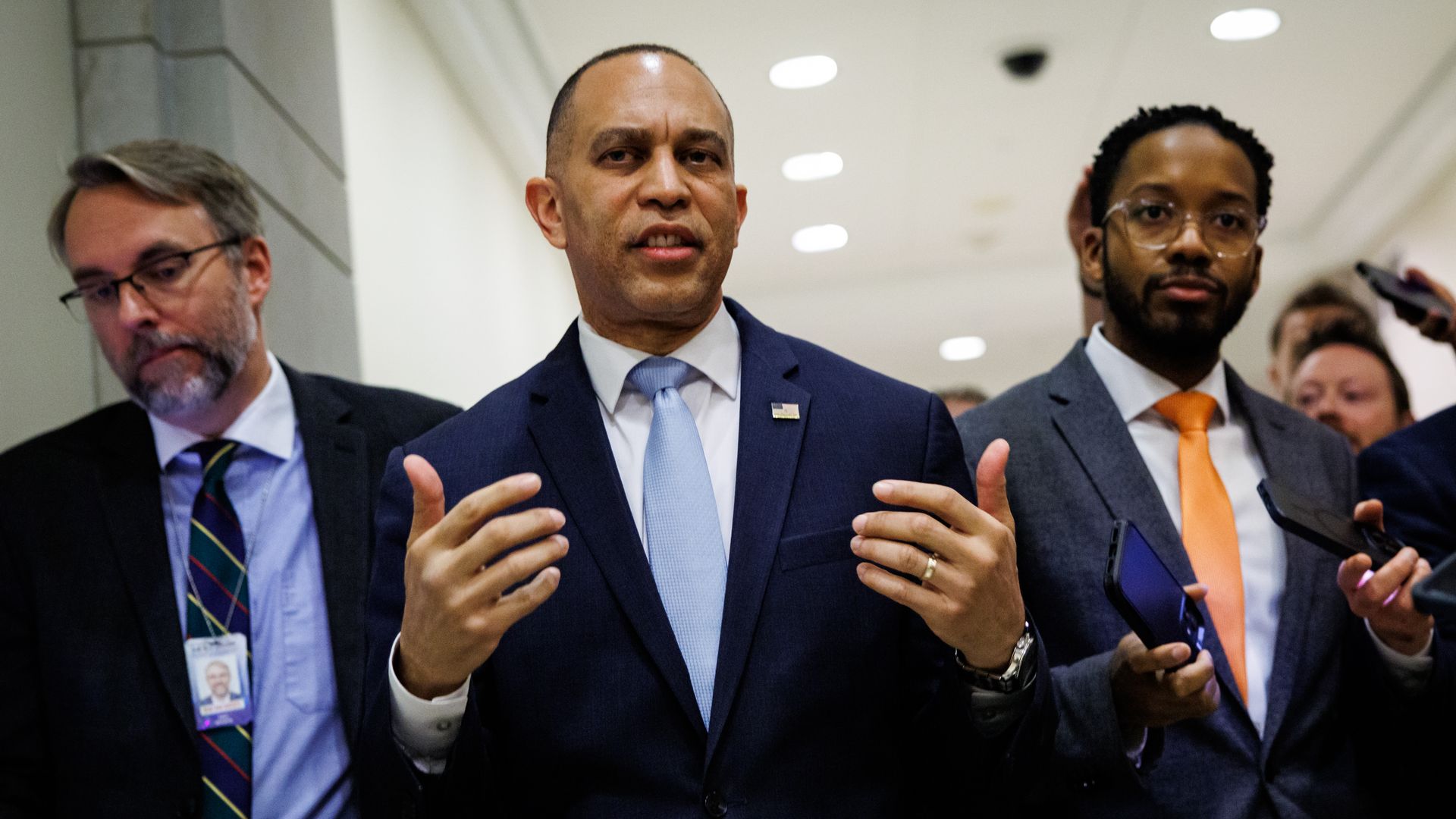
House Democratic leadership took a noticeable step Wednesday towards embracing a long-shot push to remove President Trump from office through the 25th Amendment.
Why it matters: The time it takes for Democratic leadership to yield to riled-up rank-and-file lawmaker demands is getting shorter and shorter.
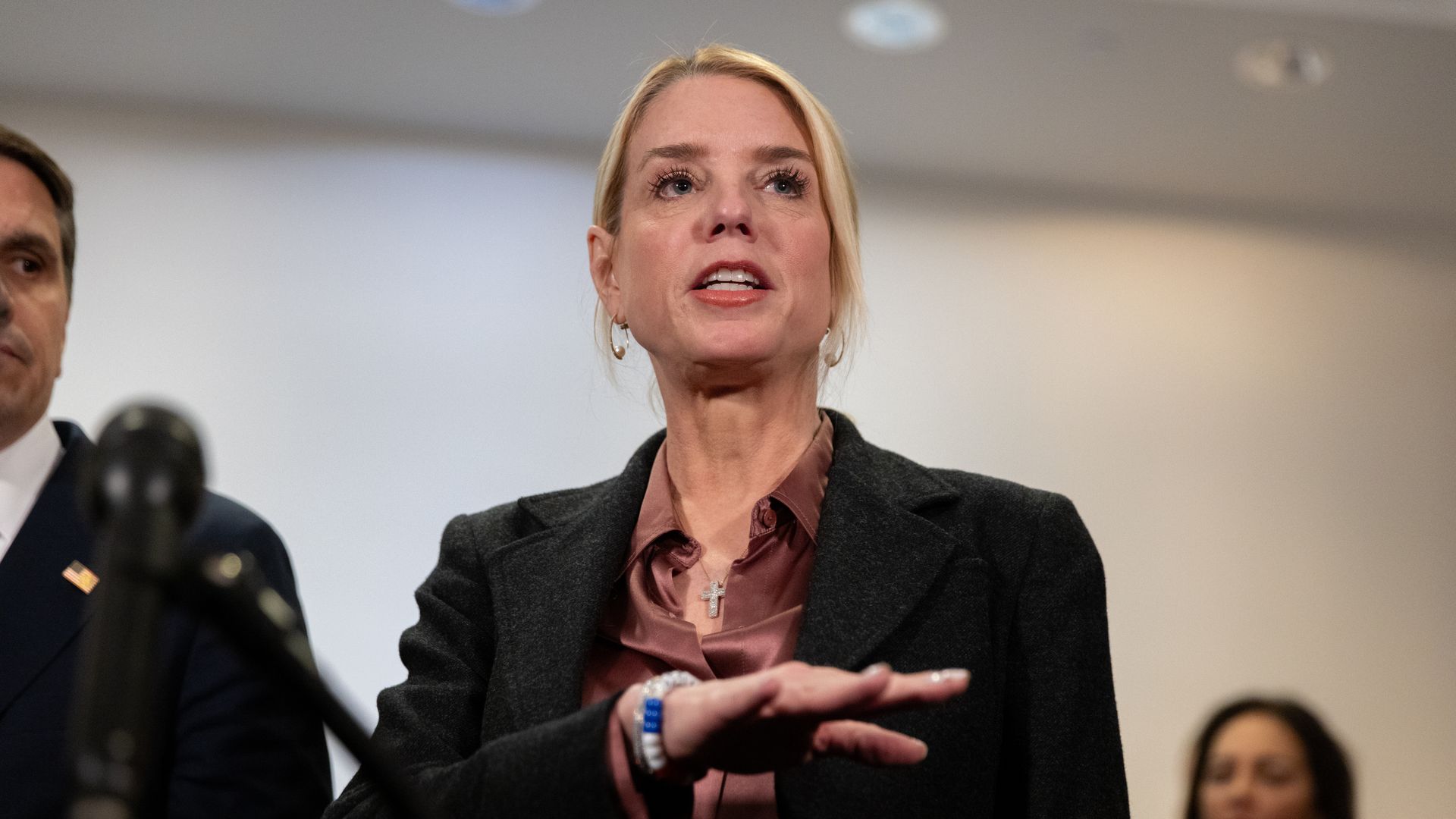
Former Attorney General Pam Bondi will not comply with a subpoena to appear before the House Oversight and Government Reform Committee next week for questioning on her handling of the Epstein files.
Why it matters: Lawmakers in both parties are frustrated with how the Justice Department handled the Epstein files and see Bondi's testimony as key to getting answers in their months-long investigation into Epstein.
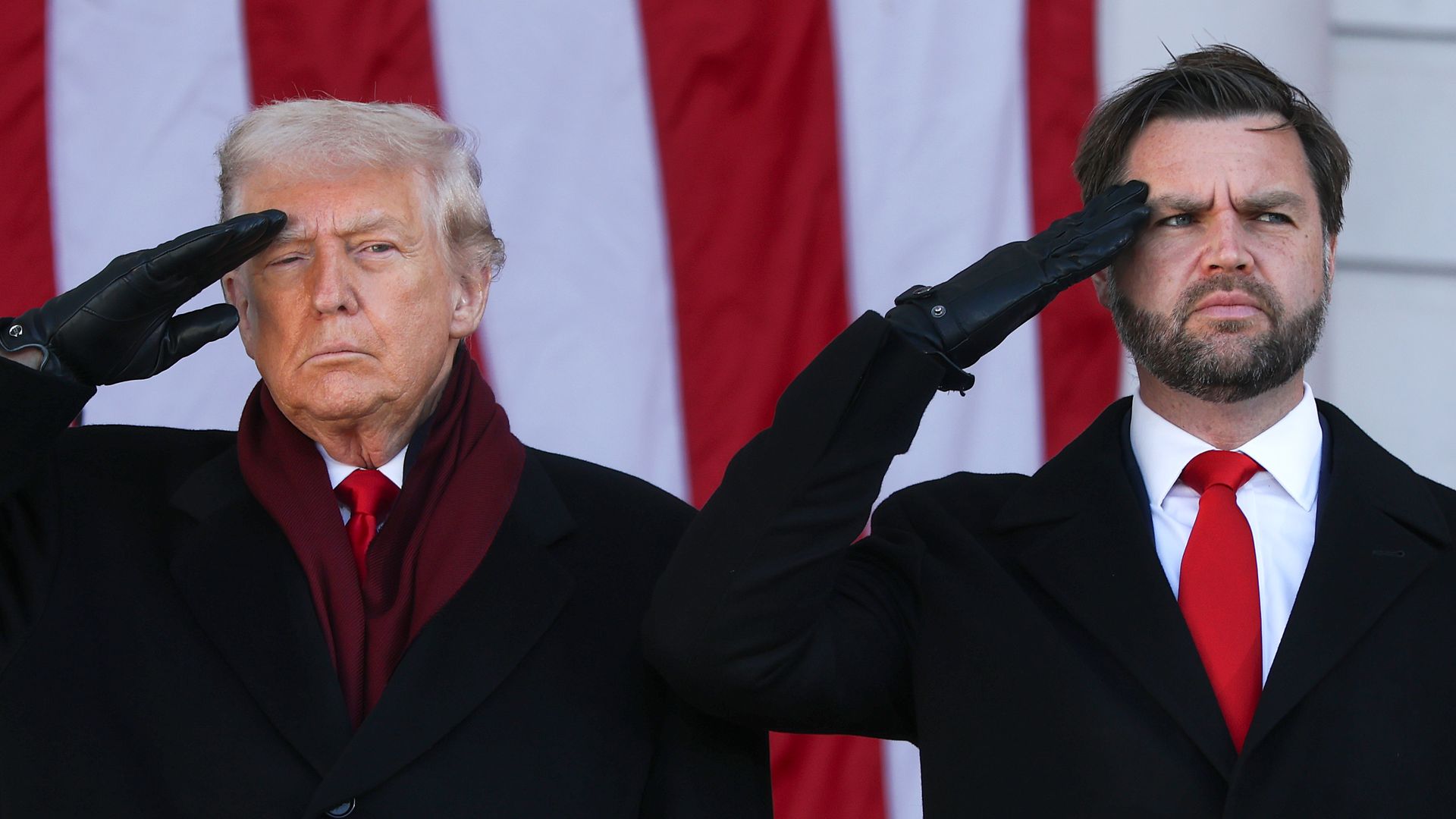
Vice President JD Vance will head the U.S. negotiating team for the peace talks with Iran on Saturday, White House press secretary Karoline Leavitt said on Wednesday.
Why it matters: It's the highest level meeting between the U.S. and Iran since the 1979 Islamic revolution, as ceasefire negotiations hit a crucial tipping point that could lead to the resumption and escalation of the war if the high-stakes talks fail.
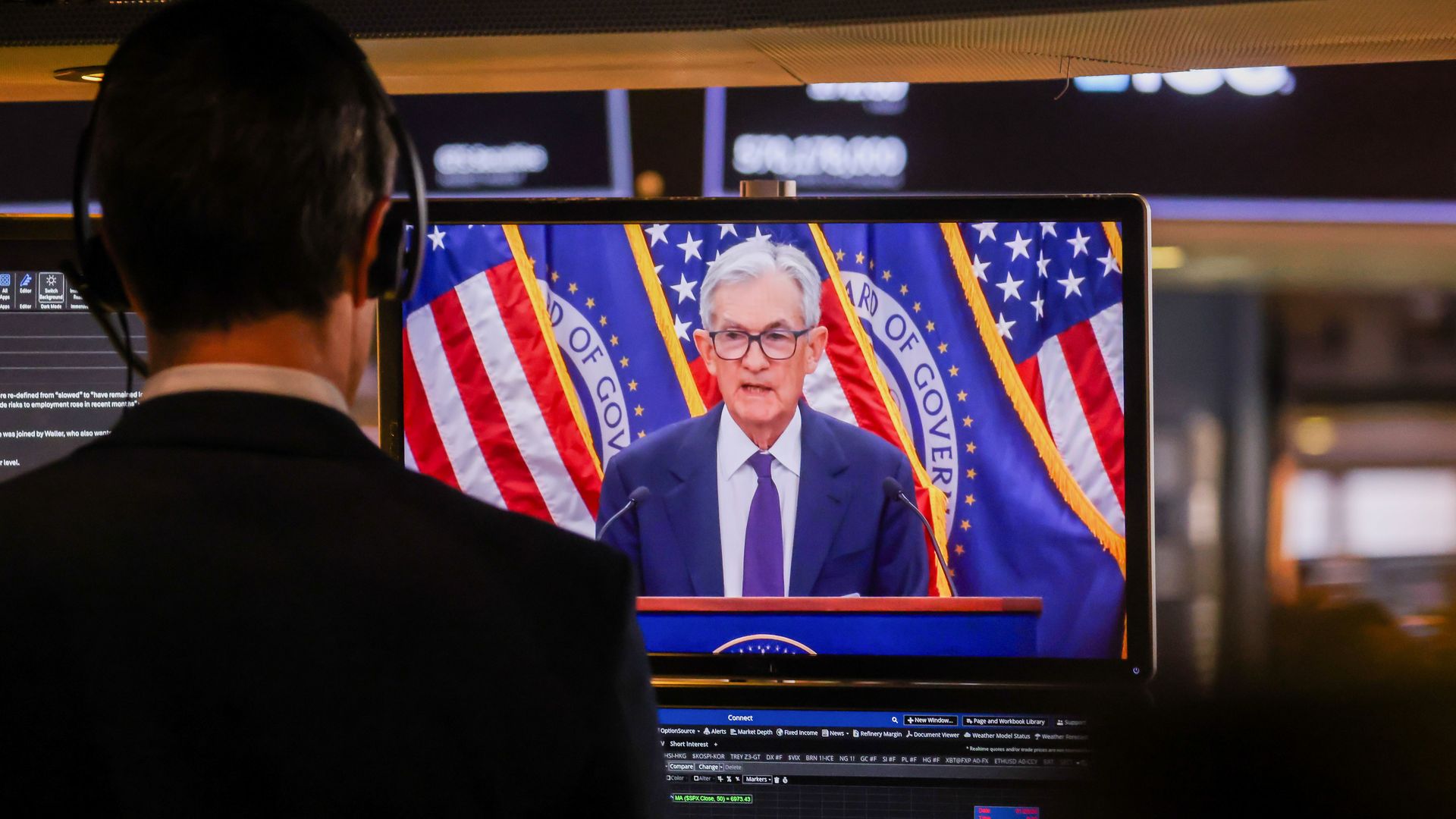
Some Federal Reserve officials wanted to keep interest rate increases on the table, given the stubborn inflation that was set to be amplified by the Iran war, according to minutes from the central bank's March 17-18 policy meeting, released Wednesday.
Why it matters: Even as many officials see rate cuts down the line, the prospect of increasing rates highlights the uncertainty about the path of borrowing costs this year.
Humira and Botox maker AbbVie is suing the Trump administration to get a clearer definition of who counts as an eligible patient in the government's discount drug program.
Why it matters: While it might seem like an arcane debate, drugmakers say an overly broad definition allows hospitals and other providers to bilk them for more discounted medications than they're due.
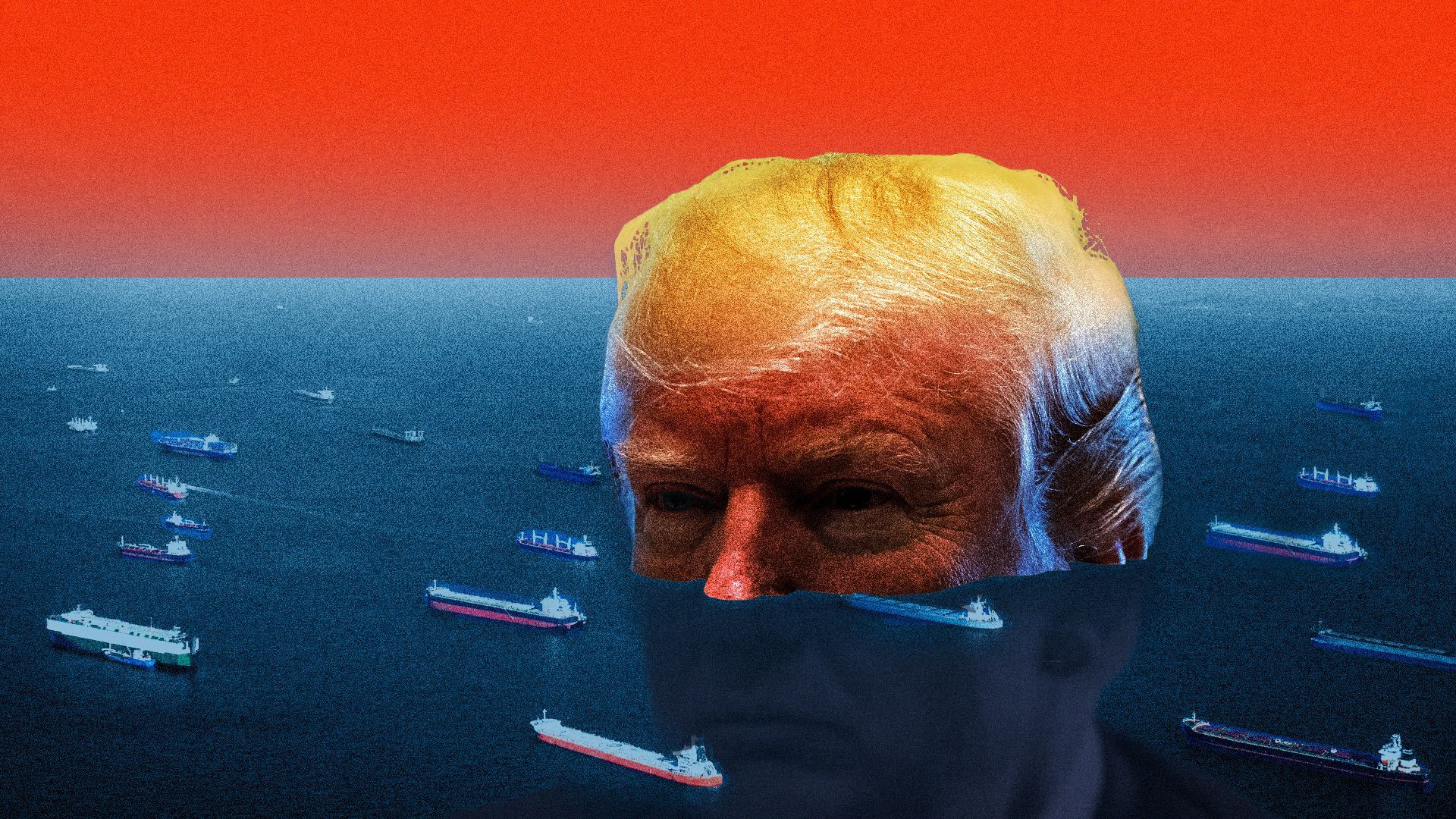
Iran agreed to reopen the Strait of Hormuz. But the economic fallout from five weeks of effective closure is just beginning.
Why it matters: Supply chains don't unsnarl overnight. The gloomiest forecasts for the U.S. economy from the war may not come to pass, but shortages and price shocks will continue to pinch the world for months.
Moreover, there's no certainty that the two-week ceasefire will turn into lasting peace.
The U.S., Israel and Iran agree that a ceasefire is now in effect, but they're contradicting each other and themselves in terms of what's actually been agreed to and what happens now.
Why it matters: Those differences will have to be reconciled at the negotiating table, beginning on Saturday in Islamabad. One thing everyone agrees on is that there is no guarantee this war is actually over.
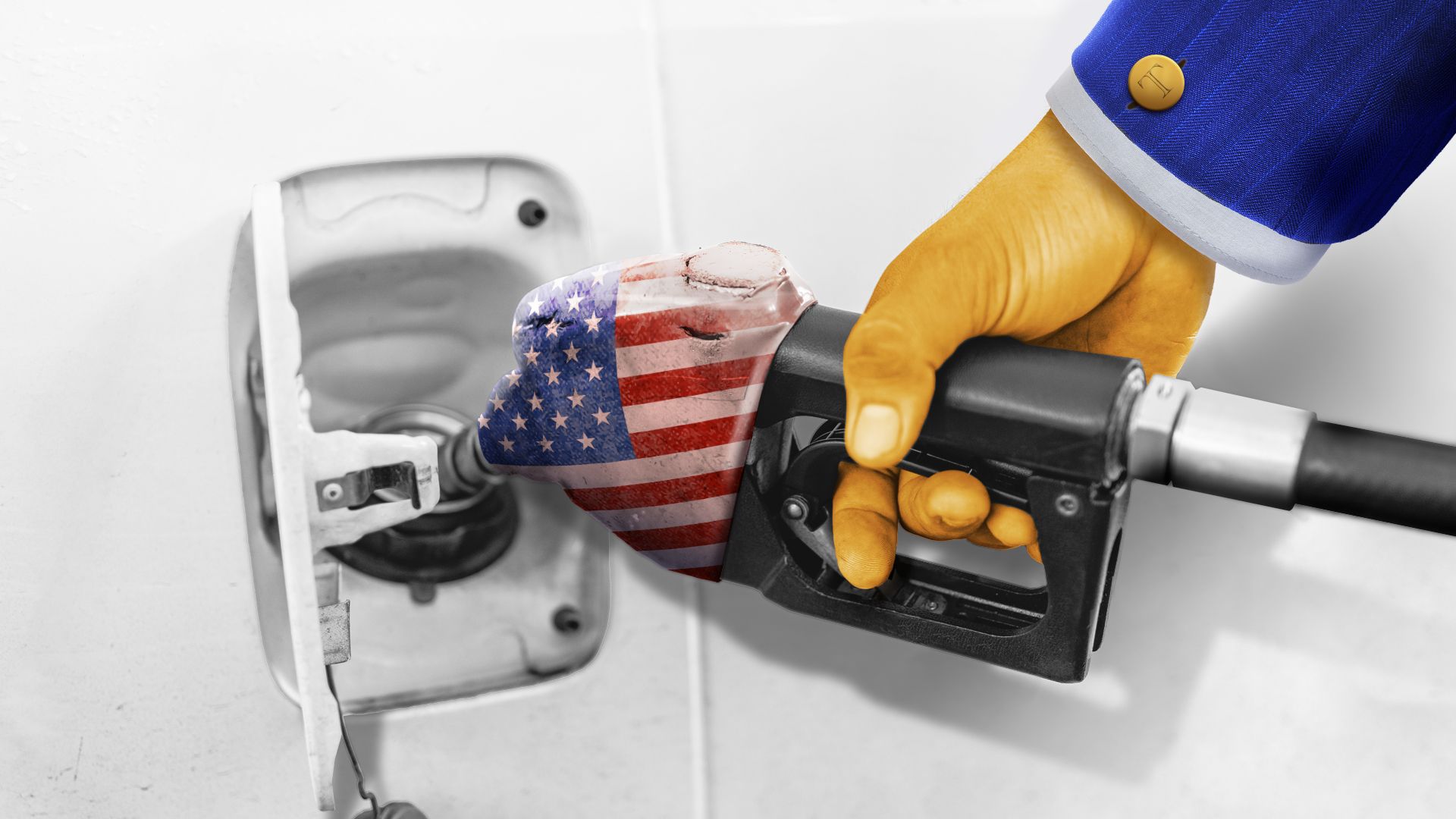
Gasoline prices could start reversing nationally in the next two days by dropping a few cents daily, GasBuddy head of petroleum analysis Patrick De Haan said Tuesday night.
Why it matters: Average U.S. gas prices have climbed more than 70 cents over the past month due to the Iran conflict, presenting a worsening political headache for President Trump.
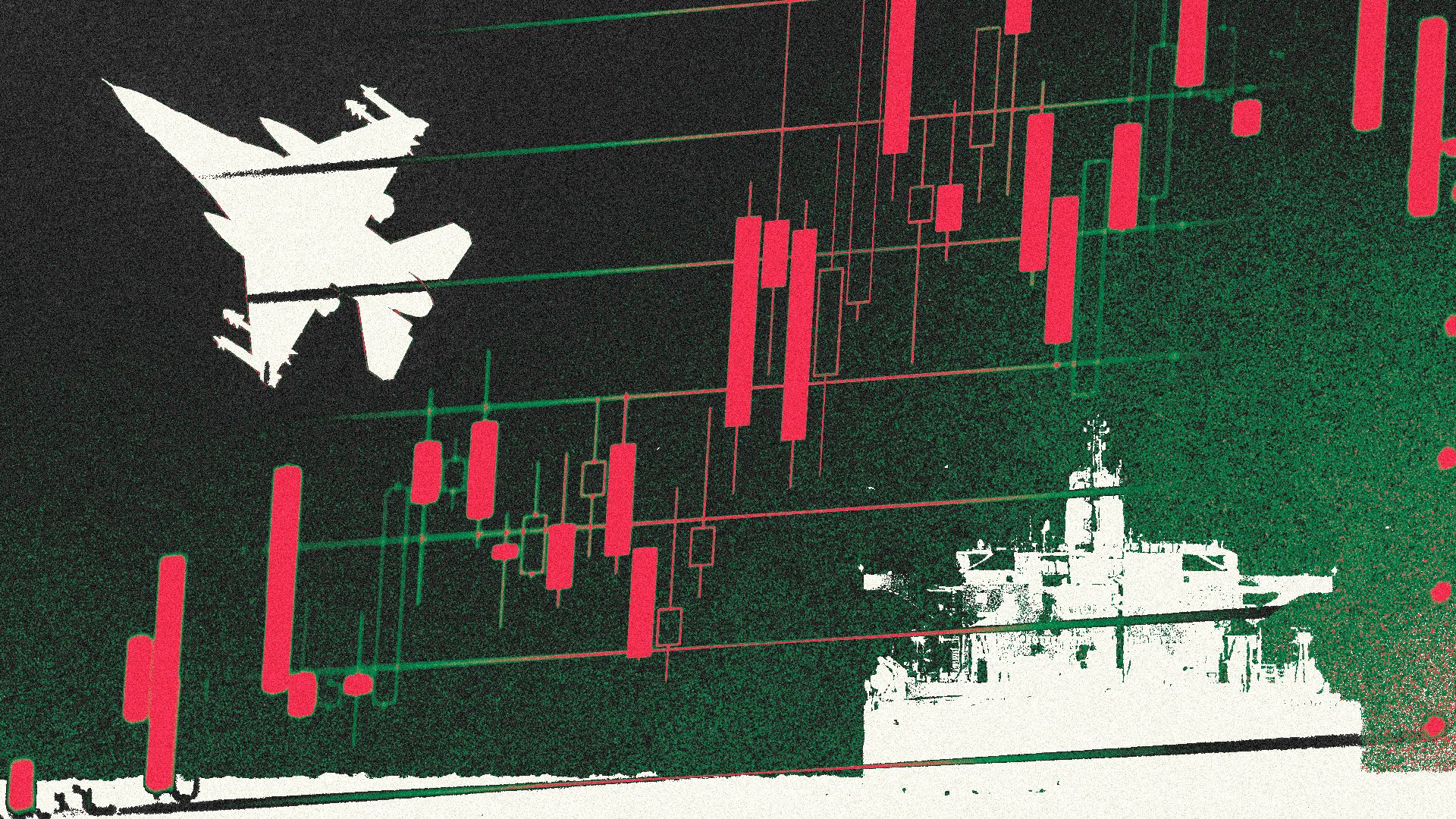
The U.S. and Iran agreed to a two-week ceasefire Tuesday night — with a commitment to open the Strait of Hormuz — and oil prices plunged, the biggest one-day fall for Brent crude since the 1991 Gulf War.
Why it matters: Investors seemed to see it coming, even as many others agonized over President Trump's threat to eliminate Iran's "civilization," and stocks barely flinched Tuesday, just as they have declined only modestly since the war started.
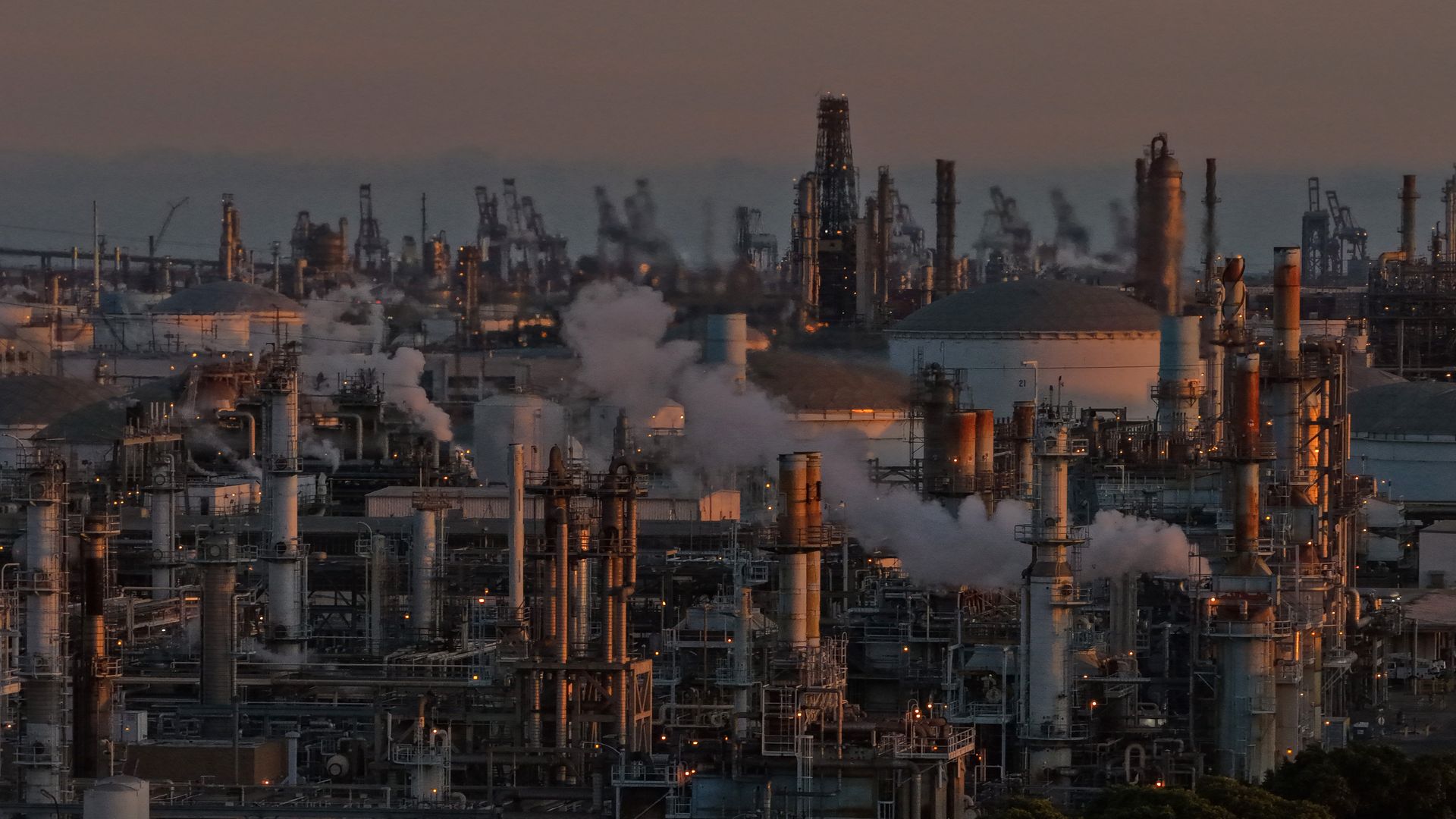
Untangling the largest disruption in oil market history won't happen quickly or easily — and that means continued high prices and scarcity in major importing countries.
Why it matters: A big thing to watch following the U.S.-Iran ceasefire deal is whether it gives tanker owners enough certainty to begin resumption of large-scale traffic of oil, petroleum products and other commodities through the Strait of Hormuz.
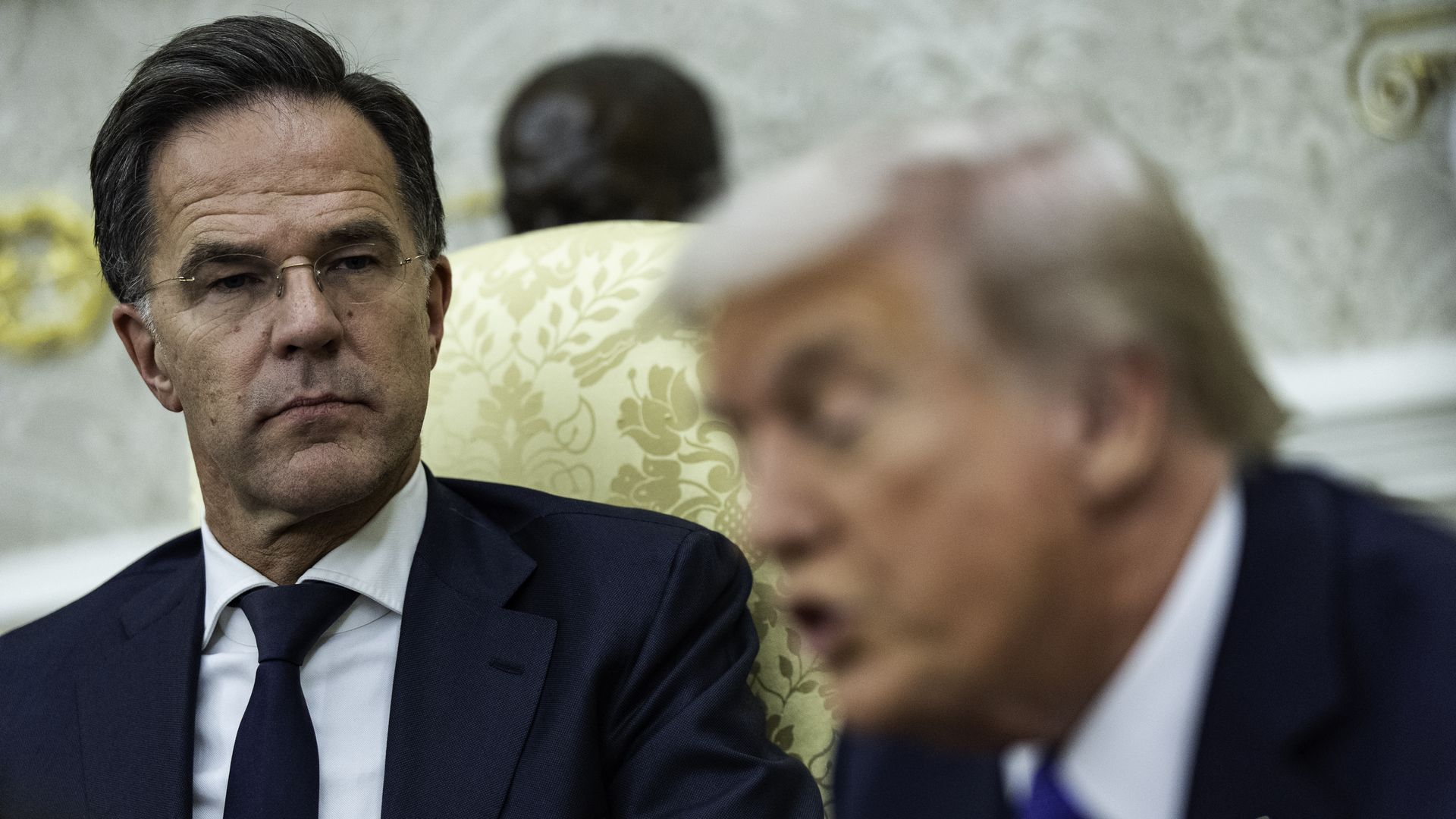
NATO chief Mark Rutte returns to Washingtonthis week, facing fresh doubts about the alliance inside the White House and on the Hill.
Why it matters: His relationship with President Trump will be put to the test, as the geopolitical stakes — the near-future of the transatlantic bond, ongoing war in the Middle East, gas-price gloom, European rearmament and more — ratchet up.
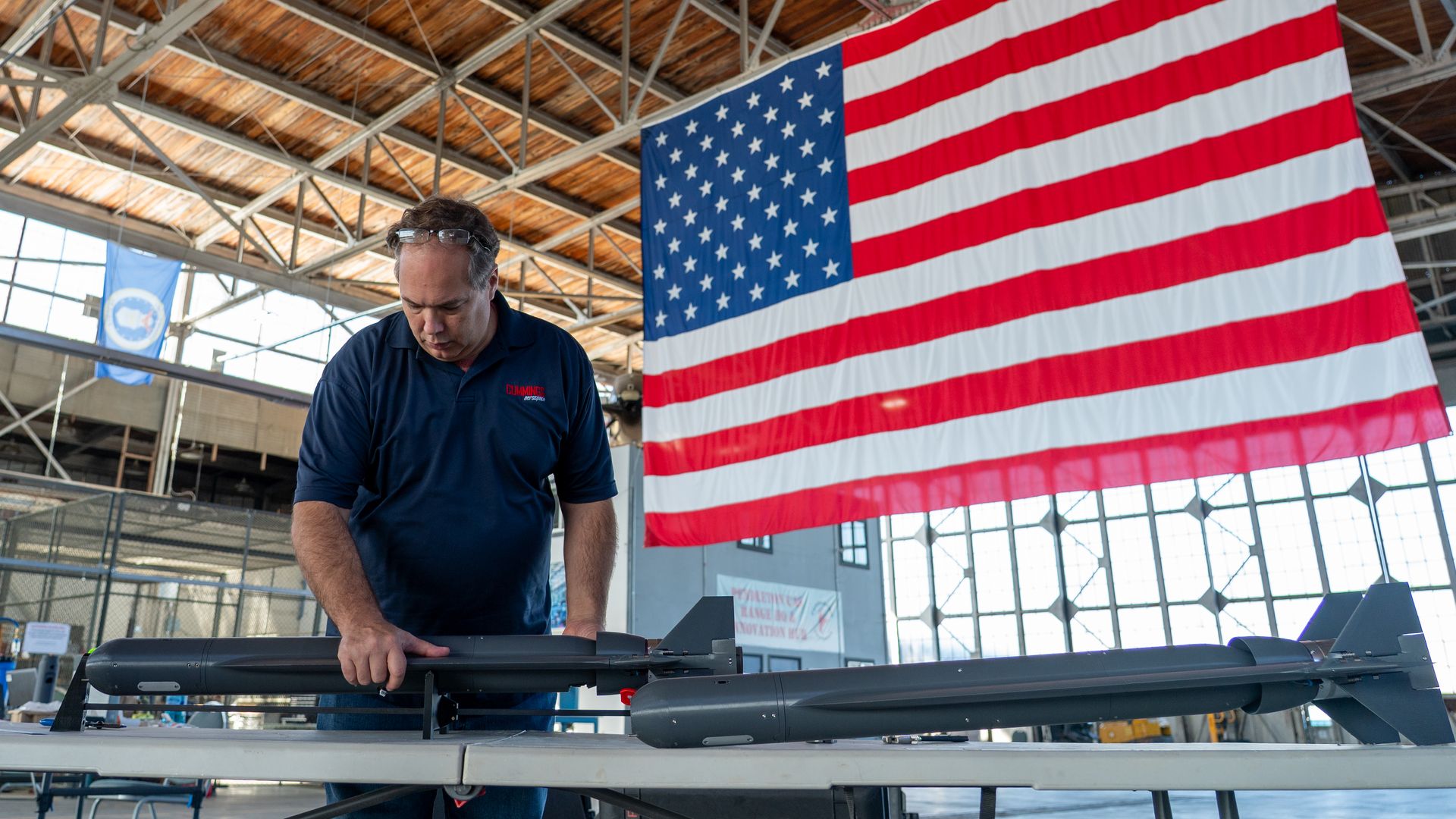
The Trump administration is seeking $1.5 trillion for defense in fiscal 2027 — an eye-popping amount that bets on hundreds of billions of dollars in reconciliation.
Why it matters: Some thought President Trump was being hyperbolic when he floated the number earlier this year. He wasn't.
The budget proposal brags about the figure exceeding "even the Reagan buildup by approaching the historic increases just prior to World War II."
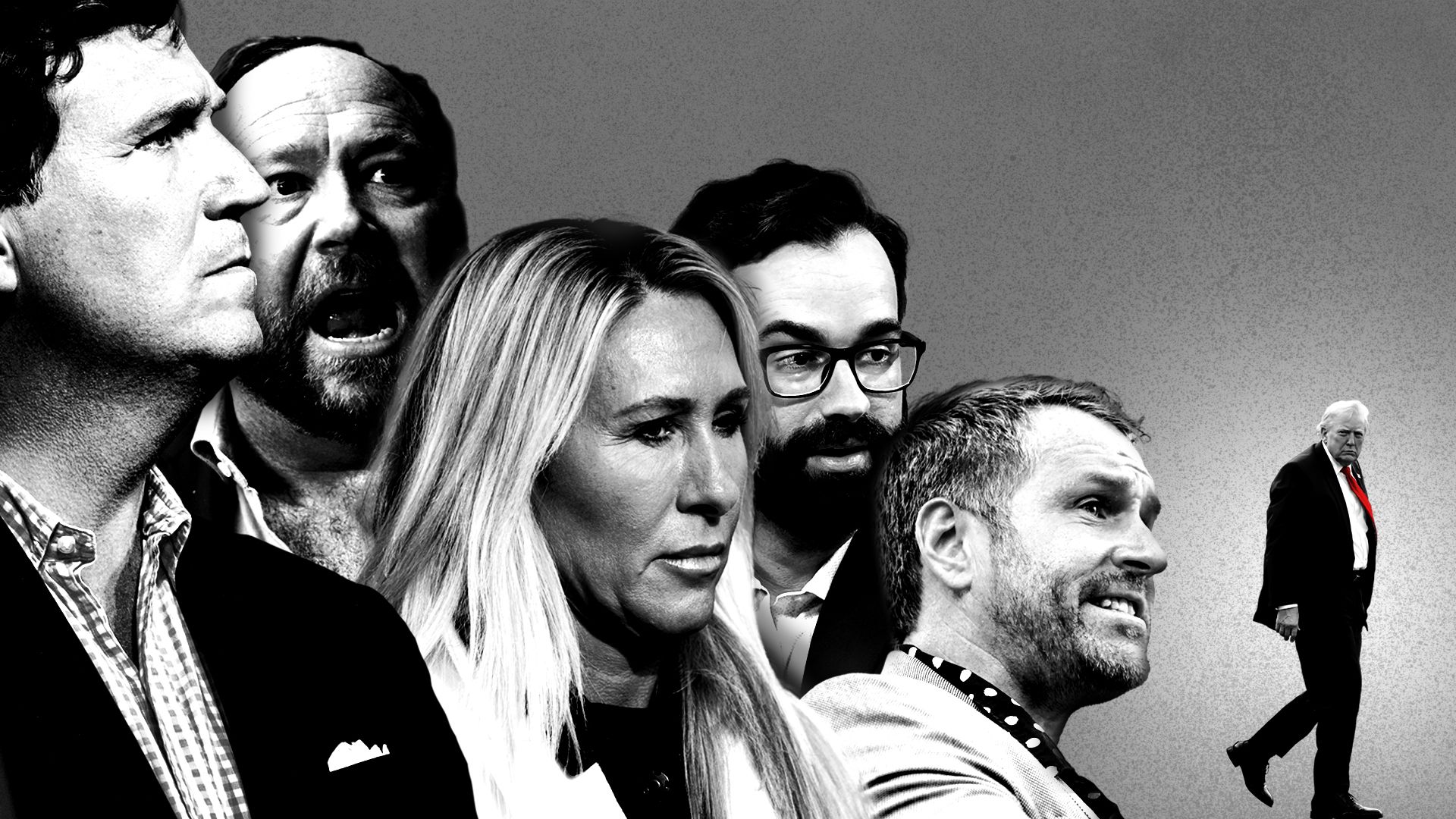
The architects of MAGA's media empire are in open revolt against President Trump, disgusted by his threat to destroy Iran's "whole civilization."
Why it matters: Trump's political strength has always depended less on party institutions than on a decentralized media ecosystem — podcasters, streamers and activists who translate his message to millions of loyal voters.
Anthropic has begun a tightly controlled release of Mythos, the first AI model that officials believe is capable of bringing down a Fortune 100 company, crippling swaths of the internet or penetrating vital national defense systems.
Why it matters: This is the scary phase of AI — a model deemed so powerful that its full release into the wild could unleash untold catastrophe. So only carefully vetted companies and organizations, about 40 so far, are getting access.
President Trump's super PAC plans to begin unloading its massive war chest around Memorial Day — giving a major boost to Republicans heading into a treacherous midterm election, Axios has learned.
Why it matters: Trump is cratering in the polls but his operation has one of the biggest political bank accounts in history, and aims to unleash it for an election that will pit Democrats' momentum vs. Republicans' money.
A leading Democratic think tank has started putting meat on the bones of a midterm health care affordability agenda, calling for policy shifts that its authors say would immediately lower costs.
Why it matters: There's a change in how Democrats are talking about health care, and it could spell big trouble for industry profits should they regain power any time soon.
A key government agency will announce on Wednesday a record amount of funding for fusion energy — tapping the power of the stars — even as President Trump seeks to cut other parts of the federal fusion budget.
Why it matters: The split-screen approach underscores tensions in the administration's energy strategy — and highlights how federal support is falling short of what the fusion industry says it needs.
Former Maryland Rep. David Trone is going after a fellow moderate and former ally from the left to reclaim his old House seat. Part of his strategy involves touting his support for abortion access in neighboring West Virginia.
Why it matters: These are just a few of the perplexing aspects of a Democratic primary campaign that is shaping up to be one of the most peculiar of the 2026 election cycle.
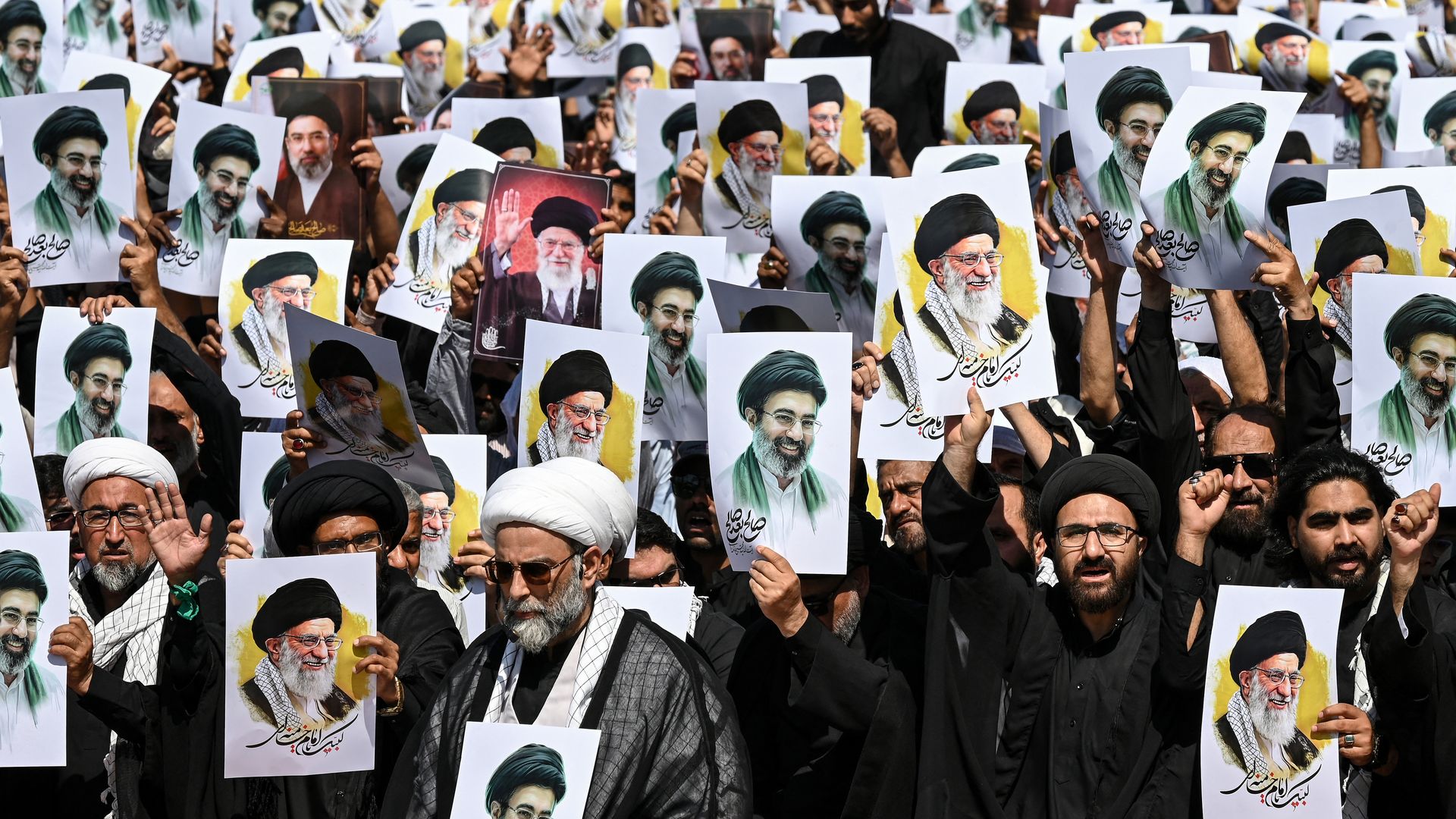
Officials in the U.S. and Israel learned of an intriguing development on Monday, with President Trump's ultimatum looming: Supreme Leader Mojtaba Khamenei had instructed his negotiators, for the first time since the war began, to move towards a deal, according to an Israeli official, a regional official and a third source with knowledge.
The big picture: As Trump was publicly threatening total annihilation, there were signs of diplomatic momentum behind the scenes — though even sources close to Trump didn't know which outcome to expect right up until a ceasefire was announced.
Crude oil prices dropped sharply Tuesday evening, falling well under $100 per barrel after President Trump said the U.S. agreed to a two-week ceasefire with Iran that Pakistan had proposed.
Why it matters: Apart from COVID, it's the biggest one-day free fall in oil prices since the 1991 Gulf War.
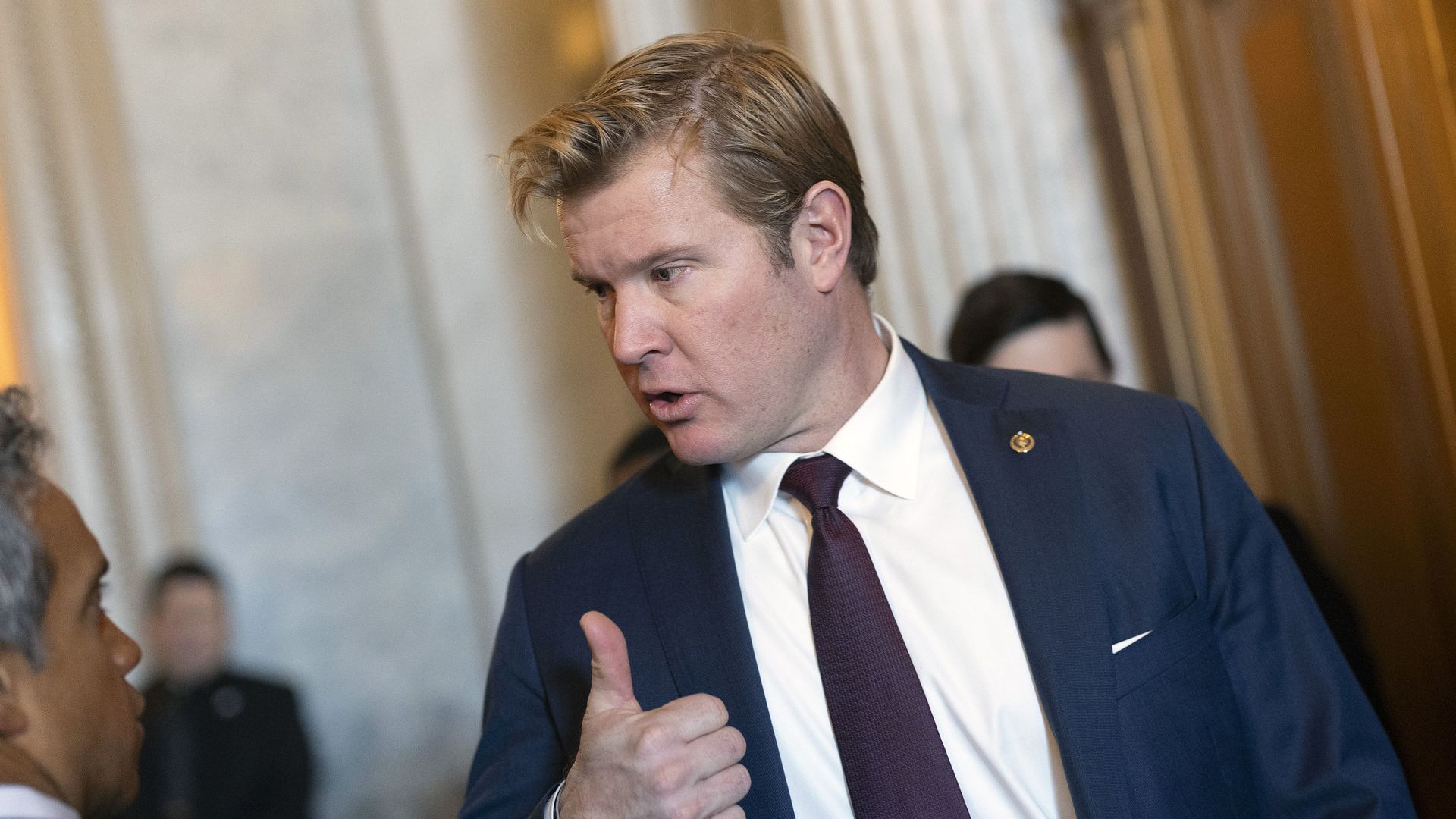
Senate Majority Whip John Barrasso (R-Wyo.) has tapped Sen. Tim Sheehy (R-Mont.) to join his whip team, replacing former Sen. Markwayne Mullin (R-Okla.) who is now secretary of Homeland Security.
Why it matters: Sheehy will be responsible for sounding out senators on how they intend to vote on consequential pieces of legislation, as Congress weighs a second reconciliation package and a potential supplemental to replenish munitions used in Iran.
Why it matters: The Republican support needed for these efforts to succeed is highly unlikely to materialize, but Democrats are desperate to show their voters that they are doing everything they can to get Trump out of office.