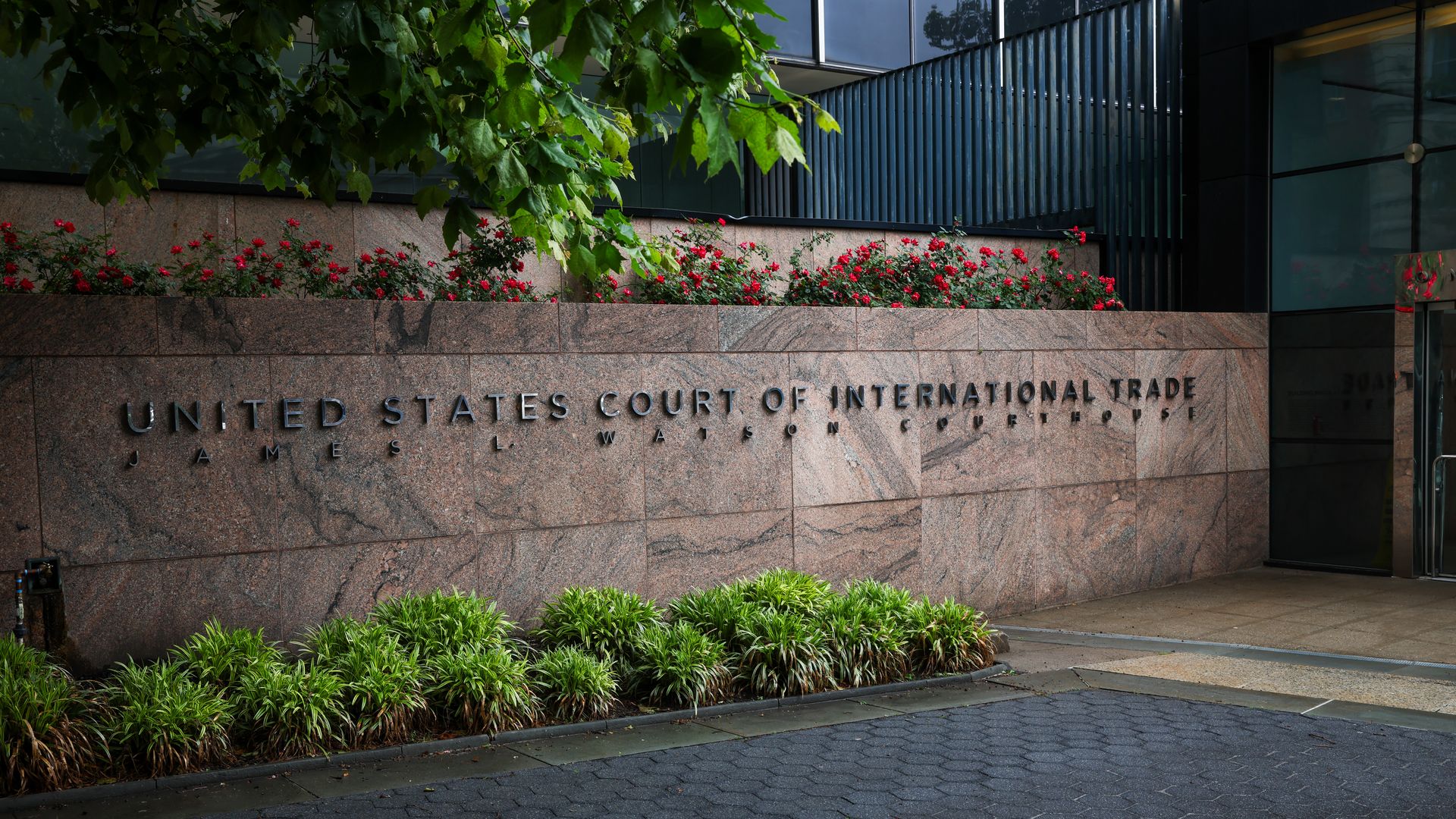
The nation's top trade court said on Friday that the legality of President Trump's latest tariffs comes down to one question — what counts as a "balance-of-payments deficit" — but no one had a satisfactory answer.
Why it matters: The case will determine the staying power of tariffs underpinned by an obscure, never-before-used trade law — the authority that Trump fell back on after the Supreme Court struck down his sweeping global tariffs.
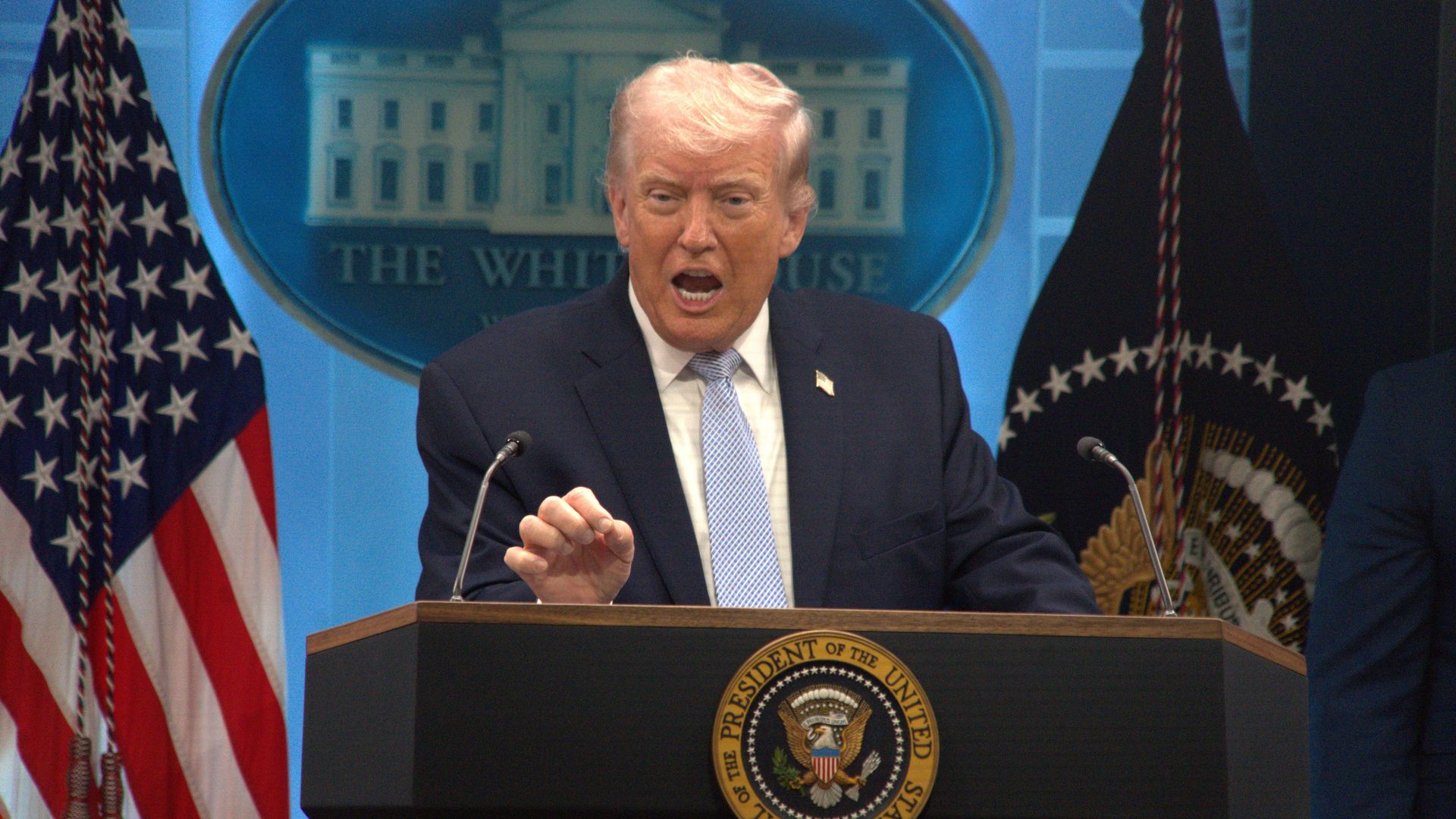
House Judiciary Committee ranking member Jamie Raskin (D-Md.) is demanding the White House physician perform a cognitive test on President Trump in light of his recent comments on Iran.
Why it matters: The move comes as part of a broader Democratic push to build the case for invoking the 25th Amendment, which allows for the removal of a president who is "unable to discharge the powers and duties of his office."
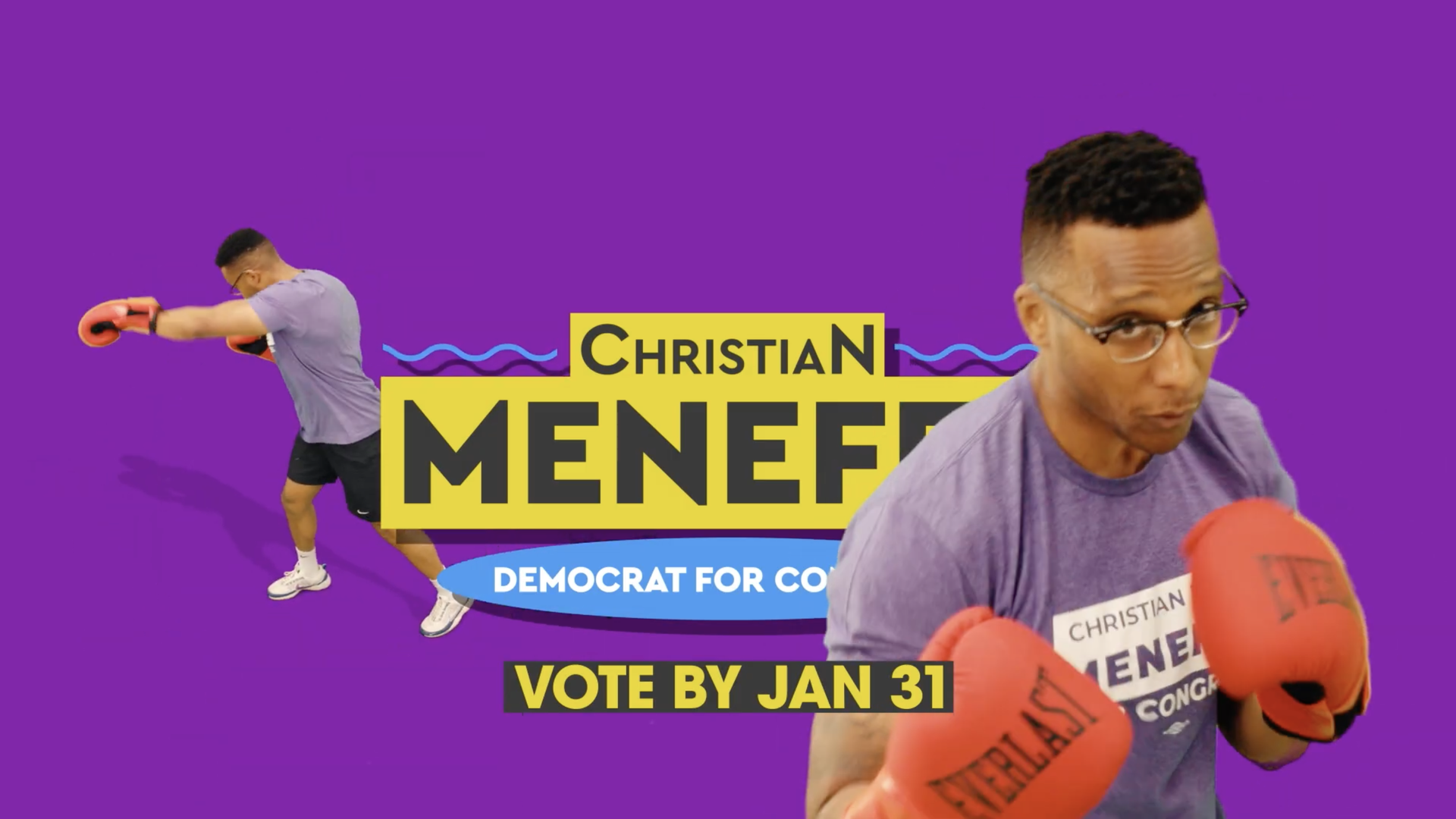
Virtually every Democratic primary candidate this cycle, from the most progressive to the most moderate, wants voters to know one thing: How much of a "fighter" they are.
Why it matters: It is the culmination of a year's worth of liberal grassroots fury over what they see as President Trump's many transgressions and the Democratic establishment's lackluster response.
President Trump will not be on the ballot this year, but you might not know it based on the ads being run by Republicans in competitive congressional primaries.
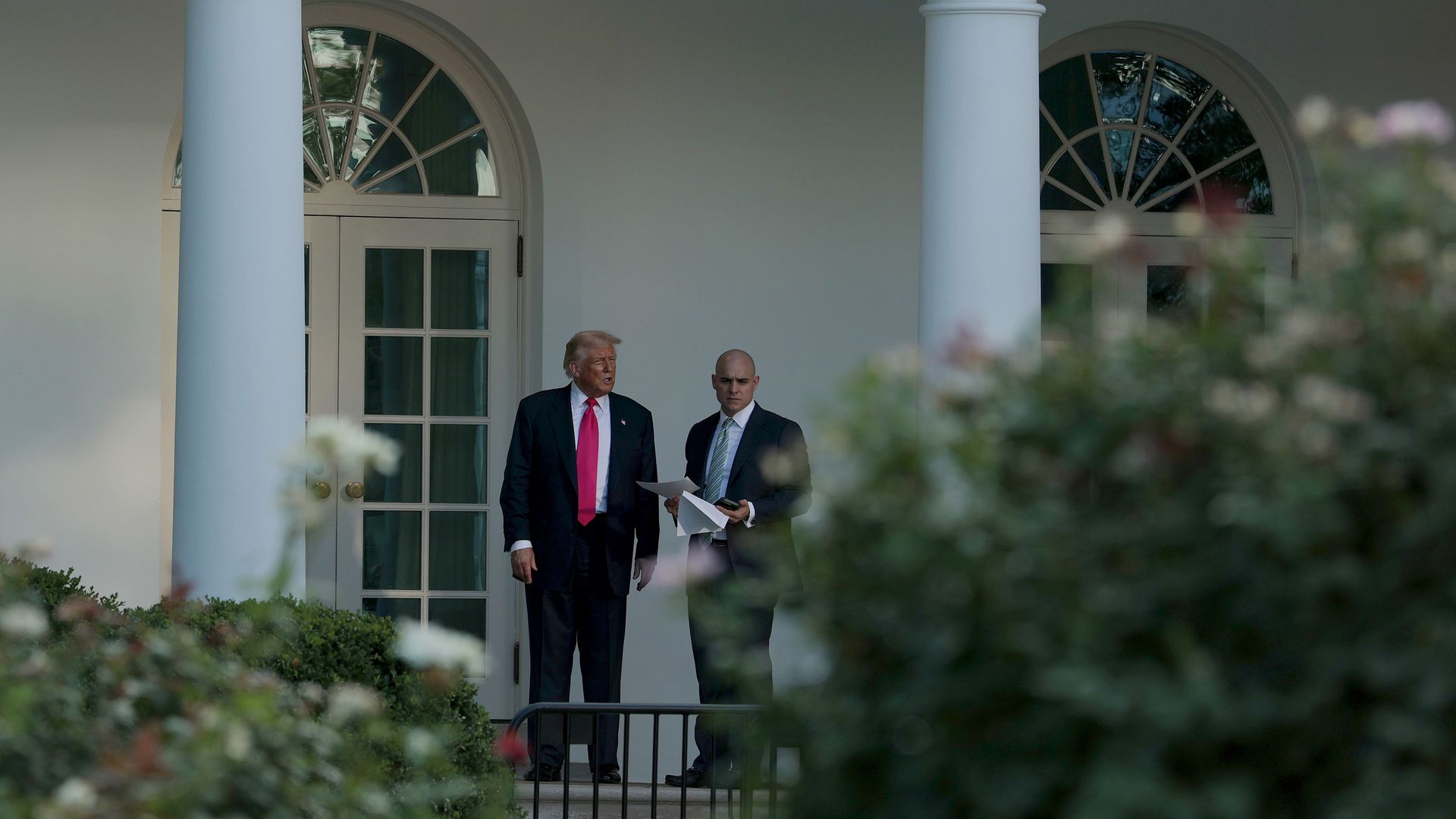
Deputy White House Chief of Staff James Blair is considering taking a leave from his role to help run President Trump's outside political operation, Axios has learned.
Why it matters: The move would represent the clearest sign yet that Trump's outside political operation, which has more than $300 million in the bank, is prepared to play a major role in the midterms.
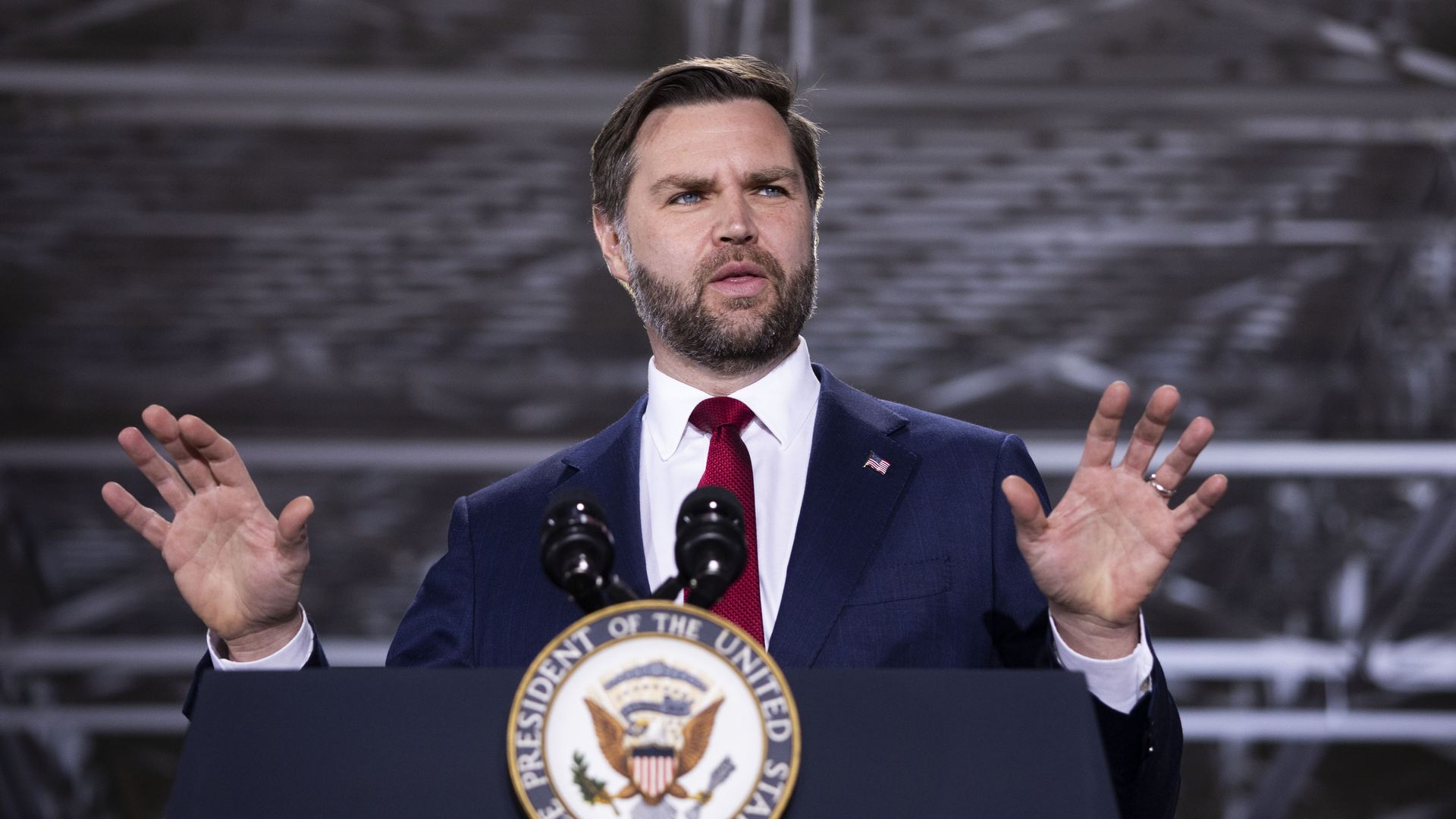
Vice President JD Vance will lead the U.S. team in Iran peace talks when negotiations begin in Pakistan on Saturday.
Why it matters: Vance has been one of the most active vice presidents in recent memory throughout Trump's second term, taking a leading role in conversations with Europe and becoming the face of certain domestic policies. Brokering a peace deal with Iran might be his biggest challenge yet.
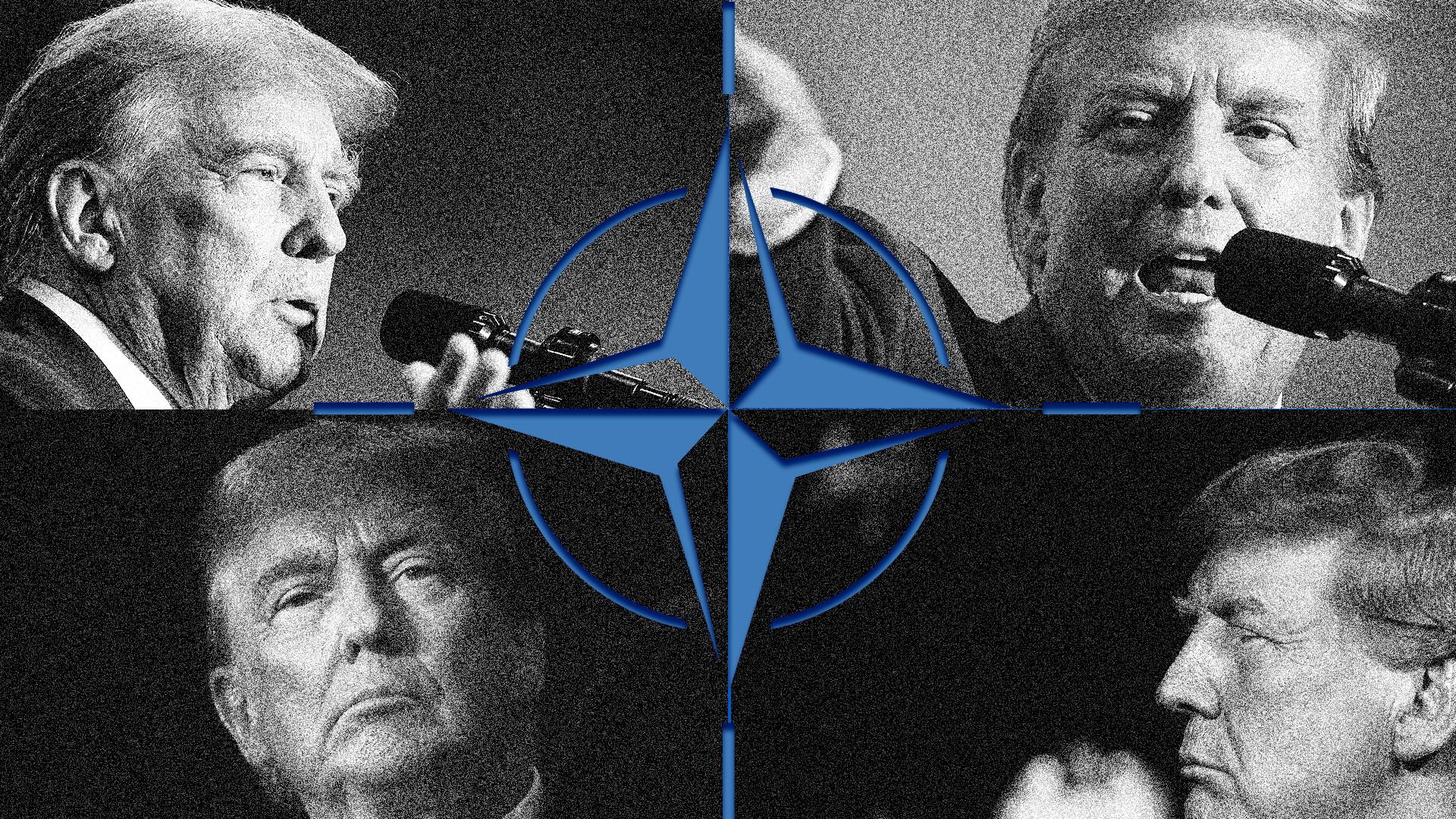
President Trump can't abandon NATOon his own, but he can still turn the relationship toxic as he rails at American allies who sat out his Iran war.
The big picture: America has been the backbone of the transatlantic alliance since 1949, but experts warn Trump's rhetoric and behavior threaten to undermine NATO's mutual trust even if the U.S. remains a member.
U.S. inflation surged in March as the effects from the Iran war hit consumer wallets: The Consumer Price Index rose 0.9%, the biggest monthly increase since 2022, while the annual measure climbed to its highest level in two years.
Why it matters: The first inflation report of the war era captures the higher costs Americans faced last month — with knock-on effects still reverberating through the economy.
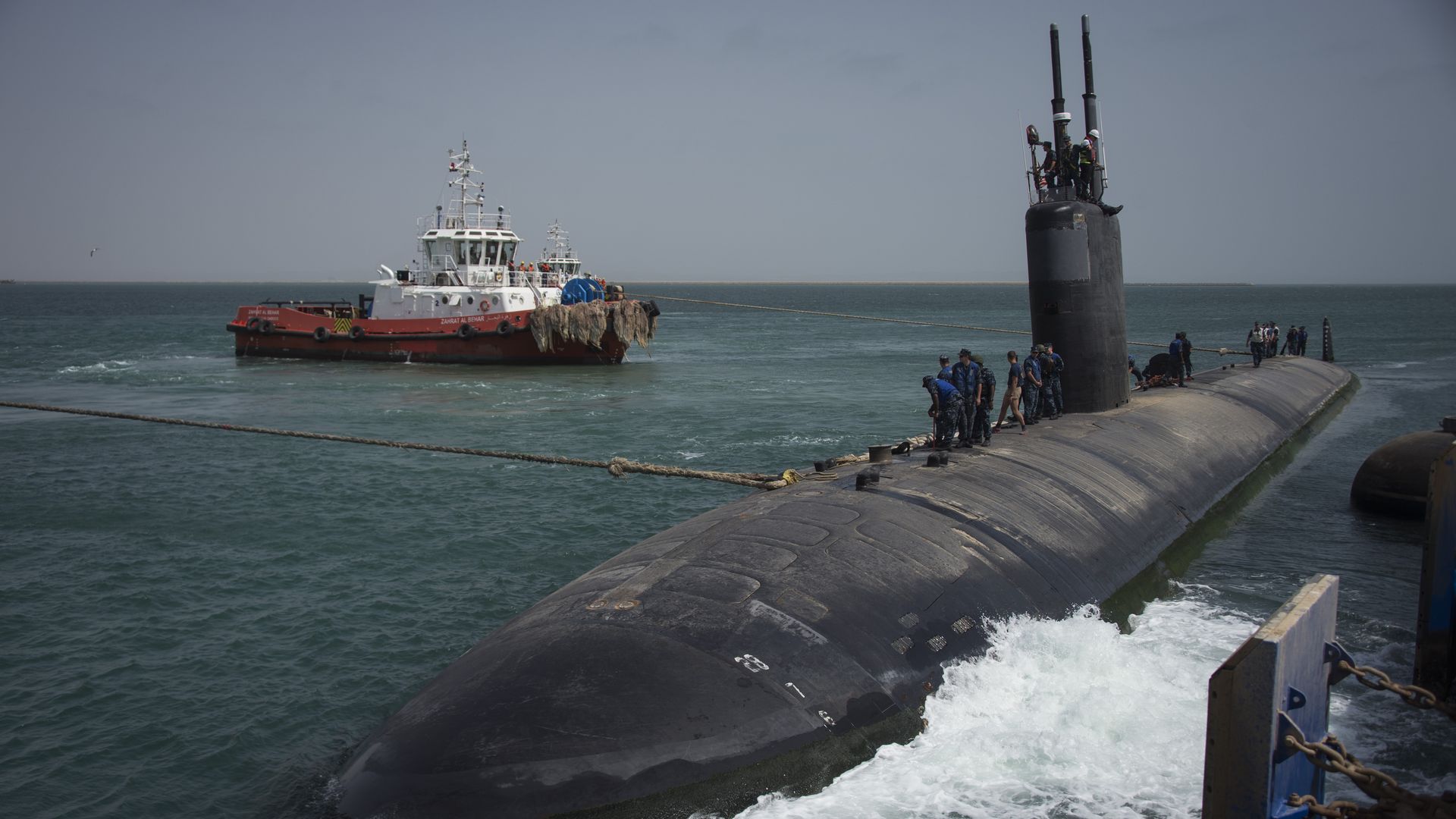
The U.S. Navy is taking out of commission the USS Boise, an attack submarine that has for years sat pier-side and become synonymous with the service's maintenance backlog.
Why it matters: Walking away means saving billions of dollars, Navy Secretary John Phelan told Axios, as well as freeing up precious manpower for shipyards and other boats.
"It's about discipline. It's about having every dollar delivering capability in a smart, cost-effective manner," he said. "I've got a bunch of people focused on this ship that could be focused on a Virginia-class."
President Trump sounded ready to dismiss top intelligence chief Tulsi Gabbard until he got an earful last week from one of his oldest friends and advisers, Roger Stone, Axios has learned.
Why it matters: Trump was displeased with Gabbard when she didn't wholeheartedly endorse the Iran war during her recent testimony to Congress about threats to the U.S., according to five advisers and confidants who spoke with the president.
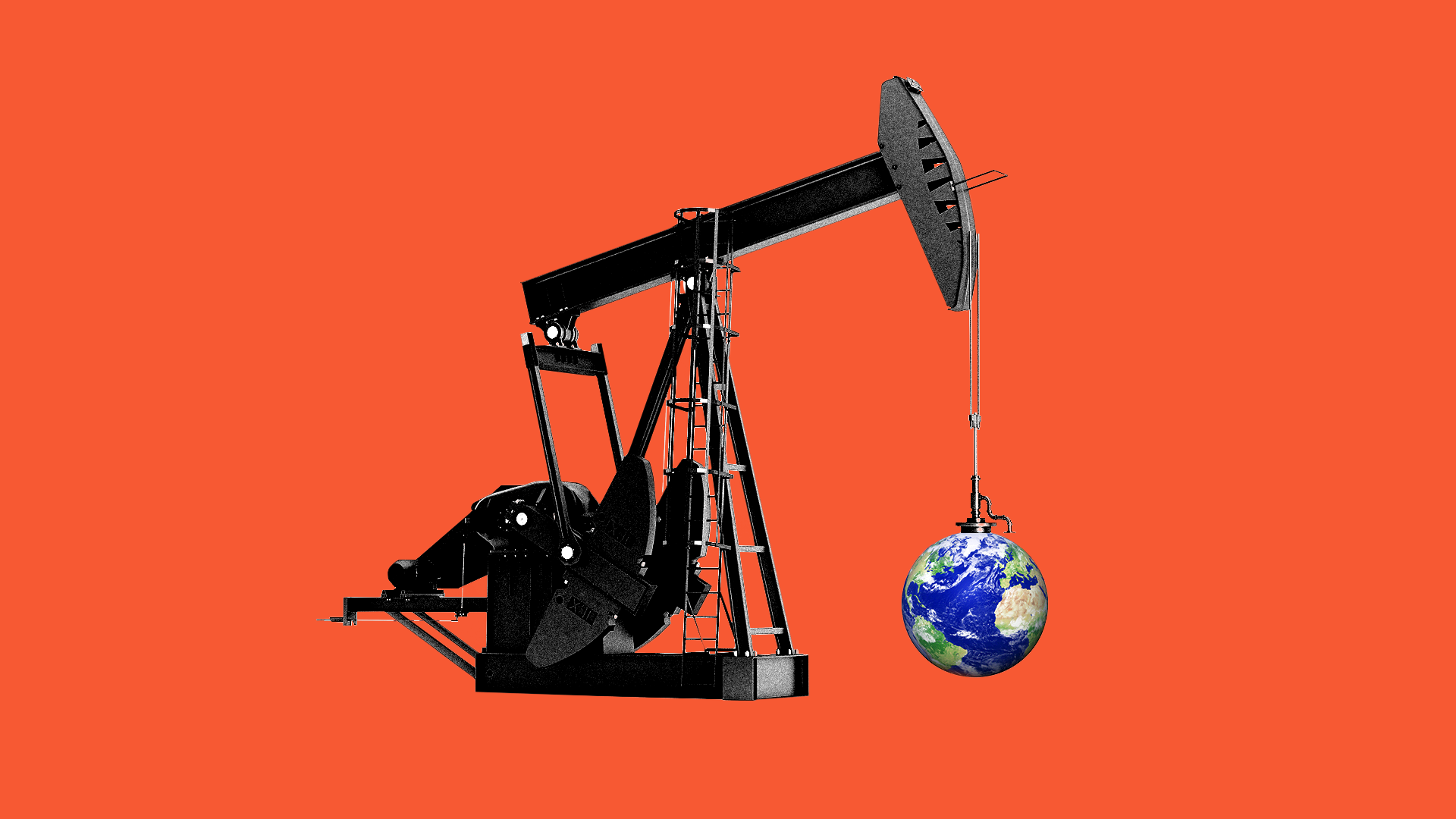
The energy shock from the Iran war may drive long-lasting change in how the global multitrillion-dollar oil market operates — turning a relatively open and smoothly functioning system into something weaponized and fractured.
Why it matters: Such a reordering would mean, at a minimum, higher energy prices and inflation, and in the long term could even shake the foundations of the dollar-based global economy and with it, U.S. power.
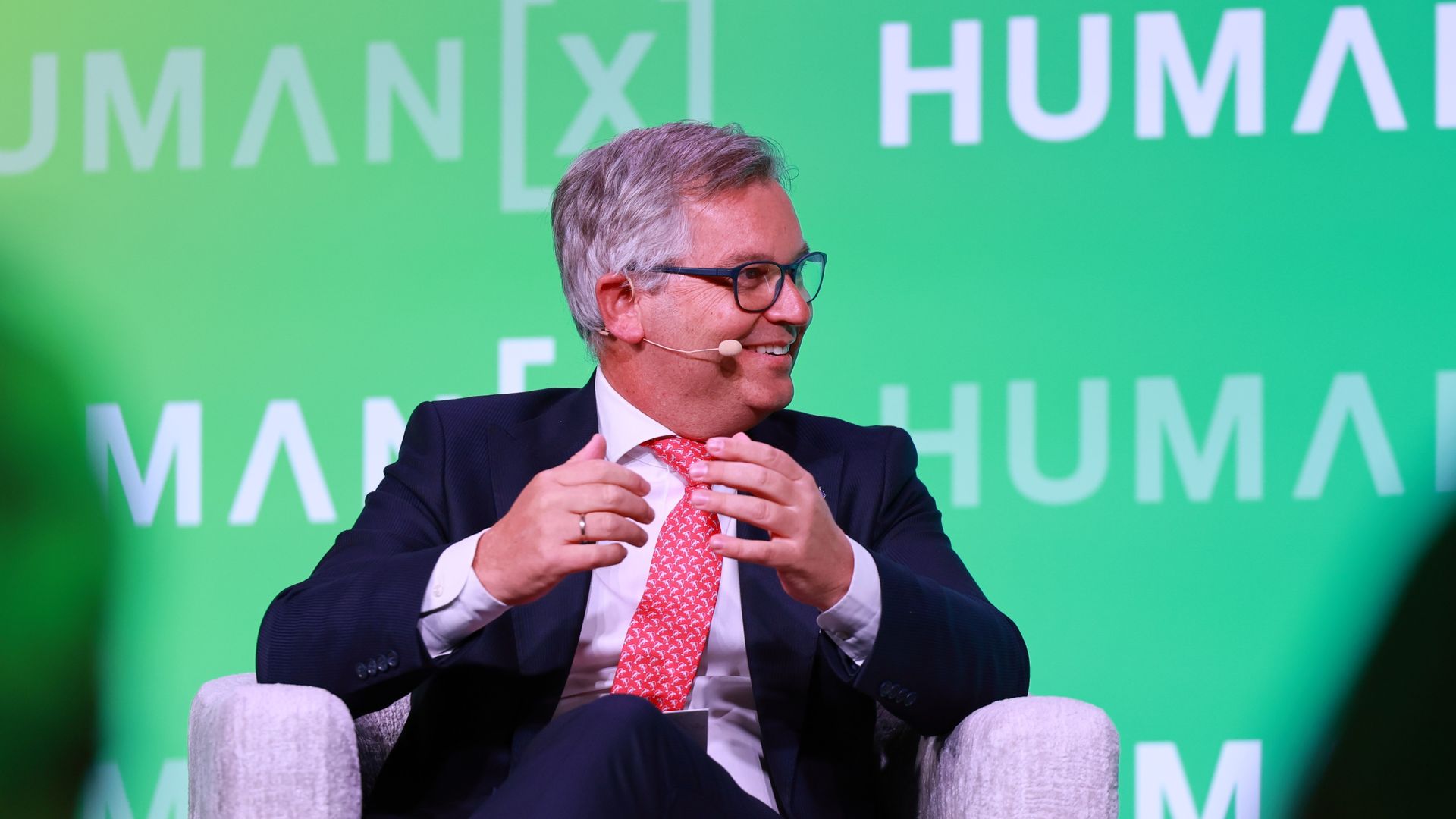
A top European AI policy official pushed back on a common critique that the EU's tech regulation stifles innovation in an interview with Axios at the HumanX conference in San Francisco this week.
Why it matters: Europe is hoping to attract tech innovation and investment by highlighting its stable regulatory environment that may be more restrictive, but is consistent across all EU member states.
AI CEOs' lofty pitches for AI governance may end up being pipe dreams in a town that routinely fumbles tech policy.
Why it matters: From OpenAI's Sam Altman to Anthropic's Dario Amodei, high-profile AI executives are eager to shape how their products are regulated and encouraged, rolling out sweeping policy ideas to manage the technology's impact.
Even Democrats who have called to impeach President Trump acknowledge there is little chance of it happening unless they retake control of at least one chamber of Congress.
Why it matters: Democratic lawmakers are stuck. They know impeachment won't succeed, but their base keeps demanding they up the ante with drastic acts of anti-Trump resistance.