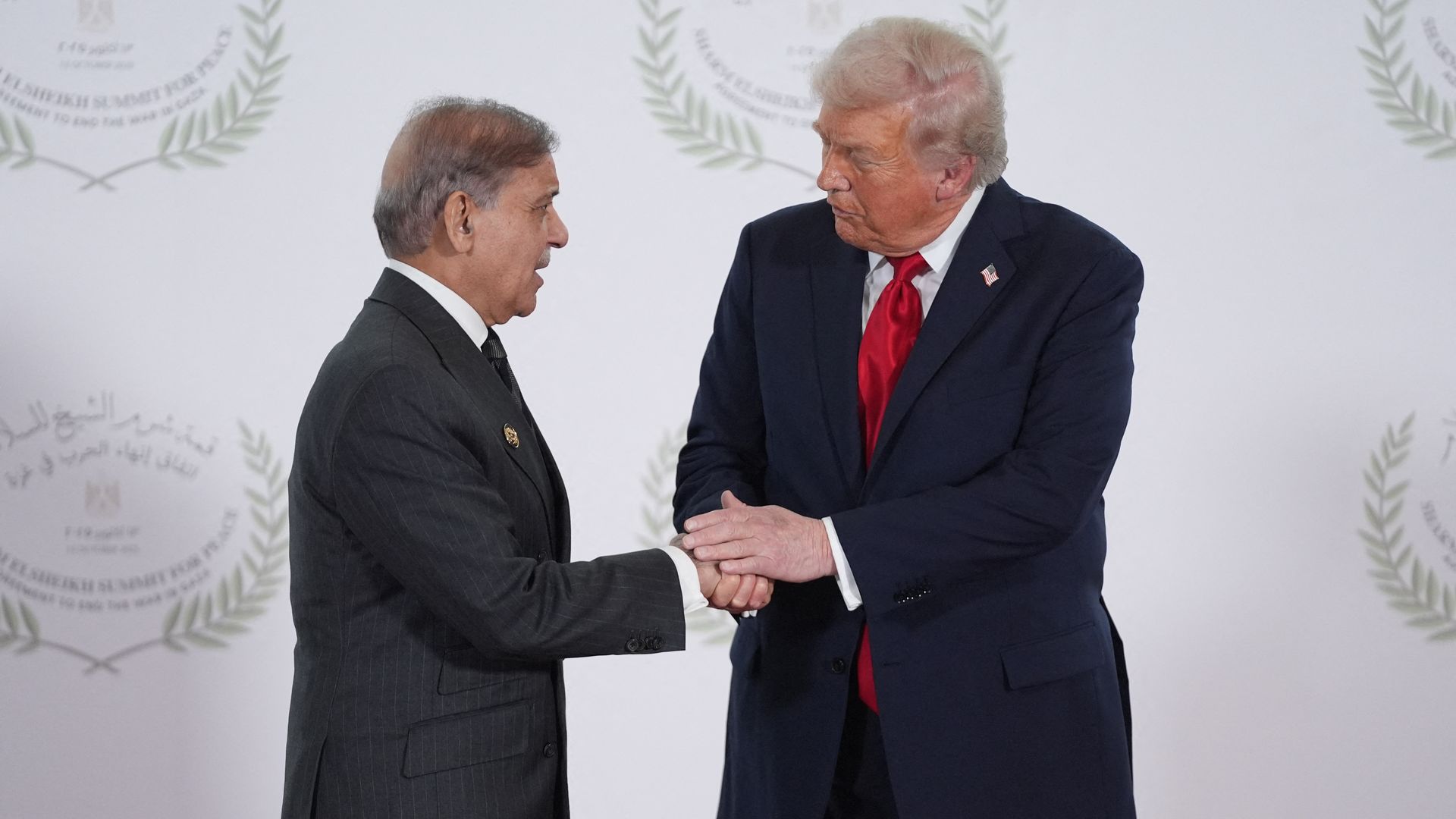
The U.S. has agreed to a two-week ceasefire with Iran proposed by Pakistan, President Trump said Tuesday night.
Iranian Foreign Minister Abbas Araghchi confirmed Tehran's acceptance and said Iran would allow "safe passage" of the Strait of Hormuz during those two weeks "via coordination with Iran's armed forces."
The big picture: The Pakistani proposal, which came hours before Trump's deadline to launch massive strikes if no deal was reached, involves a pause on Trump's threat and a commitment from Iran to open the strait.
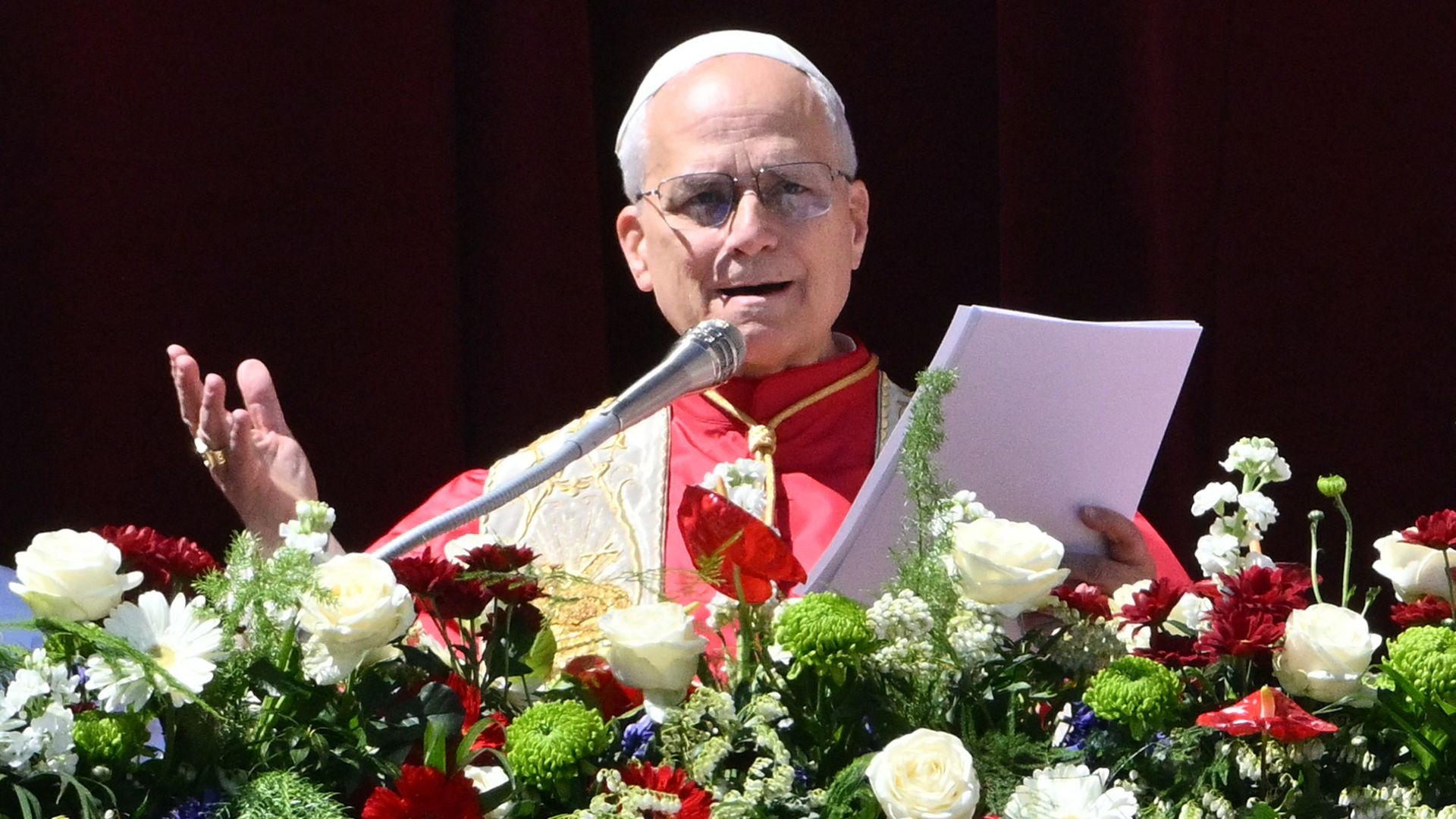
Pope Leo XIV denounced President Trump's threat to wipe out Iran's civilization on Tuesday.
The big picture: The first U.S.-born pontiff told reporters in Italian "this threat against the entire people of Iran" is "truly unacceptable," according to a Vatican News translation.
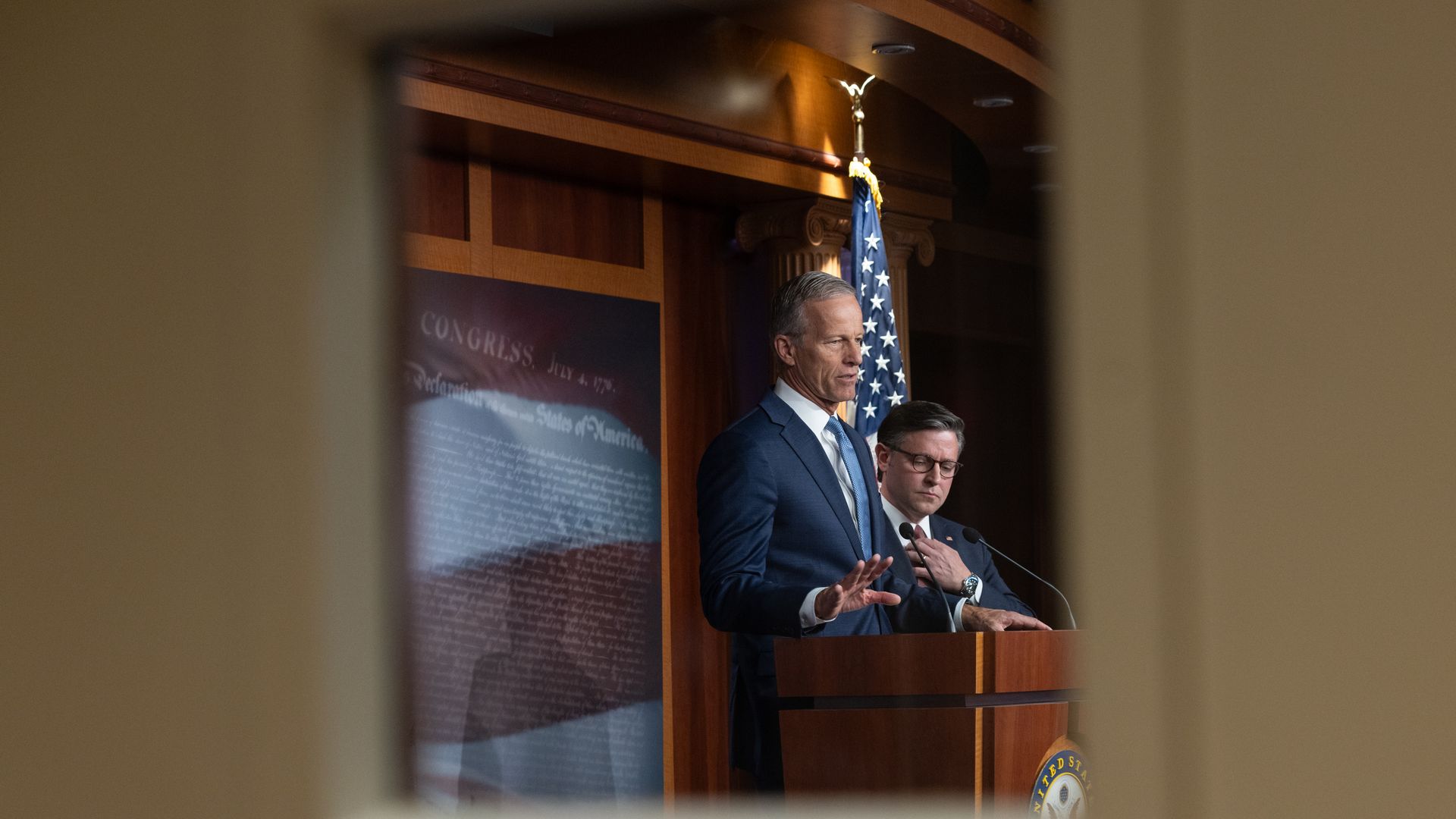
With a few exceptions, congressional Republicans were silent on Tuesday as the clock ticked down on President Trump's threat to wipe out Iranian civilization unless the Strait of Hormuz was reopened.
Why it matters: Republicans in Congress have shown unwavering loyalty to Trump, and the president's threat against Iran appears to be no exception to the long-standing pattern of limited GOP resistance.
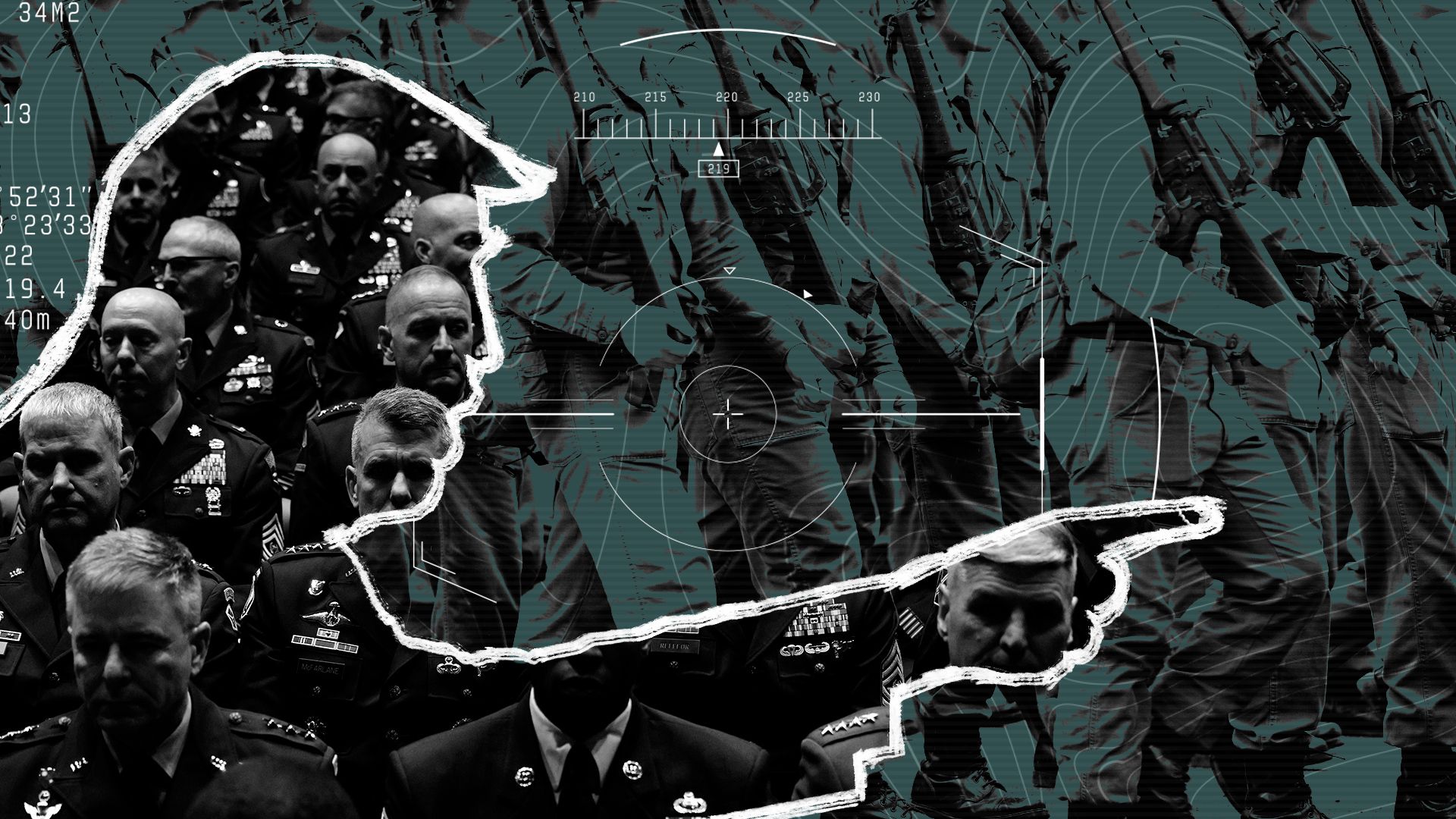
Military officers could face a moraldilemma if President Trump follows through on threats to bomb Iran's civilian infrastructure, military law experts tell Axios.
The big picture: Established procedures and rules of warfare dictate that civilian infrastructure is protected from an attack, and though the Joint Chiefs' chair says the U.S. military has abided by"normal procedures," Trump's rhetoricdramatically raises those stakes.
Four states — Tennessee, Utah, Idaho, and Nebraska — say they're interested in hosting the entire range of nuclear energy-related development, including high-level waste.
Why it matters: The Energy Department hopes that by building what amount to nuclear mega-cities for such activities as uranium enrichment and fuel fabrication, states will have to address the thornier problem of waste as well.
Pakistani Prime Minister Shehbaz Sharif on Tuesday called on President Trump and the Iranian regime to agree to a two-week ceasefire to give time for peace talks.
White House press secretary Karoline Leavitt told Axios: "The President has been made aware of the proposal, and a response will come."
Why it matters: Sharif's statement comes less than five hours before Trump's deadline to either get a deal or launch a massive bombing campaign on Iranian infrastructure. Pakistan has been the primary mediator between the U.S. and Iran over the last several weeks.
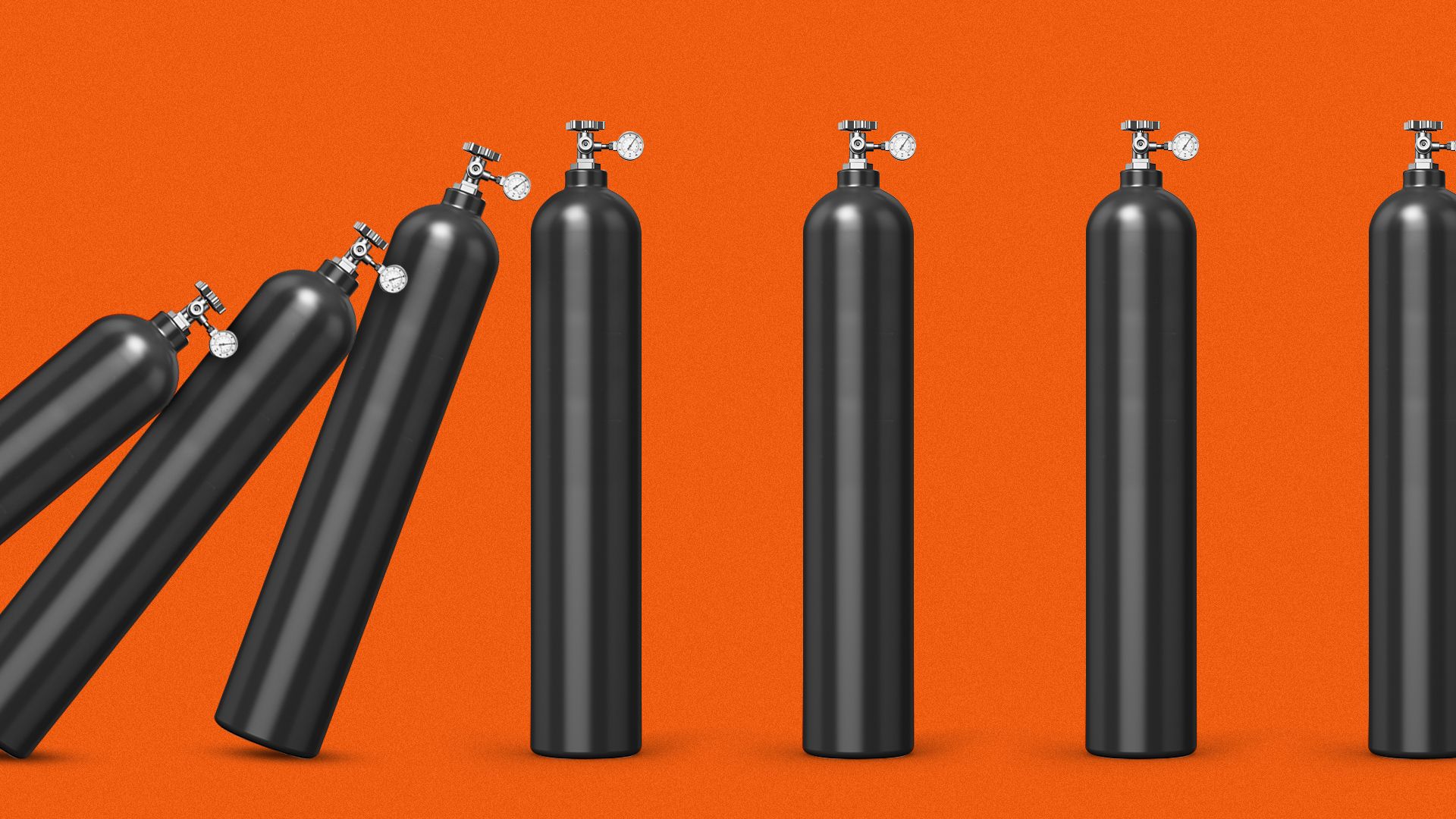
The Iran war has scattered the highly concentrated helium supply chain, knocking out a significant share of global production for a practically irreplaceable element.
Why it matters: Helium does more than fill party balloons: It's critical for cooling highly advanced tech and integral to chip production and medical imaging. Now, roughly a third of the world's supply is in limbo.
Calls for President Trump's removal from office reached a fever pitch among congressional Democrats on Tuesday after he threatened that "a whole civilization will die tonight" in a post about Iran.
Why it matters: Lawmakers are openly floating impeachment or even removal via the 25th Amendment — a far cry from the strict taboo around such procedures at the start of Trump's second term.
Progress has been made in the past 24 hours in the negotiations between the U.S. and Iran, though reaching a ceasefire deal by President Trump's 8pm ET deadline still looks like a long shot, according to a U.S. official, an Israeli official and two other sources with knowledge of the talks.
A U.S. official said the thinking in the White House has shifted from "can we get there?" to "can we get there by 8 o'clock tonight?"
Why it matters: Failure to reach a deal by the deadline —or at least make enough progress to convince Trump to extend it— would lead to an unprecedented escalation in the war.
American consumers are bracing for an Iran war inflation jolt, though they don't anticipate the effects will linger.
That's the upshot of the New York Federal Reserve Bank's March Survey of Consumer Expectations, the first to capture sentiment since the war began.
Why it matters: So far, that is more consistent with a one-time inflation surge than the alternative outcome that might alarm the Fed: signs of unmooring in long-run inflation expectations.
Energy Secretary Chris Wright says on the upcoming episode of "The Katie Miller Podcast" that repairing the Persian Gulf's energy infrastructure must be a priority, but acknowledges a "rough patch" until the war in Iran ends.
Why it matters: Rising gas prices are the biggest way most Americans are feeling Operation Epic Fury. President Trump and his Cabinet are making the case that the increases will be temporary, and are worth it in the long run.
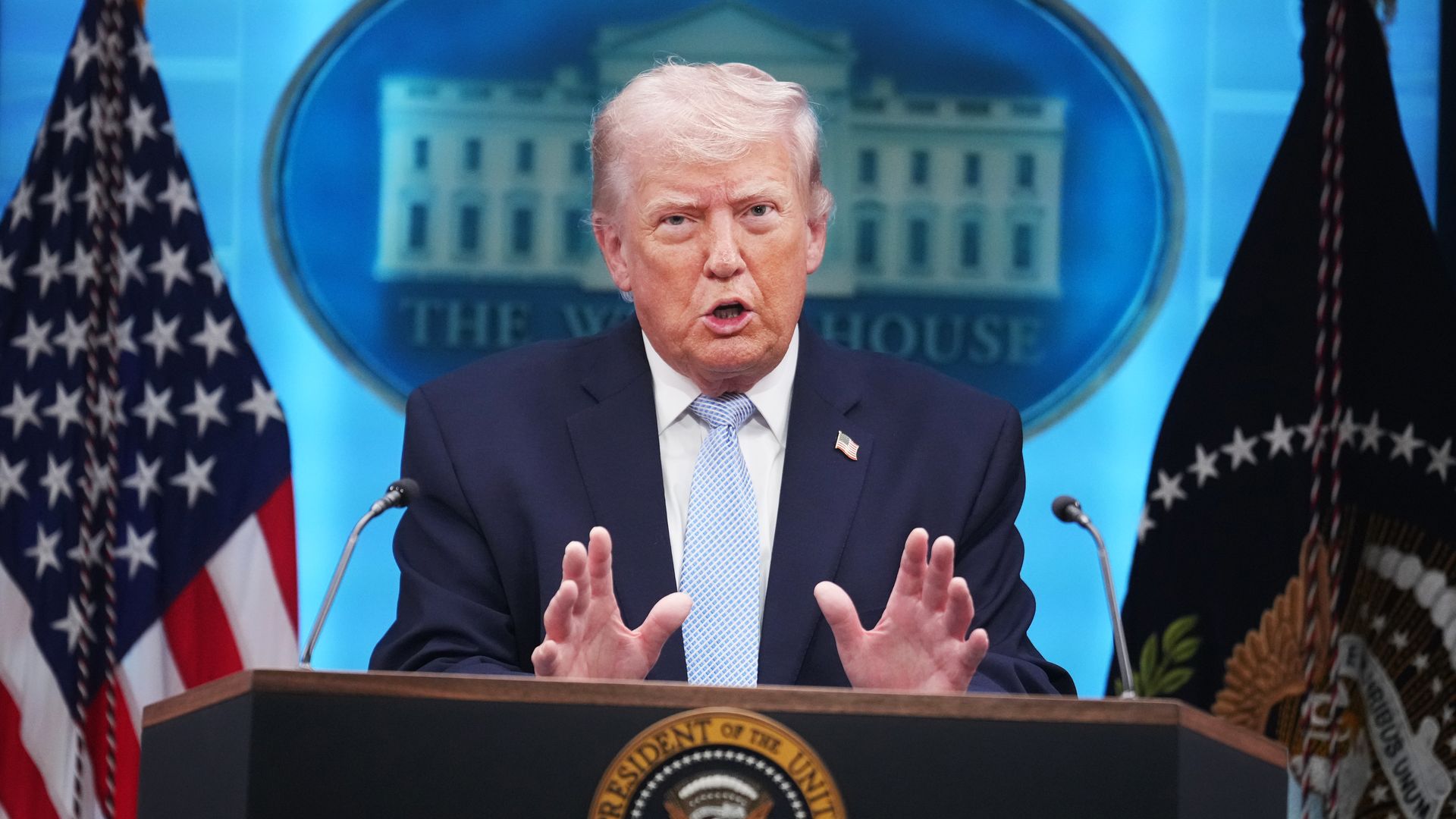
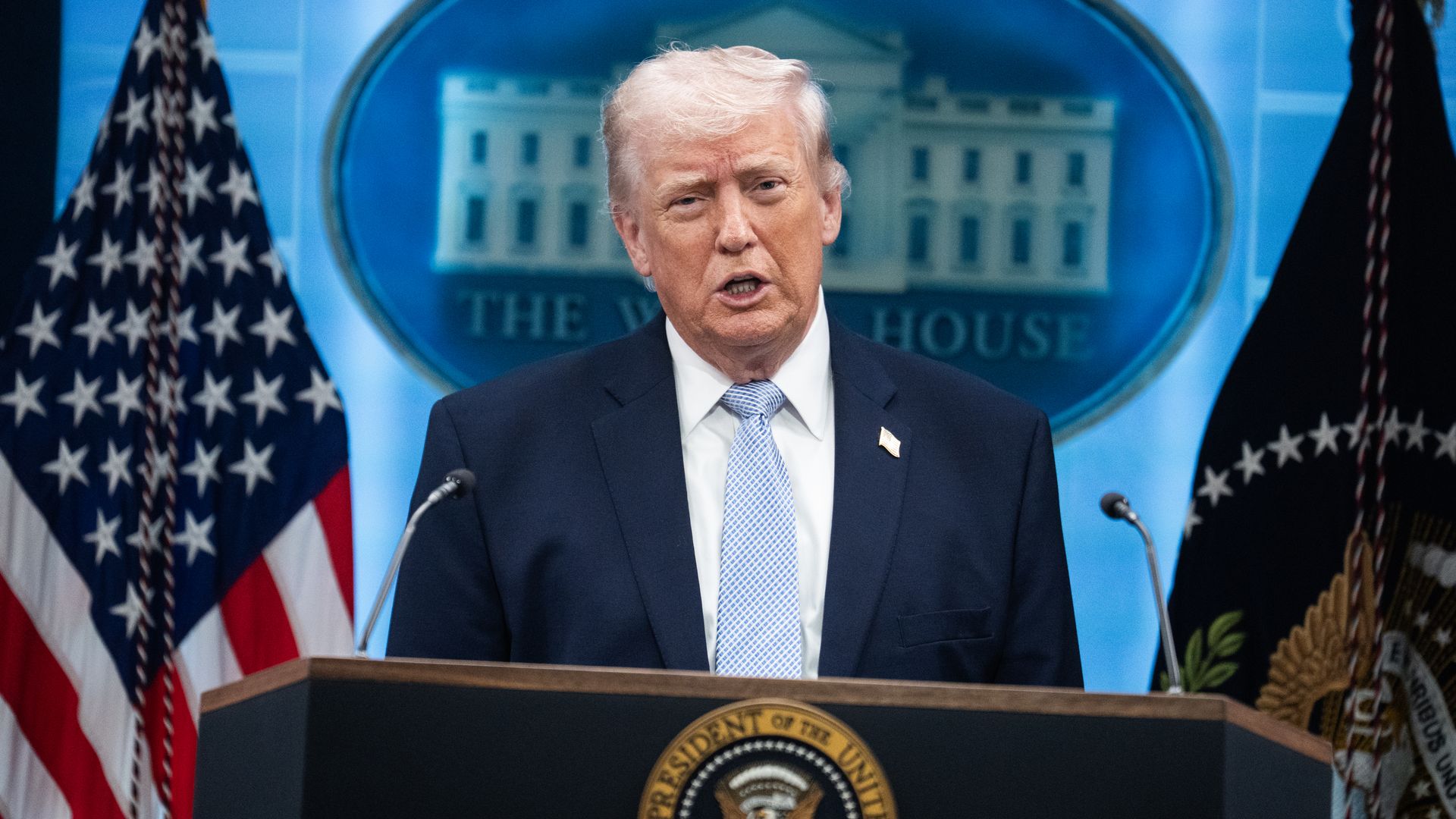
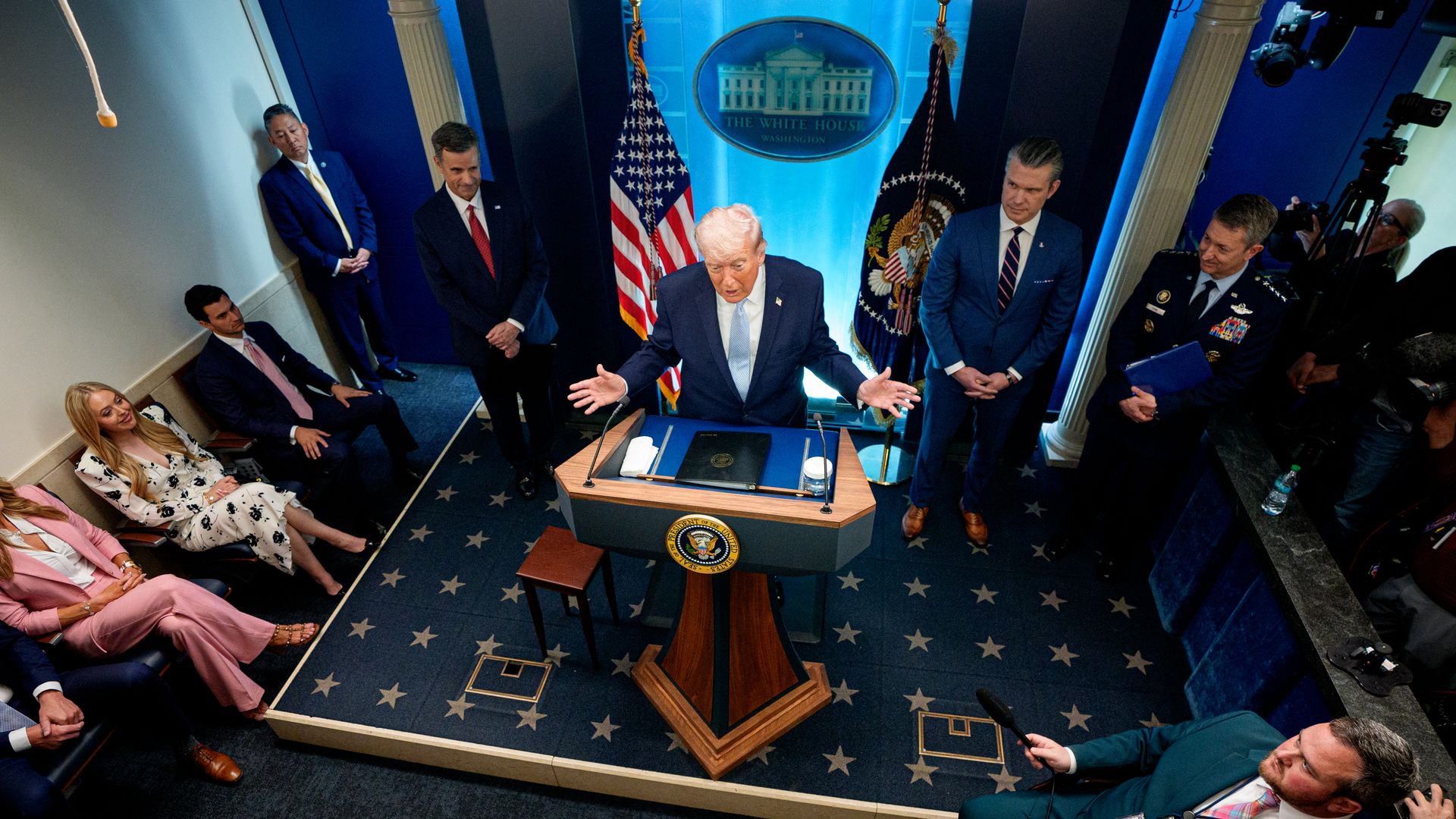
President Trump threatened on Tuesday to wipe out the entire Iranian "civilization" if the regime doesn't meet his 8pm ET deadline for reopening the Strait of Hormuz.
The big picture: Trump's new threat, which was the most harrowing in a series of public warnings to Iran, seems to be part of an effort to convince Tehran the risks of not making a swift deal are too dire to countenance.
The throttling of oil and gas flows could push multiple countries to try to cut exposure to seaborne energy commodities — and create different risks in the process.
Why it matters: The Iran crisis is chaotic and costly enough to spur long-term policy changes.
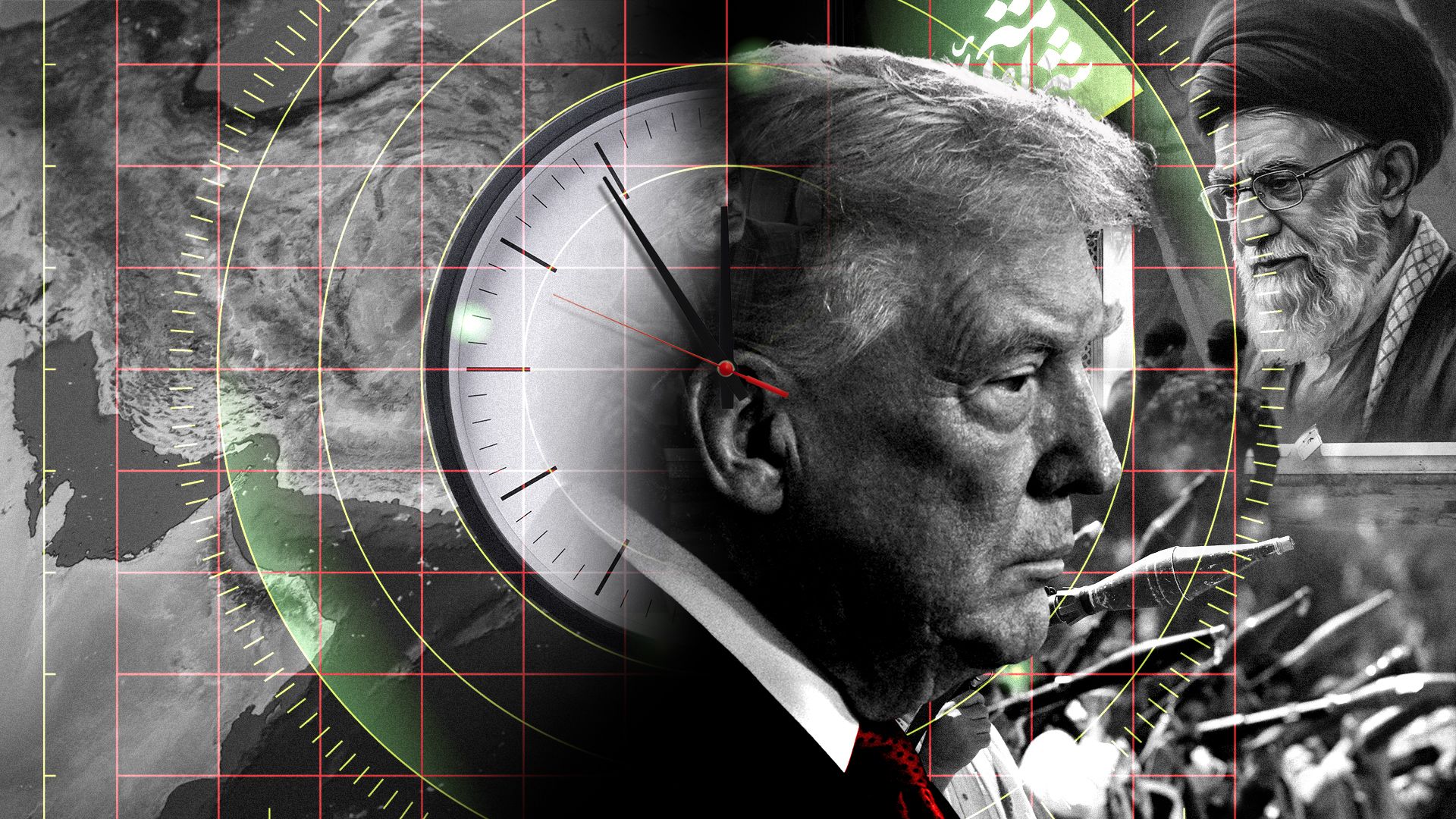
President Trump faces a momentous decision on a tight timeline: carry out his threat to obliterate Iran's infrastructure beginning at 8pm ET, or push his own deadline again to give negotiations a chance.
Why it matters: Trump has threatened to destroy every bridge and power plant in Iran by midnight, among other options that would have devastating consequences for ordinary Iranians and spark dangerous retaliation across the region.
A Truth Social post last month had Washington and media insiders scratching their heads: Why exactly had President Trump attacked The New York Times' Maggie Haberman and some of her "associates" — when everyone in the West Wing knew that she and her reporting partner, Jonathan Swan, had been on book leave for months?
Now it can be told: Haberman and Swan were on the president's radar because the two supremely wired reporters, stars of the news organization the president is most obsessed with, have been working for more than two years on a book that's causing high anxiety in Trumpworld.
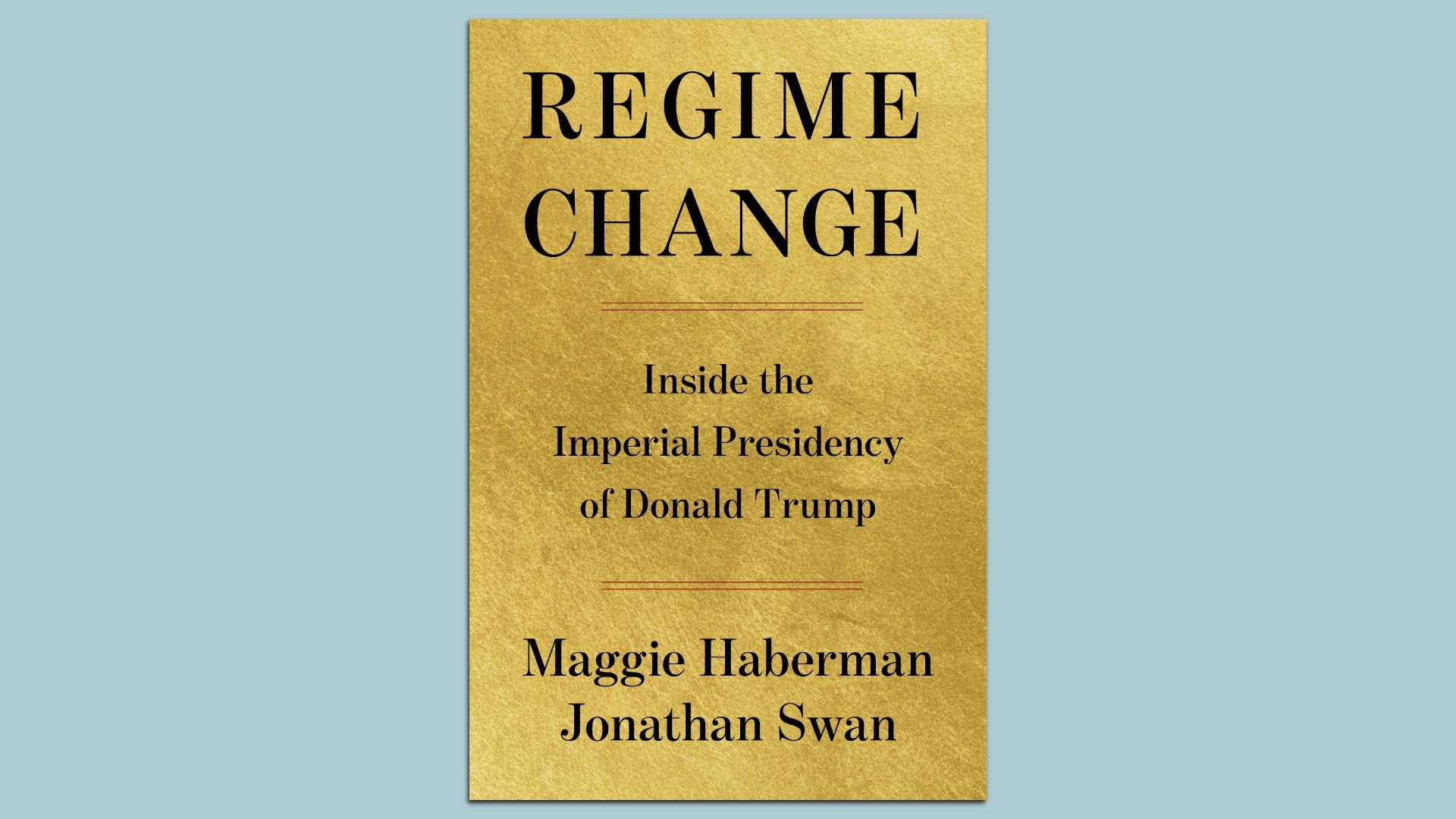
The book is complete, and Axios can reveal its title: "Regime Change: Inside the Imperial Presidency of Donald Trump." It'll be out June 23 from Simon & Schuster.
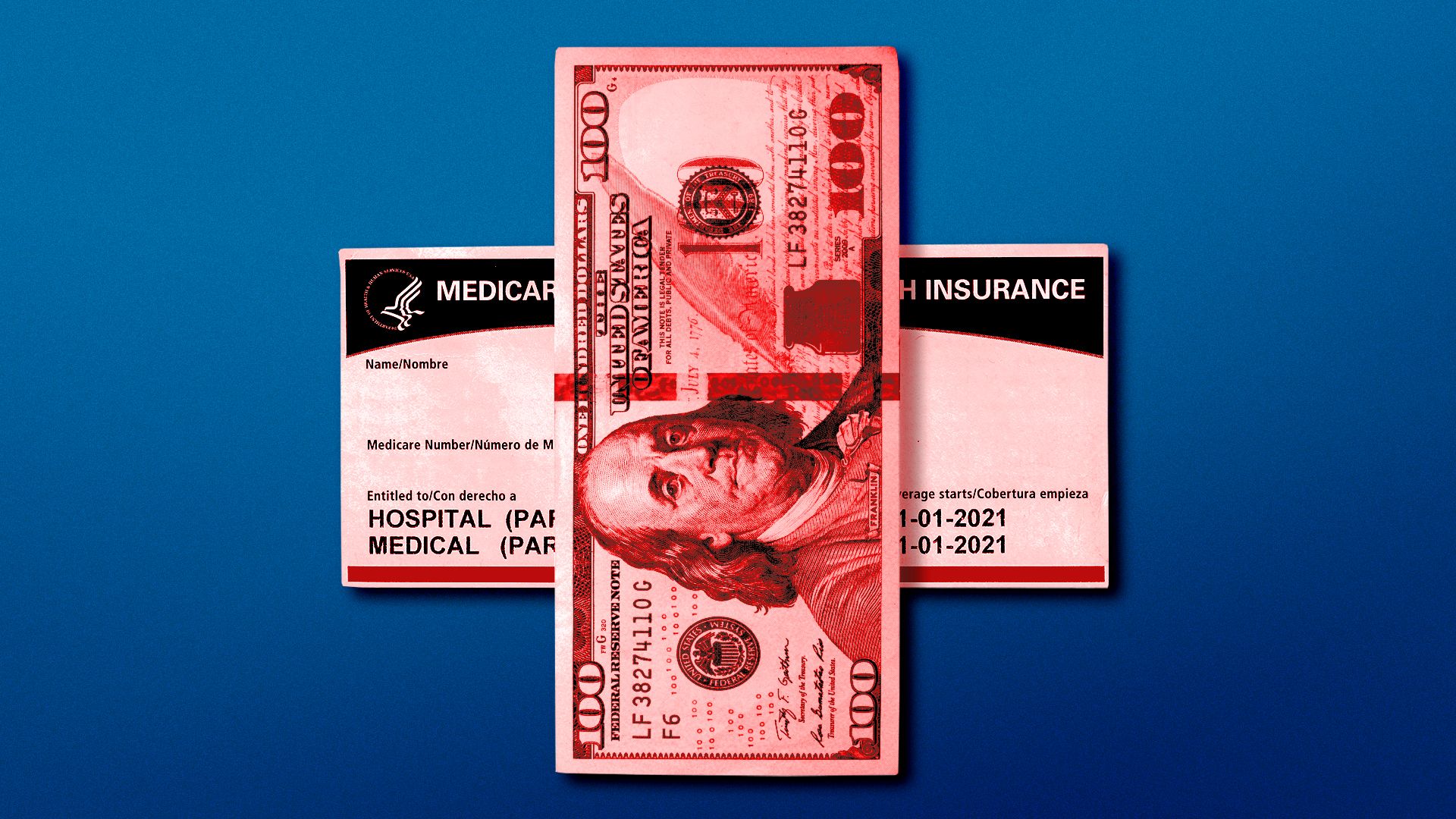
After saying it wanted to keep federal payments to private Medicare plans roughly flat next year, the Trump administration reversed course on Monday and gave the insurers a $13 billion pay bump.
Why it matters: The average 2.48% pay increase for 2027 was on the high end of analysts' expectations and marked a win for UnitedHealthcare, Humana and other Medicare Advantage plans, whose stocks tumbled after the administration's initial proposal in January.
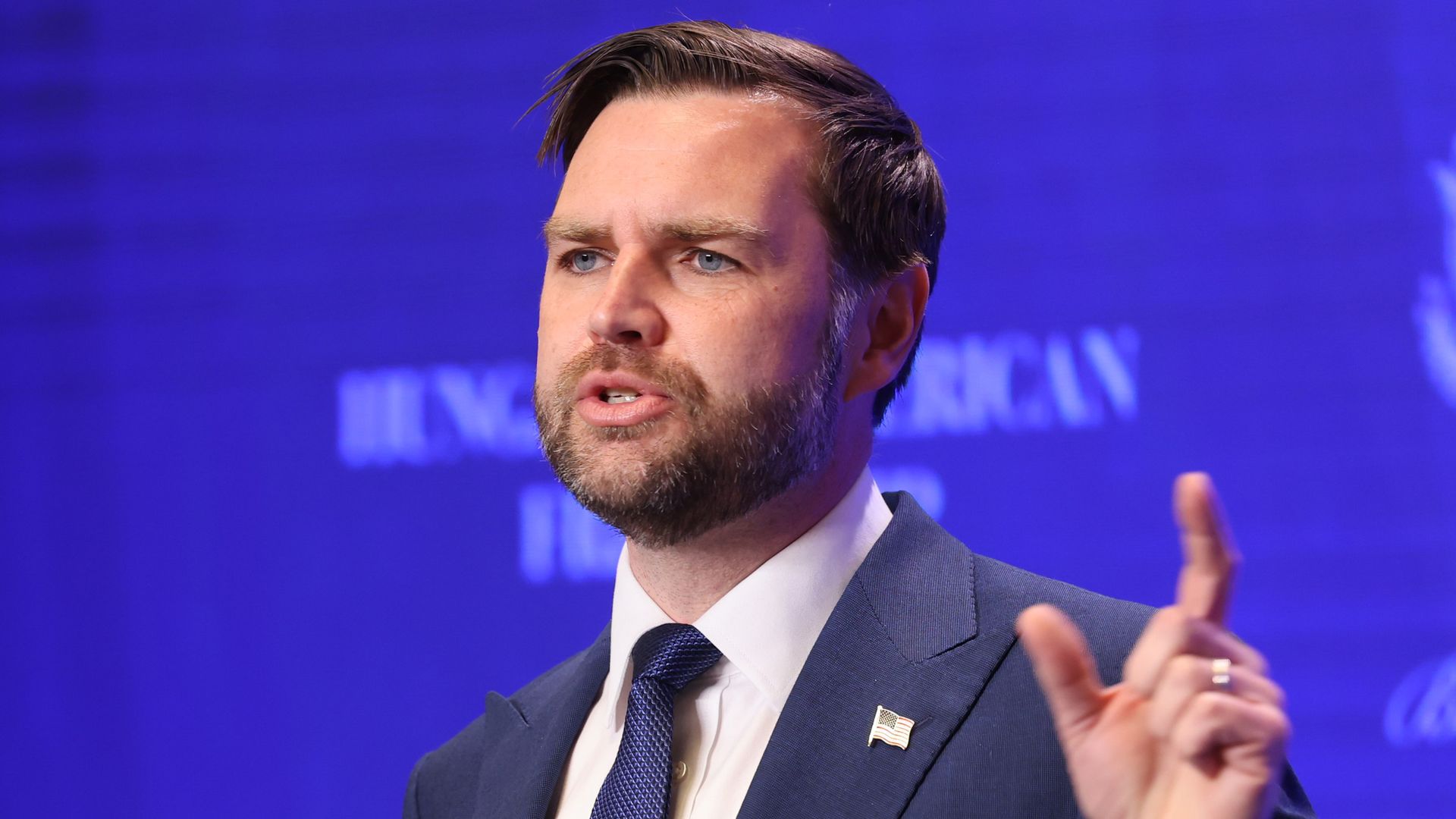
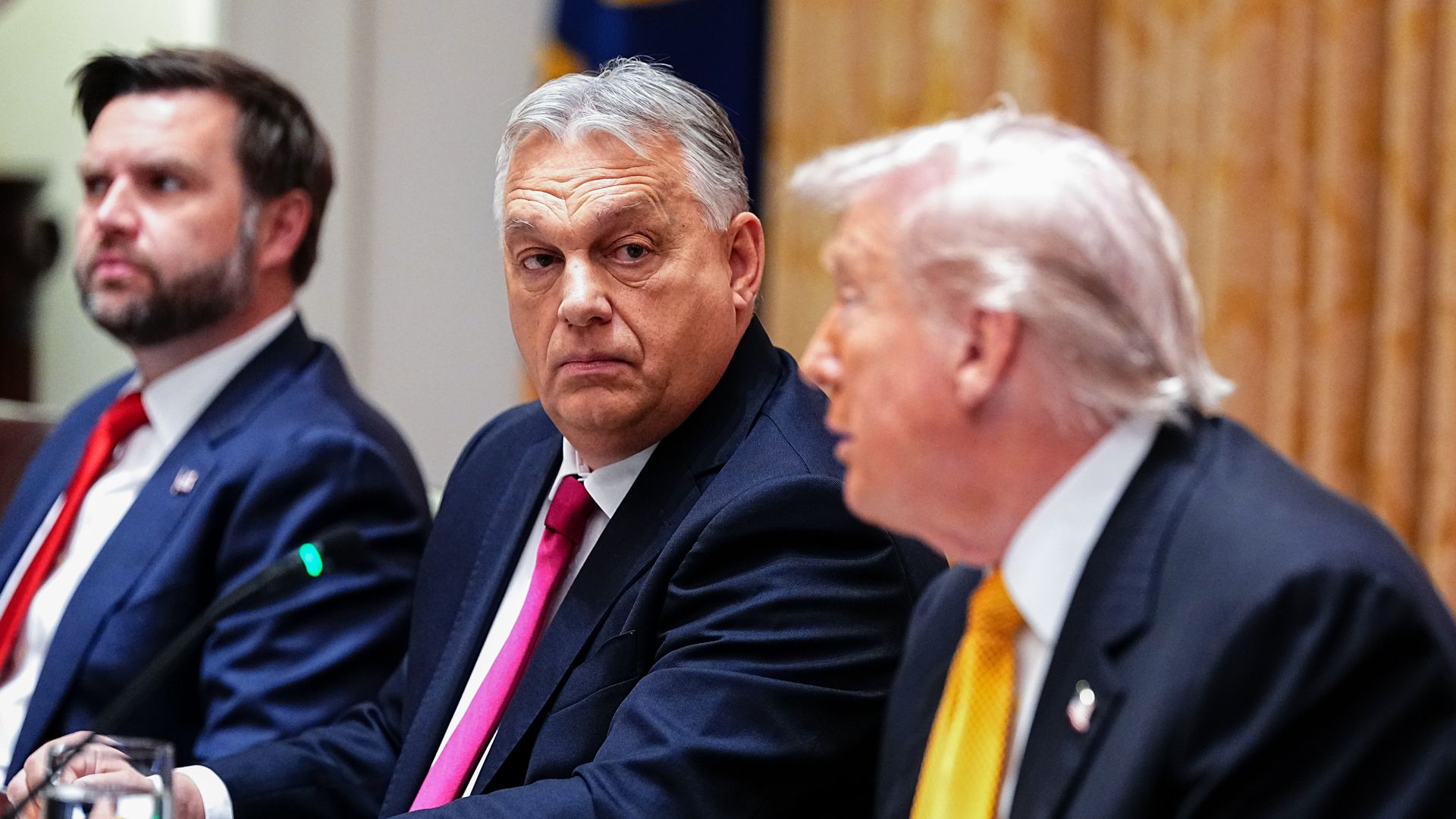
Vice President Vance on Tuesday will plunge into Europe's most volatile election in years — a Hungarian campaign engulfed by spy scandals, sabotage and unprecedented peril for MAGA's favorite foreign ally.
Why it matters: Viktor Orbán is the cornerstone of President Trump's vision for Europe. The pro-Kremlin, anti-EU strongman has spent 16 years building a template for Christian nationalist rule now embraced by the American right.