54% of American workers are “very concerned” about their job security due to the coronavirus crisis, according to polling from Kekst CNC, an international strategic communications firm, shared exclusively with Axios.
By the numbers: That's compared to 41% of Brits, 44% of Germans and 35% of Swedes. Nonetheless, majorities in all four countries prioritize stopping the spread rather than reopening the economy, even if it means a possible economic depression.
Adapted from Kekst CNC, margin of error ±3.3 percentage points; Chart: Axios Visuals
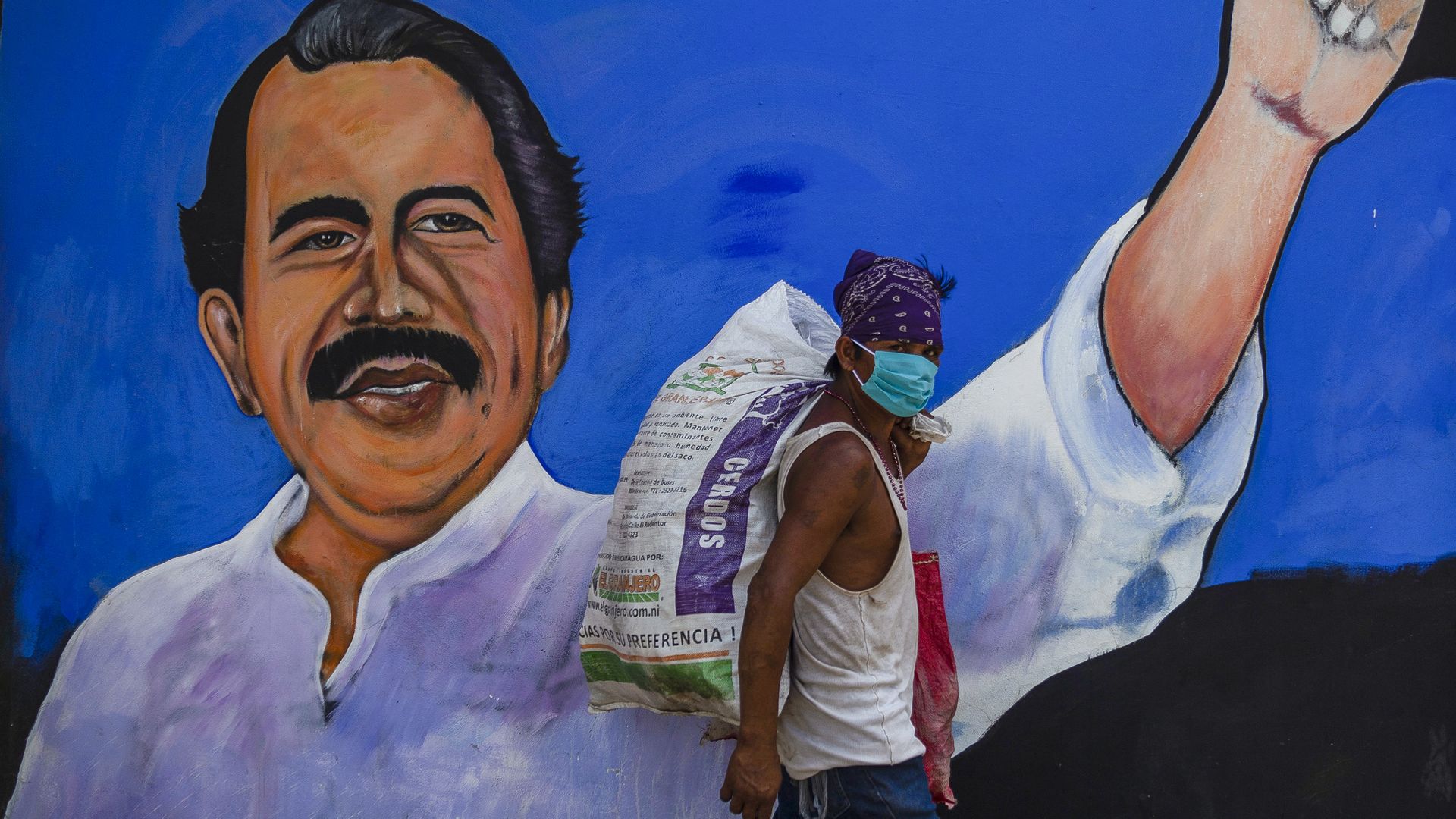
While some politicians have been criticized for a lack of leadership during the coronavirus crisis, Nicaraguan President Daniel Ortega takes that to an extreme.
Driving the news: Nicaragua’s government continues to encourage crowds at stadiums and on beaches during the pandemic, though Ortega has personally stayed away. In fact, Sunday marked one month since he last appeared in public.
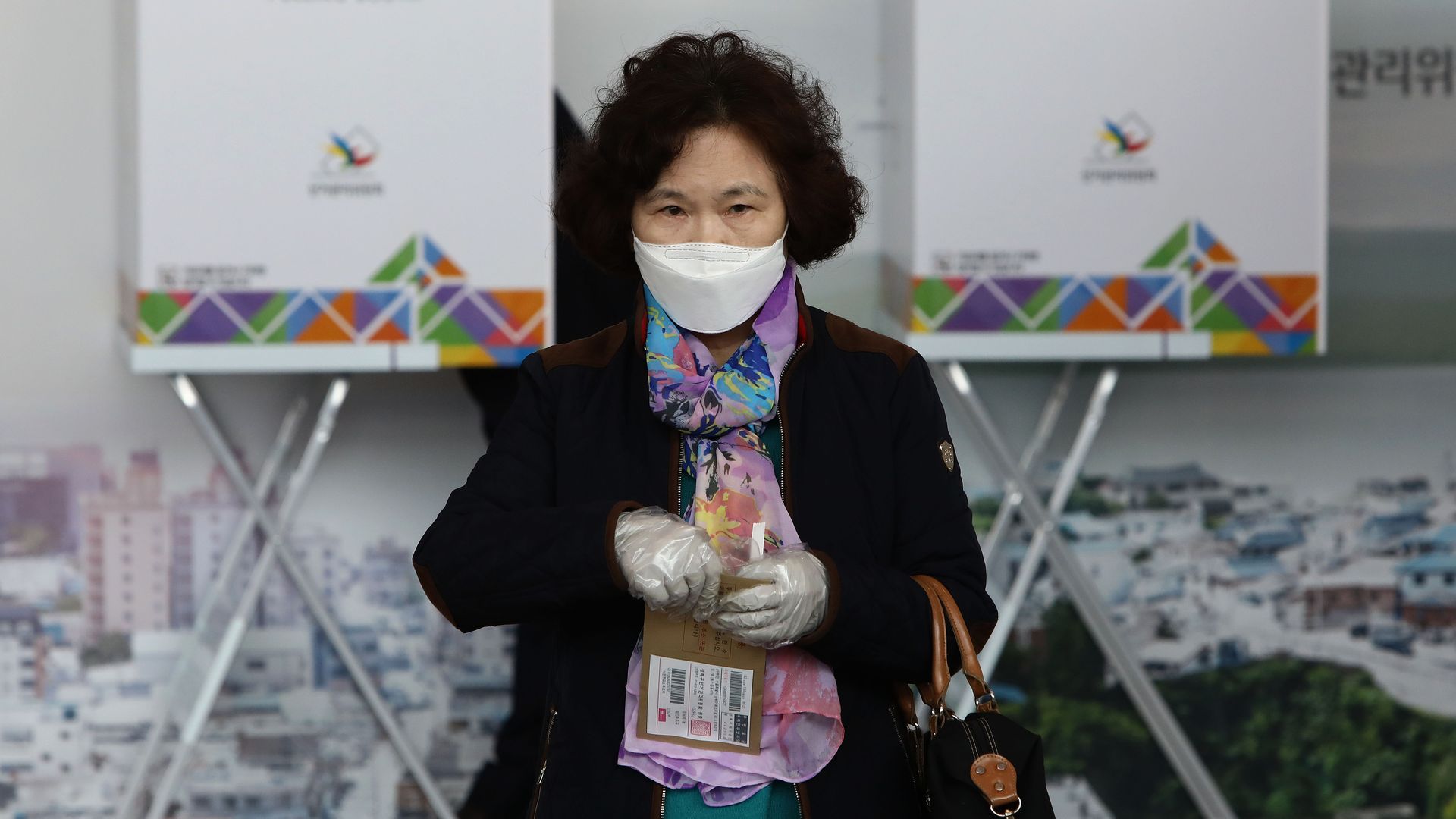
The global coronavirus crisis is testing the world's democracies in myriad ways, but one is particularly fundamental: how to hold elections.
Driving the news: South Korea is a rare case. Millions of early votes have already been cast ahead of the April 15 election, which will be the first national poll held worldwide since the crisis reached pandemic proportions.
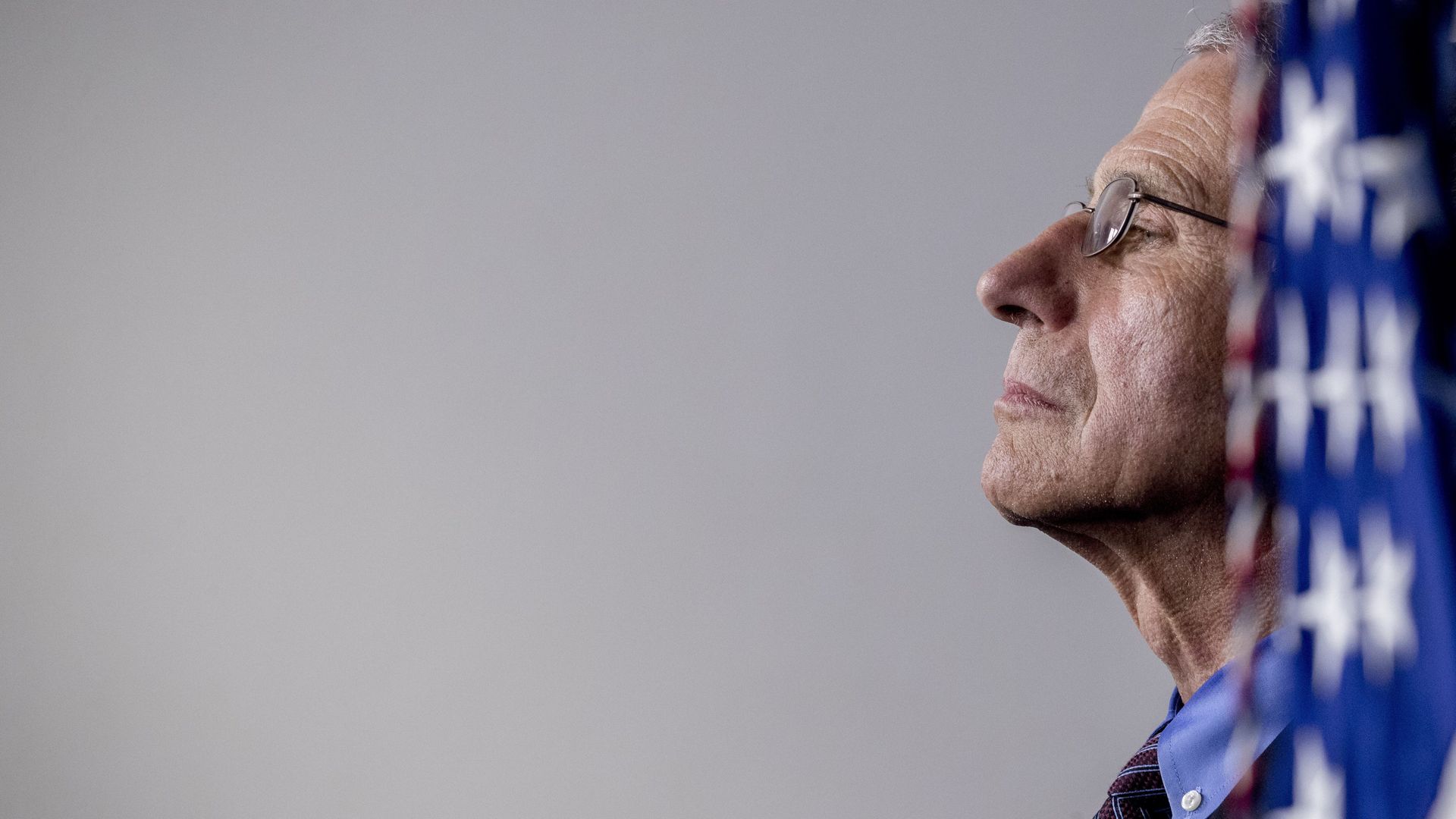
Speaking at the start of Monday's coronavirus press briefing, Dr. Anthony Fauci clarified his response to a hypothetical question he was asked on CNN, where he said that there was "pushback" to his early recommendations within the Trump administration and that "obviously" earlier mitigation efforts would have saved more lives.
Why it matters: Fauci's comments on Sunday caused backlash among critics who believed that President Trump ignored public health experts. Fauci insisted on Monday that Trump has always accepted his recommendations and that his CNN comments were simply a hypothetical that was misconstrued.
Only public health authorities will be able to create apps using Apple and Google's new contact-tracing technology, and governments won't be able to force people to use the tech, the companies clarified Monday.
Why it matters: The clarifications, and others offered by the companies on Monday, aim to address some of the privacy questions raised by the technology, which was jointly announced Friday.
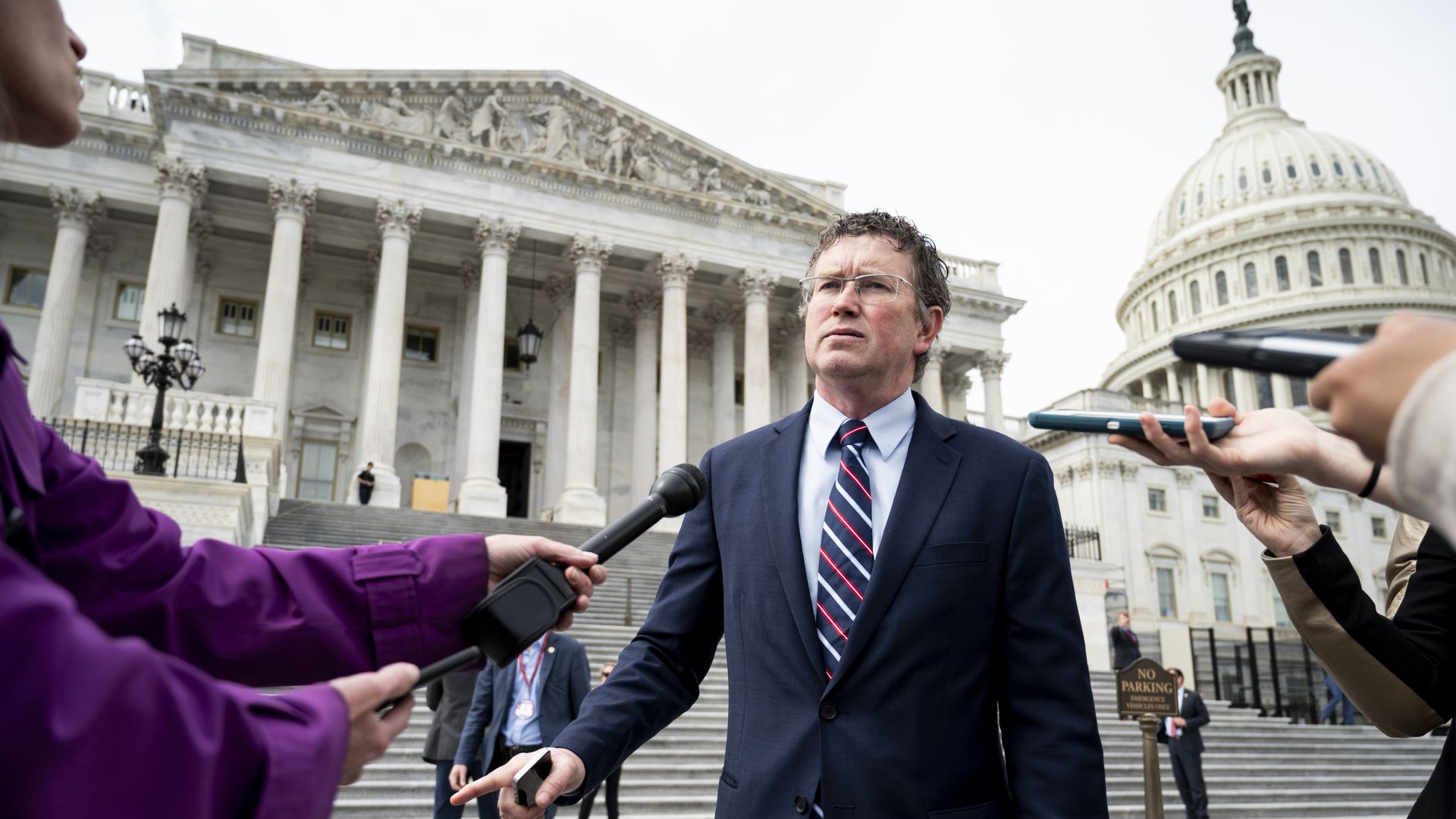
Rep. Thomas Massie (R-Ky.) told Todd Starnes' radio show Monday that he would seek to force a House roll-call vote on a potential fourth coronavirus stimulus package, calling his House colleagues "cowards" who "don't want to show up for work."
Why it matters: Massie drew bipartisan ire after a similar threat regarding last month's stimulus package forced hundreds of lawmakers to travel back to Washington in the midst of the pandemic.
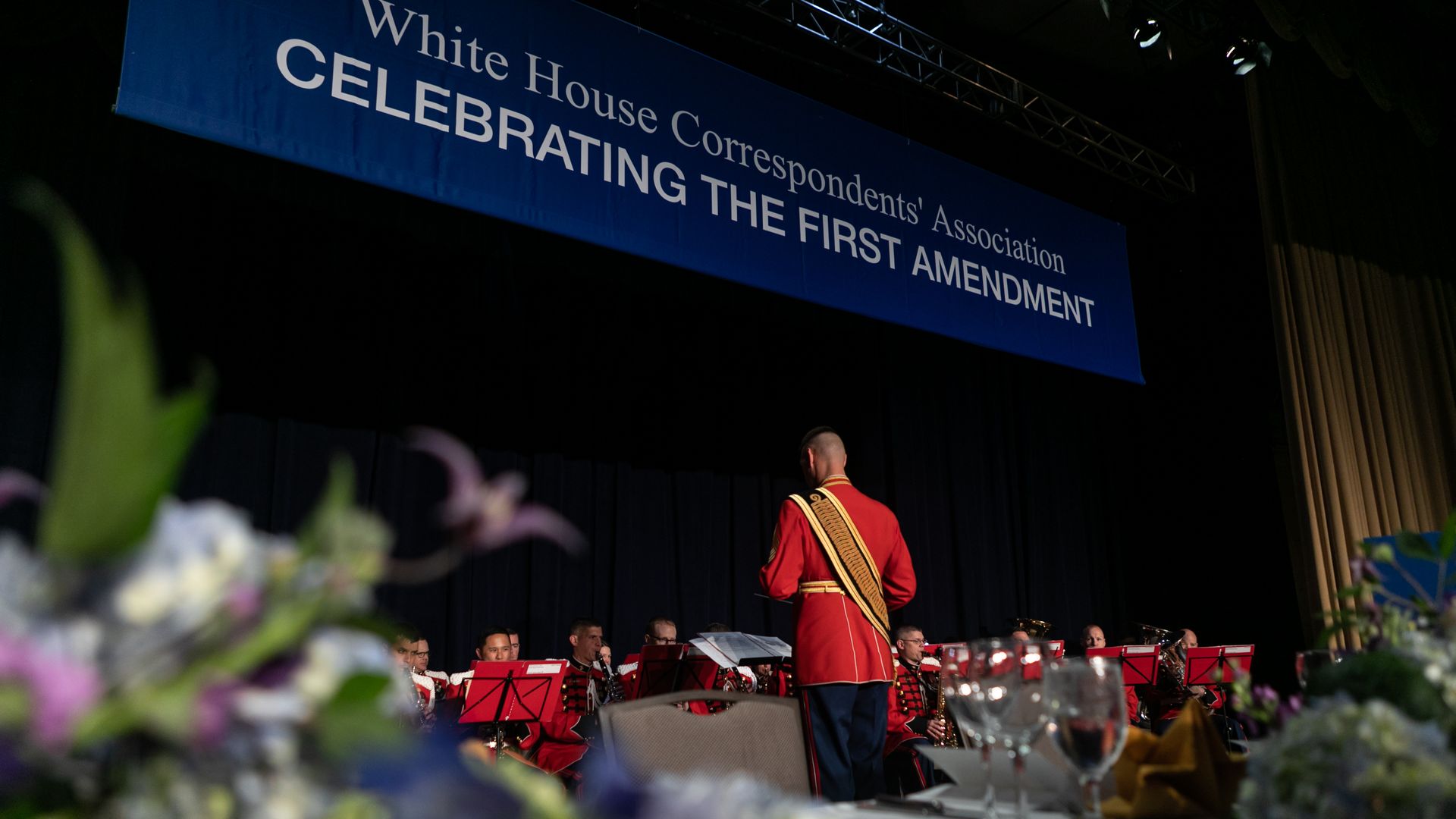
The White House Correspondents' Association dinner has been rescheduled to Aug. 29 after getting bumped from its traditional April date because of the coronavirus pandemic, the White House Correspondents' Association announced Monday.
The state of play: The WHCA said it made the decision "after consulting with public health and medical officials." "Saturday Night Live" cast member Kenan Thompson will still host the event, alongside comedian Hasan Minhaj as the featured performer.
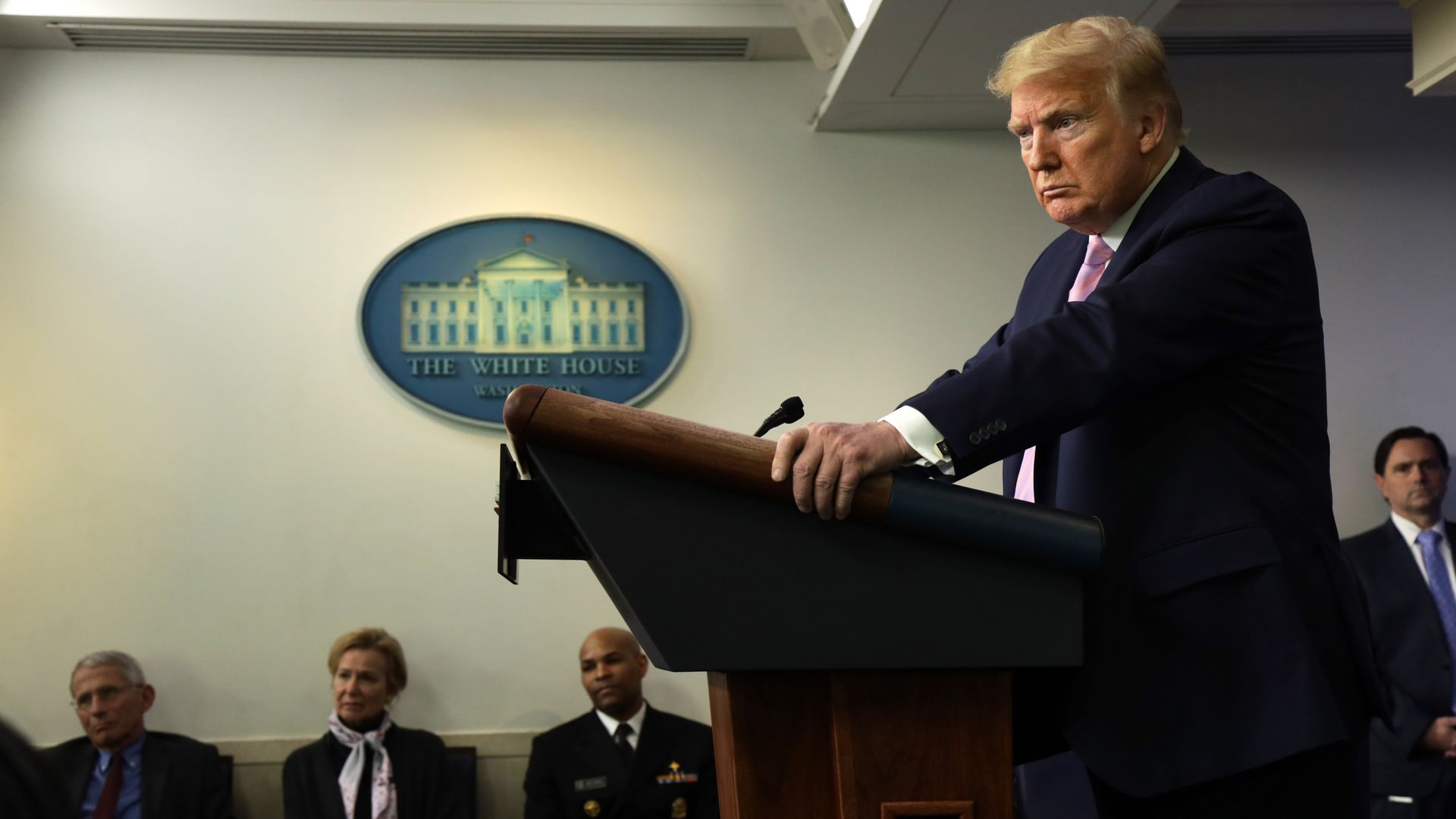
President Trump retweeted a tweet on Sunday night that concluded "Time to #FireFauci," which could unleash some conservatives' simmering suspicions about Dr. Anthony Fauci.
What they're saying: The White House pushed back on media speculation that Trump may fire Fauci on Monday afternoon, calling it "ridiculous."
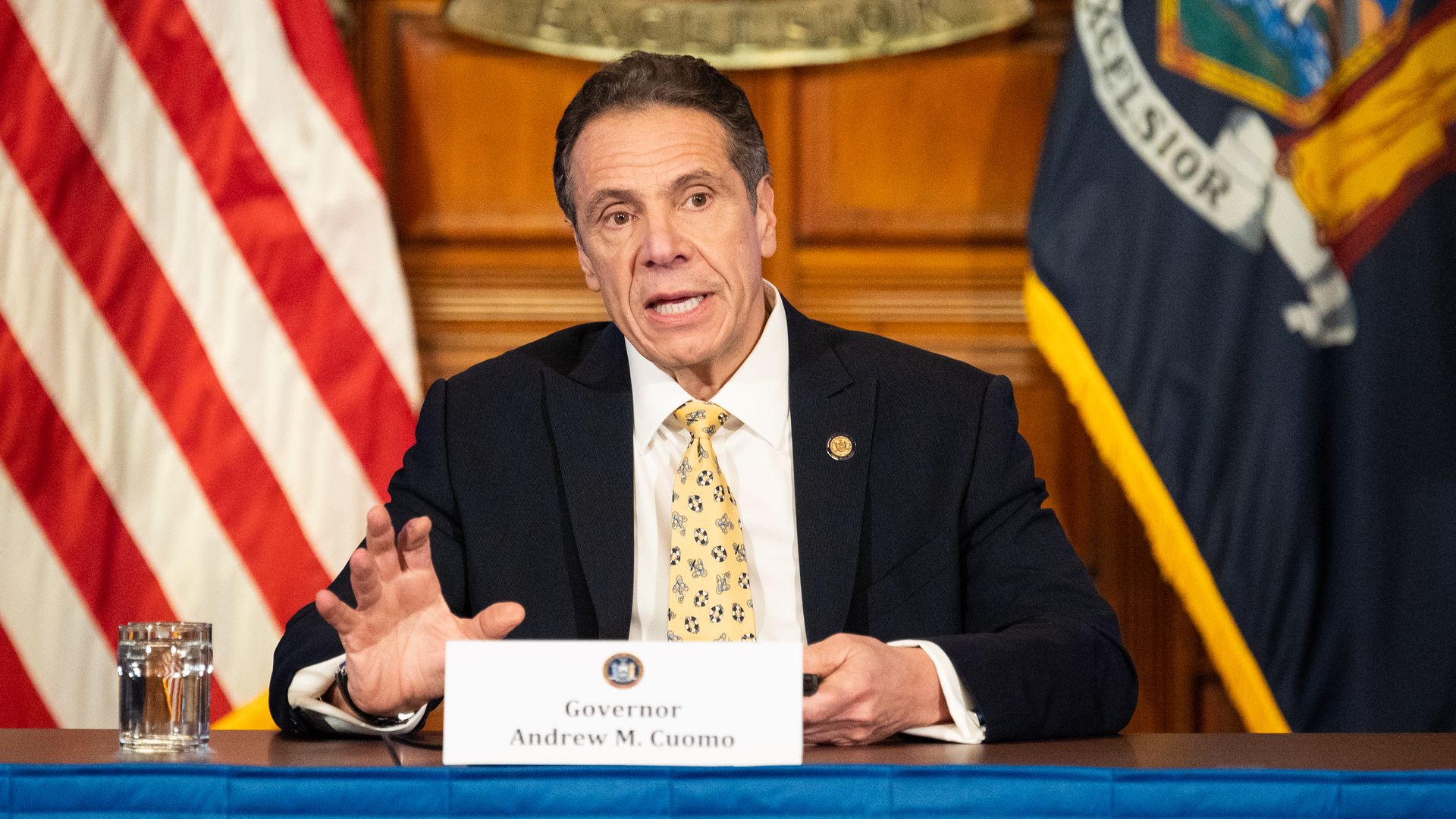
Gov. Andrew Cuomo said at a press briefing Monday that in terms of New York's coronavirus outbreak, "the worst is over" if the state continues to be "smart" about adhering to social distancing guidelines.
Why it matters: New York has been the epicenter of the pandemic in the United States, reporting 189,033 cases as of Monday afternoon — more than any country other than the U.S. But the state's rate of hospitalizations has flattened in recent days, indicating that it may have turned a corner in combating the outbreak.
President Trump tweeted Monday that the "decision to open up the states" following shutdown measures taken to stop the spread of the coronavirus lies with him, not governors.
Why it matters: The tweet undermines talking points from both the administration and conservatives on the coronavirus shutdown — and overstates Trump's constitutional authority.
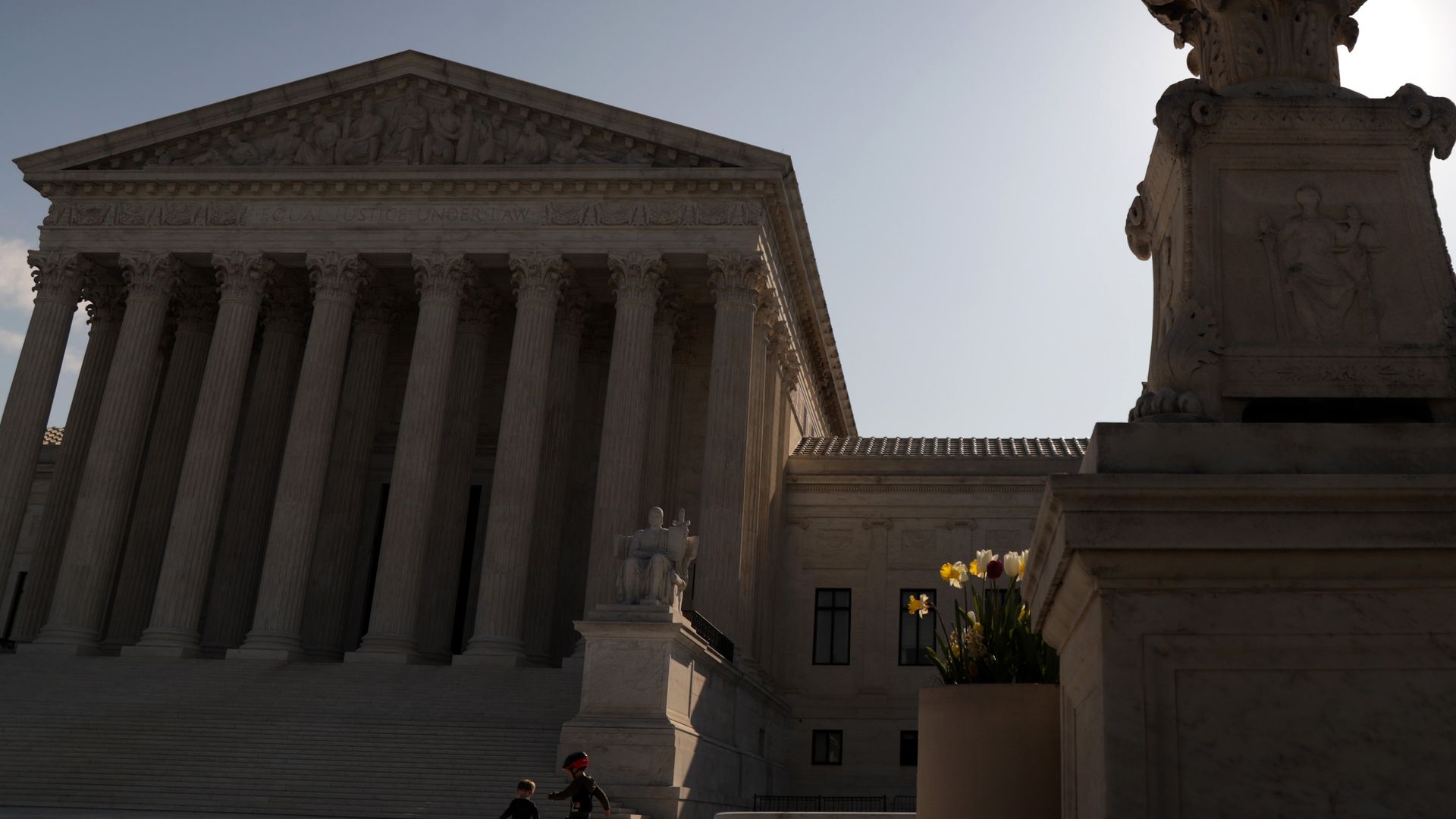
The Supreme Court will hear oral arguments via teleconference in May, it announced Monday.
Why it matters: It's the first time the court will hear cases remotely — and it'll allow the media to listen in as well — marking a huge step for the notoriously technophobic branch of government amid the coronavirus crisis.
A Navy sailor who had been assigned to the aircraft carrier USS Theodore Roosevelt died Monday of complications from coronavirus, the Navy announced.
The big picture: The ship's former commander, Capt. Brett Crozier, was removed from his post after a letter he wrote pleading for more resources for sickened crew members was leaked. Acting Navy Secretary Thomas Modly resigned last week amid criticism for his response to the ship's outbreak and Crozier's ousting.
China might delay submitting revised climate plans to the United Nations "at least until after the U.S. presidential election in November as officials focus on reviving the economy from an unprecedented slowdown," Climate Home News reports.
Why it matters: China is the world's largest greenhouse gas emitter, and the story signals how the coronavirus-related postponement of critical United Nations talks, which had been slated for November, could shake up the landscape.
Despite being linked to MLB's billion-dollar ball clubs, minor league baseball teams are essentially just small businesses — and like most other small businesses right now, the coronavirus pandemic has put their future in jeopardy.
By the numbers: MLB's gross revenue in 2019 was $10.7 billion, 50% of which came from media rights deals. The minor leagues, by comparison, have an entirely different model, relying much more heavily on ticket sales and the in-stadium experience.
Taiwan's Super Basketball League is believed to be the world's only professional basketball league that is currently operational — a feat made possible by a swift response to coronavirus (six deaths in a country of 24 million people).
Why it matters: Despite being much smaller than the NBA (five teams compared to 30), the SBL's game-night protocols and empty arenas provide a glimpse of what NBA games might look like if conditions allow for its return this season.
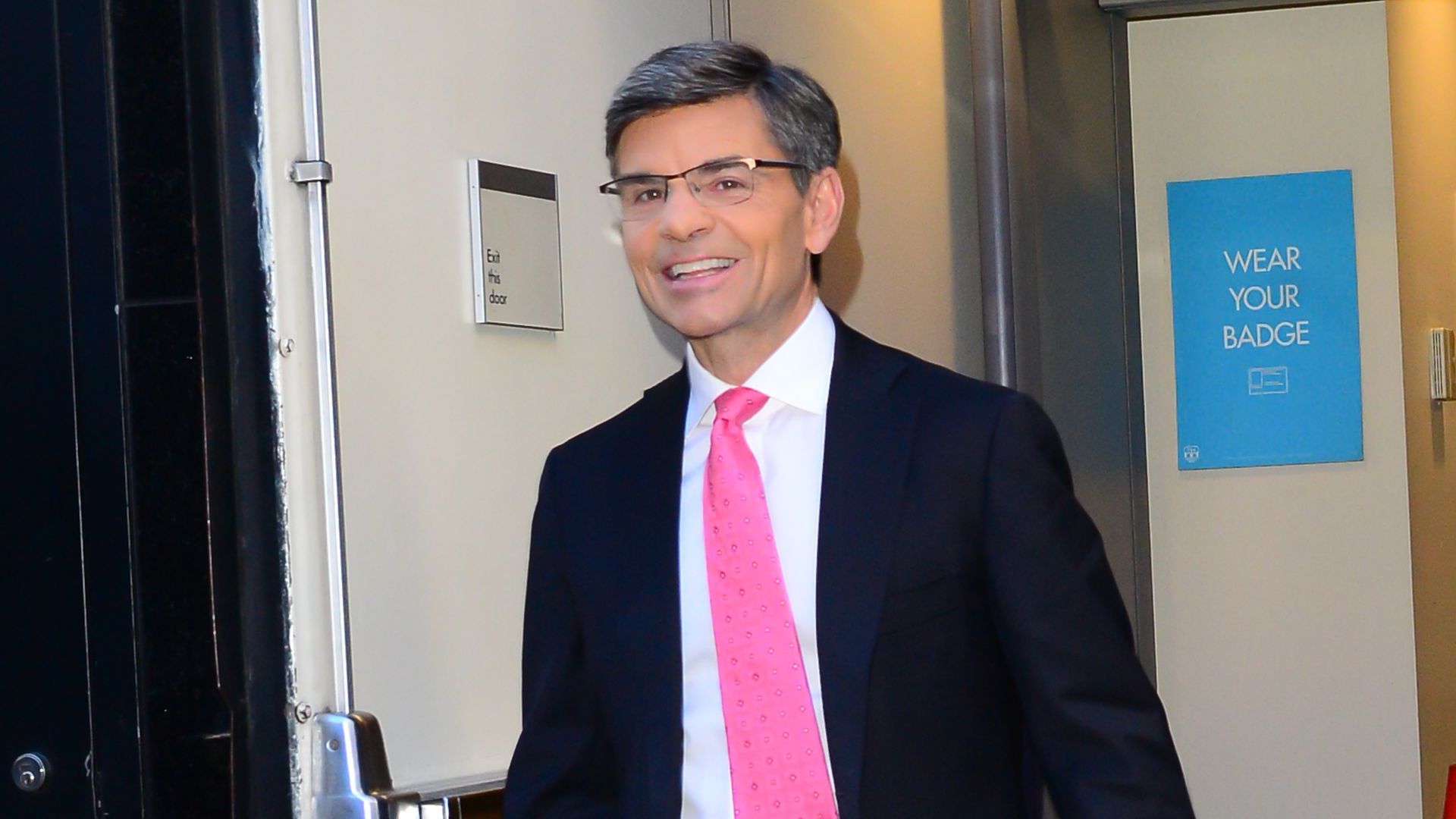
ABC News' George Stephanopoulos announced Monday during an appearance on "Good Morning America" that he tested positive for coronavirus.
The big picture: Stephanopoulos, who said he was asymptomatic and "feeling great," had been at home caring for his wife, actress and bestselling author Ali Wentworth, who also tested positive.
More Americans are ordering delivery as restaurants close due to the COVID-19 outbreak and shelter-in-place orders made more people reluctant to leave the house.
What's happening: The number of people ordering food from restaurants has steadily increased but is largely staying consistent among age and income groups, new data from CivicScience shows.
U.S. consumer sentiment suffered a record decline in April, according to the latest poll from the University of Michigan, but respondents are still irrationally confident about the future, the survey's director says.
What happened: The survey's gauge of preliminary consumer sentiment sank 18 points to 71, its lowest since 2011.
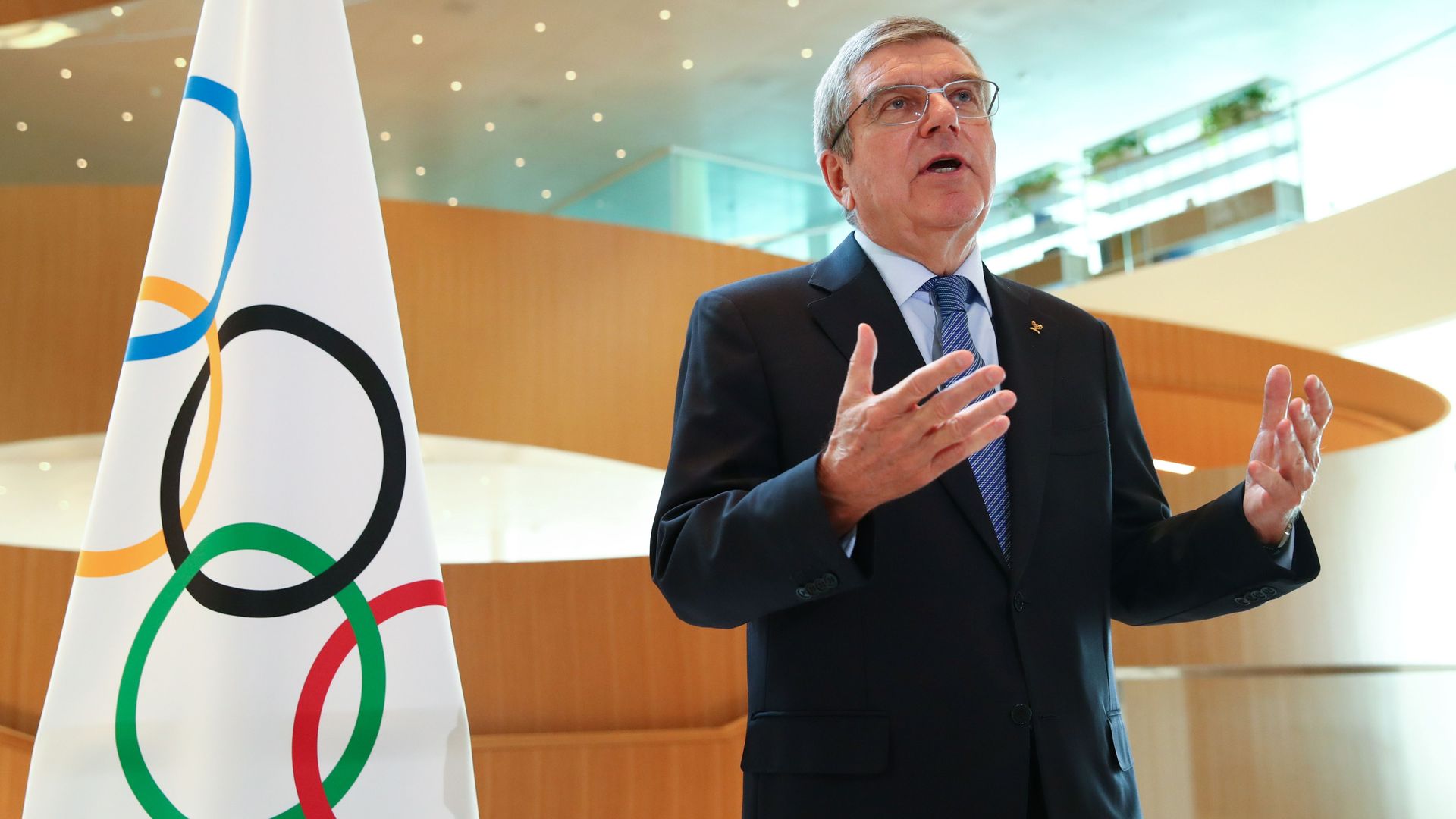
The coronavirus-induced delay of the 2020 Summer Olympics could cost billions of dollars, with Japan and the International Olympic Committee footing the bill, reports the AP.
Why it matters: IOC president Thomas Bach said this weekend that his organization will likely face "several hundred million dollars" of added costs as Japan covers the rest — with estimates pegging the total postponement costs at $2 billion to $6 billion.
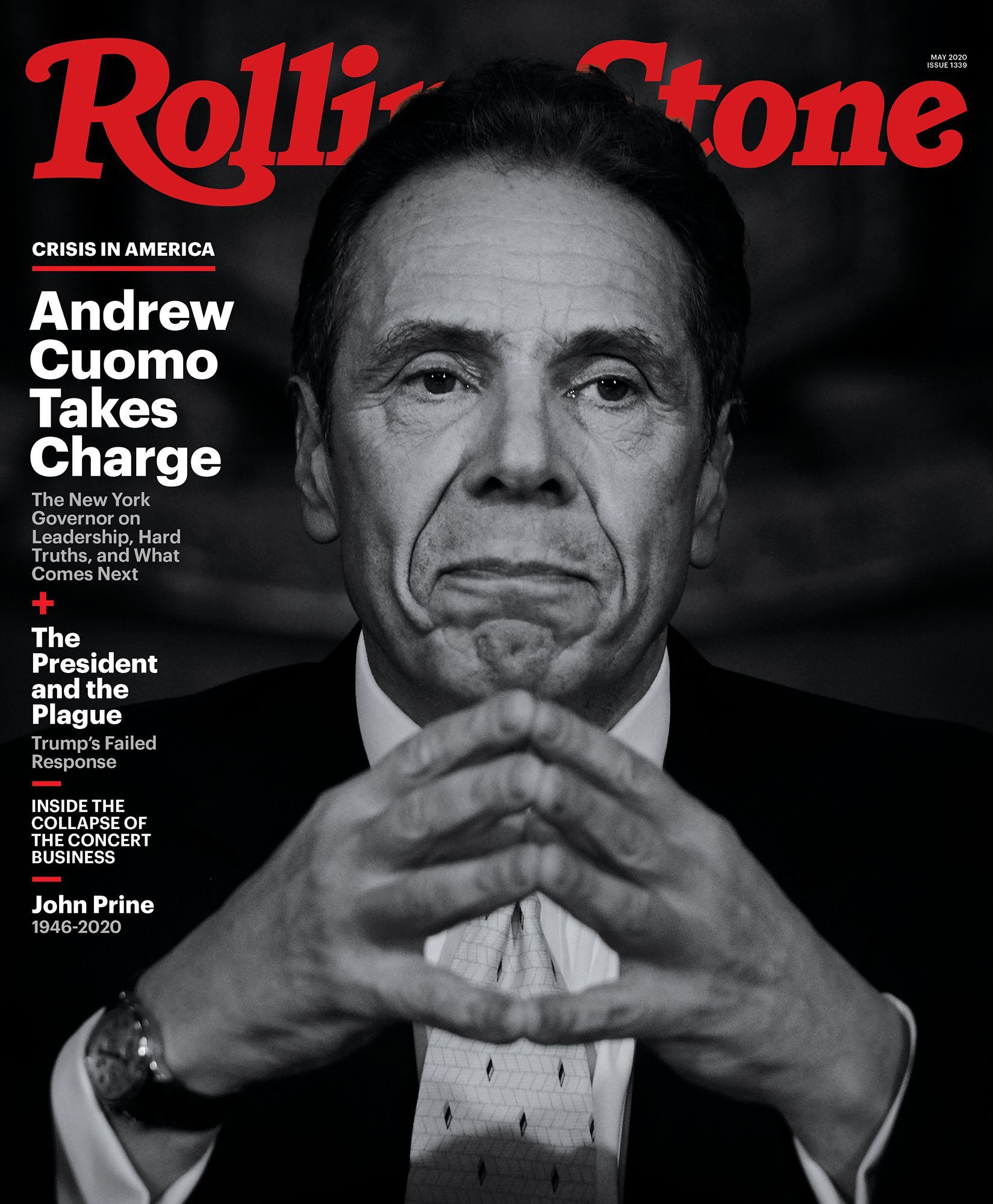
New York Gov. Andrew Cuomo, whose daily briefings have become appointment viewing on cable news, tells Mark Binelli for the new Rolling Stone cover story about his priorities during the coronavirus crisis.
What he's saying: "People need information. They need correct information. ... You’re literally afraid of going out of doors. You’re afraid of contact with other human beings, which is probably the most isolating experience you’ve ever had. A hug now becomes a dangerous act. ... Who’s managing this? Who’s in control when I’m out of control?"
The vast majority of Americans, across all age groups, are practicing social distancing, according to our KFF polling.
Why it matters: The public doesn’t always act in its best interests when it comes to health — but this time, people are. And it’s helping to “flatten the curve” of the coronavirus pandemic.
America's economic crisis soon may expand to its states, cities and towns.
The big picture: State and local tax revenue is falling, particularly in areas heavily reliant on sales taxes, while spending is up due to added unemployment and medical obligations.
There’s no clear strategy in place to resolve or prevent the shortages of testing supplies that have threatened the U.S. coronavirus response for more than a month.
Why it matters: We can now run hundreds of thousands of coronavirus tests a week, but it’s still not enough to meet the demand.
New York Gov. Andrew Cuomo (D) told a briefing Sunday he's coordinating with the governors of New Jersey and Connecticut on when to ease coronavirus restrictions, adding he wants to reopen nonessential businesses and public places "as soon as possible."
The big picture: New York City Mayor Bill de Blasio told Cuomo via text message of plans to keep 1,800 public schools shut until the end of June, per the New York Times. But Cuomo said it's too early to make such a call. "That's his opinion, but he didn't close them, and he can't open them," he said.
Google announced Sunday night it is giving $1 million to help families in the San Francisco Bay Area, with CEO Sundar Pichai contributing another $1 million. The goal is to fundraise another $3 million from employees and others through GiveDirectly, which would allow 5,000 families to receive $1,000 each.
Why it matters: Google's home region remains one of the most expensive in the country and, for those not able to work from home, the COVID-19 outbreak is a financial crisis in addition to a health crisis.
The "globalization of production" is to blame for a shortage of essential medical equipment needed to treat the novel coronavirus in the U.S., President Trump's economic adviser Peter Navarro told "60 Minutes" in an interview broadcast Sunday.
Details: Journalist Bill Whitaker asked Navarro how the U.S. could be "blindsided," with hospitals running out of masks and gowns. Navarro blamed "multinational corporations, who salute no flag, who love cheap sweatshop labor, and who love the massive subsidies that the Chinese government throws at production to bring it from here to there." Navarro said, "We wouldn't be having this problem if we had the domestic production."