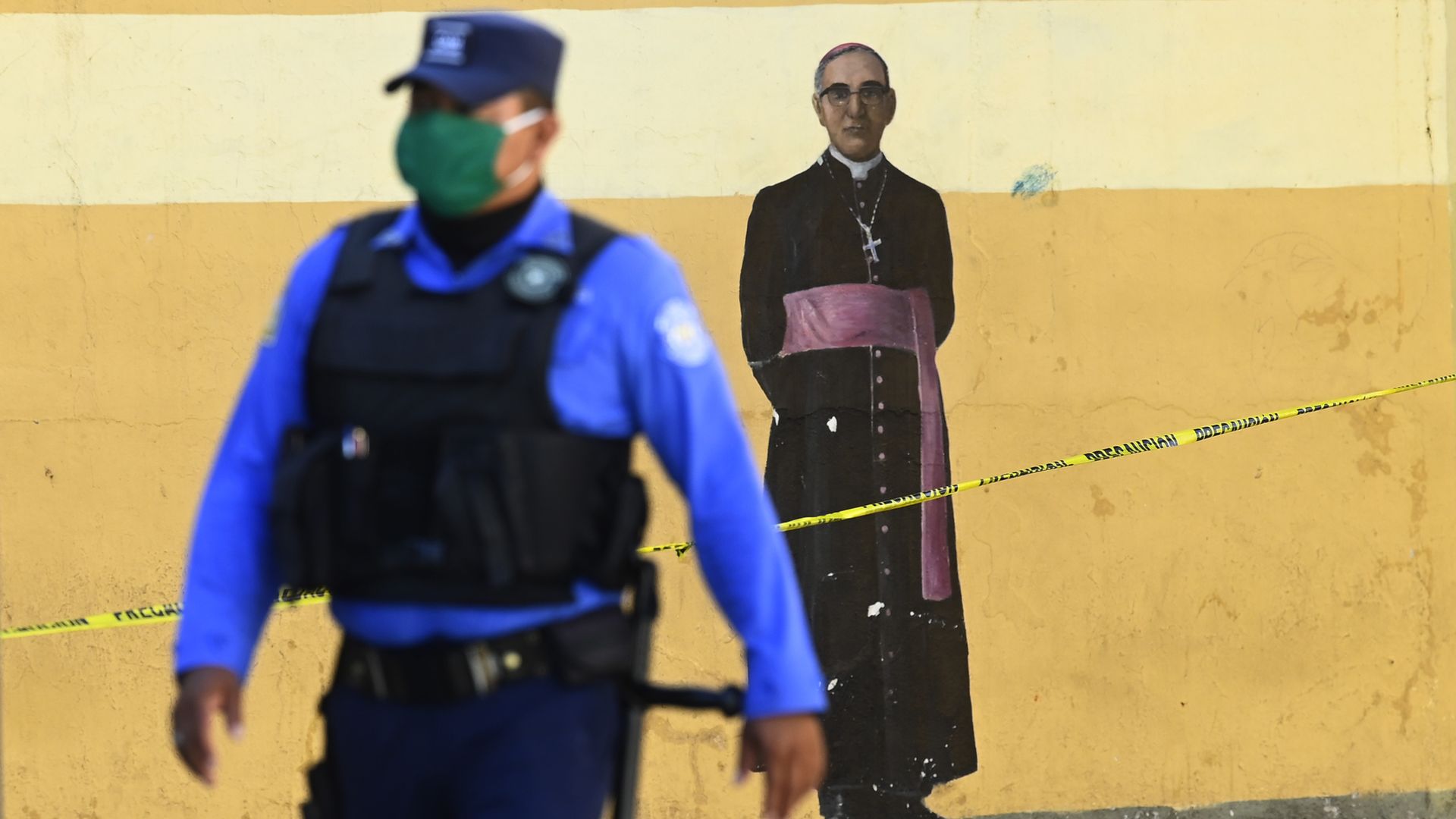
Coronavirus lockdowns have led to a decline in murders in some of the world's most violent countries, the Los Angeles Times reports.
By the numbers: El Salvador went 48 hours without a single homicide last month amid a nationwide lockdown. Gangs are warning people to stay off the streets to stop the spread.
Europeans and Americans are desperate to move beyond the worst of the crisis and return to something approximating normality, but the World Health Organization is cautioning that moving too fast will undermine the sacrifices made so far.
Where things stand: Nearly every country on Earth is still seeing their caseload increase, and a recent uptick in Singapore shows that apparent victory over the virus can be fleeting. But several countries are providing reason for optimism.
With in-person elections on Nov. 3 the hope but no longer a certainty, states are racing to chip away age-old barriers to alternatives in time for the general election.
Why it matters: State laws and political calculations remain formidable obstacles to expanding voting options. And the price tag for changes could top $2 billion.
Hospitals, doctors' offices, suppliers and other health care facilities have now received $51 billion in "advance payments" from Medicare, the Centers for Medicare & Medicaid Services said Thursday.
The bottom line: Those funds, which act as a loan and have to be repaid, are up from $34 billion earlier this week. CMS has processed 21,000 of the 32,000 requests.
OPEC+, led by mega-producers Saudi Arabia and Russia, reached a tentative agreement Thursday to impose large cuts in oil production as the coronavirus pandemic fuels an unprecedented collapse in demand, per Bloomberg and Reuters.
Why it matters: The revival of the OPEC+ collaboration patches up the early March rupture between the countries, which had pushed already depressed prices down much further by threatening to unleash even more new supplies into the saturated market.
Investors expect the earnings season that kicks off on Tuesday to be ugly.
What to watch: The banks are among the first to report. They still made a ton of money, but the results — and the companies' outlooks — will give insight into our current unprecedented halt in economic activity.
All companies want to be cash-rich — and as big as possible — heading into an era of extreme uncertainty.
The big picture: Companies raised an astonishing $287 billion through bond issuance between March 17 and April 3 alone. That's more than they raised in the entire second quarter of last year.
The Federal Reserve is pouring trillions of dollars into programs making it easy for big companies to access liquidity on capital markets, and the Fed's new Main Street Lending Program is designed to target medium-sized businesses that need between $1 million and $150 million in marginal new debt. But the state of affairs for small businesses is still bad.
Driving the news: The government has pledged $350 billion, and probably will commit another $250 billion on top of that, for small businesses to keep their employees on payroll. But the program got off to a very rocky start, and it's still extremely rare to find businesses that have actually received any funds.
Universa Investments, the "black swan" hedge fund, had a pretty good March.
Why it matters: While the coronavirus pandemic isn't really a black swan — a lot of people knew such a thing would come at some point — the slump in the markets was severe enough that the fund's out-of-the-money options trades suddenly became extremely profitable.
The U.S. has expelled more than 6,000 migrants using new powers enabling the federal government to almost immediately turn back border-crossers under the Centers for Disease Control and Prevention emergency public health order that went into effect March 21, according to new Customs and Border Protection (CBP) data.
The big picture: The order has drastically lowered the number of immigrants in CBP custody to fewer than 100, the agency's acting commissioner Mark Morgan told reporters on Thursday. The number of people coming into the U.S. overall has plummeted due to coronavirus-related travel bans in place at both the northern and southern borders.
799 people died from coronavirus in New York over the past 24 hours, a record high for the third straight day that brings the state's total death toll to 7,067.
Why it matters: Gov. Andrew Cuomo said at a press conference that social distancing is helping to "flatten the curve" of coronavirus hospitalizations and that deaths are a lagging indicator. Still, he called the death figures "shocking and painful," noting that the virus has killed more than double the number of people who died in New York on 9/11.
Hydroxychloroquine has evolved from a sleepy anti-malarial drug into a partisan litmus test over the future of COVID-19 treatment. Dan and Axios health care reporter Bob Herman dig into what we know about the drug, what we still don't, and why both matter.
The Transportation Security Administration screened fewer than 100,000 people at airports around the U.S. on both Tuesday and Wednesday, per agency data.
The state of play: The 94,931 people screened on Wednesday is down from 2,229,276 on a comparable weekday a year ago. The last time the nation averaged fewer than 100,000 air passengers was in 1954, notes the AP.
A case study on contact tracing in Chicago showed how one person who showed up to a family funeral with mild symptoms of the coronavirus set off a chain reaction of infections to 16 more family members, including three deaths, data from the Centers for Disease Control and Prevention show.
Why it matters: The events, which took place in February, detail powerful consequences of death and illness when family members did not social distance or avoid social gatherings. The broader Chicago community was also exposed due to these events.
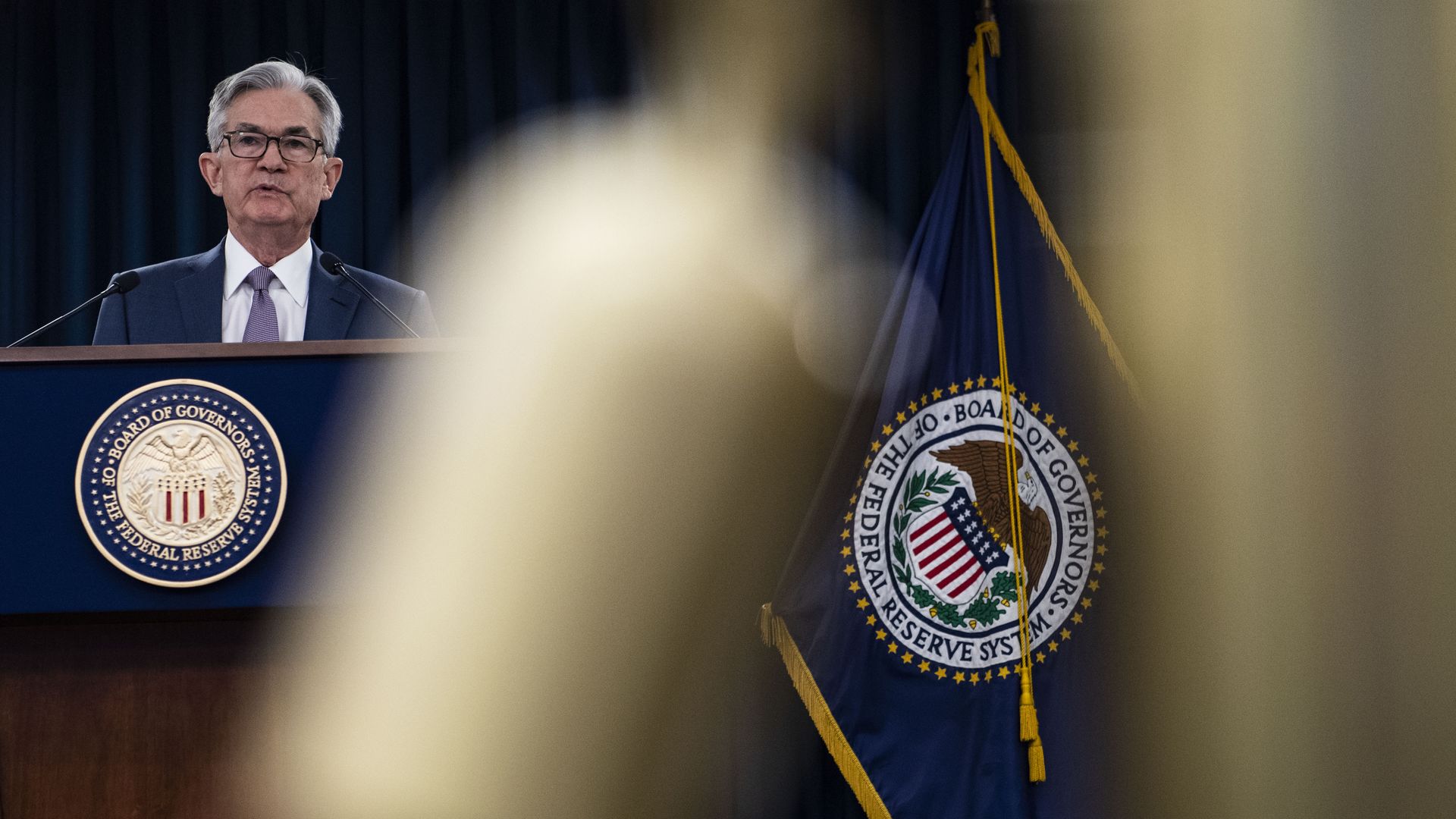
The Federal Reserve announced Thursday that it will support the coronavirus-hit economy with up to $2.3 trillion in loans to businesses, state and city governments — made possible in part by Treasury funds set aside in the government stimulus package.
Why it matters: It adds to the number of huge, unprecedented steps the Fed has taken during the coronavirus outbreak to blunt the effects of the resulting economic shutdown. Its actions to date are bigger than any seen during other crises in U.S. history.
Dr. Anthony Fauci, the director of the National Institute of Allergy and Infectious Diseases, told NBC's "Today" on Thursday that he's hopeful that social-distancing measures in place across the U.S. will reduce the total number of coronavirus deaths.
Why it matters: Fauci said that while early models projected between 100,000 and 200,000 U.S. deaths from the pandemic, he now believes that number could come down to 60,000 — but he emphasized the importance of keeping social distancing in place to ensure that trend holds.
Chinese-owned short video platform TikTok said Thursday it is donating $250 million to the coronavirus relief effort and offer more than $100 million in additional advertising credits.
The big picture: TikTok is the latest tech company to offer aid, with a significant portion of its donation coming in the form of cash.
Another 6.6 million Americans filed for unemployment last week, the Labor Department announced Thursday.
Why it matters: It adds to the staggering 10 million jobless claims in recent weeks — by far the sharpest spikes in American history — as the world economy has ground to a halt in an effort to contain the coronavirus outbreak.
Yelp told employees Thursday that it is cutting 1,000 jobs and furloughing another 1,100 workers amid a massive drop in its business.
Why it matters: Yelp is the latest company catering to small businesses that has seen much of its customer base decimated amid the COVID-19 outbreak and related shutdowns.
The $2.2 trillion coronavirus stimulus is helping existing homeowners but also causing dislocations in the U.S. mortgage market. This, combined with the pandemic, is weakening access to and demand for mortgages even with rates at record lows.
Why it matters: In addition to the expected downturn in the housing market from nationwide shelter-in-place orders, the current shock is making it harder and more expensive for individuals, especially those with lower credit scores and less cash, to get a mortgage.
The stock market continues to bounce back and analysts and investors are lining up on opposing sides of the market's big new question — whether stocks have hit the bottom. The one thing they both agree on is that there will be significant volatility ahead.
On one side: The rebound from this recession may come at warp speed because the fall came at warp speed, Jim Paulsen, chief investment strategist at the Leuthold Group, tells Axios.
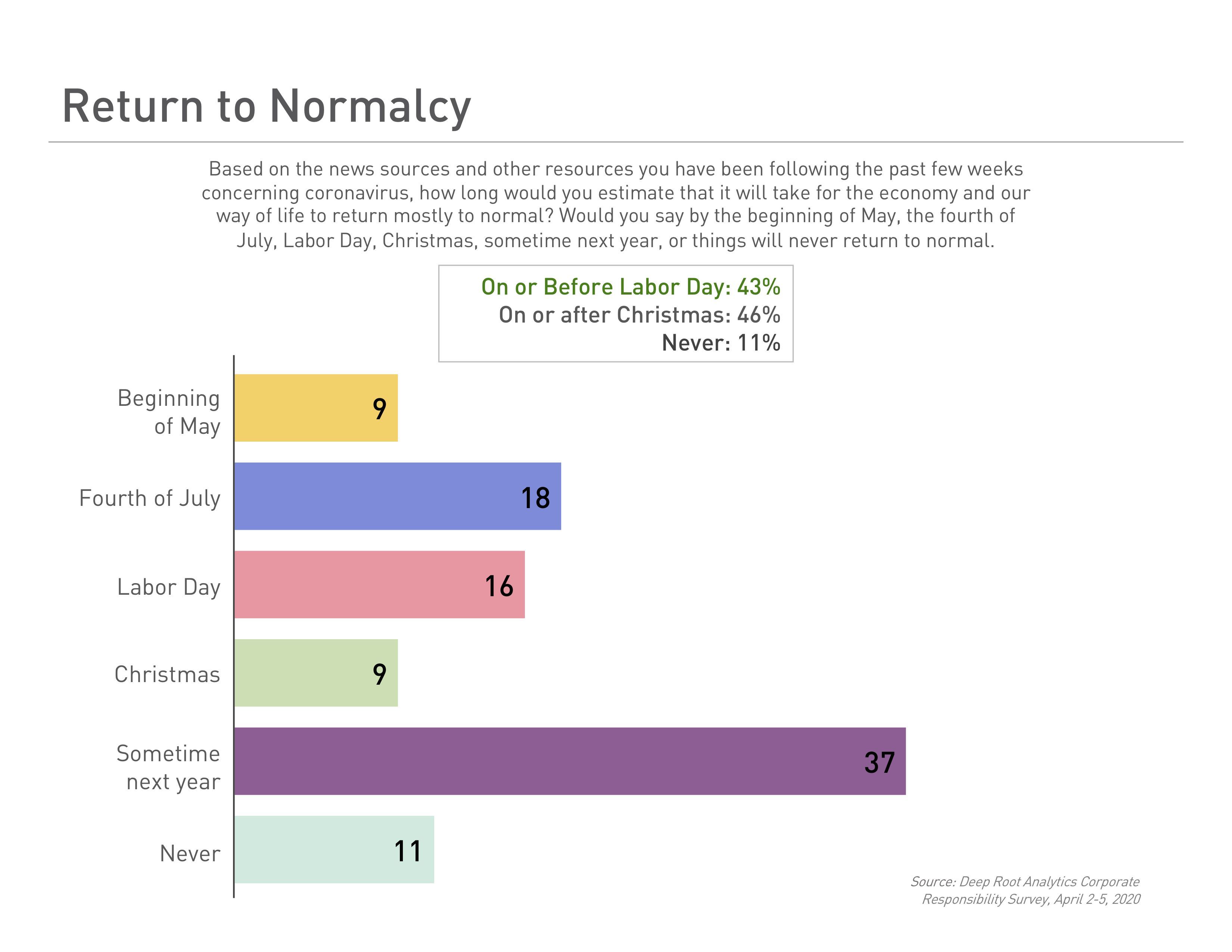
Deep Root Analytics of Arlington, Va., surveyed its corporate social responsibility audience — consumers who say a company's stance on key issues is important to their buying decisions.
By the numbers: They found that 47% believe that it will be on or after Christmas before the economy and the American way of life return to mostly normal. 11% saidit will never return to normal.
Methodology: 843 U.S. voters were interviewed April 2-5, with 604 interviews online and 239 via automated telephone technology. Margin of error: ±3.4%.
The coronavirus isn't likely to significantly slow down when summer arrives, although plenty of uncertainties remain, a National Academies of Sciences panel told the White House on Tuesday, per the Washington Post.
Why it matters: That puts extra weight on getting mitigation measures — like testing, contact tracing and quarantining — right whenever we begin to lift social distancing policies.
As the coronavirus continues to paralyze much of American daily life, startups that aren’t directly affected by the sudden shift in consumer behavior are now laying off employees too, worried that their products and services won't be in demand anytime soon.
Why it matters: Startups create a lot of jobs — in 2015 alone they created 2.5 million — and their pain could make a recovery from the virus downturn harder.
WeWork — the driver of America's shift to smaller, shared office spaces — is planning layout changes at its nearly 900 locations for life after the coronavirus pandemic, according to company documents reviewed by Axios.
Why it matters: After months of paranoia, social distancing and working from home, the millions who work from WeWorks will be wary of returning to shared kitchens, phone booths and desks. WeWorks have 75 square feet of space per worker, compared to the national average of 214.
The federal government is sending $64 billion to hospitals, post-acute facilities and other medical providers to help cope with the coronavirus fallout.
Yes, but: Even though more funding is coming, safety net and rural hospitals fear they are getting a raw deal from the way some of the money is being distributed.
President Trump's aides, encouraged by virus data showing fewer deaths than once projected, are working behind the scenes to deliver on his vow to reopen America "sooner rather than later."
What to watch: A senior White House official said there’s a lot of internal energy pushing for May 1, because that's the end of the White House's "30 Days to Slow the Spread."
New Zealand has flattened the curve of novel coronavirus cases after two weeks of lockdown and the next phase is to "squash it," professor Shaun Hendy, who heads a scientific body advising the government on COVID-19, told Axios.
Why it matters: Te Pūnaha Matatini, the Center of Research Excellence hosted by the University of Auckland of which Hendy is director, released research Thursday showing there could've been hundreds more Covid-19 cases were it not for the lockdown — and there's a good chance the strict measures will help stamp out the virus.
The federal government is in the process of deploying 90% of its stockpiled medical equipment to fight the coronavirus pandemic, Health and Human Services spokesperson Katie McKeogh told Axios Wednesday night.
Why it matters: These shipments aren't enough to meet current demands from states, who are bracing for staggered surges in hospital resource demand through May.
Infectious disease expert Anthony Fauci on Wednesday called conspiracy theories suggesting the novel coronavirus death toll is inflated because sick people are dying with the virus — not because of it — "nothing but distractions."
What they're saying: Fauci said at the White House press briefing, "You will always have conspiracy theories when you have very challenging public health crises. They are nothing but distractions."
New York state, the epicenter of the coronavirus in the U.S., has reported more cases of the virus than the most-affected countries in Europe as of Wednesday, per data from the state and Johns Hopkins.
Why it matters: New York again broke its record on Wednesday for its highest COVID-19 death toll in a single day, New York Gov. Andrew Cuomo said. But hospitalizations are going down as the "curve" of coronavirus spread flattens, he said.

































/2020/04/08/1586373662637.gif?w=3840)