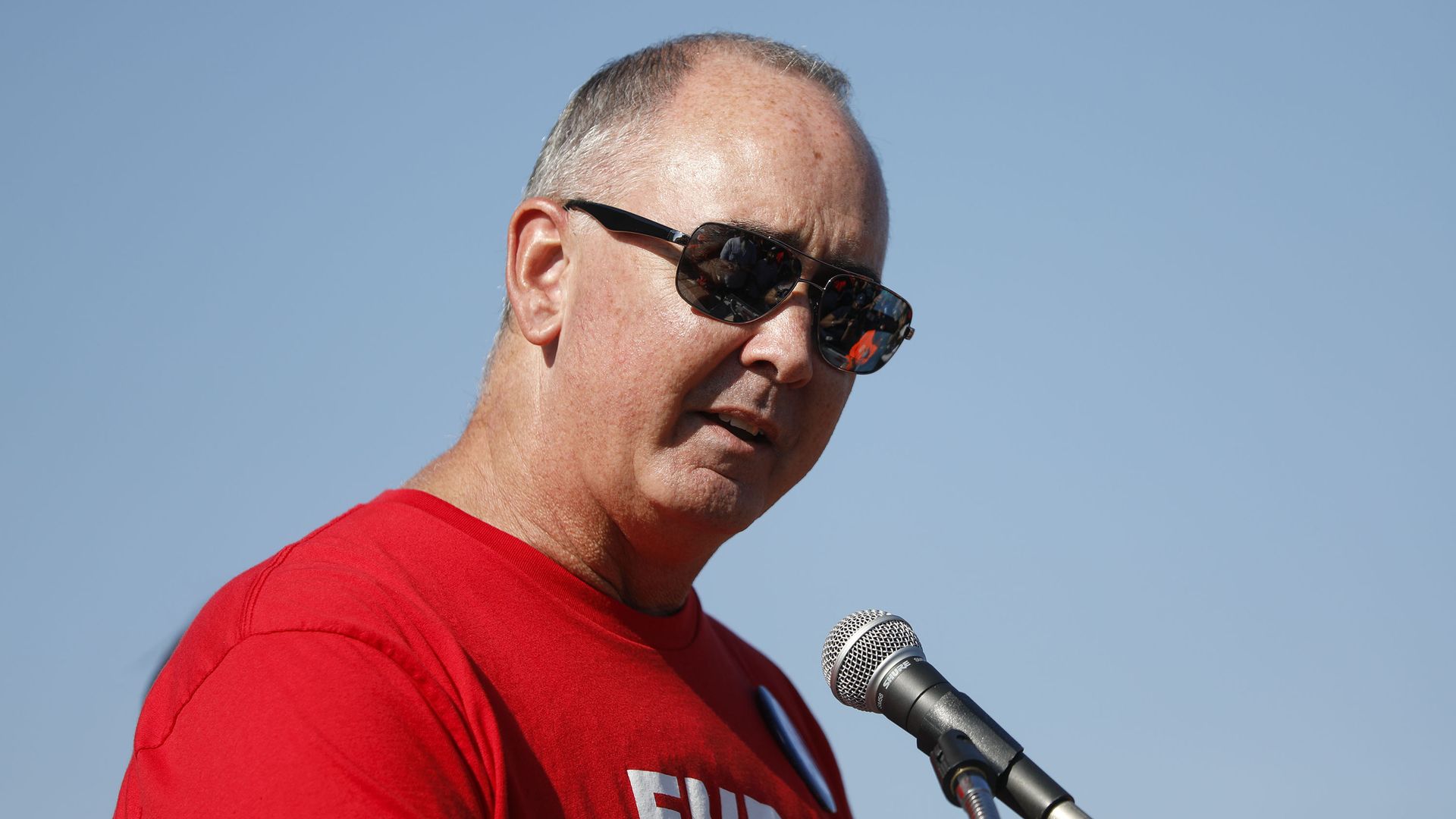
With fervent anti-corporate rhetoric and aggressive bargaining strategies, Shawn Fain is surging into the national spotlight as he leads a historic auto strike.
Why it matters: As president of the United Auto Workers union, Fain is pursuing "record contracts" from General Motors, Ford and Stellantis while pledging to restore stability to a union fresh off recent scandals.
Beehiiv, a 2-year-old newsletter startup, has acquired tech platform Swapstack, CEO Tyler Denk tells Axios.
Why it matters: The deal supports the startup's effort to offer ads to its clients, making Beehiiv a more attractive platform for creators to use and also growing the company's overall revenue.
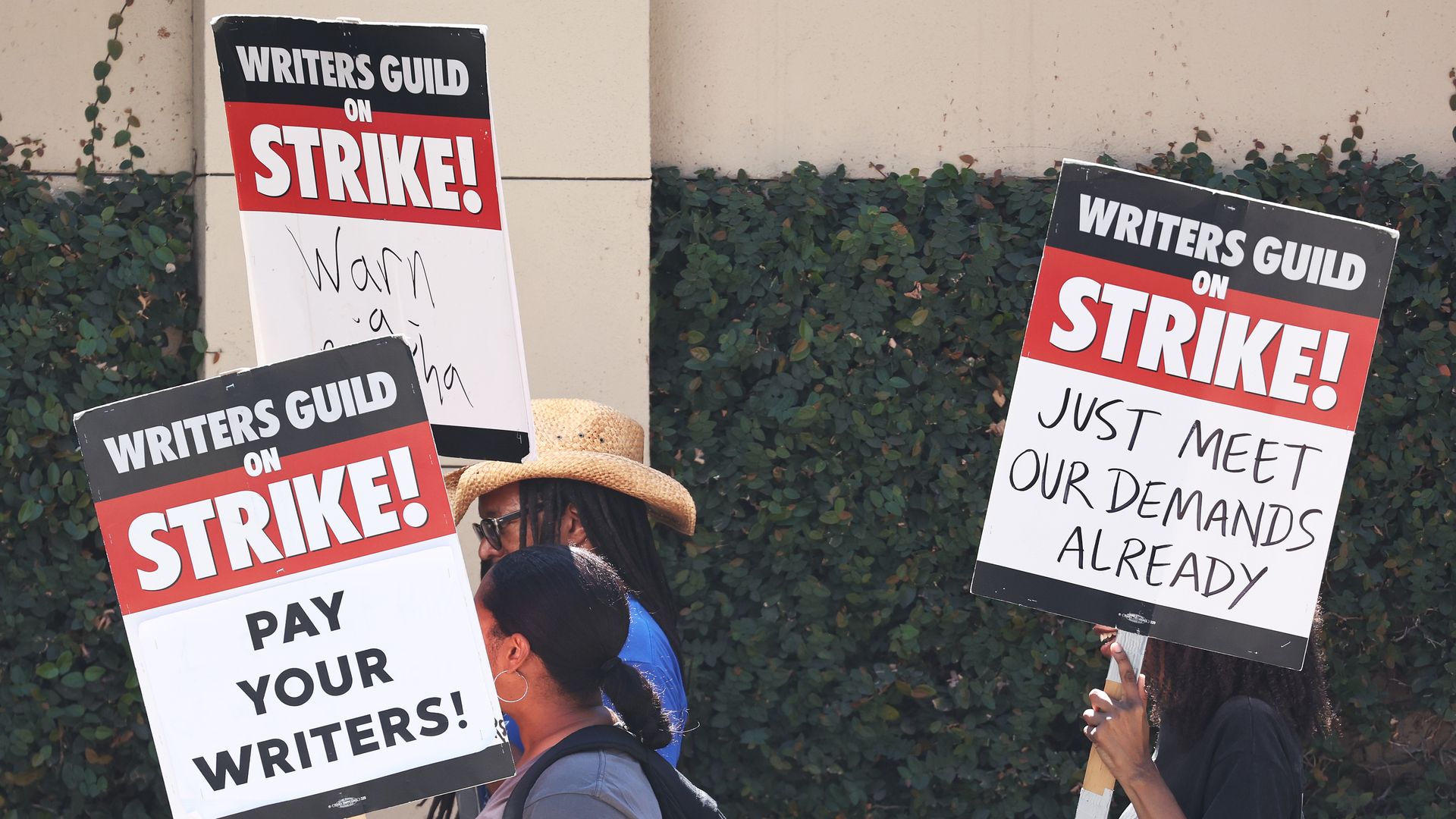
Now that a tentative agreement has been reached between Hollywood writers and studios, all eyes are on the ongoing actors strike that's entering its third month.
Why it matters: While late-night and daytime talk shows are expected to make a quick comeback, scripted shows that require actors could take longer to return.
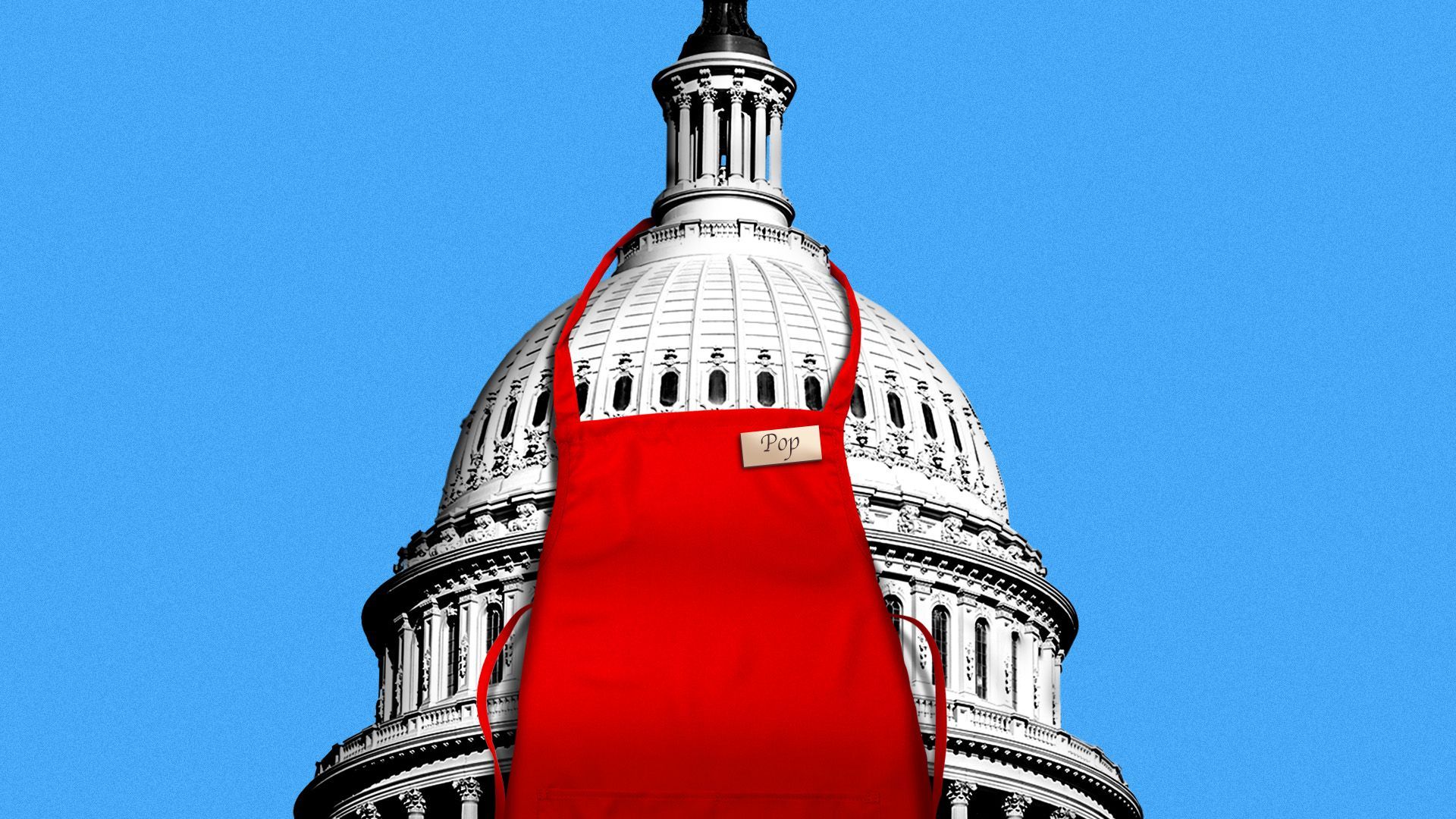
Credit rating firm Moody's warned that a shutdown of the U.S. federal government would be "credit negative" for the U.S.
Why it matters: Moody's is the last of the big three credit rating firms that still bestows the cherished "triple-A" rating on the U.S., which indicates U.S. government bonds are among the safest investments on earth.
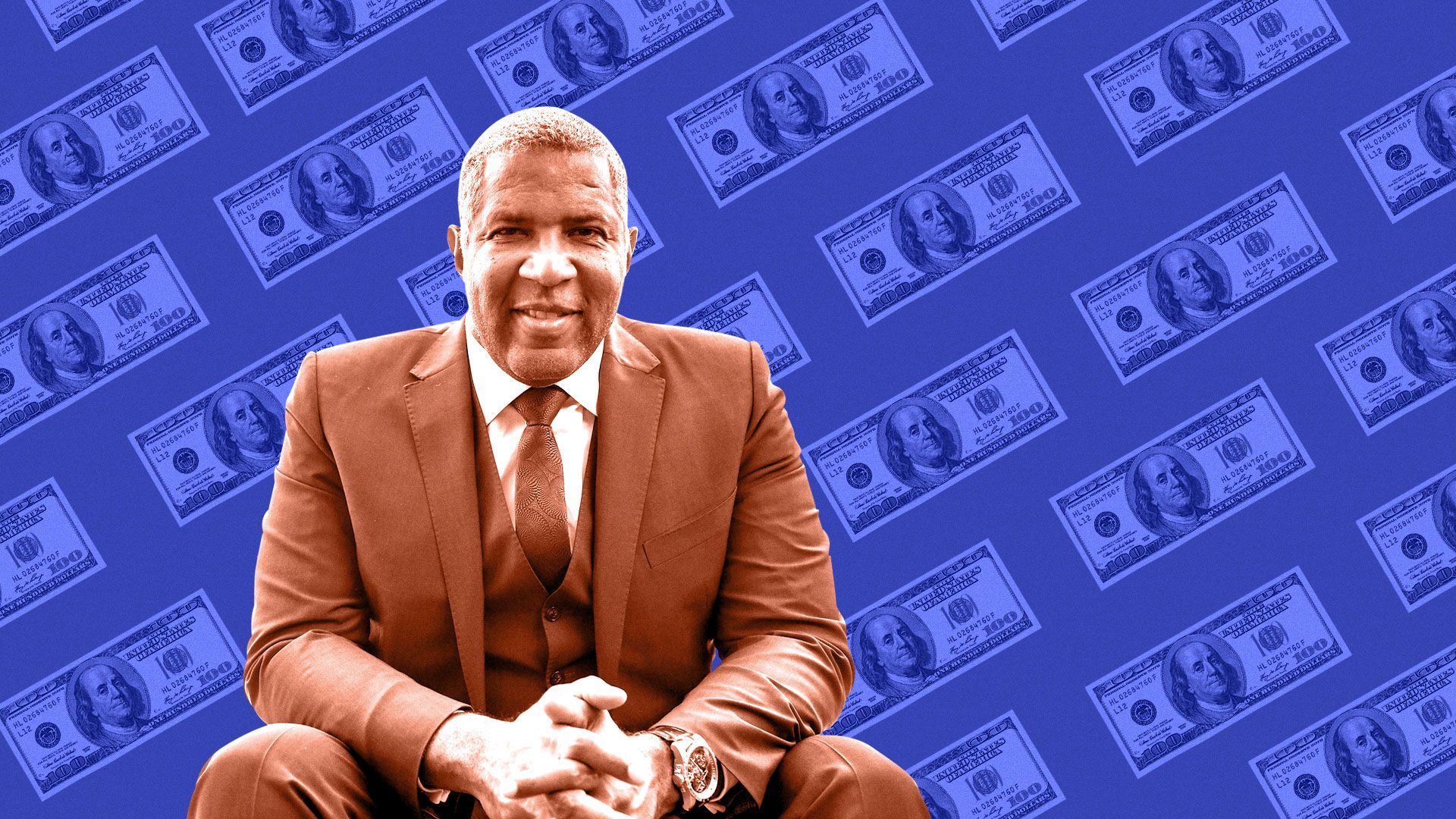
Vista Equity Partners has quietly topped $100 billion in assets under management, reflecting continued institutional investor interest in big tech takeovers, Axios has learned from a confidential investor letter sent last Friday.
By the numbers: This includes around $17 billion in commitments to the firm's eighth flagship buyout fund, which is slated to close next month.
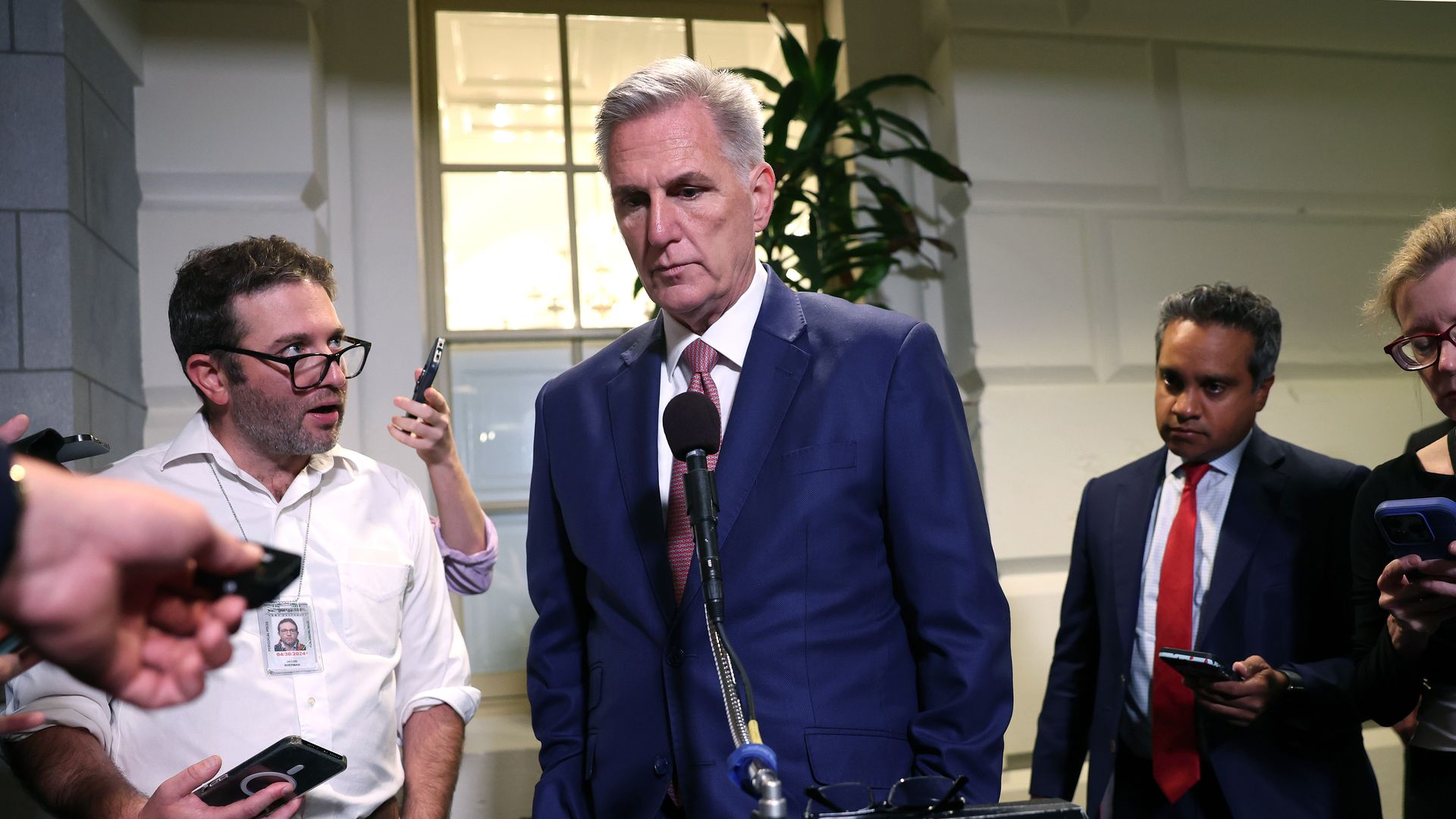
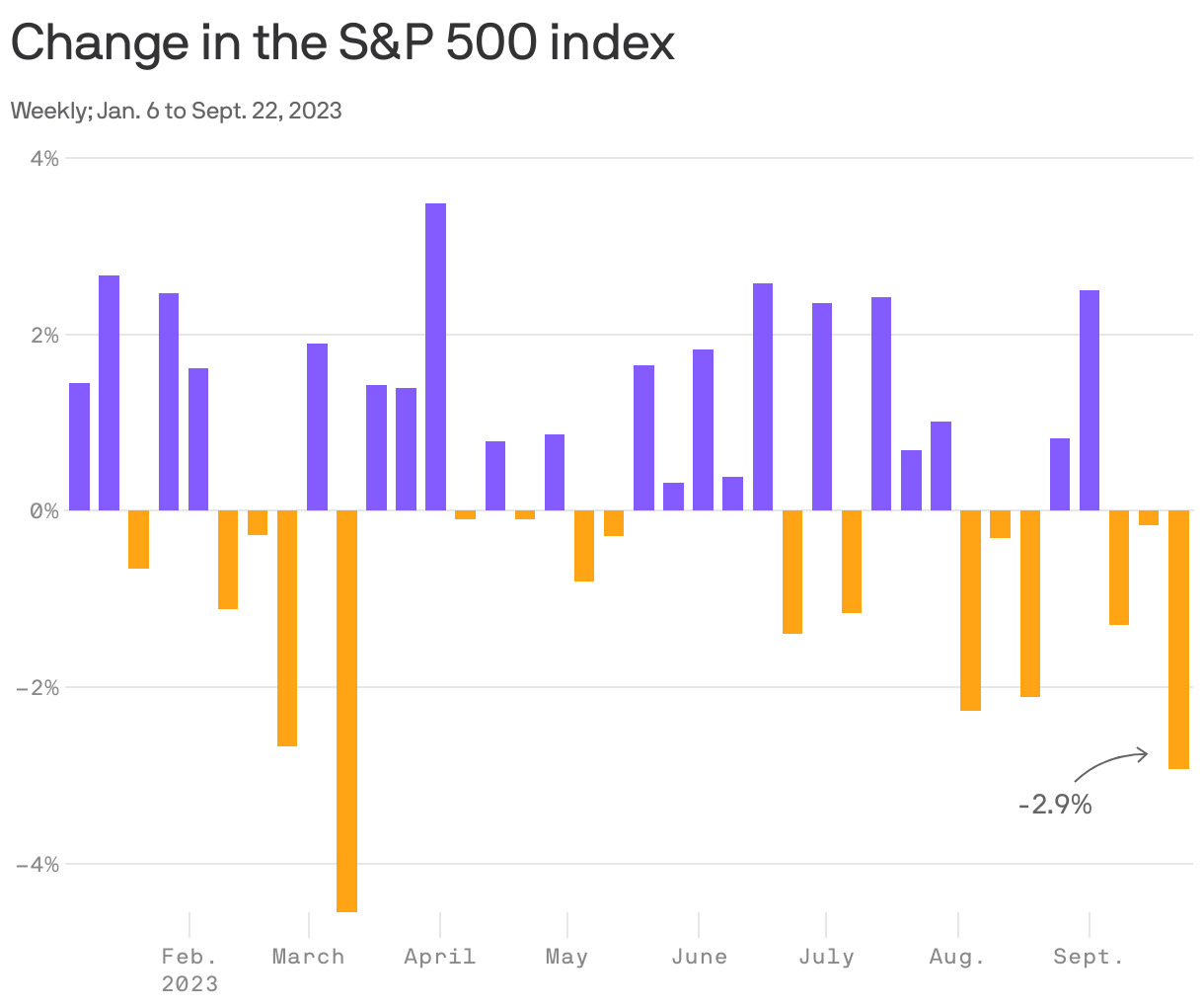
The central story in financial markets over the last couple of months has been a surge in longer-term interest rates, fueled by a growing consensus that elevated borrowing costs — at least compared to the 2010s — are here to stay.
Why it matters: The latest move higher in long-term rates is already hammering stock prices. Over time, it is likely to create new cracks in the economy as well.
Why it matters: The Biden administration is trying to reach net-zero aviation emissions by 2050 — but we're a long way off from zero-emissions aircraft, if they ever arrive.
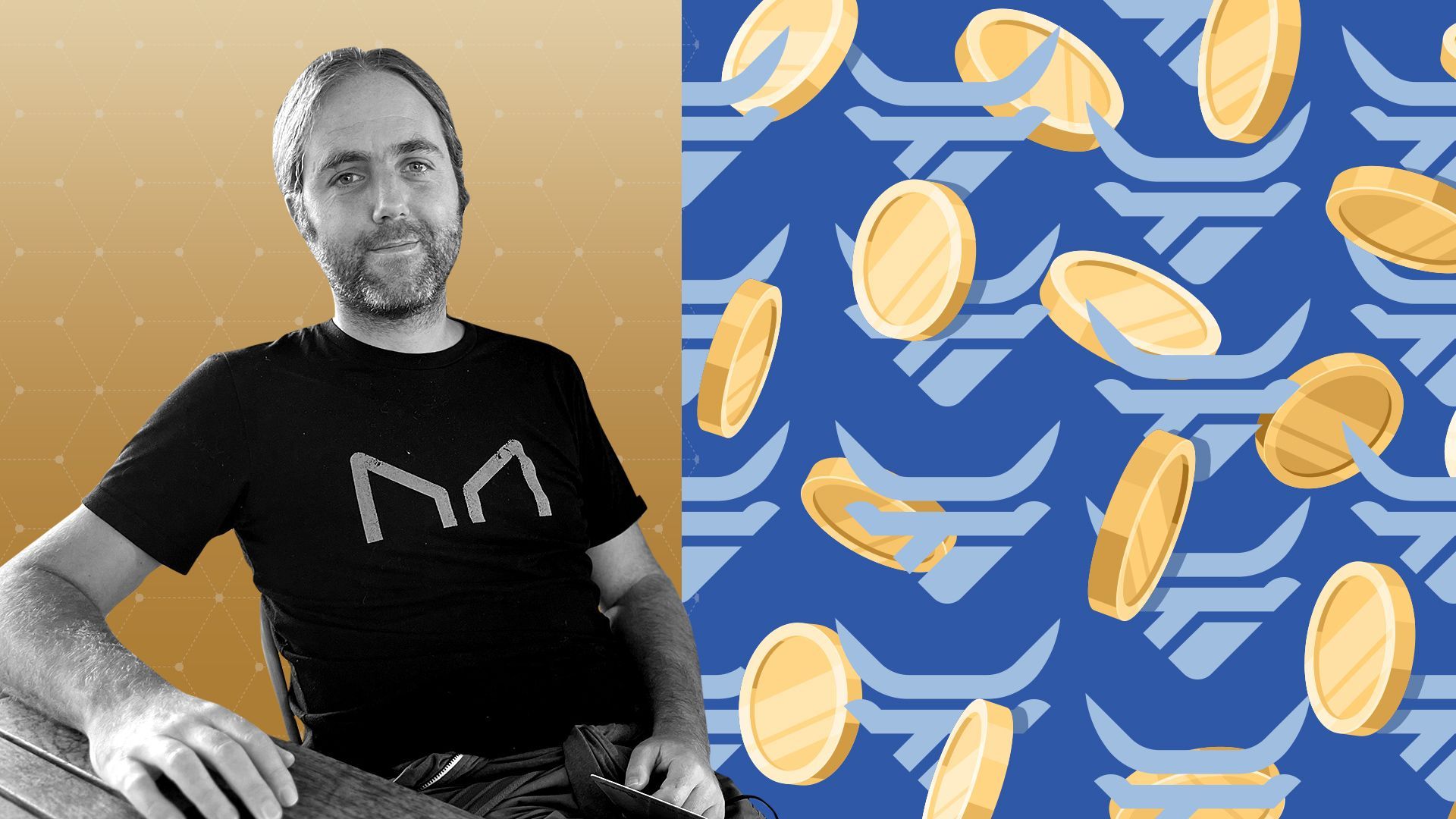
Tapping into yields from U.S. Treasurys will be key to keeping crypto's biggest decentralized autonomous organizations (DAOs) operational until the industry gets busy again.
Why it matters: In theory, decentralized finance projects can build through the downturn and come out better when the market comes back, but only if they steward resources well.
Opening a major new front in the AI arms race, Amazon announced early Monday morning that it'll invest up to $4 billion in Anthropic, a top competitor to OpenAI — the group behind ChatGPT.
Why it matters: This gives Amazon a close relationship with a big AI startup, akin to Microsoft's alliance with OpenAI, the Financial Times notes.
The Writers Guild of America (WGA) announced on Sunday that it had reached a "tentative agreement" with the major Hollywood studios that would bring an end to the 146-day strike.
Why it matters: With a deal in hand with the writers, the studios can turn their attention toward cutting a deal with the actors' union to end the Hollywood labor stoppage for good.
Investors are coming around to the idea that high-interest rates will stick around for longer than they previously thought — which helps explain the stock market's recent reversal.
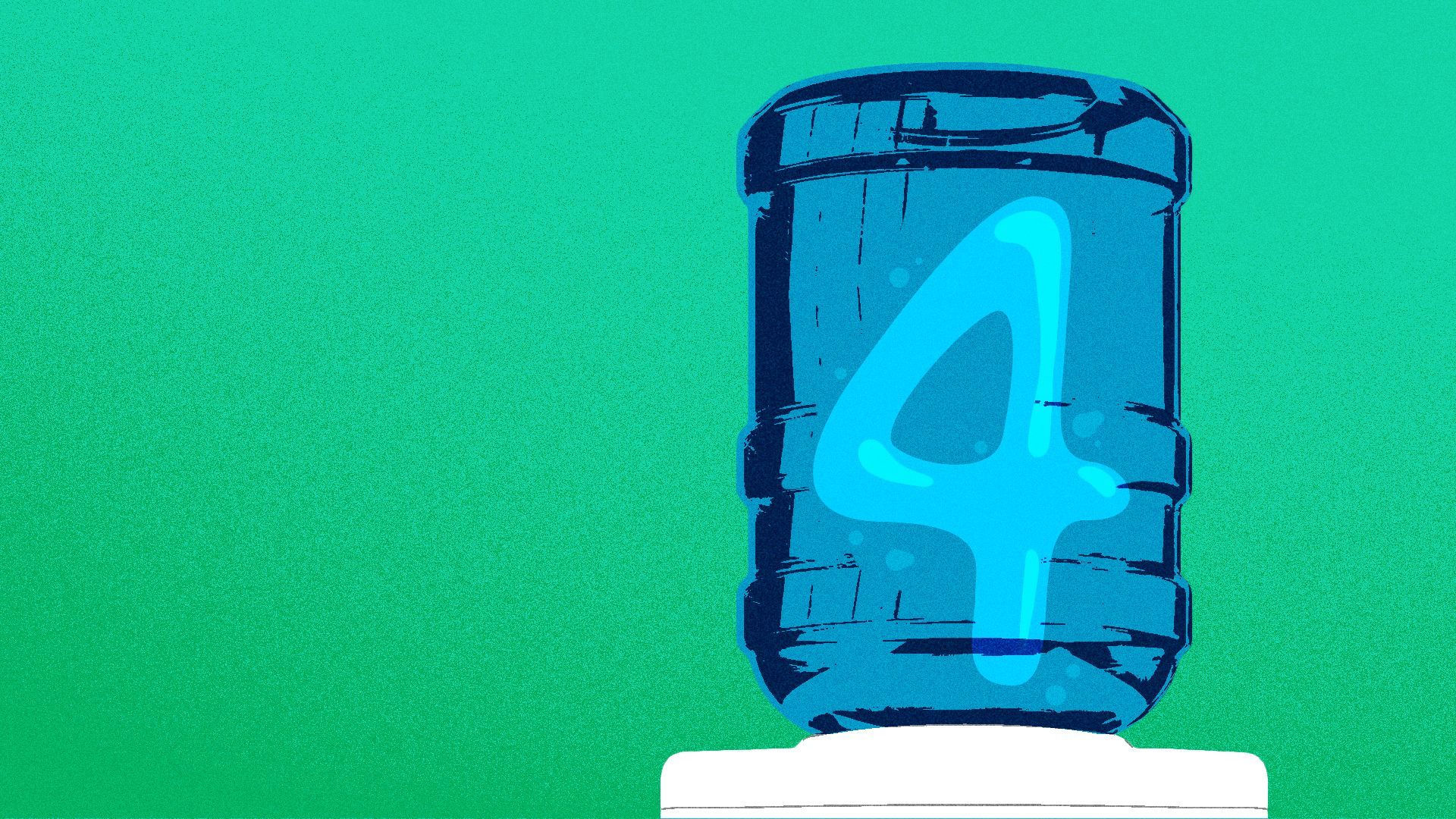
Most of the demands that the striking autoworkers are making look pretty typical — like better pay and benefits. But one stands out: The union is asking for a four-day workweek.
Why it matters: The four-day workweek has gotten a lot of buzz over the past few years among the desk-jockey class, but the UAW's putting it on the map for hourly workers, too.
A government shutdown would negatively impact small businesses, a vast majority of entrepreneurs say in a new survey from Goldman Sachs shared first with Axios.
Why it matters: Small businesses have a large impact on the U.S. economy. They employ close to half of all U.S. private sector workers and are the first to cut costs and staff during downturns.
Lego has halted efforts to make building bricks from recycled plastic instead of oil-based plastics, the Danish toymaker announced Sunday.
Yes, but: A Lego spokesperson said in an emailed statement Monday that the family-owned company was not abandoning its effort to make oil-free bricks. "On the contrary, we remain fully committed to making LEGO bricks from sustainable materials by 2032," he said.