Starbucks is closing 16 stores across the U.S. over safety concerns, a company spokesperson confirmed to Axios.
Driving the news: The company is closing locations that "have experienced a high volume of challenging incidents that make it unsafe to continue to operate," the spokesperson said.
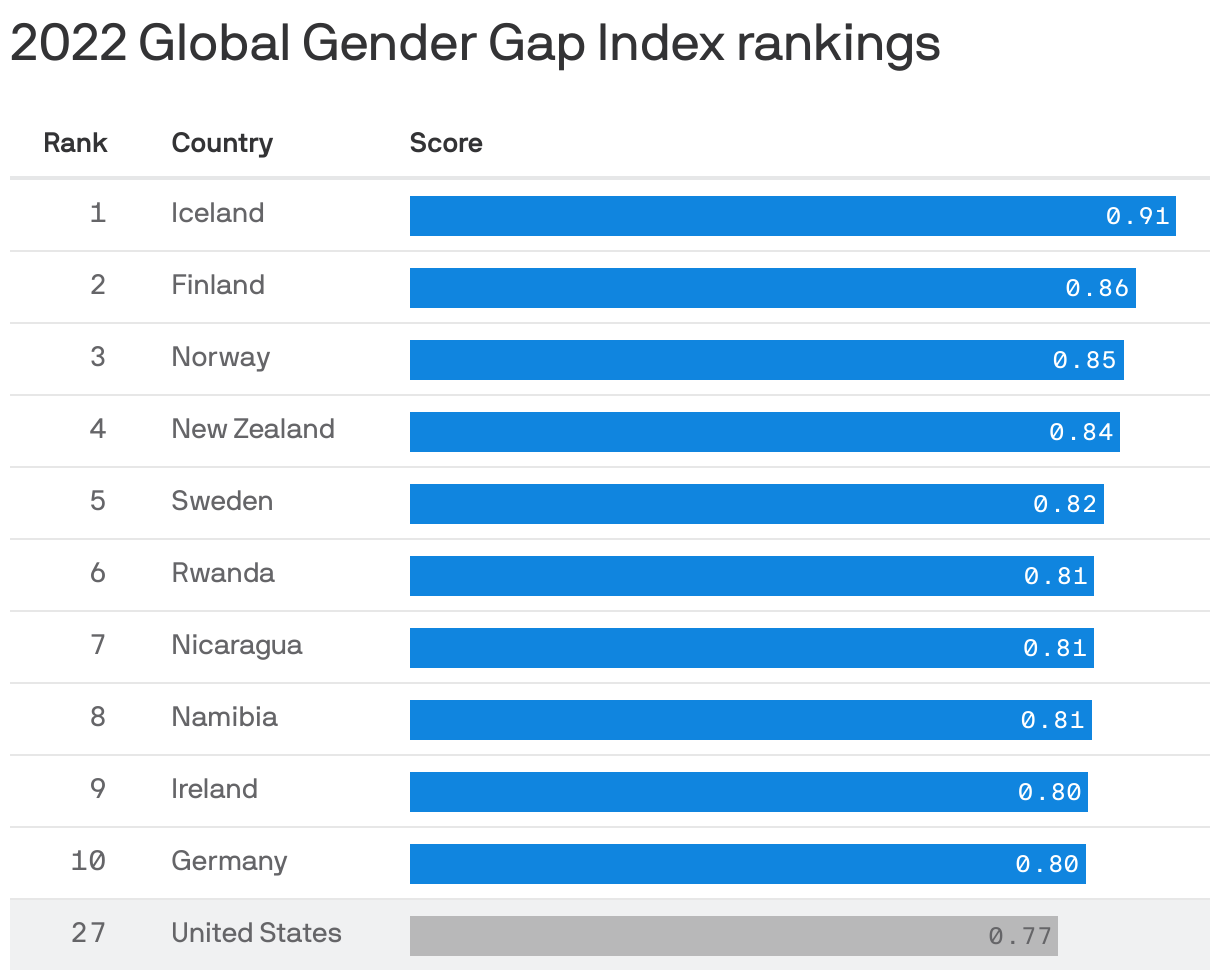
Data: World Economic Forum; Chart: Erin Davis/Axios Visuals
Women's progress around the globe is stalling. It will now take 132 years for women to reach gender parity worldwide — a slight improvement from 2021. Before the pandemic, the number was 100 years, according to the World Economic Forum's global gender gap index released Tuesday.
Why it matters: Women and girls are losing out on opportunities to fully participate out in the world, and the world is equally diminished by their absence.
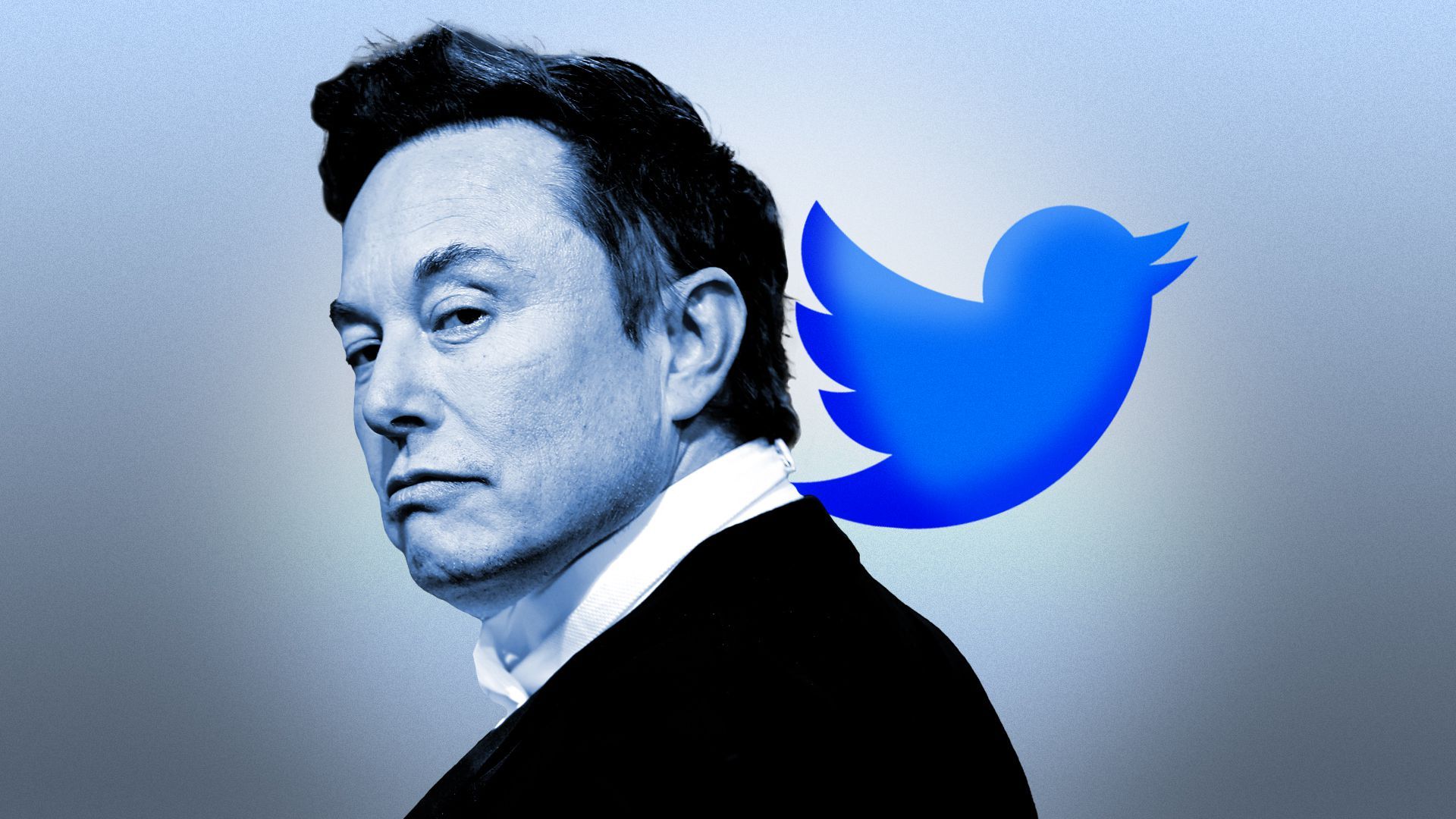
Twitter on Tuesday made good on its threat to sue Elon Musk for trying to back out of his $44 billion takeover.
What to know: The case will be heard in Delaware Chancery Court, a venue that specializes in corporate disputes and which previously has heard cases in which acquirers seek to renege on signed agreements.
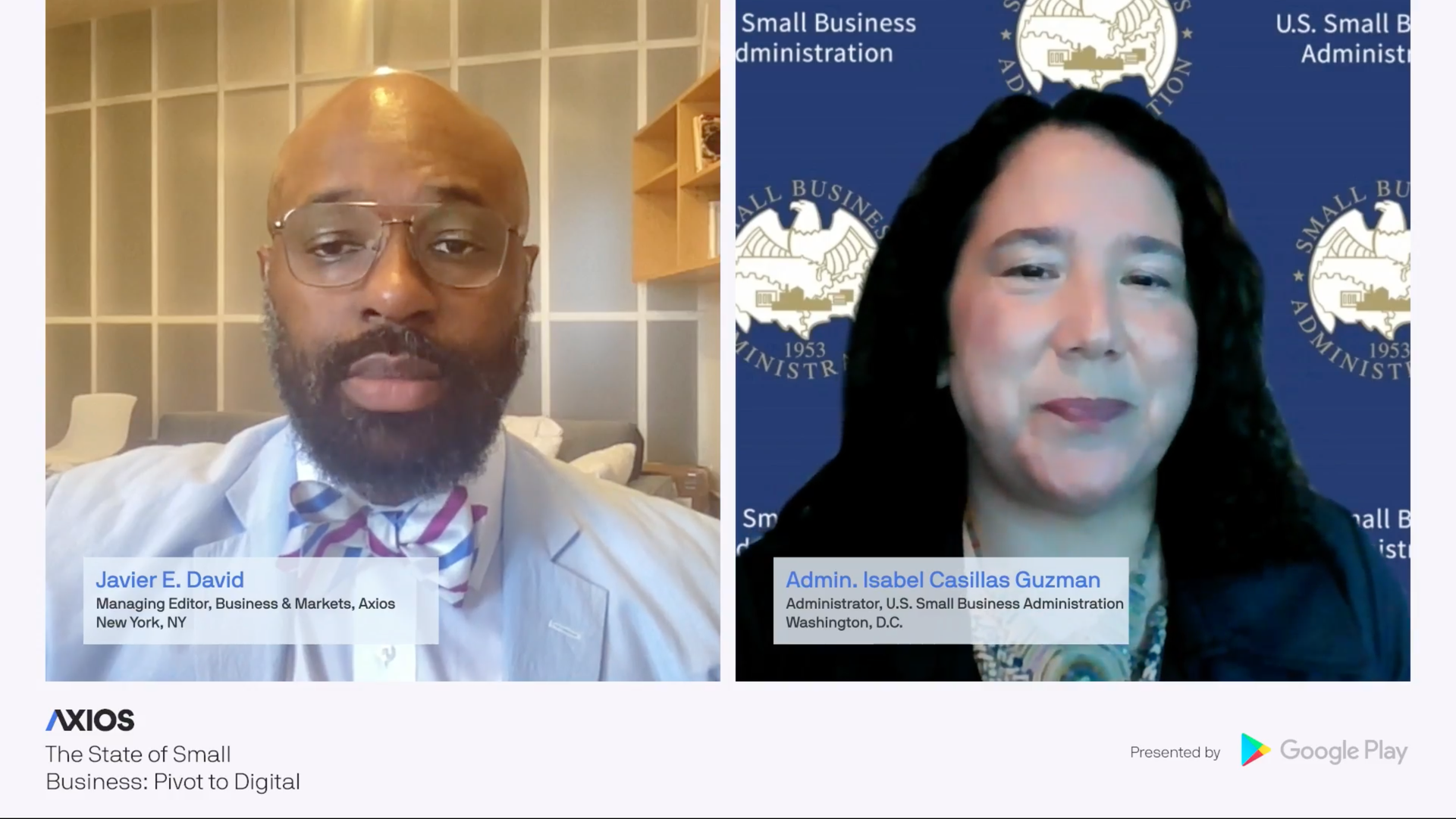
The Biden administration plans to "double down" on efforts to reach small businesses and get them the resources they need, Small Business Administration Administrator Isabel Casillas Guzman told Axios at event Tuesday.
Driving the news: Small businesses have faced many challenges since the onset of the coronavirus pandemic, and are now dealing with the effects of inflation. Guzman said the government will do more to reach low- and moderate-income, underserved and rural communities.
Electric vehicle startup Canoo secured a deal to sell 4,500 delivery vans to Walmart, in a much-needed win for the company.
Canoo's stock spiked on Tuesday by over 60% to trade shy of $4, just two months after it warned that there was "substantial doubt" about its ability to stay afloat.
Why it matters: The deal offers comes as Walmart is aiming to bolster its delivery and supply chain management infrastructure.
It also injects life into the ailing community of EV startups, several of which have been teetering amid questions about their ability to compete with established automakers.
Details: Walmart agreed to buy thousands of Lifestyle Delivery Vehicles (LDV), with the option to purchase up to 10,000. Pricing was not disclosed.
Canoo said it will make the electric van in Pryor, Oklahoma, starting in the fourth quarter of 2022 with deliveries beginning in 2023.
Walmart innovation executive David Guggina said in a statement that the deal will "expand our last mile delivery fleet in a sustainable way," and widening "same-day deliveries while keeping costs low.”
The intrigue: Walmart has also ordered electric vans from General Motors and Ford. Canoo is based in Bentonville, Arkansas, making it neighbors with Walmart.
Nathan's thought bubble: It's not a stretch to say this deal was critical for Canoo's EV ambitions.
June's Consumer Price Index is set to be released Wednesday, with Wall Street (and the White House) braced for yet another hot number. But signs are emerging that inflation may soon peak — if it hasn't already.
In the spring, the economy did a head fake and inflation kept heading higher, when we thought it was about to go lower.
Why it matters: Inflation has been pummeling the economy, wiping out wage gains, and draining the wallets of consumers, which had grown fatter since the pandemic's worst days.
May's 8.6% year-over-year increase was the highest monthly jump since December 1981.
State of play: Bloomberg and MarketWatch are predicting that inflation rose to 8.8% in June.
But, but, but: We have a several reasons to hope that June — or maybe even May — may have been the last increase in CPI.
Declining energy prices, including gasoline, which has fallen four straight weeks to a national average of $4.66 on Tuesday, according to AAA. That's down from a record high of $5.02 on June 14.
A flurry of discounts among retailers such as Target, which signaled last month that it had piled up a glut of inventory, are also providing consumers with much-needed relief.
In e-commerce, prices fell 1% from May to June, marking the third straight month of declines, according to Adobe's Digital Index. Consumers are hunting for more deals in July with Amazon's Prime Day sales bonanza which began today.
Domestic airfares "appear to have declined in both June and July," according to JPMorgan Funds chief global strategist David Kelly.
And used vehicle prices fell 1.3% in June, according to the Manheim Used Vehicle Value Index.
Yes, but: Have you seen your credit card statement lately? It's still rough out there — and it's not likely to go away quickly, even as concerns about a slowing economy exert downward pressure on prices.
"Inflation rates will likely cool throughout this year, but the cool down period will be long and slow," according to a report published Tuesday by LPL Financial.
Be smart: Gas prices have an outsized impact on inflation, so any downward momentum may boost consumer spending, or at least their frame of mind.
The Producer Price Index — which measures wholesale costs — indicated that 40% of its May increase was attributable to gasoline.
Meanwhile, the price of West Texas Intermediate crude plunged more than 7% on Tuesday, to less than $97 per barrel.
The bottom line: While June's CPI rate could be higher than May's, the end (hopefully) draws nigh.
The euro sank on Tuesday to its lowest levels against the dollar since December 2002, sandbagged by the combination of a strong greenback and euro zone growth fears.
Why it matters: Europe's troubled common currency has been on a dizzying downward spiral for all of 2022, victimized by a resurgent dollar, which has been bolstered across the board by the higher interest rates and safe-haven buying.
Inflation fears and slowing growth has put the U.S. economy in a glum mood. But things in the euro zone are hardly more encouraging, and some say are arguably worse.
Investor confidence in Germany -- the largest economy in the 19-nation currency bloc -- plummeted last month, data revealed on Tuesday. That news was enough to push the euro to the psychologically-important $1 threshold, with further losses in the offing.
Zoom out: Year-to-date, the euro is down about 18%, but it's hardly the biggest loser against the muscular dollar. The Japanese yen is now perched at its weakest level since 1998 around ¥137.
What they're saying: Analysts at JPMorgan warn that the euro is "vulnerable to further downside over the medium-term" which could drag it below parity.
Netflix's "Squid Game" made history on Tuesday as the first non-English show nominated for an Emmy for best drama series.
Driving the news: The South Korean show, created by Hwang Dong-hyuk, quickly became the streaming service's most-watched series of all time after its release last year, according to Netflix.
White House officials are preparing the country for a hot inflation rate ahead of the release of Wednesday's Consumer Price Index, but they insist that some key inflation components — including gas prices — are coming down.
Driving the news: Independent economists estimate that annual headline inflation will increase to 8.8% for June — up from 8.6% in May — when the Bureau of Labor Statistics releases its CPI report on Wednesday at 8:30 a.m. ET.
The Federal Reserve appears more focused on inflation numbers from the recent past, including a big one due out Wednesday.
Why it matters: The Fed intends to keep raising interest rates until inflation is moving decisively downward — but that risks making a mistake by setting policy based on backward-looking data.
Despite inflation, Americans are ready to shop this week, whether they call the summer sales "Black Friday in July" or simply Prime Day.
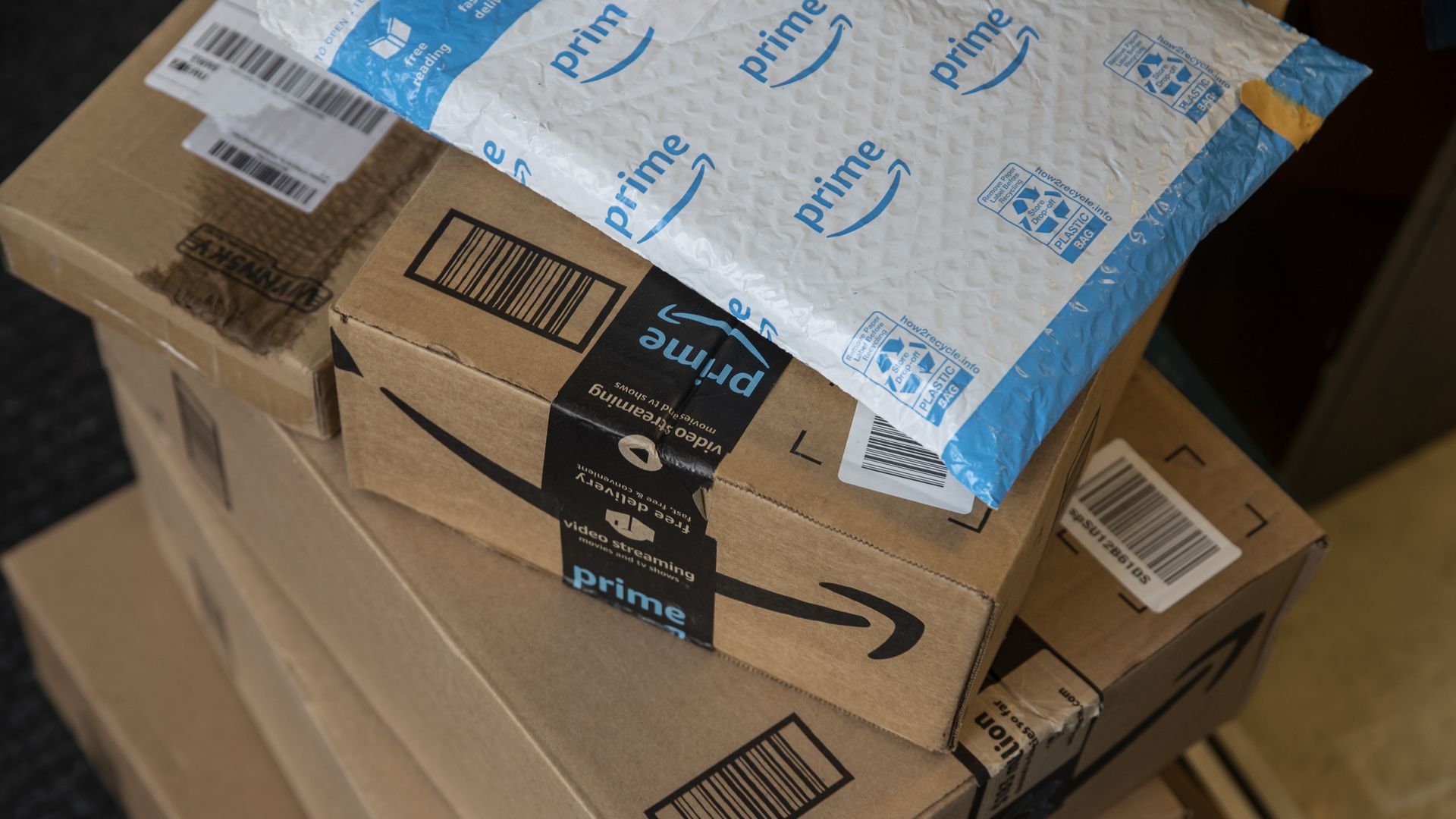
Driving the news: Before Amazon kicked off its 48-hour sale early Tuesday, "Black Friday in July" sales had already begun at Macy's and Best Buy, while Target's Deal Days were also underway.
Wefox, a German digital insurer, raised $400 million in Series D equity and debt funding led by existing investor Mubadala at a $4.5 billion valuation.
Why it matters: This is an up-round in a unicorn roadkill world.
One year ago yesterday, many of us watched Richard Branson blast off into space and then return safely. Not only had he beaten Jeff Bezos to sub-orbit, but he seemed to be kicking off a new commercial space race.
Flash forward: Space is again in the news, thanks to this breathtaking photo from NASA's James Webb telescope, but the industry is at risk of losing last summer's private capital momentum.
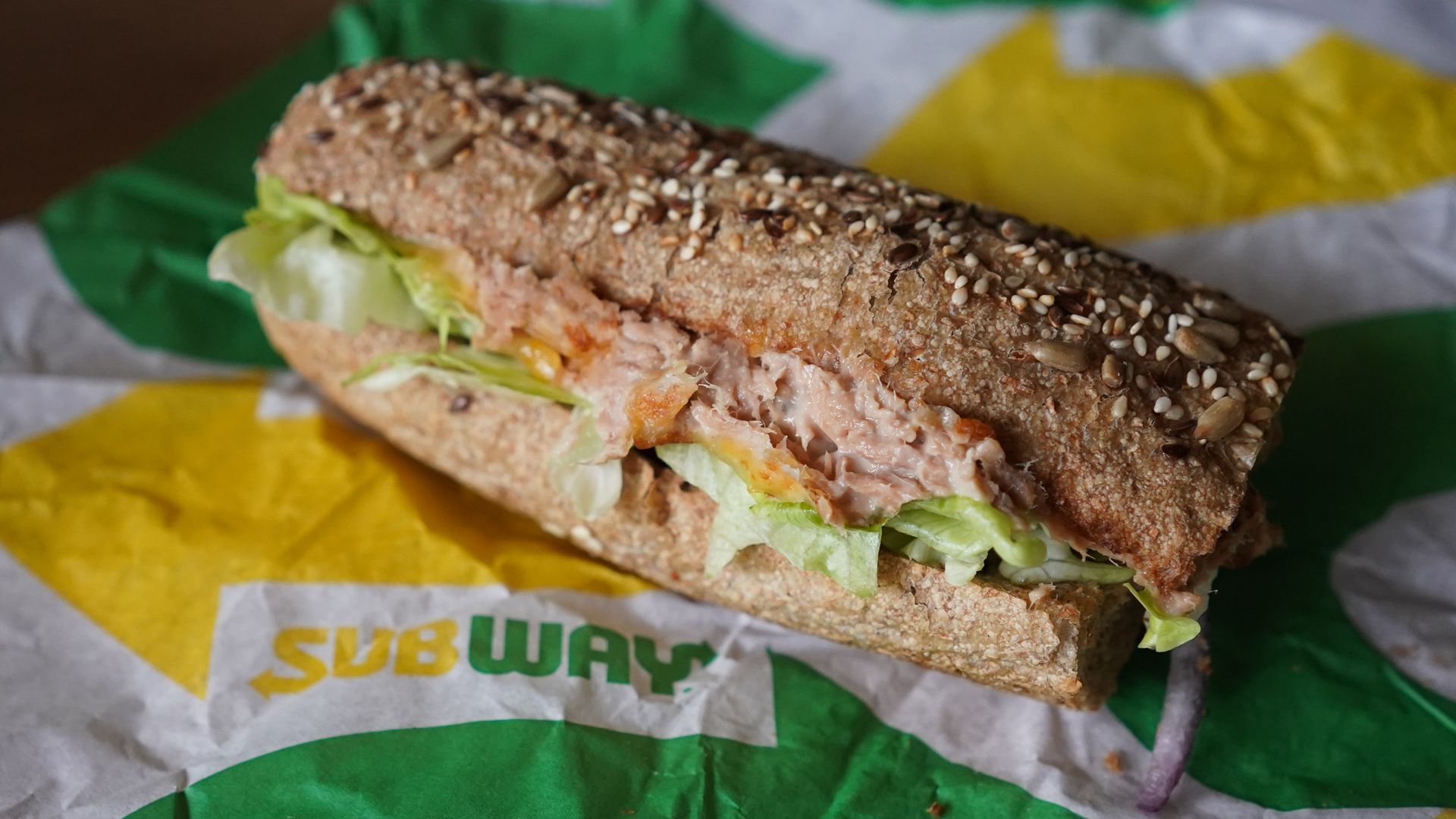
A federal judge in California said Subway can be sued over claims that it is misleading customers when it says its tuna products are "100% tuna."
Driving the news: Ahead of Subway's 1 million sandwich giveaway Tuesday, U.S. District Judge Jon Tigar in San Francisco called it premature to accept the chain's argument that non-tuna DNA could be from eggs in mayonnaise or cross-contact with other ingredients, Reuters reported Monday.
In the matter of Twitter vs. Elon Musk, there can be no winners — but the magnitude of losses involved, especially for Musk, ranges wildly depending on the outcome.
Why it matters: If Twitter wins in Delaware court and forces Musk to buy the company for the agreed-upon $44 billion — a remedy known as specific performance — that would force the billionaire to liquidate a lot of stock he really doesn't want to sell, in order to buy a company he's soured on at a vastly overinflated price.
Verishop, the luxury e-commerce site created by former Snapchat chief strategy officer Imran Khan, has raised over $40 million in a series B financing round, bringing its total funds raised to $57.5 million, Axios has learned.
Why it matters: The pandemic expedited a shift to e-commerce, but it also created a slew of supply chain issues that have been difficult for emerging brands to manage. Verishop aims to tackle that problem with its new funds.
The Information is rolling out a series of features designed to make it easier for its network of influential tech and business subscribers to connect, including a Reddit-like news feed (with up- and down-ranking for articles), direct messaging and a directory.
Why it matters: "I think it's clear networking on the internet is a mess," The Information founder and CEO Jessica Lessin told Axios.
A group of media veterans is launching a new digital media and commerce company called The Cool Down with $5.7 million in a funding round led by Upfront Ventures.
Why it matters: As climate change becomes more mainstream, the company’s founders believe more money will flow toward eco-friendly goods. They see an opportunity in becoming a trusted source for climate change content, so that one day they can be a trusted voice in sustainable purchase recommendations.
Semafor, the global news startup, has hired veteran media communications executive Meera Pattni as its head of global communications, based out of New York.
Why it matters: A communications lead should help the upstart refine its message ahead of a fall launch.
Disney has reached an agreement with The Trade Desk, a global ad tech company, that makes it possible for brands to target automated ads across Disney properties using data matched on the back end from Disney and The Trade Desk.
Why it matters: This is one of the largest media-business efforts yet to craft a new ad-targeting system as third-party tracking fades away, and it's likely to trigger a series of similar partnerships between major media companies and other big ad tech firms.
Reuters is launching a new subscription research business called Reuters Insight that will be geared toward individuals making corporate strategy decisions.
Why it matters: The new business unit becomes Reuters' first-ever subscription business aimed at individuals rather than whole enterprises.
Twitter has hired Rebecca Hahn, formerly the chief communications officer at the electric mobility company Bird, as its new vice president of global communications, Axios has learned.
Why it matters: The company has lacked a communications lead for the past few months, exacerbating stress from the fallout of its deal drama with Elon Musk.
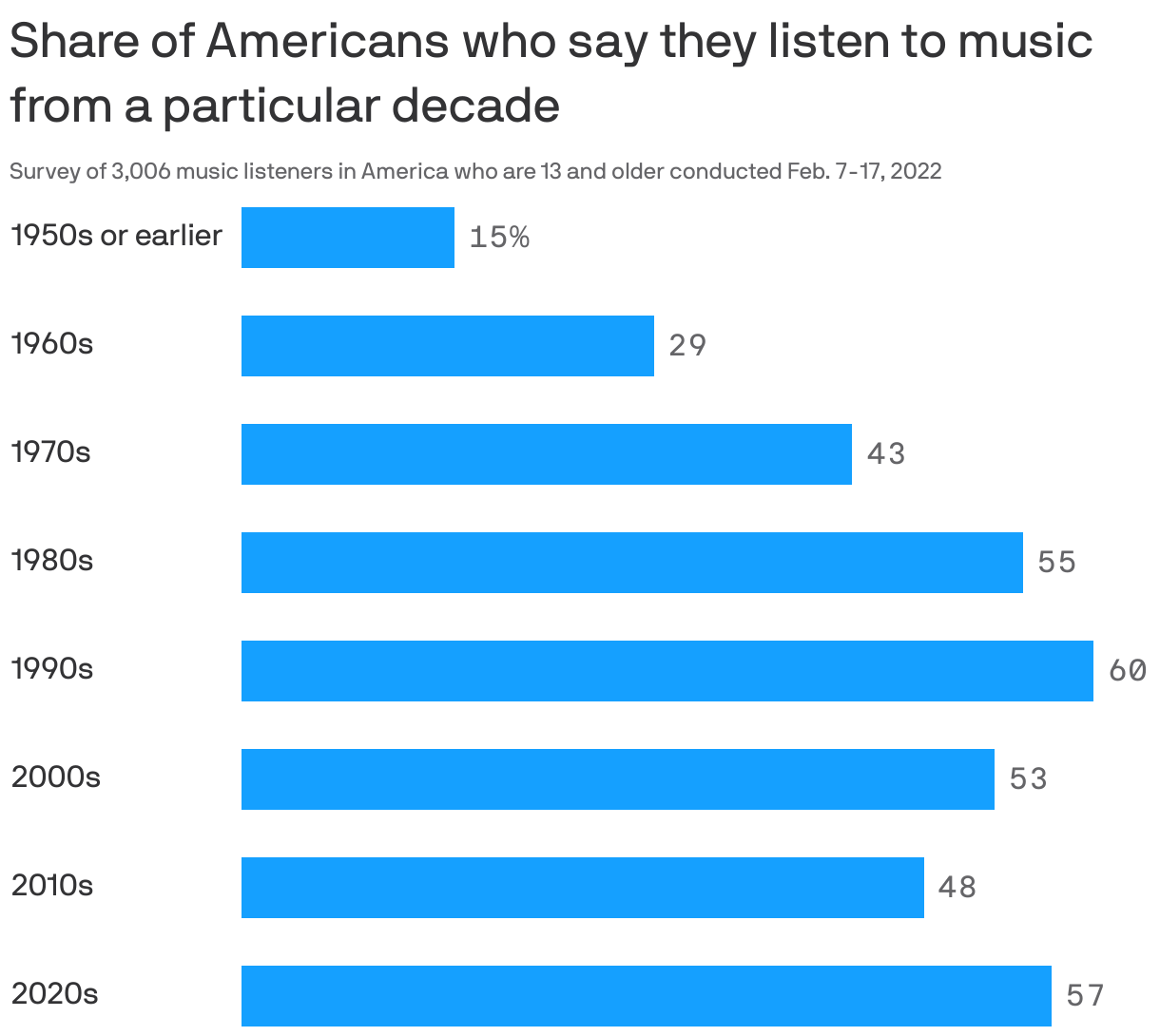
Data: Luminate Music 360; Chart: Simran Parwani/Axios
Music from the 1990s is more popular than music from any other decade right now — even current tunes, according to data that Luminate shared with Axios.
Why it matters: Savor this moment ... a rare point of cross-generational consensus. They may not agree on bangs or jeans styles, but Gen Xers, millennials and "zoomers" (Gen Z) all appear to love '90s music.
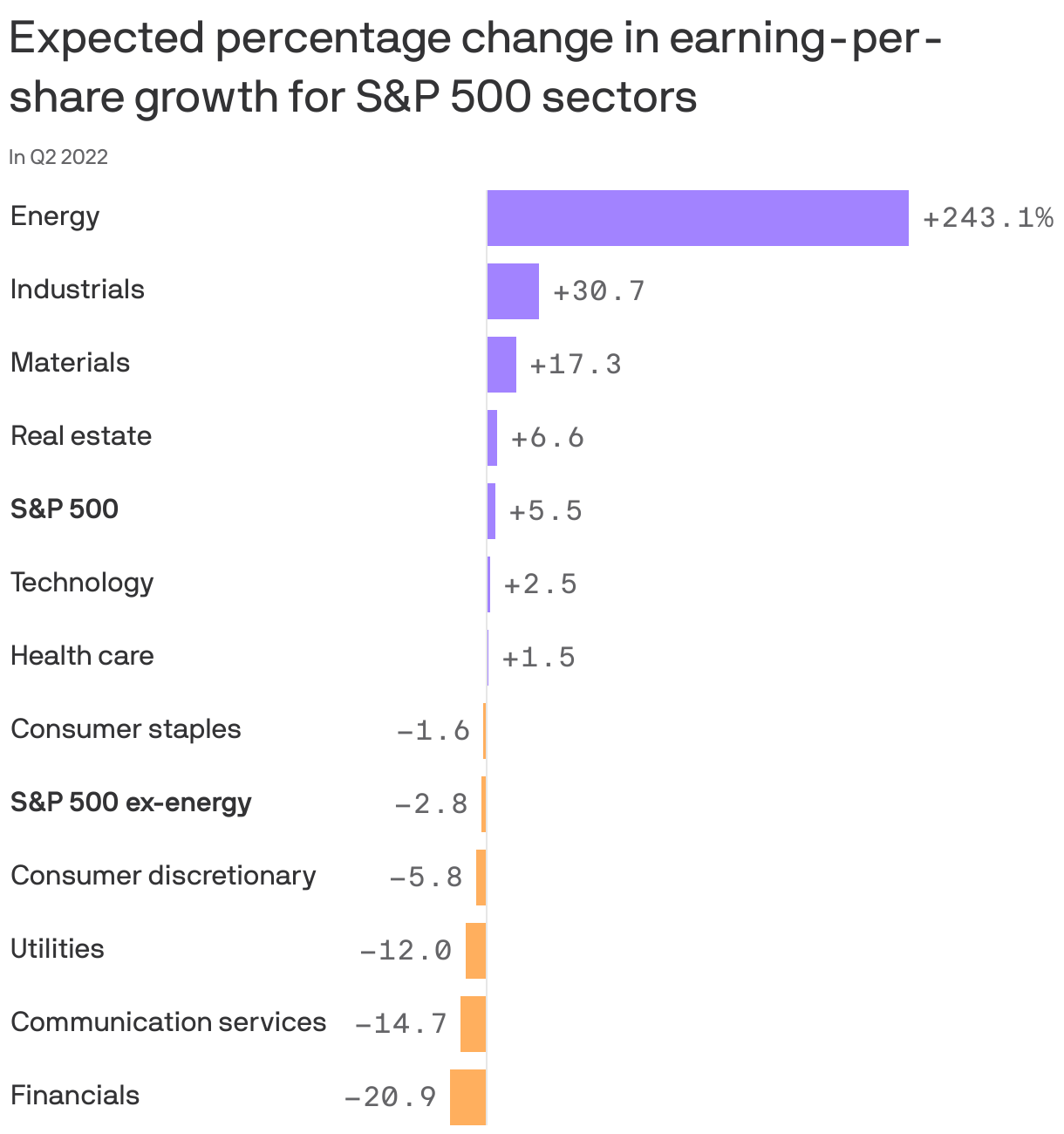
Giant profits at energy companies are expected to be the key driver of S&P 500 earnings growth in the second quarter.
Driving the news: We're about to start receiving a fresh flurry of corporate financial disclosures, laying out how firms did in the quarter that just ended.
London's Heathrow Airport announced on Tuesday that it would place cap limits on the number of daily departing passengers and asked airlines to stop selling new tickets through the remainder of the summer season.
Elon Musk isn't alone in trying to back out of a deal. Nearly 15% of pending home sales failed to close in June, a new post-pandemic high according to an analysis of MLS data that Redfin released Monday.
Why it matters: This is a sign of how fast the housing market adjusted to the surge in mortgage rates that started in March — and it signals the beginning of a return to sanity from the boom, with the balance of power shifting back to homebuyers. Prices are likely to cool somewhat.
TikTok's monthly minting of new trends is fueling a rise of new aesthetics, including e-girl, clean girl, Y2K, fairy-core, alt, mall goth, cottage-core, coconut girl, dark academia and coastal grandmother in just the last year.
Why it matters: The fast fashion industry thrives on such rapid shifts, creating more and more cheap, lower-quality clothes that will end up in landfills as new trends wipe out old ones.
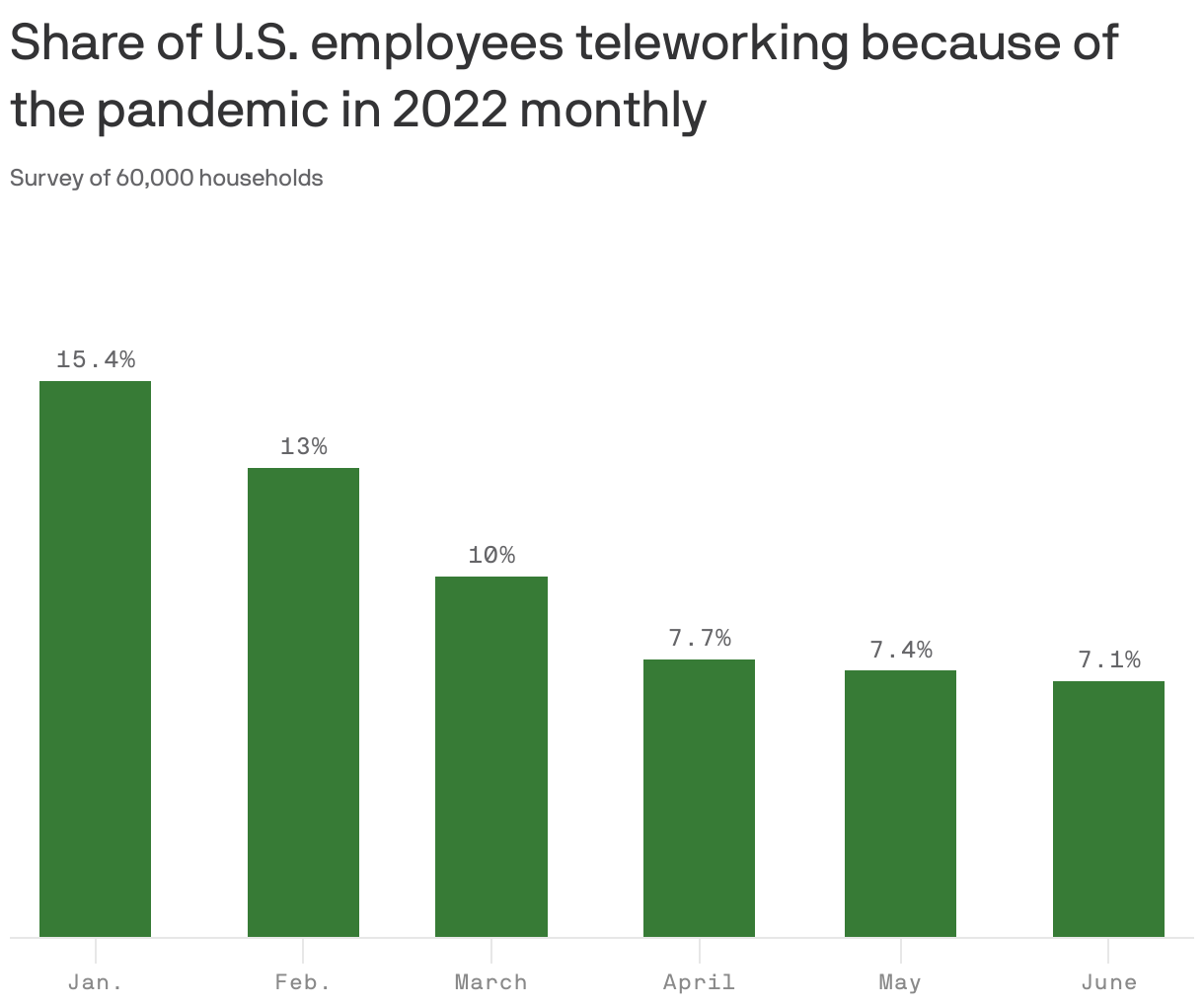
The share of Americans working remotely because of COVID-19 is leveling off, per new government data.
Why it matters: The pandemic has been a once-in-a-lifetime chance for many people to reimagine their relationship with their jobs, unchaining them from the need to be at a particular desk under a particular set of fluorescent lights at a particular time every day.
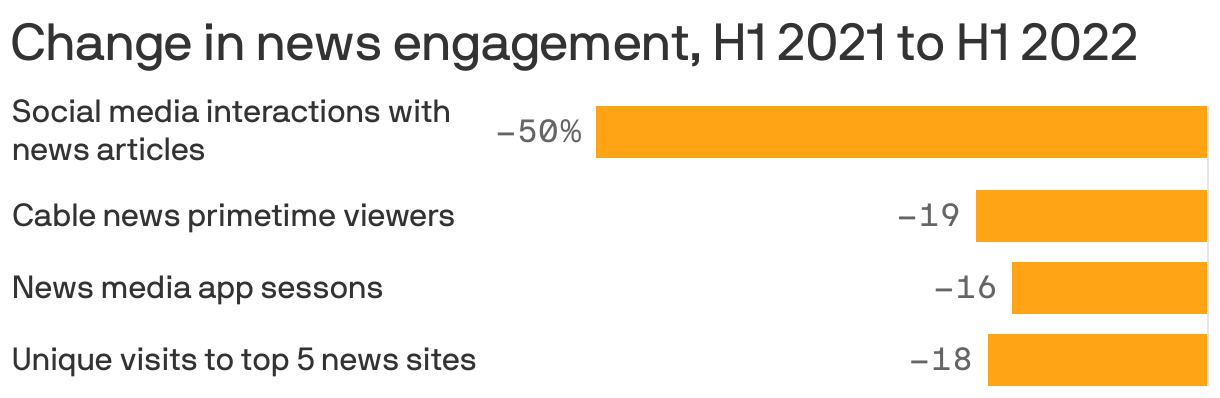
Data: NewsWhip, Apptopia, SimilarWeb, Nielsen; Note: Cable ratings only include Fox, MSNBC and CNN, from Monday to Sunday; Chart: Will Chase/Axios
Engagement with news content has plunged during the first half of this year compared to the first half of 2021 and in some cases has fallen below pre-pandemic levels.
Why it matters: Americans have grown exhausted from the constant barrage of bad headlines that have replaced Trump-era crises, scandals and tweets.
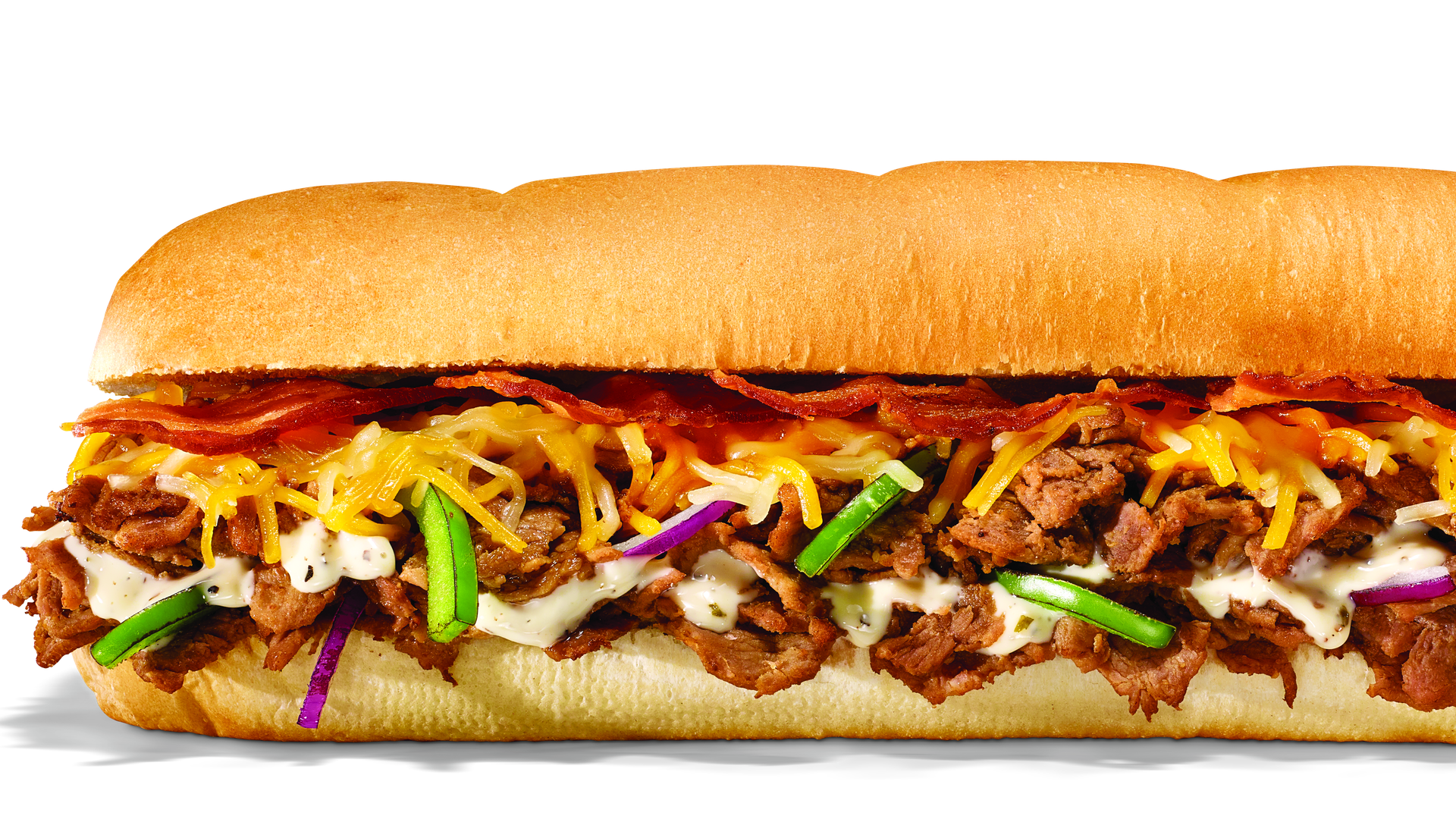
Driving the news: The chain launched the menu with 12 new sandwiches last week and is calling the change "the most significant menu update in its nearly 60-year history."
Twitter's deal fiasco with Elon Musk has overshadowed its business challenges, which will likely intensify as growth in the advertising market decelerates and the company deals with the operational fallout from the Musk mess.
Why it matters: Musk's initial $44 billion offer to buy Twitter was already an extraordinary premium on Twitter's stock, but it's an even bigger number considering the current market free fall.







/2022/07/12/1657652641561.gif?w=3840)






/2022/07/12/1657644248127.gif?w=3840)