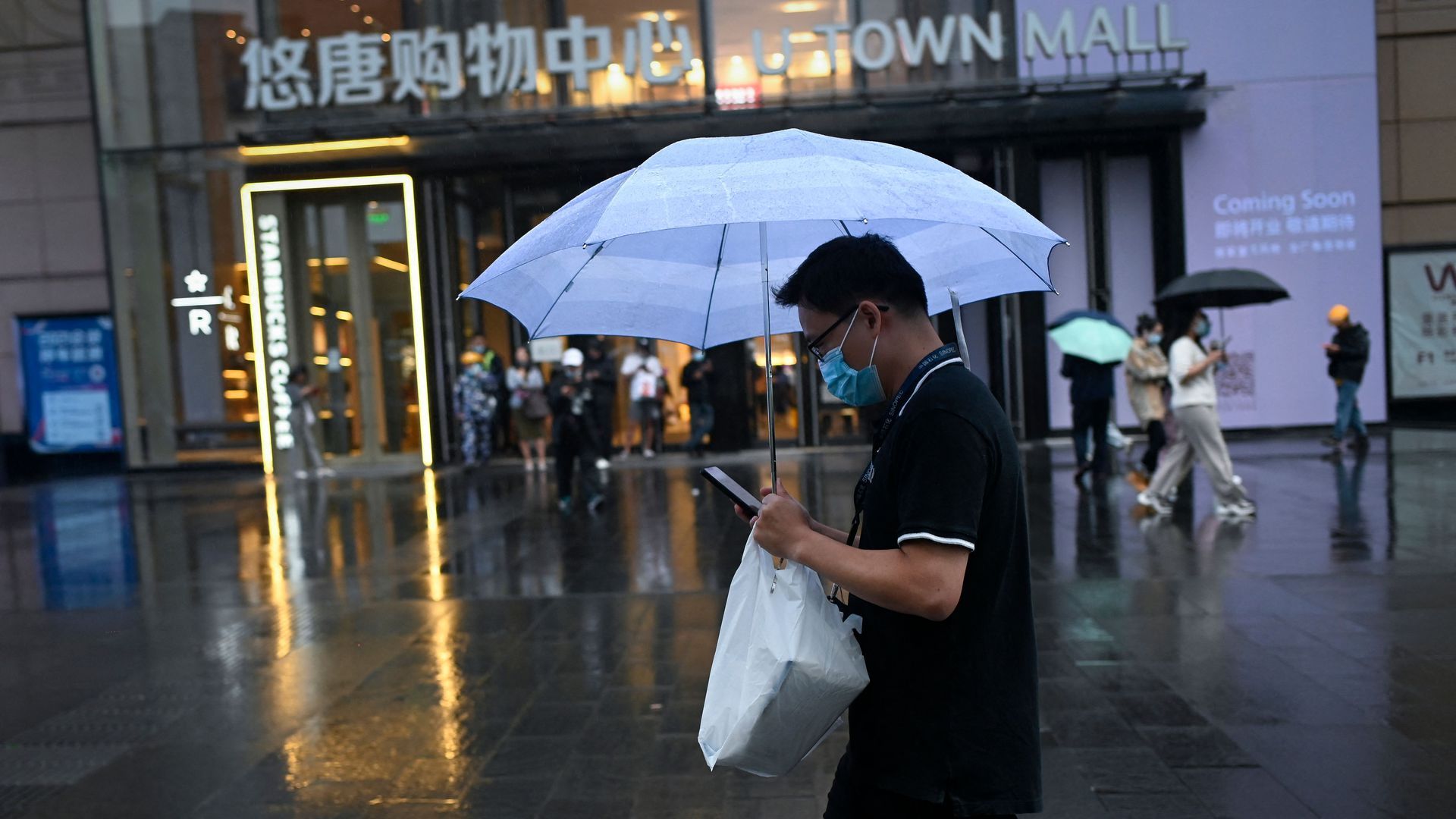
Regulators in China are tightening their grip on industries at a dizzying pace — ratcheting up pressure that’s spared few sectors.
Driving the news: The country’s most powerful regulators banded together for the first time to outlaw all cryptocurrency activity on Friday, Reuters reports — intensifying its years-long war.
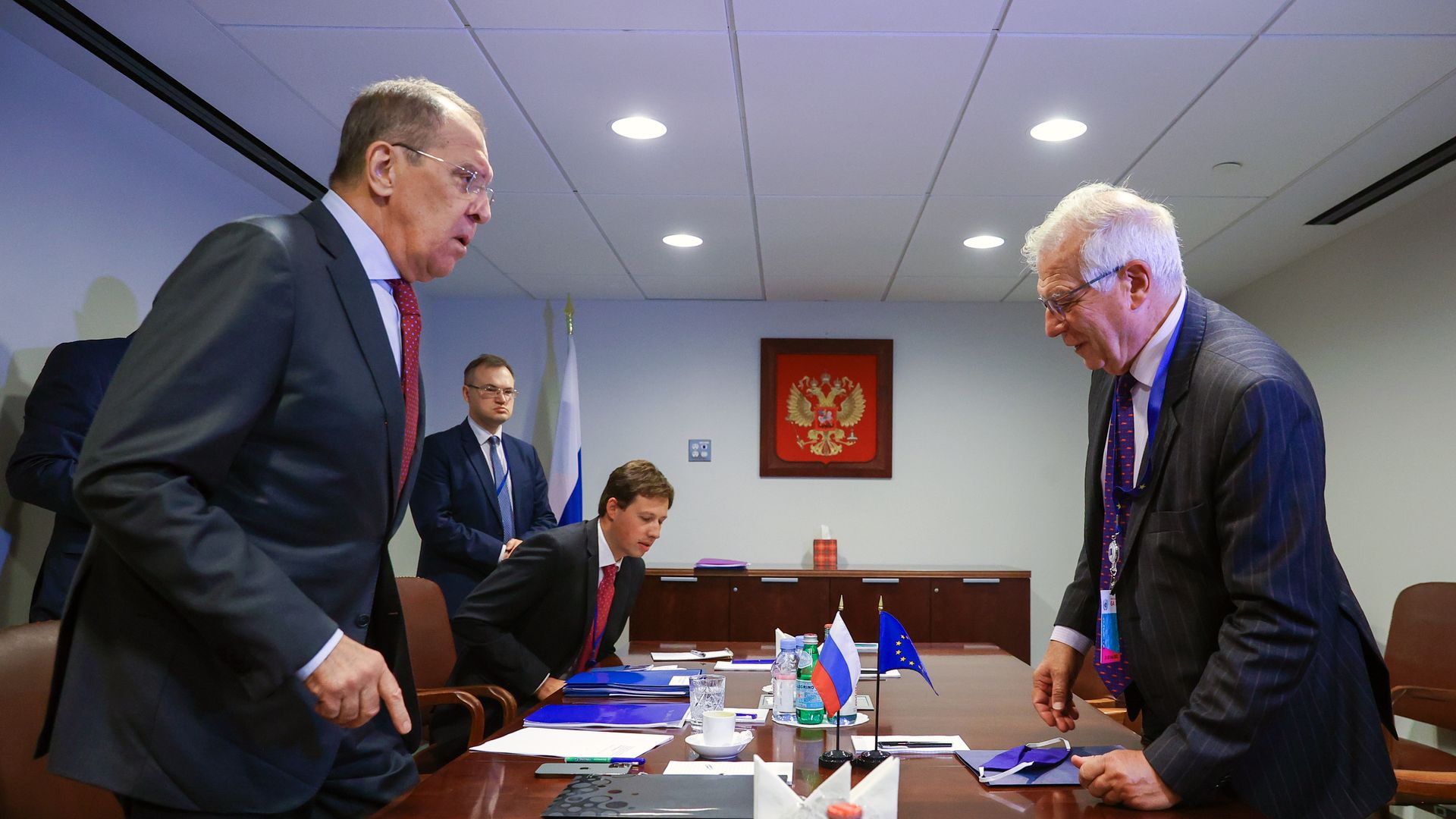
The European Union warned Russia in a statement on Friday not to allow hackers to attack databases or spread disinformation as Germany holds its parliamentary elections this weekend.
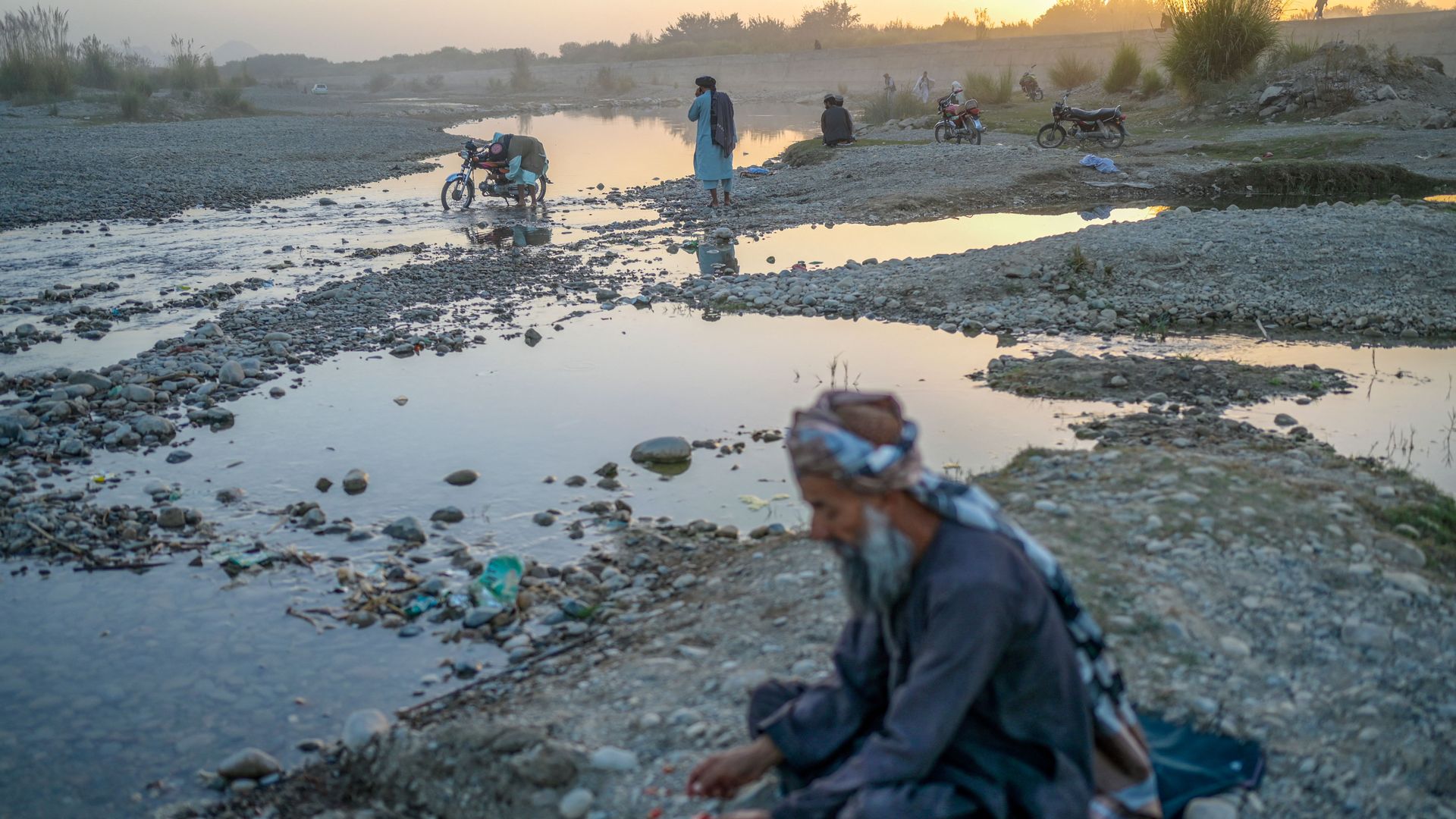
The U.S. Treasury said Friday that it has issued licenses allowing the U.S. government, NGOs and international organizations like the United Nations to engage in transactions with the Taliban or Haqqani Network to provide humanitarian assistance despite U.S. sanctions on the two militant groups.
Why it matters: There's growing concern that the punitive measures could exacerbate the crisis in Afghanistan, Reuters reports.
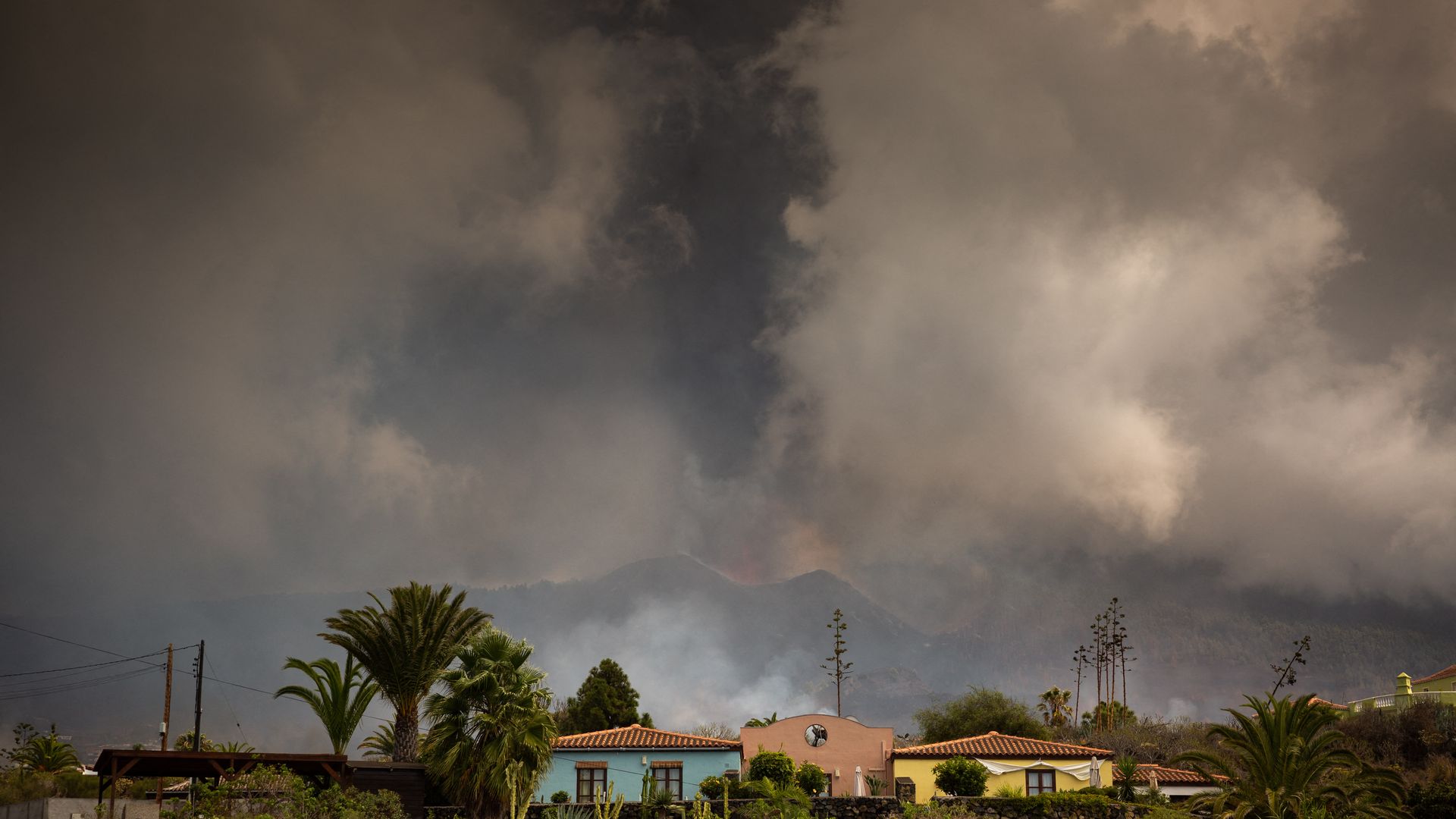
Volcanic explosions on the Spanish island of La Palma intensified on Friday after a new vent opened, forcing firefighters to retreat and three more towns to evacuate, Reuters reports.
Why it matters: Mount Cumbre Vieja erupted earlier this week, destroying hundreds of homes and forcing thousands to evacuate, Reuters reports. Firefighters had been scheduled for clean-up work on Friday before the latest explosion.
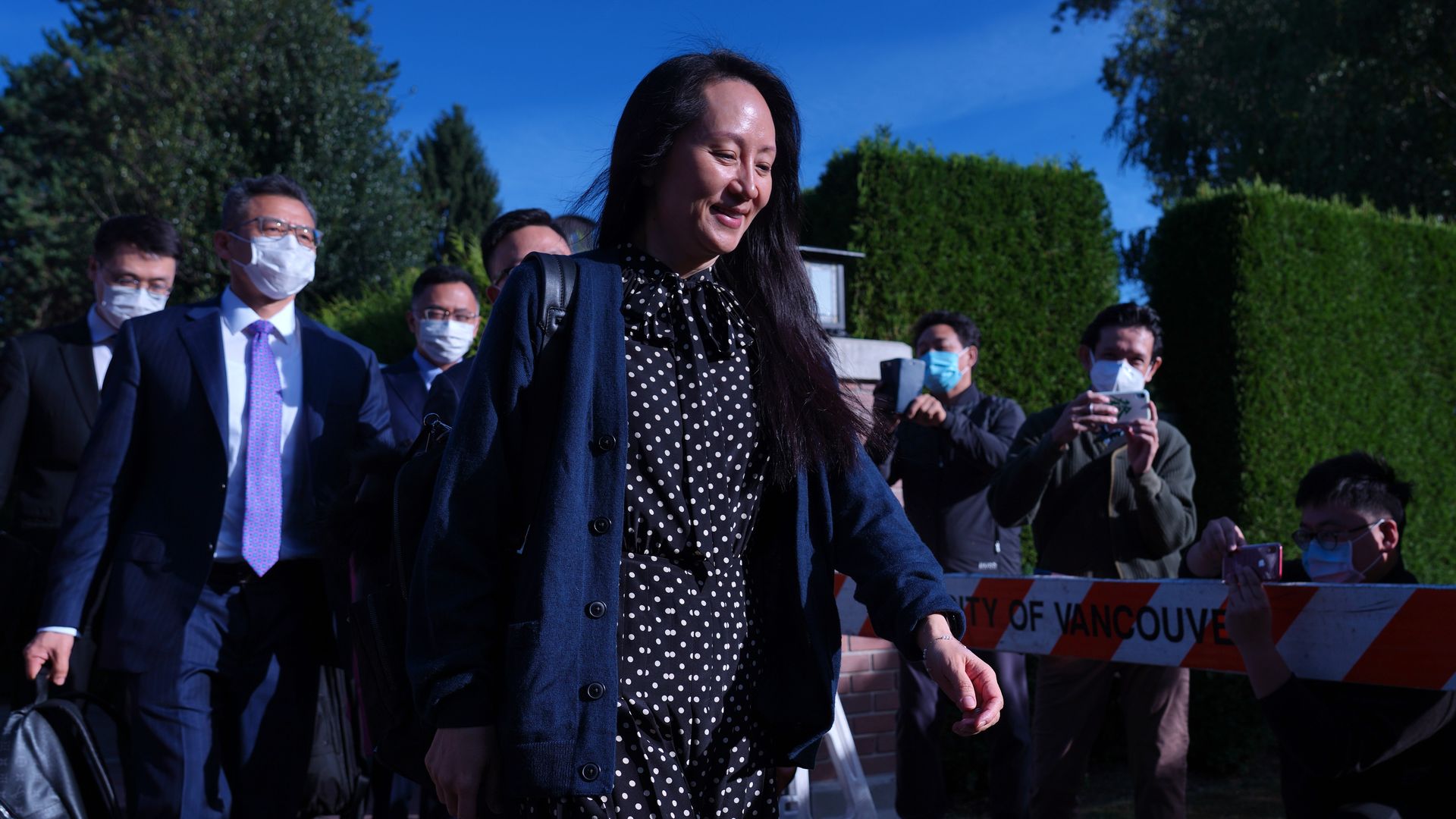
Huawei Technologies executive Meng Wanzhou reached a deal with the Justice Department that resolves the criminal charges against her and could pave the way for her to return to China, AP reports.
Why it matters: The deal settles a yearslong dispute involving the U.S., China and Canada, where Meng, Huawei's chief financial officer, has remained since her arrest there in December 2018, per AP.
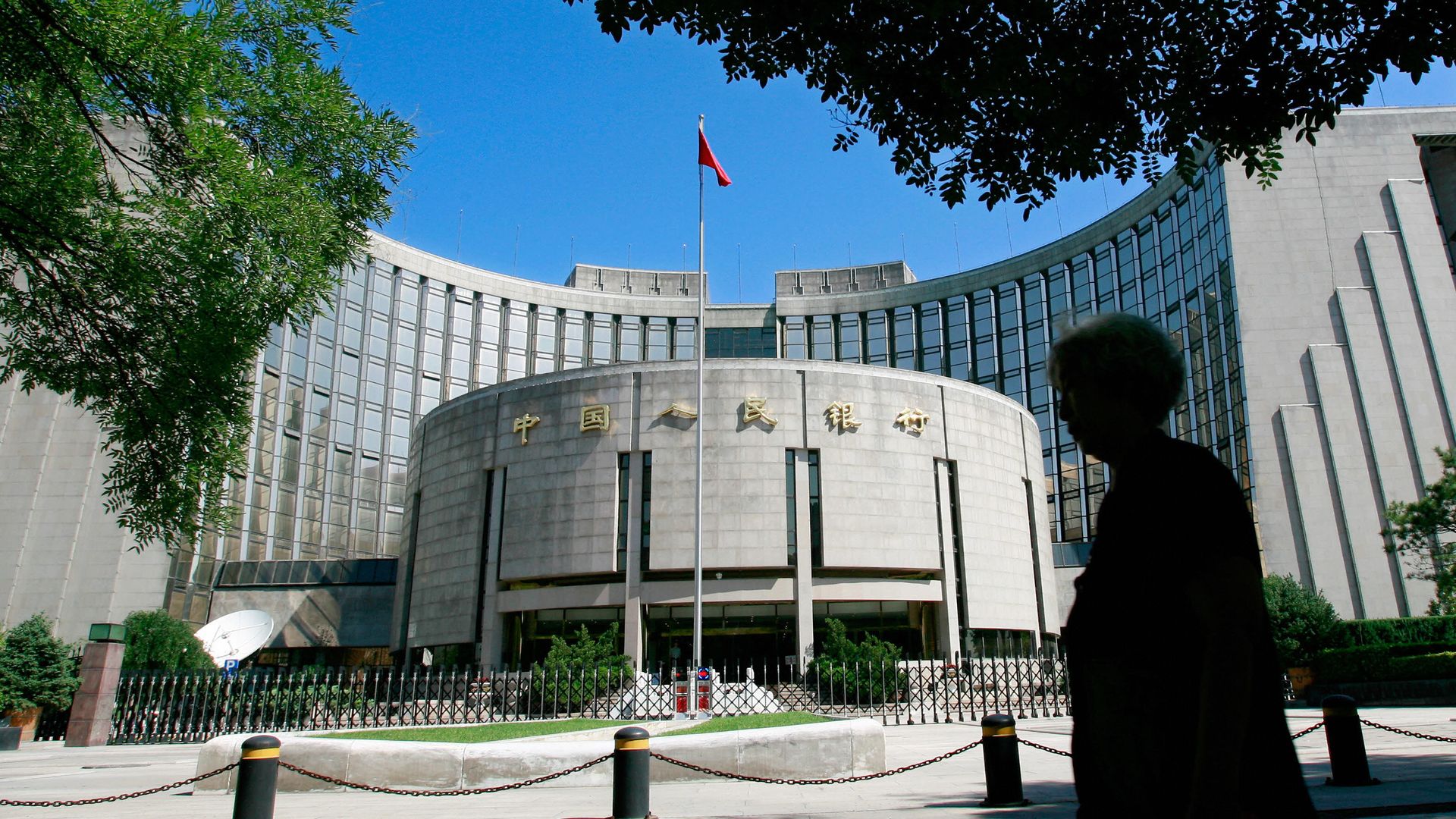
China's central bank declared on Friday that all cryptocurrencies are illegal, banning crypto-related transactions and cryptocurrency mining, according to Reuters.
Why it matters: China's government is now following through with its goal of cracking down on unofficial virtual currencies, which it has said are a financial, social and national security risk and a contributor to global warming.
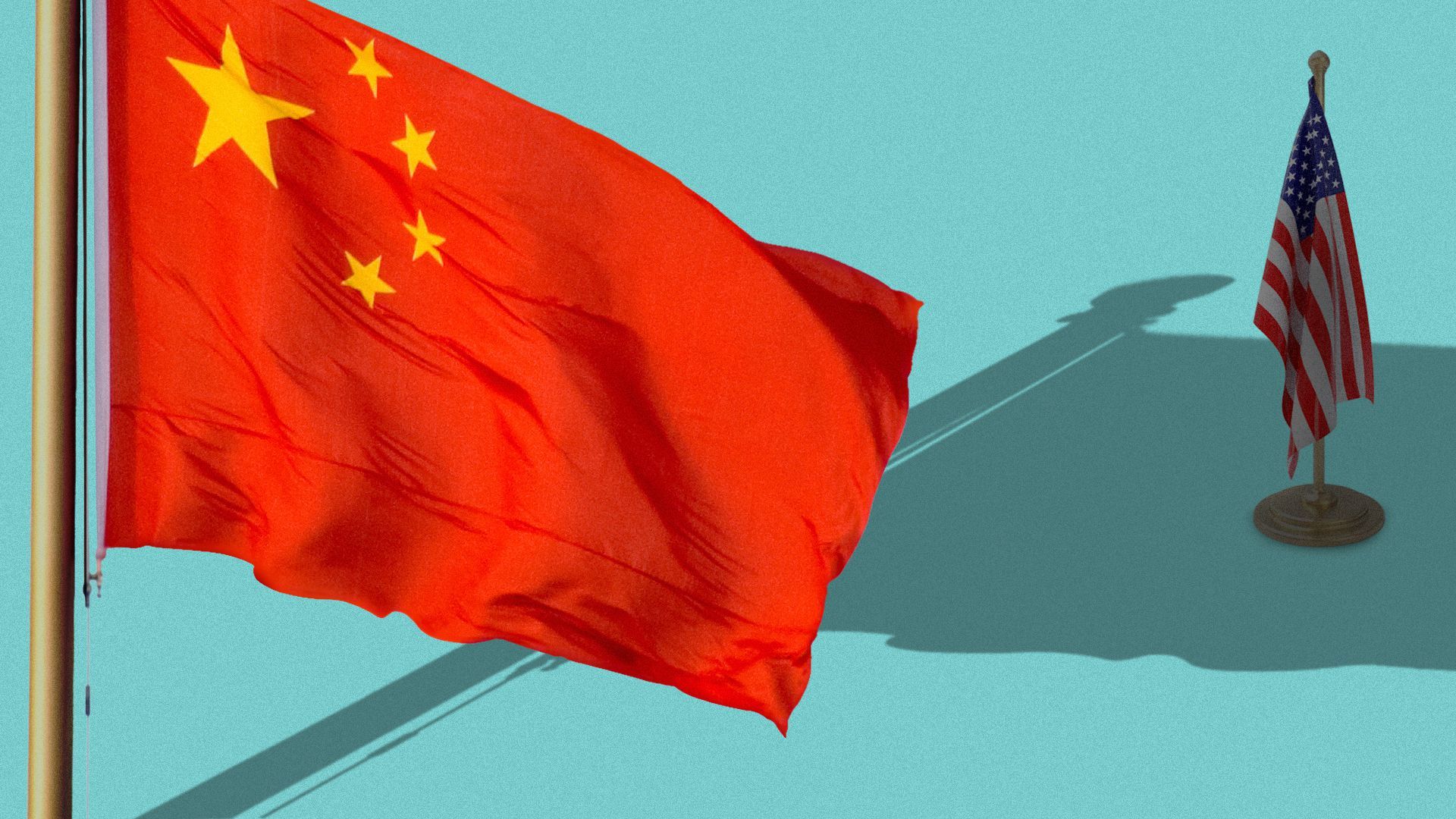
The U.S. is losing Latin America to China without putting up a fight, Ecuador’s ambassador to Washington told Axios, laying bare her frustrations with early inattention from the Biden administration.
Why it matters: Ecuador isn't alone. China has deepened its engagement in the region, and it's now the top trading partner for many of the region's largest economies. That gives Beijing considerable leverage in a region historically dominated by the U.S., and makes Latin America a major frontier in the global competition for influence.
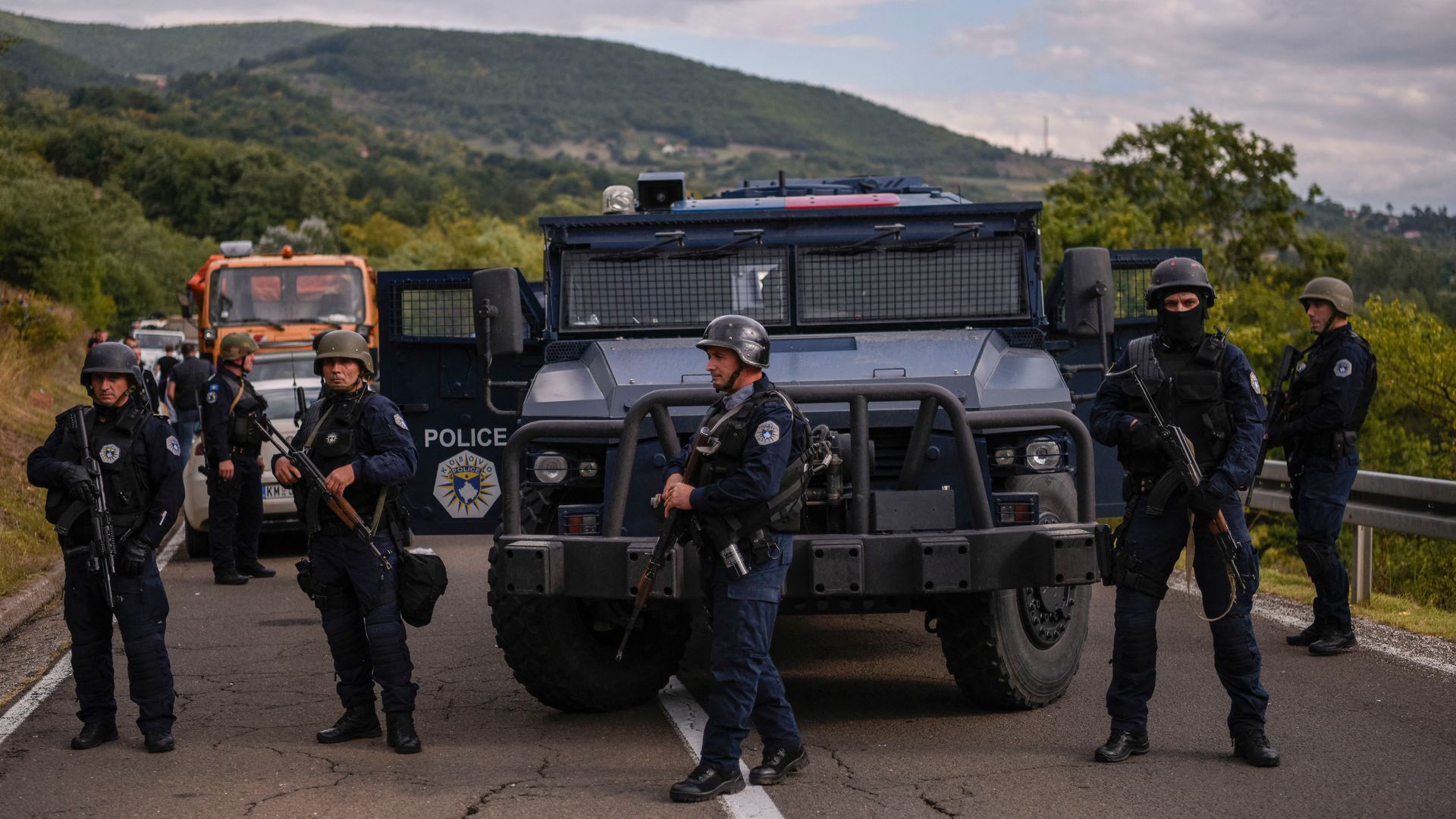
Serbia is increasing its troops' combat readiness on the border with Kosovo as tensions continue to mount, the Serbian defense minister said Thursday, AP reports.
Why it matters: The move comes as ethnic Serbs in Kosovo have blocked the border for four days to protest Kosovo removing Serbian license plates from cars entering the country — raising concerns that tensions could further escalate in the region, per AP.
The House voted Thursday to approve $1 billion in funding to Israel's Iron Dome defense system via a stand-alone bill, days after the provision was removed from a short-term government funding bill because of backlash from progressive lawmakers.
State of play: Several progressive members had threatened to vote against the short-term funding bill, which also includes language to raise the debt ceiling. The clash surrounding the measure underscored the deep divisions in the Democratic Party over Israel.
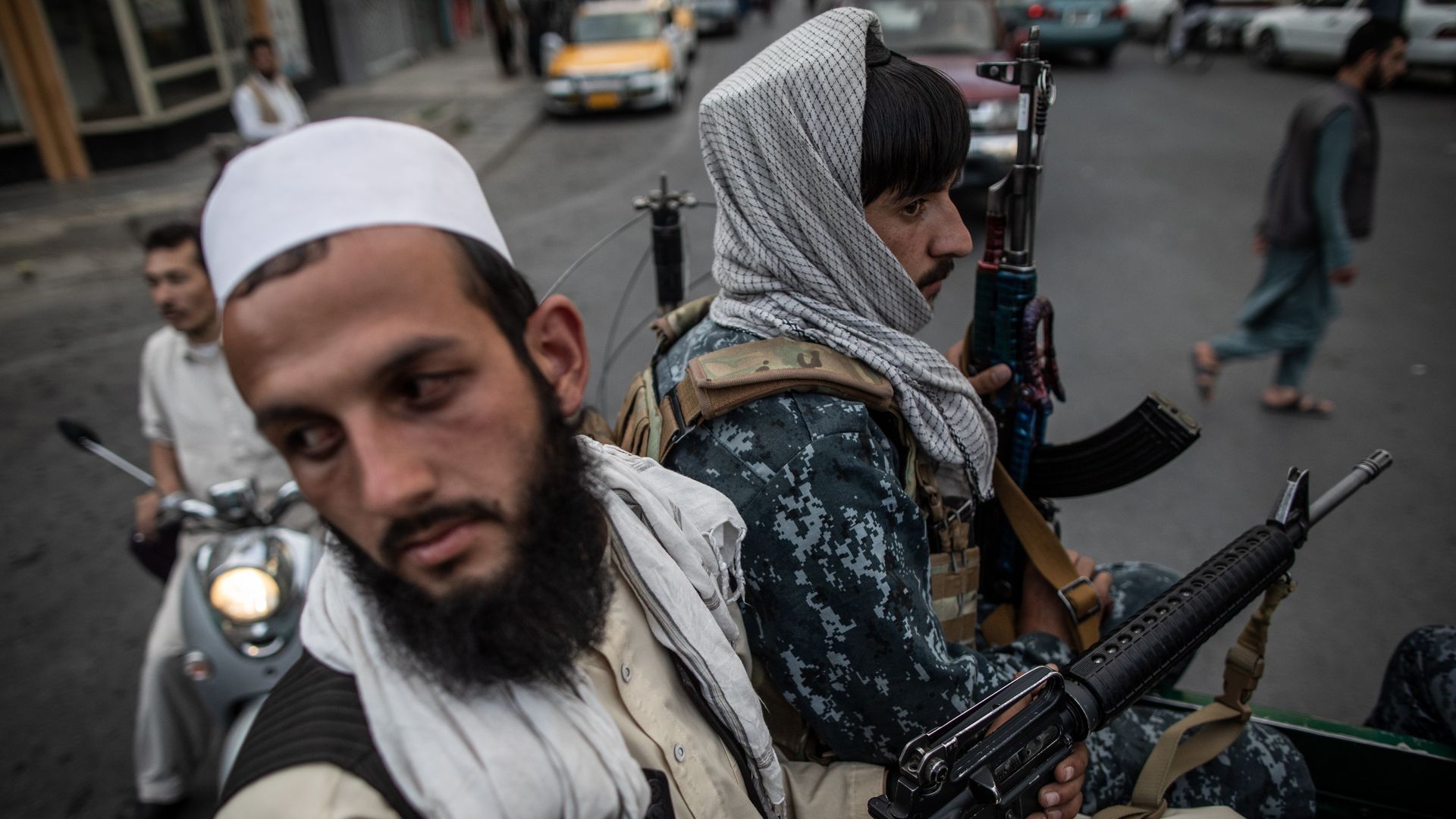
Strict punishments such as hand amputations and executions will return in Afghanistan, one of the Taliban's founders said in an interview with the Associated Press.
Why it matters: Despite attempting to project a new image, the Taliban remain committed to a hard-line, conservative ideology, including harsh ruling tactics.
Argentina gave the world an important tool to solve crimes: A system that would allow investigators to use fingerprints to crack a case.
Why it matters: Argentine police official Juan Vucetich, expanding on British research, created the first fingerprint identification system in 1892, and in doing so introduced the role of biometric data in crime-solving. More than a hundred years later, fingerprints remain a powerful addition to the forensic toolbox.
Latin Americans lying beneath unmarked tombstones and in mass graves across the region are recovering their names, decades after the conflicts that took their lives.
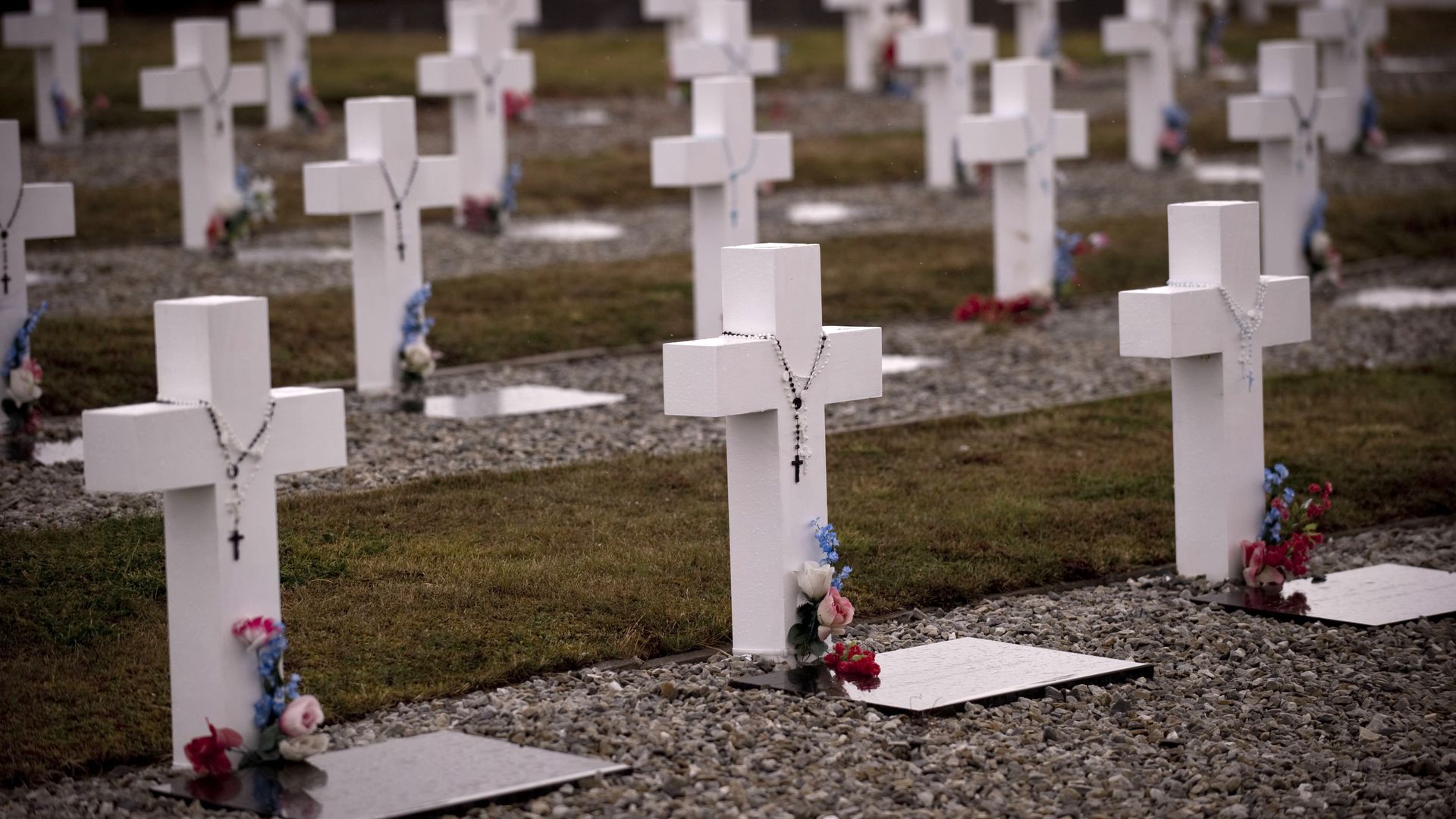
Driving the news: Last week six Argentine soldiers who died during the 1982 Falklands War were ID'd through forensic anthropology and genetic testing, as part of an international project supported by the Red Cross.
German health authorities announced Wednesday that the country's state governments would no longer help companies pay for the salaries of unvaccinated workers who have to quarantine, the New York Times reports.
Why it matters: The announcement comes after a national drive failed to produce a significant increase in vaccinations. About 63% of Germany's population is fully vaccinated, according to data from John Hopkins University.
French defense contractor Naval Group said Wednesday it will bill the Australian government for torpedoing a multi-billion dollar contract to purchase submarines in favor of nuclear-powered ones from the United States, according to AFP.
Why it matters: Australia's new deal with the U.S. and its scrapped deal with France have set off a diplomatic crisis between the Western allies, causing France to recall its ambassadors to the U.S. and Australia last week.
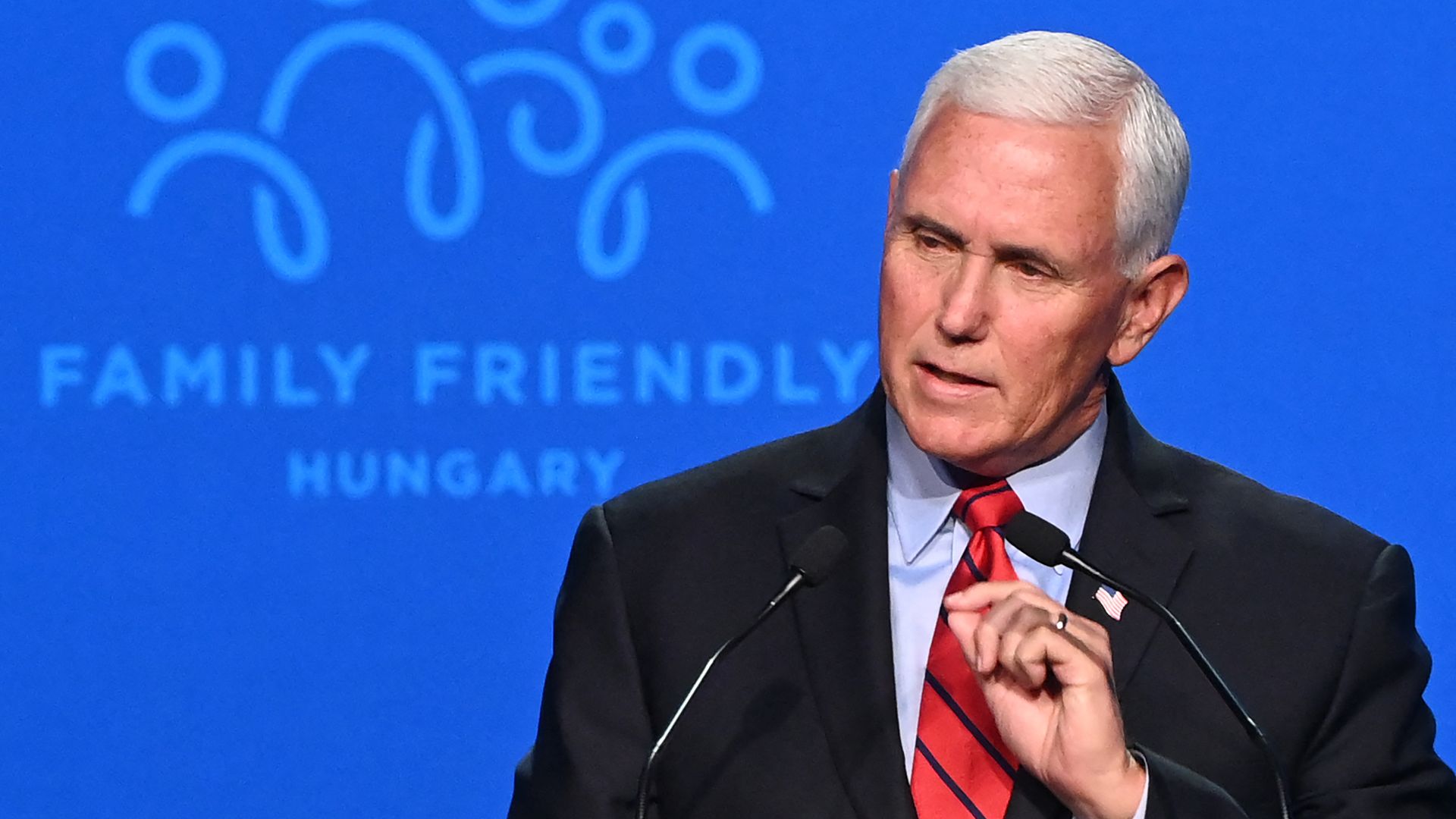
Former Vice President Mike Pence said Wednesday he's hopeful the majority-conservative Supreme Court secured during the Trump administration will overturn abortion rights in the United States, according to AP.
Why it matters: Pence made the comments at a biennial forum held in Budapest by conservative leaders concerned about changes in demographics, family values, fertility rates and illegal immigration into Western countries.
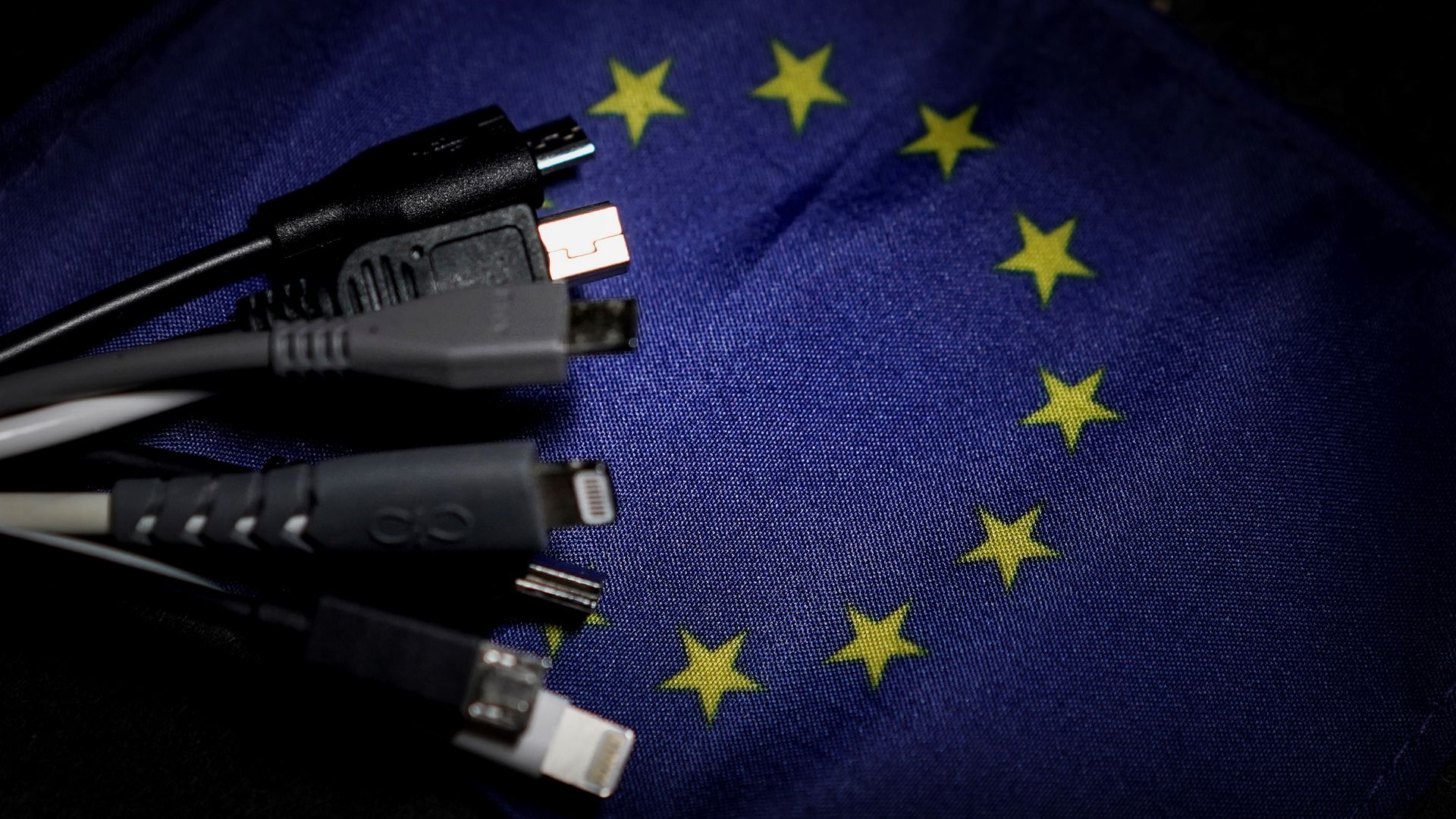
The European Commission proposed legislation Wednesday that would require mobile phone manufacturers to adopt a single charging method in an effort to boost convenience for consumers and cut down on electronic waste.
Why it matters: If the European Parliament passes the legislation, USB-C will become the standard charging port used in all newly produced smartphones, tablets and other chargeable consumer electronics sold in the European Union.
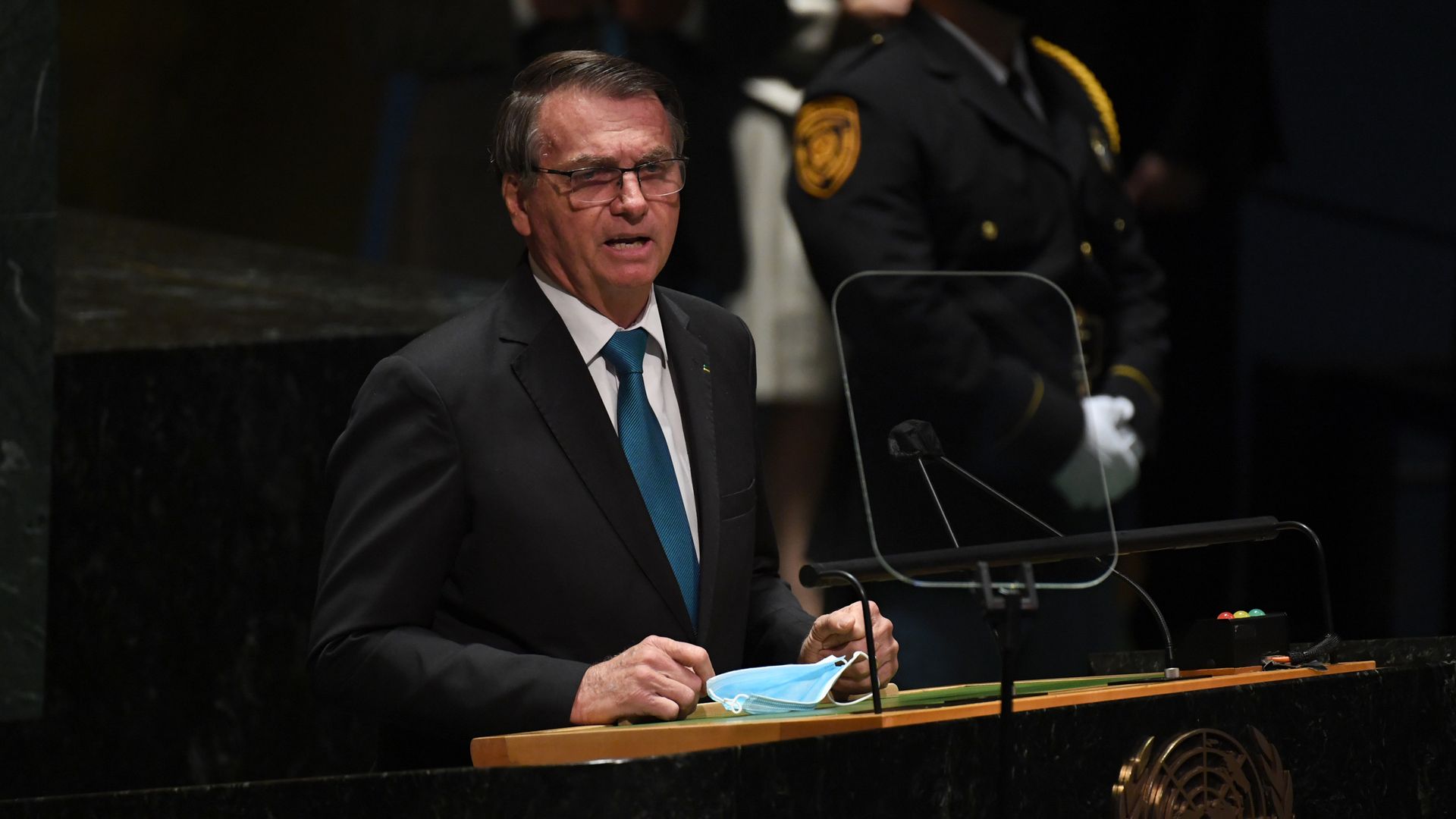
Brazil's President Jair Bolsonaro and members of his delegation that were in New York for the UN General Assembly were put in isolation after the country's health minister tested positive for coronavirus, according to the state health regulator.
Why it matters: Bolsonaro, who tested positive for COVID-19 back in July and has regularly railed against pandemic measures, has not been vaccinated against the virus.
Airbnb CEO Brian Chesky and co-founder Joe Gebbia said during a visit to Washington on Wednesday that they're offering temporary housing to 40,000 Afghan refugees worldwide, doubling a previous commitment.
The big picture: The housing typically lasts several weeks, and Airbnb and Airbnb.org provide subsidies to hosts. Hosts and donors also help pay.
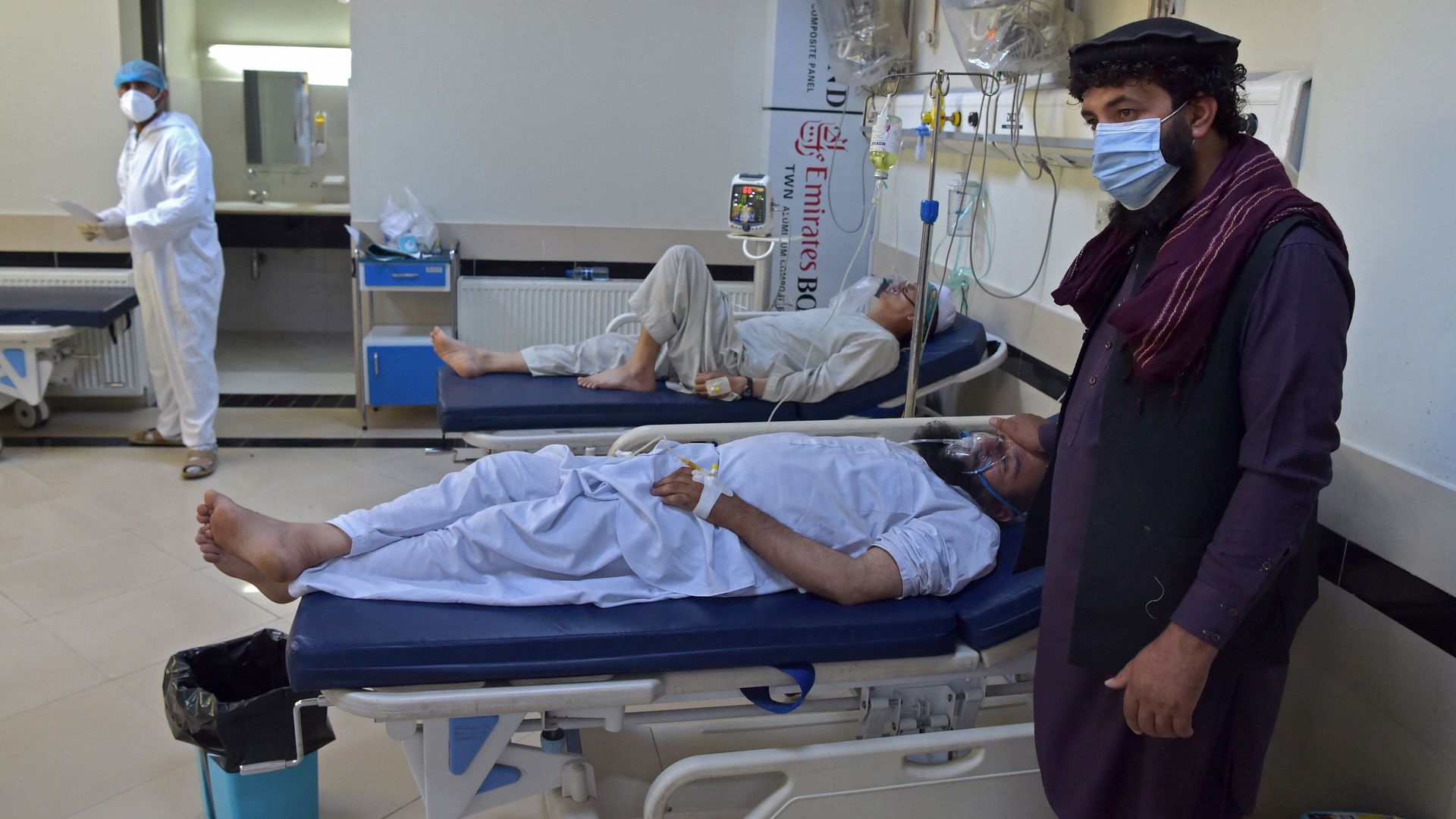
Afghanistan's health system is "on the brink of collapse" due to international funding cuts since the Taliban took over the country, World Health Organization officials said Wednesday.
The big picture: Nine of Afghanistan's 37 COVID-19 hospitals have closed and "all aspects" of the country's pandemic response have declined, including testing and vaccination, per a statement from WHO chief Tedros Adhanom Ghebreyesus following his visit to the capital, Kabul, where he met with Taliban leaders.
President Biden plans to attend the G20 summit in Rome late next month before heading to the COP26 climate meeting in Glasgow, Scotland, people familiar with the matter tell Axios.
Why it matters: Biden's European travels come at the time of some political strain. They'll also include his first Group of 20 summit with world leaders as president, with a host of thorny issues ranging from countering China's rise to coordinating a global response to COVID-19.