Valve is officially entering the crowded market of Switch-like portable gaming PCs with the unveiling of the Steam Deck, a system stuffed with impressive features.
Why it matters: Valve's device is the latest effort to tap into an audience who likes the idea of the hybrid Switch but would prefer to play PC games and won’t mind missing Mario.
There's been a major shift in recent years in how video games represent Arabs, but developers are still struggling to find their footing and not rely on problematic stereotypes.
Why it matters: Arab cultures have been coded in harmful stereotypes in games for decades.
Surgeon General Vivek Murthy called on social media companies Thursday to curb misinformation related to the coronavirus pandemic and vaccines in his first health advisory since being confirmed to the position.
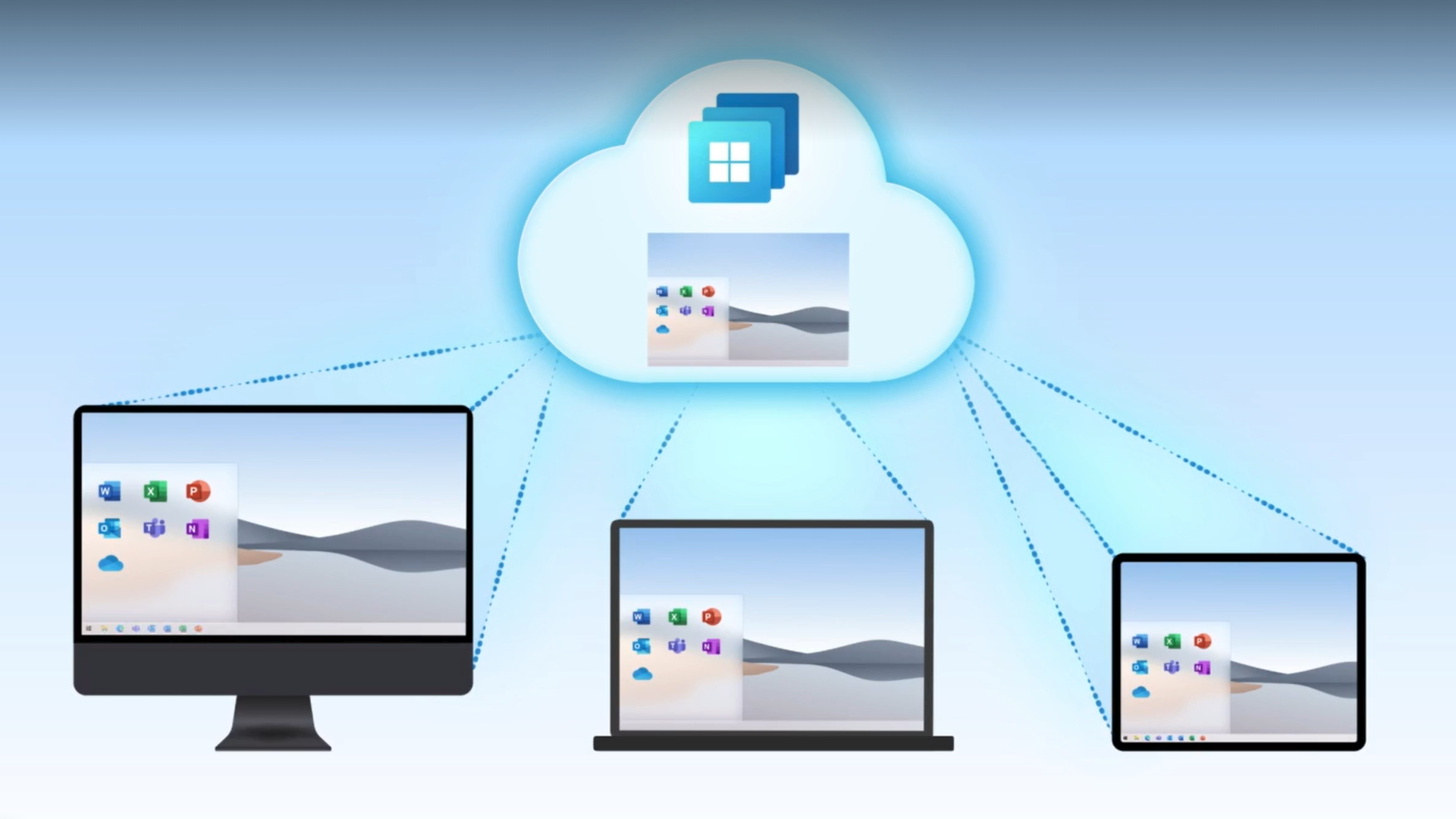
Microsoft on Wednesday announced Windows 365, a cloud-based version of the desktop operating system that allows people to run the same virtualized desktop across multiple PCs and even on Macs and mobile devices.
Why it matters: The move puts Windows in more places, including on iOS and Android, though its capabilities there are more limited than on a PC.
A startup called Compology is using high-tech cameras in dumpsters and AI analytics to help companies and cities better manage their waste streams.
Why it matters: Trash — unlike electricity or water — isn't easy for cities to meter, "which contributes to the inefficiency around waste management," says Jason Gates, Compology's CEO.
Digital maps are getting better every day, making turn-by-turn navigation more accurate, with real-time details. Adding a third dimension to mapping — altitude — is the next breakthrough.
Why it matters: Satellite-based GPS maps are critical to modern life but have their limitations. They don't work well indoors or in urban areas, and they aren't secure.
Only Facebook knows for sure what's popular on its platform at any given moment. The rest of us, viewing our individual feeds and seeing only how our own posts fare, are left to guess.
Facebook could change that by giving the world real-time windows onto the social network. But it has long resisted doing so — and new reports suggest it's afraid greater transparency will just make it look bad.
Google's announcement of a plan to pay some game developers based on how much their games are played has stirred concerns among industry insiders about the downside of game subscription economics.
Why it matters: The concern over engagement-based payments is that they incentivize developers to make games that are artificially longer or that pressure their players to keep coming back.
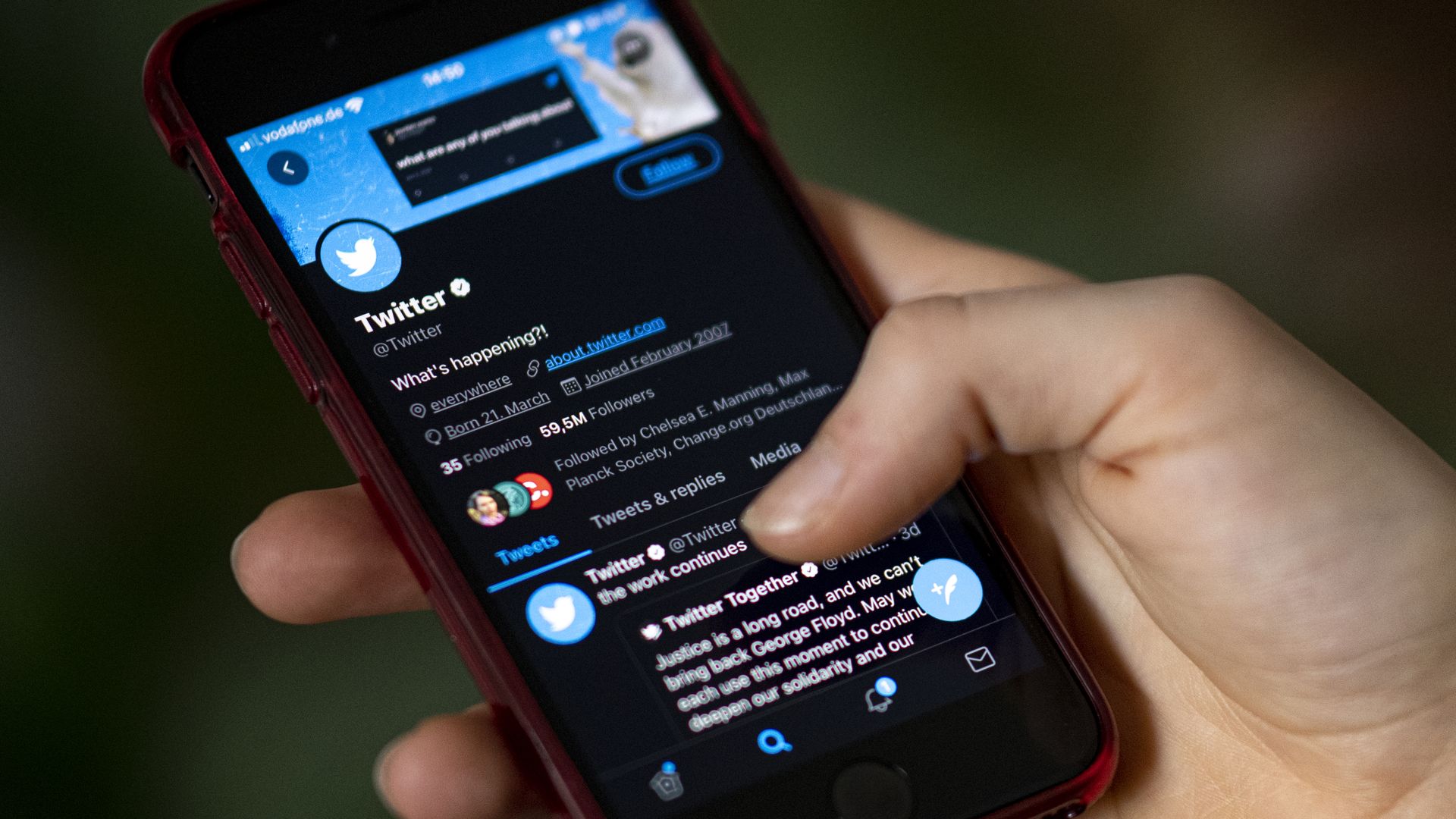
Twitter said Wednesday it is shutting down "Fleets," a product akin to Snapchat's "Stories" feature that allows users to post strings of photos and videos for 24 hours before they disappear.
Why it matters: Twitter introduced Fleets last November as a way to connect its users around more ephemeral content. Now, the company says its big bet wasn't producing enough new user engagement to make it worthwhile.
Discord, a San Francisco-based chat platform valued by VCs at $7 billion, agreed to buy Sentropy, a Palo Alto-based provider of AI software for detecting and removing online harassment.
Why it matters: Because engaging with others online shouldn't include an entrance fee of harassment and abuse. Discord once was known as a place where such misdeeds proliferated, but it cracked down after Charlottesville, and this deal reflects its continued efforts around user safety.
Facebook on Wednesday filed a petition for Federal Trade Commission chair Lina Khan to recuse herself from any decision-making about whether and how to continue the agency's antitrust case against the social media giant.
Why it matters: Khan, a vocal critic of Big Tech's power, took over leadership of the agency as it weighs whether to refile its complaint against the company after a judge dismissed it last month.
The Biden administration is gearing up for a showdown with cable and telecom companies over plans to bring back Obama-era net neutrality rules.
Why it matters: The Trump administration took a hands-off approach to the telecom industry, but the White House is now reversing course with new plans to regulate the behavior of America's internet service providers.
The Bay Area-based startup Primer is offering natural language processing (NLP) models for businesses that can rapidly read and analyze written text of all kinds.
Why it matters: NLP — machine-learning agents that comprehend and even write text — is one of the most exciting areas of AI research, and the new product points to a future when text-crunching AI will be available as a service, accelerating the technology's adoption.
With no spectators allowed at the Tokyo Olympics, robots might be the only ones on hand to witness the athletic feats at this year's Summer Games.
Why it matters: Organizers had billed the 2020 Olympics as "the most innovative ever," with plans to deploy teams of robots to assist and dazzle visiting athletes and fans.
The Trump Department of Justice attempted to obtain the communications records of three Washington Post reporters via legal action over 2017 reports on Russian election interference and Russia's ambassador, court documents unsealed Tuesday show.