Most small business stories from the pandemic are about about pivoting or perishing, but there's also been an unexpected surge in new small business creation. One example is Agua Bonita, a canned beverage company that launched last year after both of its co-founders were laid off.
Axios Re:Cap talks with Agua Bonita co-founder Kayla Castañeda and Techstars founder David Cohen about what it was like for startups over the past 14 months, and what recovery means for businesses that didn't exist before COVID-19. Plus, a conversation with Wall Drug proprietor Rick Hustead.
Big games beget big leaks, especially this time of year when the gaming industry’s porous promotional machinery is revving up for the E3 trade show.
Driving the news: It happened again Thursday when eight minutes of Ubisoft's upcoming "Far Cry 6" leaked online, a day before it was supposed to appear. It was deleted in minutes, but thousands still saw it.
"Mass Effect: Legendary Edition" modders are creating queer romance options that wouldn't exist in-game otherwise
Why it matters: Relationships and romance are a huge draw in "Mass Effect," and players are creating a more inclusive experience. Although "Mass Effect" includes same-sex pairing for the female Shepard with Liara, and "Mass Effect 3" added several explicitly gay characters for players to romance, there's still a lack of options for players who want to have same-sex relationship in-game.
A new quantum algorithm could eventually make it easier for banks to manage the systemic risk that helped bring down the financial system more than a decade ago.
Why it matters: Major financial institutions spend huge computing resources in calculating the systemic risk that may be contained in their portfolios. Replacing classical computing with a quantum architecture could allow them to do it faster and cheaper.
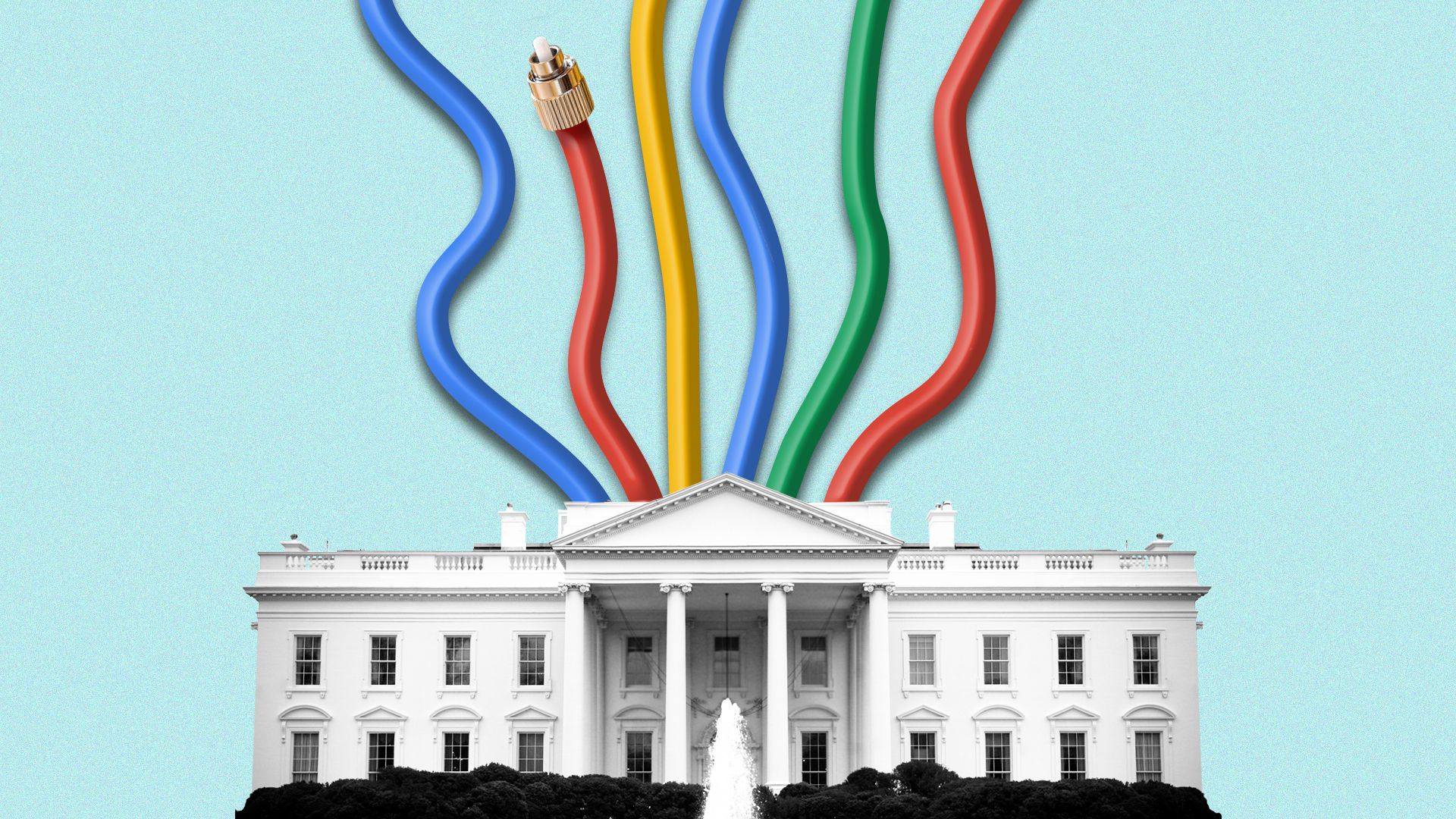
President Biden's plan to boost broadband across the country could also be a boon to Google's internet ambitions.
Why it matters: Biden wants to invest billions in building "future-proof" networks to connect all Americans, using a technology that Google previously struggled to deploy widely.
Elements of the bipartisan U.S. Innovation and Competition Act, a sweeping China-related package that could be approved by the Senate as soon as Friday, could help address the chip shortage in the form of an emergency appropriation.
Why it matters: Production of everything from electronics and appliances to cars has been slowed down because of the shortage, which is expected to last until 2023.
The same Russian hackers behind the massive SolarWinds breach have launched a new wave of cyberattacks targeting government agencies, think tanks, consultants and NGOs, Microsoft disclosed late Thursday night.
Why it matters: The revelation of the ongoing attack comes less than two months after the U.S. imposed sanctions and expelled Russian diplomats in response to the SolarWinds hack, described by Microsoft as the "most sophisticated attack the world has ever seen."
The same Russia-based "threat actor" responsible for last winter's Solarwinds attack is at it again, according to a Microsoft report posted late Thursday — this time, targeting human rights and international aid groups.
By the numbers: The attackers, whom Microsoft refers to as Nobelium, targeted roughly 3000 email accounts at 150 organizations in 24 countries, including "government agencies, think tanks, consultants, and non-governmental organizations." The largest share of attacks hit U.S. organizations.
Facebook is resuming contributions through its political action committee, but not for any lawmakers who voted against certifying the 2020 U.S. election, according to an internal company letter obtained by Axios.
Why it matters: Facebook was one several major companies that froze political spending after the Jan. 6 Capitol insurrection.
Two groups representing major tech companies filed a lawsuit Thursday against Florida state officials over a new law regulating how social media companies moderate online speech.
What's new: The Communications and Computer Industry Association and NetChoice, two trade groups that represent major tech firms like Google, Facebook and Amazon and fight for tech-friendly laws, argue the law is unconstitutional.
Lerer Hippeau has promoted four womento partner, the New York City venture capital firm tells Axios.
Why it matters: The move reflects a deal activity surge that's causing firms to expand their partnerships and shows the VC industry's ongoing efforts to remedy its extreme gender imbalance.
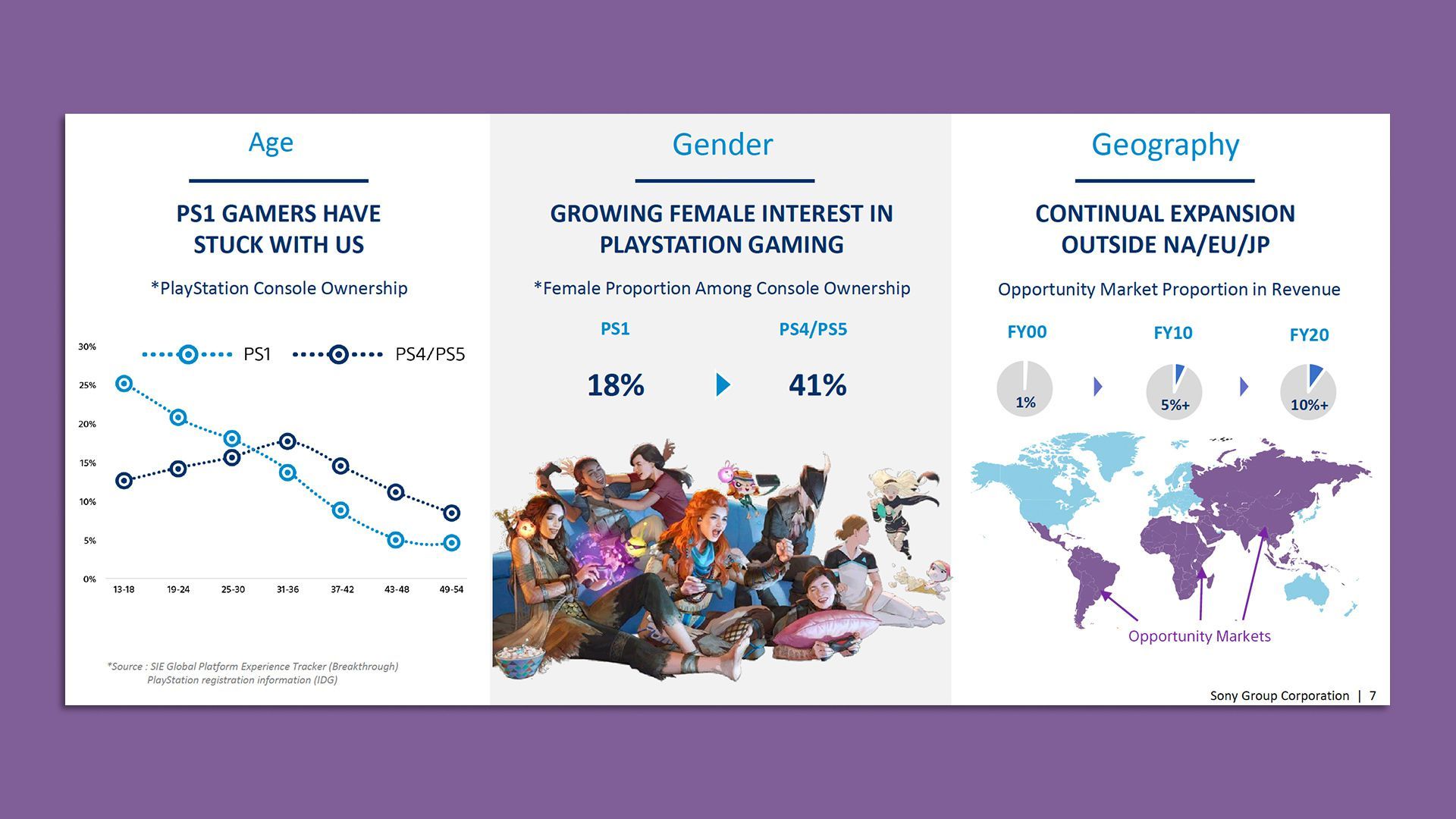
Sony revealed during a presentation to media and investors on Wednesday that 41% of PlayStation 4 and PlayStation 5 owners are girls or women, up from 18% for the late '90s launch of the original PlayStation.
Why it matters: Games aren't just a guy thing and haven't been for a long time.
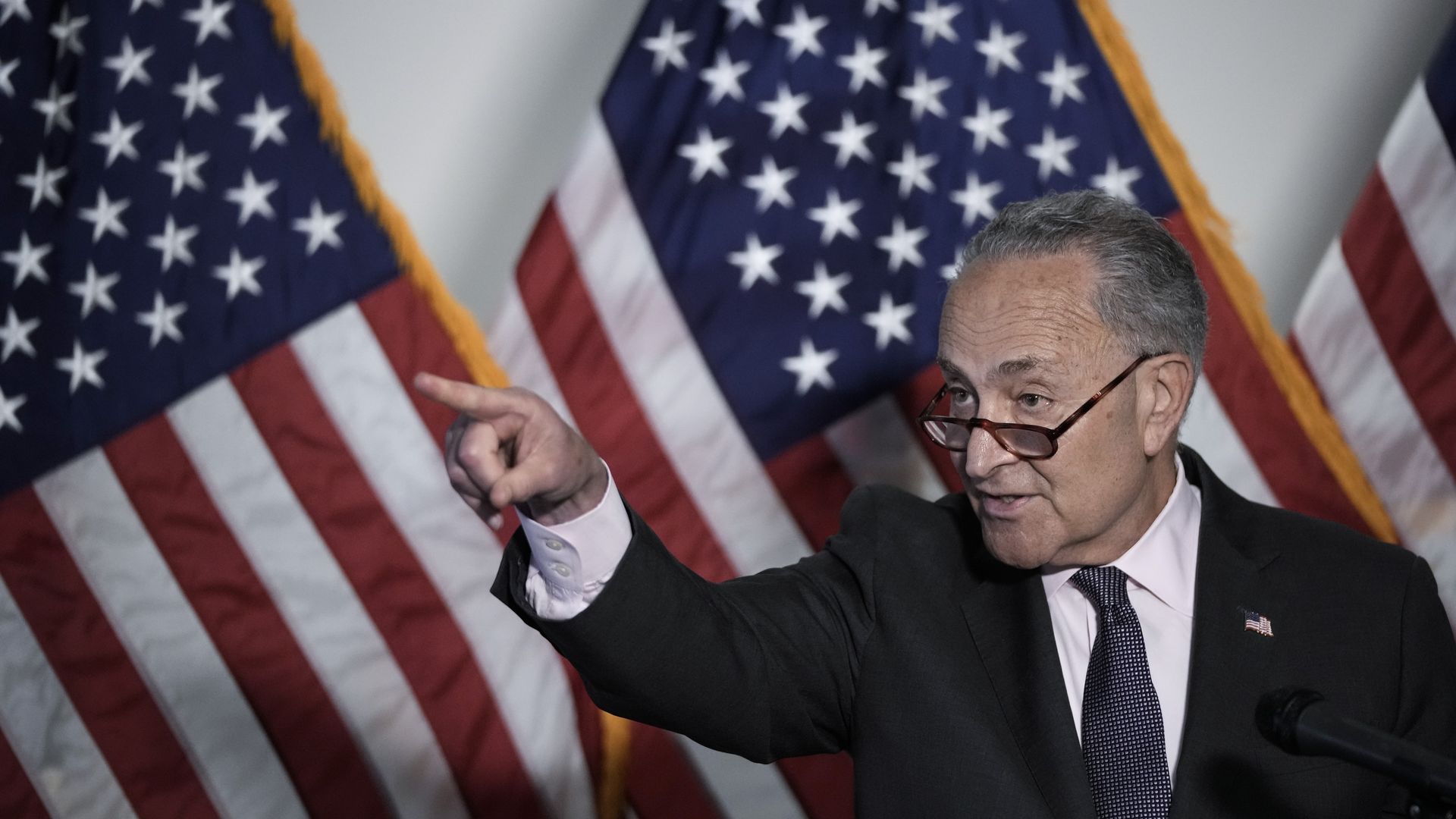
The Senate voted 68-30 on Thursday to advance a sweeping China-focused global competition bill, clearing a major procedural hurdle after concerns over potential Republican opposition.
Why it matters: The bill, which faces additional debate before a vote is held on final passage, is seen as a litmus test for whether Republicans could work with Democrats on any legislation in the deeply divided Senate. The vote was held open for hours after Republicans negotiated more time to vote on amendments.
Charlie Guillemot is stepping down as co-head of Ubisoft mobile studio Owlient, Axios has learned.
Why it matters: Guillemot is the son of Ubisoft CEO Yves Guillemot, whose company has been embroiled in a series of workplace and content controversies over the past year.
After years of grassroots efforts, game developers are now making games that are accessible instead of just compliant.
The big picture: When developers say accessibility, they’re talking about “removing unnecessary barriers that prevent people, specifically people with disabilities, from being able to play the game,” Xbox accessibility manager Tara Voelker told Axios.
Russia has been putting the screws to Twitter, Facebook and Google to follow newly crafted content restrictions, testing the degree to which the tech giants will bend to the country's will.
Why it matters: The companies have significant business reasons to appease repressive governments like Russia's, but the world is watching. Concessions made to one country one day risk encouraging other countries to make their own demands.
Jeff Bezos isn't just one of the richest men in the world — he has also become one of the most influential executives across an array of industries beyond online retail, including aerospace, newspapers, and now movies.
Why it matters: Bezos' splashy and far-reaching investments distinguish him from other tech leaders who are trying to lay low as regulatory pressures mount.
Facebook posts claiming that COVID-19 was "man-made" will no longer be removed, the social media giant announced Wednesday.
Why it matters: The lifting of the ban reflects a reinvigorated debate on the origins of the pandemic in recent days, following a Wall Street Journal report that three researchers at the Wuhan Institute of Virology were hospitalized in November 2019 after falling ill.








/2021/05/28/1622201039407.gif?w=3840)







/2021/05/27/1622153521590.gif?w=3840)